Artwork
Befreiung der Io
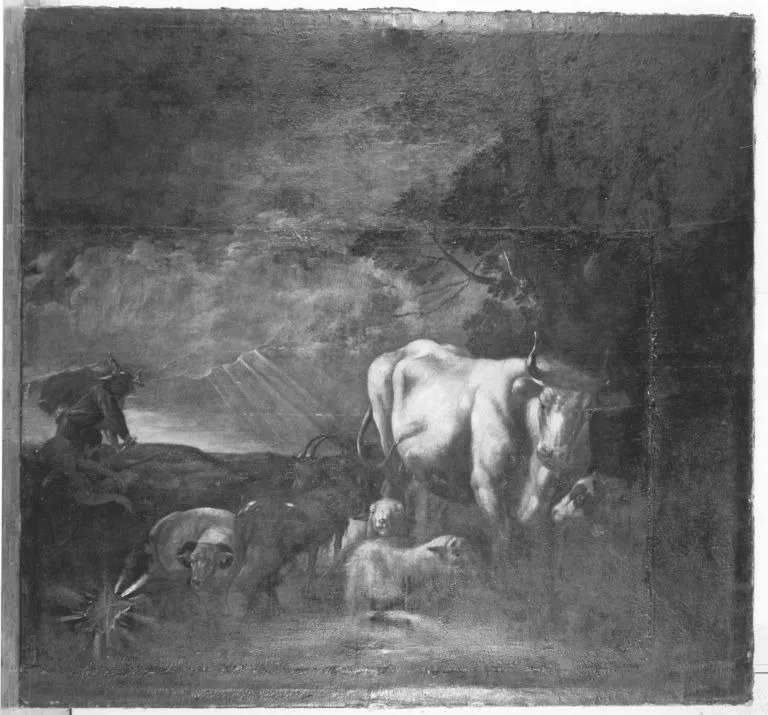
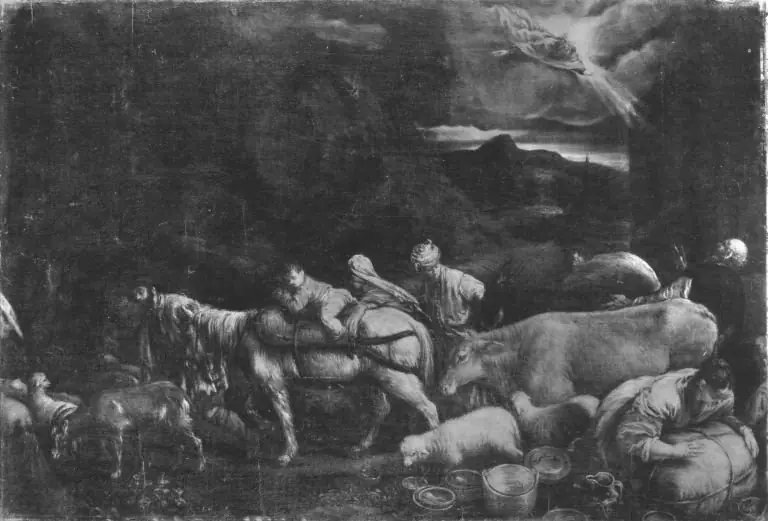
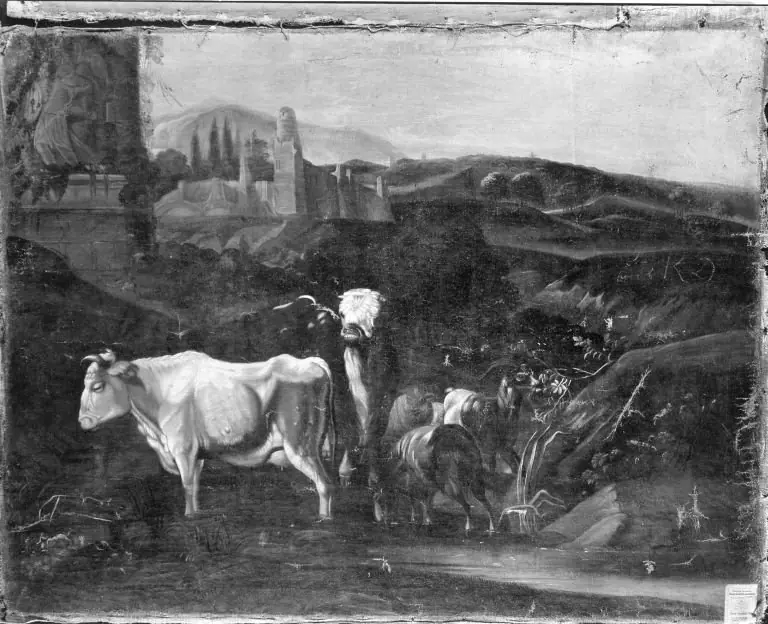
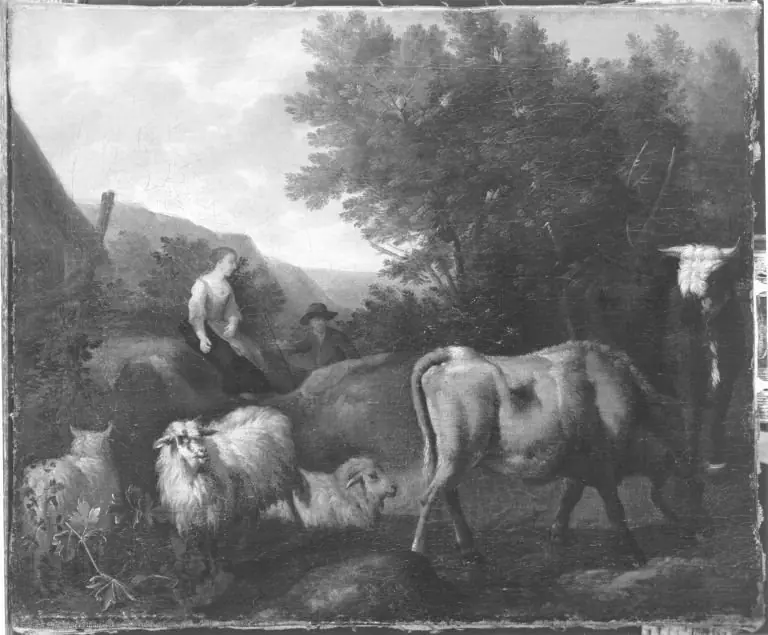
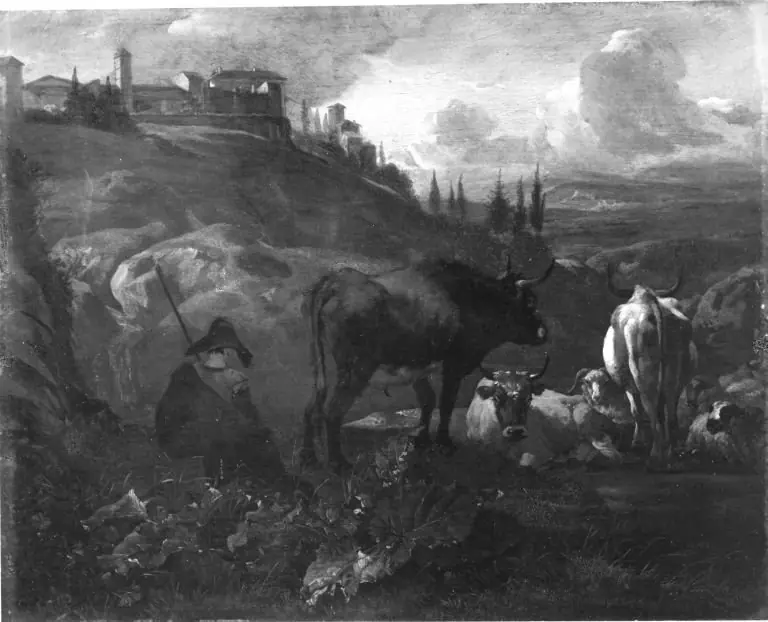
Befreiung der Io is an unspecified painting by the Flemish Baroque painting artist Philipp Peter Roos. It dates from 1691 and is held in the collection of the Bavarian State Painting Collections.
About this work
Overview
Philipp Peter Roos, a German-born painter who settled near Rome and later signed his works as Rosa di Tivoli, executed the canvas *Befreiung der Io* in 1691. The work is part of the Alte Pinakothek’s holdings and belongs to the late 17th‑century Flemish Baroque tradition, reflecting the artist’s cross‑cultural influences.
Subject & Meaning
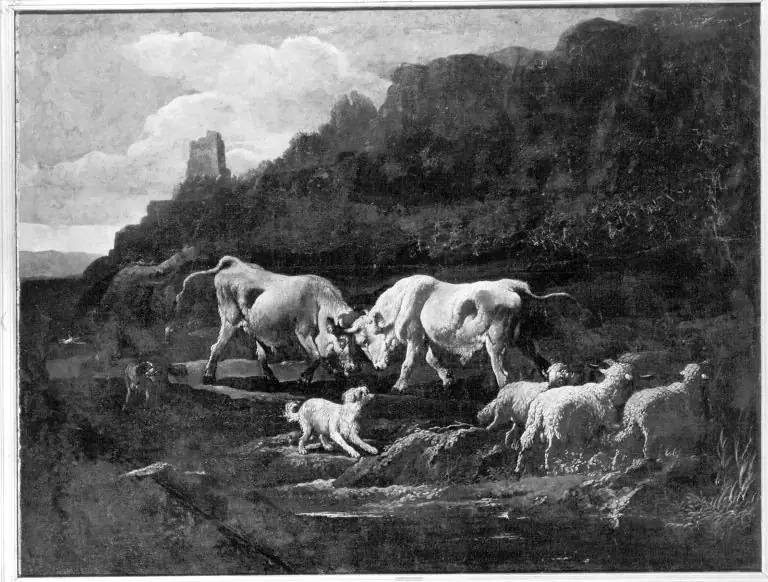
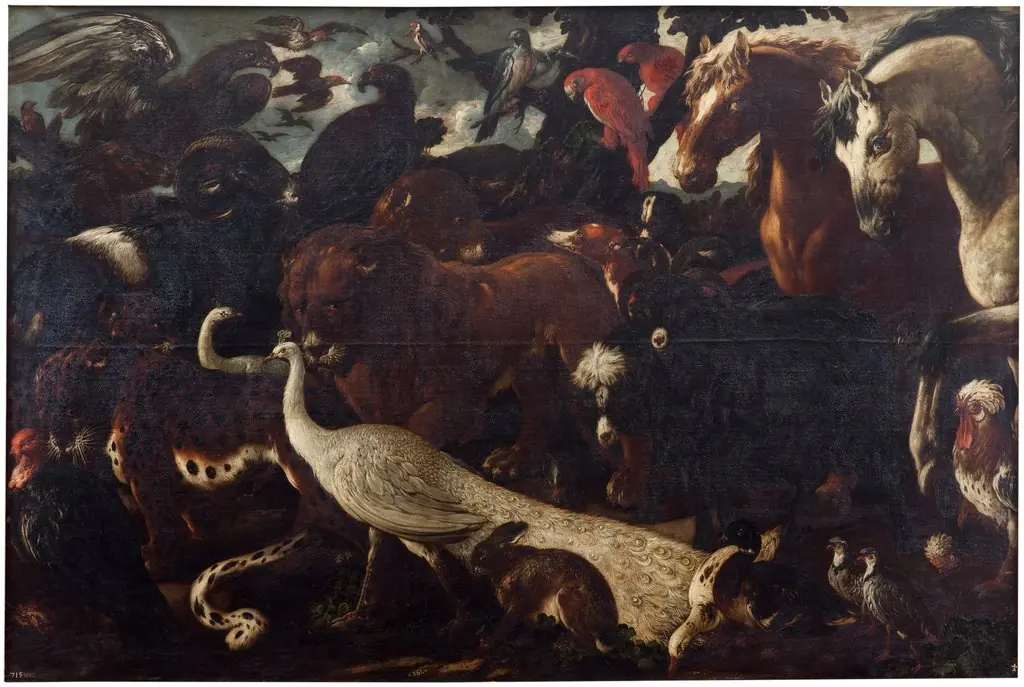
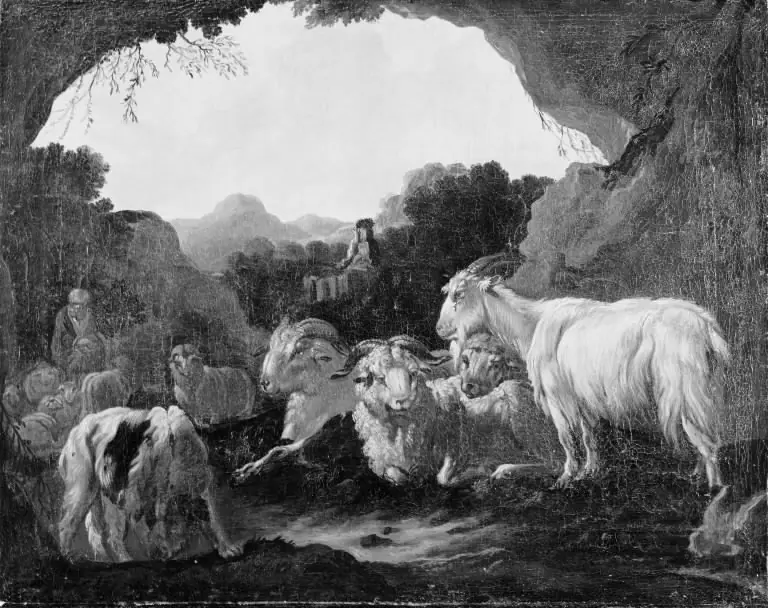
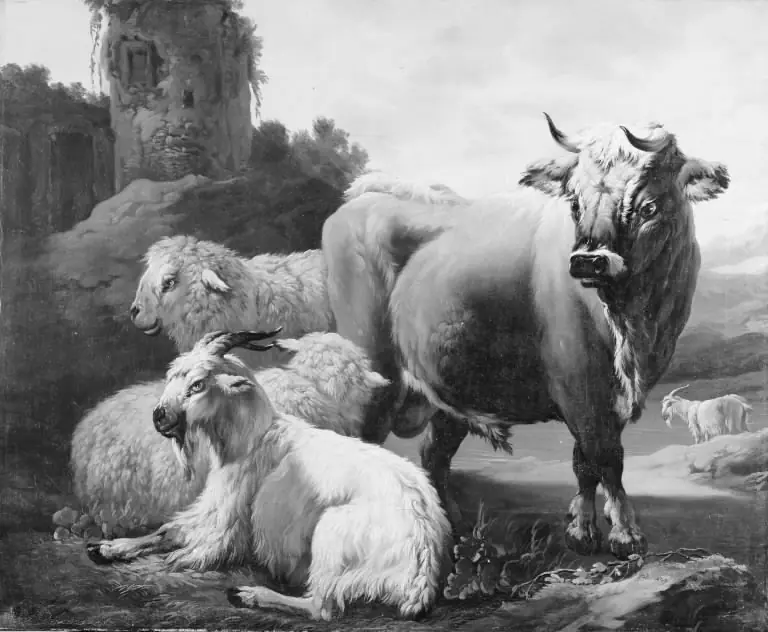
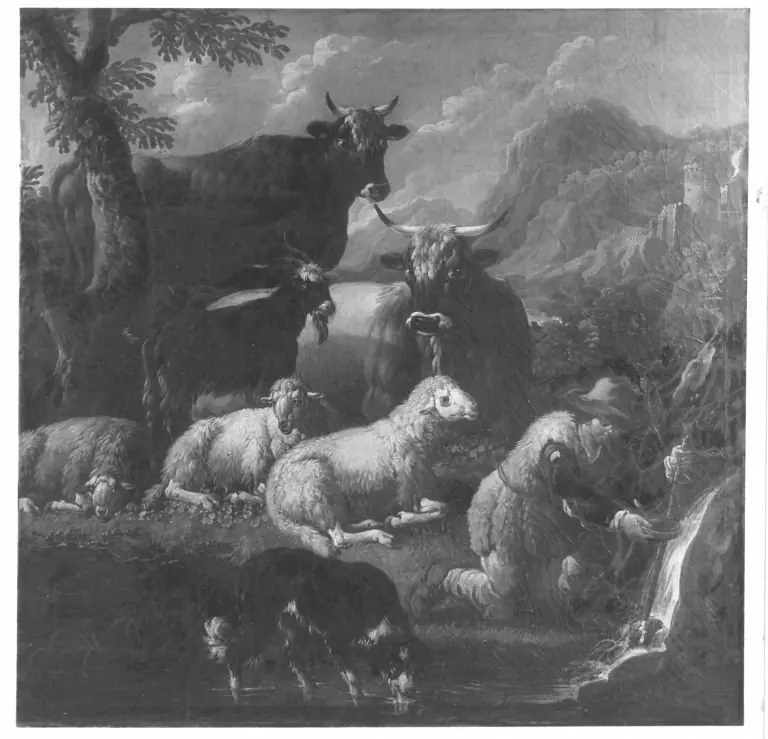
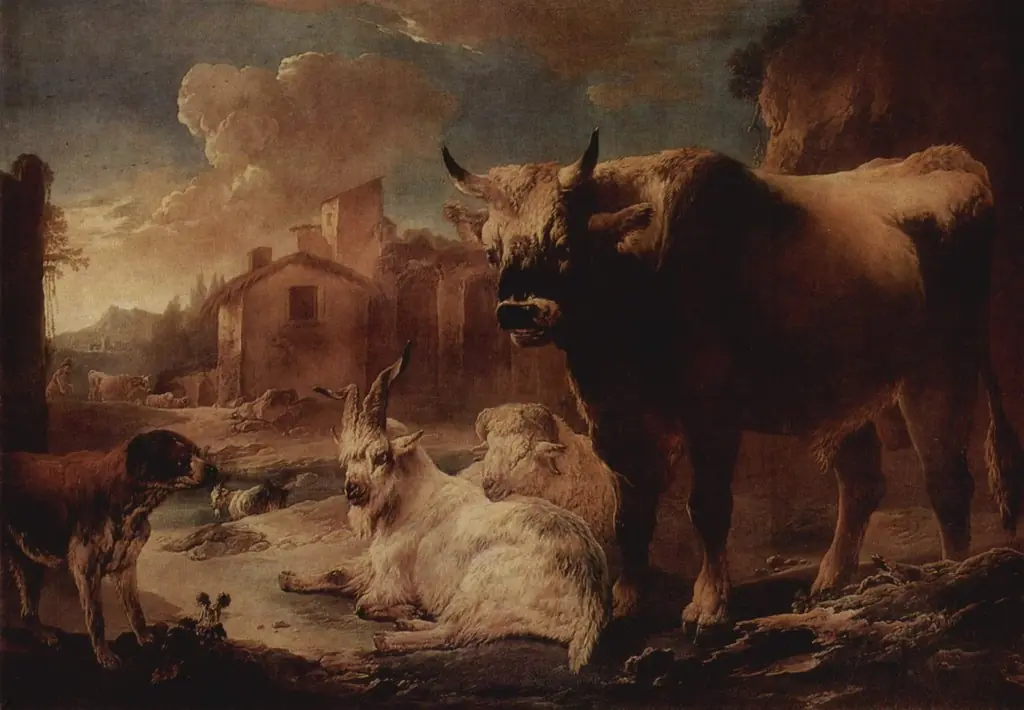
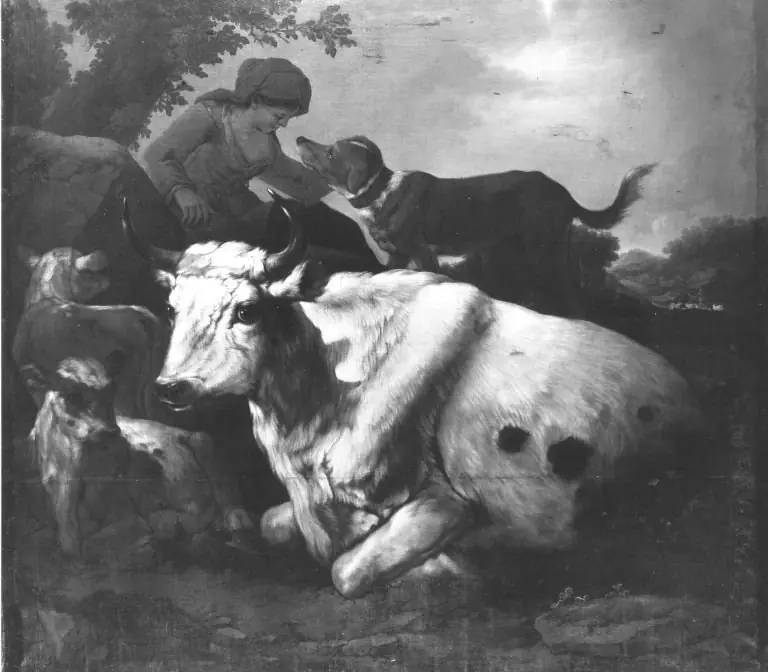
The composition presents a pastoral landscape dominated by a white bovine, an allegorical reference to the myth of Io, who was transformed into a cow in Greek legend. Surrounding livestock and a distant laborer complete the scene, suggesting a tranquil moment within the larger narrative of divine transformation.
Technique & Style
Roos employs a pronounced chiaroscuro, using contrasts of light and shadow to model the animals and give the terrain a palpable depth. The careful rendering of fur, wool and foliage demonstrates his meticulous observation of nature, while the atmospheric perspective recedes the background figures into a hazy distance.
History & Provenance
Created during Roos’s Roman period, the painting entered the Bavarian royal collection in the 18th century and was later transferred to the Alte Pinakothek, where it remains on public display. Its provenance traces a typical path for works by itinerant artists who served both Italian and Northern European patrons.
Context
The work reflects the Baroque fascination with mythological subjects rendered in a naturalistic setting, a trend popular among artists who combined classical themes with the detailed animal studies favored by Flemish painters. Roos’s dual identity—German training and Italian residence—allowed him to merge these visual vocabularies.
Artist & collection

Artist
Philipp Peter Roos (later surnamed Rosa di Tivoli; 1655–1706) was a German Baroque painter, active in and near Rome from 1677 onward.