Artwork
Tribute penny (Matthew 22:15–22; Mark 12:13–17; Luke 20:21–26)
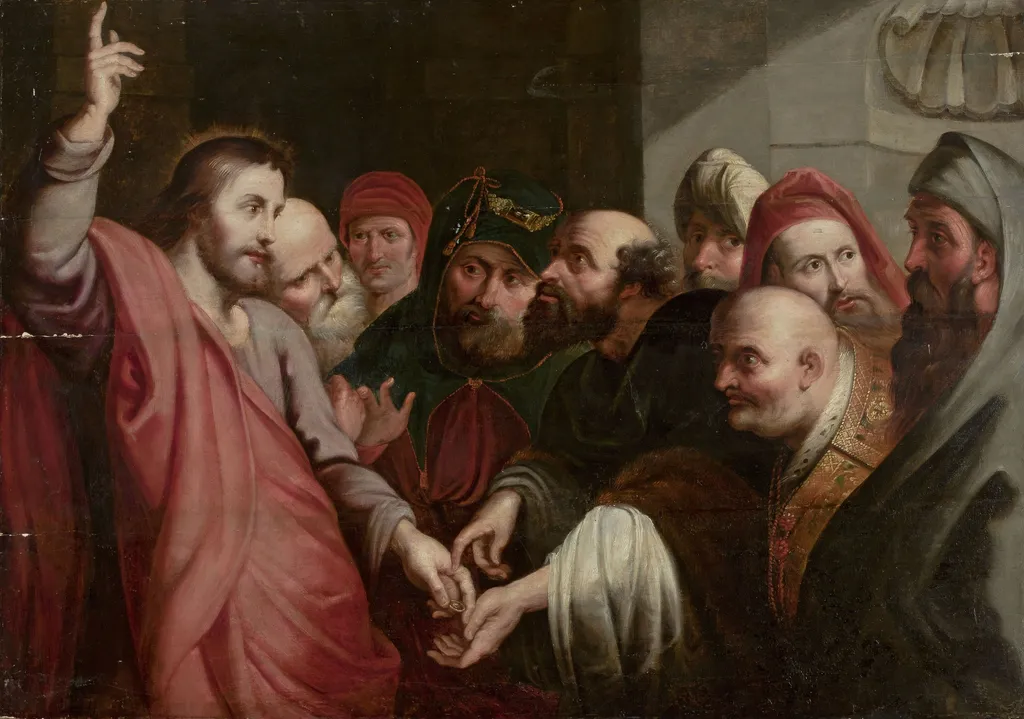
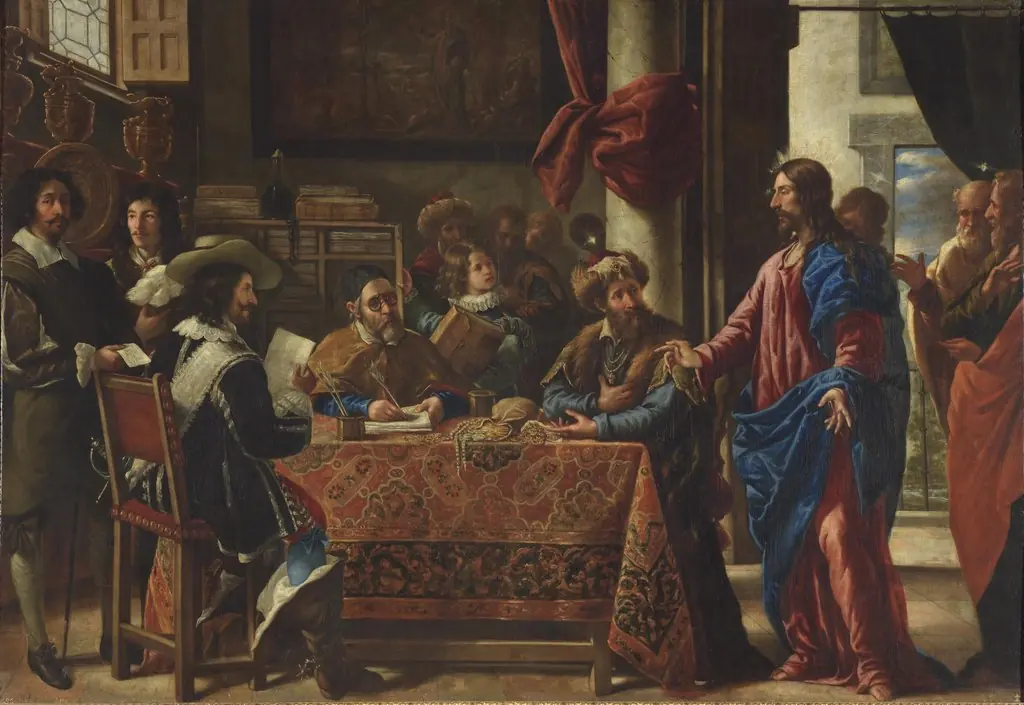
Tribute penny (Matthew 22:15–22; Mark 12:13–17; Luke 20:21–26) is an oil painting by Unknown. It is held in the collection of the National Museum in Warsaw.
About this work
Overview
The surrounding figures wear assorted robes in red, green, and black, and the composition is set against a dark backdrop with a carved wall visible behind them.
The oil painting titled “Tribute penny” depicts a biblical episode in which Jesus stands before a group of men, his right arm raised in a gesture of address while his left hand holds a coin. He is dressed in a red robe over a white tunic, his brown hair visible. The surrounding figures wear assorted robes in red, green, and black, and the composition is set against a dark backdrop with a carved wall visible behind them.
Subject & Meaning
The work illustrates the New Testament narrative of Jesus’ response to a question about paying tribute to the Roman authorities, a story found in Matthew, Mark, and Luke. By holding the coin, the painter emphasizes the pivotal moment of Jesus’ teaching on civic duty and spiritual allegiance, underscoring the tension between earthly power and divine authority.
Technique & Style
Rendered in oil, the painting employs strong contrasts of light and shadow to heighten drama, a hallmark of chiaroscuro. The illuminated figures emerge from the deep, muted background, while the carved wall behind them provides a textured, yet subdued, setting that frames the central action.
History & Provenance
No specific details about the artist, date of execution, or ownership history are provided in the source material, limiting the ability to trace the work’s provenance or its place within a particular artistic period.
Context
The scene draws from the Synoptic Gospels, where Jesus is questioned by the Pharisees about the legality of paying taxes to Caesar. The painting captures the moment of his rhetorical reply, situating the biblical episode within a visual tradition that often highlights moral and political dilemmas.
Artist & collection

 Domestic Scene
 Giacomo and Cardinal Marco, investing Andrea, Abbot of San Zeno, with his Benefice
 The Nymph of Fontainebleau
 Portrait of a Woman
 Madonna and Child with Saints in the Enclosed Garden
 Venus and Minerva
 Family Group of Four on Sofa
 Wall painting from Room H of the Villa of P. Fannius Synistor at Boscoreale
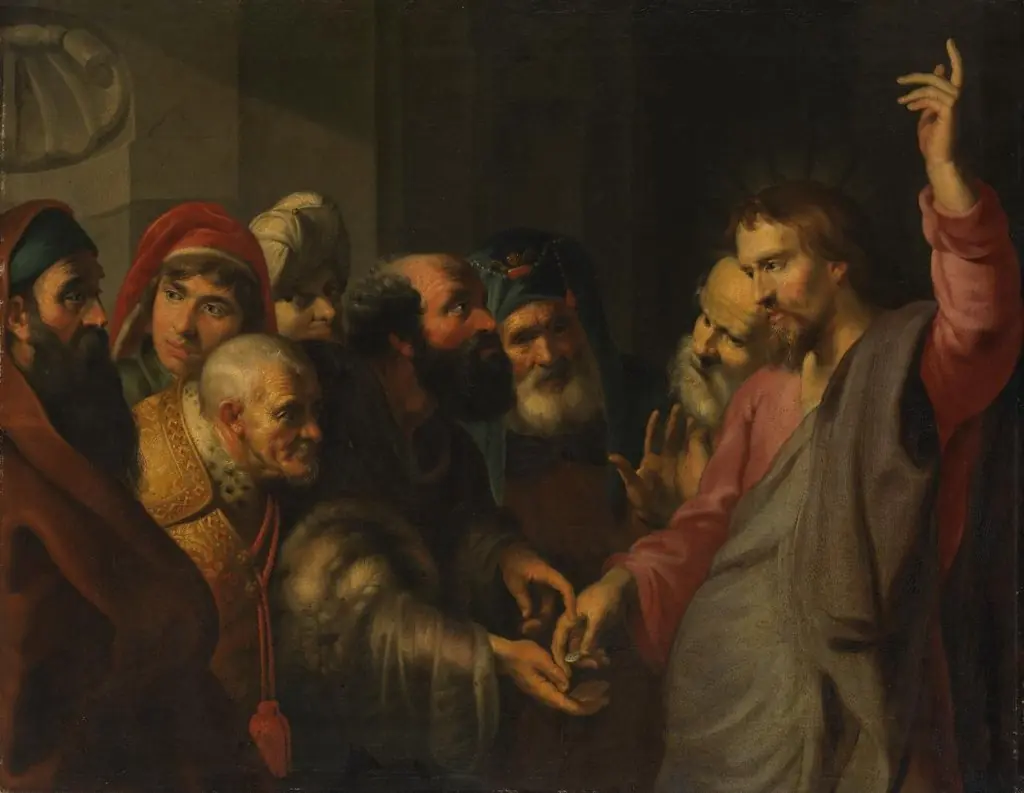 Der Zinsgroschen. Nach Peter Paul Rubens
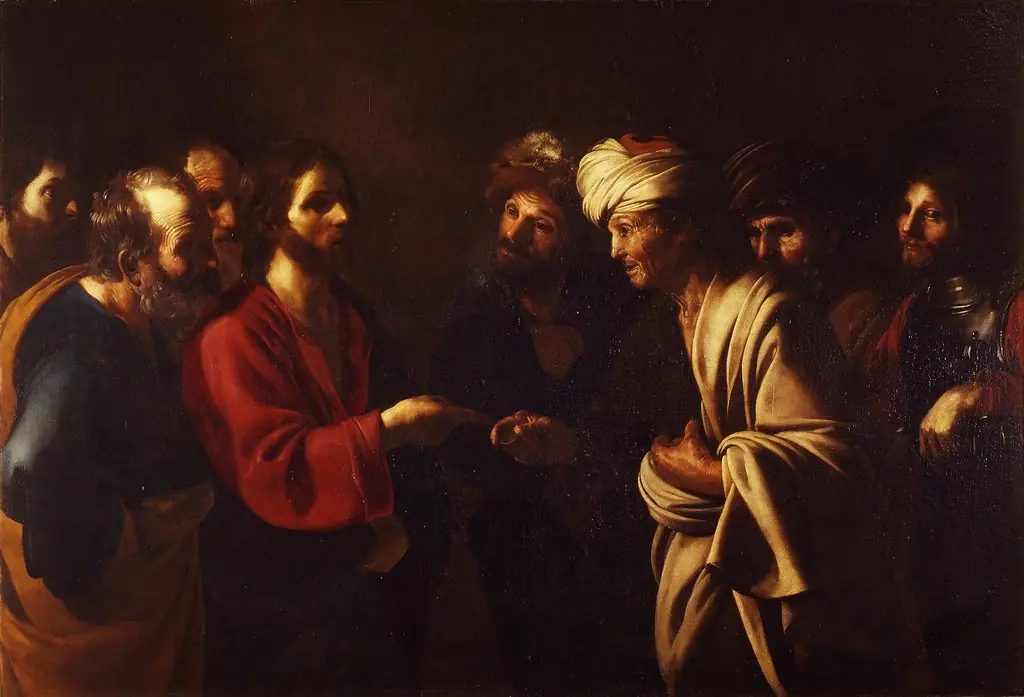 Tribute to Caesar
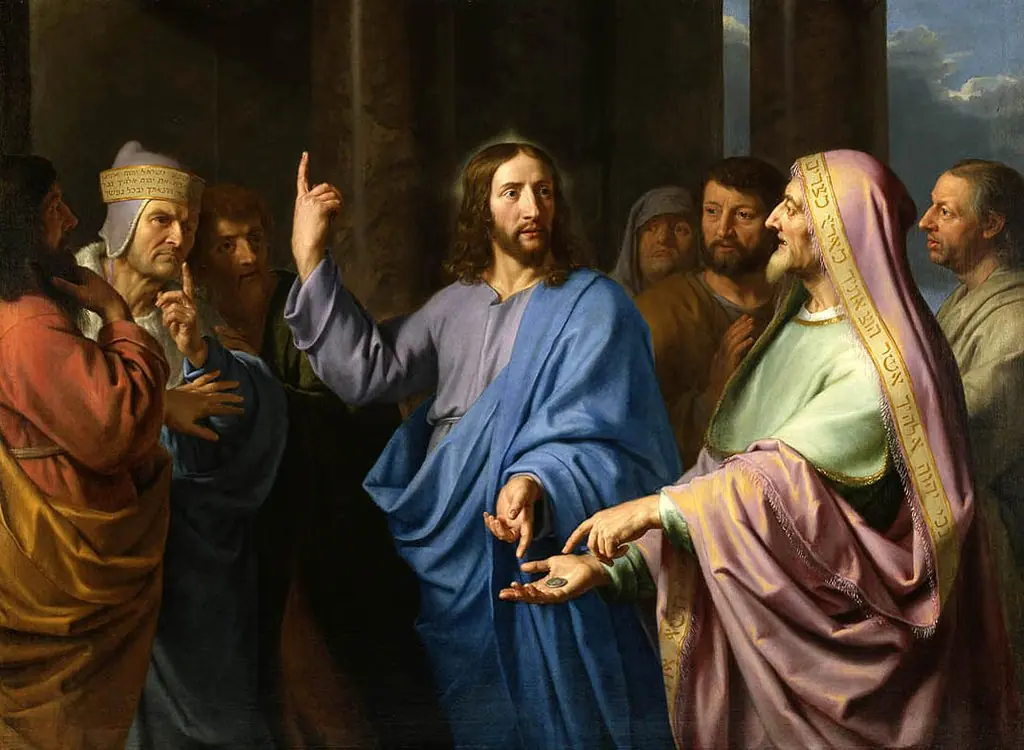 The Tribute Money
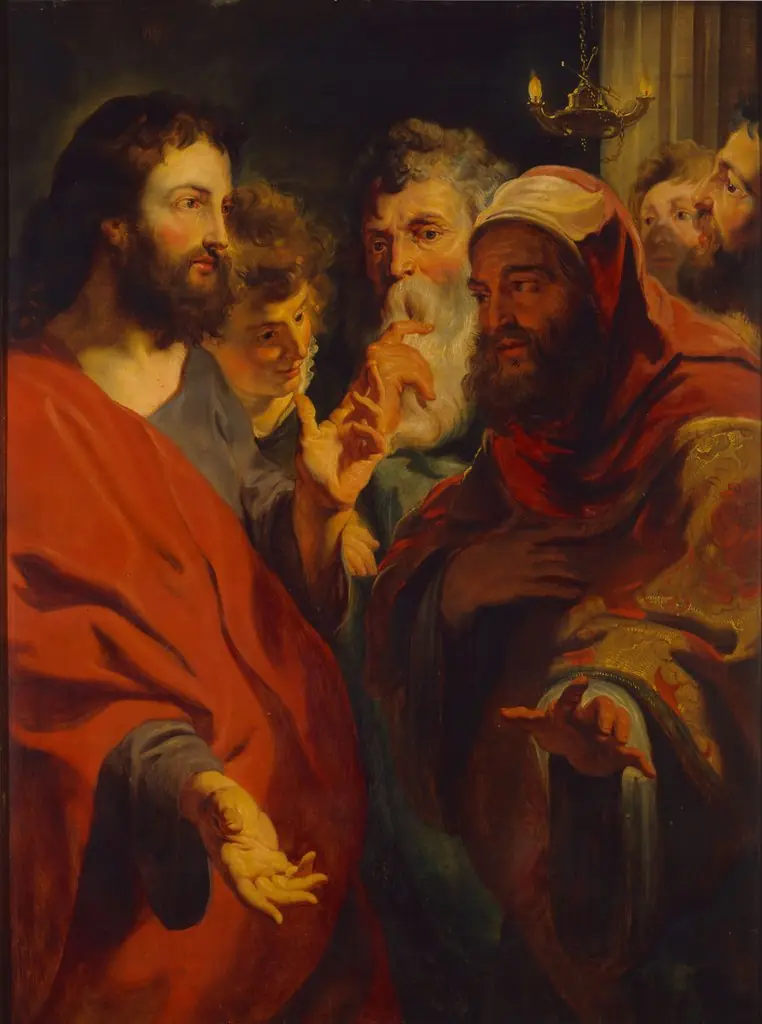 Christ instructing Nicodemus
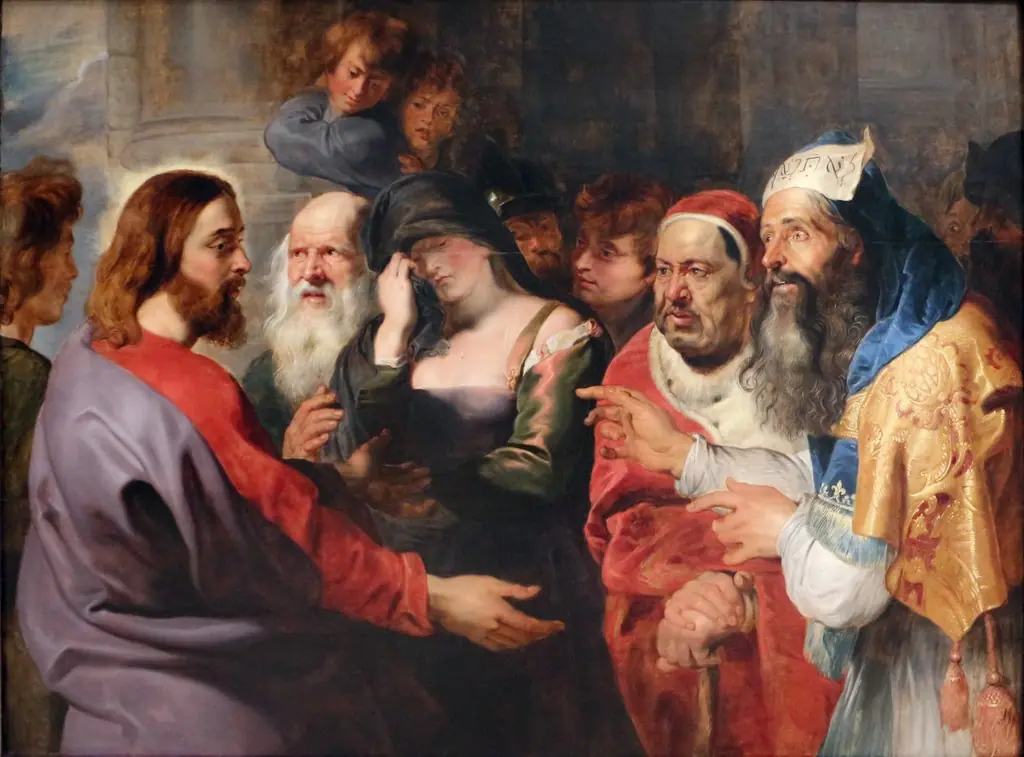 Christ and the Woman Taken in Adultery
 Kristus og synderinden
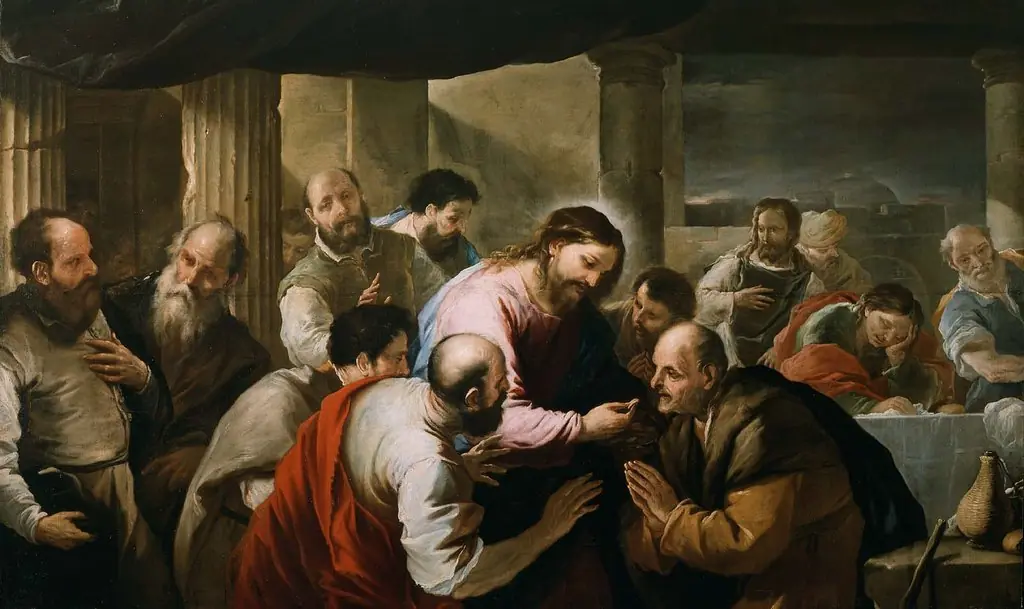 The Communion of the Apostles
 The Raising of Lazarus
 Christ and the Centurion
 La moneda del César
 The Raising of Lazarus
 The Calling of Saint Matthew