Artwork
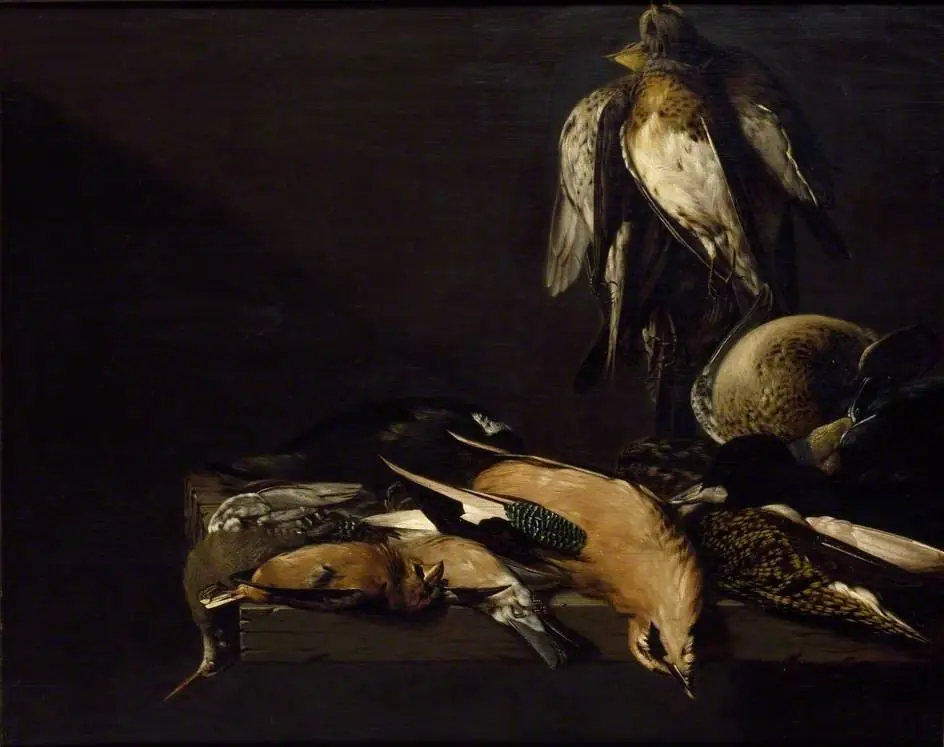
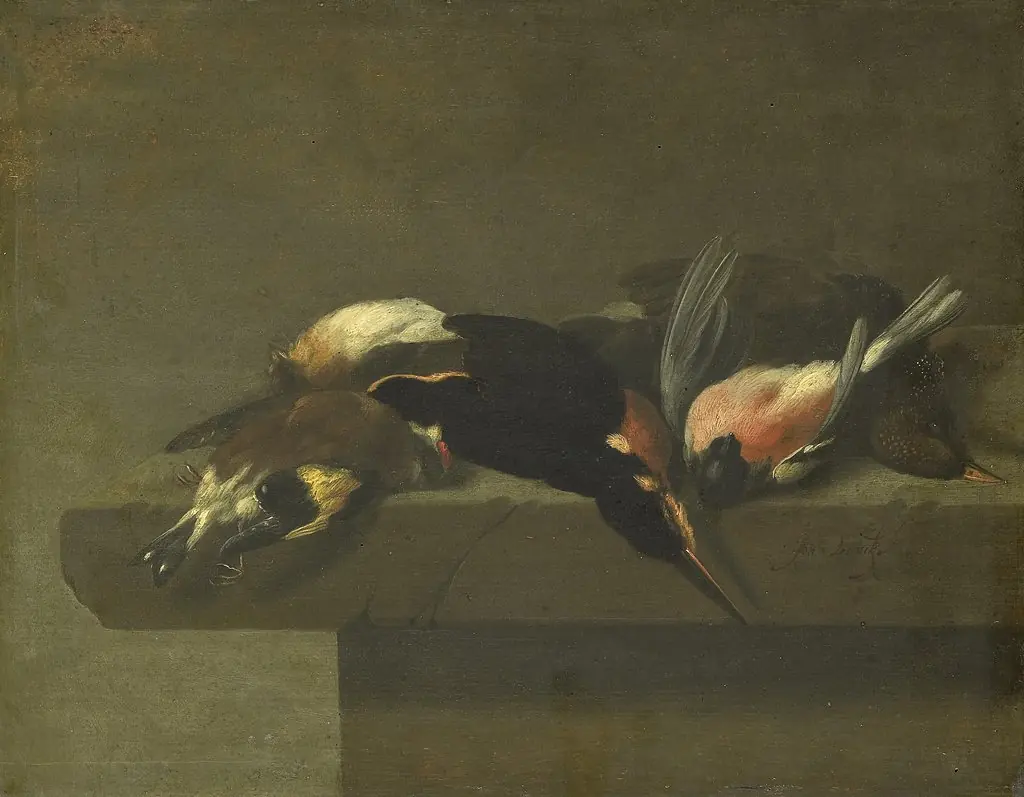
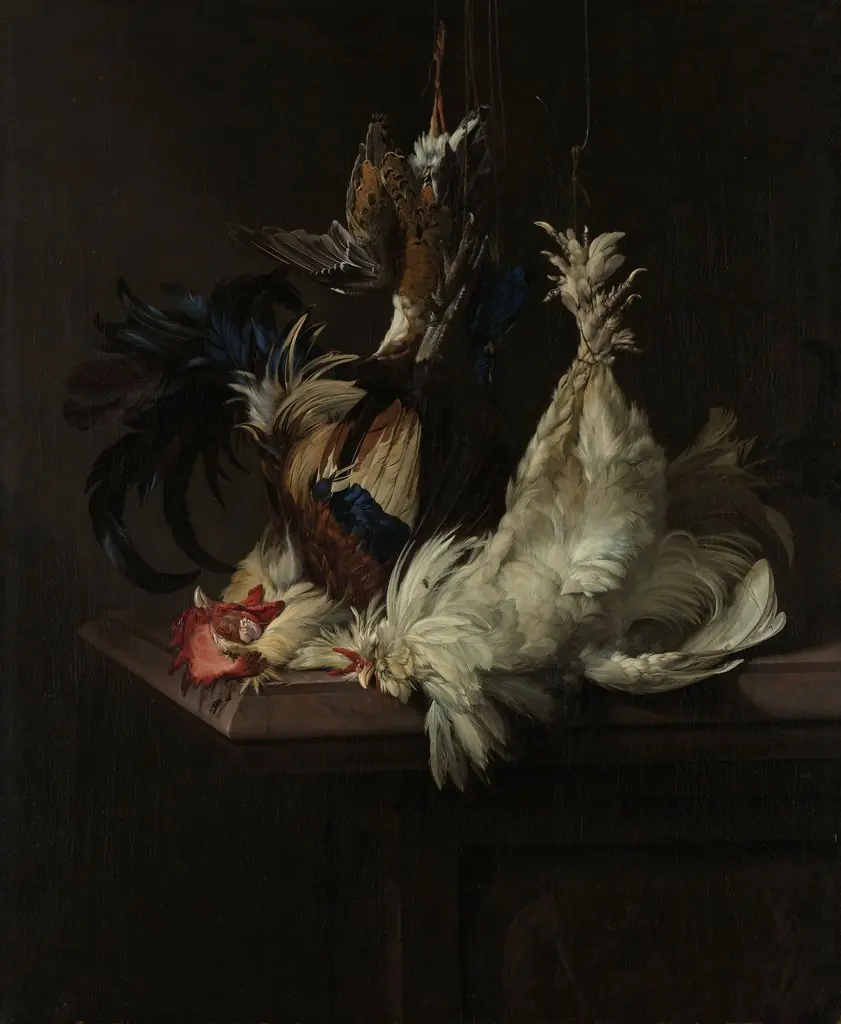
Still Life with Dead Birds
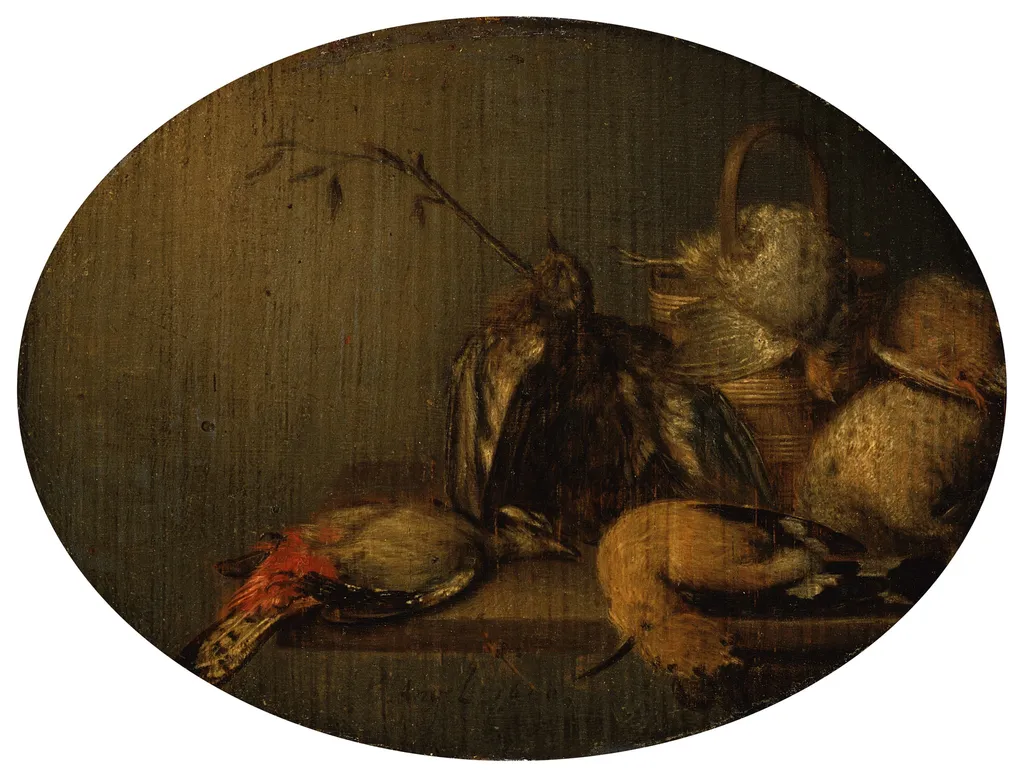
Still Life with Dead Birds is a paint painting by the Dutch Golden Age artist Philips Angel. It dates from 1650 and is held in the collection of the Gemäldegalerie Berlin.
About this work
Overview
Painted around 1650 by Philips Angel, this still life presents a quiet arrangement of deceased birds on a wooden surface.
Painted around 1650 by Philips Angel, this still life presents a quiet arrangement of deceased birds on a wooden surface. The composition is spare yet deliberate, with no elaborate backdrop or decorative elements. The work belongs to the Gemäldegalerie in Berlin, where it remains part of its 17th-century Dutch and Flemish collection. Its subdued tone and careful observation reflect the period’s interest in natural detail and mortality.
Subject & Meaning
The painting depicts a group of birds—some sprawled, others curled—in stillness, their bodies arranged with quiet precision. Feathers and a single twig with leaves lie nearby, suggesting the aftermath of a hunt or gathering. The absence of life, combined with the birds’ varied postures, evokes themes of transience and the quiet aftermath of nature’s cycles, common in Dutch still lifes of the era.
Technique & Style
Angel employs chiaroscuro to model the birds’ forms, using sharp contrasts between light and shadow to define volume and texture. Each feather is rendered with meticulous care, capturing individual barbs and subtle color variations. The surface is smooth, with no visible brushwork, reinforcing a sense of stillness and realism. The palette is muted, dominated by browns, grays, and earth tones, enhancing the somber mood.
History & Provenance
The painting entered the collection of the Gemäldegalerie Berlin in the 19th century, likely through acquisitions of Dutch Golden Age works. Its attribution to Philips Angel has been consistently supported by stylistic analysis and archival records. No significant alterations or restorations are documented, preserving its original condition and integrity since its creation in the mid-17th century.
Context
Created during the Dutch Golden Age, the work aligns with a broader tradition of still life painting that explored nature’s fragility and the ethics of consumption. Unlike ornate banquet scenes, Angel’s composition avoids abundance, focusing instead on the quiet dignity of death. Such works appealed to urban collectors who valued introspection and the moral resonance of everyday objects.
Legacy
Though not widely reproduced, the painting exemplifies the restrained approach of lesser-known Dutch still life painters who prioritized observation over spectacle. Its presence in a major European collection underscores its role in documenting the period’s artistic values. Scholars cite it as a quiet but significant contribution to the genre’s exploration of mortality and natural order.
Artist & collection

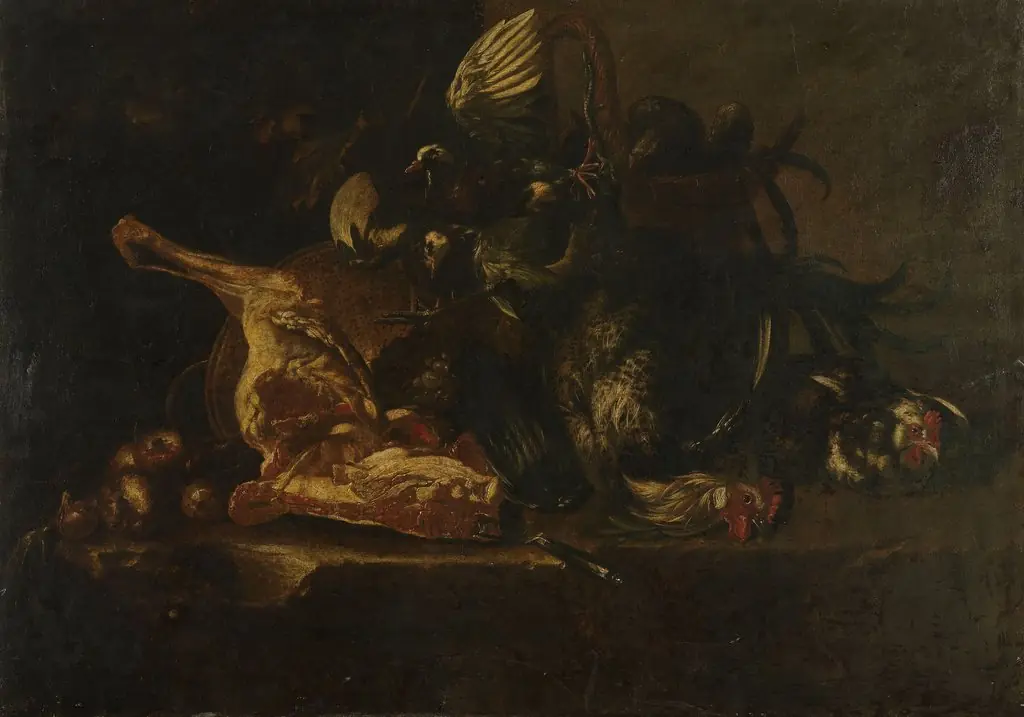 Still life with meat and dead birds
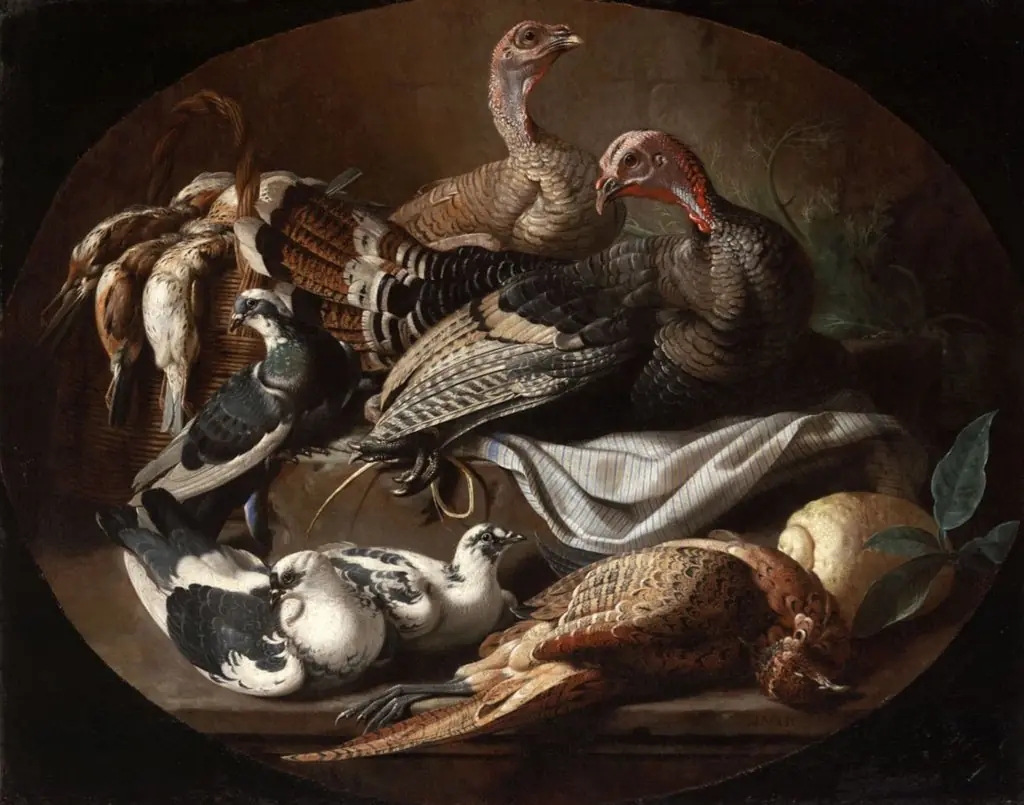 Still Life with Dead and Living Fowl
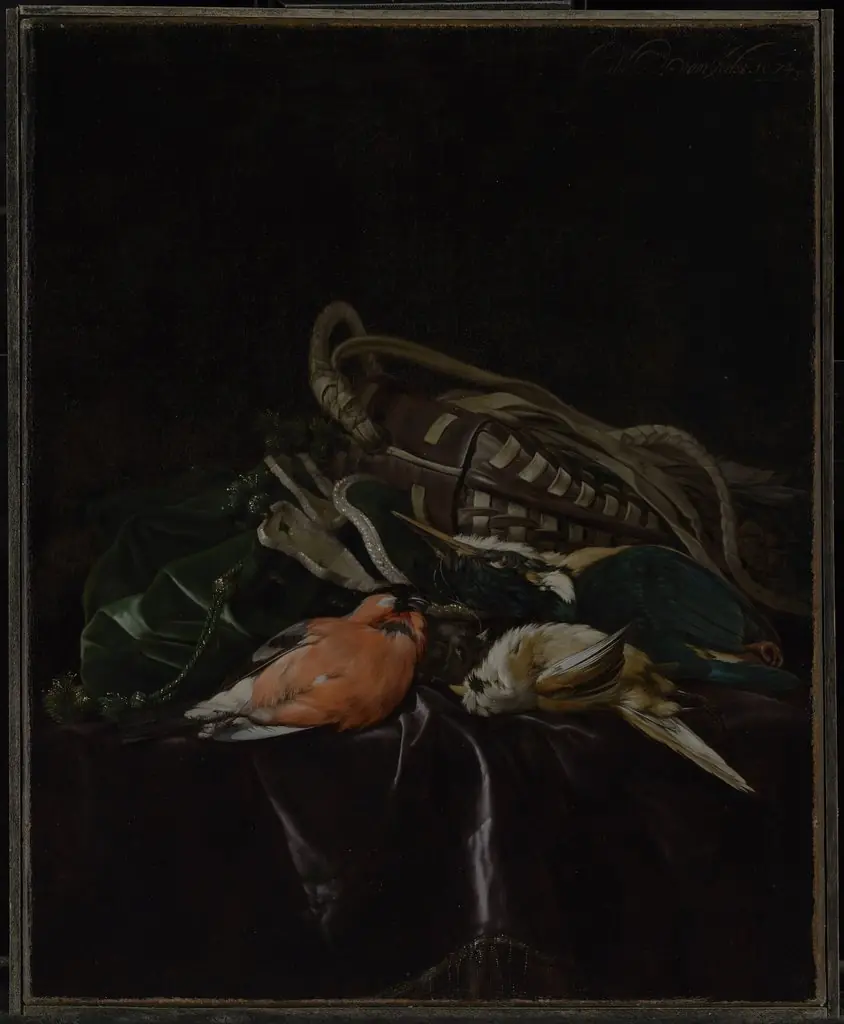 Still Life with Dead Birds and Game Bag
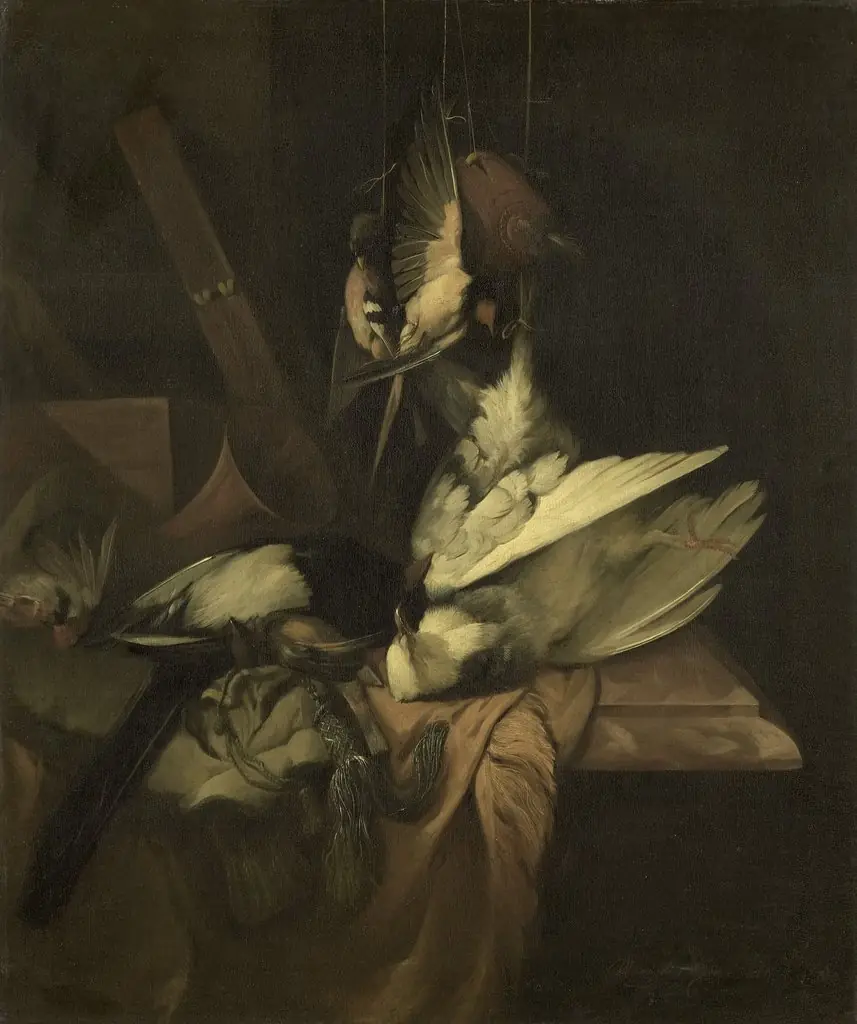 Still life with birds and hunting implements
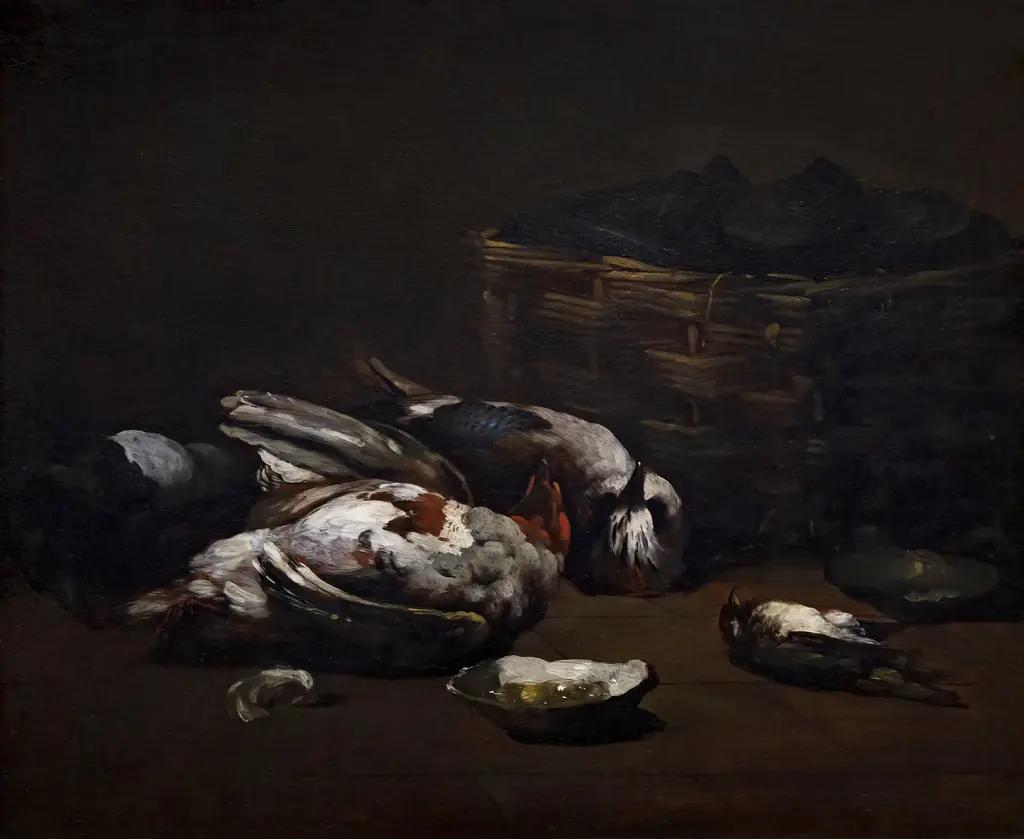 Still Life with Dead Birds and a Basket of Oysters
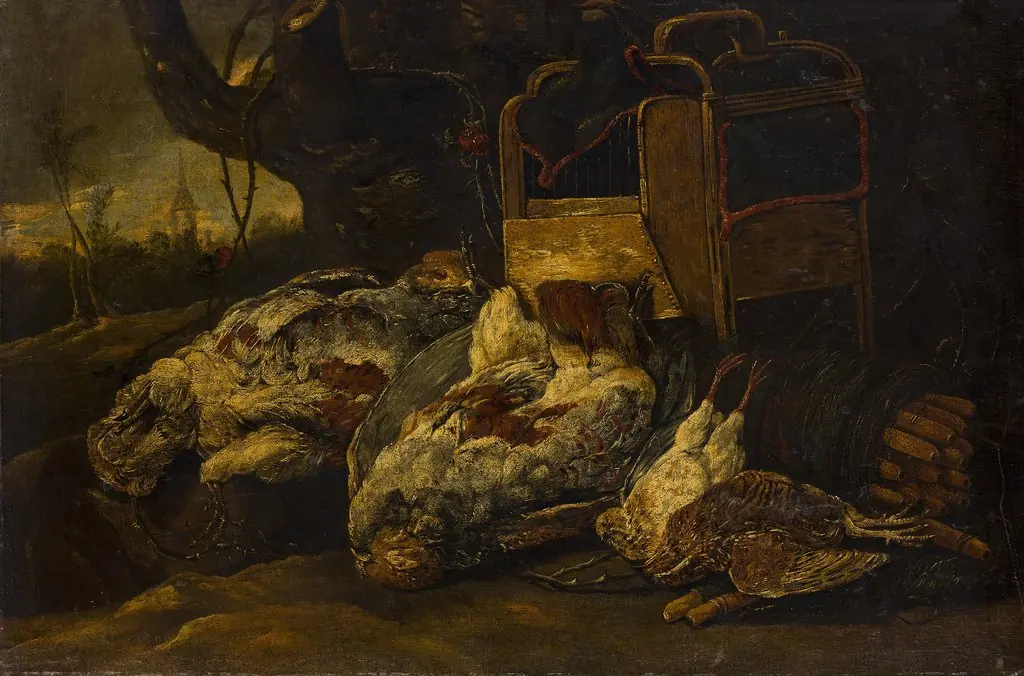 Still Life with Dead Birds, Cage and Net
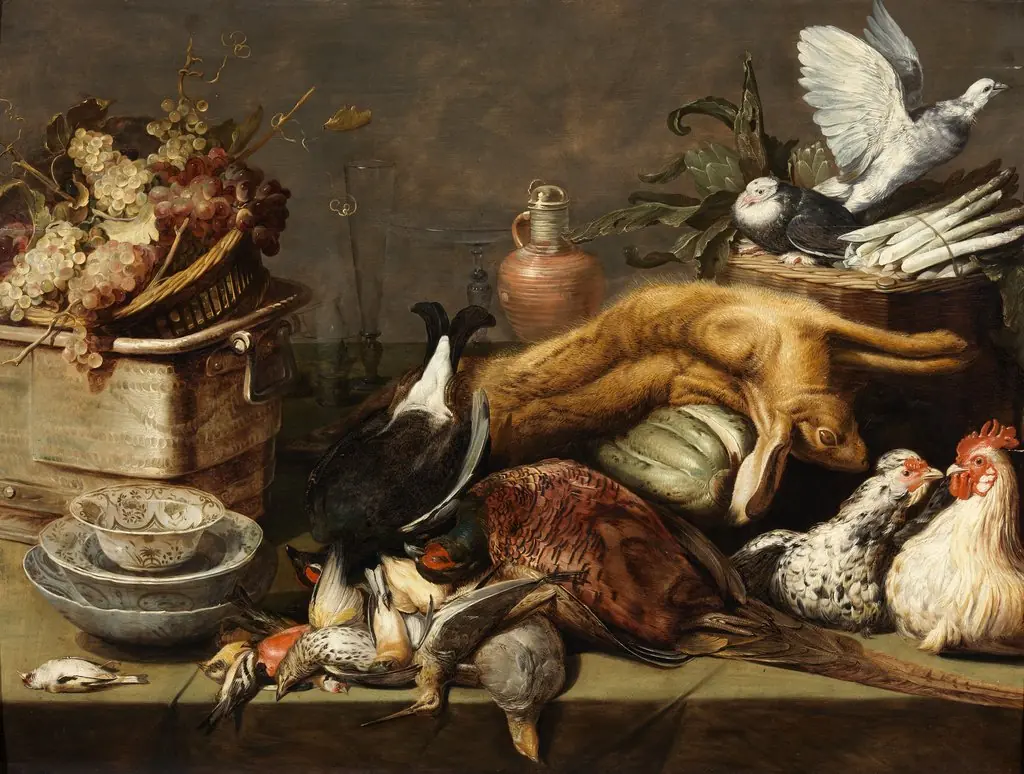 A Still Life with Dead Birds and a Hare
 Dead birds
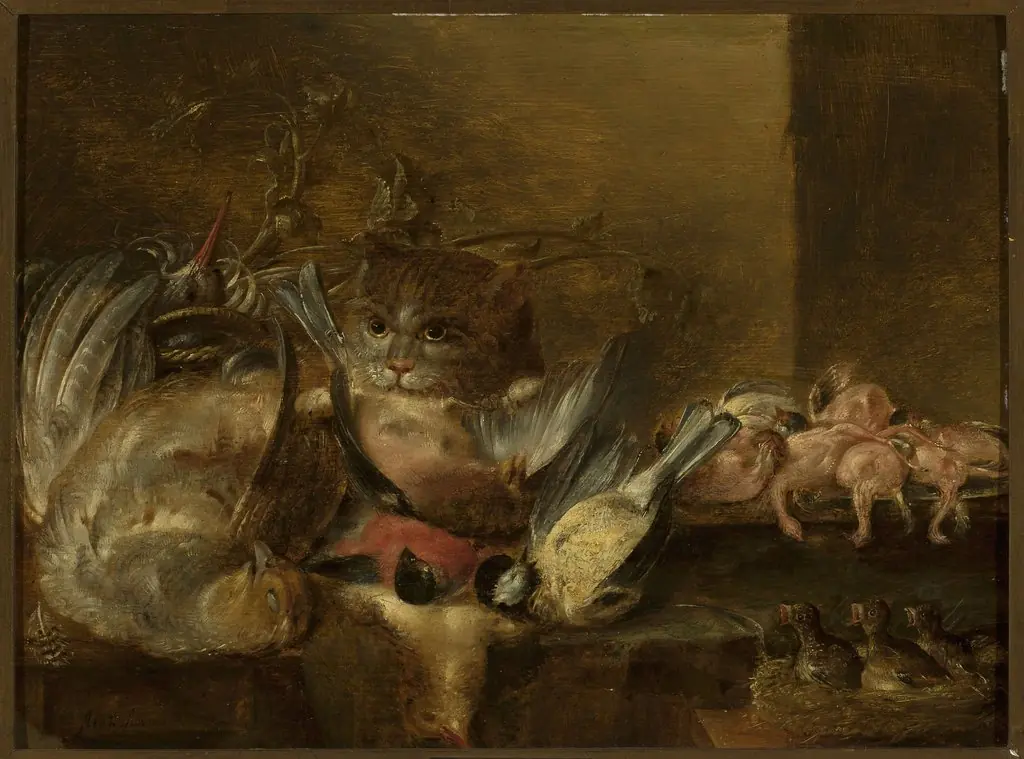 Dead birds and a cat
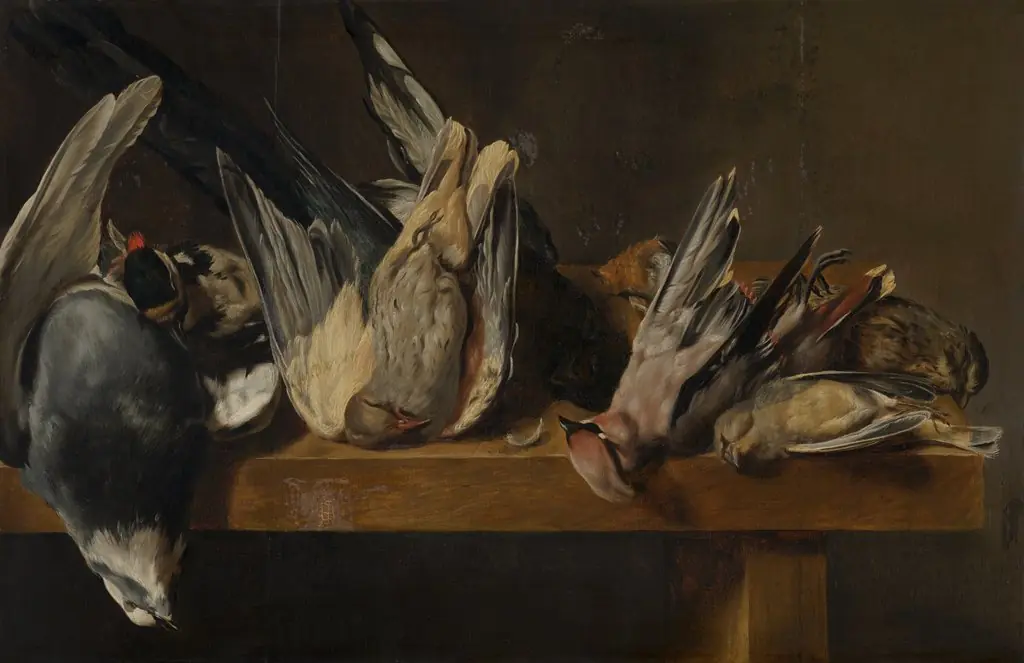 Dead Birds
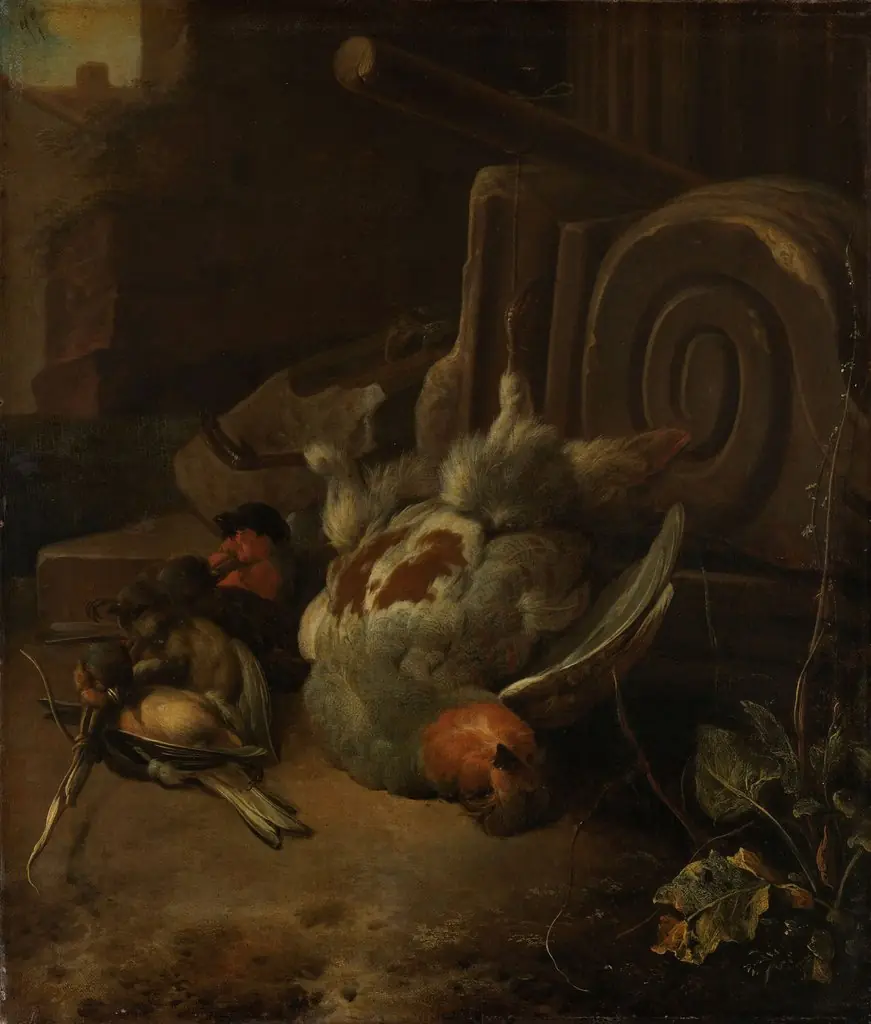 Dead birds
 Still Life with Poultry