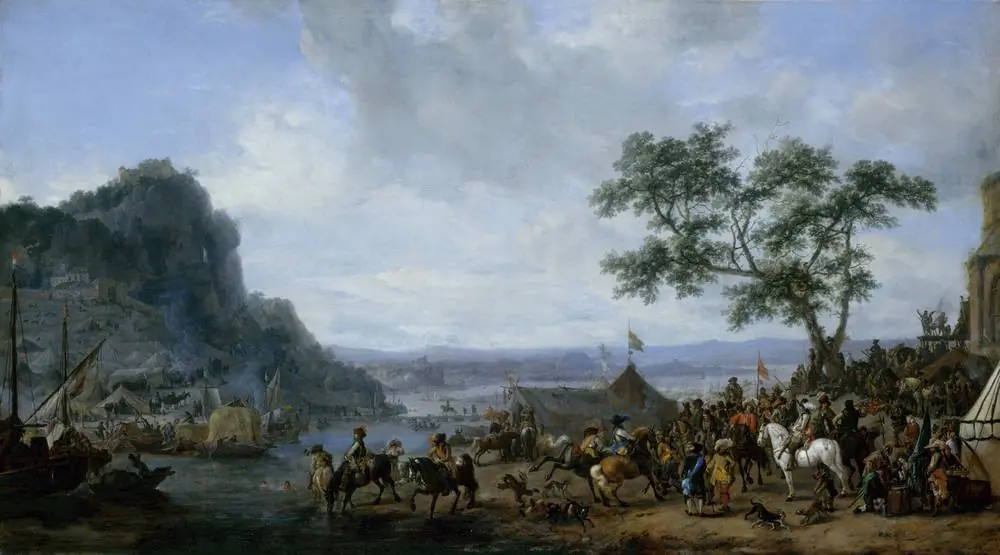
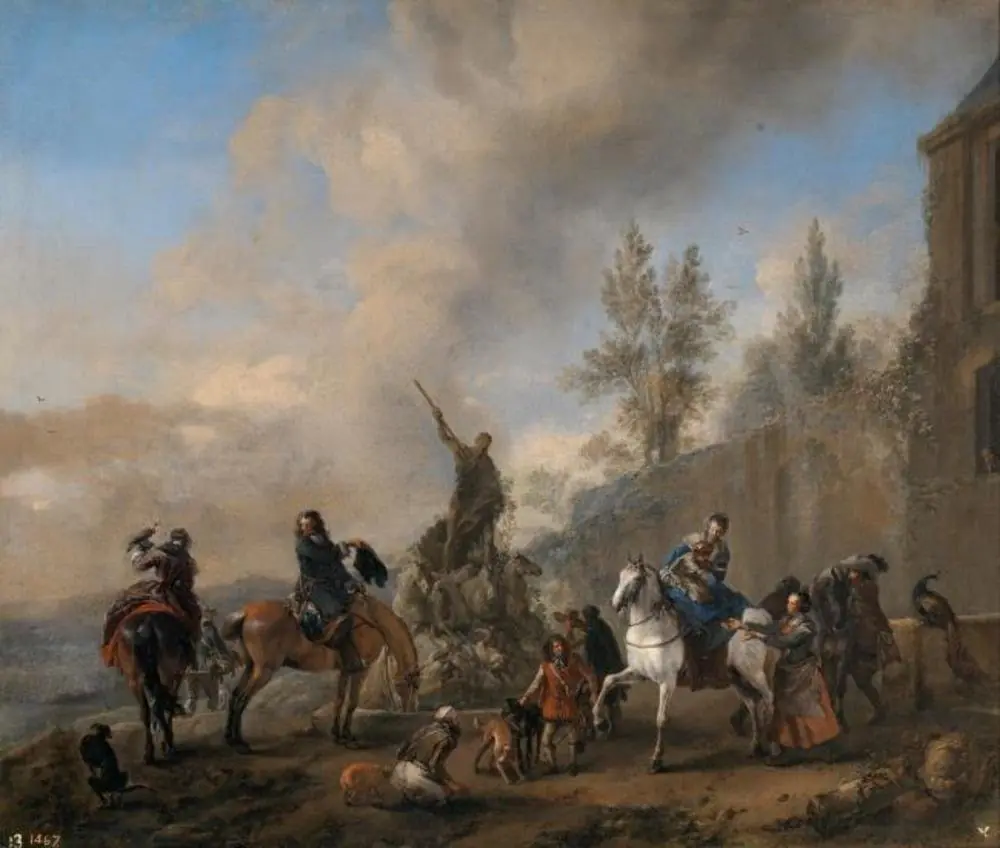
Artwork
Horses Watering: a Landscape
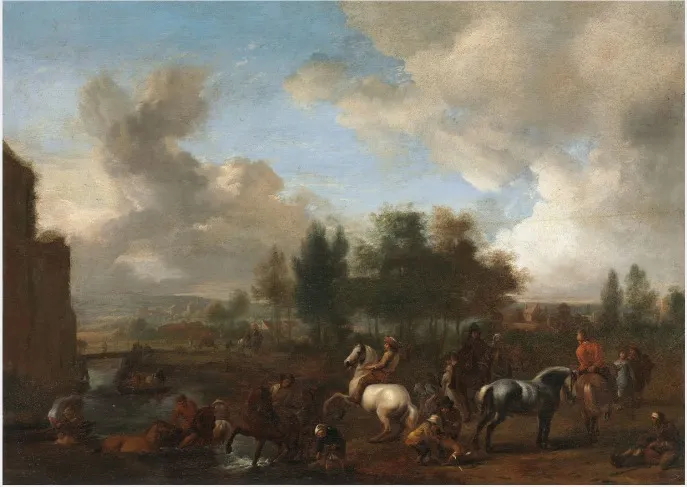
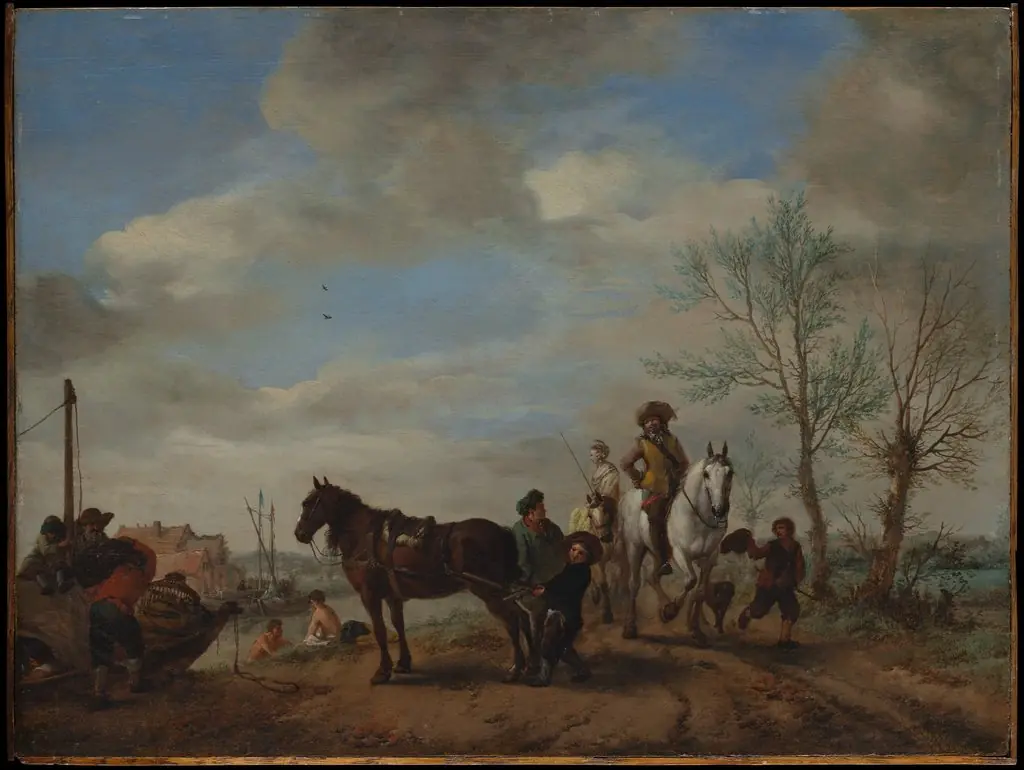
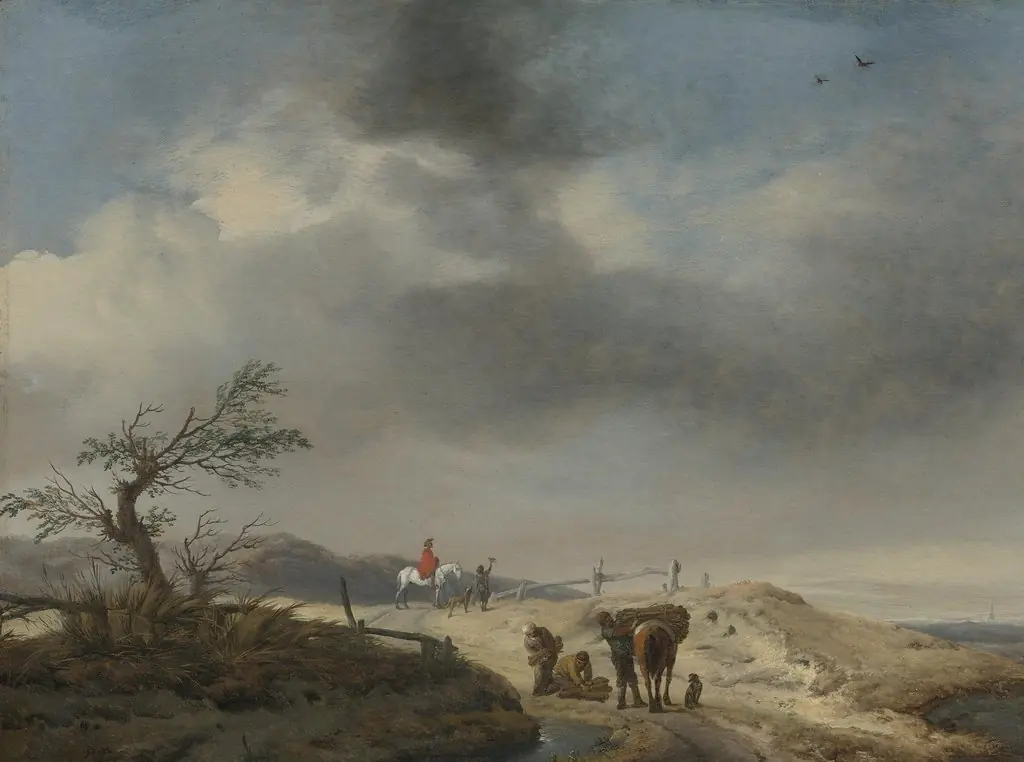
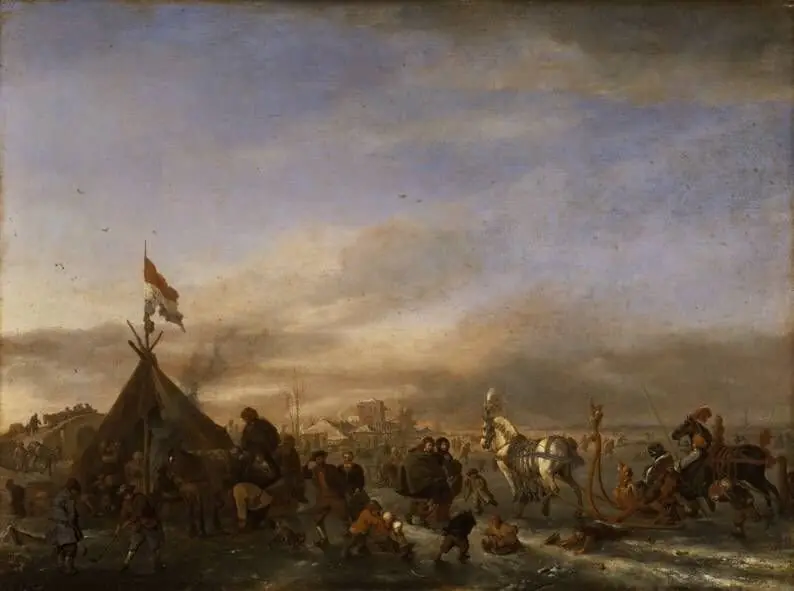
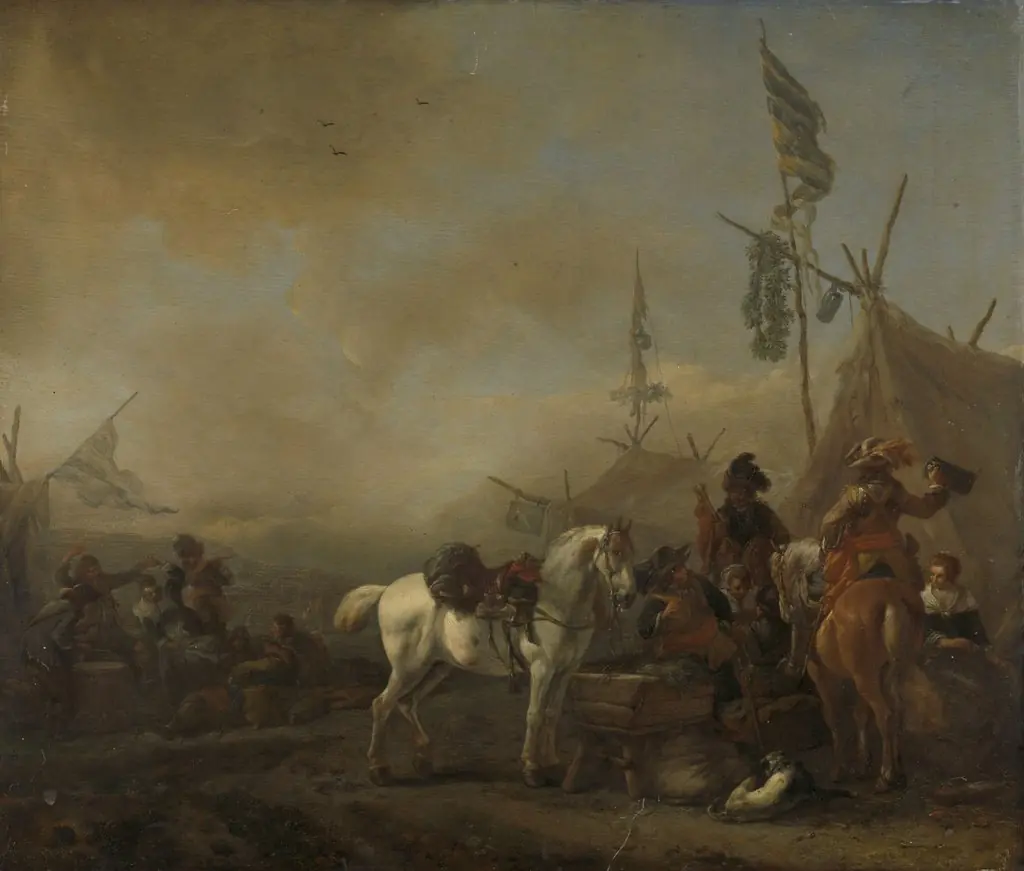
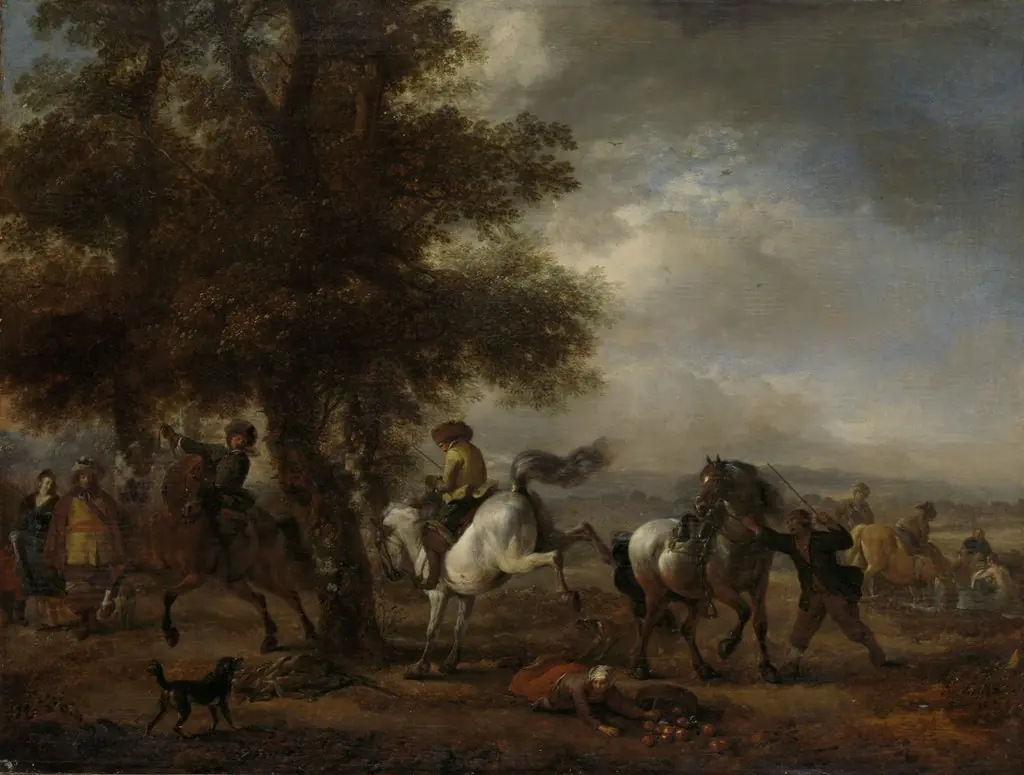
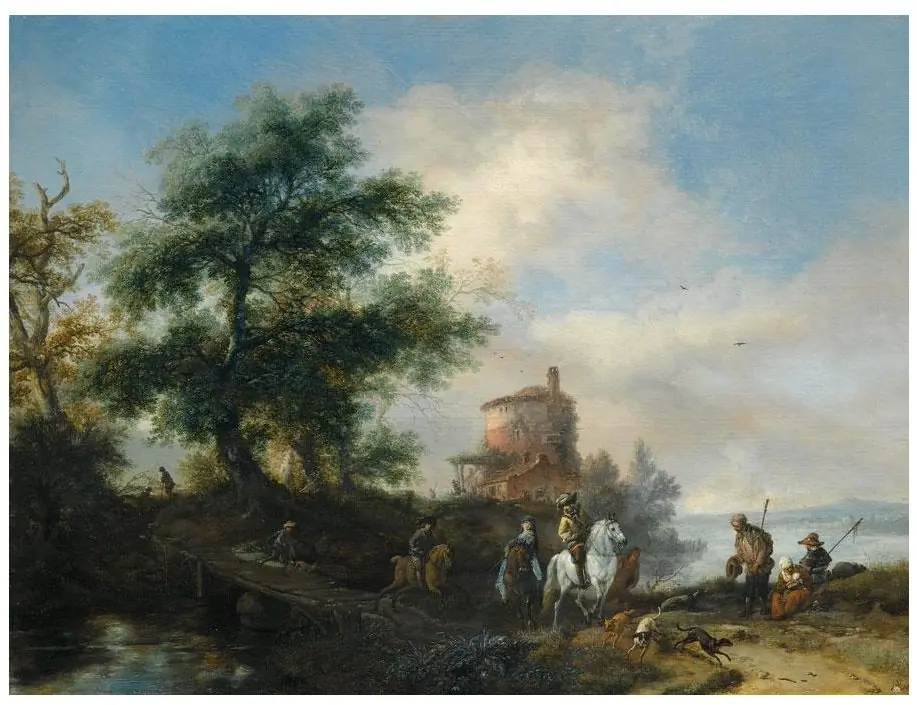
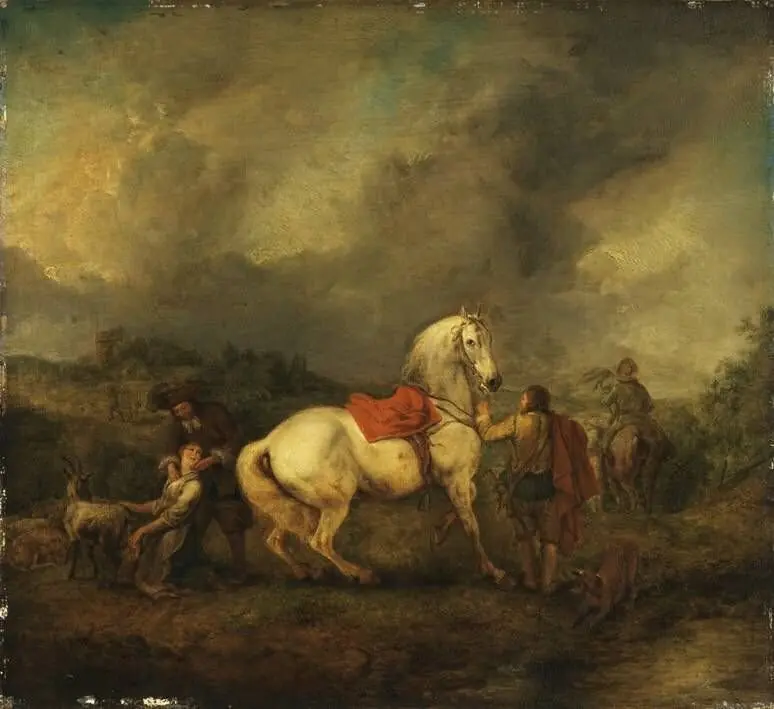
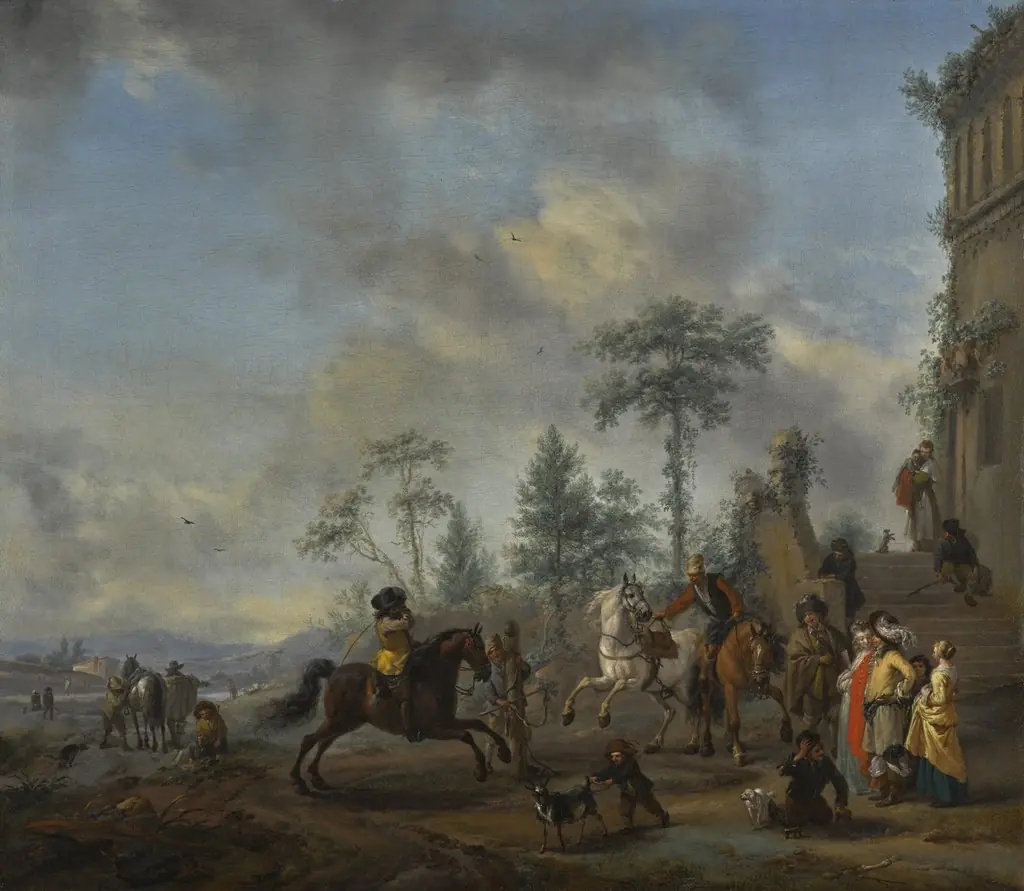
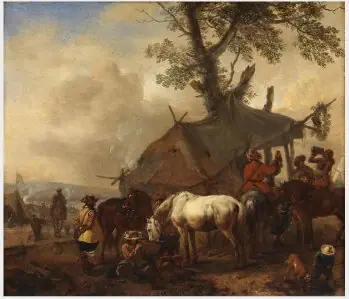
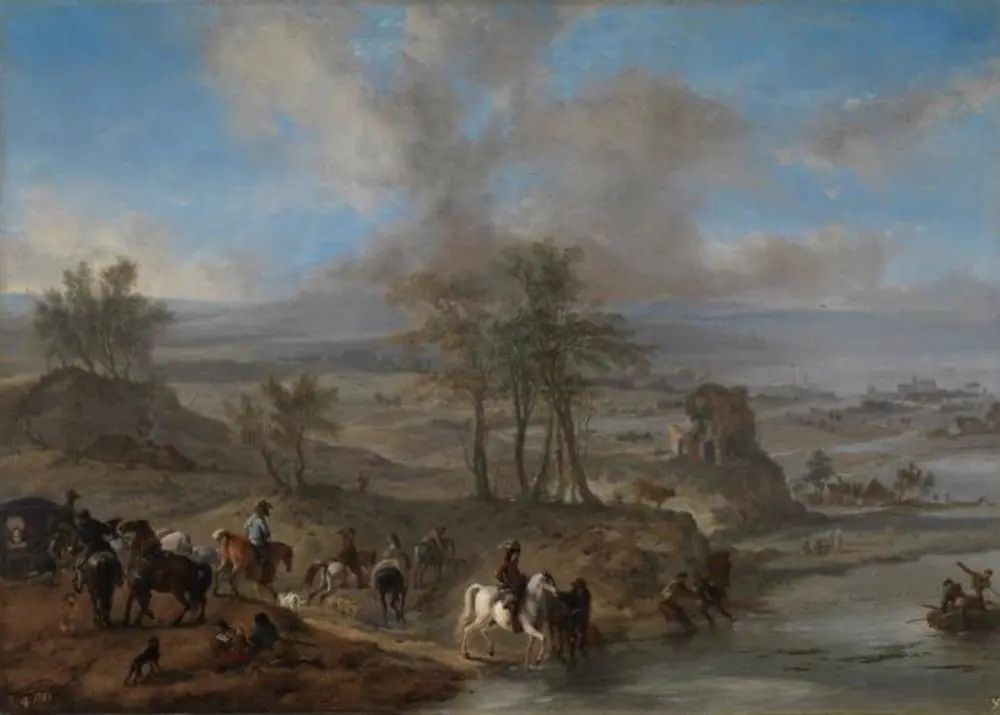
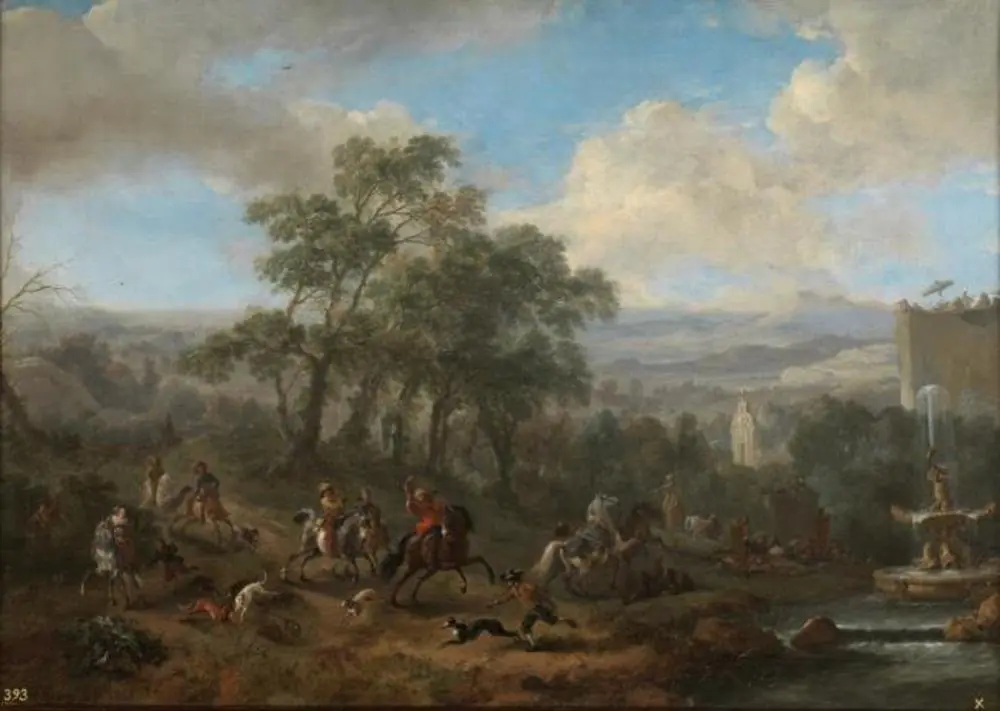
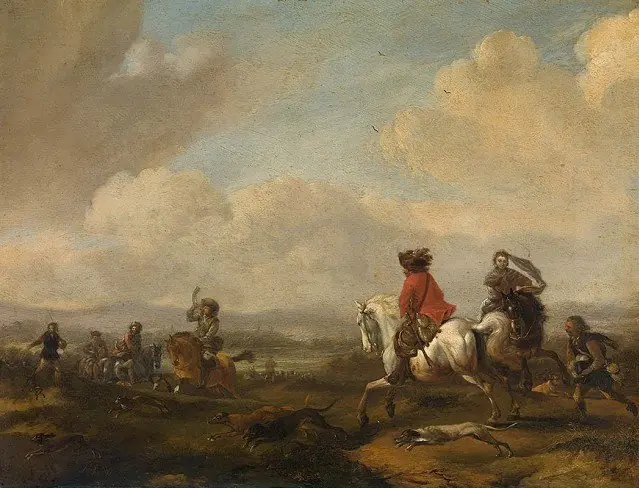
Horses Watering: a Landscape is an unspecified painting by the Dutch Golden Age artist Philips Wouwerman. It dates from 1653 and is held in the collection of the National Gallery of Ireland.
About this work
Overview
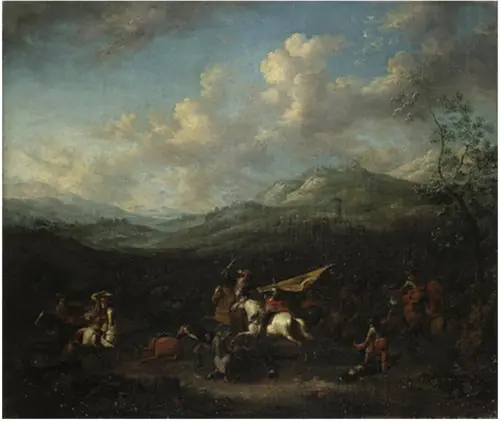
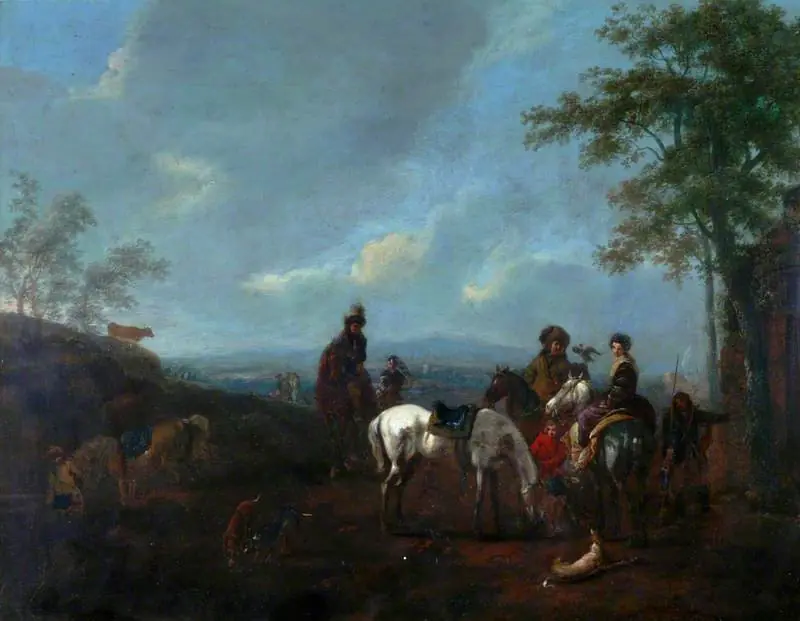
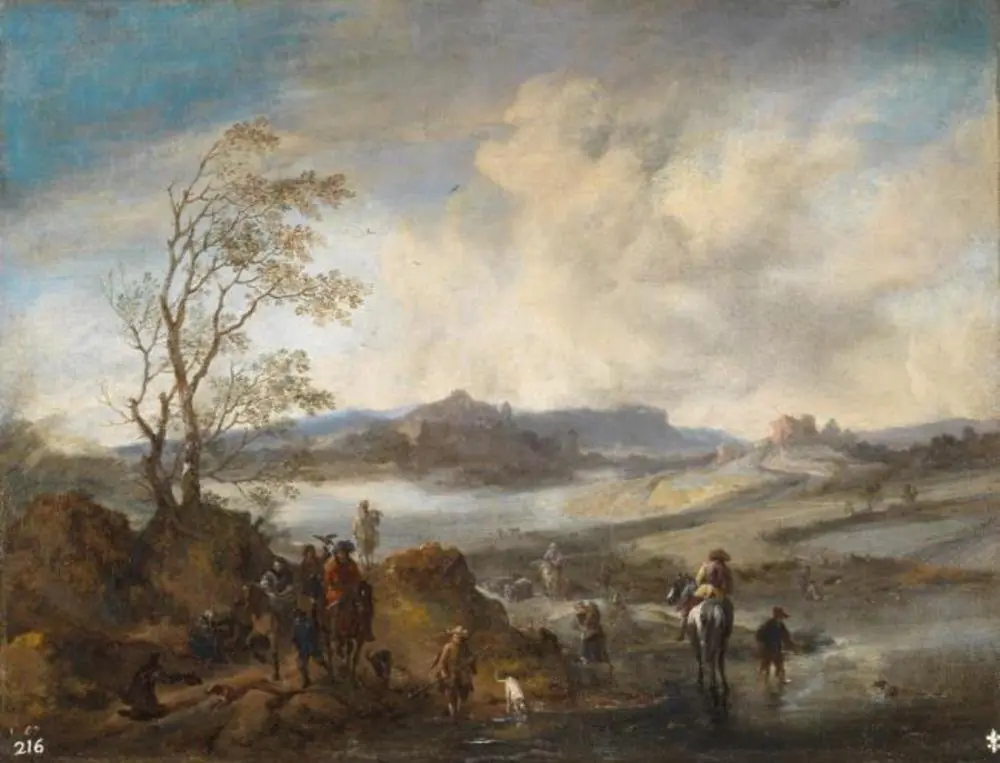
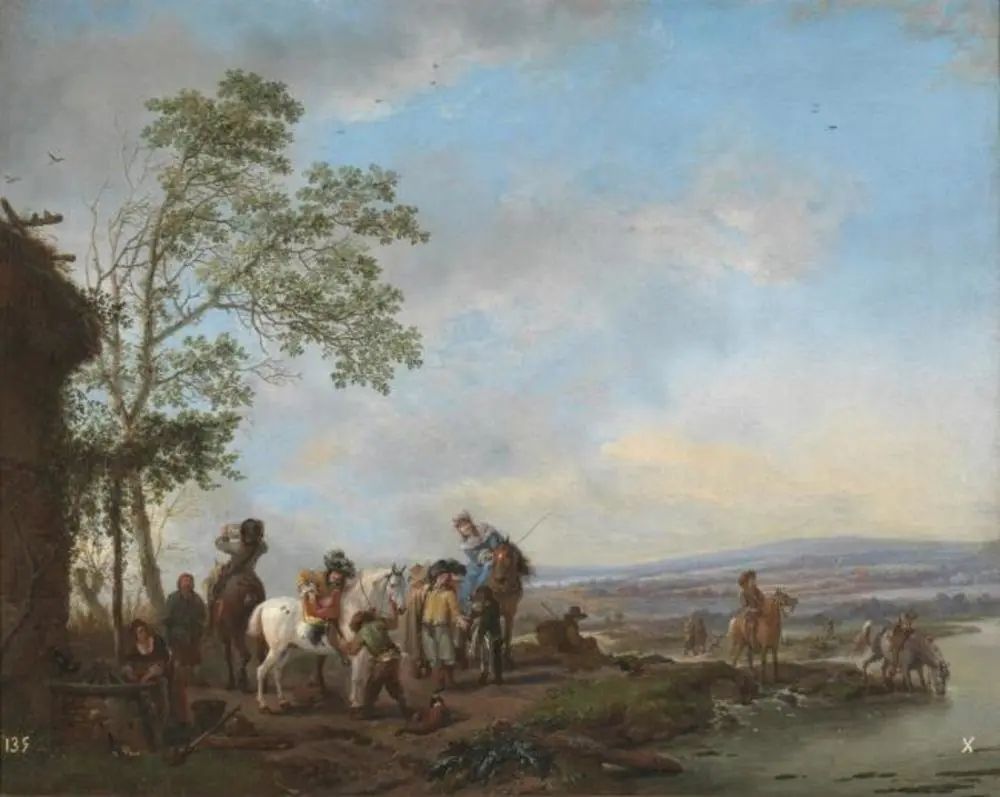
Painted circa 1653 by Philips Wouwerman, this landscape depicts a quiet moment of horses gathering at a water source.
Painted circa 1653 by Philips Wouwerman, this landscape depicts a quiet moment of horses gathering at a water source. Wouwerman, a Dutch artist active in Haarlem, specialized in equestrian and rural scenes during the Golden Age. The work is part of the National Gallery of Ireland’s collection and reflects his consistent focus on animals within natural settings, rendered with careful attention to atmosphere and movement.
Subject & Meaning
The painting centers on a group of horses in various postures—some drinking, others standing alert or resting—surrounded by a modest rural environment. There is no human presence, emphasizing the animals’ autonomy and the tranquility of the natural world. The scene suggests a moment of pause in daily life, inviting contemplation rather than narrative drama, typical of Wouwerman’s preference for quiet, observational realism.
Technique & Style
Wouwerman employs soft tonal transitions and subtle chiaroscuro to model the horses’ forms and suggest depth in the landscape. The sky is rendered with loose, atmospheric brushwork, while the foreground details—mane, hooves, wet fur—are rendered with precision. Compositionally, the horses are arranged diagonally to guide the viewer’s eye toward the water and distant trees, creating a sense of spatial recession without artificial perspective.
History & Provenance
Created during Wouwerman’s mature period in Haarlem, the painting entered the National Gallery of Ireland’s collection in the 20th century. Its provenance prior to that is not fully documented, but its style aligns with works produced after his membership in the Haarlem Guild of St. Luke, established in 1640. The painting has remained relatively unchanged since its creation, preserving its original composition and palette.
Context
In mid-17th-century Holland, depictions of animals in landscapes gained popularity as symbols of domestic harmony and economic stability. Wouwerman’s focus on horses reflected their importance in transport, agriculture, and military life. Unlike grand historical scenes, his works offered intimate, unidealized views of rural activity, resonating with the Dutch middle class’s appreciation for everyday realism.
Legacy
Wouwerman’s approach influenced later Dutch and Flemish painters who favored animal subjects within natural settings. His ability to convey texture, movement, and mood without overt drama set a standard for equestrian painting. Though less celebrated today than contemporaries like Rembrandt, his body of work remains a significant record of how horses were perceived in Dutch society during the Golden Age.
Artist & collection
Artist
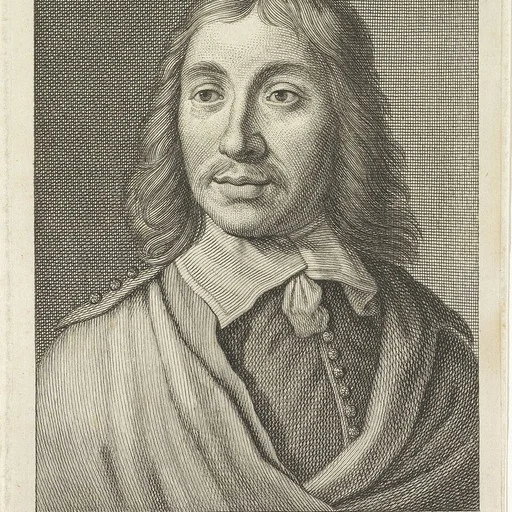
Philips Wouwerman (also Wouwermans) (24 May 1619 (baptized) – 19 May 1668) was a Dutch painter of hunting, landscape and battle scenes. He became prolific during the Dutch Golden Age and joined the Haarlem Guild of St. Luke.