Artwork
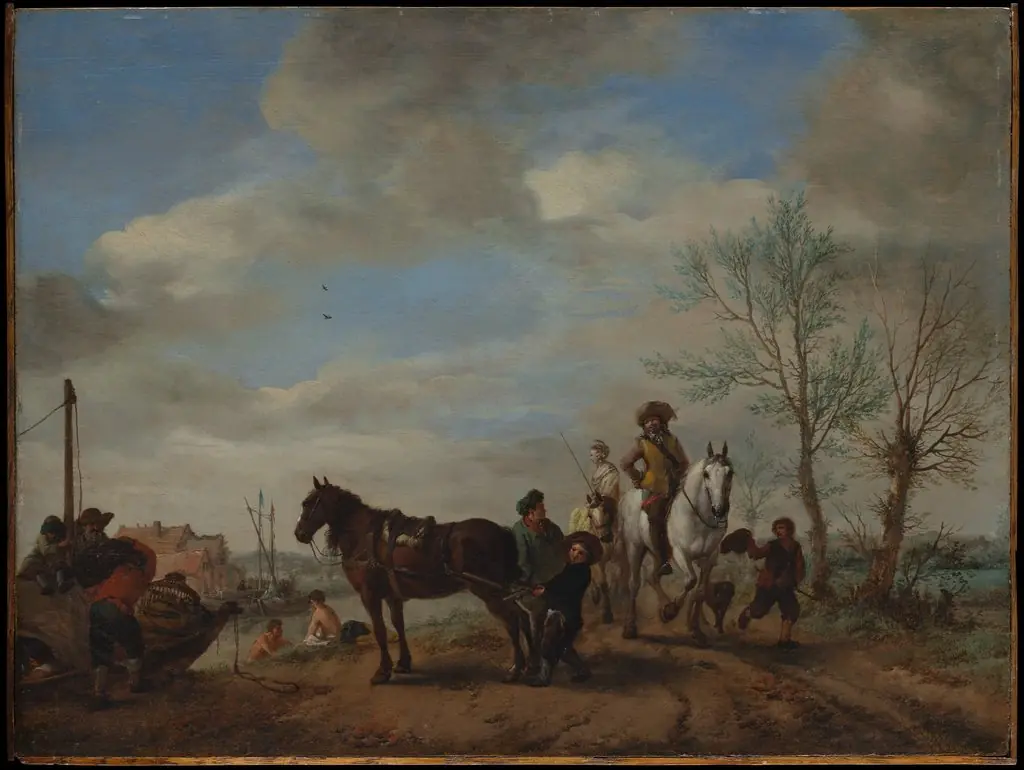
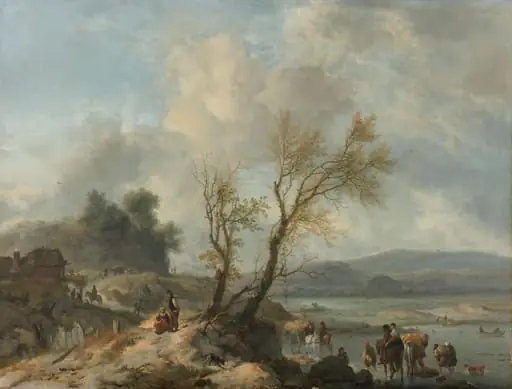
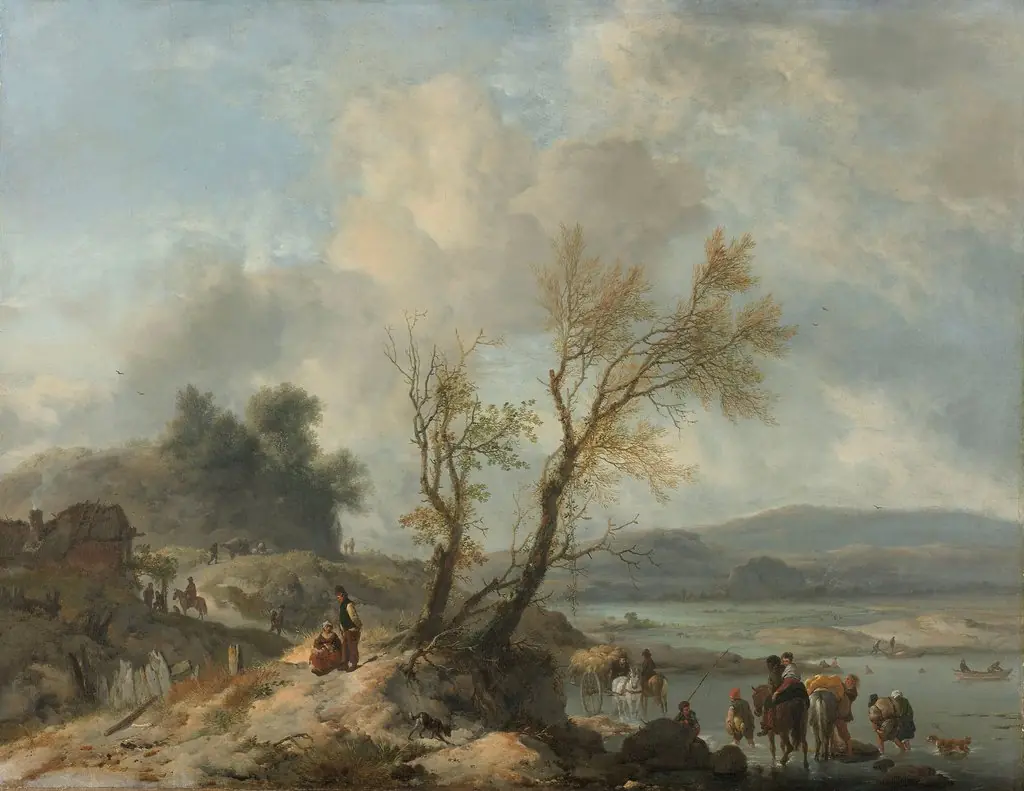
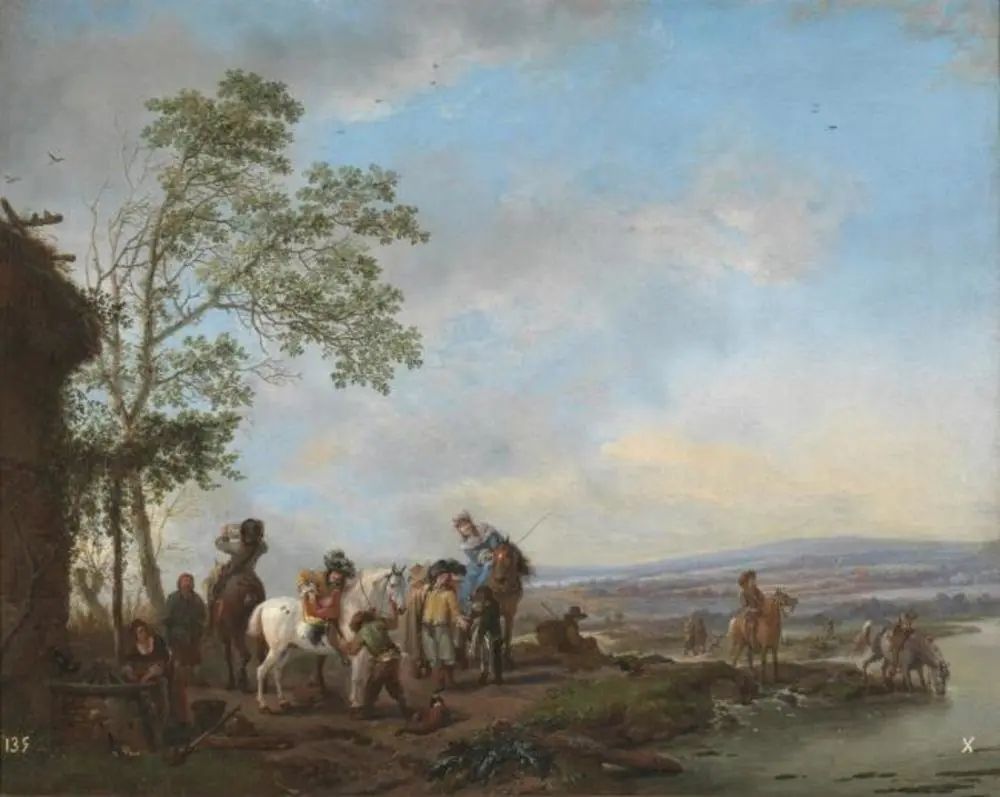
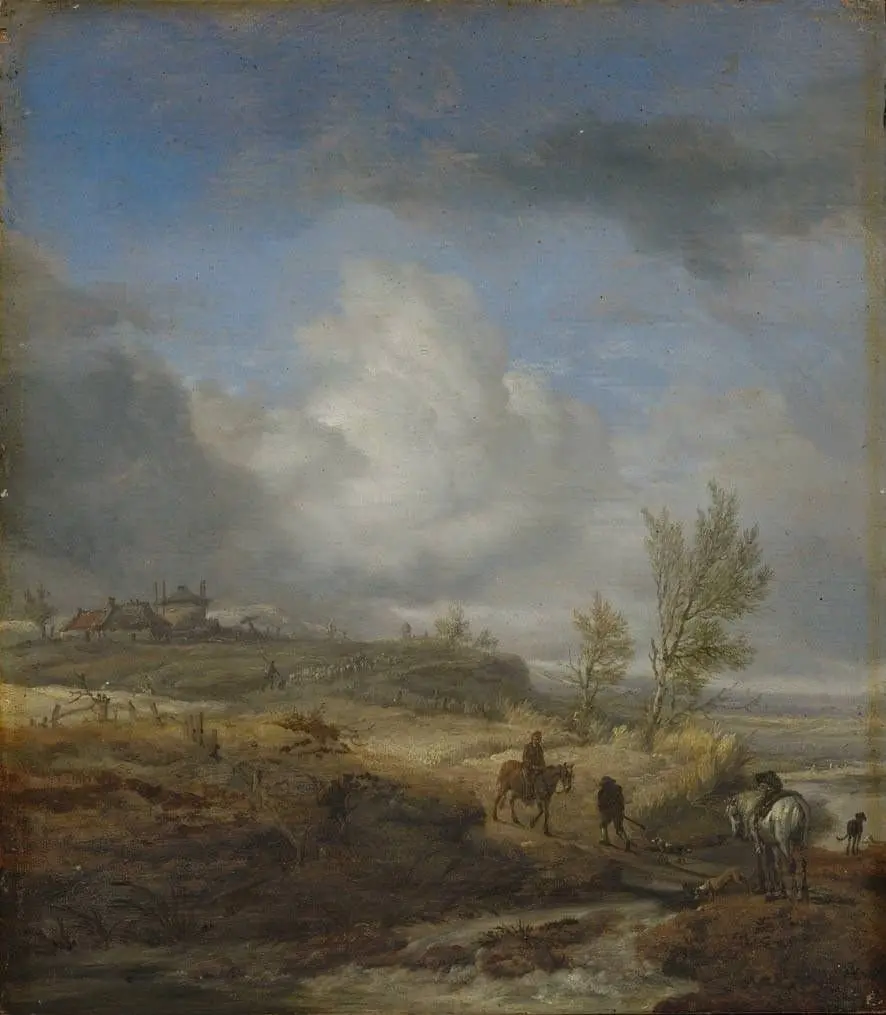
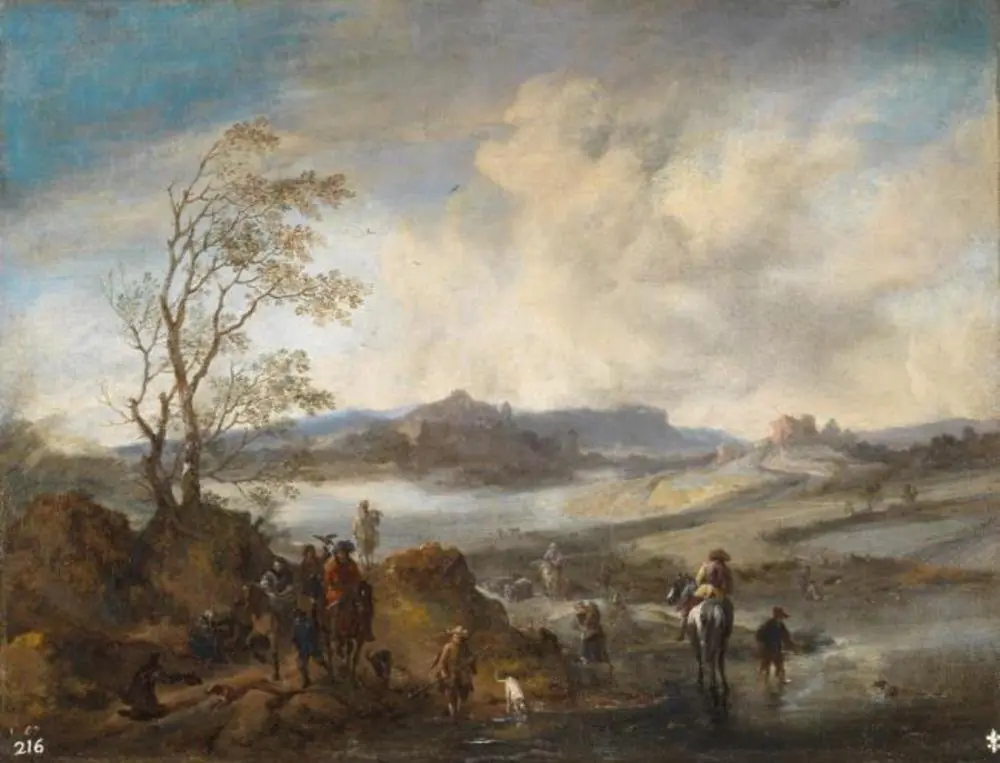
Hunting Party and Fishermen
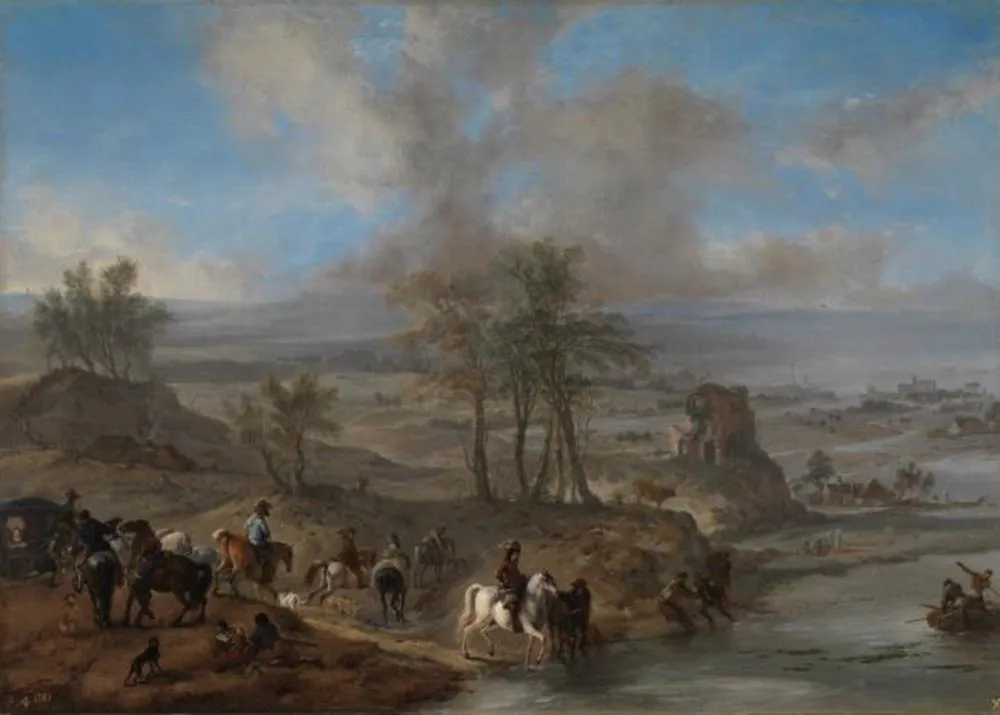
Hunting Party and Fishermen is an oil painting by the Dutch Golden Age artist Philips Wouwerman. It dates from 1660 and is held in the collection of the Museo del Prado.
About this work
Overview
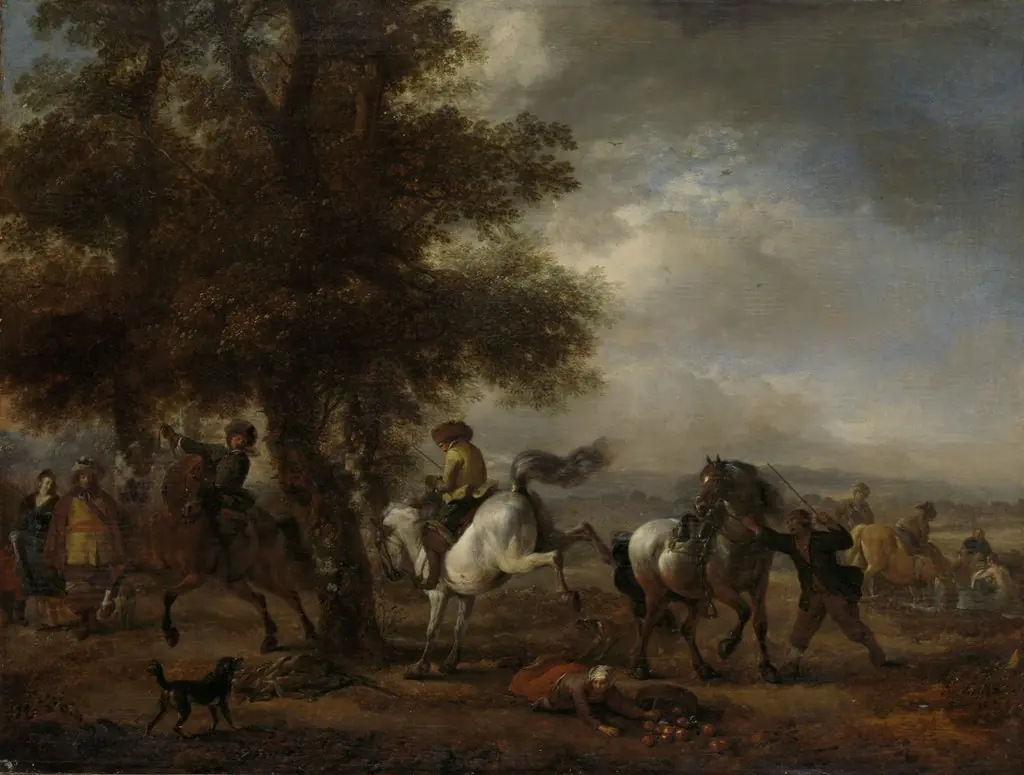
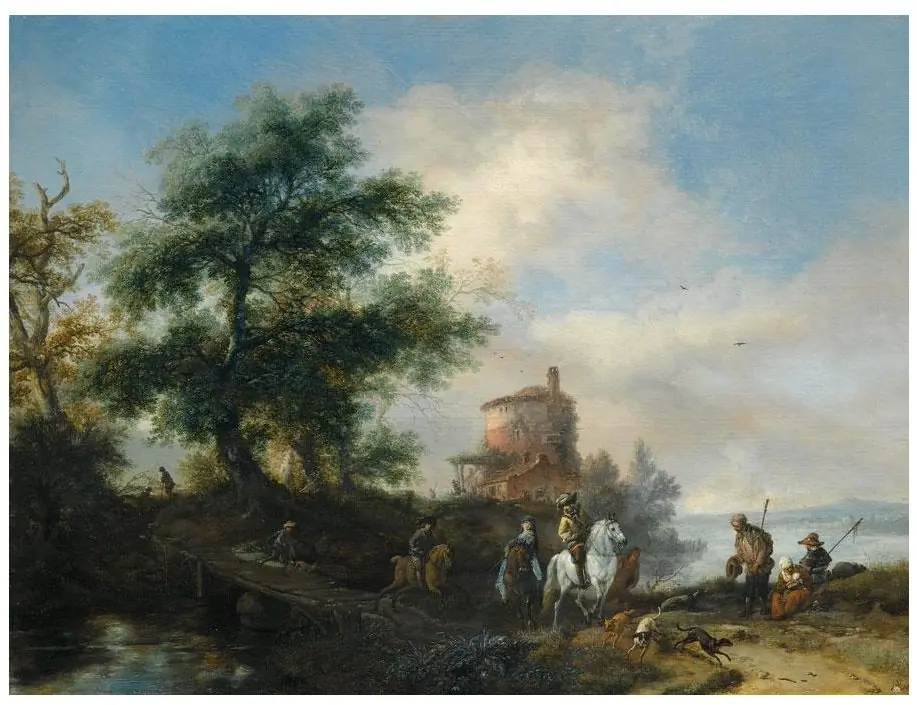
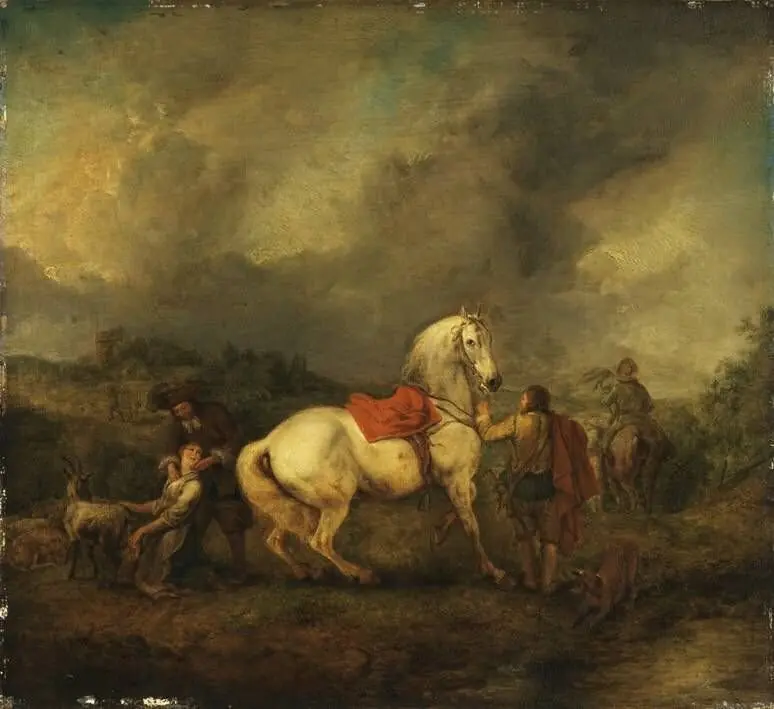
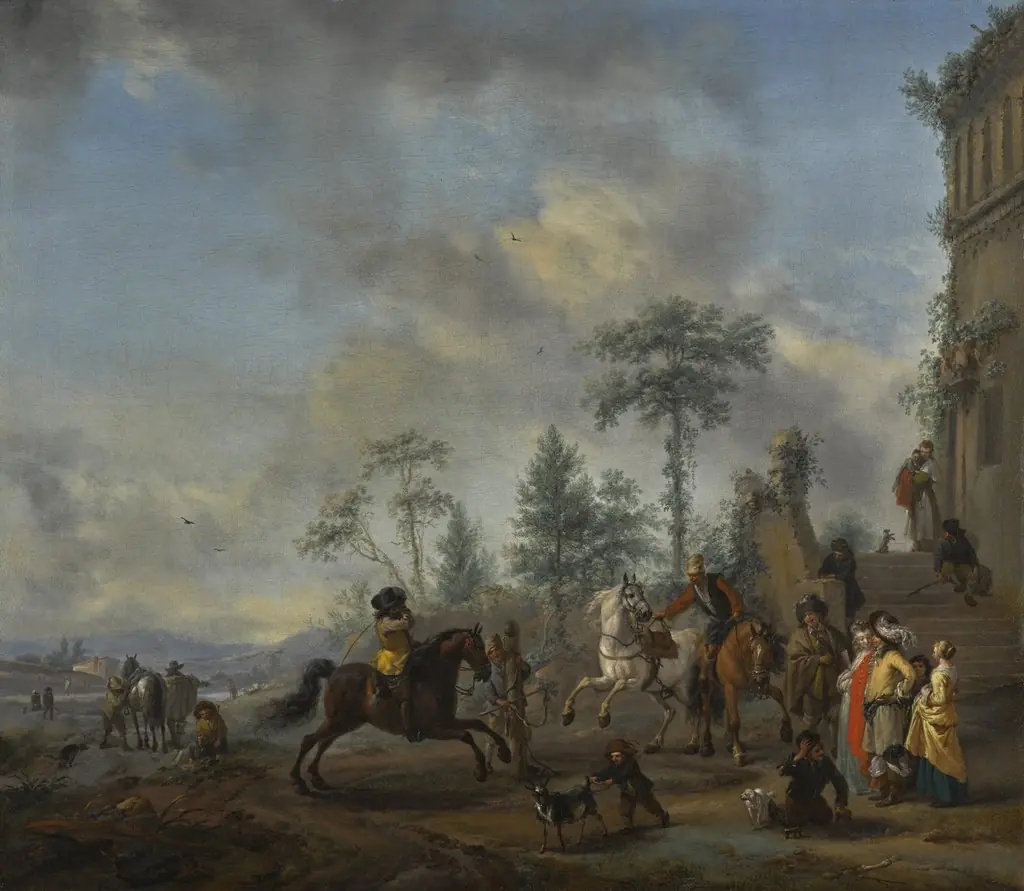
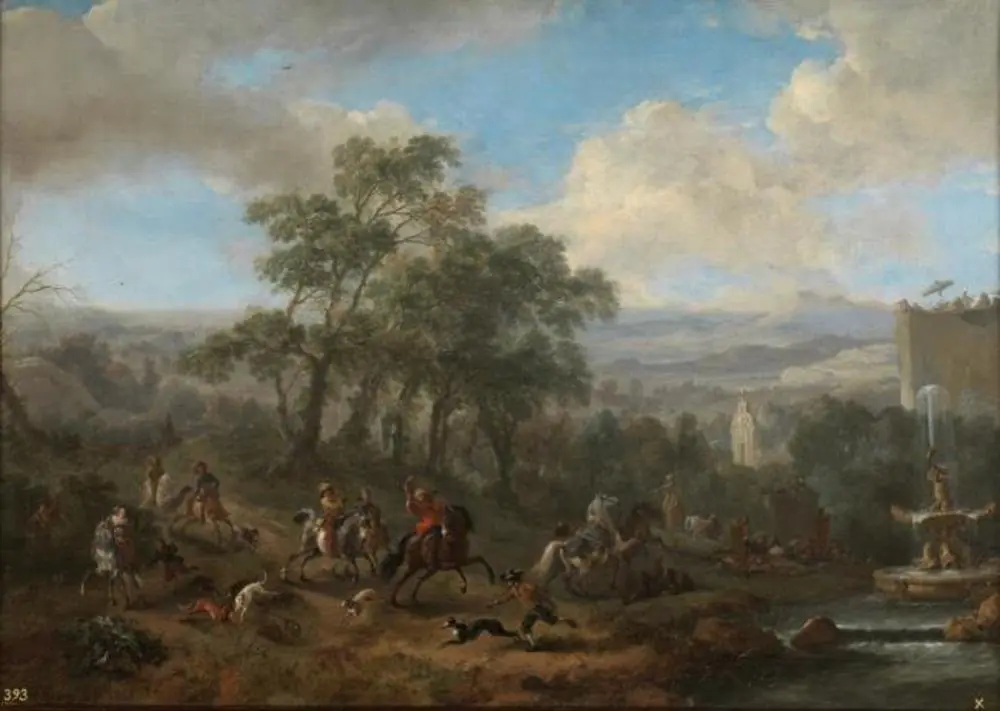
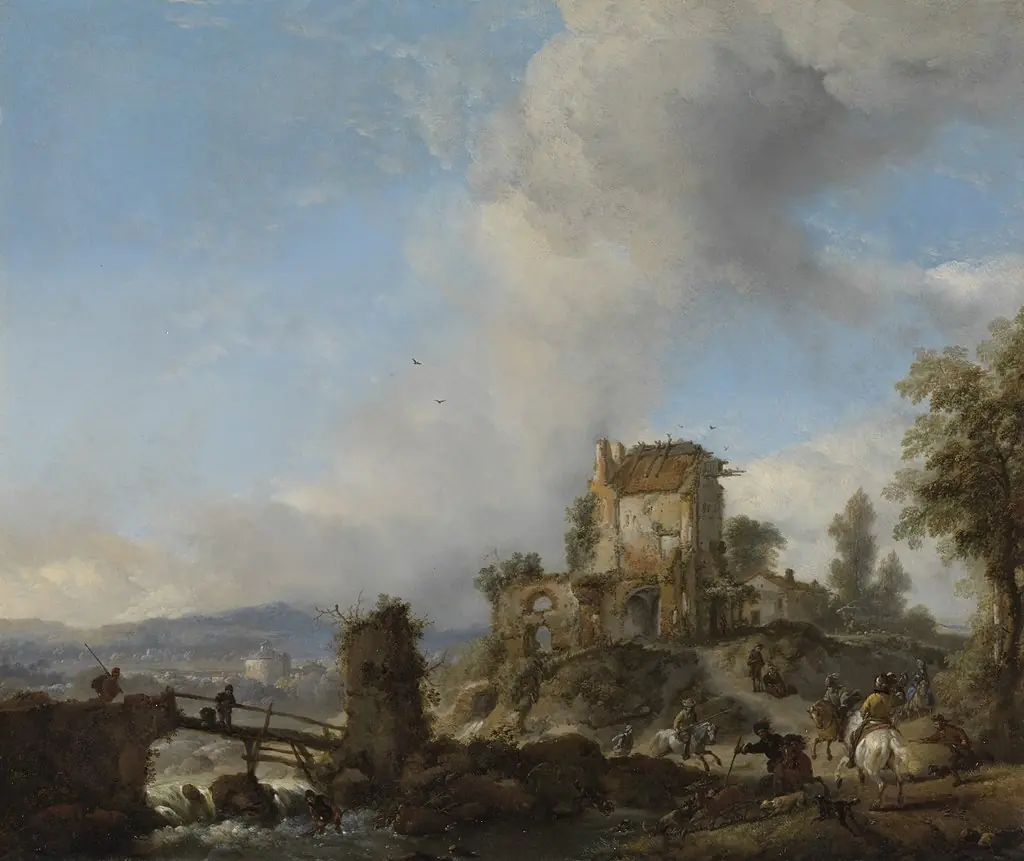
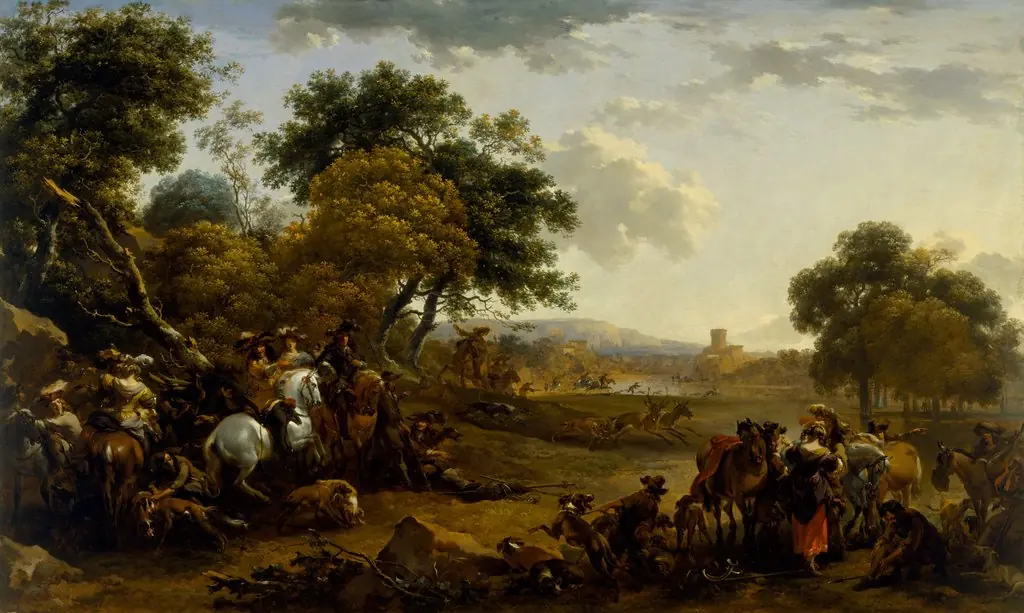
Philips Wouwerman’s *Hunting Party and Fishermen* (1660) is an oil‑on‑canvas work that combines a lively hunting scene with a tranquil fishing activity, set within an expansive Dutch landscape. Executed during the height of the Dutch Golden Age, the composition balances human and animal figures against a natural backdrop, illustrating the artist’s interest in genre scenes that merge work and leisure.
Subject & Meaning
The painting juxtaposes two distinct pursuits: a group of riders, likely nobles or hunters, mounted on horses, and a separate cluster of figures engaged in angling from a small boat. Both groups occupy the same riverside setting, suggesting a narrative of coexistence between sport and subsistence, and reflecting contemporary Dutch attitudes toward the countryside as a space of both recreation and livelihood.
Technique & Style
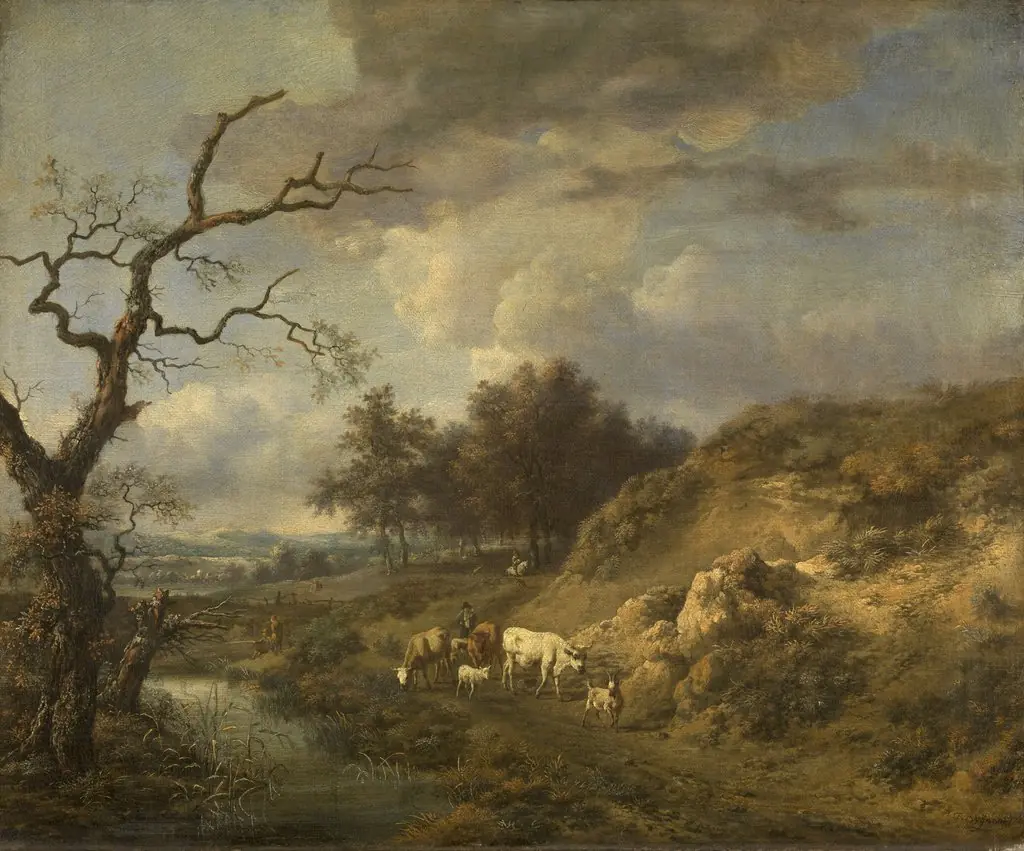
Wouwerman employs a palette of muted greens, earthy browns, and clear blues to render foliage, sky, and water, while his handling of light creates subtle contrasts that model forms and suggest depth. The careful placement of shadows under the figures and horses contributes to a three‑dimensional feel, and the overall composition demonstrates his characteristic attention to detail in equestrian and rural subjects.
History & Provenance
Created in 1660, the work belongs to the prolific output of Wouwerman, a member of Haarlem’s Guild of St. Luke who was renowned for hunting and landscape scenes. The painting entered the collection of the Museo del Prado, where it remains part of the museum’s holdings of Dutch 17th‑century art, reflecting the broader European interest in Dutch genre painting.
Artist & collection
Artist
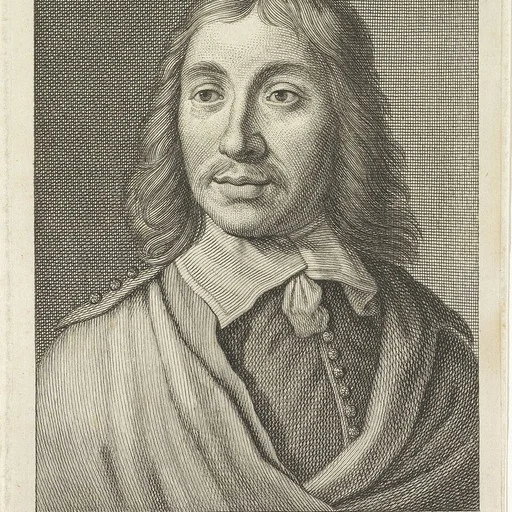
Philips Wouwerman (also Wouwermans) (24 May 1619 (baptized) – 19 May 1668) was a Dutch painter of hunting, landscape and battle scenes. He became prolific during the Dutch Golden Age and joined the Haarlem Guild of St. Luke.