Artwork
STRADĂ ÎN PANTĂ - GRECIA
STRADĂ ÎN PANTĂ - GRECIA is a print by Alexandru Phoebus. It dates from 1850 and is held in the collection of the National Museum of Art of Romania.
About this work
" The words at the bottom hint this might be a record for a print titled *Strada în pantă - Grecia*—which means "Street on a Slope - Greece.
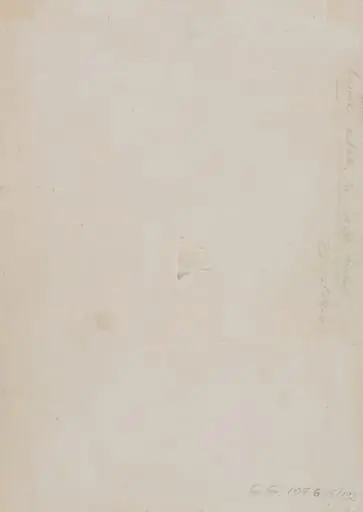
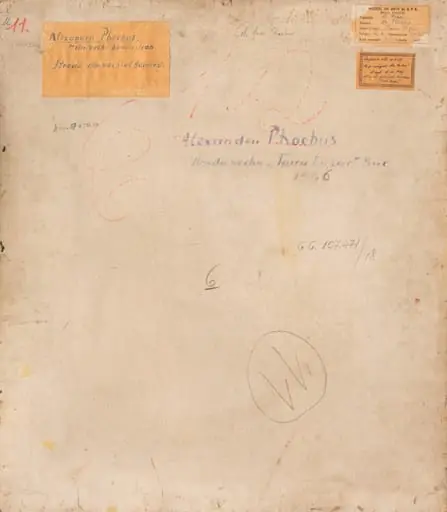
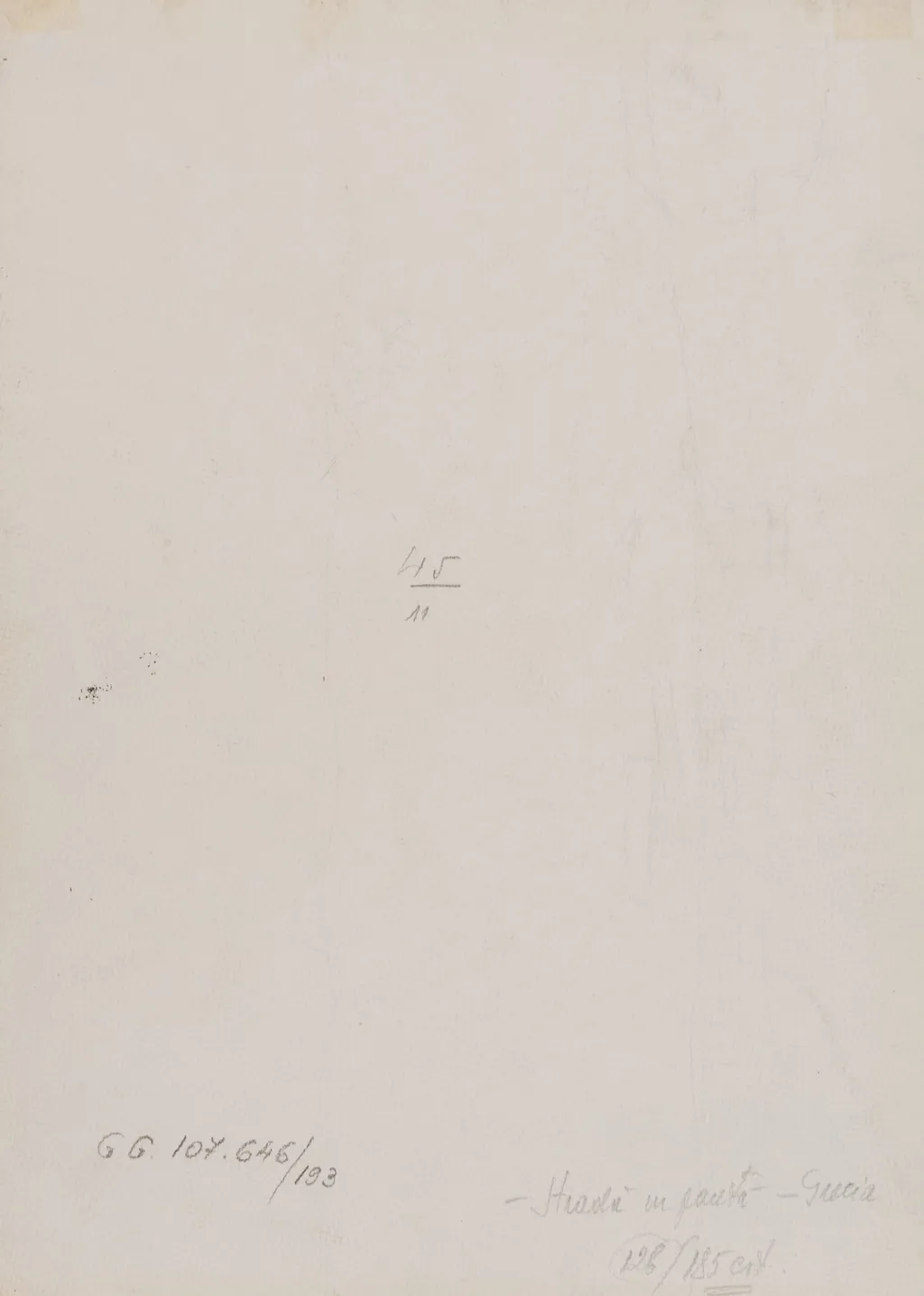
This is a blank or empty sheet of paper with faint pencil marks. In the center, someone wrote "415" and "11" in small numbers. Near the bottom left corner, there’s a longer handwritten code: "66.107.646/103." On the right side, someone scribbled a few words in cursive, including "Strada în pantă - Grecia" and "1987/1987."
The words at the bottom hint this might be a record for a print titled *Strada în pantă - Grecia*—which means "Street on a Slope - Greece." The handwriting looks like an old catalog or inventory note, not the actual artwork itself.
If you’re curious about where this might belong, check out the Museum of Ethnography.
Overview
Alexandru Phoebus, a mid‑nineteenth‑century Romanian artist, is associated with a document titled *Strada în pantă – Grecia* (Street on a Slope – Greece). The surviving item is not a finished picture but a blank sheet bearing faint pencil markings, a numeric code, and handwritten annotations that appear to record details of a print rather than the print itself.
Subject & Meaning
The title suggests a view of a Greek street descending a slope, a motif that would have appealed to 19th‑century travelers fascinated by the Mediterranean landscape. The brief notation does not convey visual content, indicating the sheet functions as an administrative reference rather than a visual representation of the scene.
Technique & Style
The paper shows only light pencil strokes and cursive script, typical of cataloguing practices of the period. No inked drawing or painted surface is present, confirming that the sheet served as a ledger entry rather than a finished artwork.
History & Provenance
The handwritten entry includes the numbers "415" and "11" and a longer code "66.107.646/103," likely inventory identifiers used by a museum or collection. A marginal note dated "1987/1987" points to a later cataloging effort, possibly linked to the Museum of Ethnography's archives.
Context
During the 1850s, Romanian artists like Phoebus often traveled abroad, producing sketches and prints of foreign locales. Such records were commonly kept to track prints for exhibition, sale, or scholarly reference, reflecting the administrative side of 19th‑century art production.
Artist & collection