Artwork
Sportivi
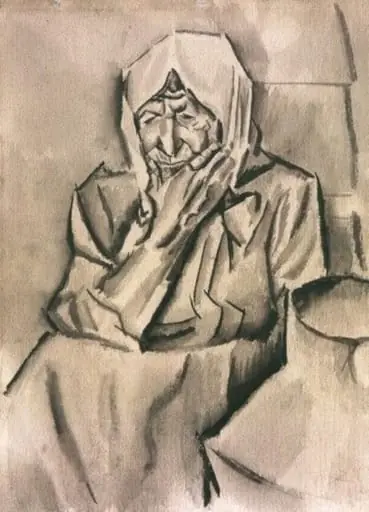
Sportivi is a drawing by Iosif Iser. It dates from 1350 and is held in the collection of the National Museum of Art of Romania.
About this work
Overview
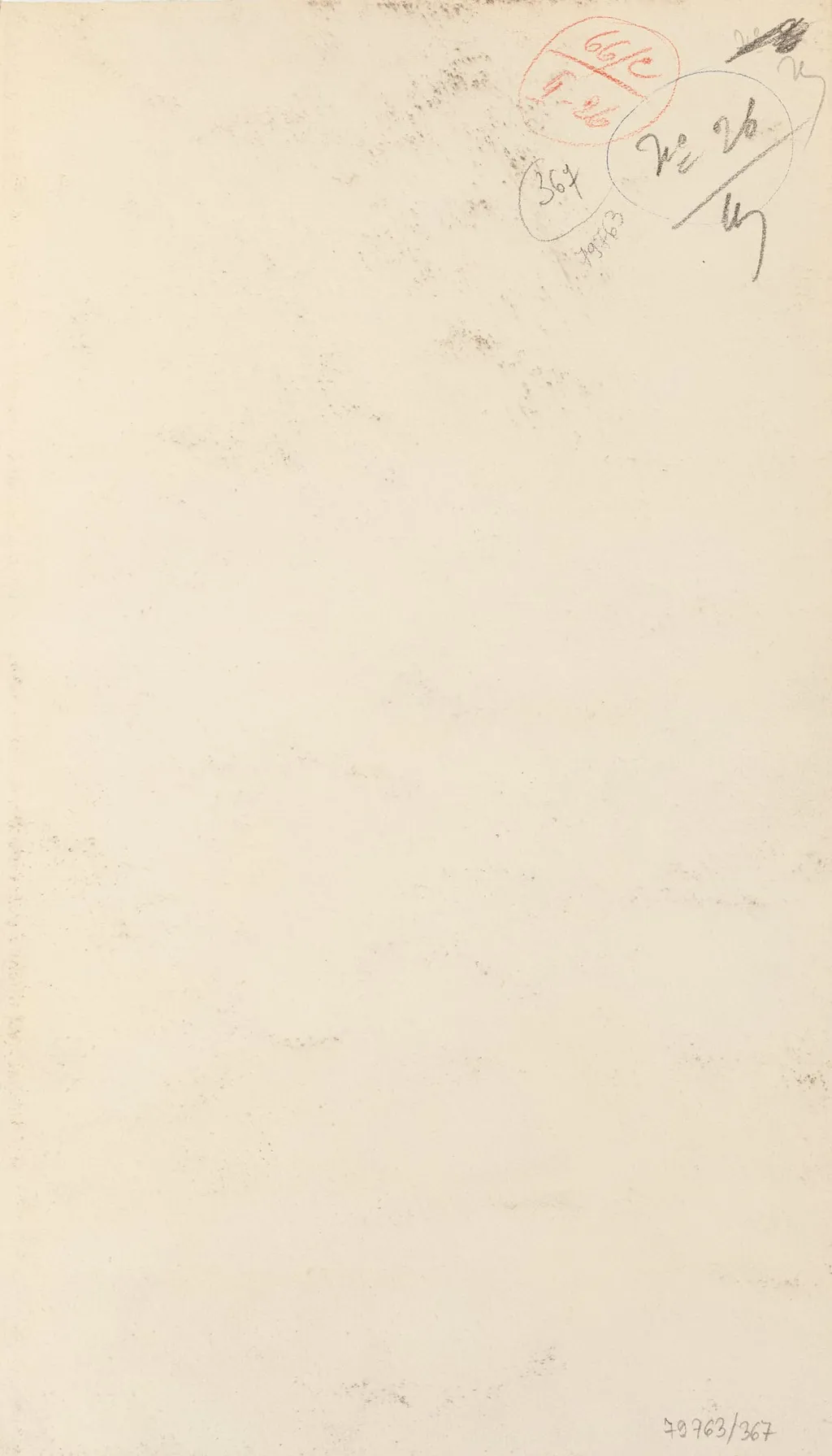
Sportivi is a fragmentary sheet attributed to Iosif Iser, dated around 1350. It contains no finished image, only faint pencil markings and scattered smudges. The paper is off-white, aged, with irregular stains and a few illegible notations in the upper right. Its appearance suggests an early study or working draft, lacking the polish of a completed composition.
Subject & Meaning
No discernible subject is present in the work. The marks appear incidental—possibly gestures of practice, measurement, or annotation. Without clear figures or forms, any symbolic or narrative intent remains speculative. The title 'Sportivi' does not align with visible content, raising questions about its origin or later attribution.
Technique & Style
The execution is rudimentary, using pencil on paper with minimal pressure. Lines are light, uneven, and unrevised. Smudges suggest erasures or handling, while the absence of ink or wash indicates this was not intended as a final rendering. The style reflects preparatory sketching rather than artistic presentation.
History & Provenance
The work’s early history is undocumented. It lacks inscriptions, seals, or collector marks that might trace its path from Iser’s studio to its current state. Its survival as a standalone fragment implies it was preserved not for its artistic merit, but perhaps as part of a larger archive or personal collection.
Context
In mid-14th-century Europe, artists often produced studies on paper for composition planning. Iser’s known works are rare, and this fragment may represent one of the few surviving examples of his preparatory process. Its simplicity aligns with the practical, non-monumental nature of many medieval drafts.
Legacy
Sportivi holds no known influence on later artists or movements. It survives as a quiet artifact of artistic process, offering insight into the tentative, unpolished moments behind more finished works. Its value lies in its humility—not as a finished piece, but as a trace of labor.
Artist & collection