Artwork
Two Angels
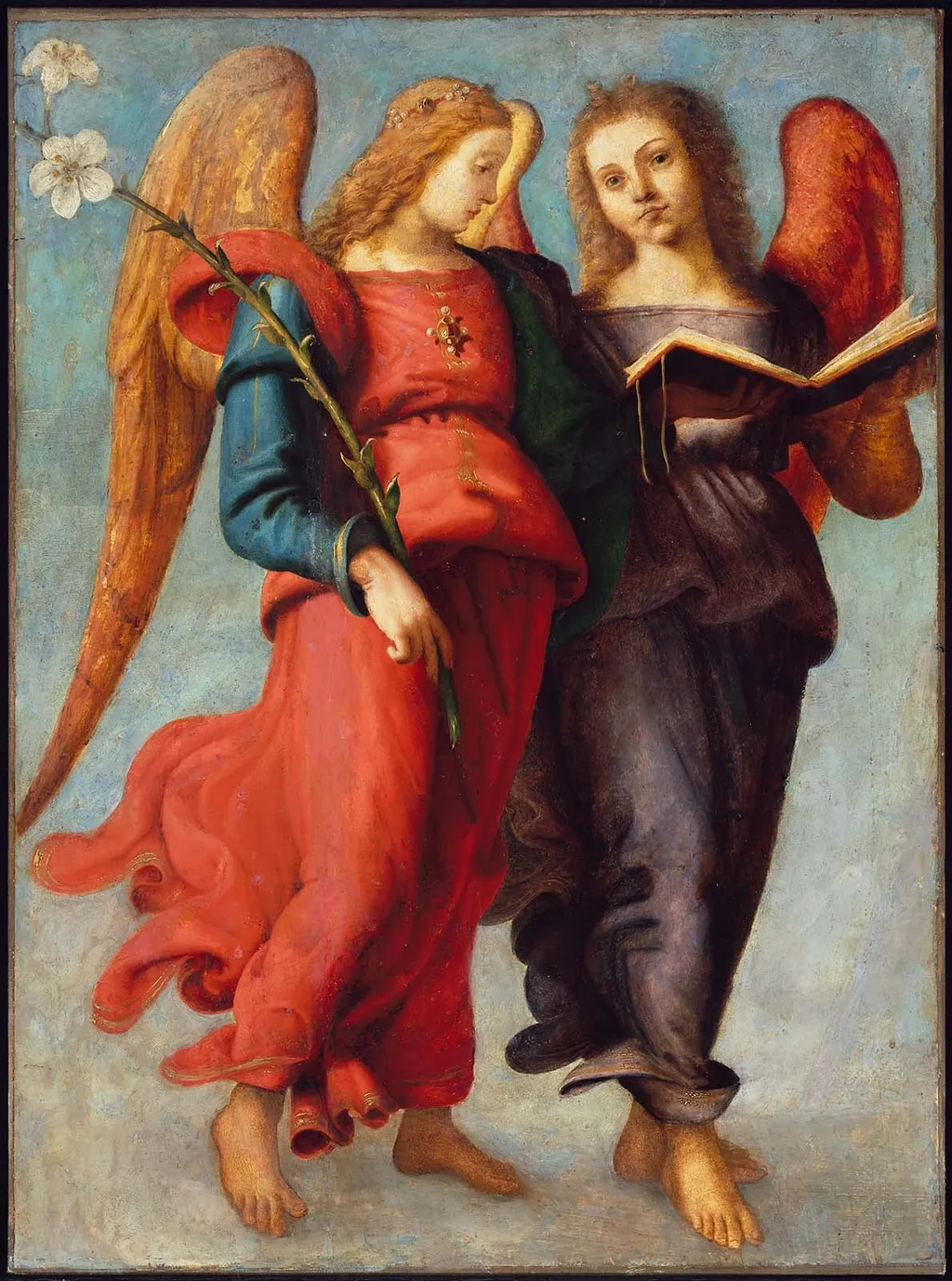
Two Angels is an unspecified painting by the High Renaissance artist Piero di Cosimo. It dates from 1512 and is held in the collection of the Museum of Fine Arts Boston.
About this work
Overview
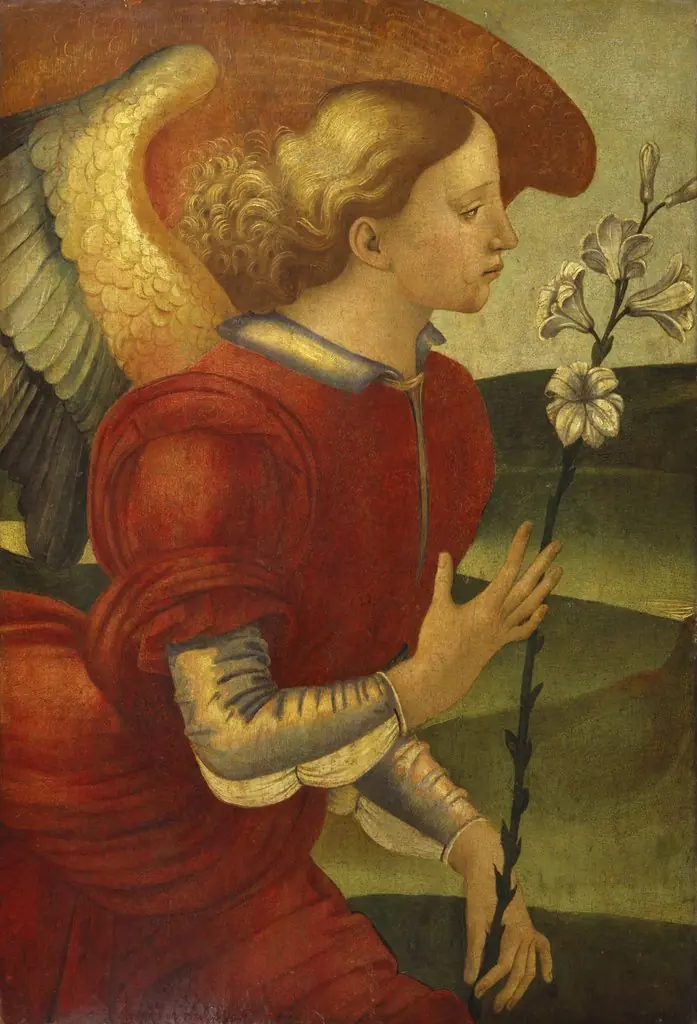
Painted in 1512 by Piero di Cosimo, this work depicts two angels in a serene, otherworldly setting. Executed in tempera on panel, it is part of the collection at the Museum of Fine Arts, Boston. The composition is simple yet deliberate, focusing on the figures against a uniform pale sky, emphasizing their spiritual presence without narrative distraction.
Subject & Meaning
The two angels represent celestial beings engaged in quiet contemplation. One holds a branch with a single bloom, possibly symbolizing divine purity or the Virgin’s fertility; the other reads from an open book, suggesting divine knowledge or scripture. Their calm demeanor and lack of dramatic action reflect a devotional tone, inviting quiet reverence rather than narrative engagement.
Technique & Style
Piero di Cosimo employs subtle chiaroscuro to model the angels’ faces, giving them a soft, lifelike volume against a flat, unmodulated sky. The use of tempera allows for fine detail in the fabrics and wings, while the gold trim and vivid colors—red, blue, orange—enhance their celestial nature. The contrast between the detailed figures and the plain background heightens their ethereal presence.
History & Provenance
The painting entered the Museum of Fine Arts, Boston, in the early 20th century, acquired as part of a broader collection of Italian Renaissance works. Its origins prior to this are not fully documented, but stylistic analysis links it to Piero’s mature period, likely created for private devotion rather than public altarpiece use.
Context
Created during the High Renaissance, this work reflects a shift toward intimate, personal spirituality in Florentine art. While contemporaries like Raphael emphasized grandeur, Piero favored quiet, symbolic moments. The angels’ bare feet and simple gestures align with Franciscan ideals of humility, resonating with devotional practices of the time.
Legacy
Though not widely exhibited, the painting exemplifies Piero di Cosimo’s unique blend of naturalism and poetic symbolism. Its restrained composition and emotional subtlety influenced later devotional works, offering a quiet counterpoint to the more theatrical religious imagery of the era. It remains a quiet testament to Renaissance introspection.
Artist & collection

Artist
Piero di Cosimo, also known as Piero di Lorenzo, was an Italian Renaissance painter, who continued to use an essentially Early Renaissance style into the 16th century.

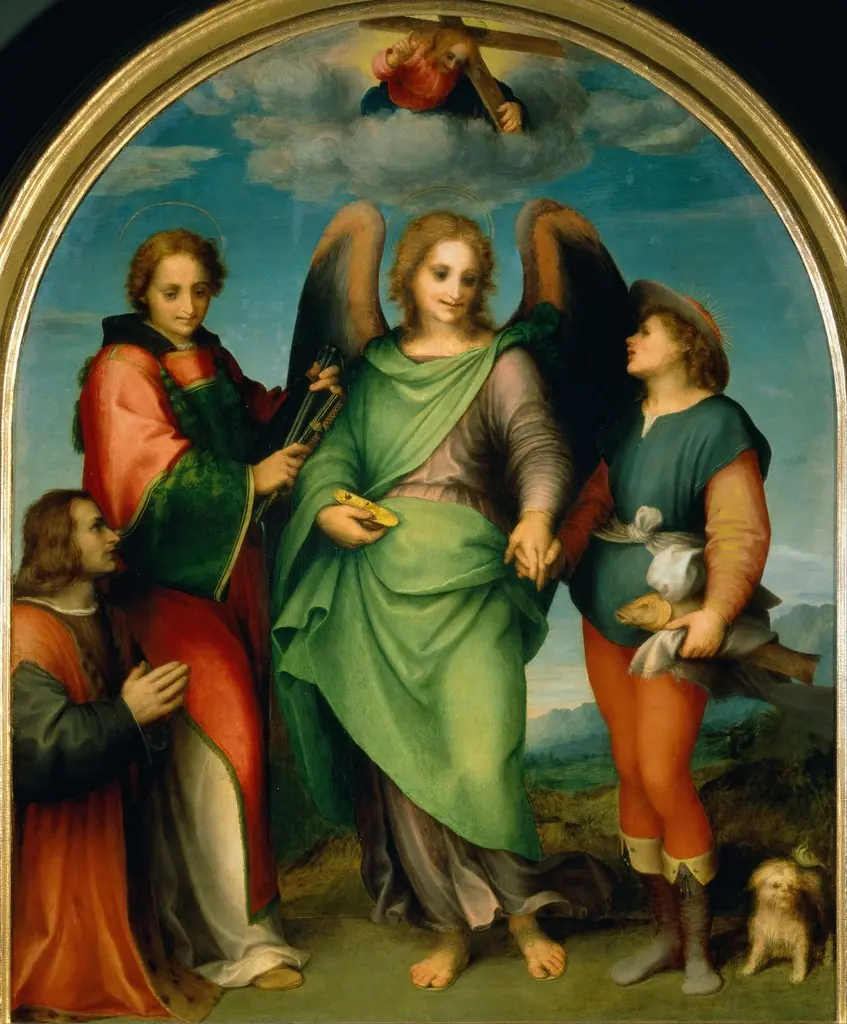 Archangel Raphael with Tobias, St. Laurentius and the donor Leonardo di Lorenzo Morelli
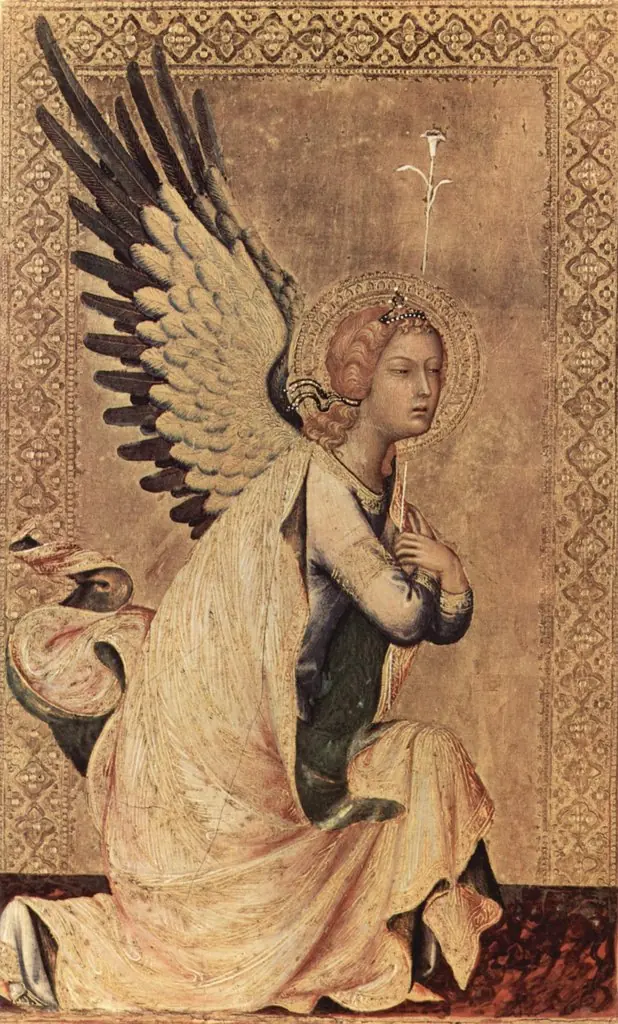 Angel of the Annunciation
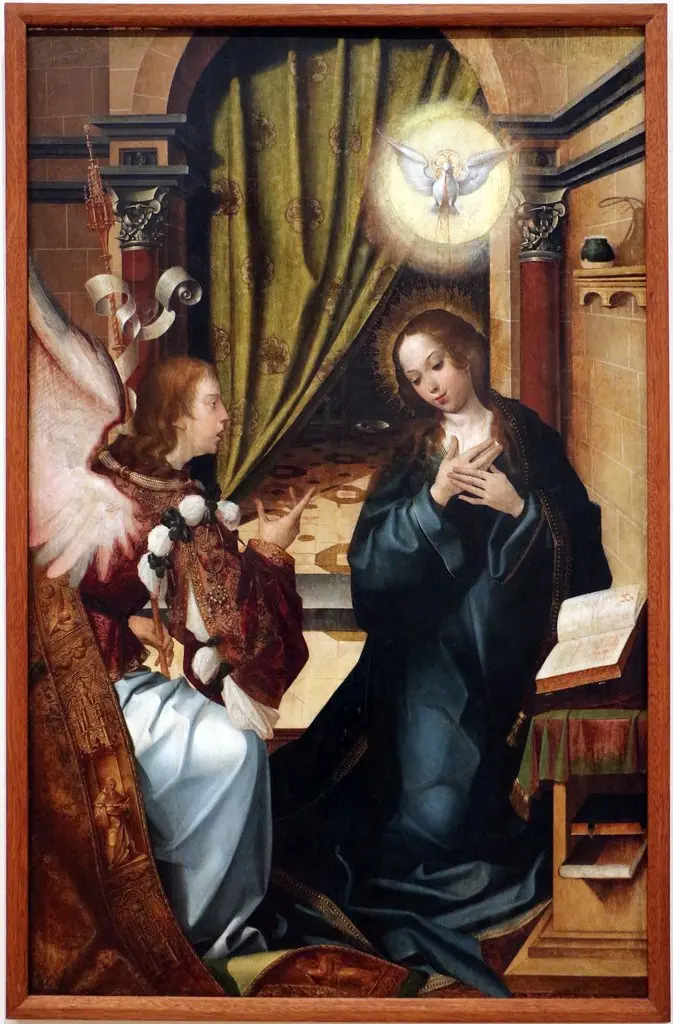 Anunciação
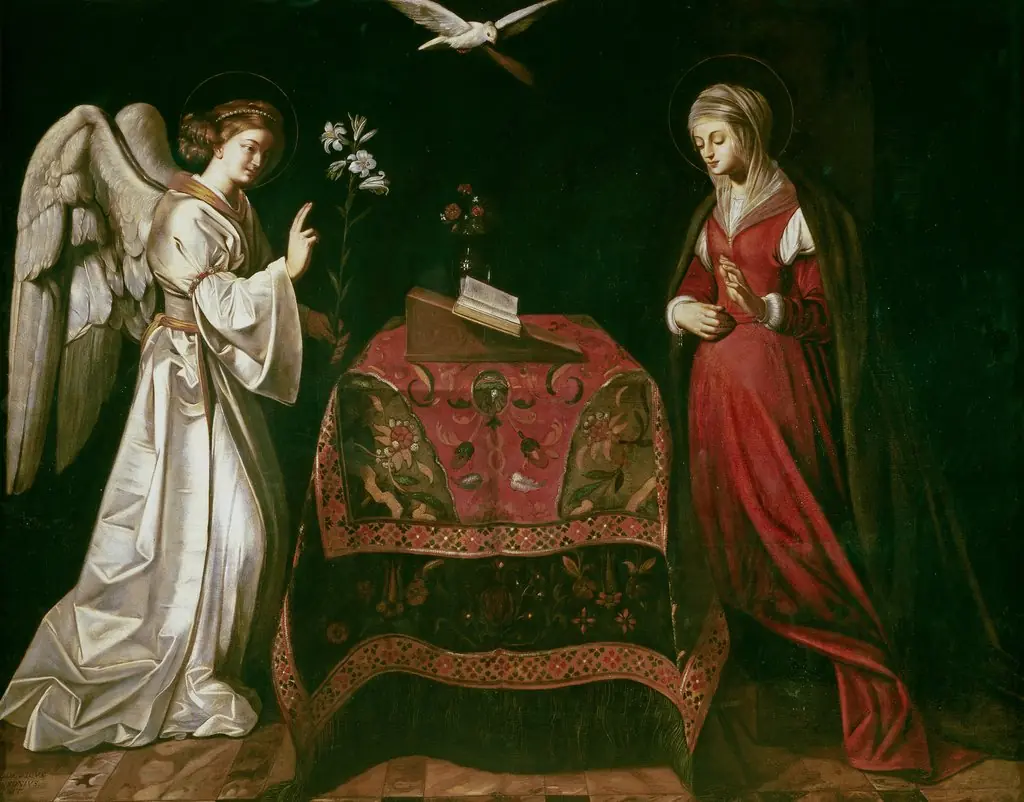 The Annunciation
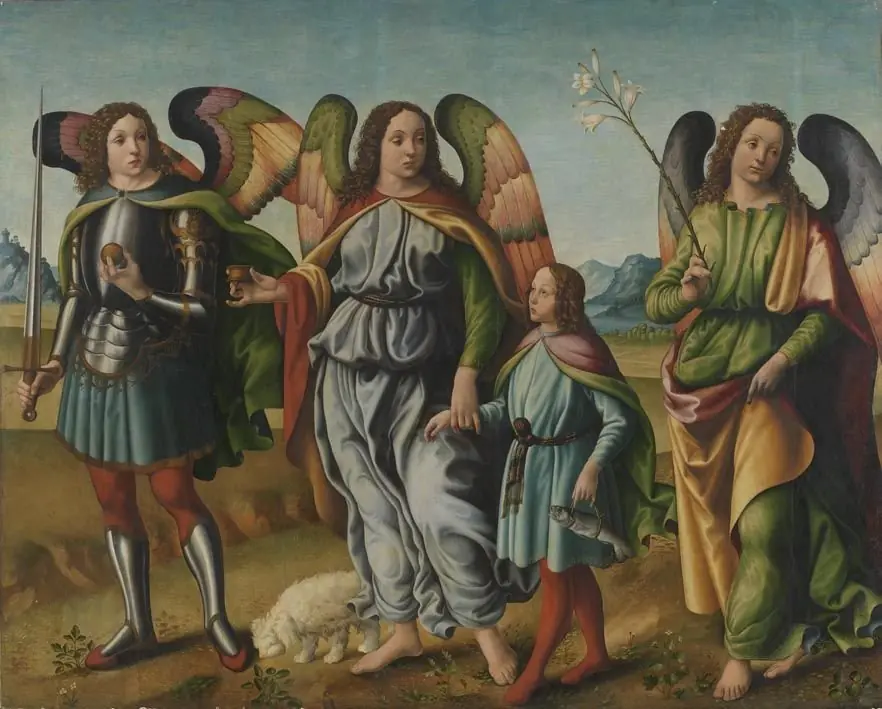 The three archangels with the little Tobias
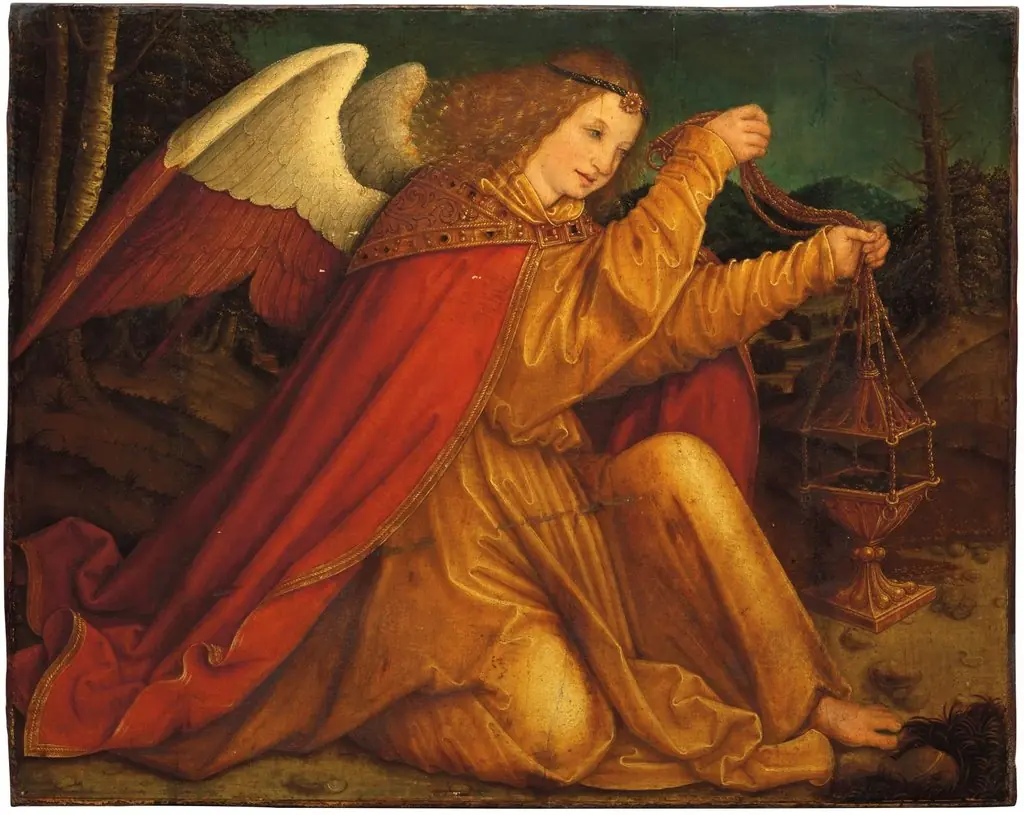 L’Ange thuriféraire vêtu d’une tunique jaune
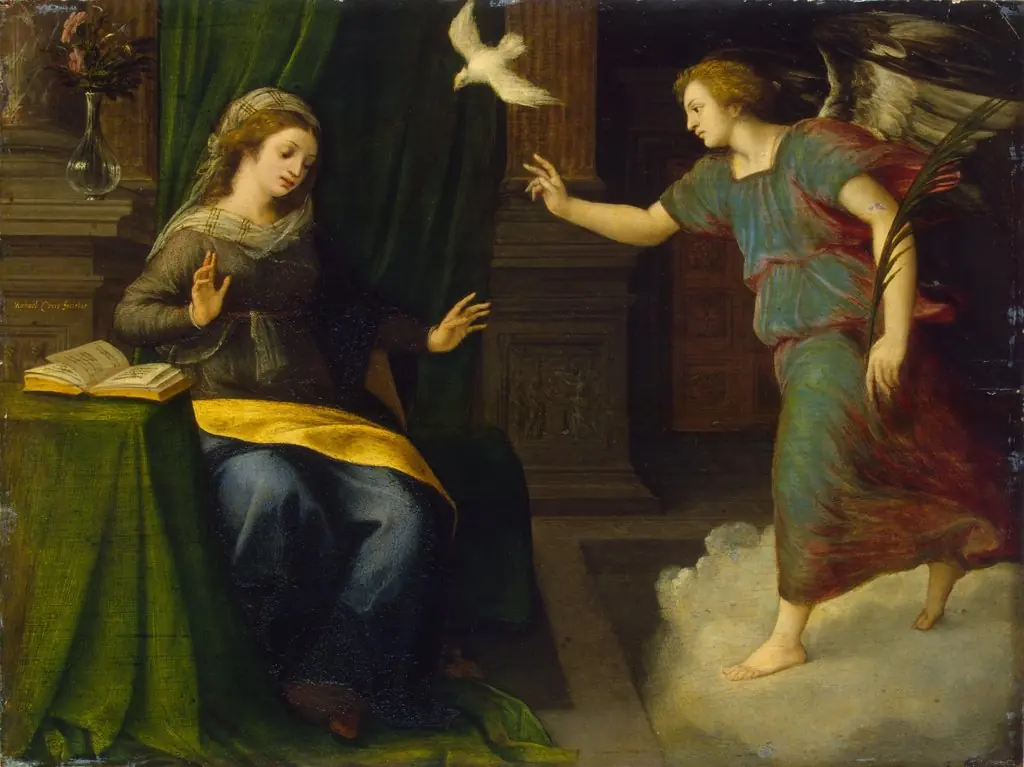 The Annunciation
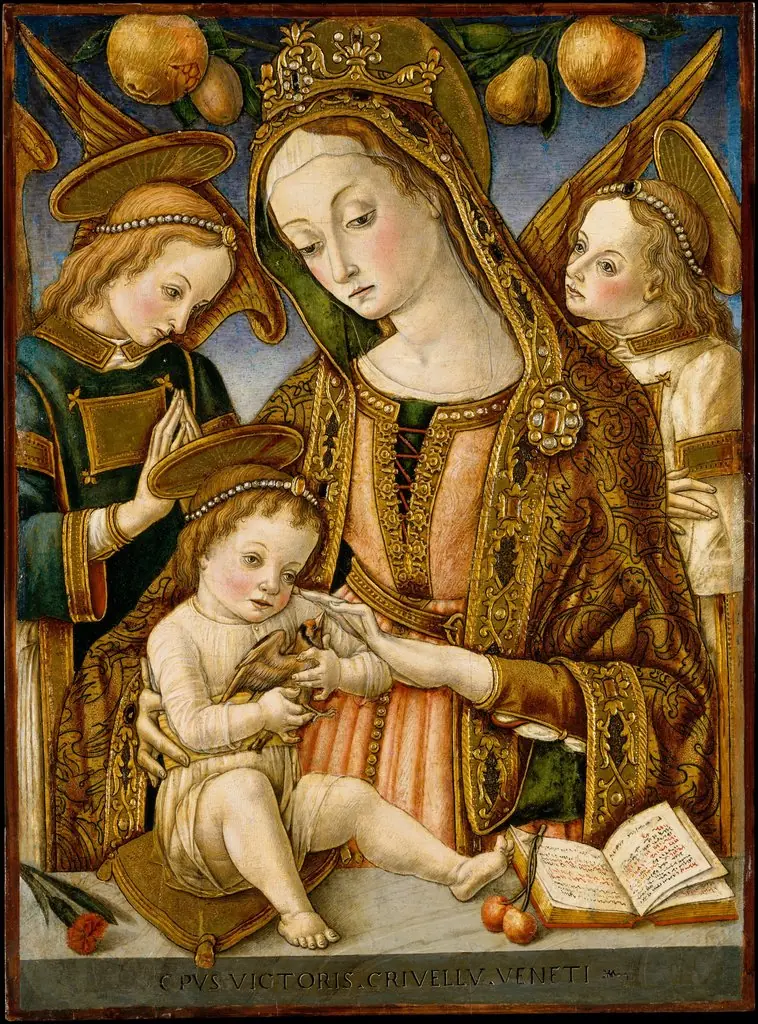 Madonna and Child with Two Angels
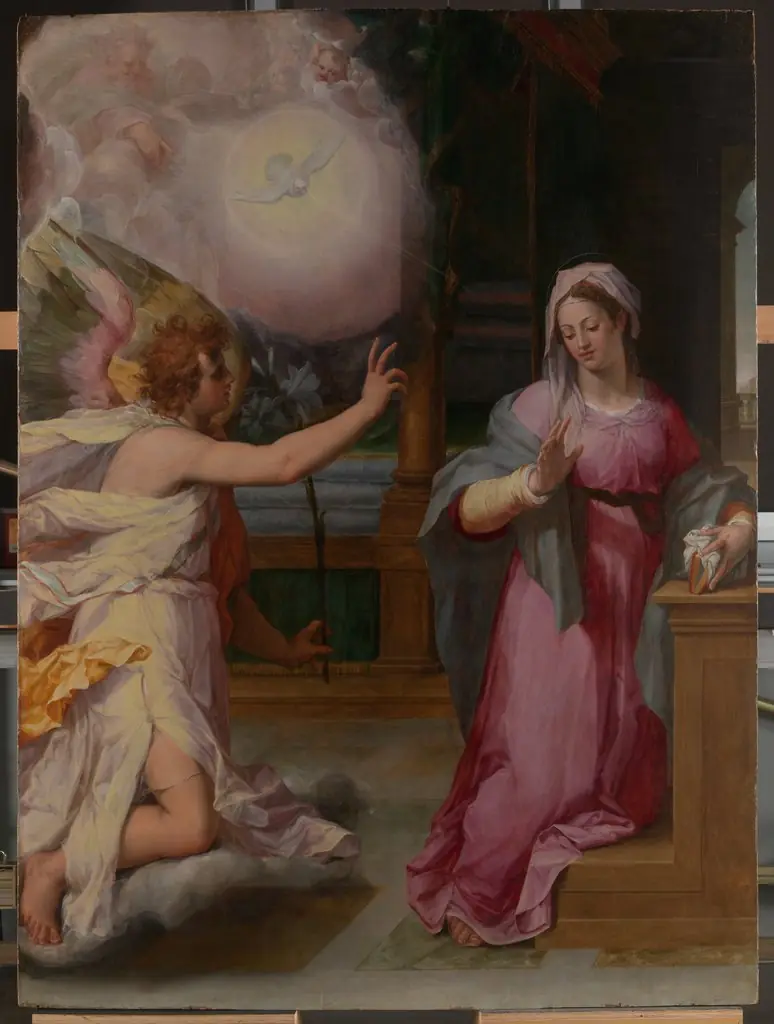 The Annunciation
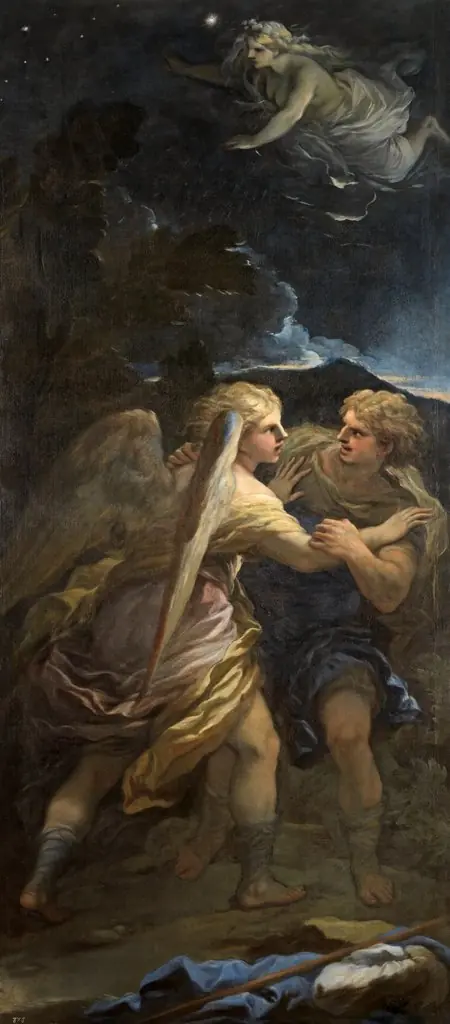 Lucha de Jacob con el ángel
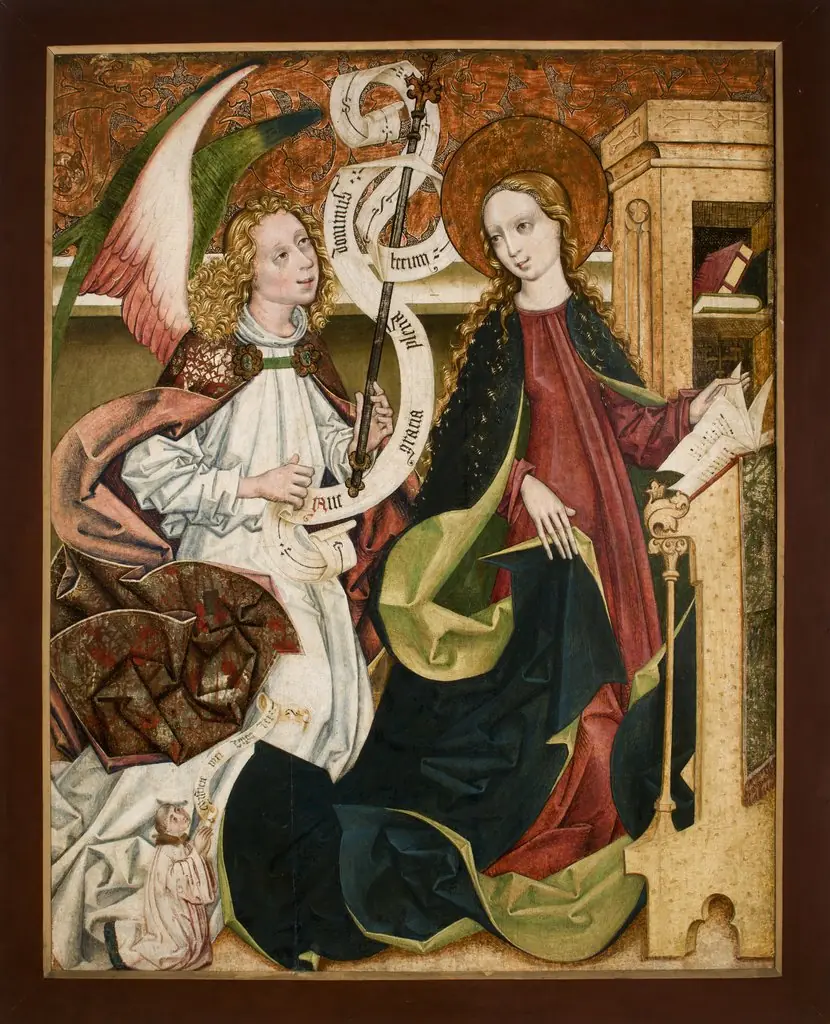 The Annunciation from the Church in Cięcina
 The Archangel Gabriel