Artwork
Anunciação
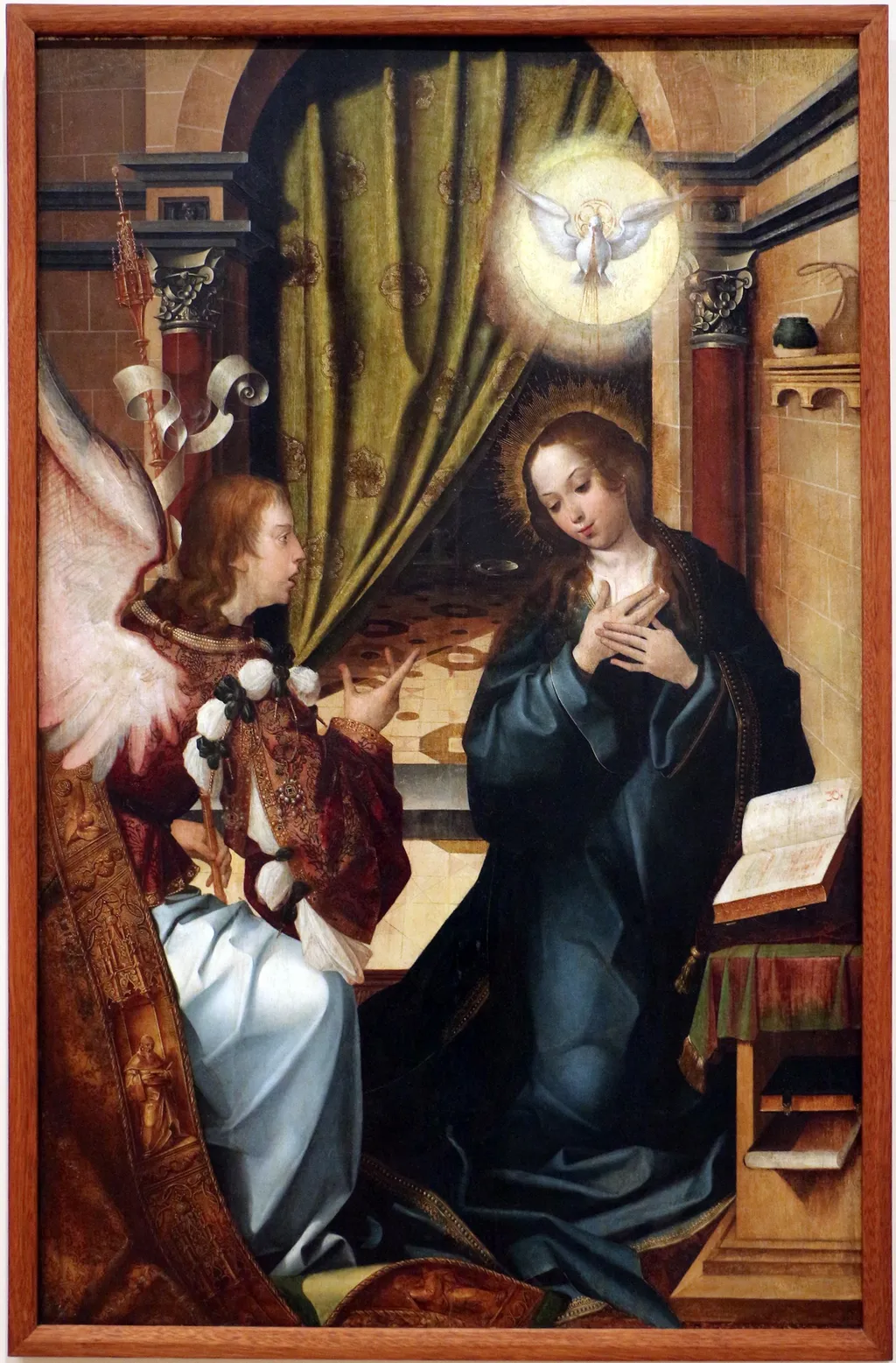
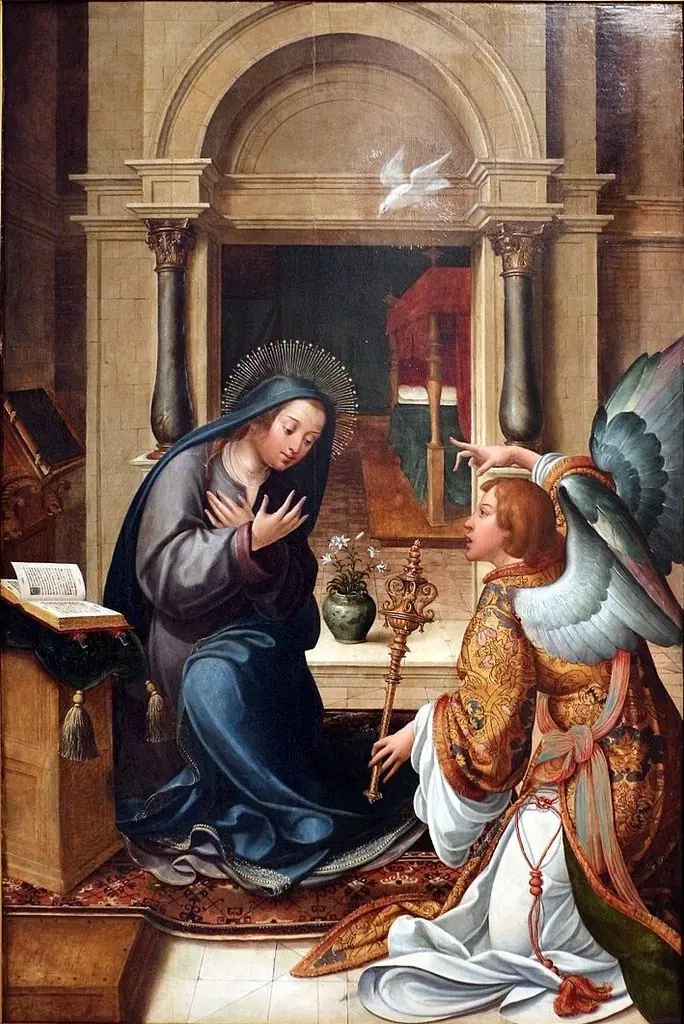
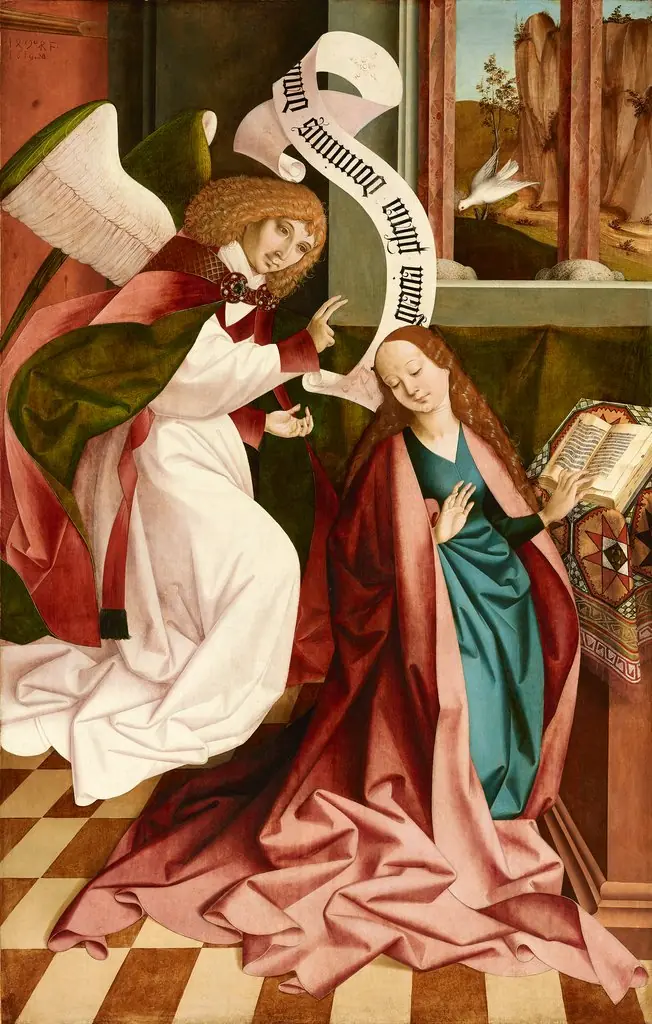
Anunciação is an unspecified painting by the Northern Renaissance artist Unknown. It dates from 1520 and is held in the collection of the National Museum of Ancient Art.
About this work
Overview
Rendered in subdued tones and quiet composition, the scene unfolds in a modest interior, emphasizing spiritual intimacy over grandeur.
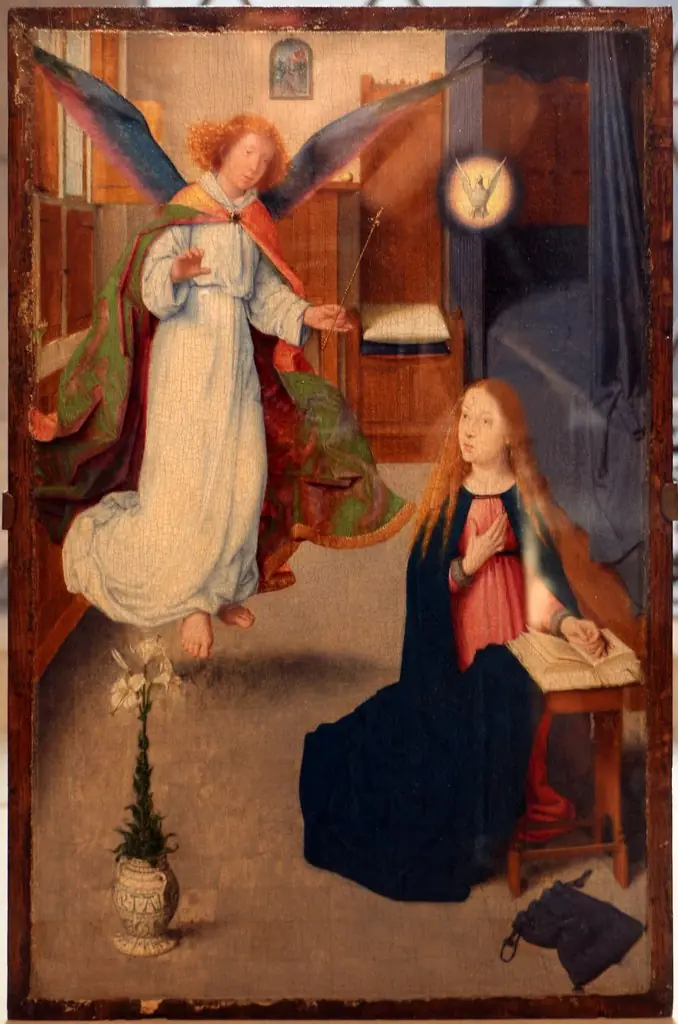
This painting depicts the Annunciation, a moment from Christian tradition when the archangel Gabriel announces to the Virgin Mary that she will bear the Son of God. Rendered in subdued tones and quiet composition, the scene unfolds in a modest interior, emphasizing spiritual intimacy over grandeur. The figures are framed by architectural elements and soft lighting, creating a contemplative atmosphere that invites quiet reflection.
Subject & Meaning
The Virgin Mary, seated in stillness, receives the divine message with restrained grace. The angel, adorned with symbolic garlands and rich textiles, gestures toward her as a herald of sacred truth. The open book suggests her devotion and literacy, while the ornate box may reference relics or sacred objects. The light behind the angel signifies divine presence, not natural illumination, reinforcing the supernatural nature of the encounter.
Technique & Style
The artist employs fine brushwork to render textures: the folds of the angel’s crimson robe, the fine strands of Mary’s dark hair, and the grain of the wooden shelf. Colors are muted yet layered, with warm glazes enhancing the dim interior. The circular halo-like light behind the angel is rendered with subtle gradations, avoiding overt symbolism to maintain realism within a sacred context.
History & Provenance
The painting’s origins trace to the late medieval or early Renaissance period, likely created for private devotion in a religious household or convent. Its intimate scale and detailed execution suggest it was not intended for public altarpiece display but for personal meditation. Its survival through centuries points to careful stewardship, though its early ownership remains undocumented.
Context
In the 14th and 15th centuries, the Annunciation was a common subject in Northern European art, often set in domestic interiors to make the divine feel accessible. Artists emphasized quiet dignity over theatricality, aligning with devotional practices that valued inner piety. This work reflects that trend, using everyday objects and restrained space to elevate spiritual meaning.
Legacy
The painting contributes to a broader tradition of intimate Annunciation scenes that shifted focus from celestial spectacle to human receptivity. Its emphasis on stillness, detail, and symbolic objects influenced later Northern Renaissance painters who sought to merge the sacred with the tangible. Though not widely known today, it remains a quiet example of devotional art’s power in private contemplation.
Artist & collection

 Domestic Scene
 Giacomo and Cardinal Marco, investing Andrea, Abbot of San Zeno, with his Benefice
 The Nymph of Fontainebleau
 Portrait of a Woman
 Madonna and Child with Saints in the Enclosed Garden
 Venus and Minerva
 Family Group of Four on Sofa
 Wall painting from Room H of the Villa of P. Fannius Synistor at Boscoreale
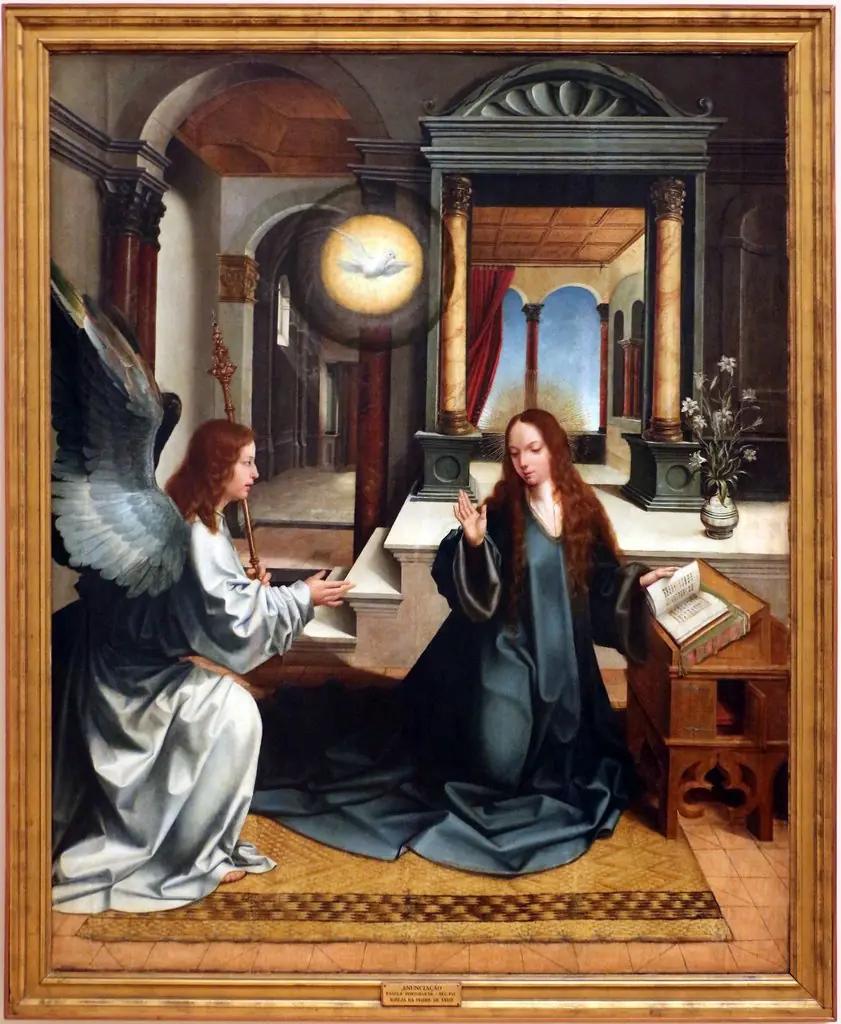 Annunciation
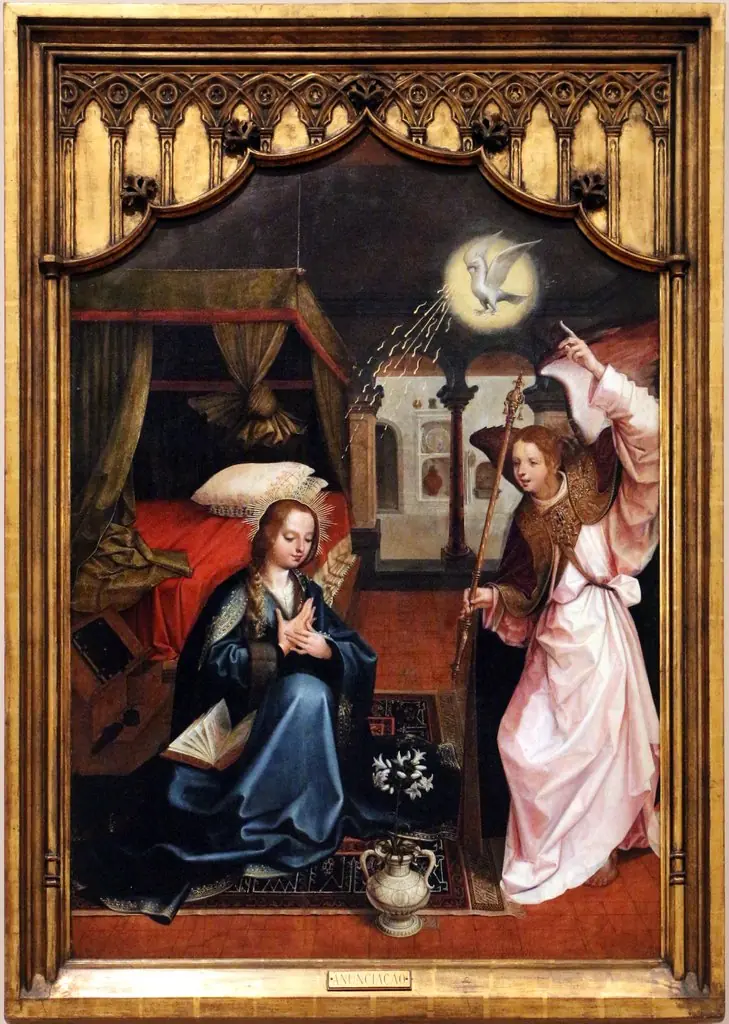 Anunciação
 Christ's Bath
 Untitled
 Anunciação
 The Annunciation (Meister from Canapost)
 L'Annonciation
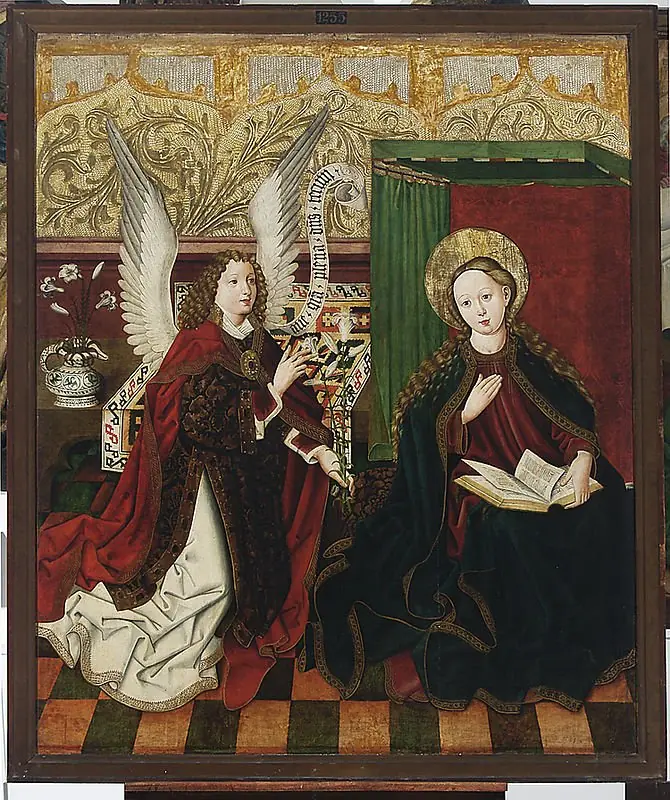 Legnica polyptych - left wing internal - upper panel - obverse: Annunciation; reverse: St Lawrence, St Vincent the Levite. St John the Baptist
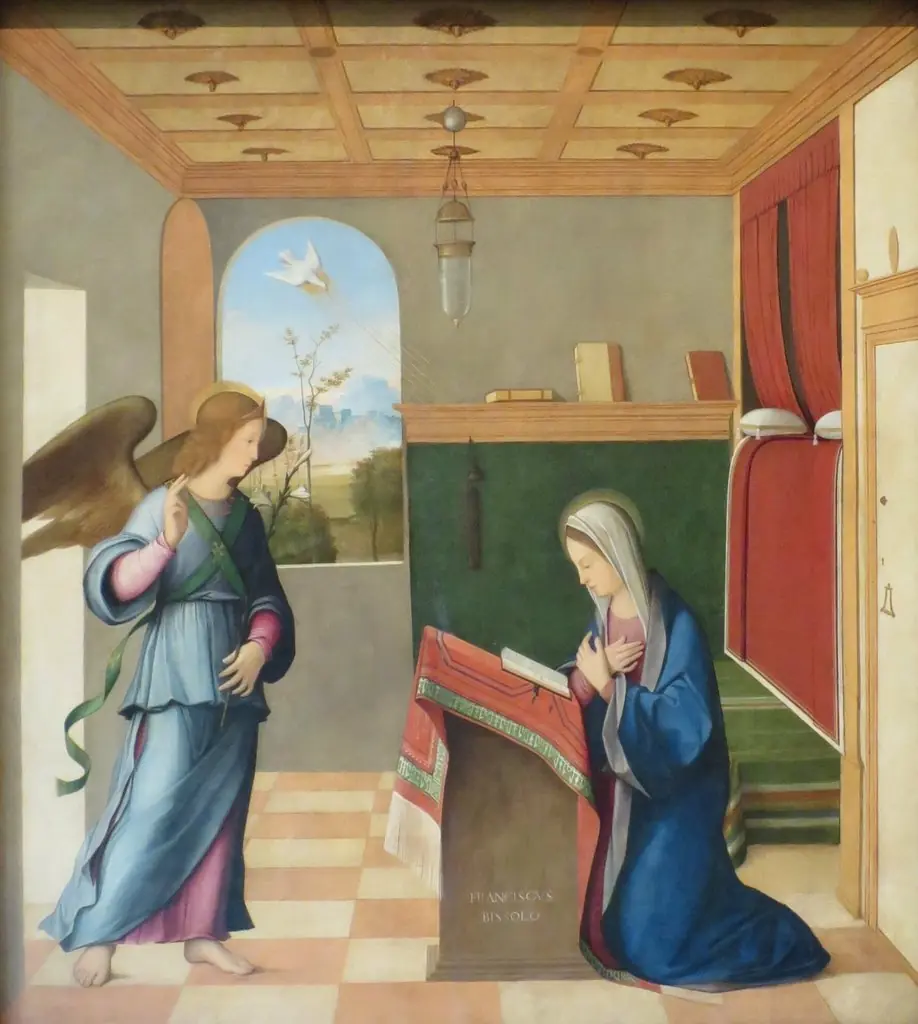 Annunciation
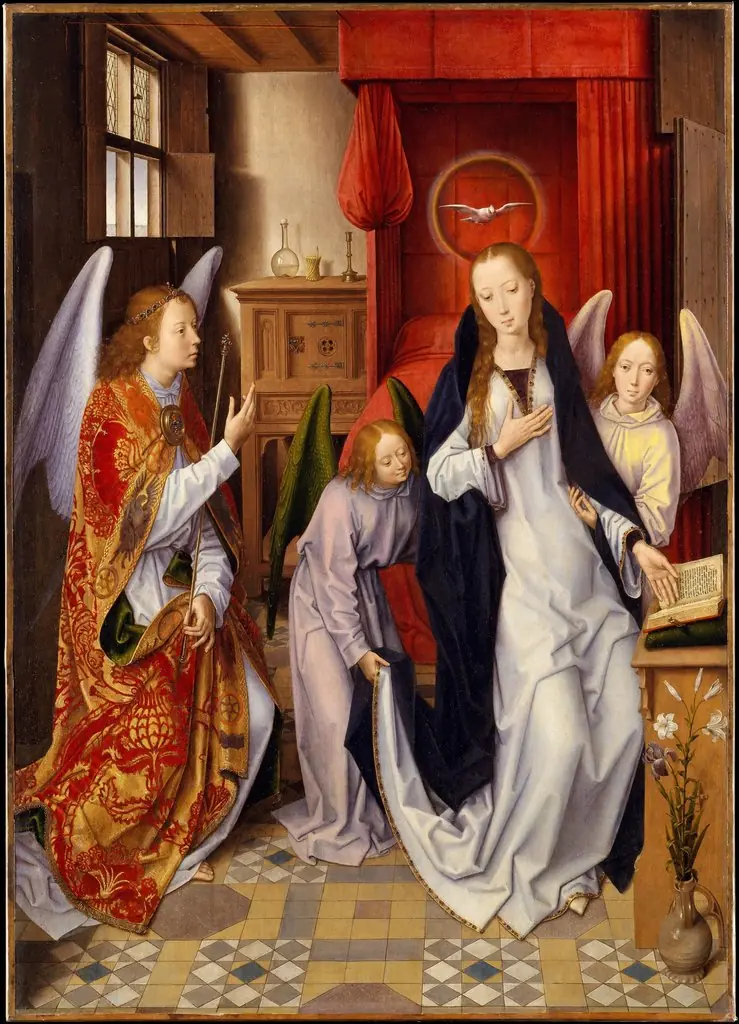 Annunciation
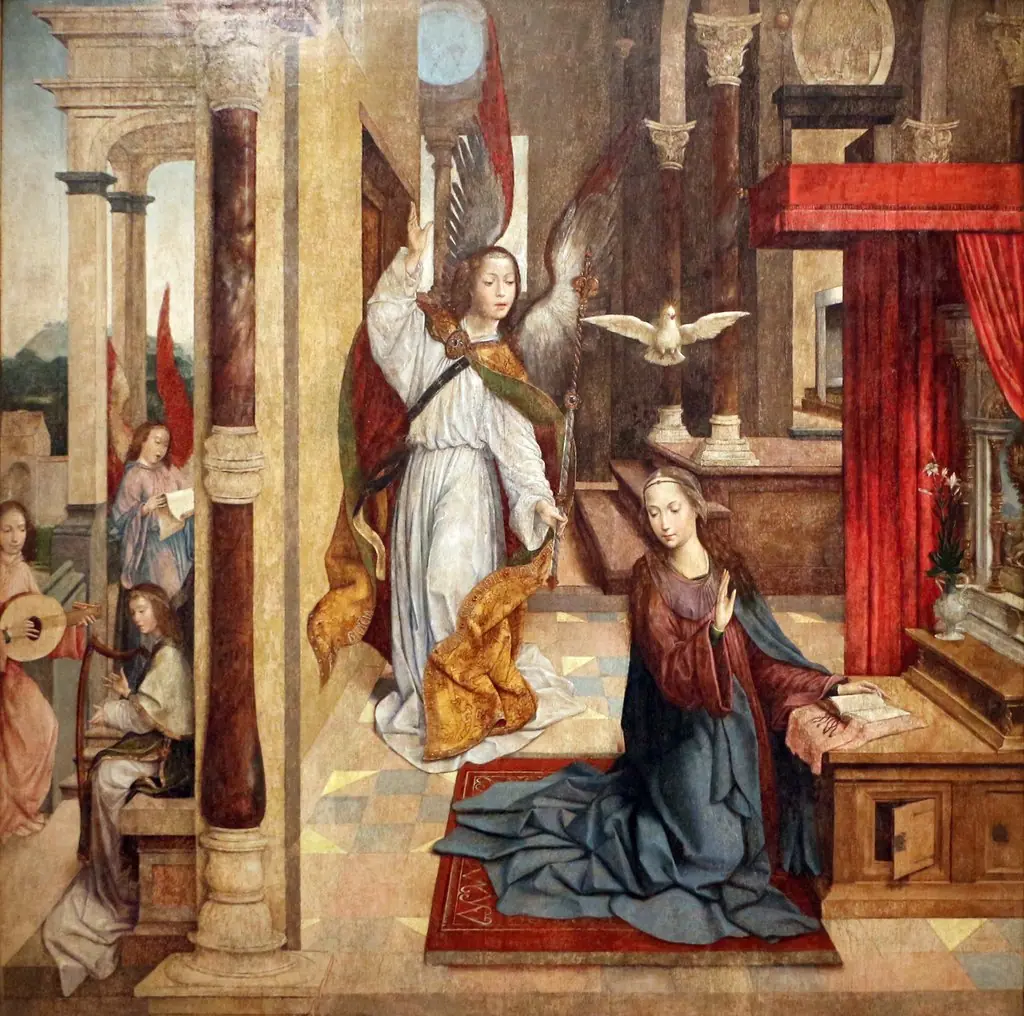 Annunciation
 Verkündigung an Maria