Artwork
Από την ενότητα έργων "Lepanto: H Ναυμαχία της Ναυπάκτου"
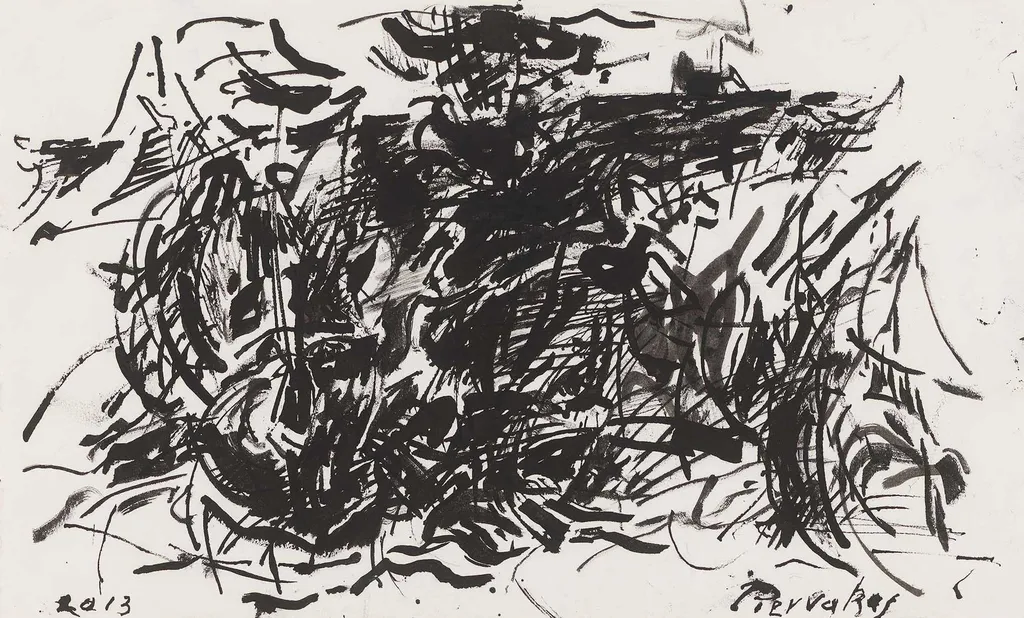
Από την ενότητα έργων "Lepanto: H Ναυμαχία της Ναυπάκτου" is a drawing by Alkis Pierrakos. It dates from 2013 and is held in the collection of the Metropolitan Organisation of Museums of Visual Arts of Thessaloniki – MOMus.
About this work
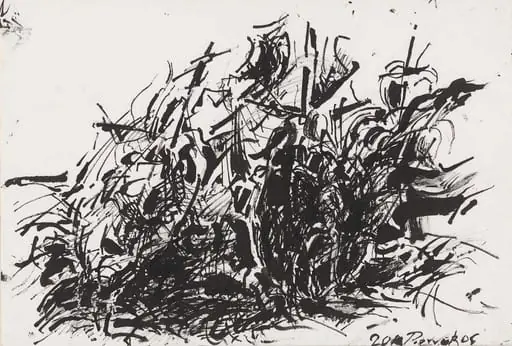
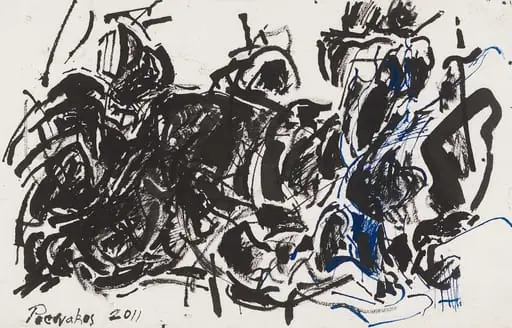
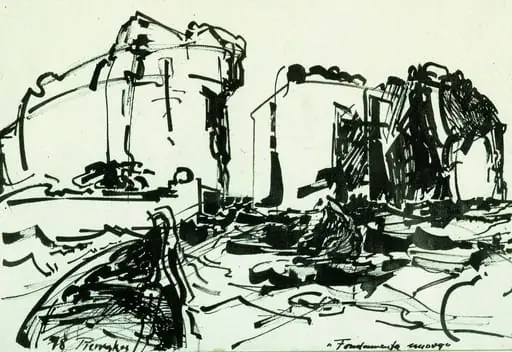
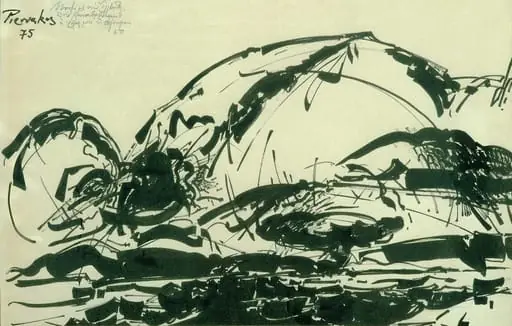
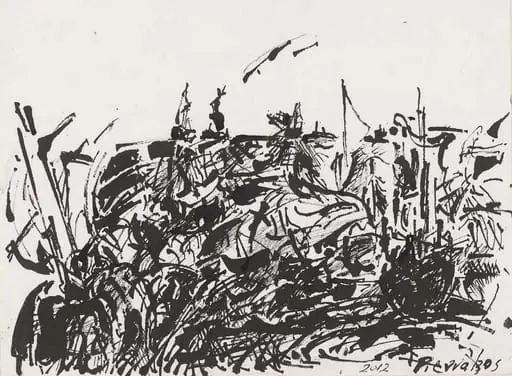
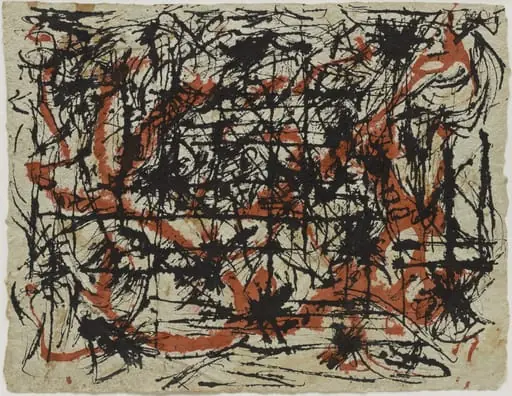
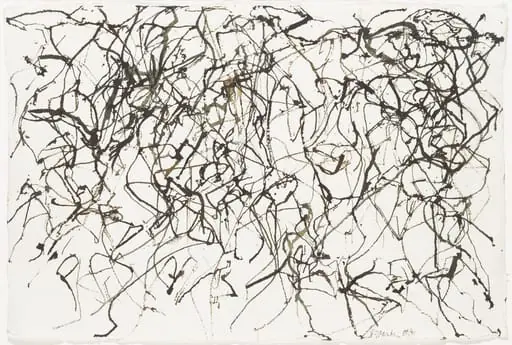
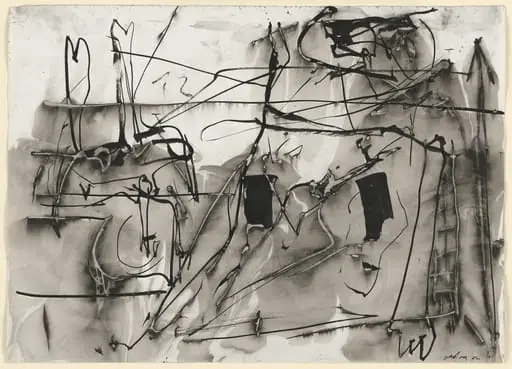
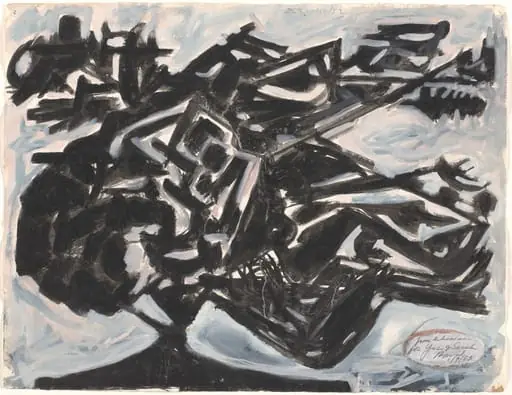
Alkis Pierrakos’ 2013 ink drawing shows a swirling naval battle with galleys crashing under a dark sky.
Alkis Pierrakos’ 2013 ink drawing shows a swirling naval battle with galleys crashing under a dark sky. The ships’ masts create skeletons against smoke, while waves toss broken oars like matchsticks.
The stark black-and-white gives each clash a sharp, almost modern drama. Pierrakos leaves out color to focus on line and shadow, making the 1571 fight feel like yesterday.
If this bold style grabs you, look up Pierrakos, Alkis (1920-2017).
Overview
The series 'Lepanto: The Battle of Nafpaktos' comprises 38 ink drawings by Alkis Pierrakos, created in 2013. Each piece is rendered in monochrome, using rapid, forceful brushwork to convey the chaos of the 1571 naval conflict. The absence of color sharpens the focus on motion, form, and emotional weight, transforming historical narrative into visceral experience. The works collectively function as a visual meditation on violence, memory, and the passage of time.
Subject & Meaning
The drawings depict the Battle of Lepanto, a pivotal 16th-century confrontation between the Holy League and the Ottoman fleet. Pierrakos does not illustrate specific historical moments but evokes the essence of naval combat: fragmentation, collision, and disintegration. Human figures are reduced to silhouettes; ships dissolve into skeletal masts and splintered hulls. The imagery suggests not just a battle, but the enduring trauma of war across centuries.
Technique & Style
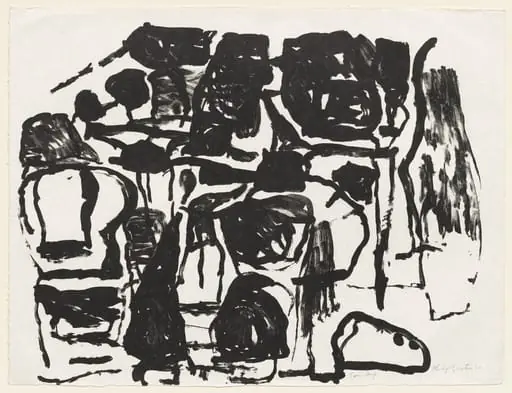
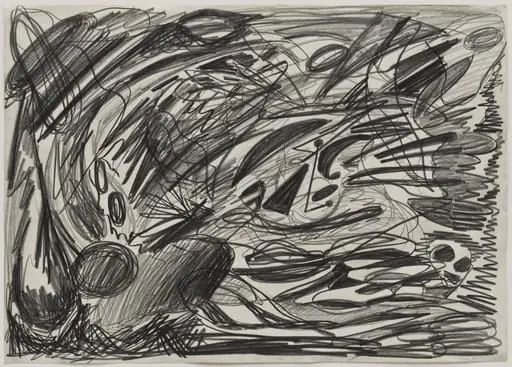
Pierrakos employs ink on paper with swift, gestural strokes that mimic the turbulence of battle. Lines are dense yet economical, creating rhythm through repetition and contrast. White space functions not as emptiness but as tension—a void that amplifies the violence of the black forms. The lack of detail forces the viewer to infer narrative from abstraction, aligning the work with modernist traditions of emotional condensation.
History & Provenance
Created in 2013, the series emerged from Pierrakos’s long-standing engagement with historical trauma and collective memory. Though rooted in the 1571 battle, the drawings are not archival reconstructions but personal responses shaped by his Greek identity and 20th-century experiences of conflict. The works were produced late in his career, reflecting a lifetime of artistic inquiry into violence, power, and cultural rupture.
Context
Pierrakos worked in a post-war Greece marked by political upheaval and national reckoning. His choice to revisit Lepanto—a symbol of Christian-Ottoman conflict—resonated with contemporary debates over identity, empire, and memory. The series avoids nationalist rhetoric, instead presenting war as a universal, cyclical force. Its monochrome aesthetic aligns with mid-century European abstraction, distancing the subject from literal representation.
Legacy
The series stands as a late, concentrated statement in Pierrakos’s oeuvre, reinforcing his reputation for transforming historical themes into abstract emotional landscapes. It contributes to a broader postwar Greek artistic dialogue that re-examines myth and conflict through minimalism. The drawings remain influential for their ability to distill historical violence into urgent, timeless visual poetry without embellishment or sentiment.
Artist & collection

Artist
Alkis Pierrakos was a distinguished Greek painter, known for his contributions to modern European painting.
Museum
Metropolitan Organisation of Museums of Visual Arts of Thessaloniki – MOMus
Continue through works from the same source collection.