Artwork
Bridge at Chatou
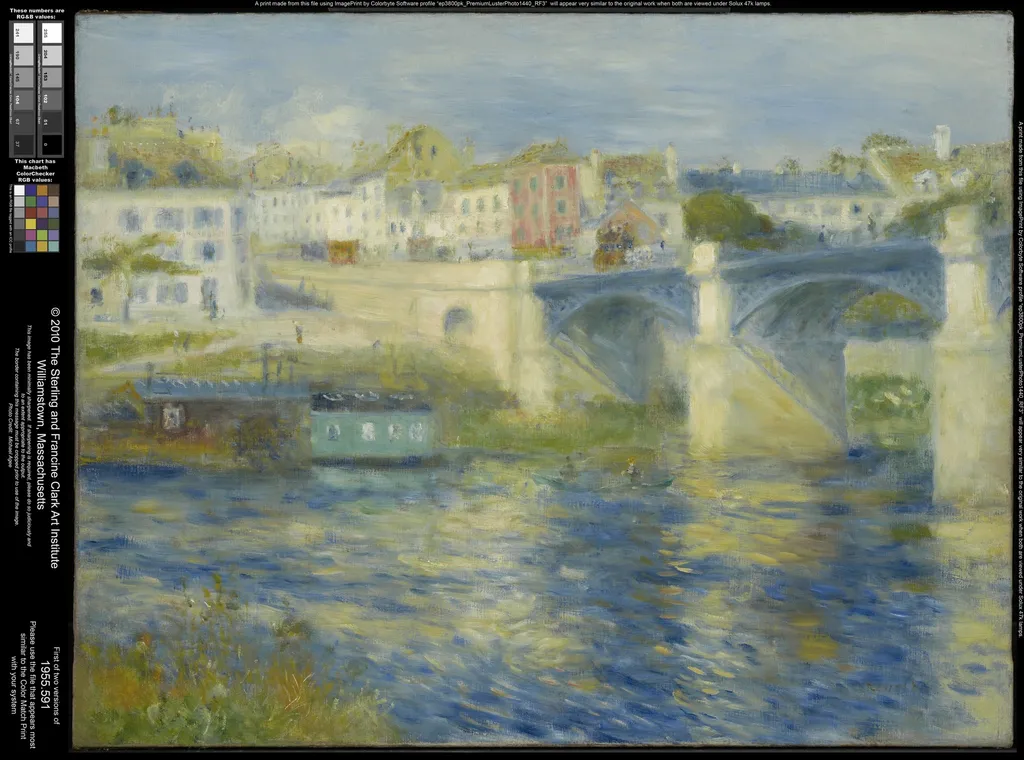
Bridge at Chatou is an oil painting by the Impressionist artist Auguste Renoir. It dates from 1875 and is held in the collection of the Clark Art Institute.
About this work
Overview
Pierre-Auguste Renoir’s 1875 oil on canvas, titled Bridge at Chatou, depicts a tranquil riverside scene centered on a three‑arched bridge. The composition balances the structure with a gently rippling blue river, modest houses beyond, and foliage lining the banks, creating a calm, bucolic atmosphere.
Subject & Meaning
The work captures a moment of everyday life in the suburban outskirts of Paris, emphasizing the harmony between human construction and the natural environment. By focusing on the bridge as a focal point, Renoir suggests connectivity and the quiet rhythm of a leisurely riverside community.
Technique & Style
Executed with rapid, visible brushwork, the painting showcases Renoir’s early Impressionist approach. A palette of blues, greens, yellows, and earth tones conveys atmospheric light, while loose strokes render water surface texture and foliage, lending the scene a sense of immediacy and fleeting observation.
History & Provenance
Created in 1875, Bridge at Chatou entered the collection of the Clark Art Institute, where it remains on display. The painting’s acquisition reflects the museum’s focus on 19th‑century French art and its commitment to preserving works from Renoir’s formative period.
Context
The bridge depicted is located in Chatou, a popular leisure destination for Parisians in the late 19th century. Renoir’s choice of this locale aligns with contemporary artistic interest in suburban leisure spaces, paralleling the work of his Impressionist peers who sought to document modern life beyond the city center.
Artist & collection
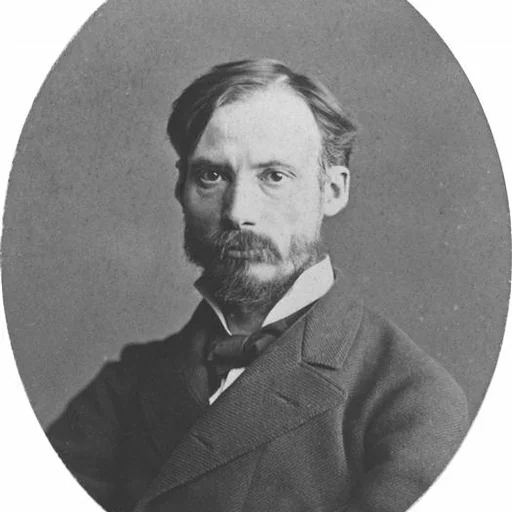
Artist
Pierre-Auguste Renoir was born on 25 February 1841 in Limoges, the son of a tailor and a seamstress.

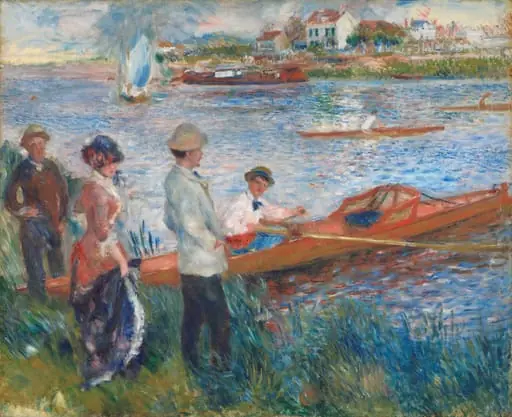
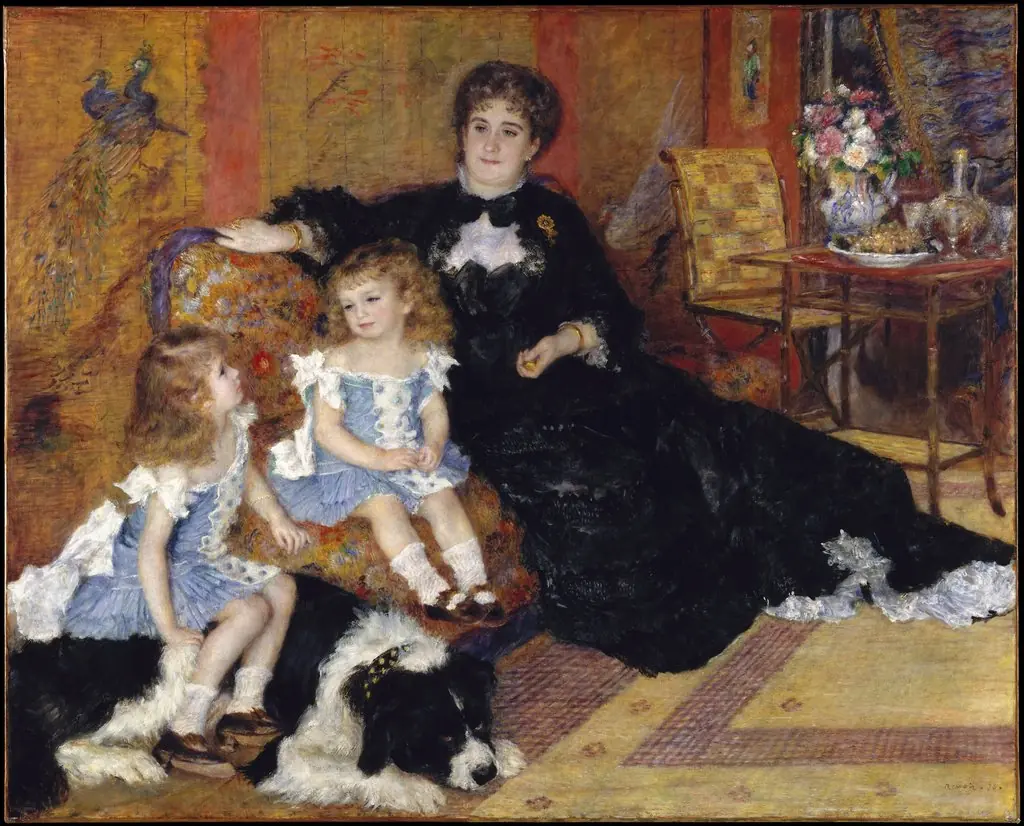
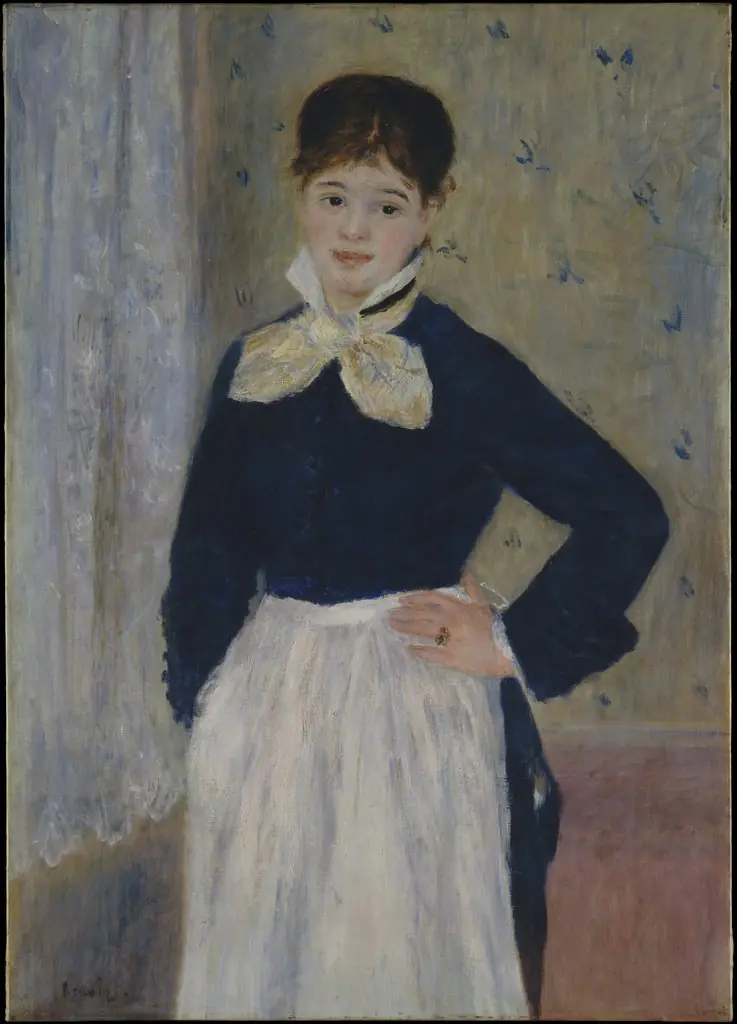
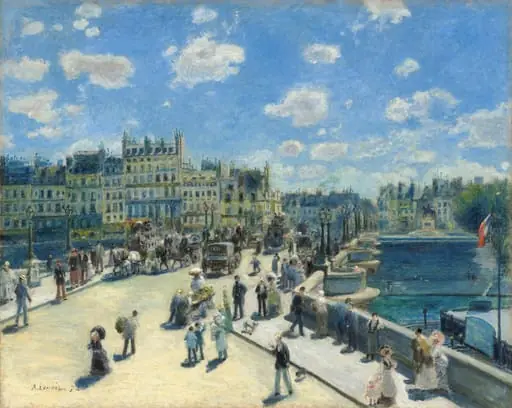
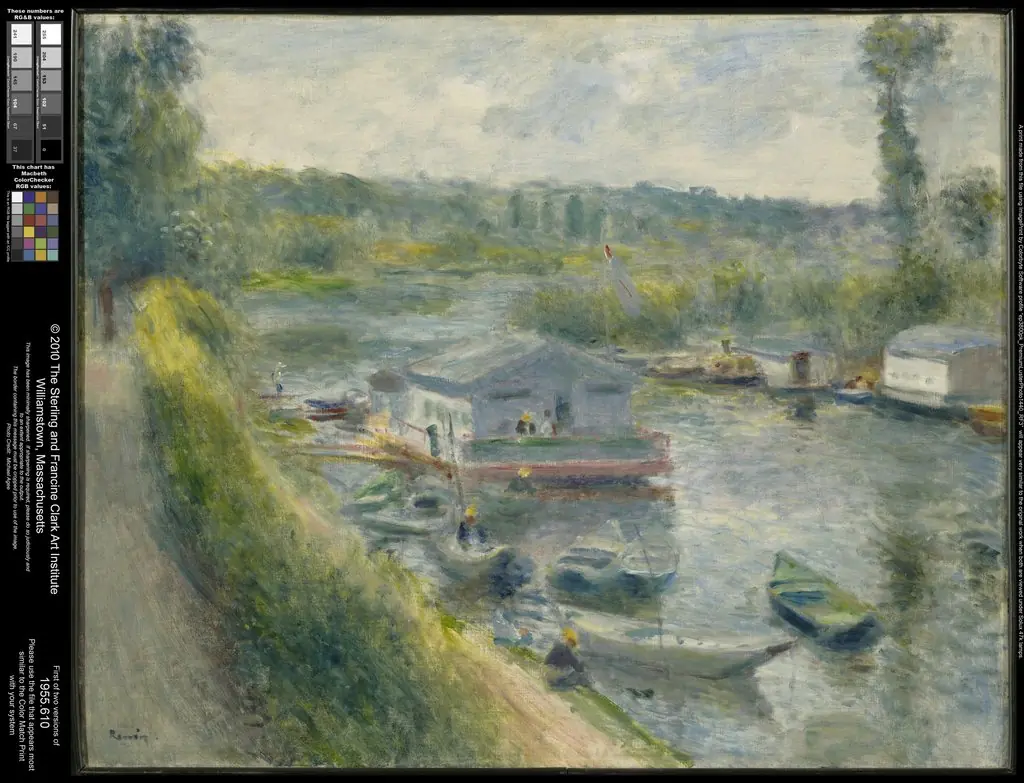 Wash-House Boat at Bas-Meudon
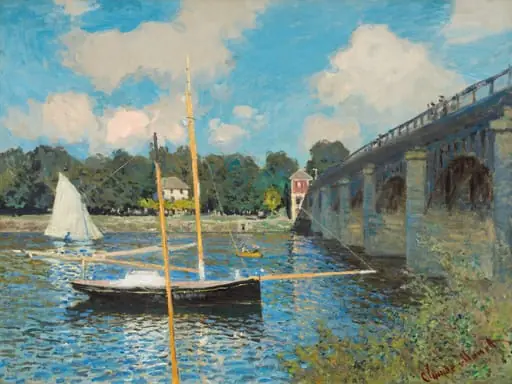 The Bridge at Argenteuil
 The Pont Marie at Sunset, Paris
 The Bridge at Villeneuve-la-Garenne
 Le Pont d`Argenteuil (El Puente de Argenteuil)
 Usvainen aamu joella
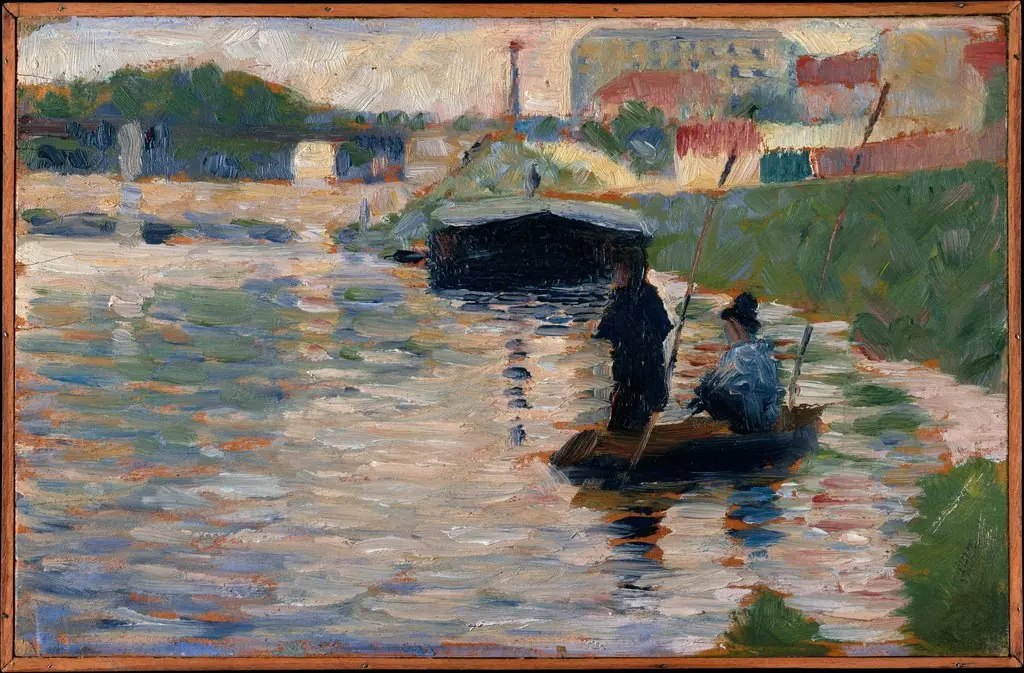 View of the Seine
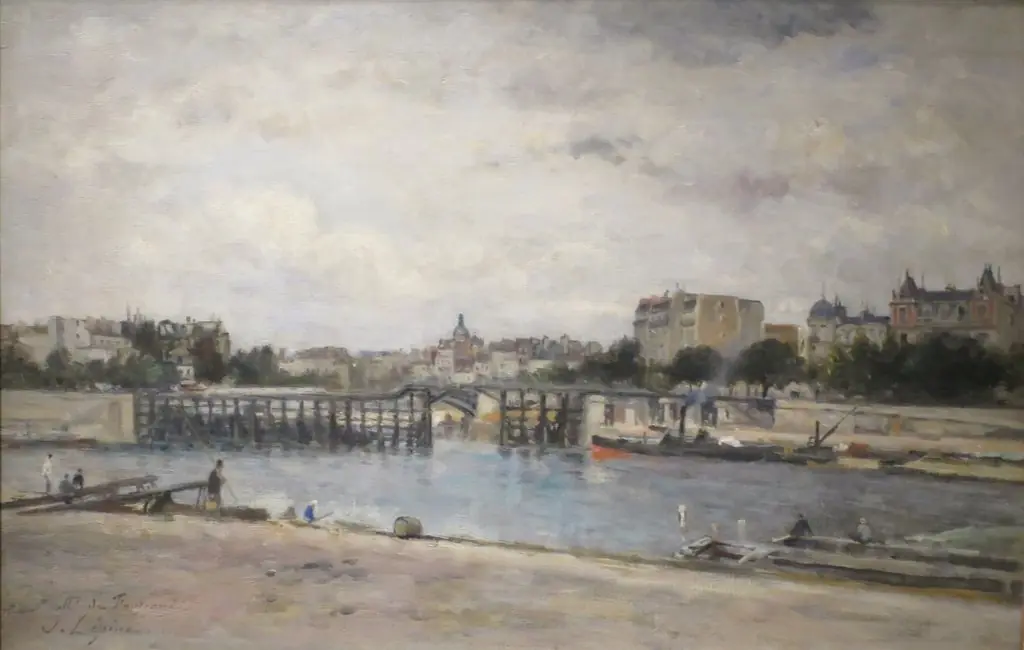 The Pont de l'Estacade, Paris
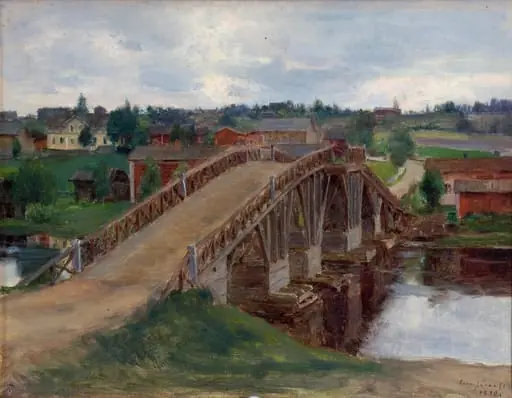 Silta (Karjalohja/Lohja)
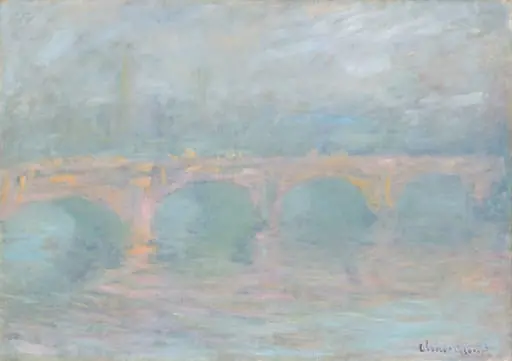 Waterloo Bridge, London, at Sunset
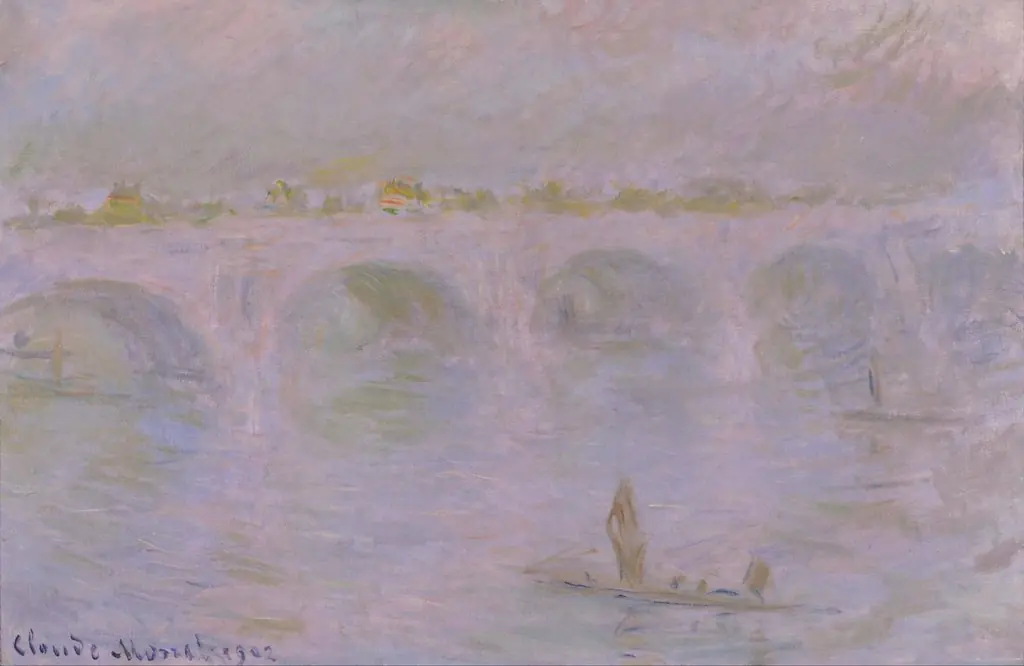 Waterloo Bridge in London
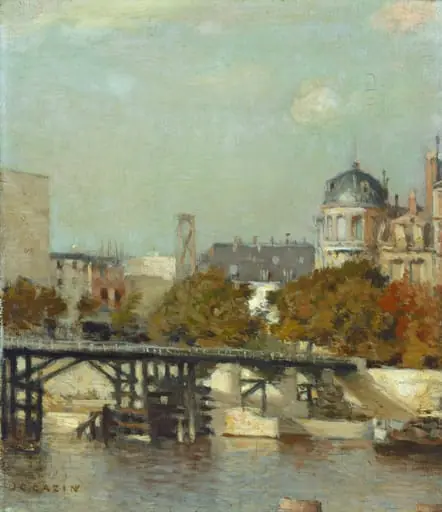 Paris Scene with Bridge