Artwork
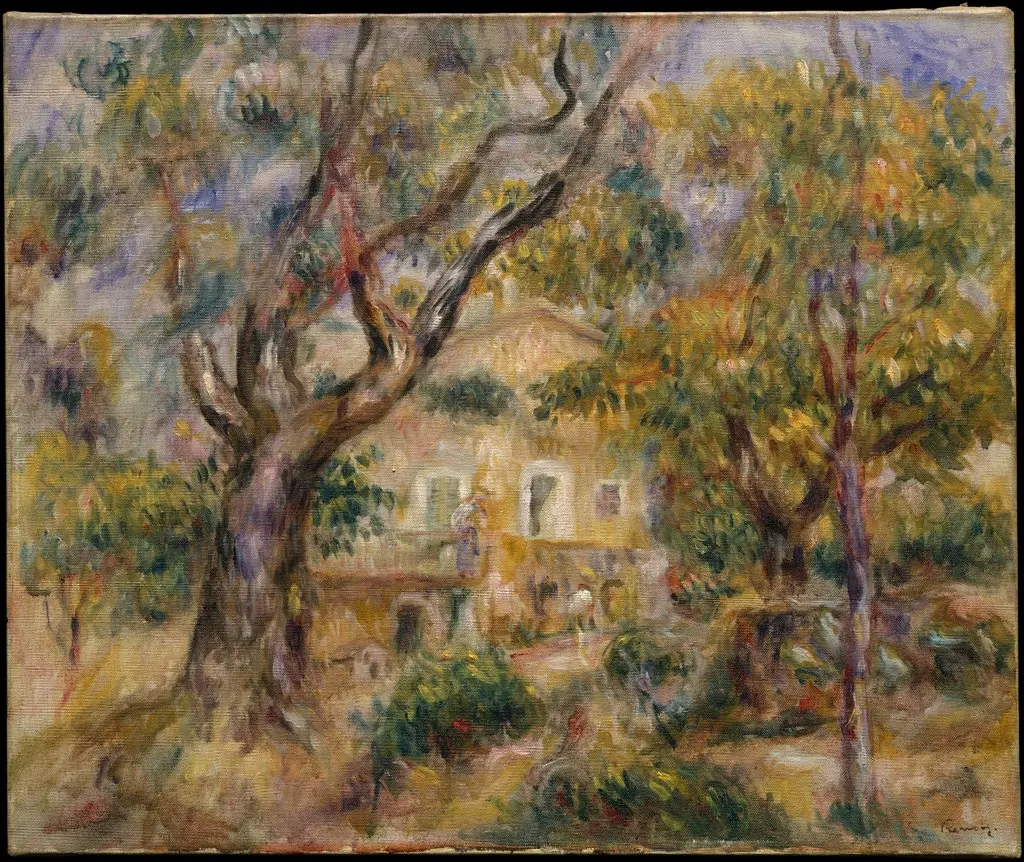
Landscape. Le Cannet
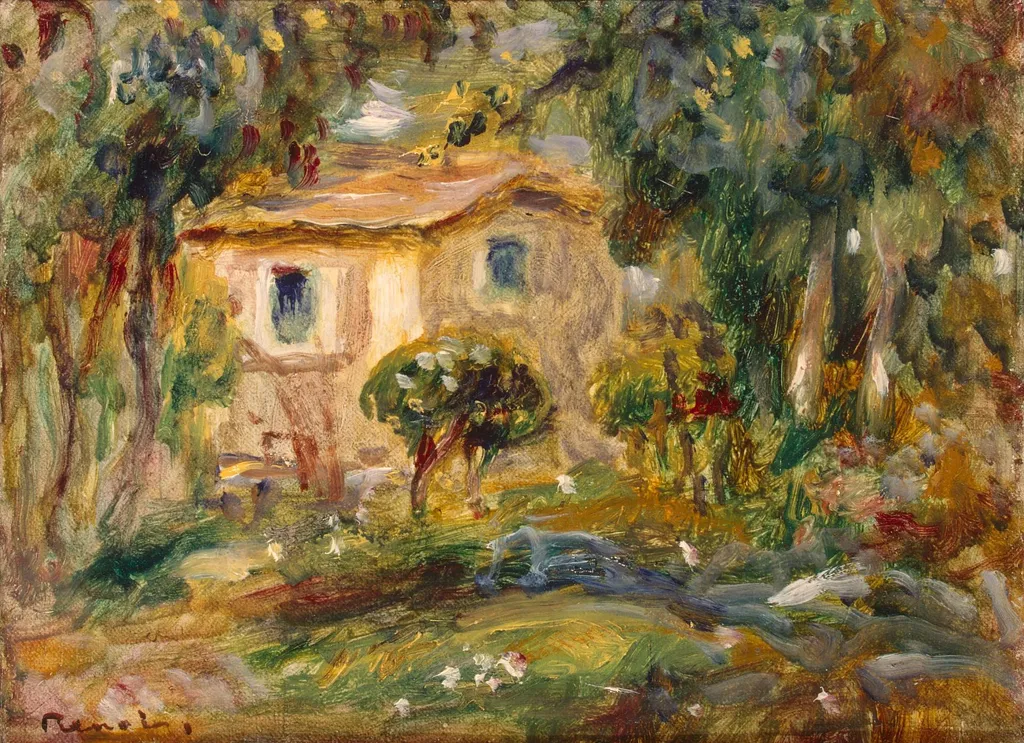
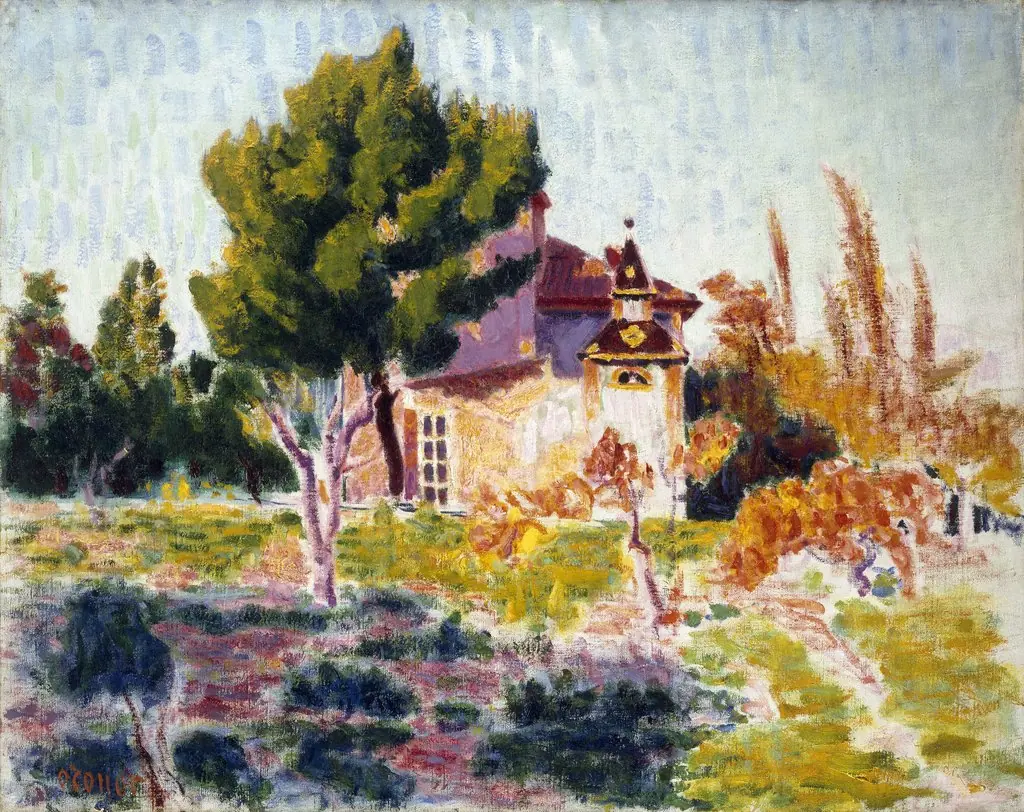
Landscape. Le Cannet is an oil painting by the Impressionist artist Auguste Renoir. It dates from 1902 and is held in the collection of the Hermitage Museum.
About this work
Overview
Pierre-Auguste Renoir’s 1902 work titled *Landscape. Le Cannet* is an oil painting that forms part of the collection at the State Hermitage Museum. Executed in the early twentieth century, the canvas captures a modest rural scene with a focus on light, colour and texture, reflecting the artist’s mature period.
Subject & Meaning
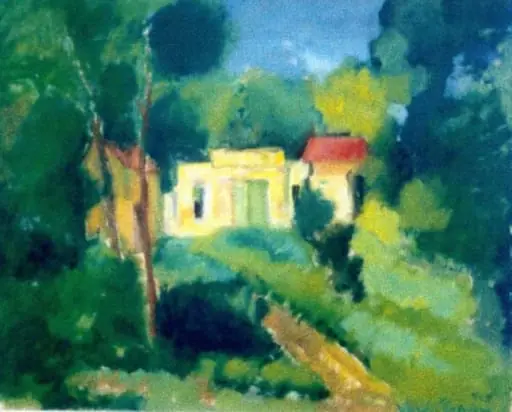
The composition centres on a small, yellow‑walled house with a tiled roof, set within a cultivated garden. Flanking the dwelling are trees and shrubbery rendered in varied greens and browns, while a gentle slope of grass descends toward a dirt track dotted with occasional flowers. The tranquil setting suggests a quiet domestic retreat within the Provençal landscape.
Technique & Style
Renoir employs a pronounced impasto, laying thick layers of paint that remain visibly sculpted on the surface. The brushwork is brisk and energetic, especially in the foliage, where rapid strokes convey movement and vitality. This tactile approach heightens the visual contrast between the solid, warm house and the more fluid, airy vegetation.
History & Provenance
Created in 1902, the painting entered the State Hermitage Museum’s holdings during the 20th century, though the exact acquisition details are not widely documented. Its presence in the Hermitage situates the work among a broad array of European art, offering visitors insight into Renoir’s later explorations of landscape beyond his earlier Impressionist subjects.
Own this work as a print
Artist & collection
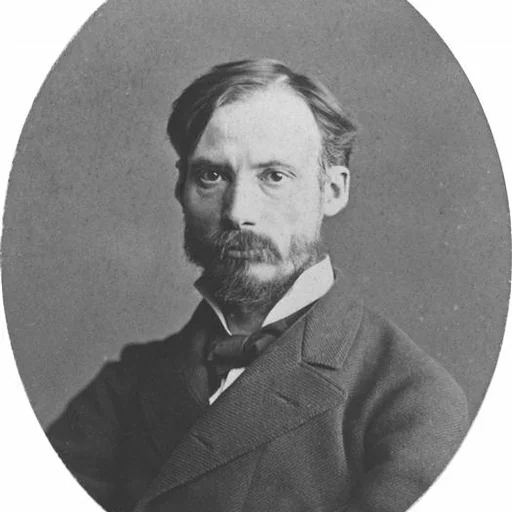
Artist
Pierre-Auguste Renoir was born on 25 February 1841 in Limoges, the son of a tailor and a seamstress.