Artwork
Sancho Panza Being Tossed in a Blanket
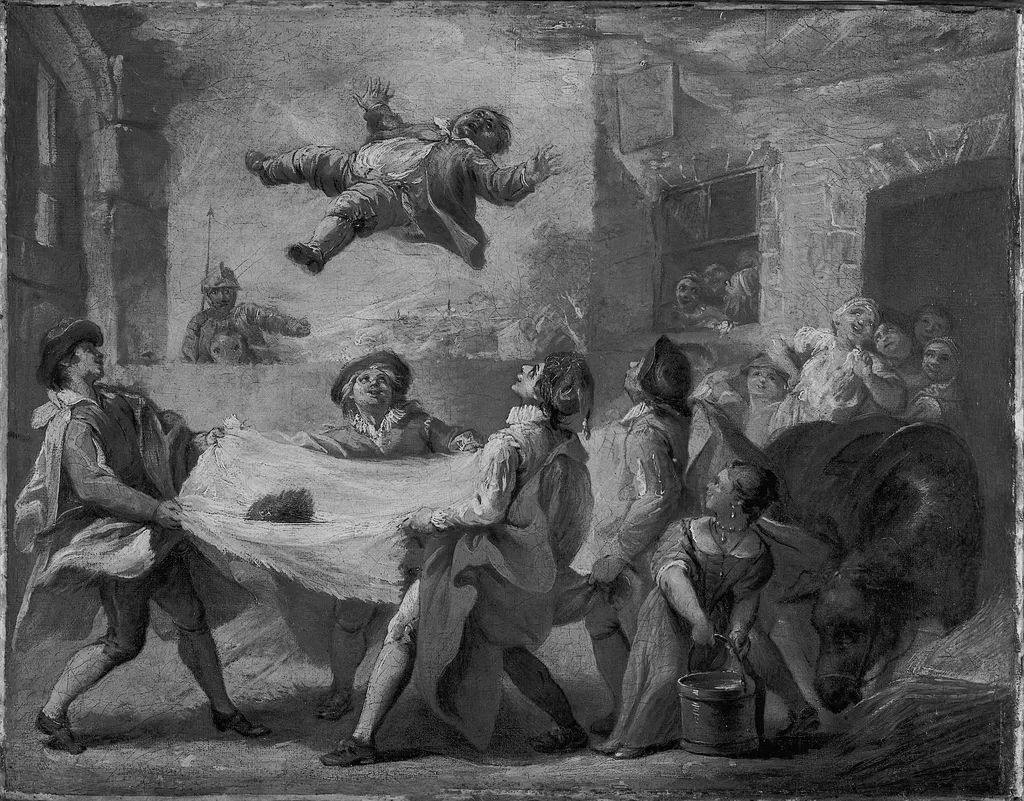
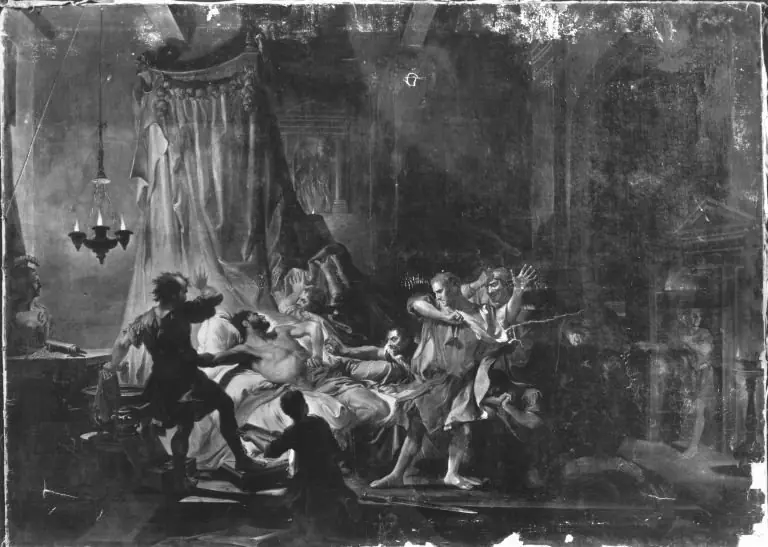
Sancho Panza Being Tossed in a Blanket is an oil painting by the Rococo painting artist Pierre Charles Trémolières. It dates from 1723 and is held in the collection of the Art Institute of Chicago.
About this work
Overview
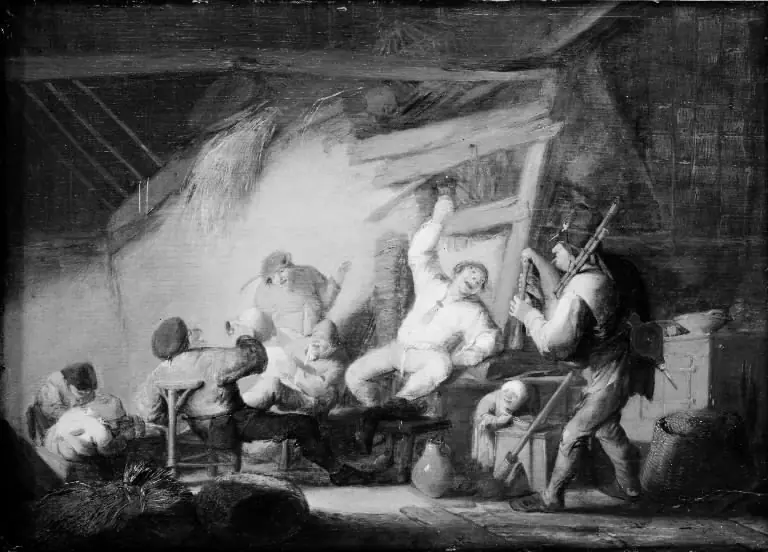
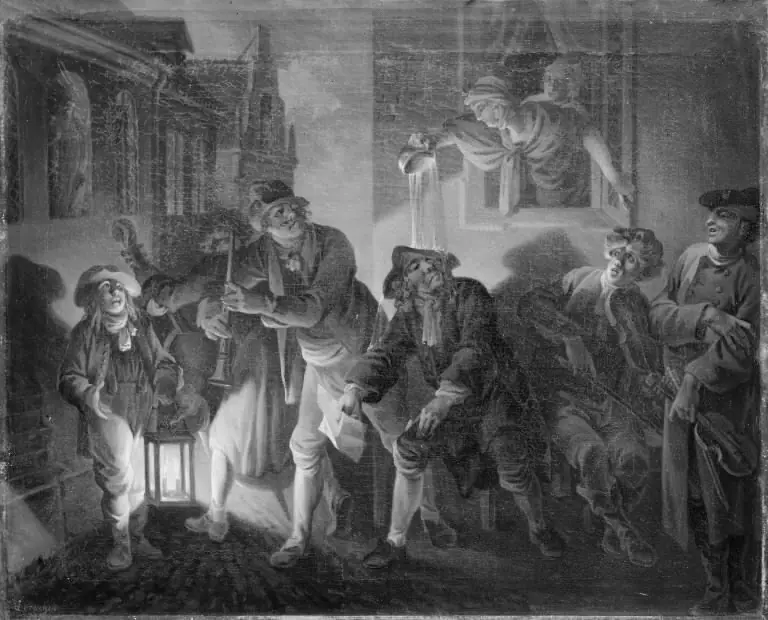
The work shows a figure suspended in mid‑air, swaddled in a blanket, while a gathering of onlookers reacts with a mixture of surprise and curiosity.
Pierre‑Charles Trémolières painted *Sancho Panza Being Tossed in a Blanket* in 1723 using oil on canvas. The work shows a figure suspended in mid‑air, swaddled in a blanket, while a gathering of onlookers reacts with a mixture of surprise and curiosity. The composition balances dark tonalities with illuminated highlights on the central figure’s face and the surrounding drapery. The painting is part of the permanent collection of the Art Institute of Chicago.
Subject & Meaning
The scene captures a moment of comic disruption: a man, identified as Sancho Panza from Cervantes’ *Don Quixote*, is playfully hurled aloft while a crowd below watches, some clutching a tablecloth, others pointing upward. The varied reactions—alarm, amusement, intrigue—suggest a commentary on the unpredictable nature of folly and the collective response to unexpected spectacle.
Technique & Style
Trémolières employs a chiaroscuro approach, allowing deep shadows to dominate the background while the illuminated face of the airborne figure and the bright edges of the blanket draw the eye. The brushwork is fluid in the drapery, contrasting with the more detailed rendering of the onlookers, creating a dynamic tension between movement and stillness characteristic of early‑18th‑century French genre painting.
History & Provenance
Created in 1723, the canvas entered the Art Institute of Chicago’s holdings in the 20th century, though the precise acquisition path remains undocumented in public records. Its presence in a major American museum reflects the broader European interest in narrative scenes that blend literary reference with everyday humor.
Own this work as a print
Artist & collection
Artist
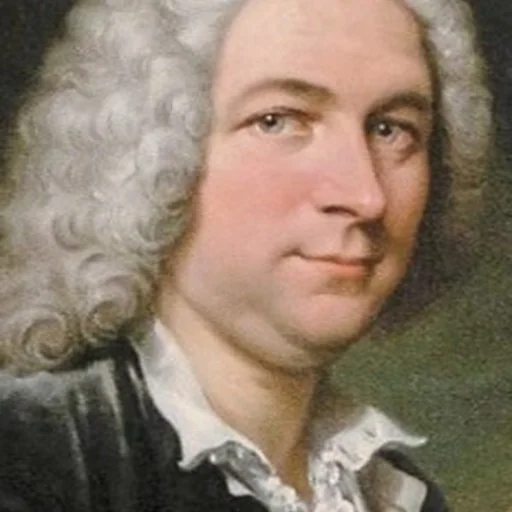
Pierre Charles Trémolières (1703–1739) was a French artist, born in Cholet.