Artwork
Study of a Woman from the Back
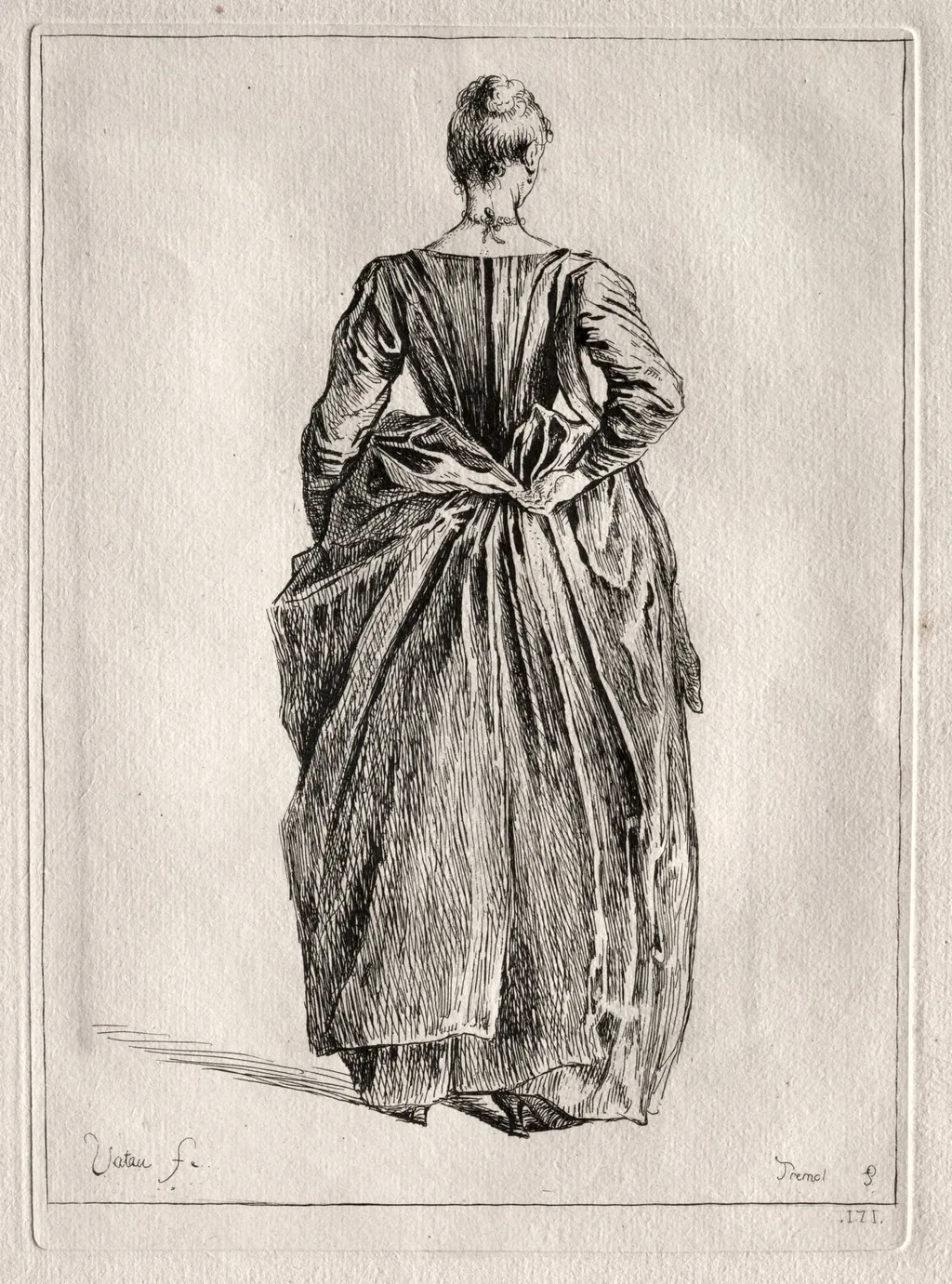
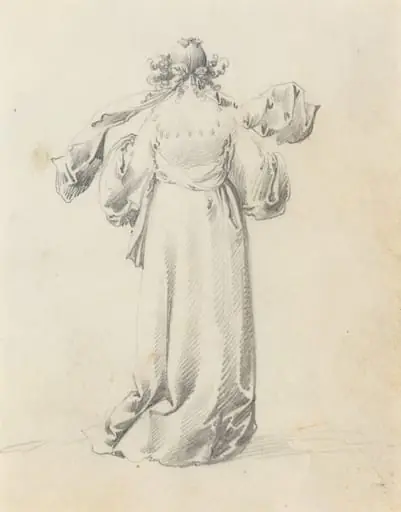
Study of a Woman from the Back is a print by the Baroque artist Pierre Charles Trémolières. It dates from 1731 and is held in the collection of the Cleveland Museum of Art. Created around 1731 by Pierre Charles Trémolière, this ink drawing captures a woman viewed from behind, standing in quiet repose.
About this work
Overview
Created around 1731 by Pierre Charles Trémolière, this ink drawing captures a woman viewed from behind, standing in quiet repose.
Created around 1731 by Pierre Charles Trémolière, this ink drawing captures a woman viewed from behind, standing in quiet repose. Executed in a linear, tonal style, it belongs to a tradition of figure studies used by artists to explore form and drapery. The work is part of the collection at The Cleveland Museum of Art, where it serves as an example of 18th-century draftsmanship focused on observation rather than narrative.
Subject & Meaning
The figure is anonymous, her identity unmarked, emphasizing the study of posture and garment rather than individual character. Her hands are folded gently before her, suggesting stillness and modesty. The absence of facial features shifts focus to the body’s silhouette and the way fabric responds to gravity, reflecting a broader interest in anatomical and textile dynamics common among artists of the period.
Technique & Style
Trémolière employed thick, expressive ink lines to suggest volume and texture, using varied pressure to convey the weight and folds of the dress. Shadows are built through dense hatching rather than wash, creating depth without color. The scratchy, deliberate strokes mimic the tactile quality of heavy fabric, aligning with Baroque-era priorities in modeling form through contrast and movement, even in monochrome studies.
History & Provenance
The drawing entered The Cleveland Museum of Art’s collection through documented acquisition, though its earlier ownership remains unrecorded. It is one of several surviving studies by Trémolière, a lesser-known French draftsman active in the early 1700s. Its preservation suggests it was valued within artistic circles for its technical precision, even if not intended as a finished work.
Context
In the early 18th century, artists routinely produced figure studies to refine their understanding of anatomy and drapery, often as preparatory exercises for larger compositions. Trémolière’s approach reflects the influence of Baroque aesthetics—emphasizing dynamic form and chiaroscuro—adapted into intimate, non-narrative sketches. Such works were essential training tools, circulating among academies and studios as models of observational discipline.
Legacy
Though Trémolière did not achieve widespread fame, this drawing exemplifies the quiet rigor of 18th-century academic practice. It contributes to the understanding of how artists cultivated skill through sustained attention to the human form and textile behavior. Today, it stands as a testament to the value placed on preparatory work in an era when drawing was foundational to artistic mastery.
Own this work as a print
Artist & collection

Artist
Pierre Charles Trémolières (1703–1739) was a French artist, born in Cholet.

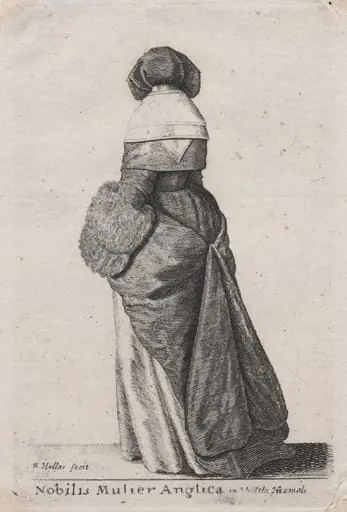 Nobilis Mulier Anglica in Vestitu Hiemali
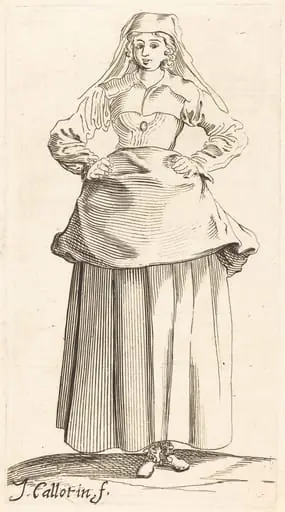 Young Woman with Hands on Hips, Front View
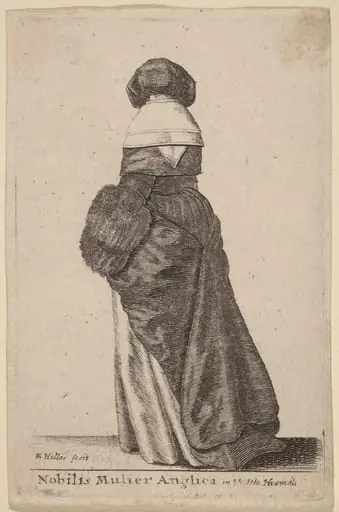 Nobilis Mulier Anglica, in Vestitu Hiemali
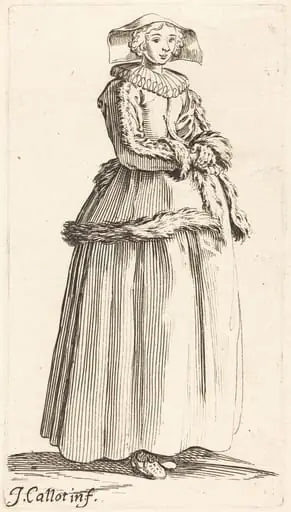 Young Woman with Hands Folded, Facing Right
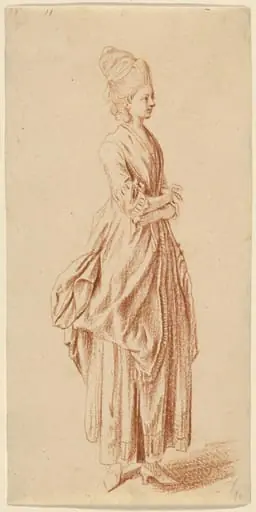 A Standing Lady in a Day Dress
 Young Woman, in Profile, Facing Right
 Standing Young Peasant Woman
 Beggar Woman with Pan
 Matrisana M.
 Lady Seen from Behind
 Robe dite à la turque
 The Several Habits of English Women, from the Nobility to the Country Women as they are in these times: The Woman with Scissors