Artwork
Preparing Dinner
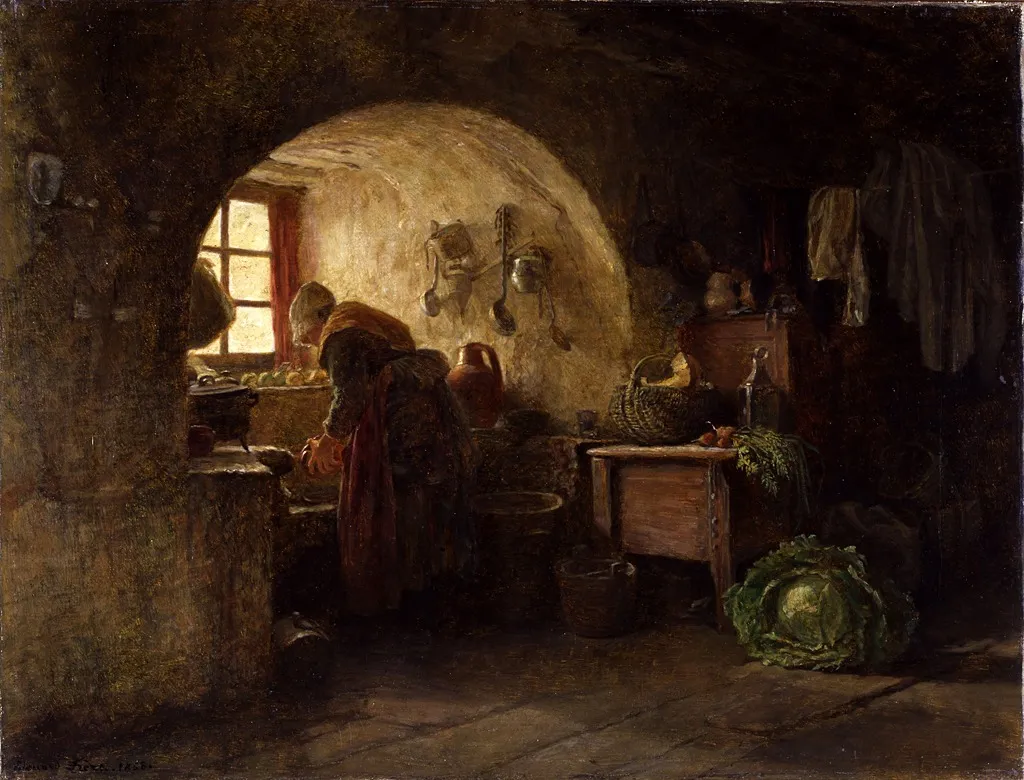
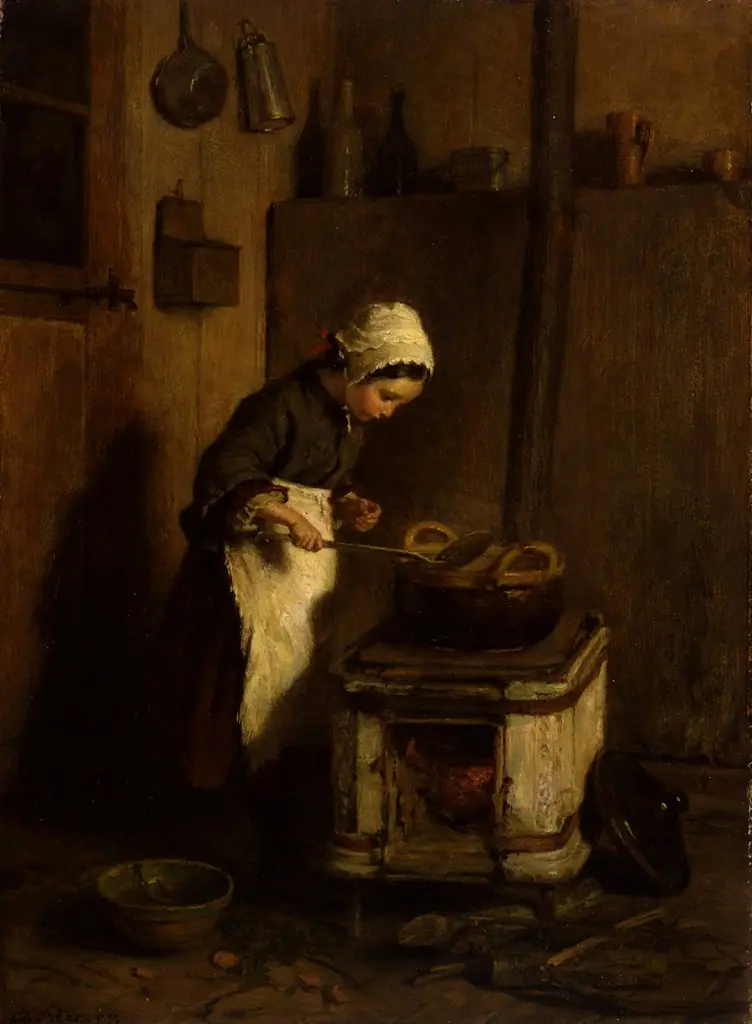
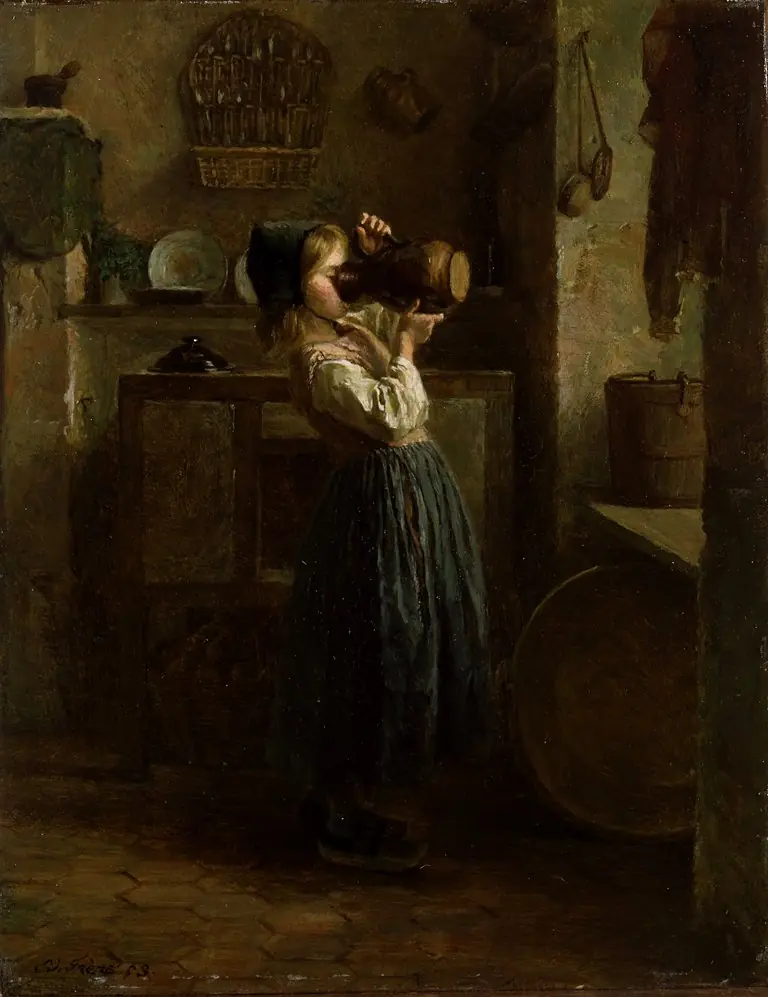
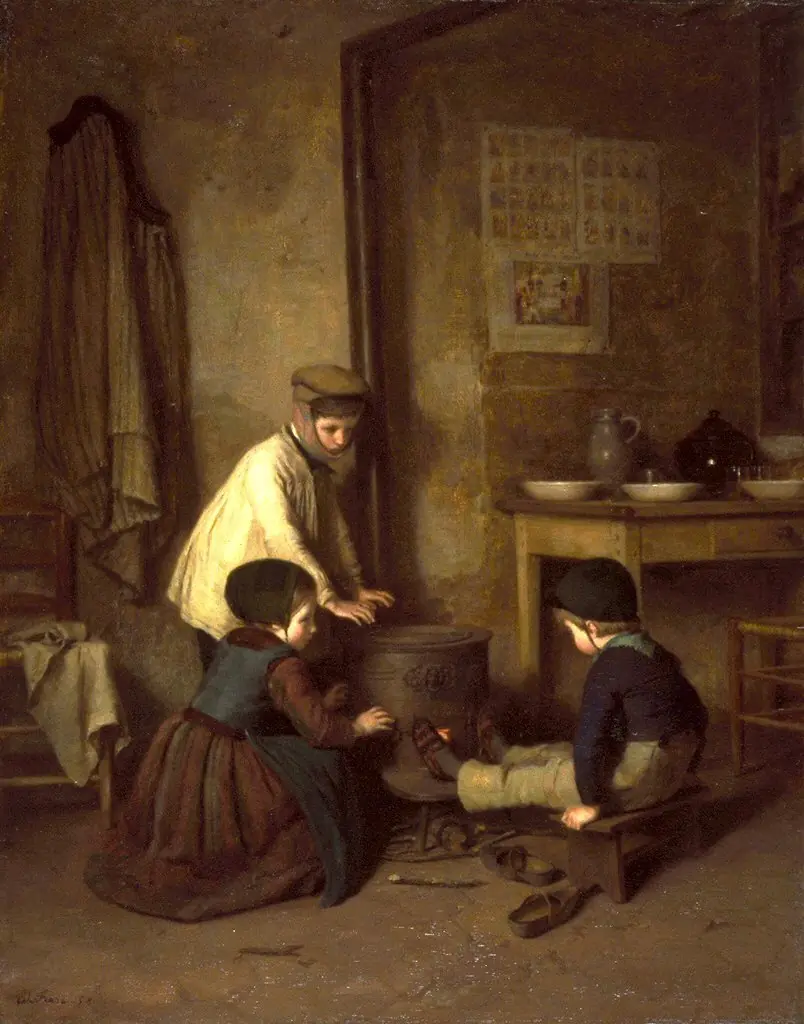
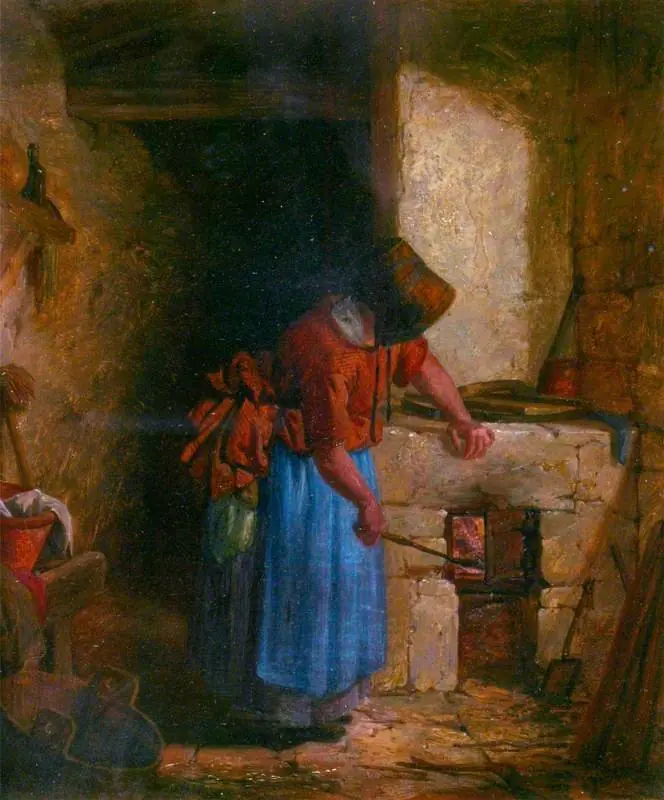
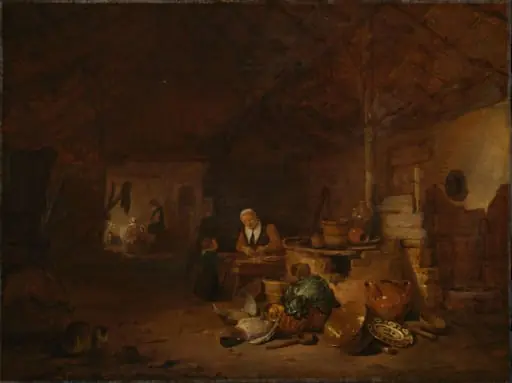
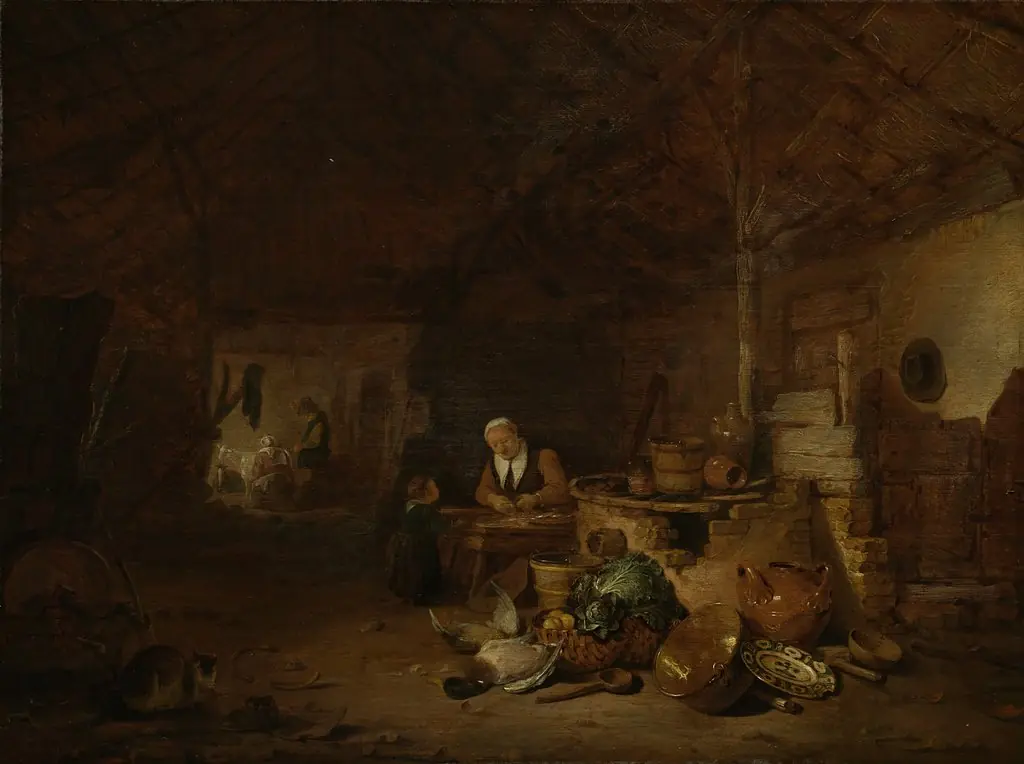
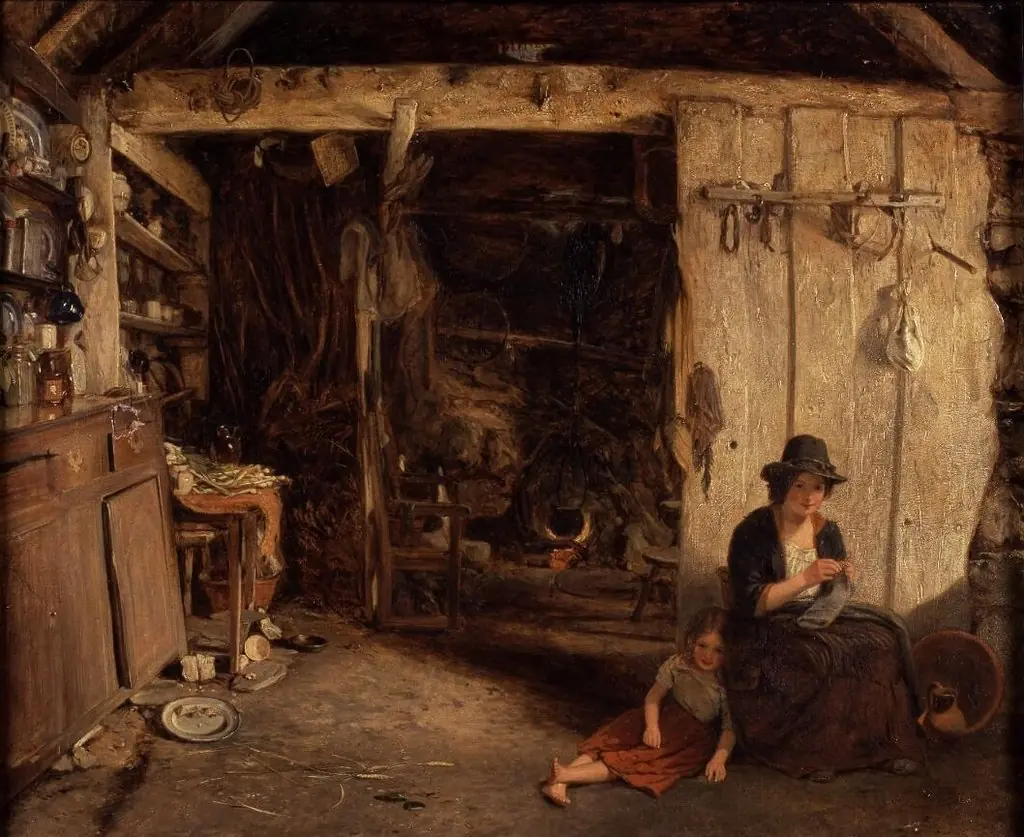
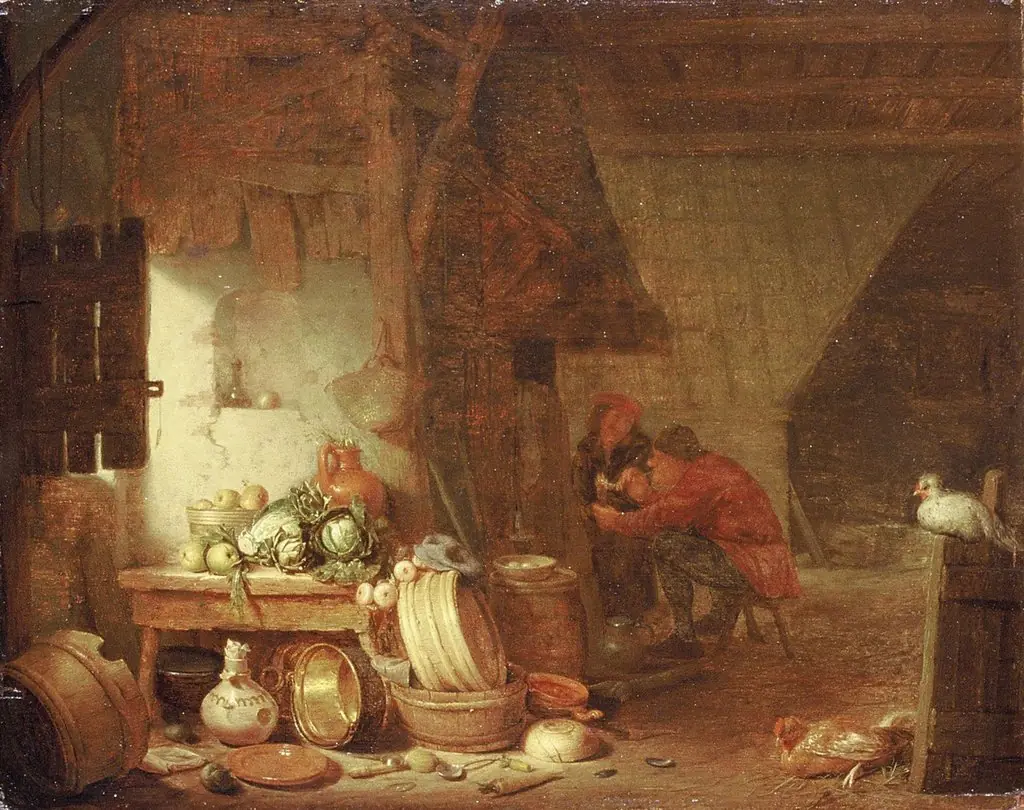
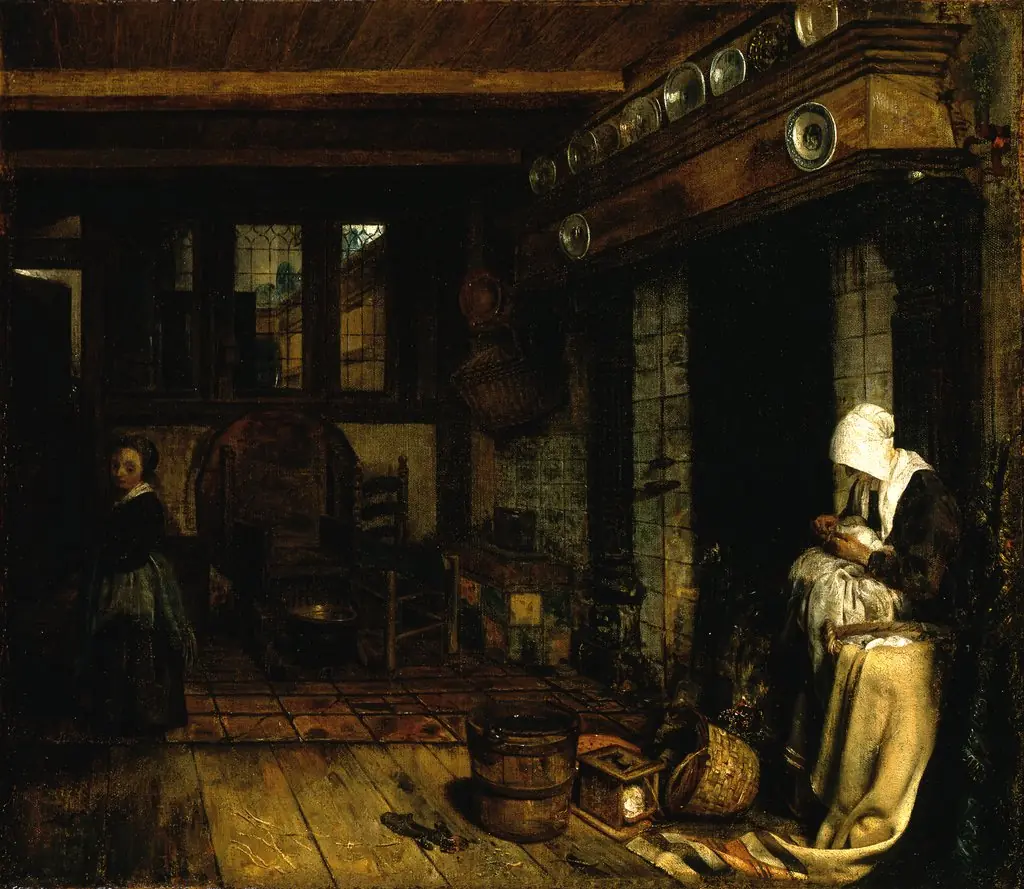
Preparing Dinner is an oil painting by the Realist artist Pierre Édouard Frère. It dates from 1858 and is held in the collection of the Walters Art Museum.
About this work
Overview
The composition emphasizes stillness and concentration, avoiding theatricality in favor of unembellished observation.
Painted in 1858 by Pierre Édouard Frère, this oil on canvas depicts a quiet moment of domestic labor. The scene is set in a modest interior, illuminated by a narrow window on the left. A woman, dressed in simple garments, is engaged in the routine task of washing vegetables at a wooden table. The composition emphasizes stillness and concentration, avoiding theatricality in favor of unembellished observation.
Subject & Meaning
The painting captures an ordinary act of daily life—preparing food in a humble kitchen. There is no narrative climax or symbolic gesture; the meaning lies in the dignity of routine. The woman’s focused posture and the careful arrangement of household objects suggest a meditation on labor often overlooked in art. The absence of other figures reinforces the solitude of domestic work in 19th-century rural or lower-middle-class life.
Technique & Style
Frère employs a restrained palette dominated by earth tones—ochres, grays, and muted browns—to evoke the subdued lighting of an interior space. Brushwork is precise, rendering textures of fabric, wood, and wet vegetables with quiet accuracy. Light falls softly from the left, modeling forms without dramatic contrast. The composition is tightly framed, drawing attention to the woman’s hands and the bowl, reinforcing the intimacy of the moment.
History & Provenance
Created in 1858, the painting entered the collection of the Walters Art Museum in Baltimore, where it remains today. It was produced during a period when French artists increasingly turned to scenes of everyday life, moving away from historical or mythological subjects. Frère, associated with the Barbizon school’s realist tendencies, gained recognition for his unidealized portrayals of rural domesticity.
Context
In mid-19th-century France, a growing interest in realism led artists to depict the lives of ordinary people. Frère’s work aligns with this trend, reflecting broader cultural shifts toward valuing the quiet dignity of labor. Unlike urban scenes by contemporaries such as Courbet, this painting focuses on the private sphere, offering a glimpse into the rhythms of household existence in a time of industrial change.
Legacy
Preparing Dinner exemplifies a quiet strand of 19th-century realism that prioritized observation over sentiment. While not widely known today, it contributed to a broader artistic movement that legitimized domestic life as worthy of serious representation. Its endurance in museum collections reflects its role in expanding the boundaries of subject matter in academic and public art.
Artist & collection