Artwork
The Death of Sophonisba
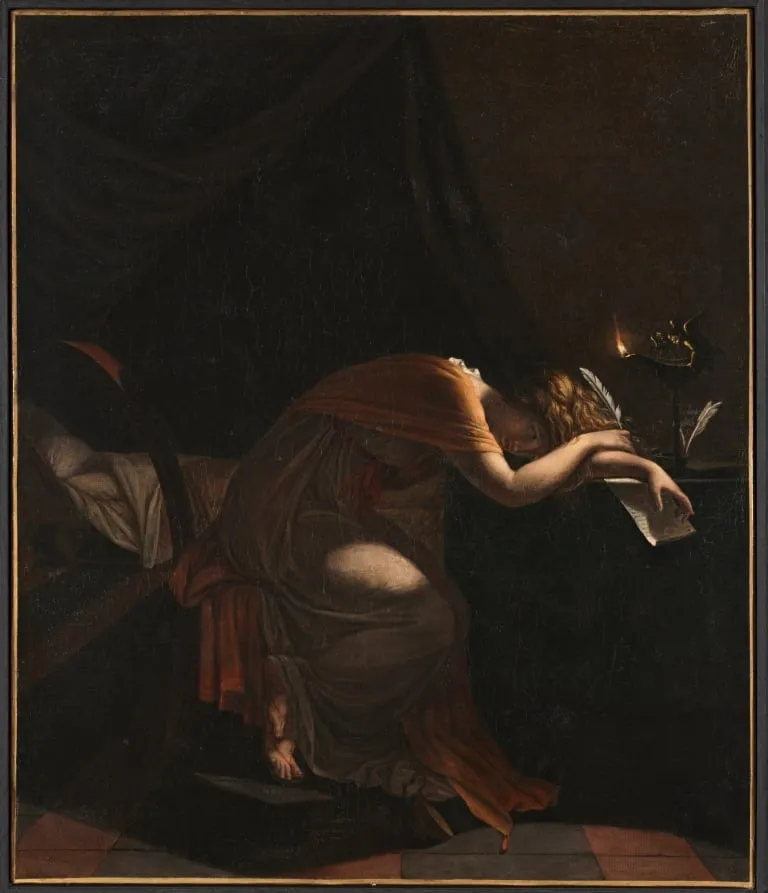
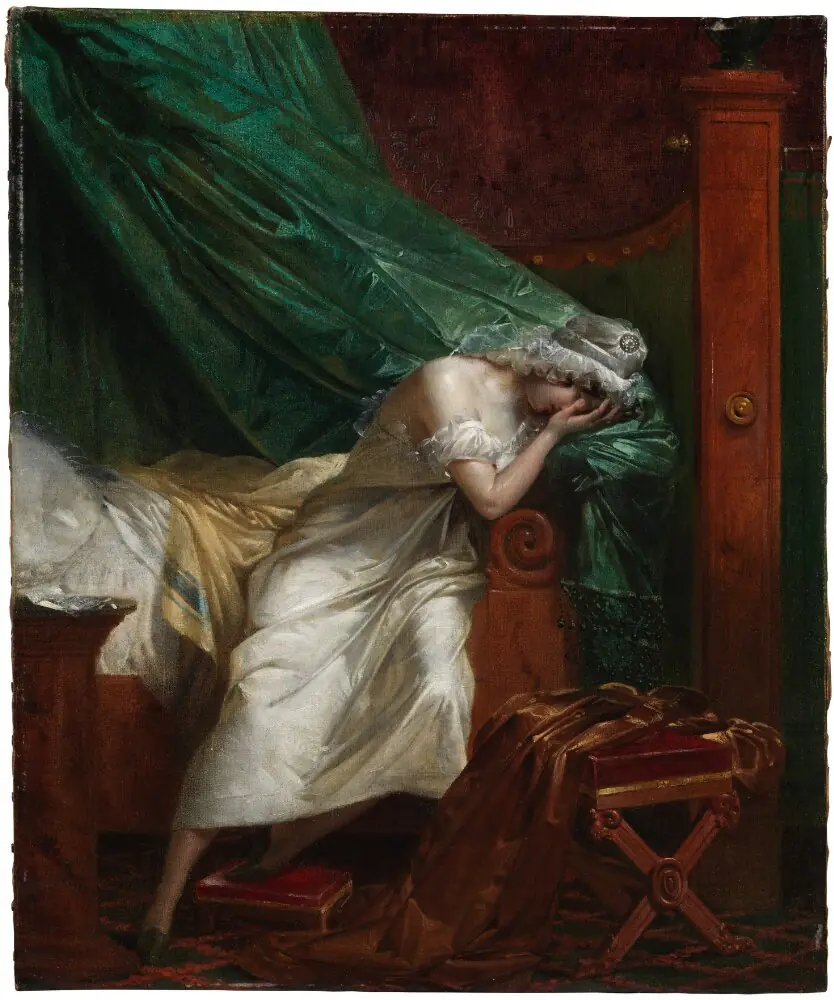
The Death of Sophonisba is an unspecified painting by the French Romanticist artist Pierre-Narcisse Guérin. It dates from 1810 and is held in the collection of the Cleveland Museum of Art.
About this work
Overview
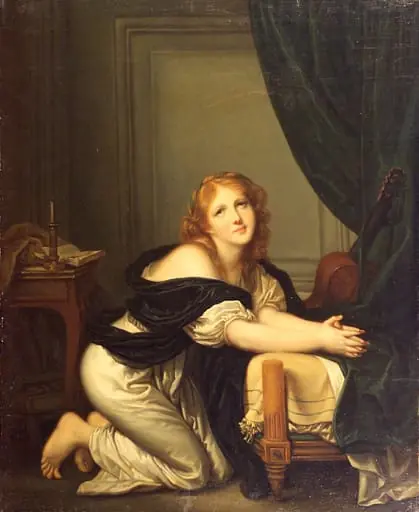
The Death of Sophonisba is a painting depicting the final moments of the Carthaginian queen Sophonisba, who opted for suicide by poison rather than submit to Roman captivity.
Subject & Meaning
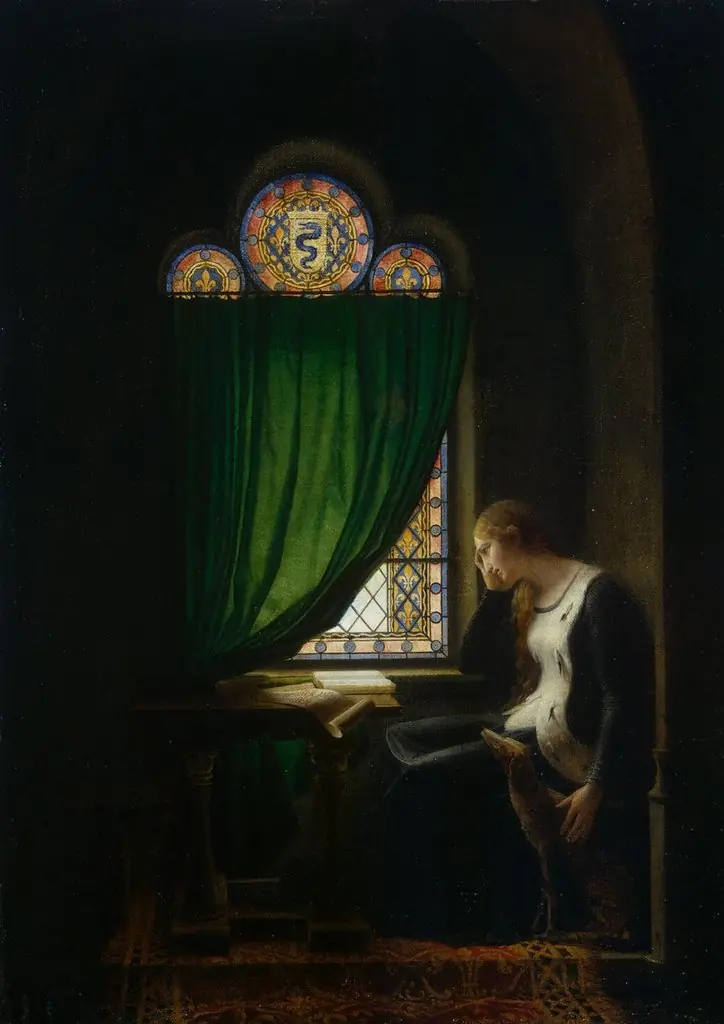
The scene captures the poignant instant when Sophonisba, having chosen death over humiliation, begins to succumb to the poison while attempting to maintain dignity, as evidenced by her uneasy composure and the act of writing a suicide note.
Technique & Style
The painting employs chiaroscuro, leveraging contrasts of light and shadow to convey the emotional depth of Sophonisba's quiet suffering, her calm demeanor subtly undermined by physical tension and the surrounding grief of her servants.
History & Provenance
The work was created during the 19th century, a period when dramatic historical scenes were particularly popular among artists. The specific provenance and exhibition history of the painting are not detailed here.
Context
The painting reflects the 19th-century artistic fascination with dramatic and emotionally charged historical narratives, often emphasizing the heroic or tragic choices of historical figures.
Legacy
While the painting's direct influence is not specified, it contributes to the broader artistic exploration of chiaroscuro in depicting intense emotional states, inviting viewers to contemplate the intersection of courage, despair, and dignity in the face of adversity.
Artist & collection

Artist
Pierre-Narcisse Guérin (1774–1833) was a French artist, born in Paris.