Artwork
The Farewell
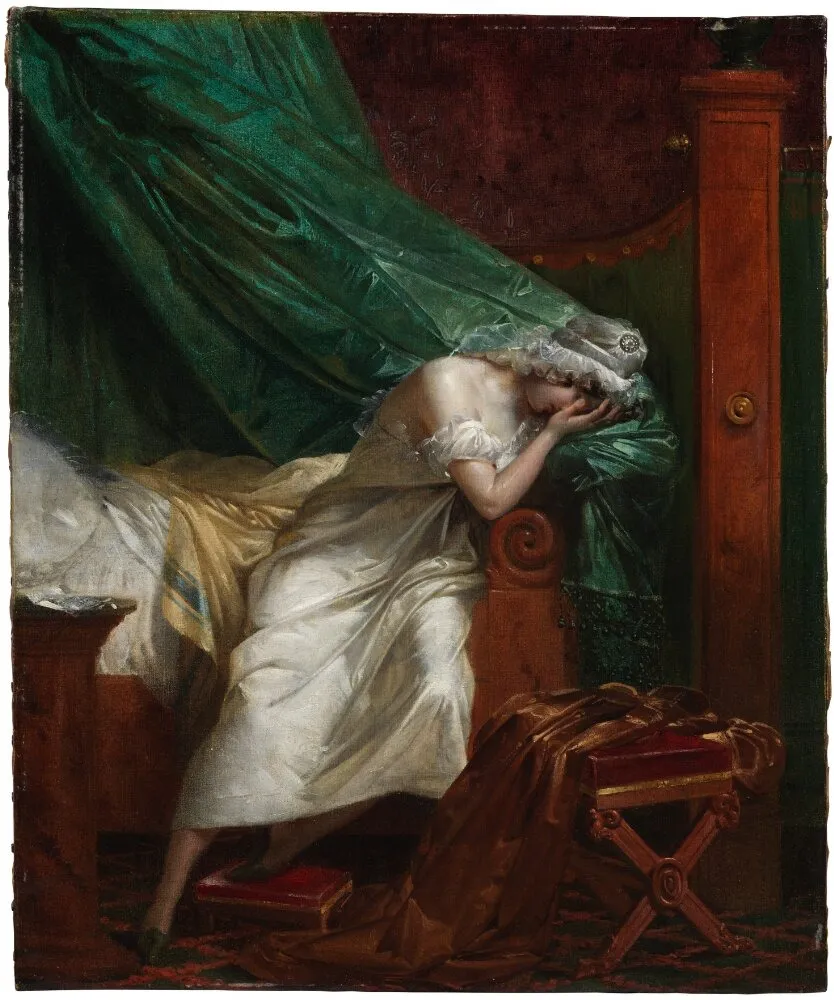
The Farewell is an oil painting by the French Romanticist artist Pierre-Auguste Vafflard. It dates from 1829 and is held in the collection of the Nationalmuseum.
About this work
Overview
Executed during the height of French Romanticism, it departs from grand historical narratives to focus on a solitary moment of emotional transition.
Pierre-Auguste Vafflard’s 1829 oil painting, *The Farewell*, is a quiet, intimate portrait held in the Nationalmuseum’s collection. Executed during the height of French Romanticism, it departs from grand historical narratives to focus on a solitary moment of emotional transition. Vafflard, known for genre scenes and portraits, here captures a private farewell with restrained intensity, reflecting his interest in psychological depth over theatricality.
Subject & Meaning
The painting portrays a woman seated on a bed, her head resting in her hand, lost in contemplation. Her white dress and elegant updo suggest refinement, while her posture conveys resignation rather than overt grief. The absence of other figures intensifies the sense of isolation, implying a personal departure—perhaps of a loved one, or of hope itself. The scene invites reflection on inner turmoil, aligning with Romanticism’s emphasis on individual emotion.
Technique & Style
Vafflard employs chiaroscuro to model the figure against a dim interior, with warm light glancing from the right to highlight the woman’s face and fabric folds. The green bedsheet contrasts subtly with the cool tones of her dress, grounding the composition. Brushwork is refined but unobtrusive, favoring atmosphere over detail. The soft transitions between light and shadow enhance the painting’s somber, introspective mood without melodrama.
History & Provenance
Created in 1829, *The Farewell* entered the Nationalmuseum’s collection in Sweden, likely through acquisition or donation in the 19th century. Vafflard, active in Paris during the Bourbon Restoration and July Monarchy, produced few large-scale works; this piece stands as a rare example of his intimate portraiture. Its preservation reflects early institutional interest in French Romantic genre scenes beyond major historical subjects.
Context
In the 1820s, French art increasingly turned to domestic and emotional themes as Romanticism moved away from Neoclassical ideals. Vafflard’s work aligns with the Troubadour style, which favored medieval and intimate narratives. *The Farewell* fits this trend by prioritizing psychological nuance over public spectacle, mirroring broader cultural shifts toward private sentiment and the inner life of individuals.
Legacy
Though Vafflard is not widely remembered today, *The Farewell* remains a quiet testament to his skill in conveying emotional subtlety. The painting contributes to the understated branch of French Romanticism that valued restraint over spectacle. It continues to be studied for its sensitive handling of light and mood, offering insight into how personal grief was visualized in early 19th-century art.
Artist & collection
Artist
Pierre Antoine Augustin Vafflard (19 December 1777 – 7 September 1837) was a French painter who specialized in history, genre scenes and portraits. His later paintings are in the Troubadour style.

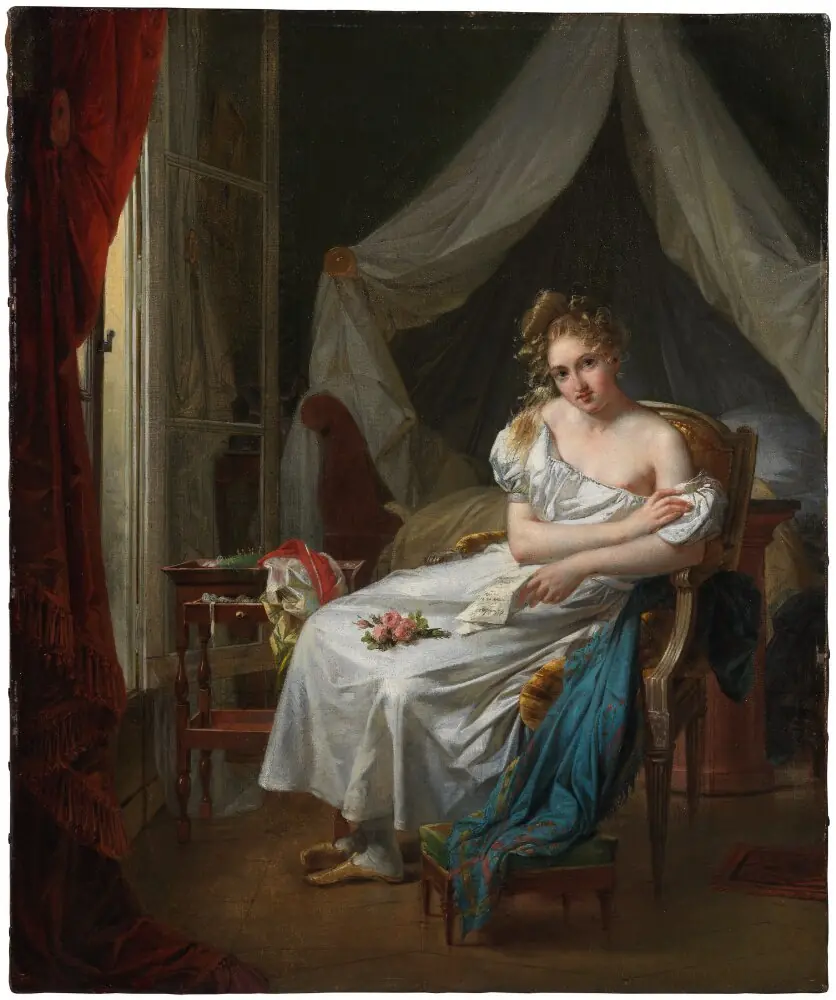 The Confession
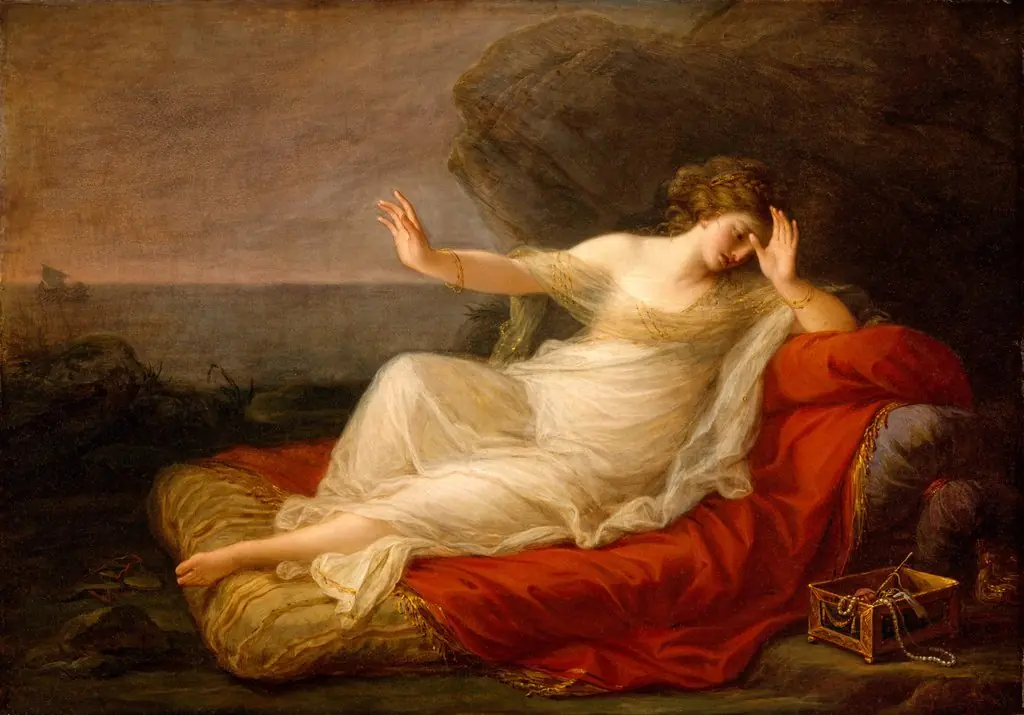 Ariadne Abandoned by Theseus
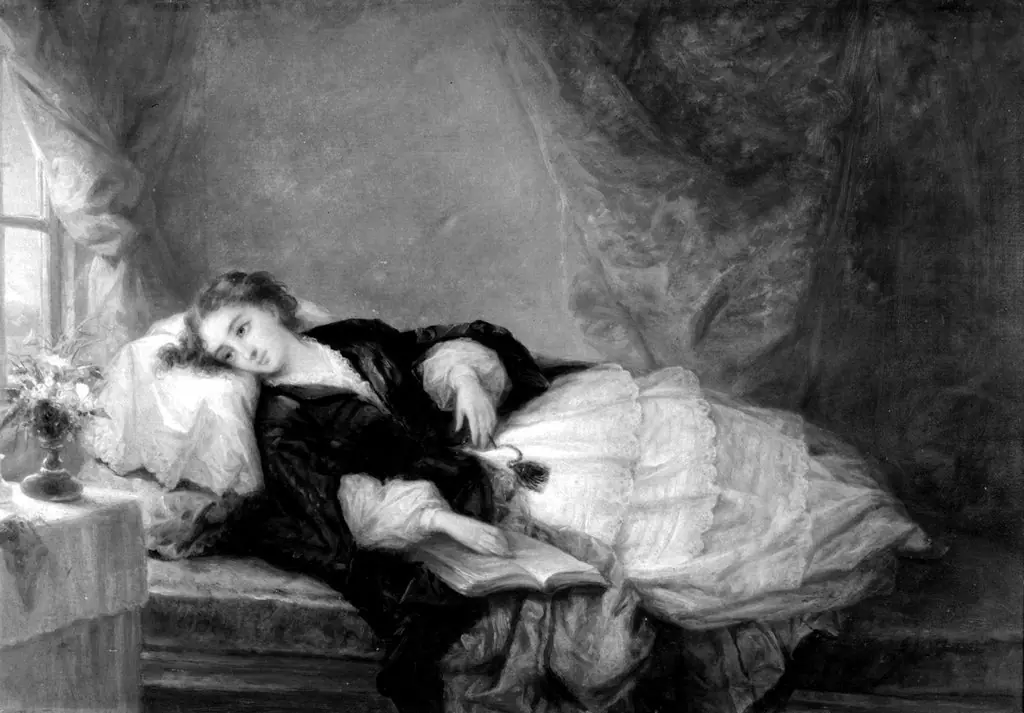 The Invalid
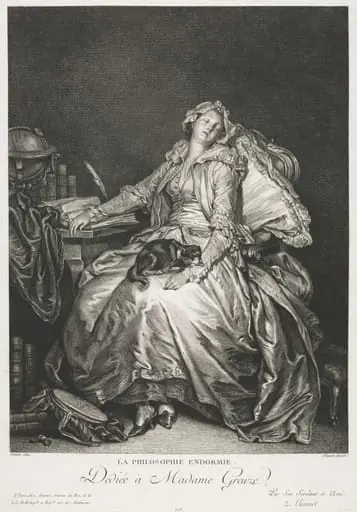 Madame Greuze Asleep
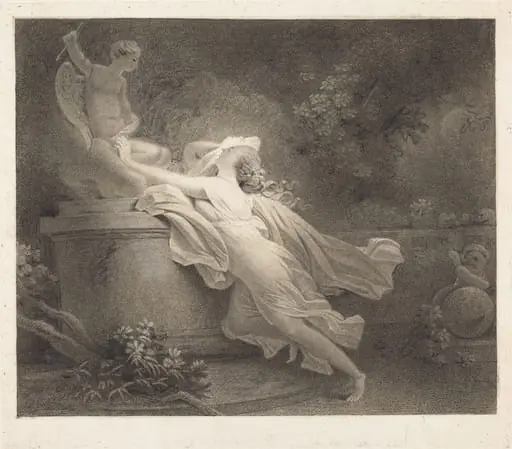 L'invocation a l'amour
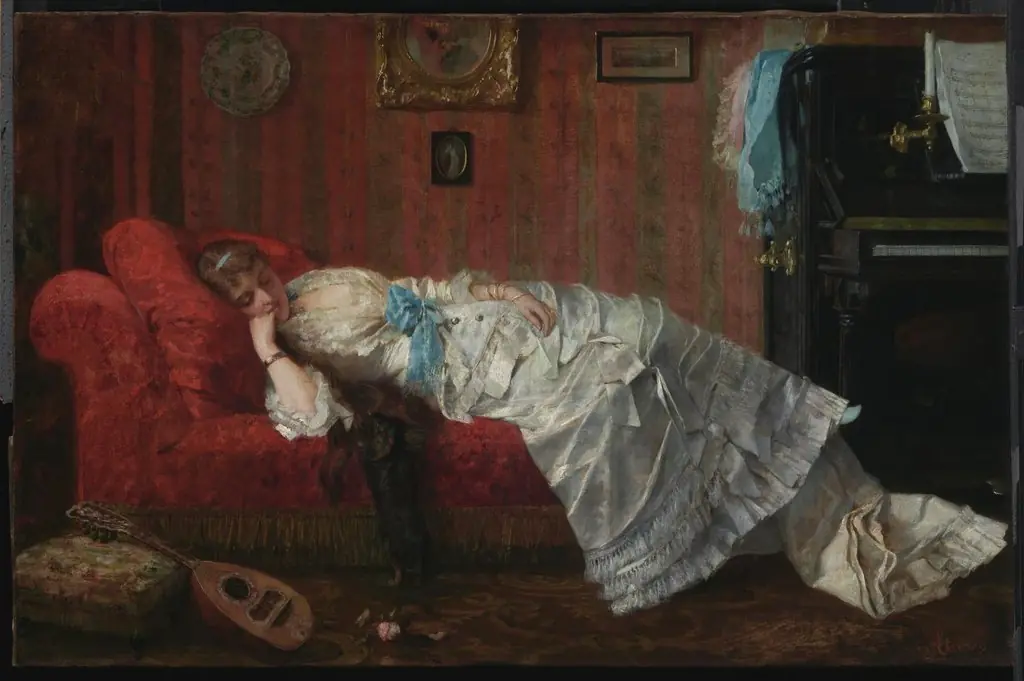 Young Woman Resting in a Music Room
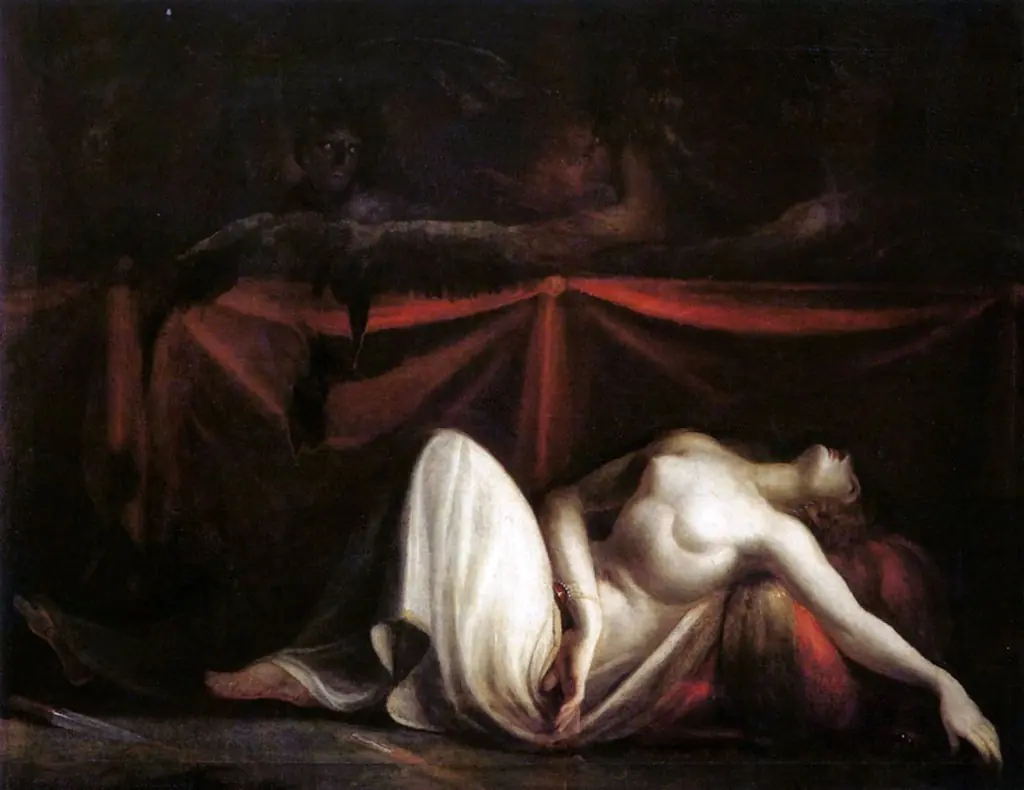 The Erinyes Drive Alcmaeon from the Corpse of his Mother, Eriphyle, Whom He Has Killed.
 Le Baiser à la Derobée (The Stolen Kiss)
 Isabella Wolff
 Una vestal
 Mrs. Jens Wolff
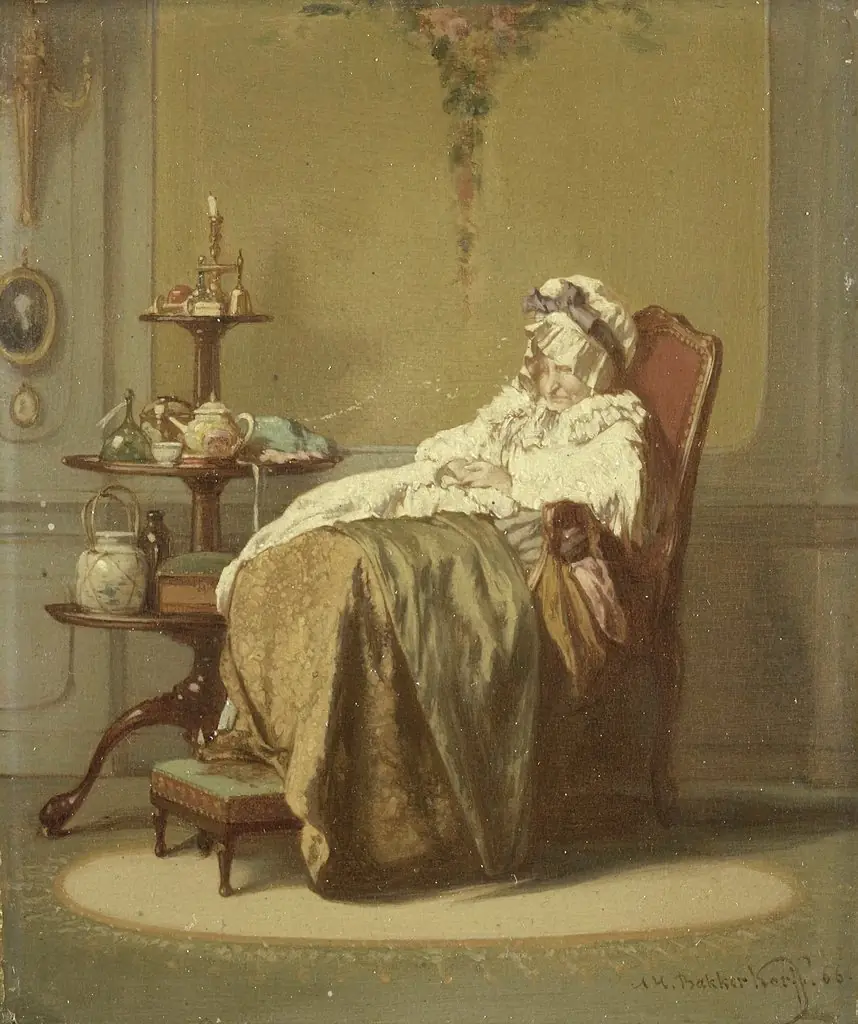 Taking a Nap