Artwork
Portrait of Egbert Kuipers (1828-1892)
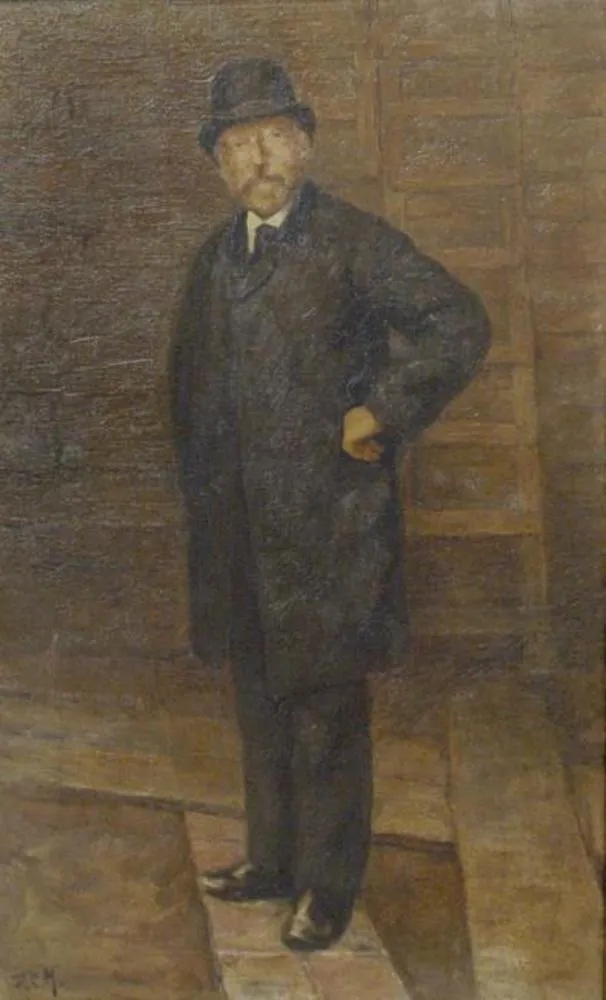
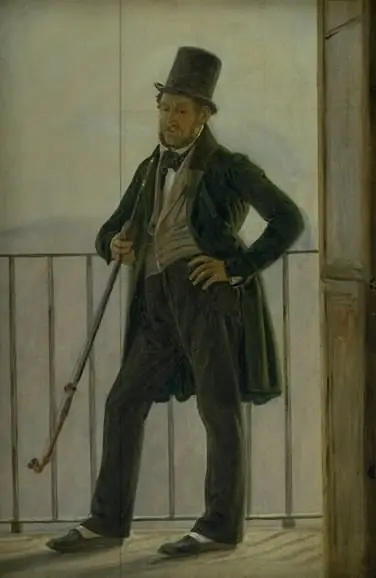
Portrait of Egbert Kuipers (1828-1892) is an oil painting by the Dutch Golden Age artist Piet Mondrian. It dates from 1900 and is held in the collection of the Israel Museum.
About this work
Overview
Portrait of Egbert Kuipers (1900) is an oil painting by Dutch artist Piet Mondrian, capturing the likeness of its subject in a traditional, representational manner, distinct from the abstract style Mondrian would later pioneer.
Subject & Meaning
The portrait depicts Egbert Kuipers, a man of apparent confidence, dressed in formal attire (black coat, hat, white shirt, and black tie) set against a somber, paneled brown background. His pose, with left hand on hip, conveys self-assurance.
Technique & Style
Mondrian employed chiaroscuro to achieve depth and contrast, characterized by a limited, muted color palette that enhances the overall somber mood of the piece, aligning with a style reminiscent of the Dutch Golden Age.
History & Provenance
Created in 1900, during Mondrian's pre-abstract period, the portrait is now part of the Israel Museum's collection.
Context
This work reflects Mondrian's early career, before his transition to abstract art, showcasing his skill in traditional portraiture within a Dutch artistic heritage.
Legacy
While not representative of Mondrian's later, influential abstract work, the portrait demonstrates his foundational skills in figurative art, contrasting with his more famous geometric abstractions.
Artist & collection

Artist
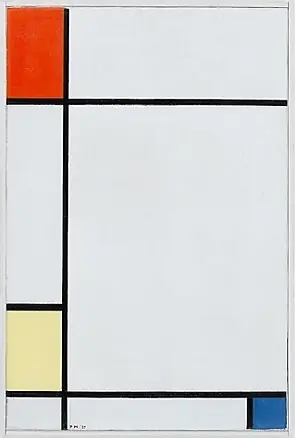
Pieter Cornelis Mondriaan (Dutch: ; 7 March 1872 – 1 February 1944), known after 1911 as Piet Mondrian (, US also ; Dutch: ), was a Dutch painter and art theoretician, who is regarded as one of the greatest artists of the 20th century.

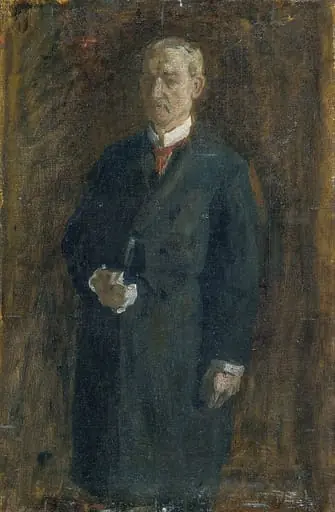 James MacAlister (Sketch)
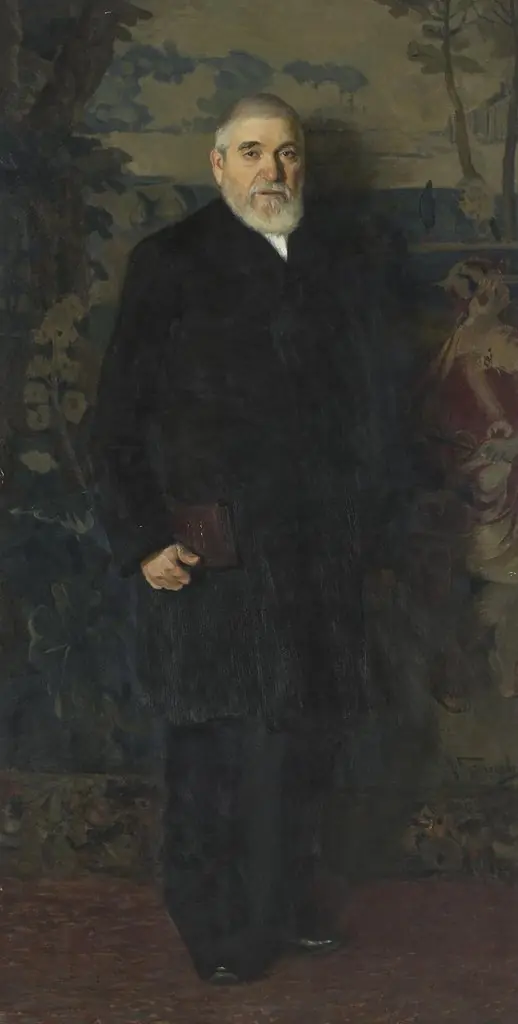 Kalman Ze'ev Wissotzky
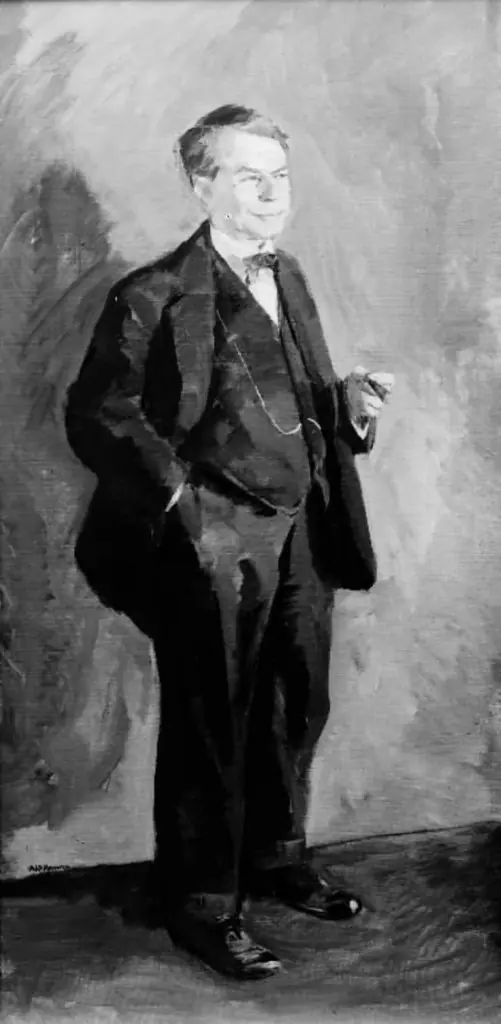 The Architect Carl Petersen
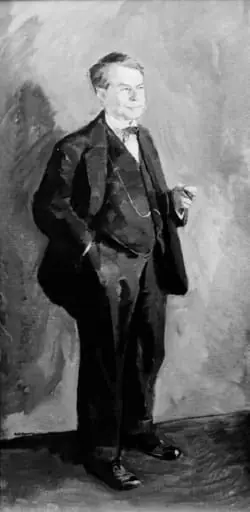 The Architect Carl Petersen
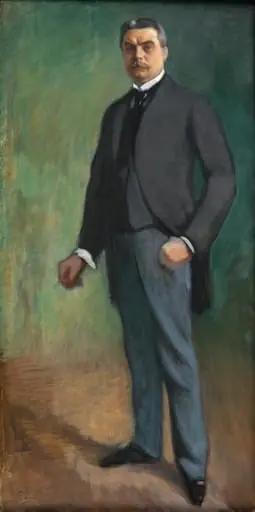 Albert Edelfelt
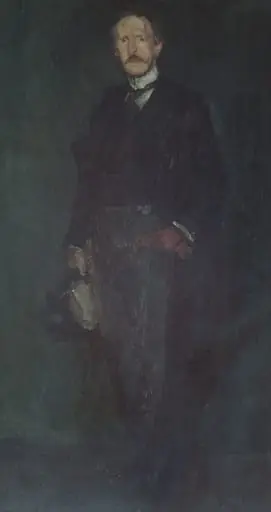 Edward Guthrie Kennedy
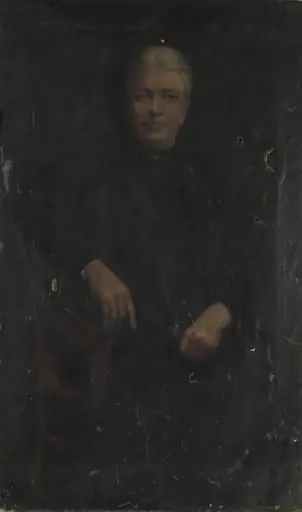 Προσωπογραφία γυναίκας ώριμης καθιστής
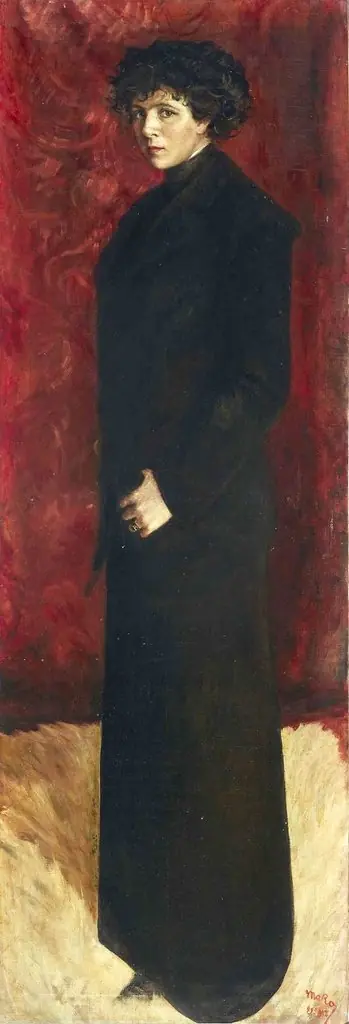 Autorretrato de cuerpo entero (María Roësset Mosquera)
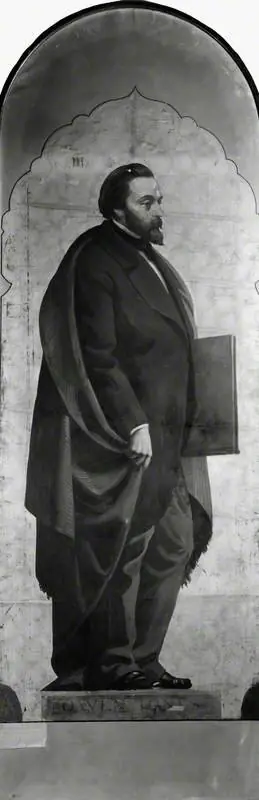 Owen Jones (1809–1874) (design for a mosaic in the Victoria and Albert Museum)
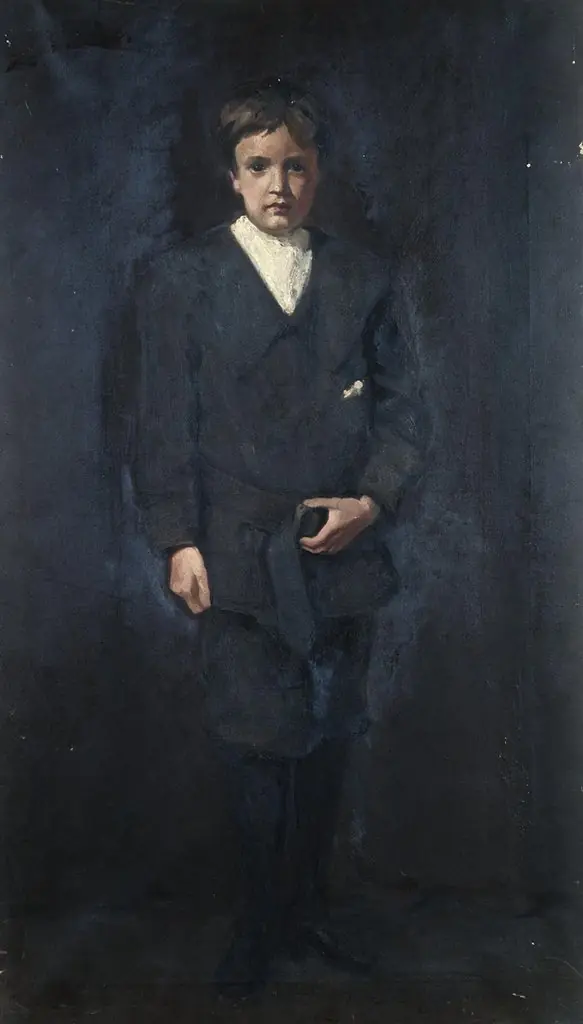 Cyril Jones
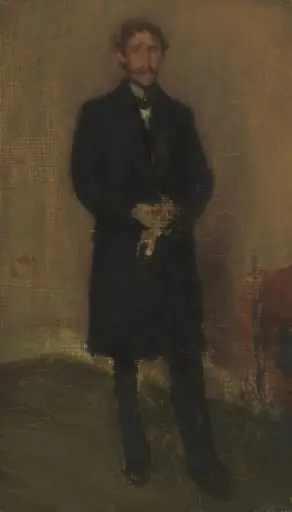 Alexander Arnold Hannay
 The Painter Albert Küchler