Artwork
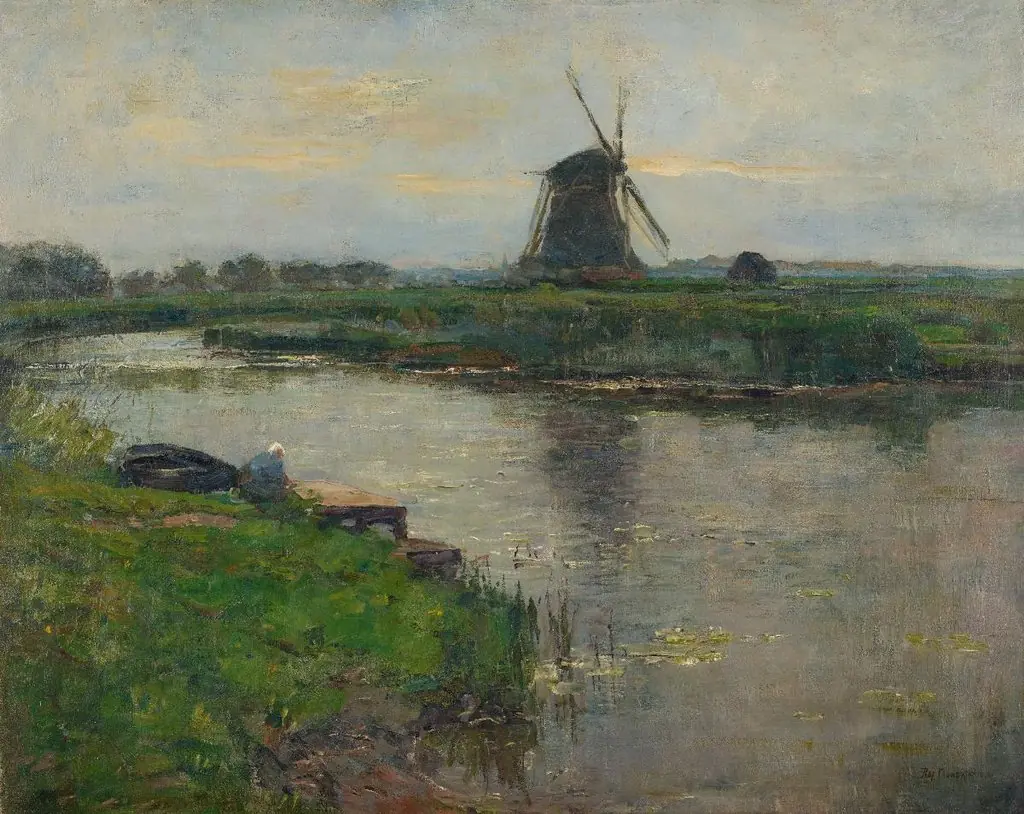
Truncated View of the Broekzijder Mill on the Gein Wings Facing West
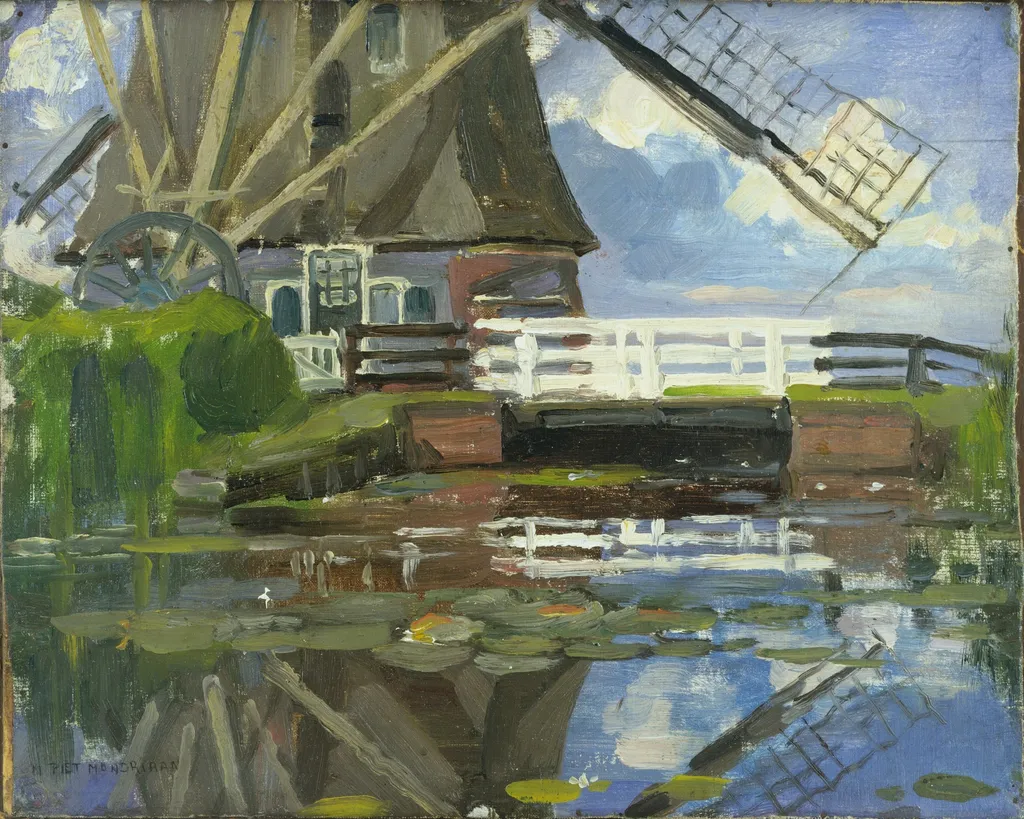
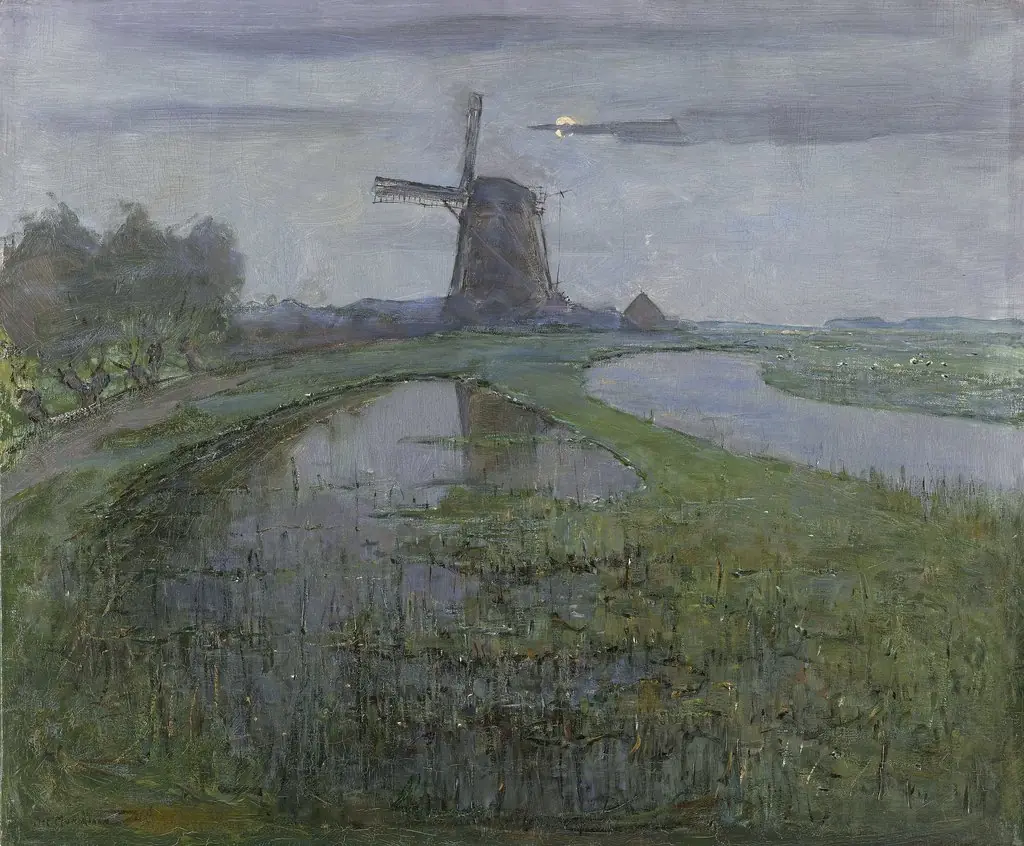
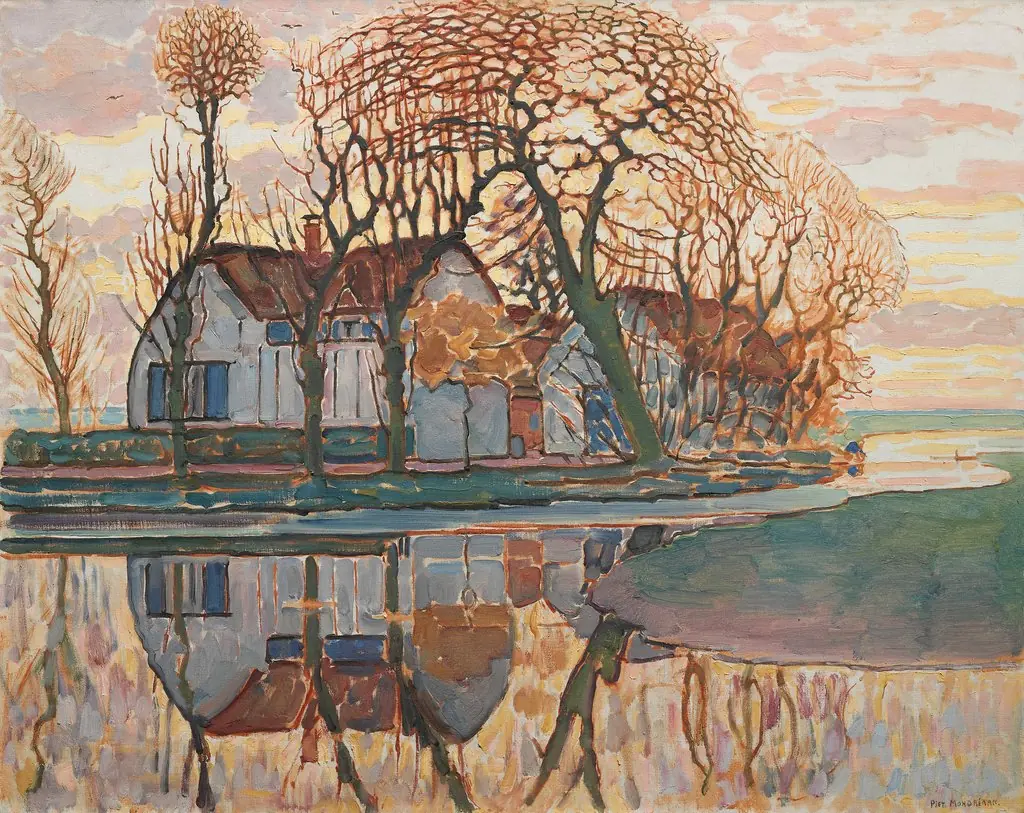
Truncated View of the Broekzijder Mill on the Gein Wings Facing West is an oil painting by the Post-Impressionist artist Piet Mondrian. It dates from 1902 and is held in the collection of the Museum of Modern Art. Painted in 1902, this oil-on-canvas work captures a rural Dutch landscape featuring the Broekzijder Mill as seen from the west.
About this work
Overview
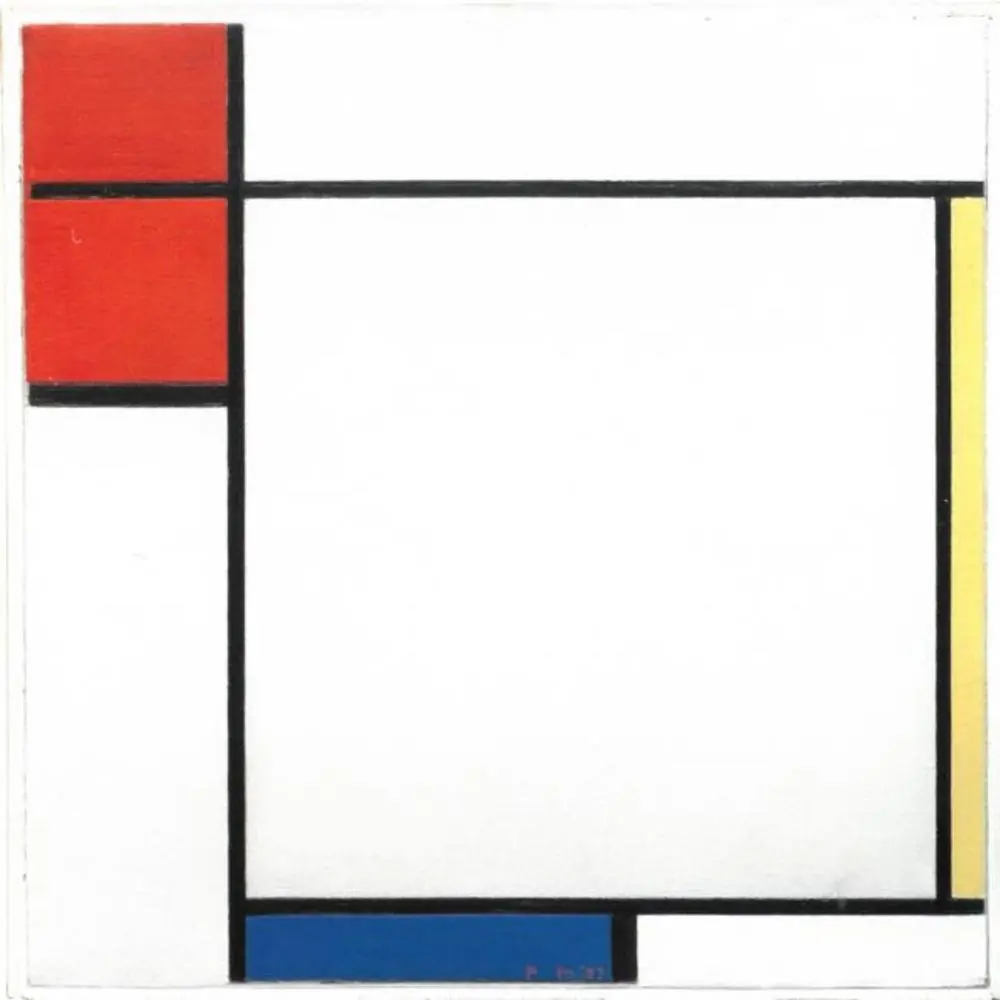
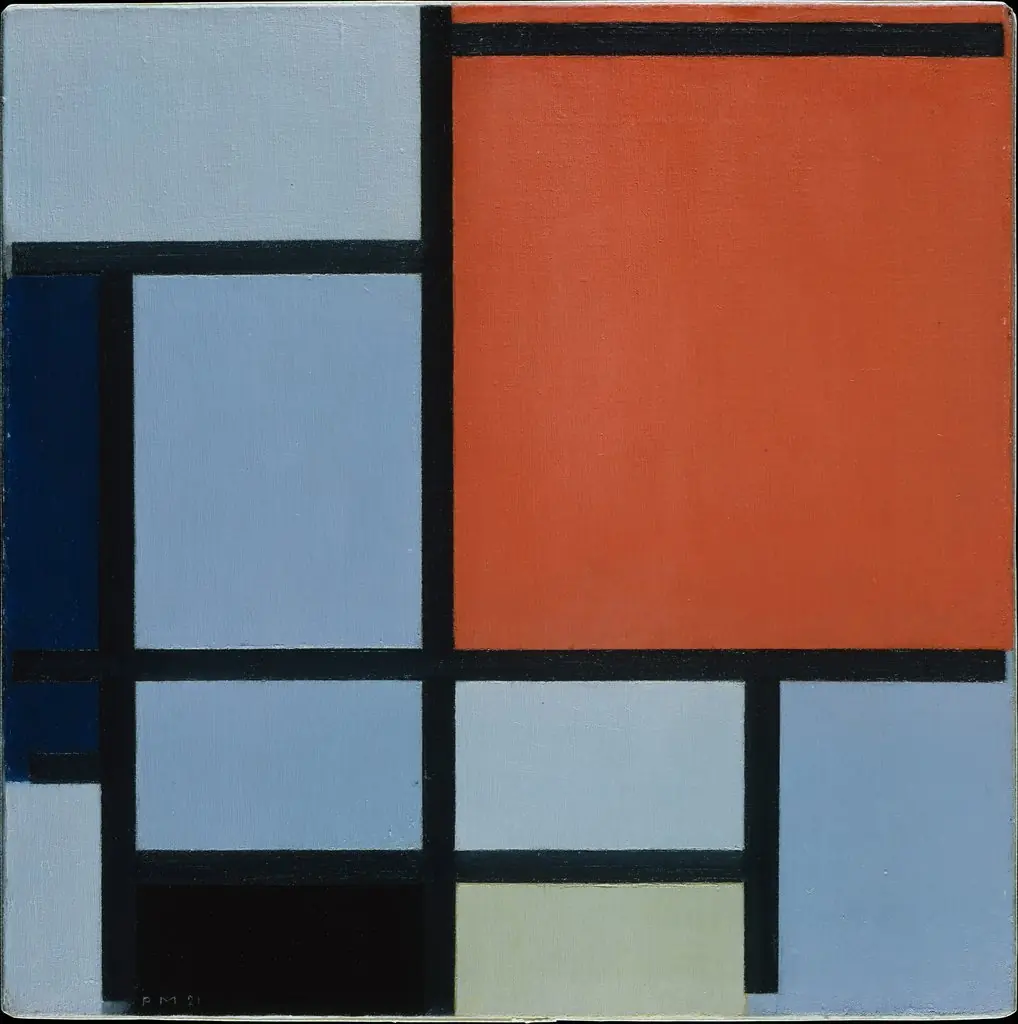
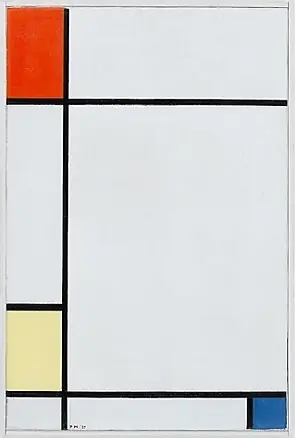
Executed during Piet Mondrian’s early career, the piece reflects his engagement with naturalistic representation before his transition to abstraction.
Painted in 1902, this oil-on-canvas work captures a rural Dutch landscape featuring the Broekzijder Mill as seen from the west. Executed during Piet Mondrian’s early career, the piece reflects his engagement with naturalistic representation before his transition to abstraction. The composition emphasizes atmospheric conditions and quiet rural life, aligning with regional landscape traditions of the time.
Subject & Meaning
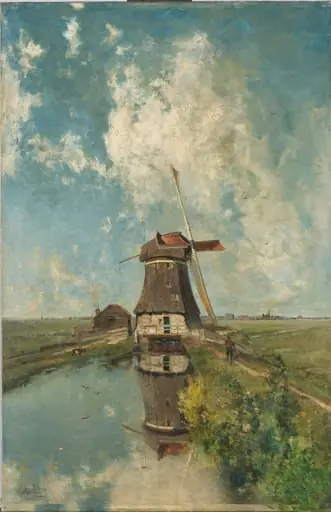
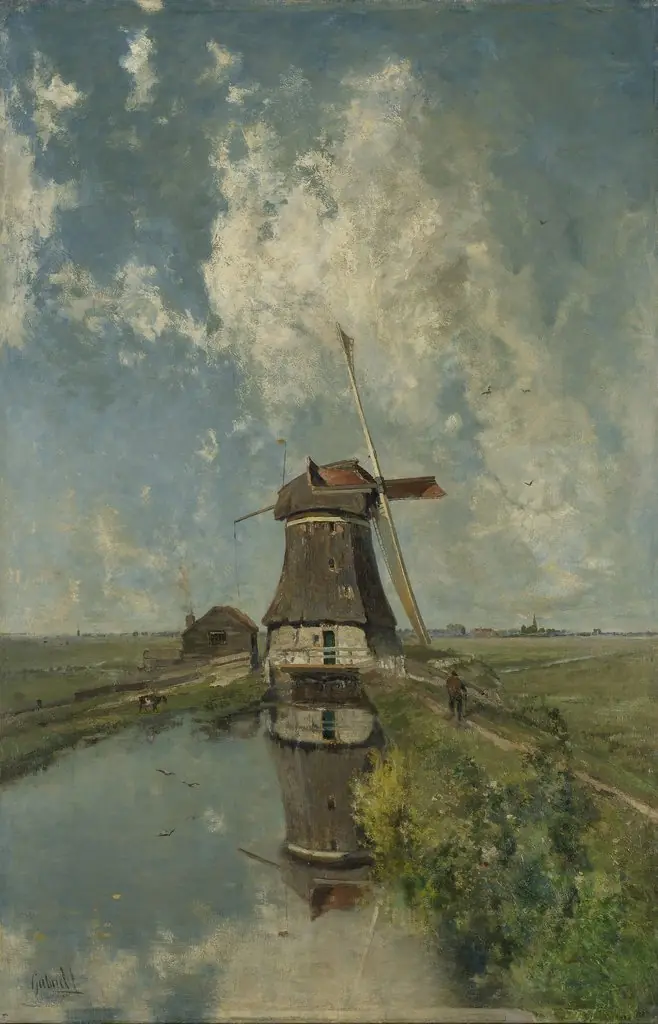
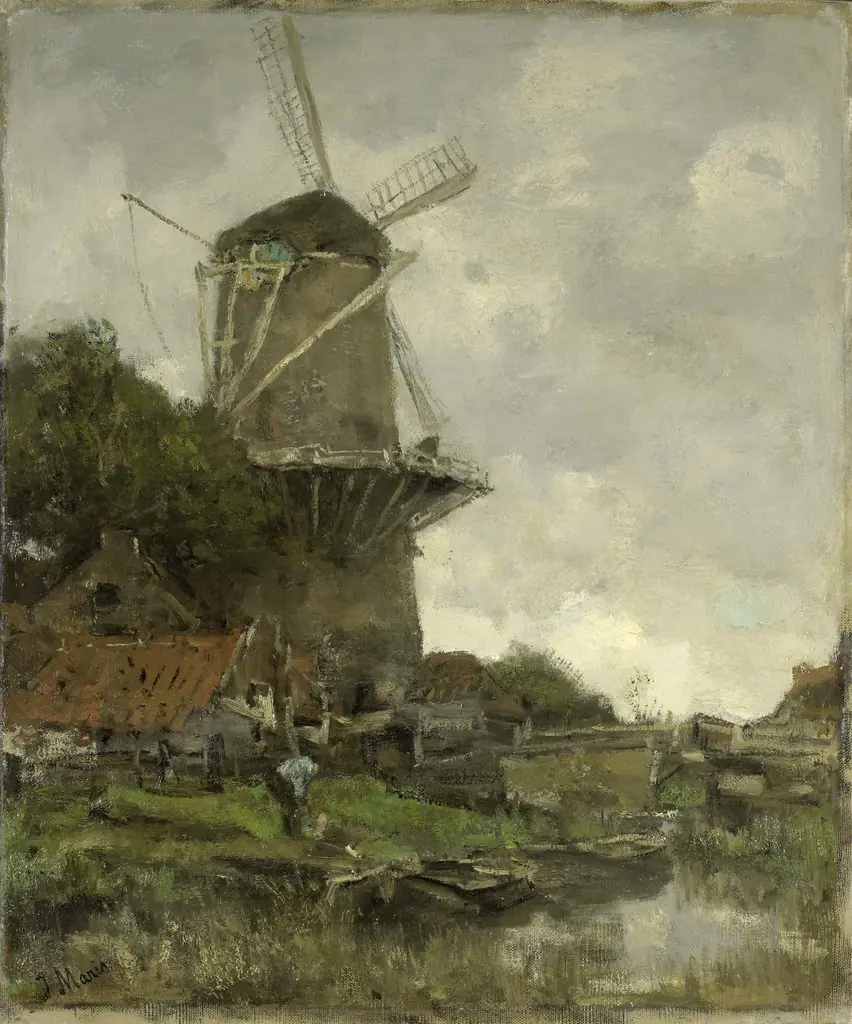
The Broekzijder Mill, a functional windmill on the Gein river, appears in the middle distance with its sails fully extended. Its placement against a soft, overcast sky suggests a moment of stillness, perhaps at dawn or dusk. The inclusion of water and lily pads in the foreground grounds the scene in a specific, observable environment, evoking a sense of calm and continuity rather than narrative or symbolism.
Technique & Style
Mondrian employed loose, expressive brushwork to convey shifting light and texture, particularly in the sky and water. Dark tones define the mill’s structure, contrasting with the pale, diffused reflections on the river’s surface. The handling of paint is tactile and observational, rooted in post-impressionist concerns with light and mood rather than precise detail, reflecting his training and regional influences.
History & Provenance
Created during Mondrian’s formative years in the Netherlands, the painting remained in private collections before entering the Museum of Modern Art’s holdings. Its preservation offers insight into the artist’s evolution from representational landscapes to the geometric abstractions for which he later became known. The work’s provenance underscores its role as a transitional piece in his artistic journey.
Context
In early 20th-century Holland, landscape painting remained a vital tradition, often tied to national identity and rural life. Mondrian’s work here aligns with contemporaries like the Hague School, who favored subdued palettes and atmospheric effects. This painting reflects a broader cultural interest in nature as a site of quiet contemplation, before modernist movements redirected artistic focus toward structure and abstraction.
Legacy
Though not representative of Mondrian’s mature style, this work is significant as an early example of his technical development. It demonstrates his capacity for nuanced observation and emotional restraint, qualities that later informed his abstract compositions. The painting serves as a bridge between traditional Dutch landscape painting and the radical formal experiments that defined his later career.
Own this work as a print
Artist & collection

Artist
Pieter Cornelis Mondriaan (Dutch: ; 7 March 1872 – 1 February 1944), known after 1911 as Piet Mondrian (, US also ; Dutch: ), was a Dutch painter and art theoretician, who is regarded as one of the greatest artists of the 20th century.