Artwork
Untitled
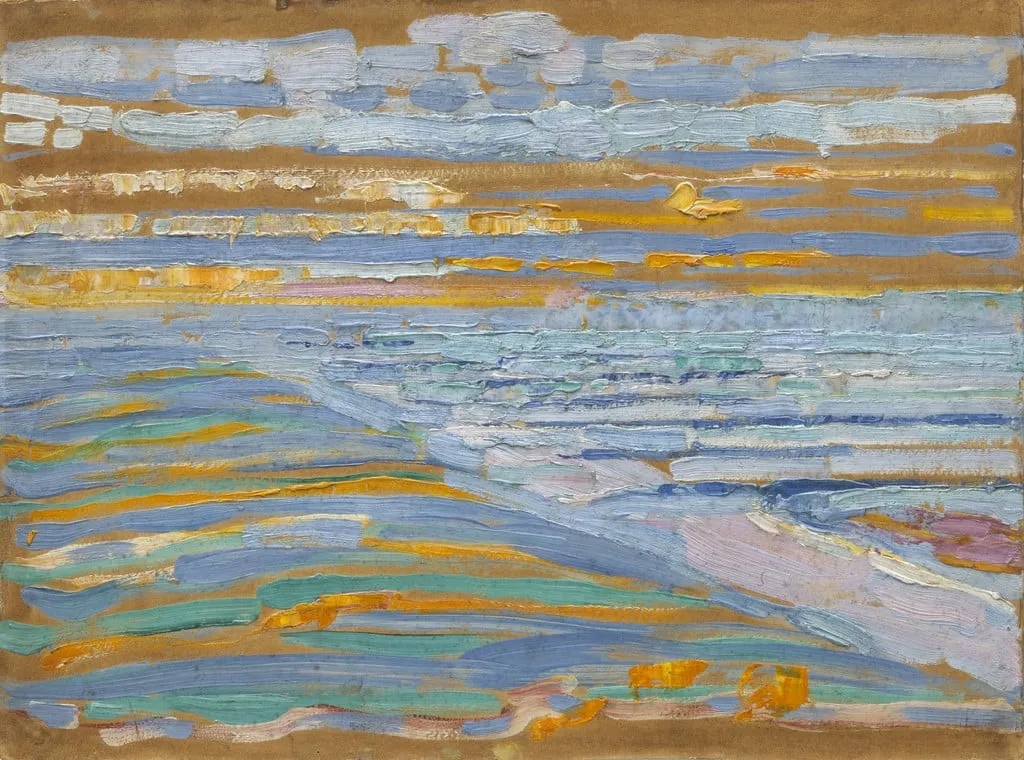
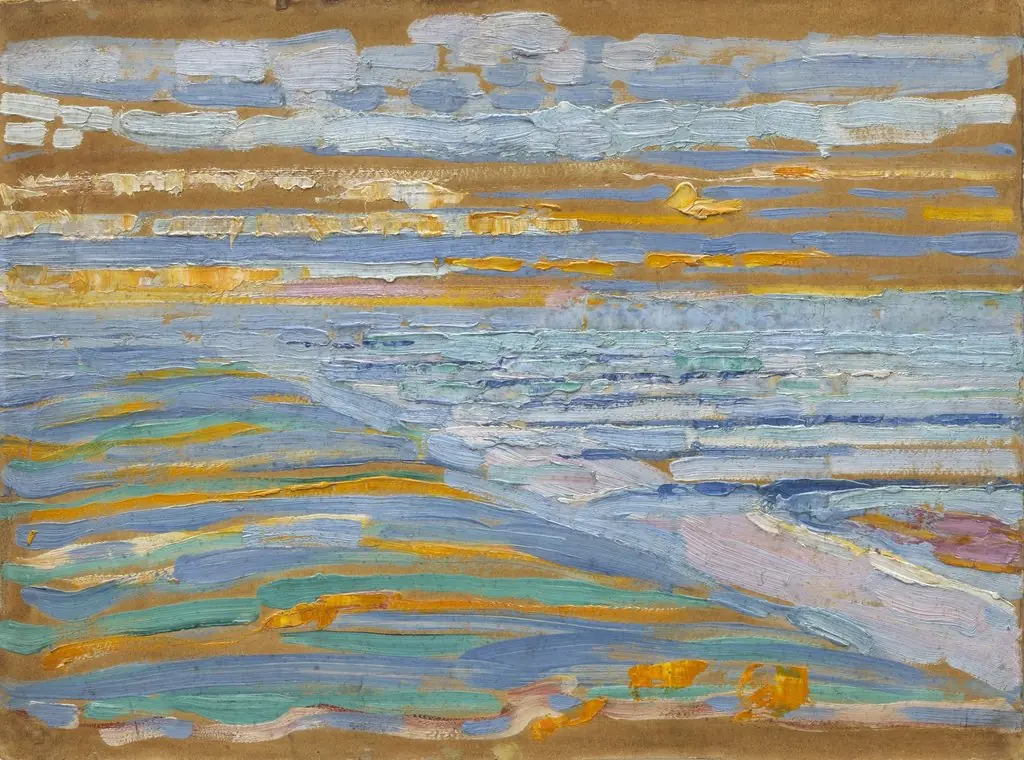
Untitled is an oil painting by the Post-Impressionist artist Piet Mondrian. It dates from 1909 and is held in the collection of the Museum of Modern Art.
About this work
Overview
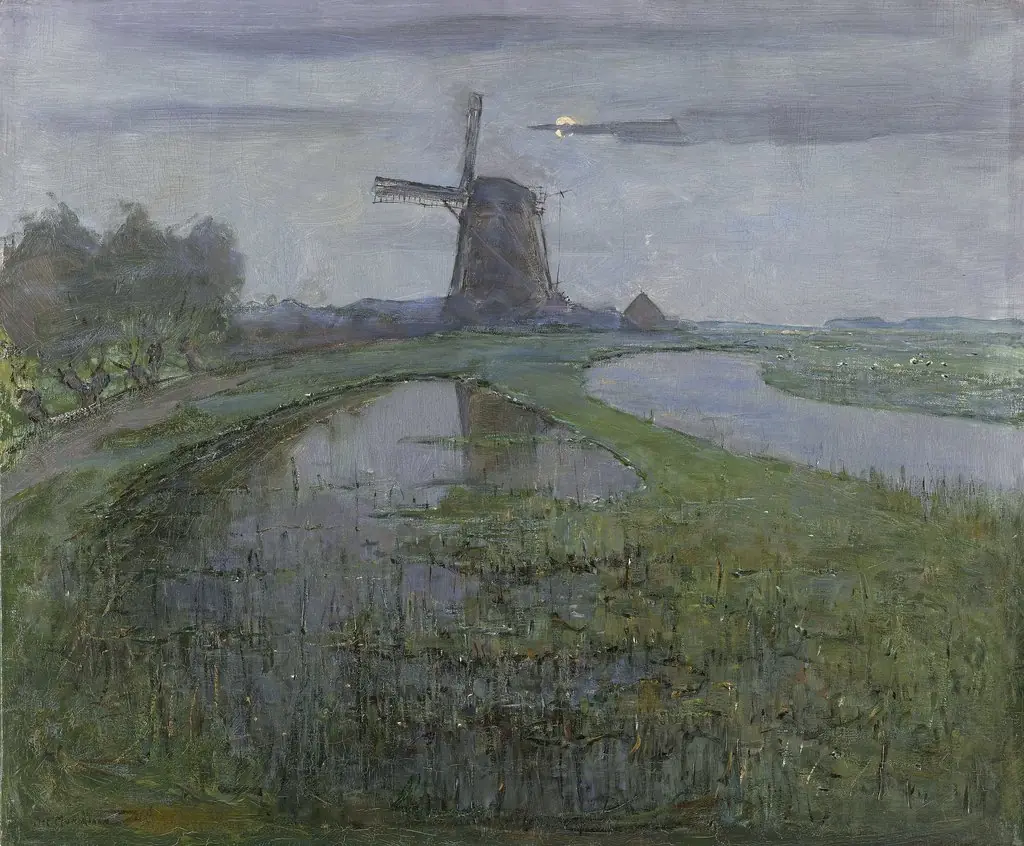
Created in 1909, this oil and pencil work on cardboard is an early piece by Piet Mondrian, predating his famous geometric abstractions.
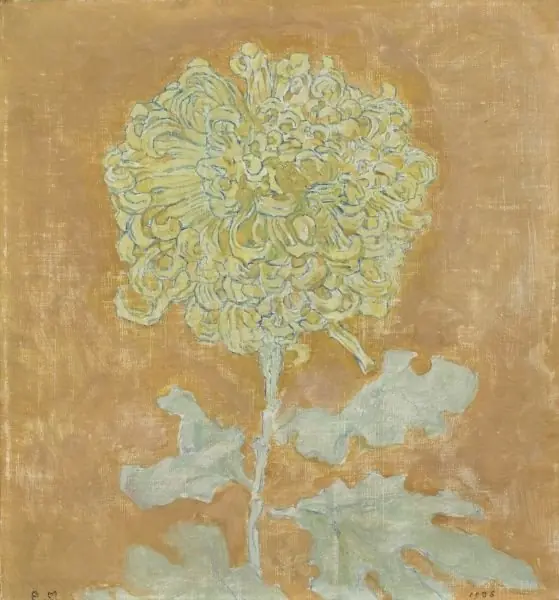
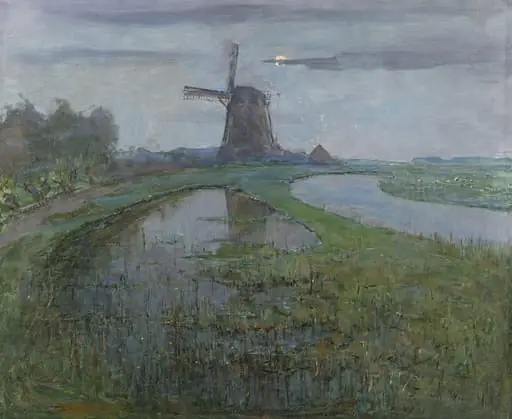
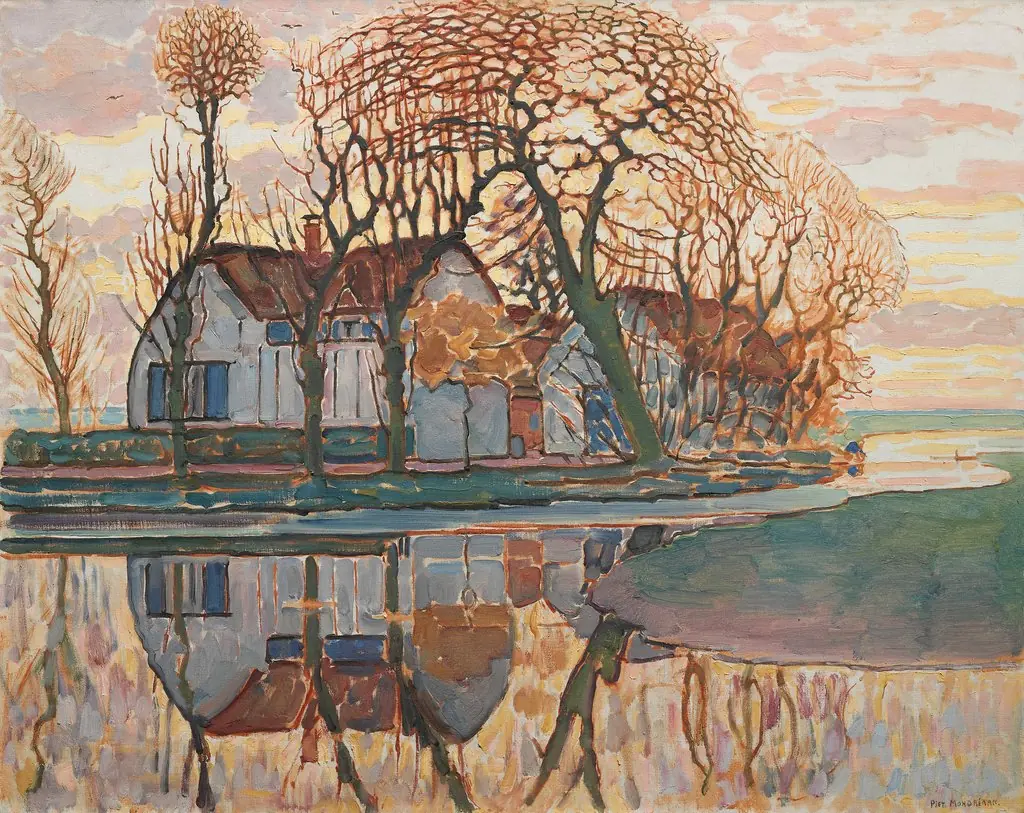
Created in 1909, this oil and pencil work on cardboard is an early piece by Piet Mondrian, predating his famous geometric abstractions. Executed in a figurative style, it captures a landscape through expressive brushwork and textured application. The use of cardboard as a support reflects the artist’s experimental approach during a period of stylistic transition, bridging his academic training with emerging modernist tendencies.
Subject & Meaning
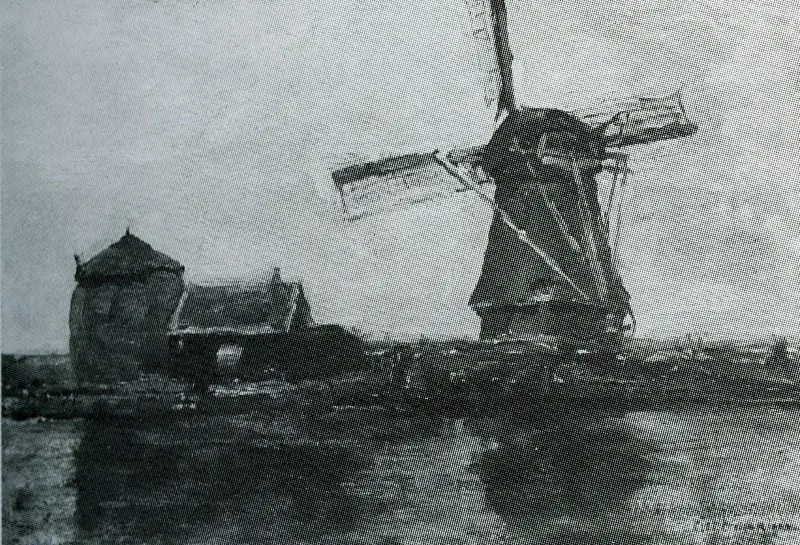
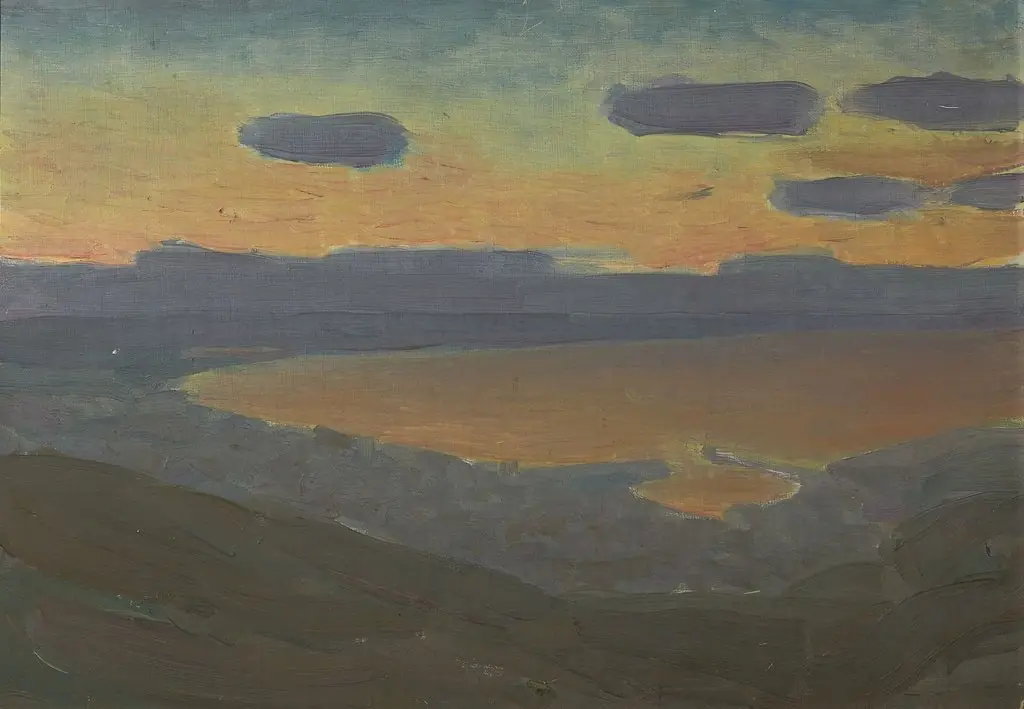
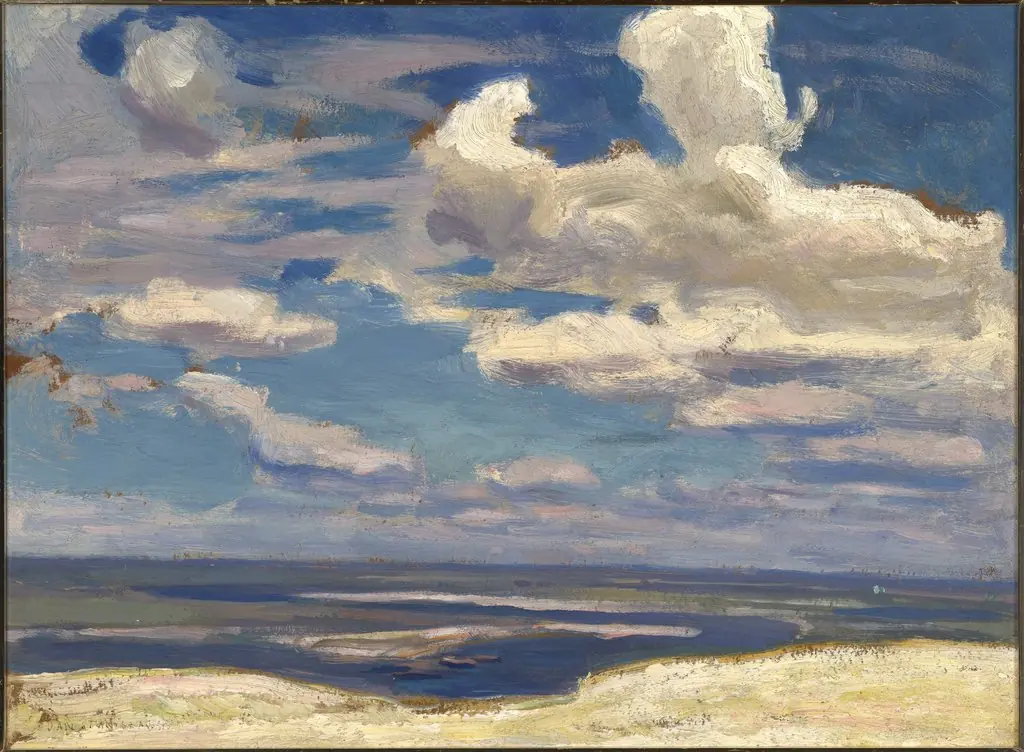
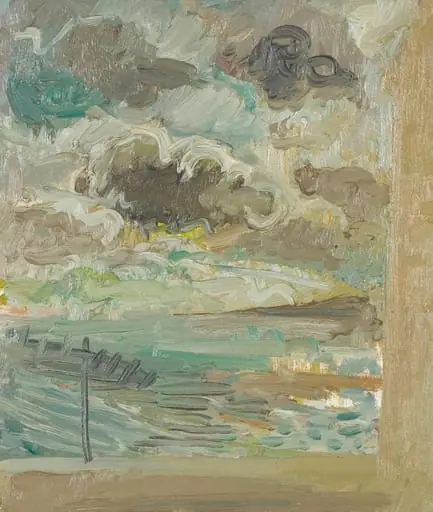
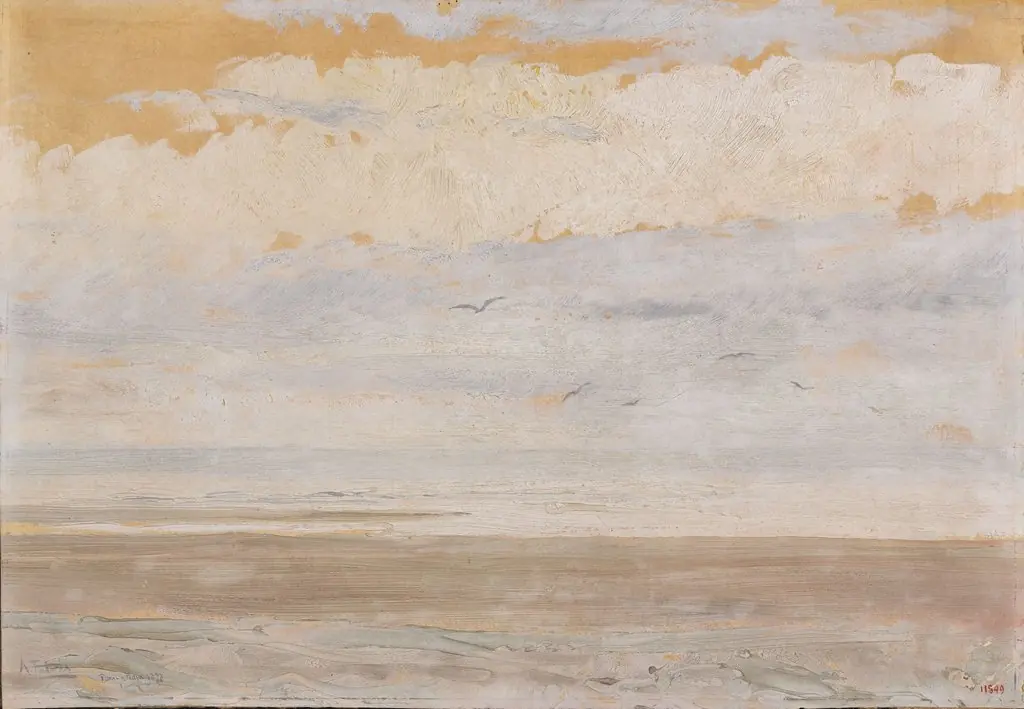
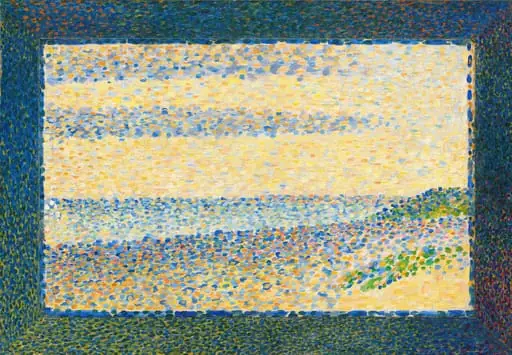
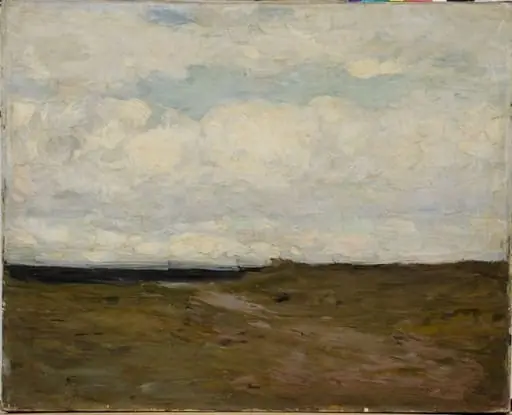
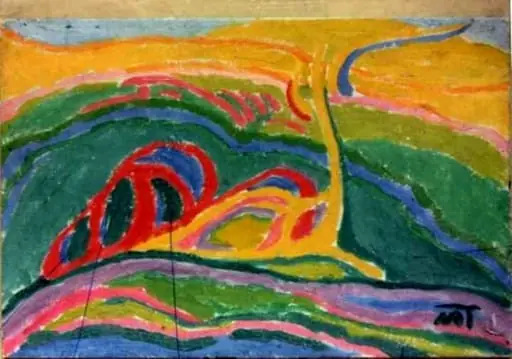
The painting depicts a natural scene—likely a coastal or rural Dutch landscape—rendered through abstracted forms rather than precise detail. Patches of color suggest sky, water, and earth, but the subject remains ambiguous, hinting at Mondrian’s growing interest in simplifying nature into essential visual elements. The work does not aim for realism but instead conveys mood and structure through color and form.
Technique & Style
Mondrian applied oil paint thickly in uneven strokes, creating a tactile surface through impasto. Colors—blues, yellows, and browns—are layered and partially blended, producing a sense of depth and movement. Pencil lines subtly define contours, anchoring the composition without rigid structure. The technique emphasizes materiality and gesture, aligning with post-impressionist concerns while foreshadowing his later focus on formal balance.
History & Provenance
This work entered the collection of The Museum of Modern Art as part of its broader effort to trace the evolution of modern art. It is one of several early pieces by Mondrian preserved from his pre-abstract period, offering insight into his development. Its survival and institutional acquisition reflect its significance as a document of artistic transition in early 20th-century European painting.
Context
In 1909, Mondrian was influenced by Dutch landscape traditions and the expressive color use of post-impressionists like Van Gogh. He had not yet encountered Theosophy or the Cubist innovations that would steer him toward abstraction. This painting exists within a moment when many European artists were rethinking representation, seeking emotional and structural truth beyond literal depiction.
Legacy
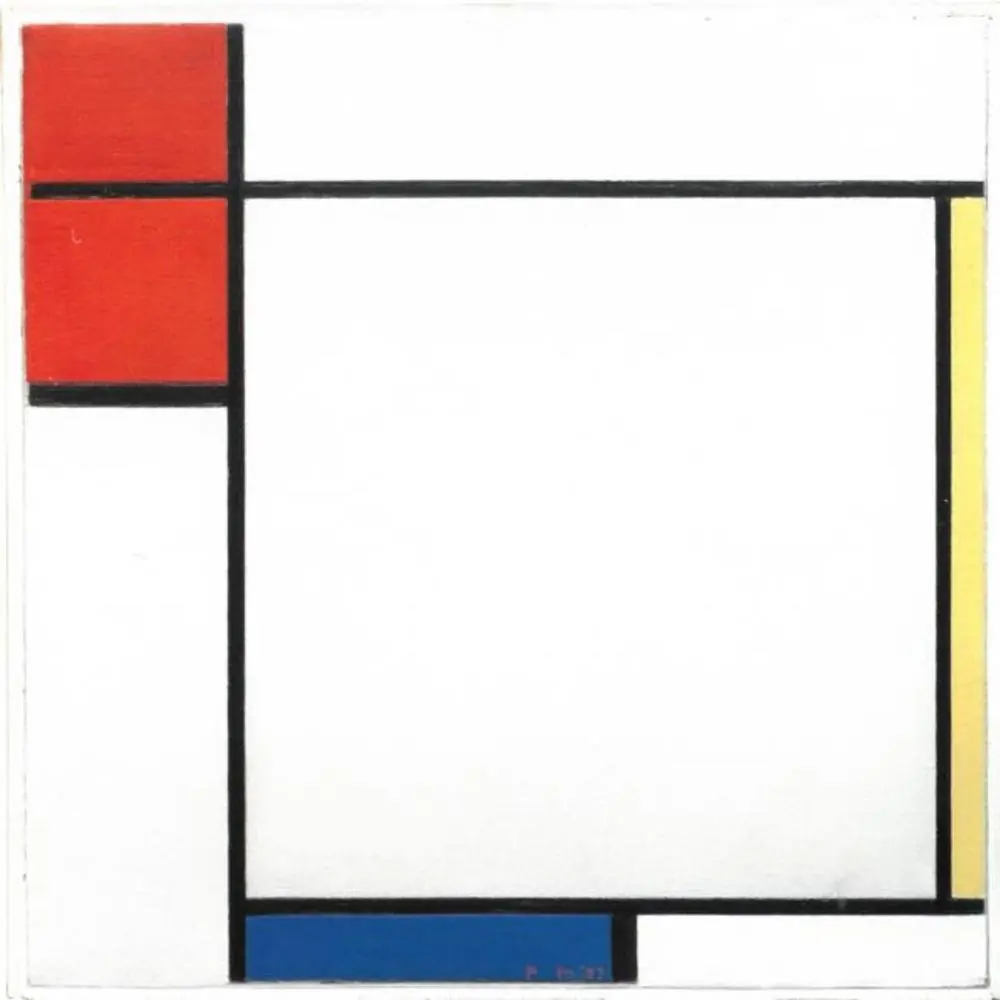
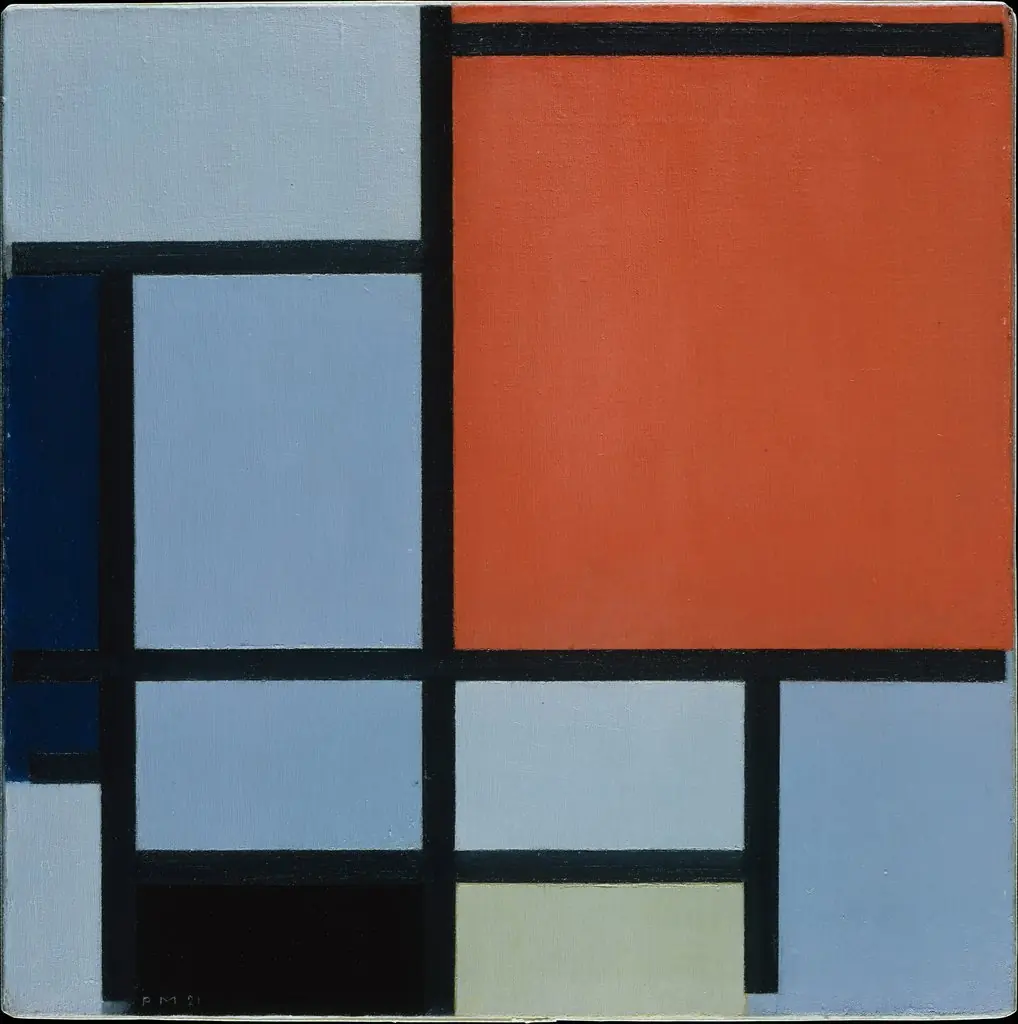
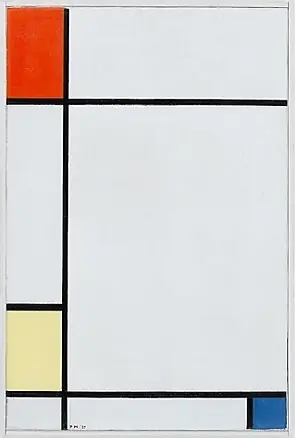
Though not widely exhibited as a standalone work, this painting contributes to understanding Mondrian’s artistic trajectory. It reveals how his later reduction of form to horizontal and vertical lines emerged from a deep engagement with natural observation. Its presence in MoMA’s collection situates it as a foundational step in the path toward pure abstraction in modern art.
Artist & collection

Artist
Pieter Cornelis Mondriaan (Dutch: ; 7 March 1872 – 1 February 1944), known after 1911 as Piet Mondrian (, US also ; Dutch: ), was a Dutch painter and art theoretician, who is regarded as one of the greatest artists of the 20th century.