Artwork
Peisaj
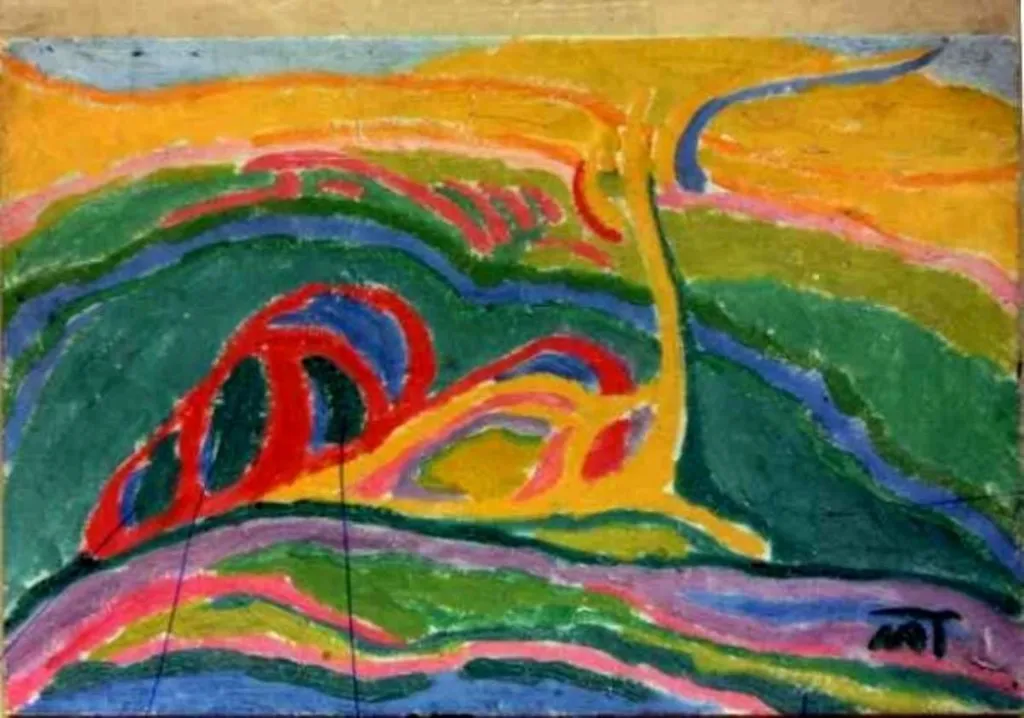
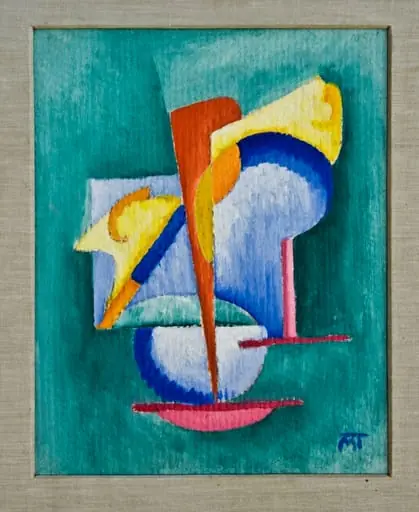
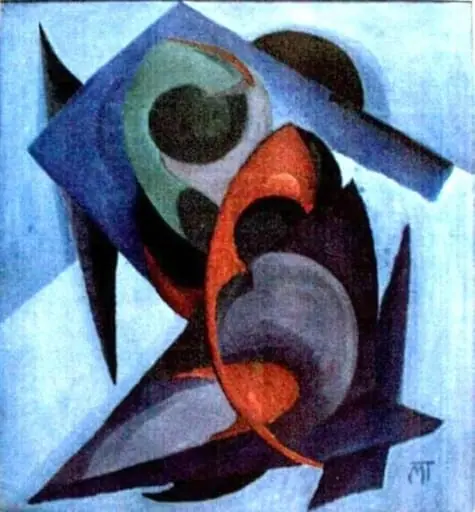
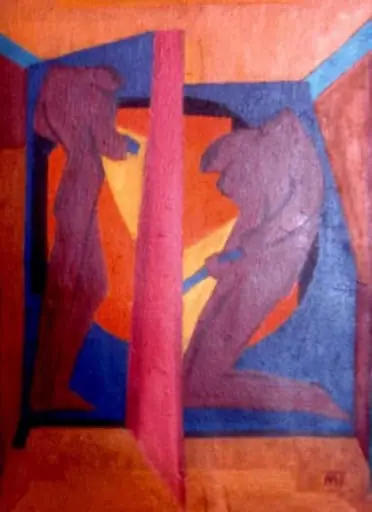
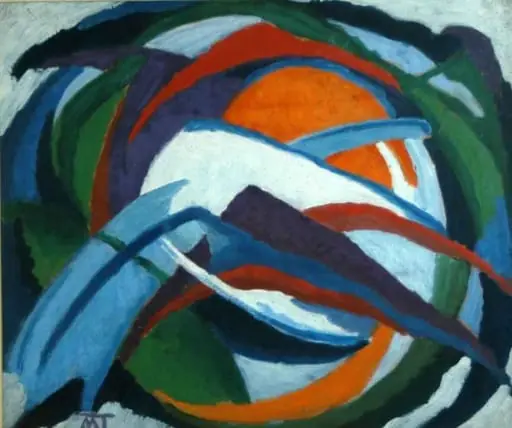
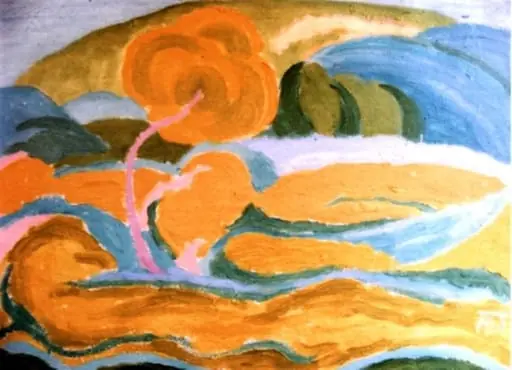
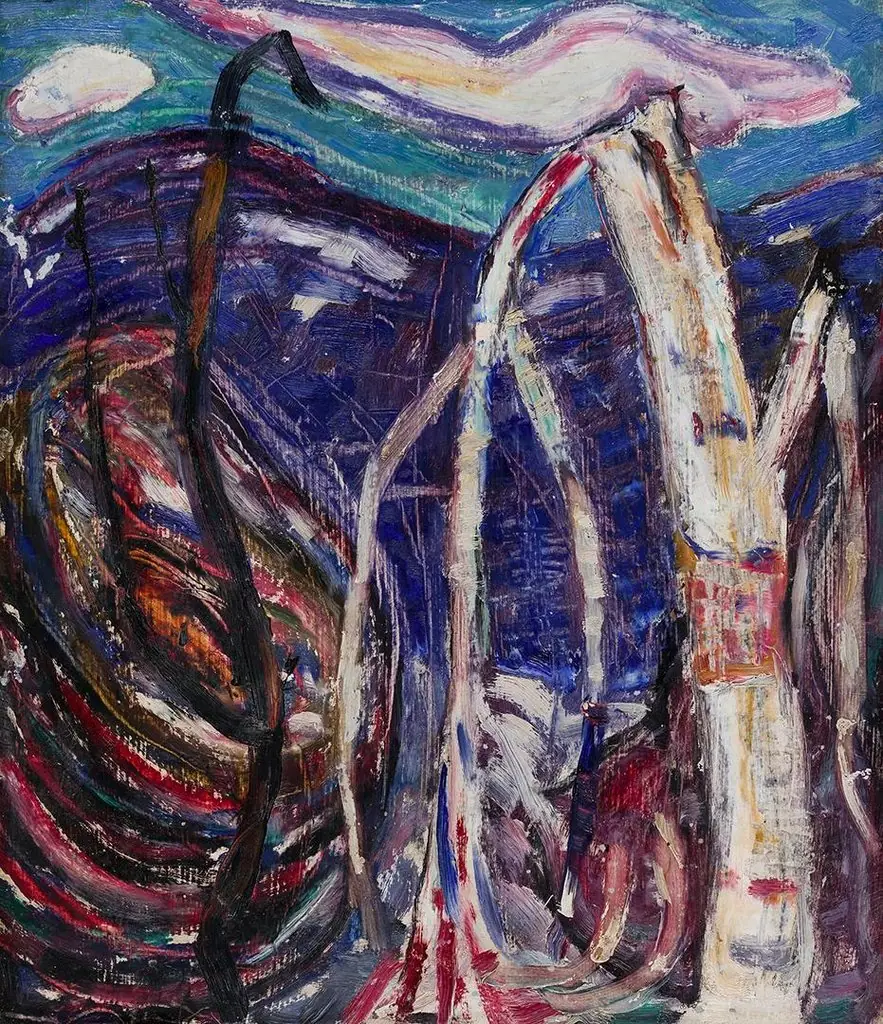
Peisaj is an unspecified painting by Hans Mattis-Teutsch. It is held in the collection of the Székely National Museum. This work presents a non-representational interpretation of landscape, abandoning naturalistic detail in favor of energetic abstraction.
About this work
Overview
This work presents a non-representational interpretation of landscape, abandoning naturalistic detail in favor of energetic abstraction. Color and texture dominate the composition, with no clear horizon or identifiable terrain. The visual language prioritizes emotional intensity over spatial coherence, transforming the idea of scenery into a dynamic field of pigment.
Subject & Meaning
Rather than depicting a specific place, the subject is the act of painting itself — an expression of internal sensation rendered externally. The chaotic interplay of hues suggests emotional turbulence, not external reality. The absence of recognizable forms invites interpretation as a visual metaphor for inner states, rather than an observation of the natural world.
Technique & Style
Thick, heavily applied paint creates a tactile surface through impasto, with strokes appearing deliberate yet unrestrained. Colors are applied without blending, allowing reds, blues, and yellows to collide and vibrate against one another. The technique emphasizes materiality and gesture, prioritizing the physical presence of paint over illusionistic depth.
History & Provenance
No documented origin, artist, or ownership history is provided. The work lacks identifying marks or contextual records typically associated with signed or exhibited pieces. Its attribution remains unspecified, and its emergence in collections or exhibitions is unrecorded.
Context
The work aligns with mid-20th century abstract expressionist tendencies, where emotion and process superseded representation. While not tied to a known movement or school, its methods echo contemporaneous experiments in non-objective painting, particularly those emphasizing spontaneous gesture and chromatic intensity.
Legacy
As an unattributed piece with no known exhibition or scholarly record, its influence cannot be traced. It stands as a standalone example of expressive abstraction, offering insight into individual artistic impulses outside established canons or movements.
Artist & collection
Artist
Hans Mattis-Teutsch made bold, rhythmic paintings and prints that feel like music turned into shapes.
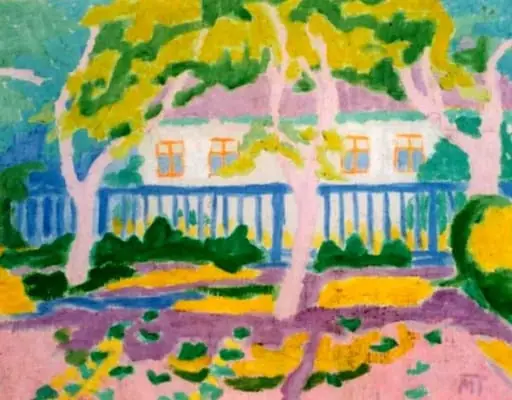
 Peisaj
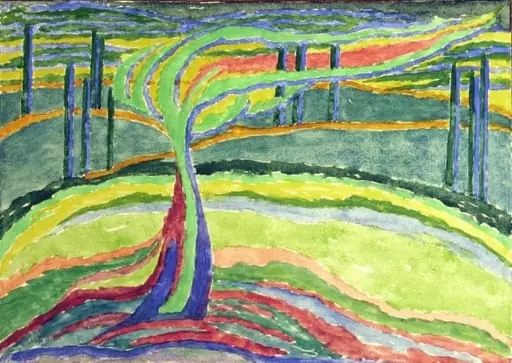 Peisaj cu copac verde
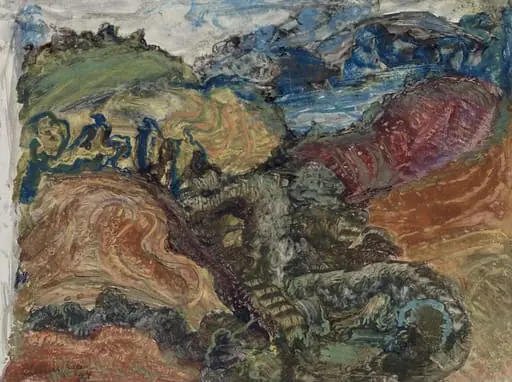 Landscape
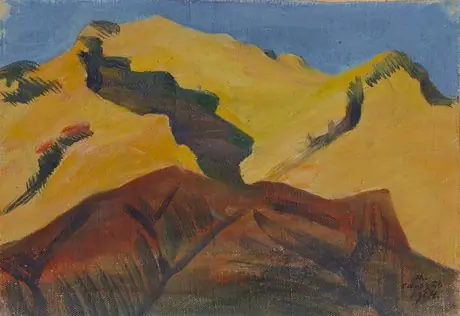 Goghtan (study)
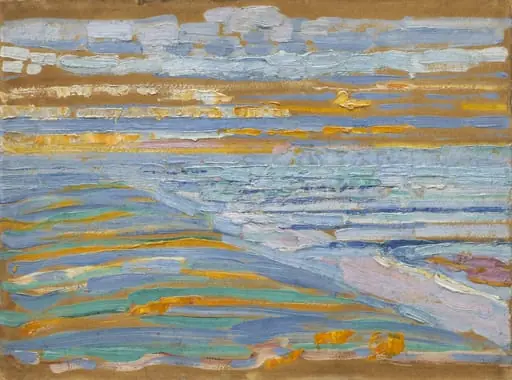 Untitled
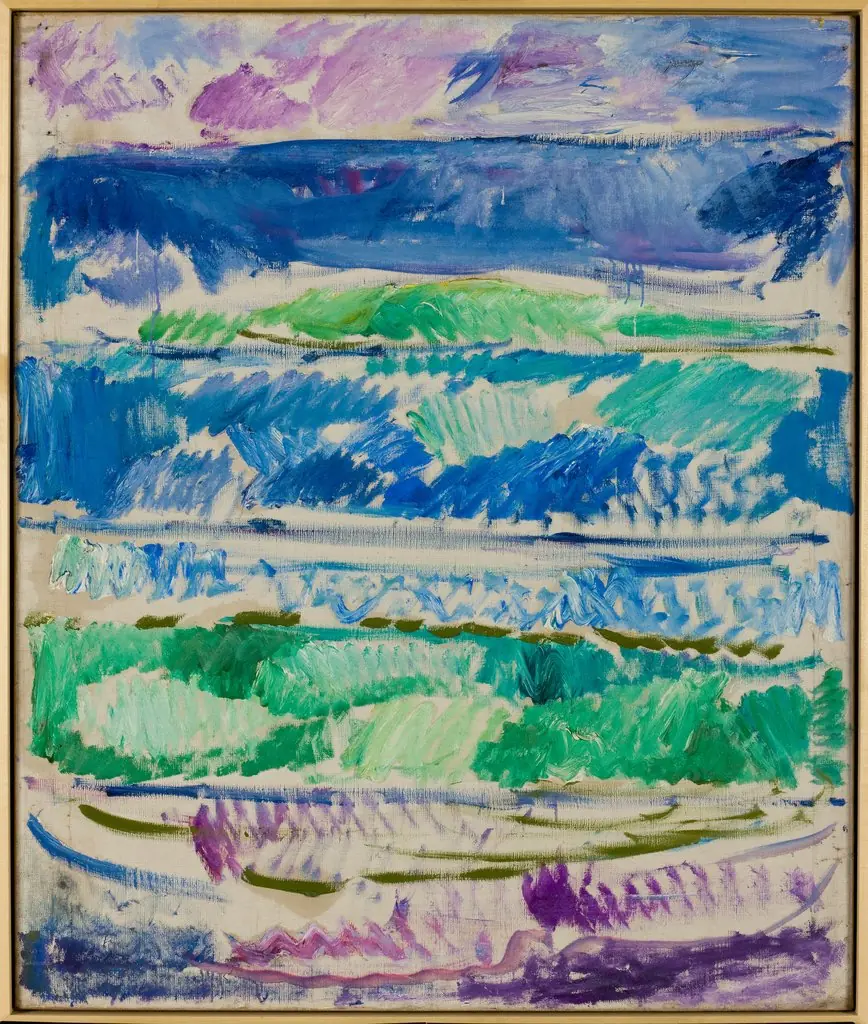 Waves
Waves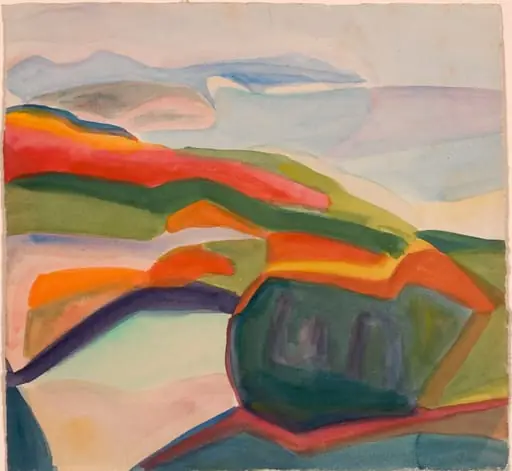 Ο «Χωρικός Ρεαλισμός» είναι αποτέλεσμα της καλλιτεχνικής και επιστημονικής έρευνας του Mikhail Matiushin από το 1914 ως το 1929. Ο Matiushin, με τον όρο Χωρικό Ρεαλισμό αντιτίθεται στην αφαιρετικότητα που παρουσιάζουν οι σπουδές των «ρώσων κυβιστών» και προτείνει τη ζωγραφική που αντανακλά τη ζωή. Εάν οι «κυβιστές» και «οι σουπρεματιστές» έφτιαξαν τις μη-παραστατικές συνθέσεις τους σύμφωνα με τους νόμους της φορμαλιστικής ανάλυσης της πρόσφατης γαλλικής ζωγραφικής, ο Matiushin και η ομάδα του προτίμησαν να χρησιμοποιήσουν από το γαλλικό κυβισμό και τον Ιμπρεσιονισμό, την ιδιαίτερη προσοχή στη λειτουργία του ματιού – «διευρυμένη όραση», στην άμεση αίσθηση, τη διαίσθηση, κ.λπ.. Μελέτησαν την τοπιογραφία και τη νεκρή φύση, θεωρώντας αυτά τα στοιχεία απαραίτητα για τις πιο επαρκείς συνθήκες ανάπτυξης της διευρυμένης όρασης. Τα ζητήματα που μελέτησαν ήταν τα εξής: Αν το χρώμα και το σχήμα αλλοιώνονται όταν η φόρμα αλλάζει θέση ή από διάφορες φυσιολογικές οπτικές συνθήκες. Τι ρόλο παίζει η κίνηση στην οπτική αντίληψη, ποιες οι σχέσεις μεταξύ χρώματος και φόρμας κ.ά.
Η Σχολή του Matiushin έδωσε τα καλύτερα αποτελέσματά της τη δεκαετία του 1920. Οι μη-αντικειμενικές αρχές και ιδιότητες της θεωρίας του, τόσο διαφορετικές από εκείνες του Σουπρεματισμού, πήραν μορφή μέσα από τα έργα των Enders και του ίδιου. Η καμπύλη γραμμή, και όχι η ευθεία, έγινε η βάση της εικαστικής δομής του έργου του, ενώ το χρώμα χρησιμοποιήθηκε σύμφωνα με τους οργανικούς νόμους της φύσης. Οι γραμμές αυτές αποτελούσαν το πρότυπο της δημιουργίας του, η οποία δεν αποσκοπούσε στο να αντιγράψει τη φύση, αλλά στο να αποδώσει με τη βοήθεια των εικαστικών μέσων τις «χειρονομίες» της φύσης πάνω στον καμβά. Για τον Matiushin η ζωγραφική επιφάνεια αποτελεί τμήμα της φύσης, και τα στοιχεία που τη συνθέτουν –υφή, χρώμα, σχέδιο- λειτουργούν σύμφωνα με τους κανόνες που τη διέπουν.
Ο «Χωρικός Ρεαλισμός» είναι αποτέλεσμα της καλλιτεχνικής και επιστημονικής έρευνας του Mikhail Matiushin από το 1914 ως το 1929. Ο Matiushin, με τον όρο Χωρικό Ρεαλισμό αντιτίθεται στην αφαιρετικότητα που παρουσιάζουν οι σπουδές των «ρώσων κυβιστών» και προτείνει τη ζωγραφική που αντανακλά τη ζωή. Εάν οι «κυβιστές» και «οι σουπρεματιστές» έφτιαξαν τις μη-παραστατικές συνθέσεις τους σύμφωνα με τους νόμους της φορμαλιστικής ανάλυσης της πρόσφατης γαλλικής ζωγραφικής, ο Matiushin και η ομάδα του προτίμησαν να χρησιμοποιήσουν από το γαλλικό κυβισμό και τον Ιμπρεσιονισμό, την ιδιαίτερη προσοχή στη λειτουργία του ματιού – «διευρυμένη όραση», στην άμεση αίσθηση, τη διαίσθηση, κ.λπ.. Μελέτησαν την τοπιογραφία και τη νεκρή φύση, θεωρώντας αυτά τα στοιχεία απαραίτητα για τις πιο επαρκείς συνθήκες ανάπτυξης της διευρυμένης όρασης. Τα ζητήματα που μελέτησαν ήταν τα εξής: Αν το χρώμα και το σχήμα αλλοιώνονται όταν η φόρμα αλλάζει θέση ή από διάφορες φυσιολογικές οπτικές συνθήκες. Τι ρόλο παίζει η κίνηση στην οπτική αντίληψη, ποιες οι σχέσεις μεταξύ χρώματος και φόρμας κ.ά.
Η Σχολή του Matiushin έδωσε τα καλύτερα αποτελέσματά της τη δεκαετία του 1920. Οι μη-αντικειμενικές αρχές και ιδιότητες της θεωρίας του, τόσο διαφορετικές από εκείνες του Σουπρεματισμού, πήραν μορφή μέσα από τα έργα των Enders και του ίδιου. Η καμπύλη γραμμή, και όχι η ευθεία, έγινε η βάση της εικαστικής δομής του έργου του, ενώ το χρώμα χρησιμοποιήθηκε σύμφωνα με τους οργανικούς νόμους της φύσης. Οι γραμμές αυτές αποτελούσαν το πρότυπο της δημιουργίας του, η οποία δεν αποσκοπούσε στο να αντιγράψει τη φύση, αλλά στο να αποδώσει με τη βοήθεια των εικαστικών μέσων τις «χειρονομίες» της φύσης πάνω στον καμβά. Για τον Matiushin η ζωγραφική επιφάνεια αποτελεί τμήμα της φύσης, και τα στοιχεία που τη συνθέτουν –υφή, χρώμα, σχέδιο- λειτουργούν σύμφωνα με τους κανόνες που τη διέπουν. Χωρίς τίτλο
 Landscape with Cows
 Peisaj nordic
 Χωρίς τίτλο
 Landscape No. 19