Artwork
The Family Cuperus
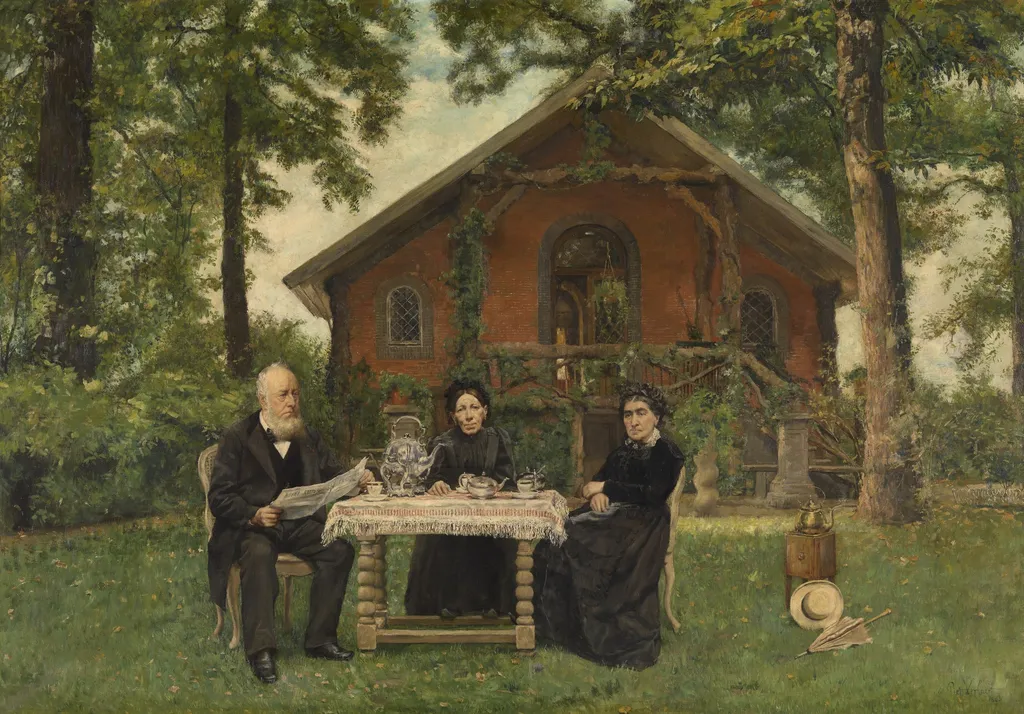
The Family Cuperus is an oil painting by the Impressionist artist Piet Verhaert. It dates from 1897 and is held in the collection of the Royal Museum of Fine Arts Antwerp.
About this work
Overview
Piet Verhaert’s 1897 oil painting portrays the Cuperus family in a quiet outdoor setting.
Piet Verhaert’s 1897 oil painting portrays the Cuperus family in a quiet outdoor setting. Executed on canvas, the work reflects the artist’s engagement with late 19th-century Belgian realism, blending observational detail with a soft handling of light. Though influenced by Impressionist concerns for atmosphere, Verhaert’s approach remains grounded in structured composition and precise rendering of textures, distinguishing it from the looser brushwork of French Impressionism.
Subject & Meaning
The painting captures three family members seated at a garden table, engaged in a moment of domestic stillness. A white tablecloth, teapot, and cups suggest a shared ritual of tea, emphasizing routine and intimacy. Dressed in dark, formal attire, the figures convey a sense of quiet dignity. The absence of overt narrative or gesture invites contemplation of familial bonds and the value placed on private, unremarkable moments in bourgeois life.
Technique & Style
Verhaert employs a controlled, detailed brushwork that emphasizes surface textures—the weave of the tablecloth, the sheen of ceramic, the foliage of trees—while maintaining a cohesive tonal harmony. Light falls naturally across the scene, modeling forms without dramatic contrast. The palette is restrained, dominated by muted earth tones and whites, reinforcing the scene’s calm. Though influenced by Impressionist light studies, the composition retains academic discipline in its balance and spatial clarity.
History & Provenance
Created in 1897, the painting entered the collection of the Royal Museum of Fine Arts Antwerp, where it remains today. Verhaert, a respected figure in Antwerp’s art circles, was both a teacher at the local academy and an active participant in progressive artist groups such as Les XX. His association with these avant-garde circles likely influenced the painting’s modern sensibility, even as his technique remained rooted in traditional representation.
Context
In late 19th-century Belgium, artists like Verhaert navigated a tension between academic tradition and emerging modernist trends. While Parisian Impressionism emphasized fleeting effects, Belgian painters often fused realism with psychological nuance. Verhaert’s focus on domestic interiors and family life aligned with broader European interests in middle-class subject matter, offering a quiet counterpoint to the grand historical or mythological themes favored by official salons.
Legacy
Though not widely known beyond regional art circles, Verhaert’s work contributes to the understanding of Belgian realism’s evolution. *The Family Cuperus* exemplifies how artists outside France adapted Impressionist concerns for light and atmosphere without abandoning structural integrity. The painting endures as a thoughtful record of domestic life in Antwerp, valued for its sincerity and restrained aesthetic rather than its novelty.
Own this work as a print
Artist & collection
Artist
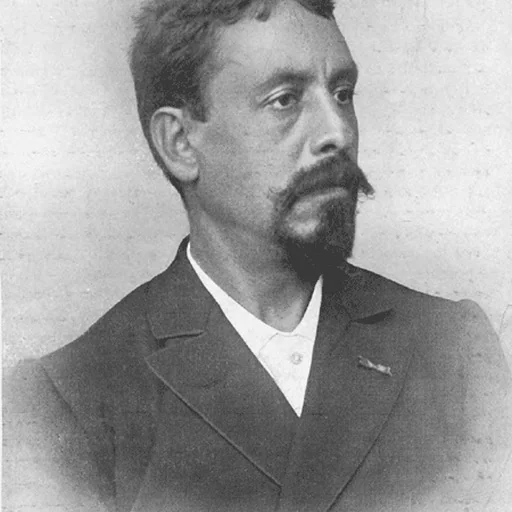
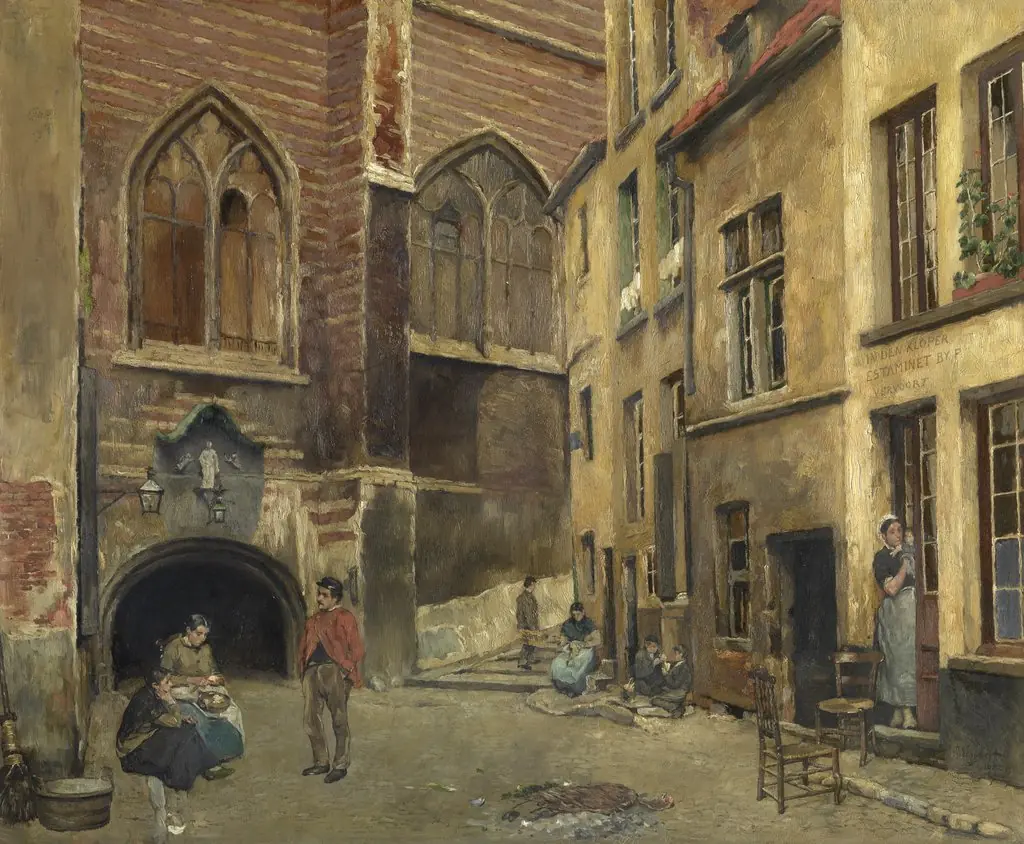
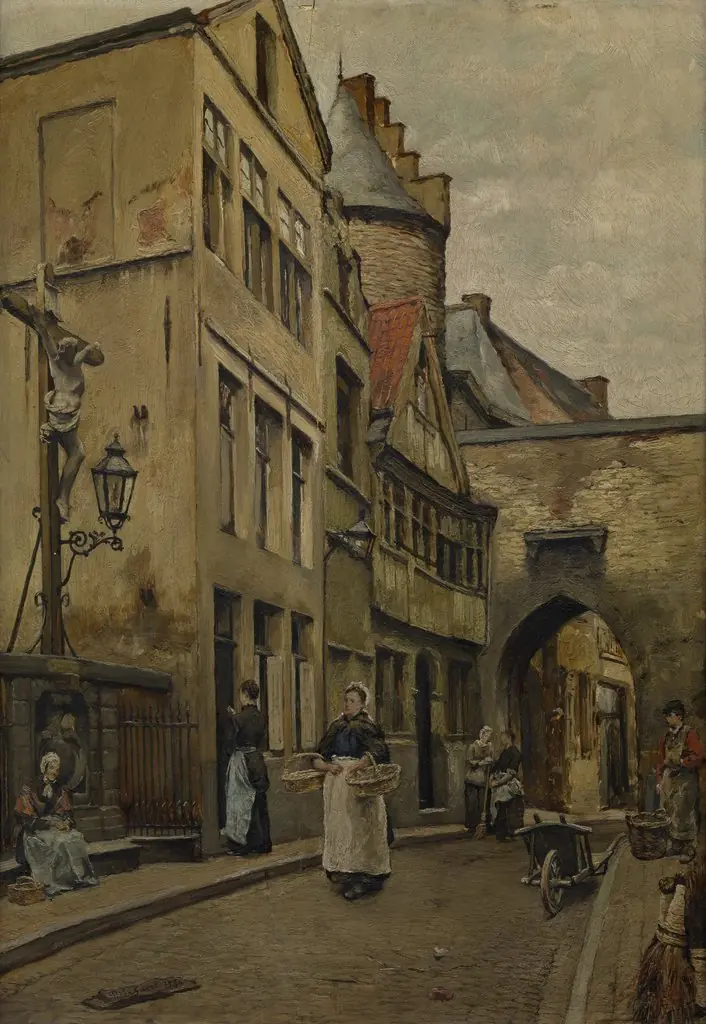
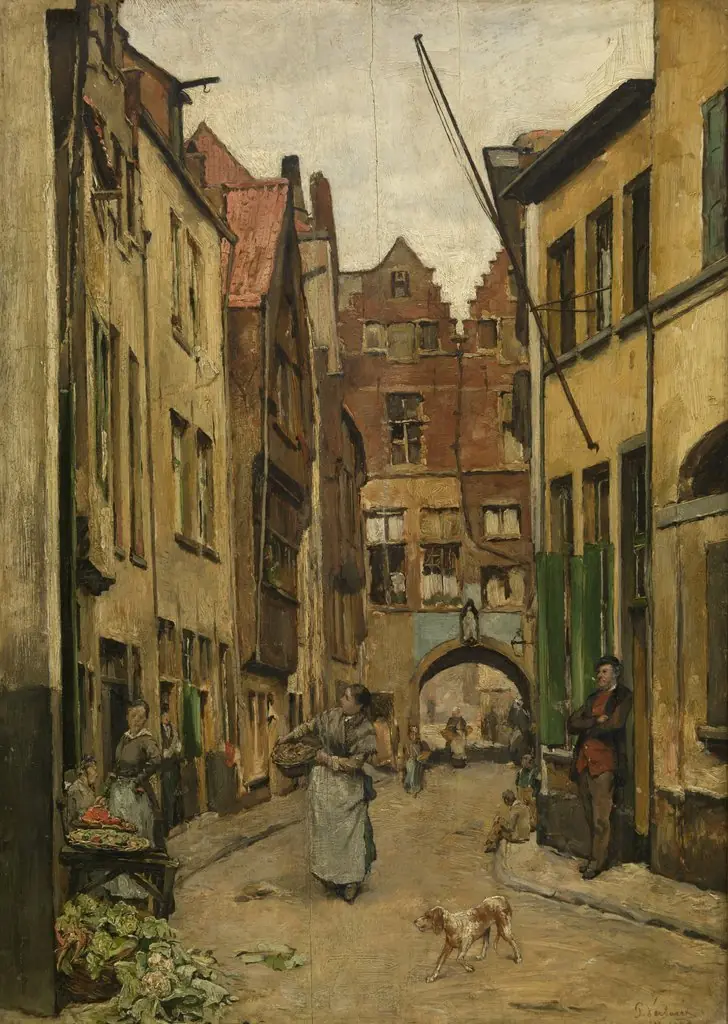
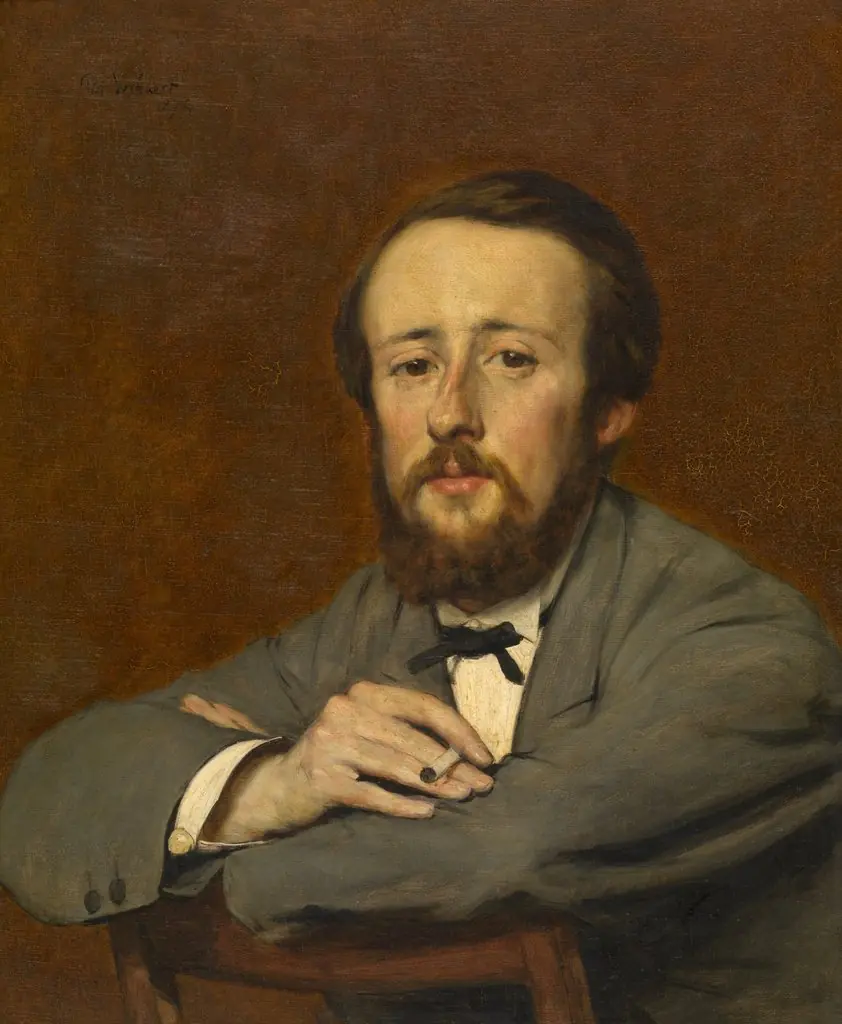
Piet Verhaert (born Petrus Josephus Verhaert, 25 February 1852 – 4 August 1908), also known as Pieter Verhaert, was a Belgian painter and etcher painter of genre scenes, cityscapes, interiors, figures and portraits.

 Talking in the Twilight
 A Coffee Party at a Gamekeeper's House
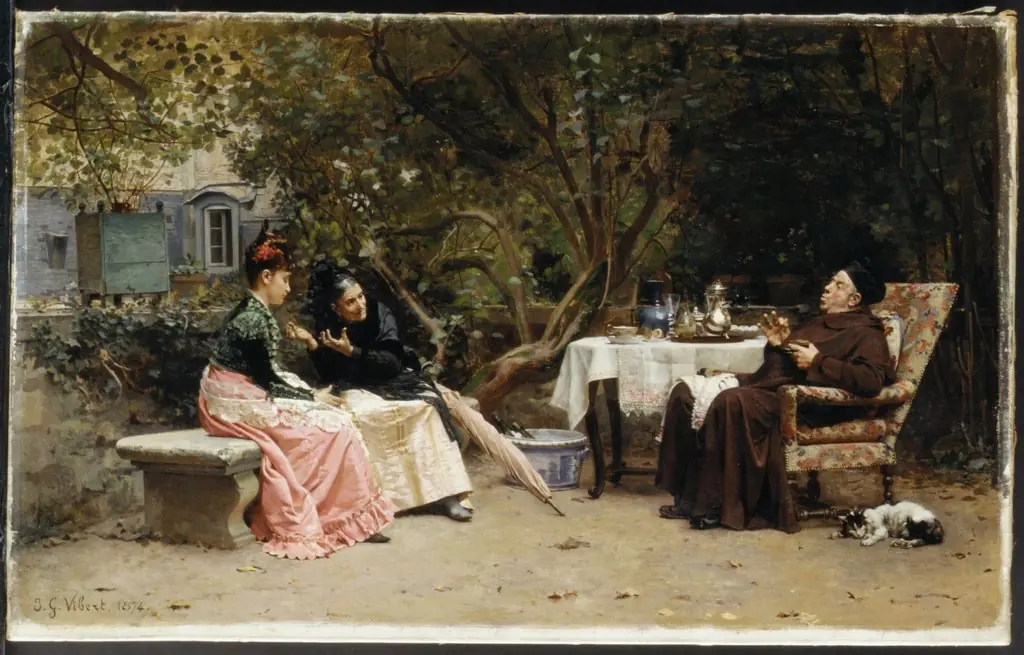 The Reprimand
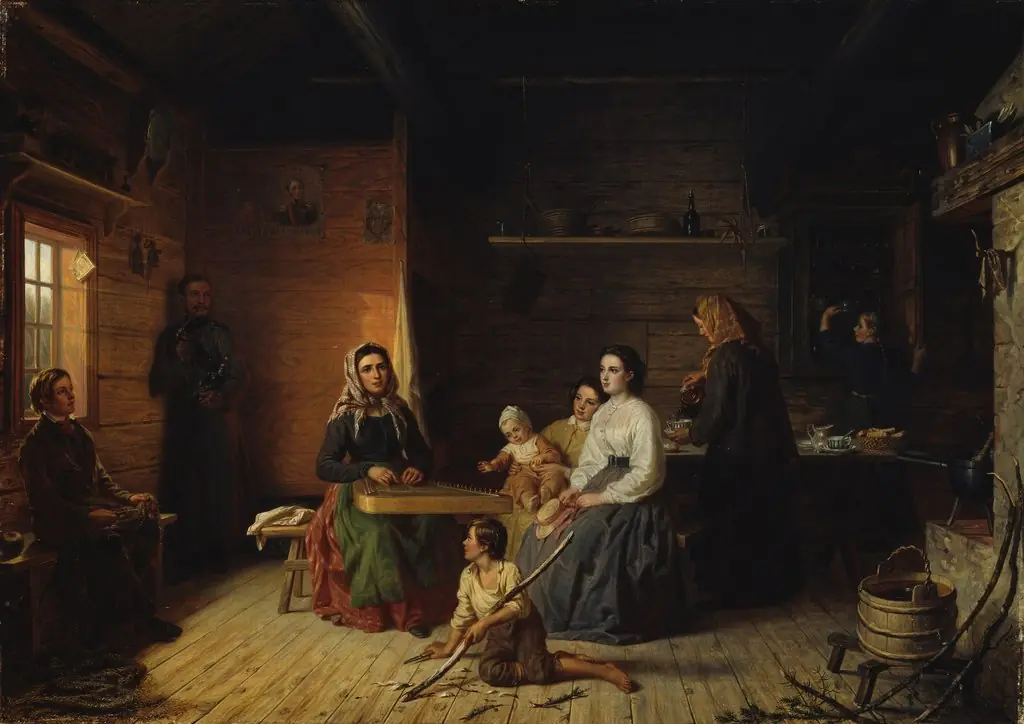 Kreeta Haapasalo Playing the Kantele in a Peasant Cottage
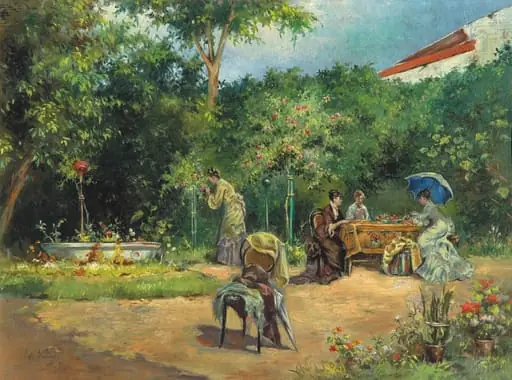 În grădină
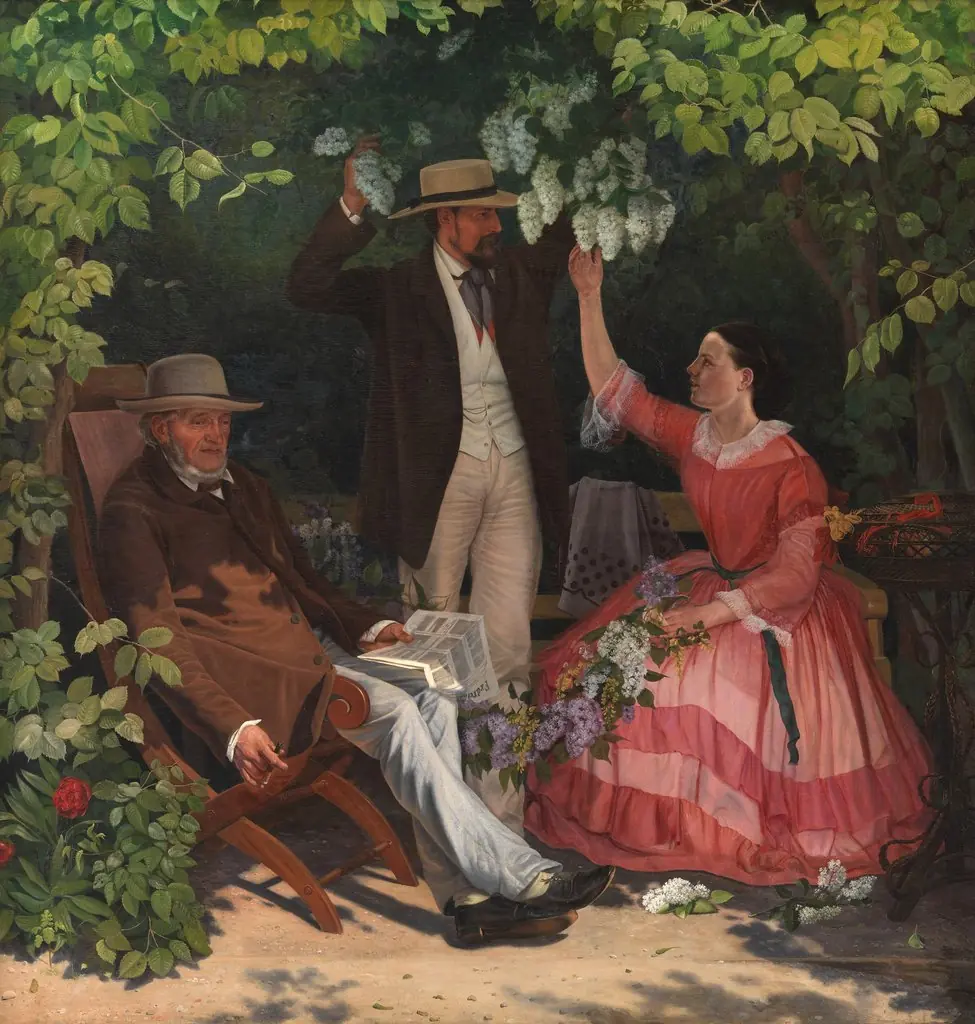 I lysthuset
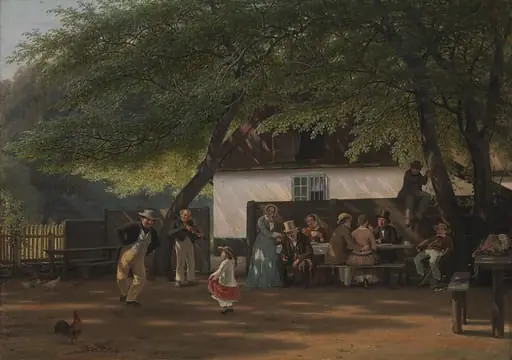 A Coffee Party at a Gamekeeper's House
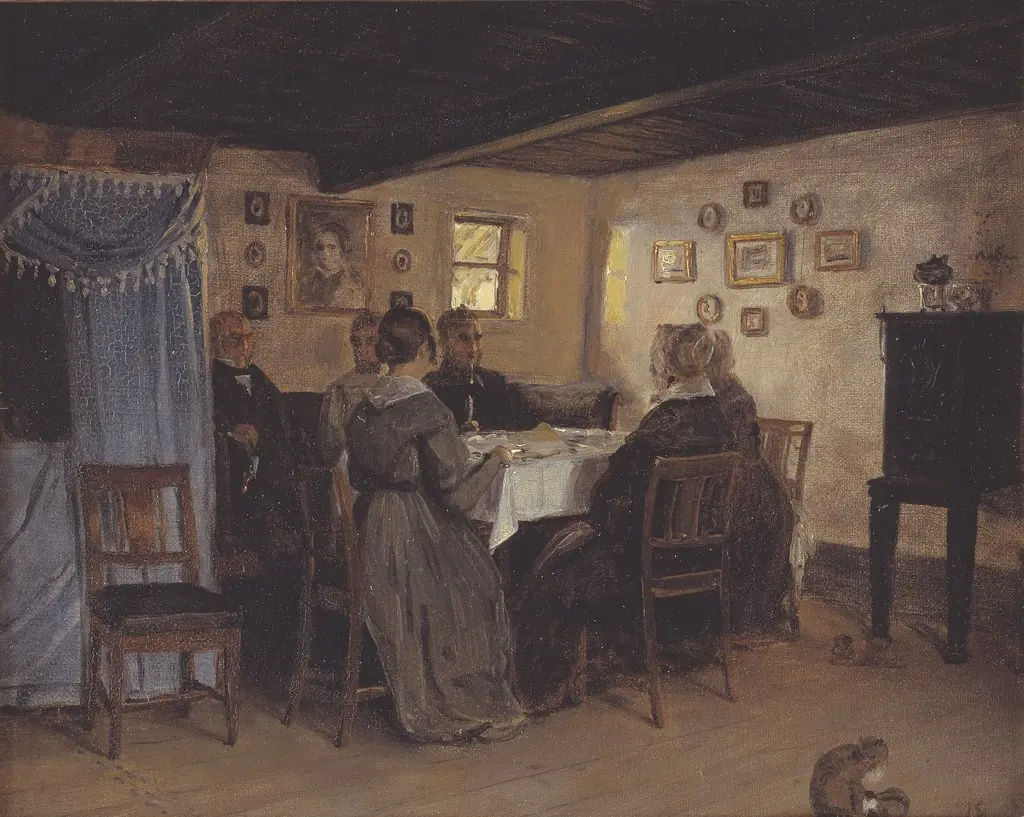 The Artist's Friends and Family Seated Round a Table. Vejby, North Zealand
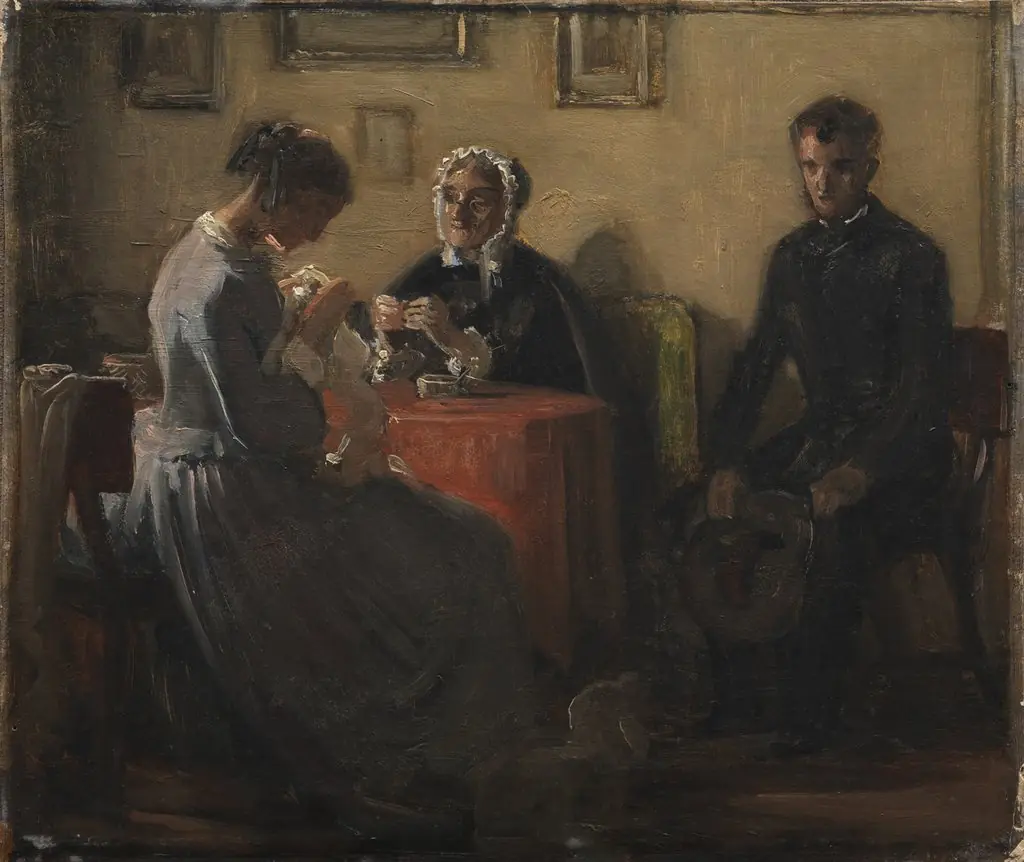 Frierens besøg
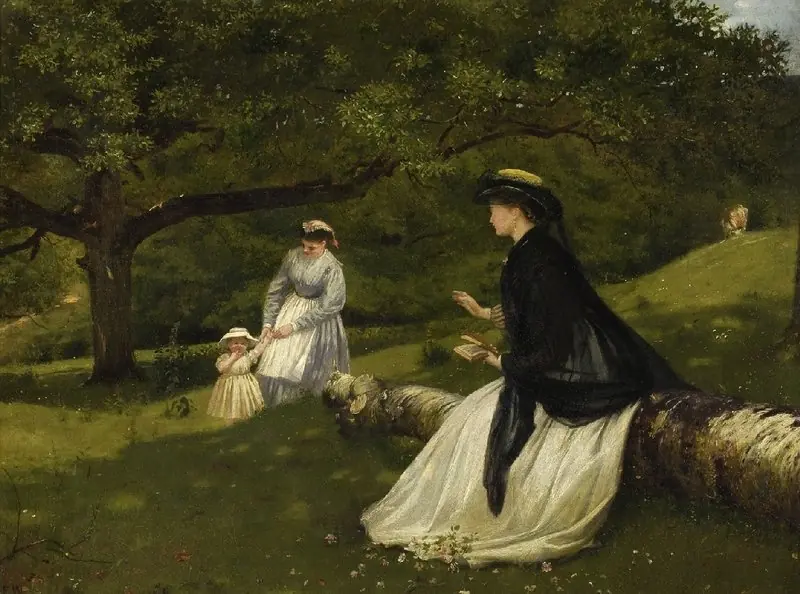 Mother with a baby and a nursemaid
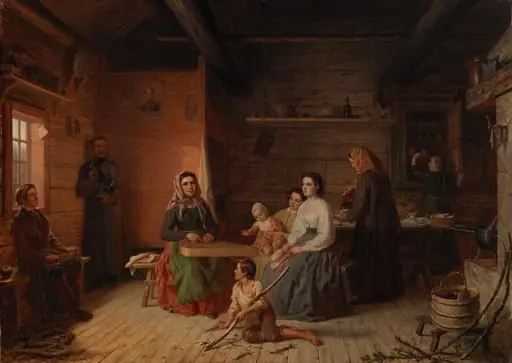 Kreeta Haapasalo soittaa kannelta talonpoikaistuvassa
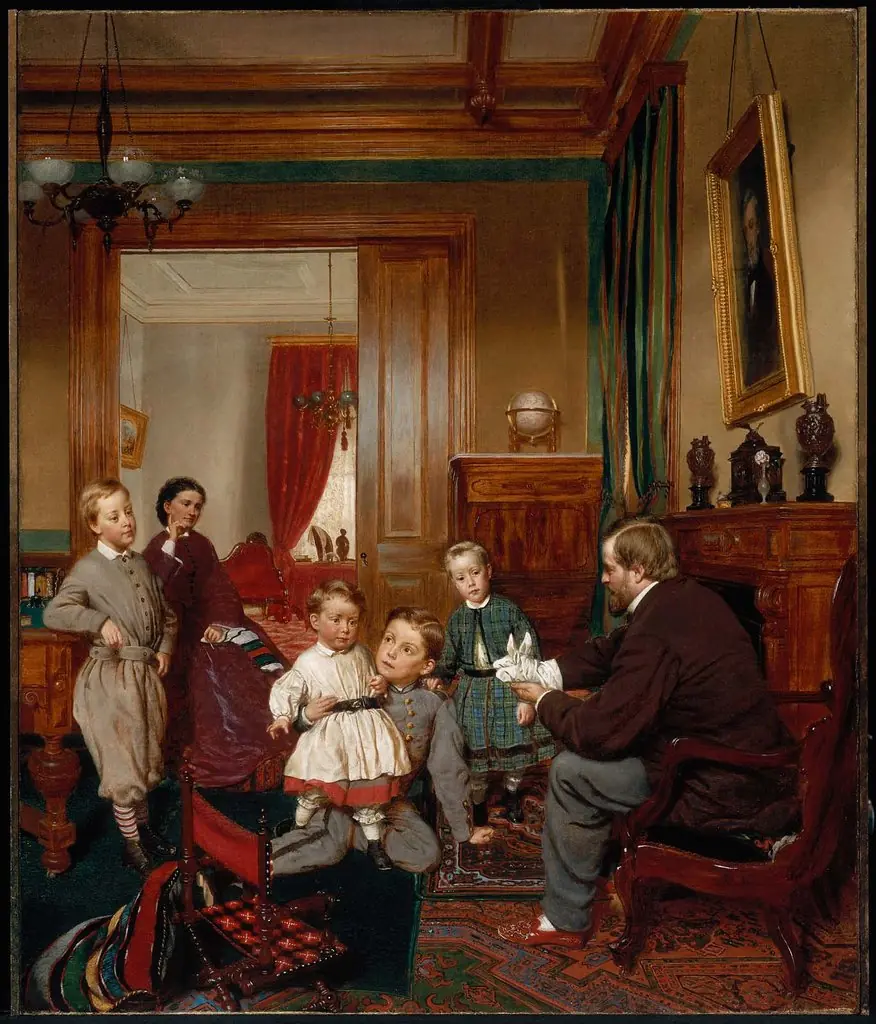 The Colgate Family