Artwork
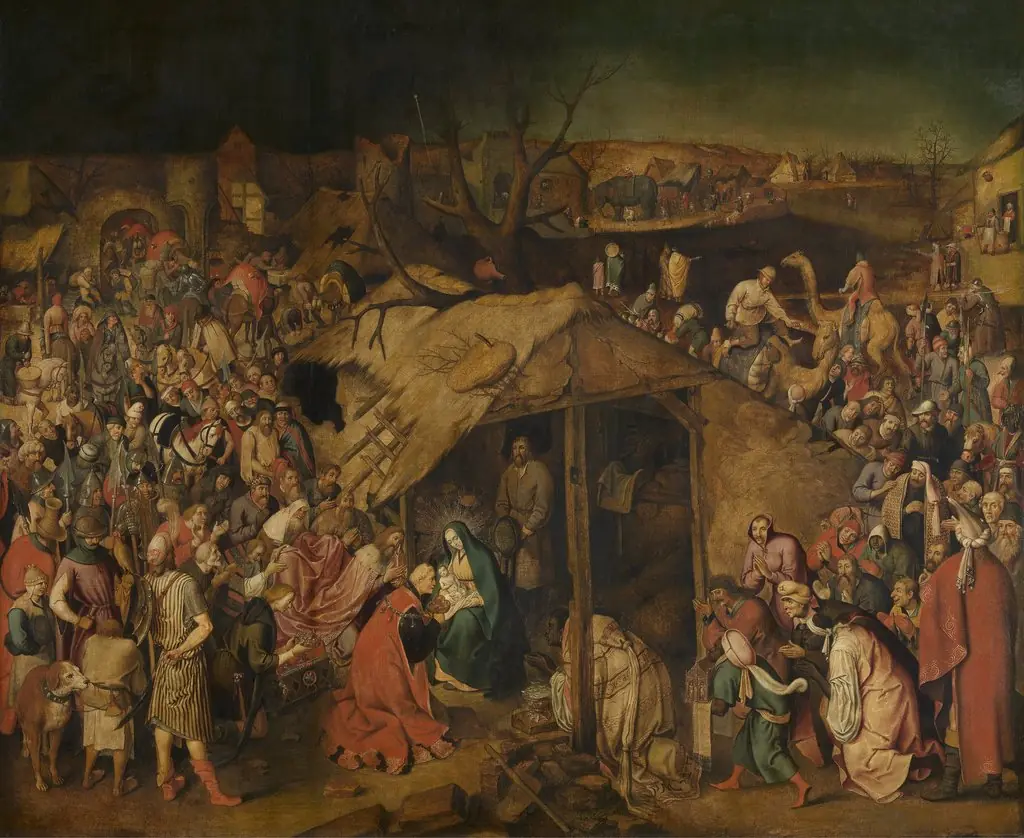
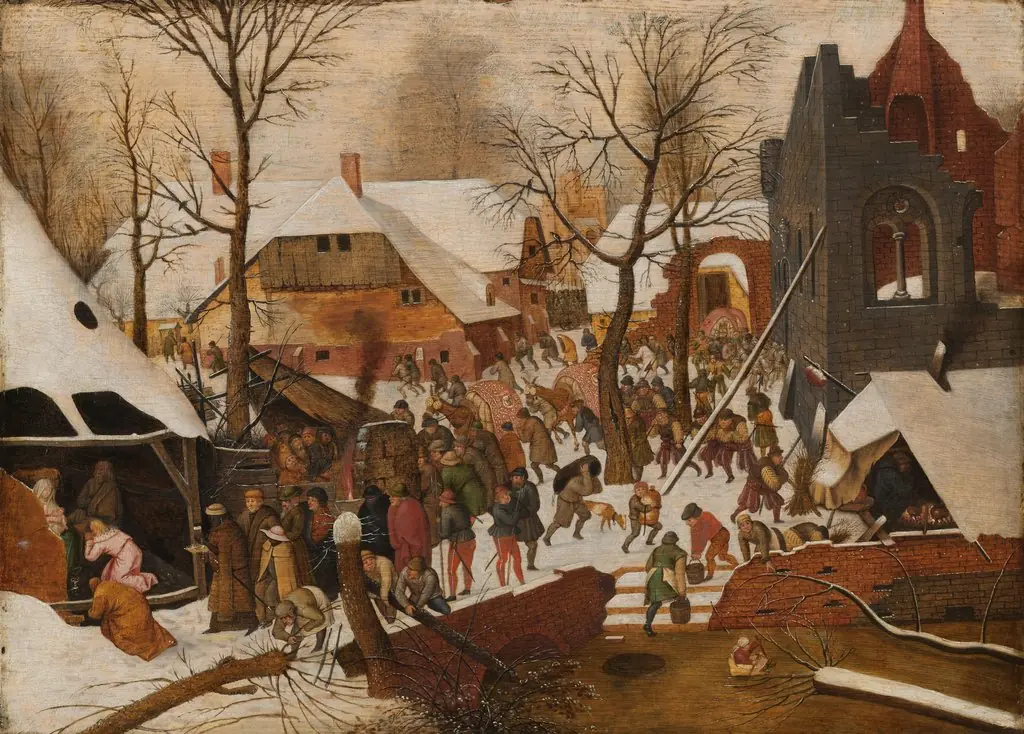
The Adoration of the Magi
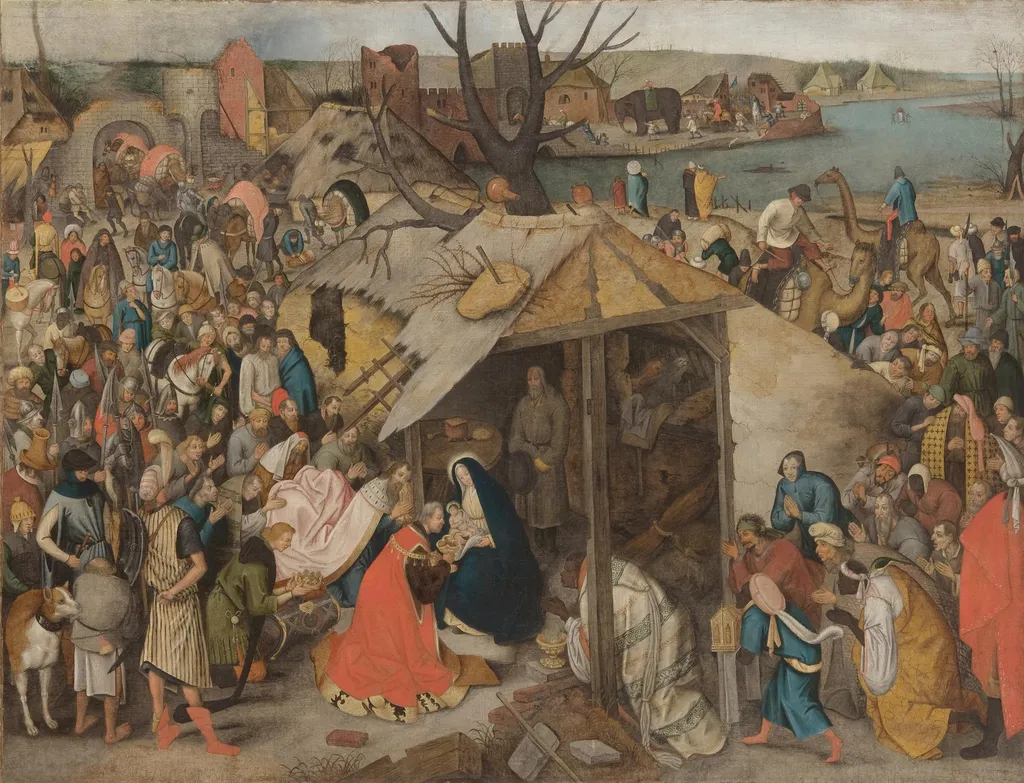
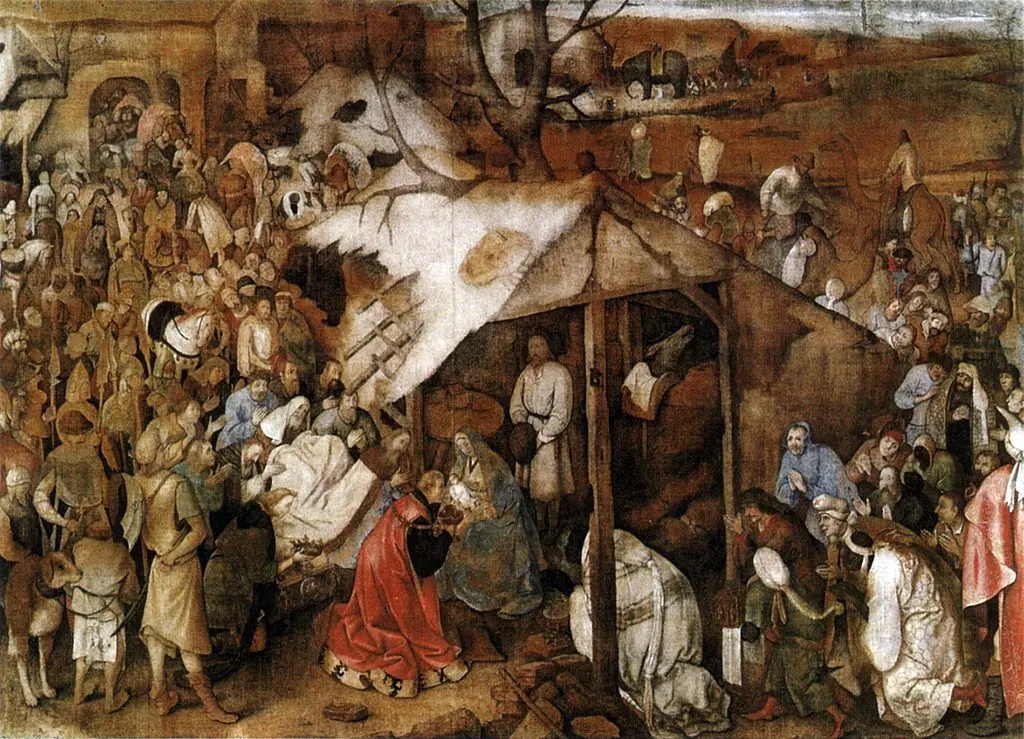
The Adoration of the Magi is an oil painting by the Northern Renaissance artist Pieter Brueghel the Younger. It dates from 1610 and is held in the collection of the Philadelphia Museum of Art.
About this work
Overview
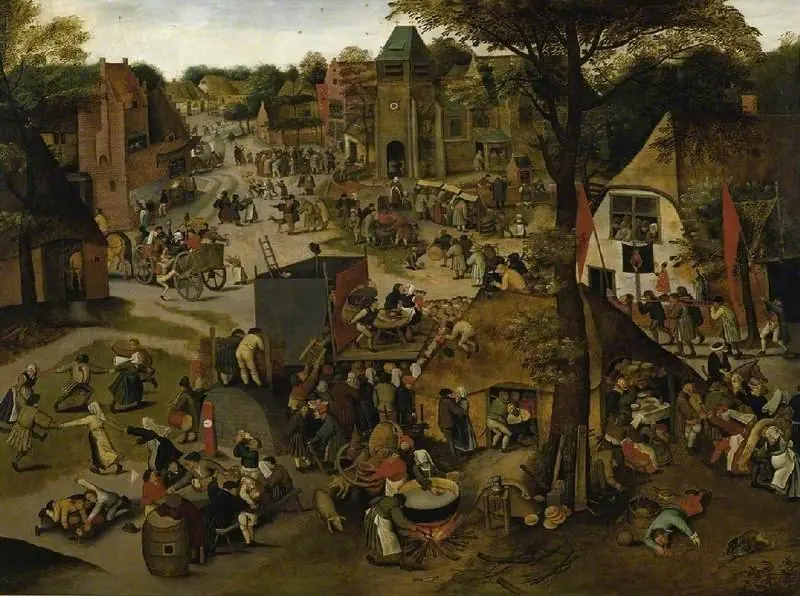
Created circa 1610, this oil painting by Pieter Brueghel the Younger portrays a bustling gathering around a modest stone structure with a thatched roof. A multicolored crowd of men, women, and children surrounds a central figure—a woman cradling an infant—while three kneeling men pay homage. The composition conveys a communal sense of reverence within a compact, Northern Renaissance setting.
Subject & Meaning
The work visualizes the biblical episode of the Magi’s homage, though the figures are rendered as ordinary townspeople rather than regal travelers. The central mother and child evoke the infant Christ, while the kneeling men suggest the three wise visitors. By situating the scene amid a lively populace, the artist emphasizes collective devotion and the accessibility of the sacred event.
Technique & Style
The crowded composition, with overlapping bodies and intricate architecture, reflects the workshop practice of reproducing and adapting his father’s motifs.
Executed in oil on canvas, the painting employs the detailed, narrative-driven approach characteristic of the Flemish tradition. Brueghel the Younger uses a bright palette to differentiate the varied costumes, and a careful handling of light highlights the central figures. The crowded composition, with overlapping bodies and intricate architecture, reflects the workshop practice of reproducing and adapting his father’s motifs.
History & Provenance
Pieter Brueghel the Younger, active in the early 17th century, frequently replicated his father’s compositions while also producing original works. This particular piece entered the Philadelphia Museum of Art’s collection in the 20th century, where it remains on view. Its acquisition helped expand the museum’s representation of Northern Renaissance religious painting.
Context
The painting belongs to a period when Flemish artists disseminated biblical narratives through accessible, genre-like scenes. By placing the adoration within a familiar village environment, Brueghel the Younger aligned with contemporary devotional trends that sought to bring sacred stories into everyday life, echoing the broader Northern Renaissance emphasis on detailed observation and moral instruction.
Own this work as a print
Artist & collection
Artist
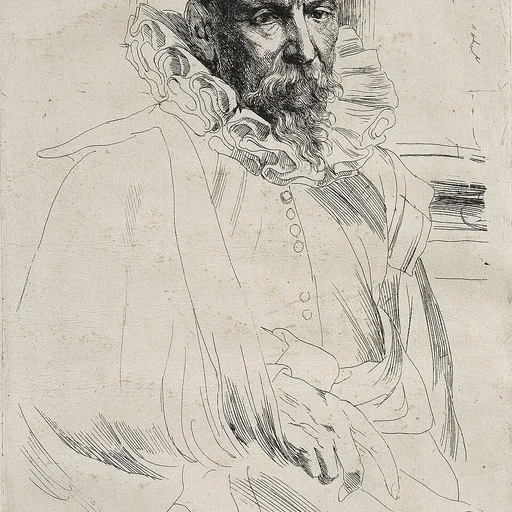
Pieter Brueghel the Younger ( BROY-gəl, also US: BROO-gəl; Dutch: ; between 23 May and 10 October 1564 – between March and May 1638) was a Flemish painter known for numerous copies after his father Pieter Bruegel the…

 Adoration of the magi
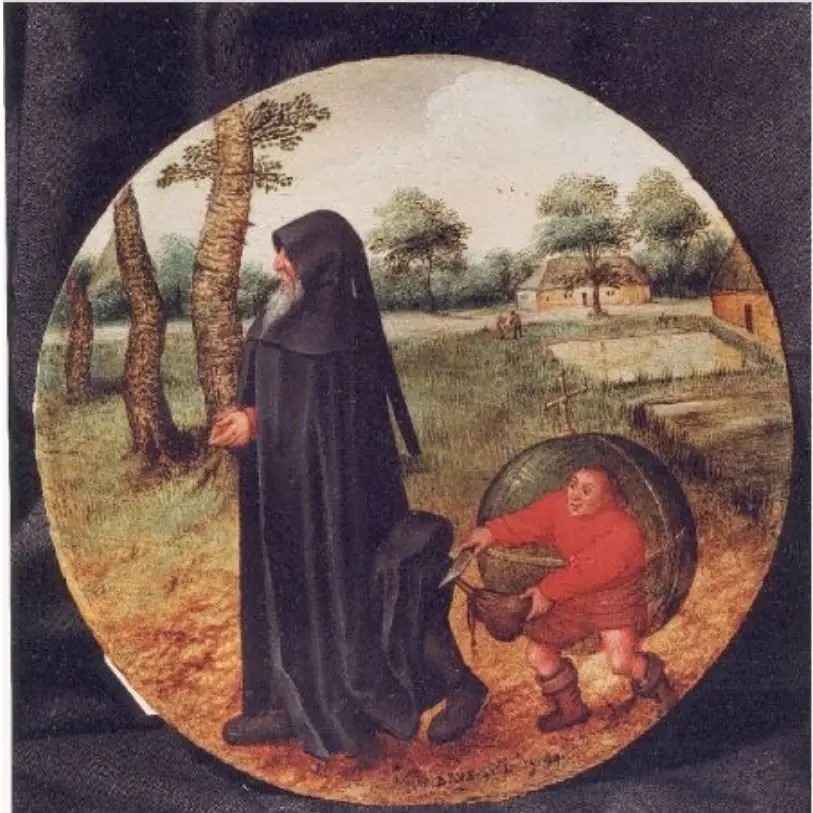 I Mourn because the World is so Untrustworthy
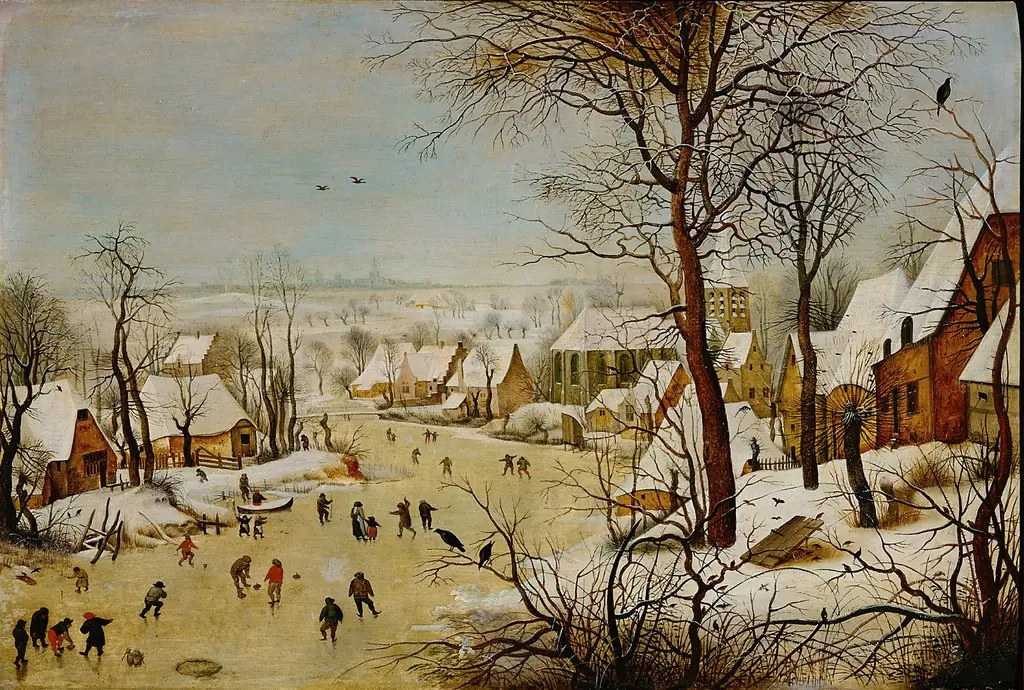 Winter Landscape with a Bird Trap
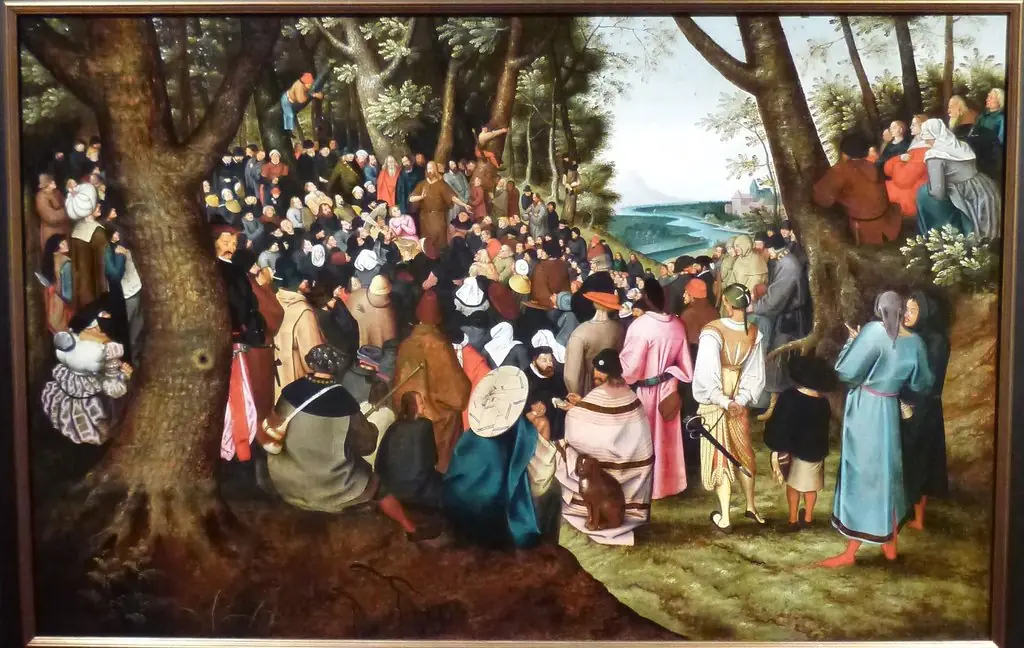 The Sermon of John the Baptist
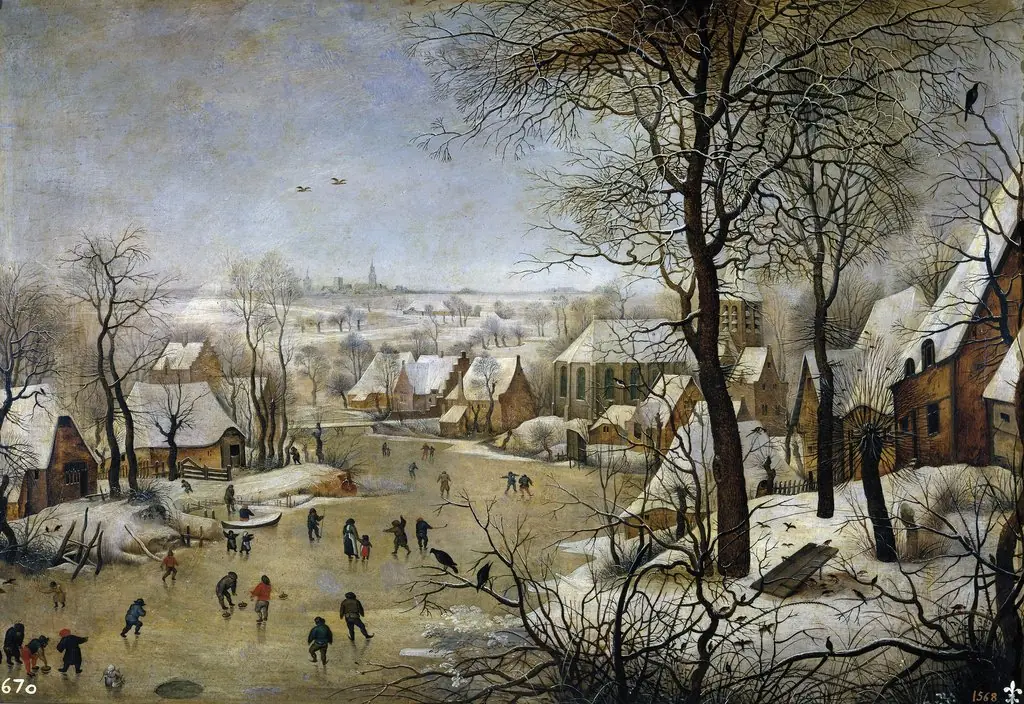 Winter Landscape with a Bird-trap
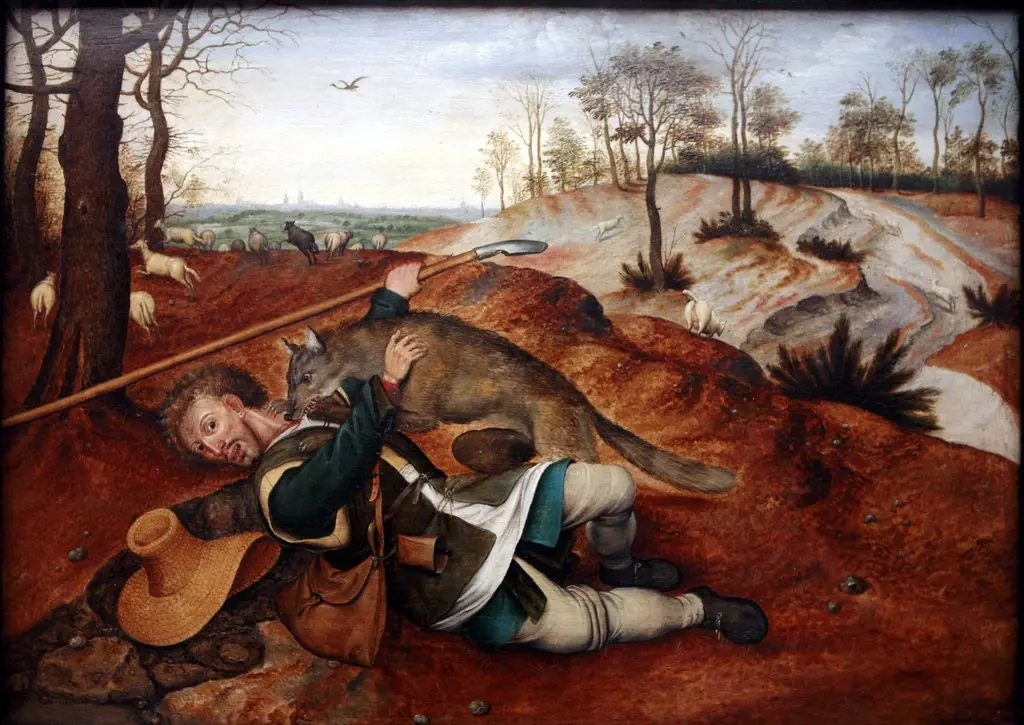 The Good Shepherd
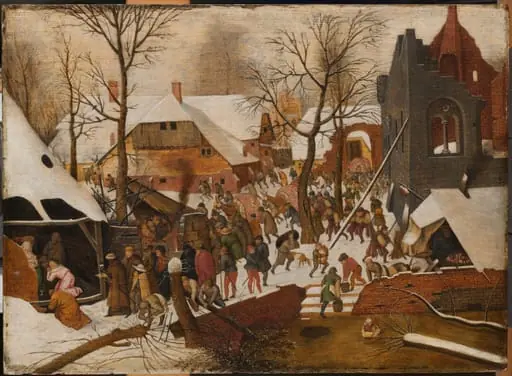 The Adoration of the Magi
 A Village Festival, With a Theatrical Performance and a Procession in Honour of St Hubert and St Anthony