Artwork
Soldiers with a Serving Maid in a Barn
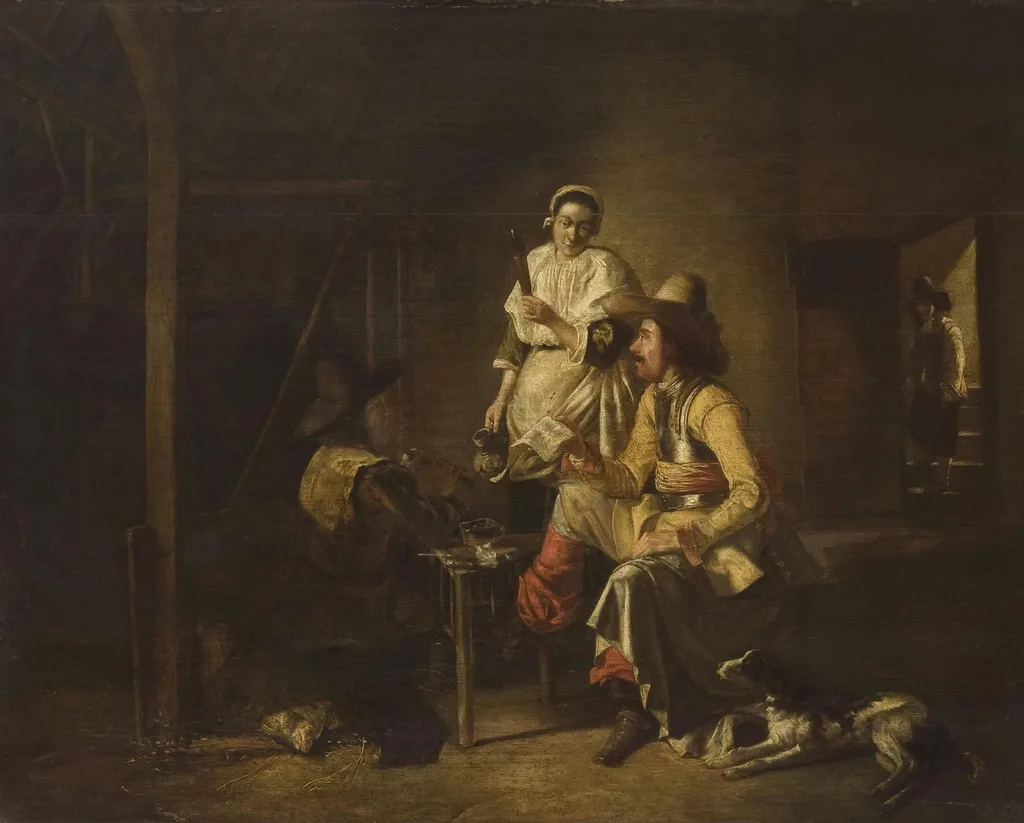
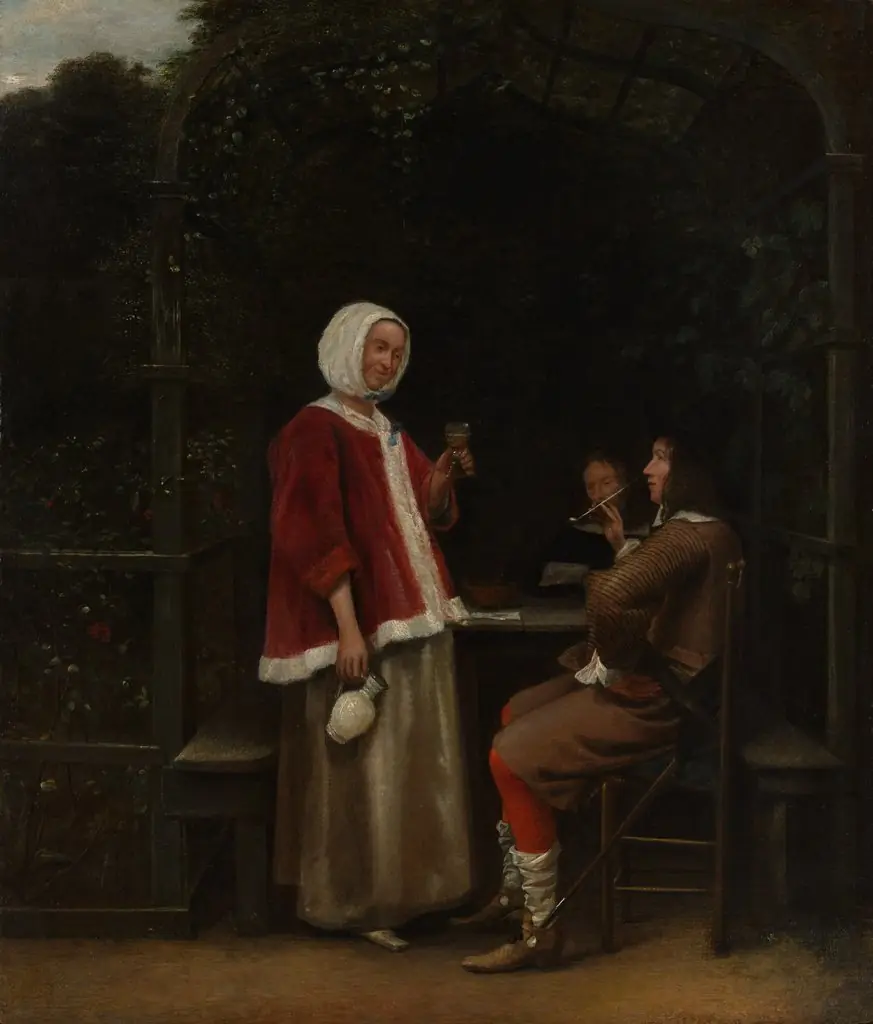
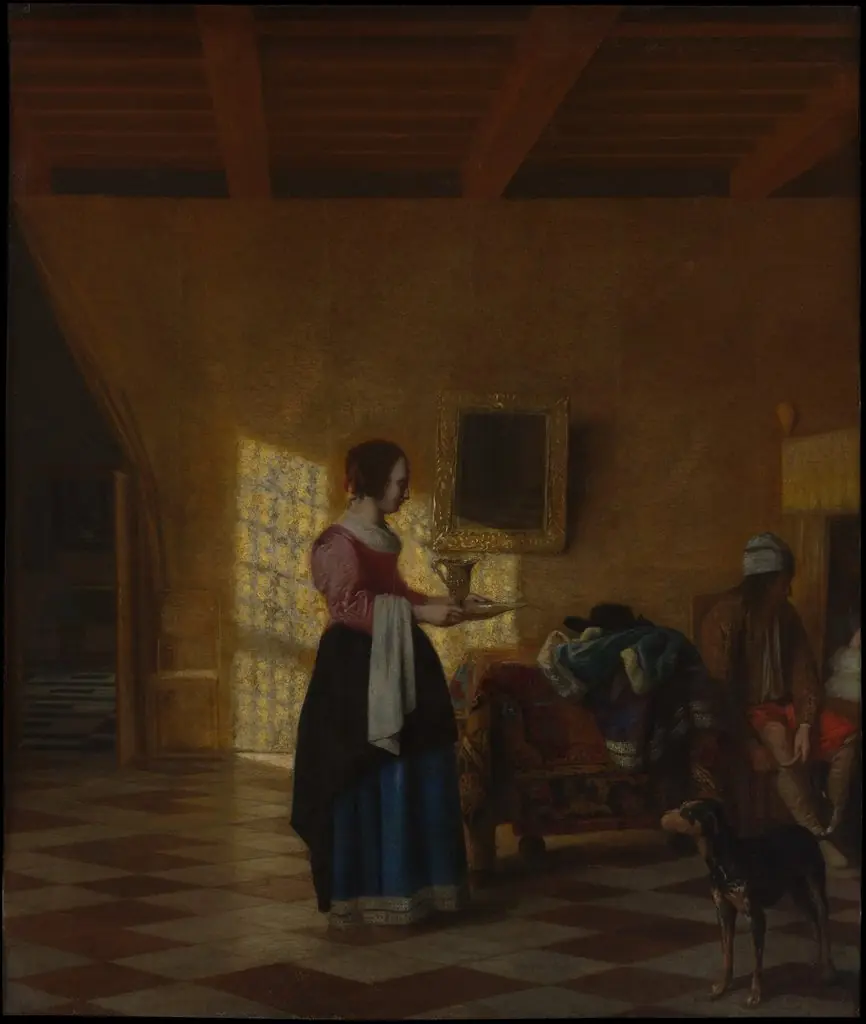
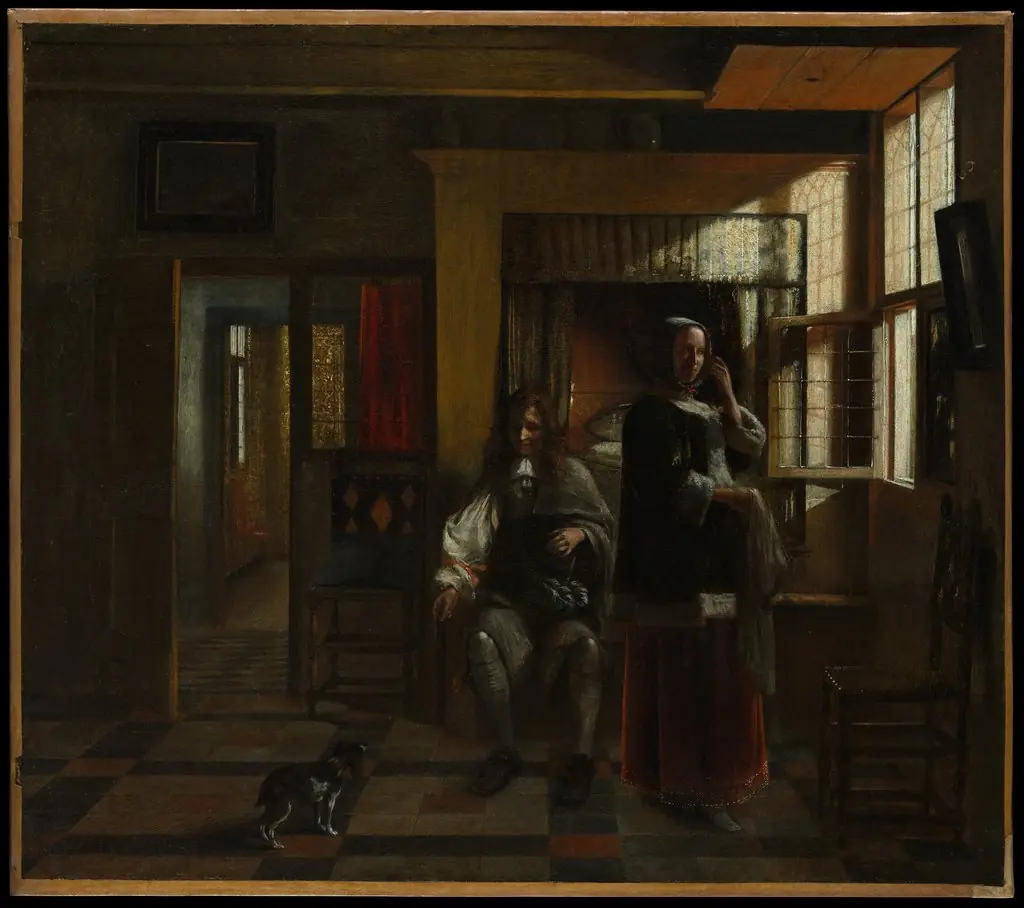
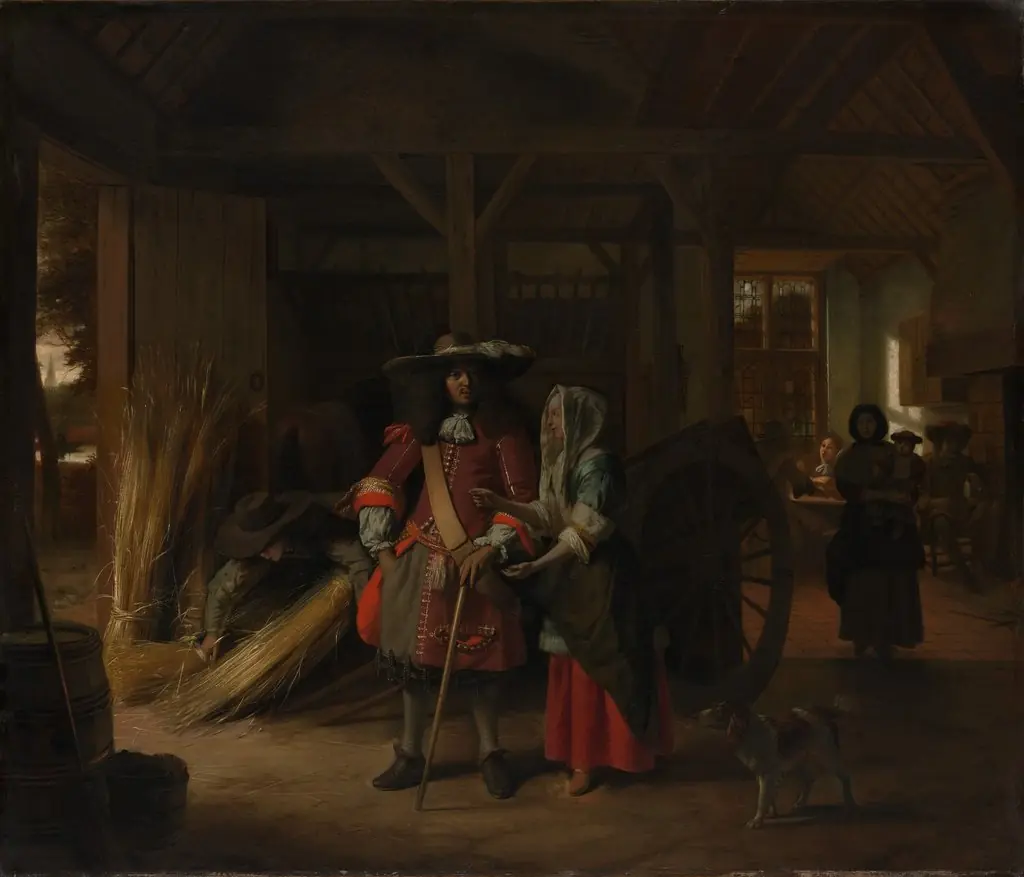
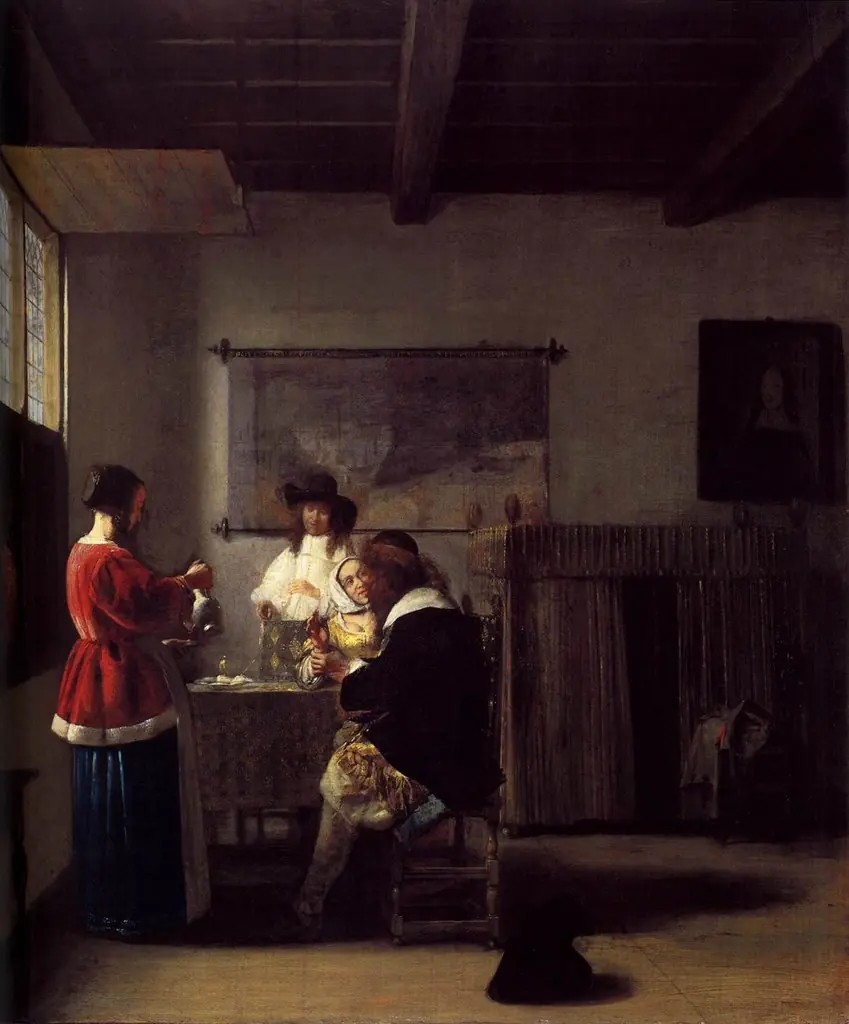
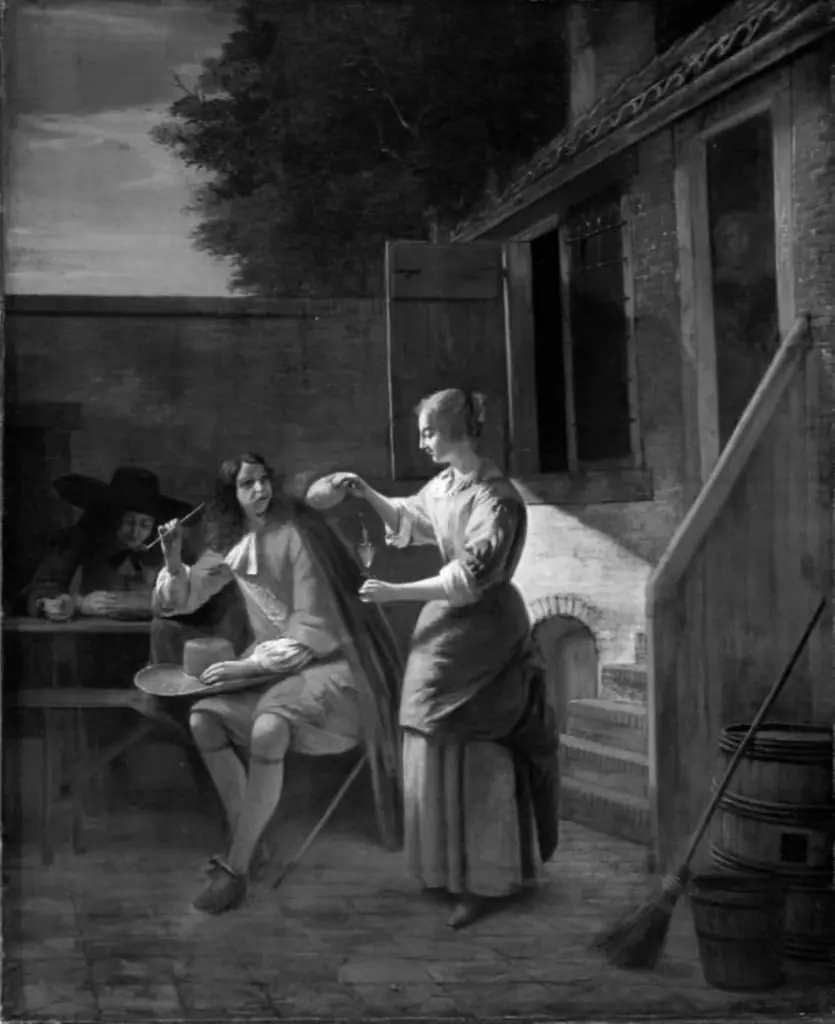
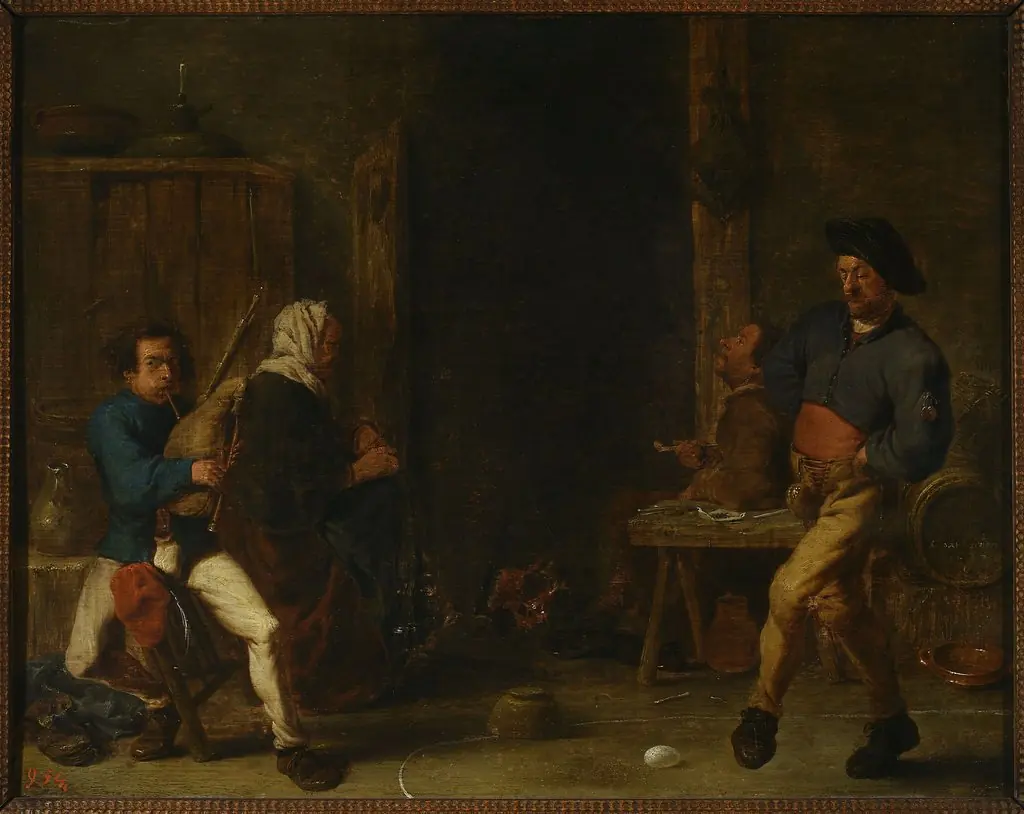
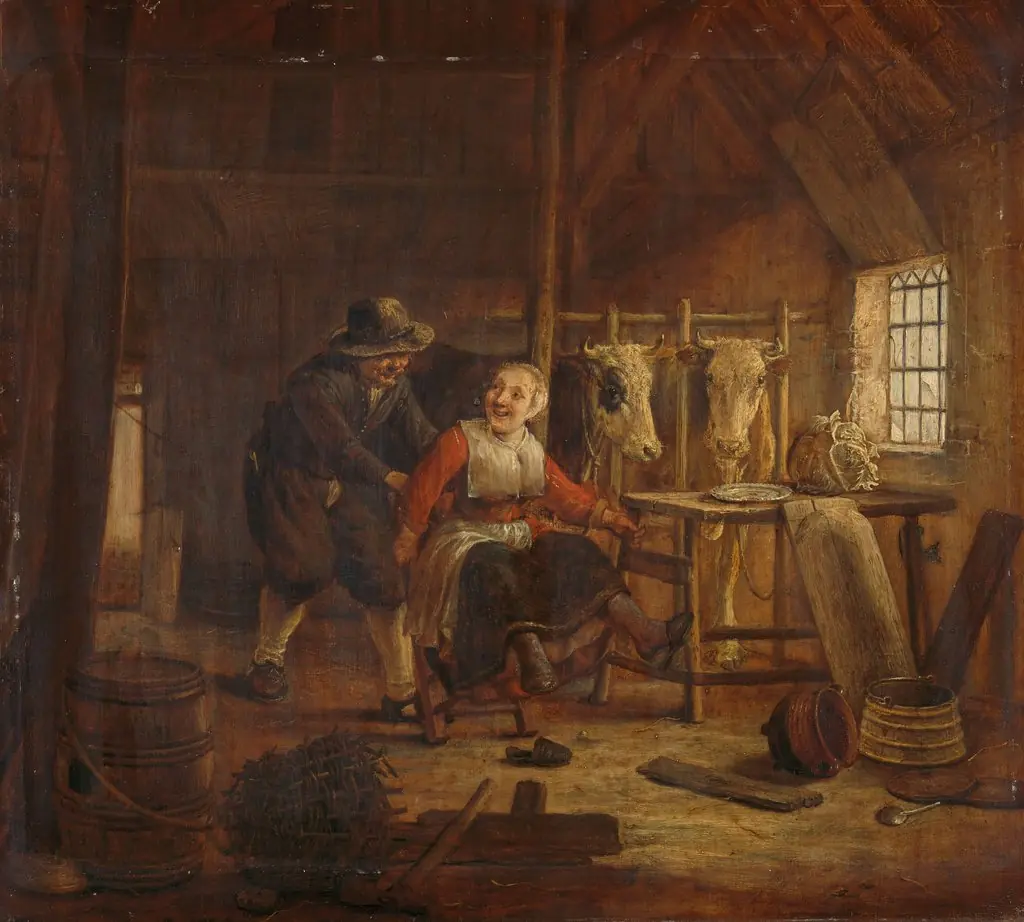
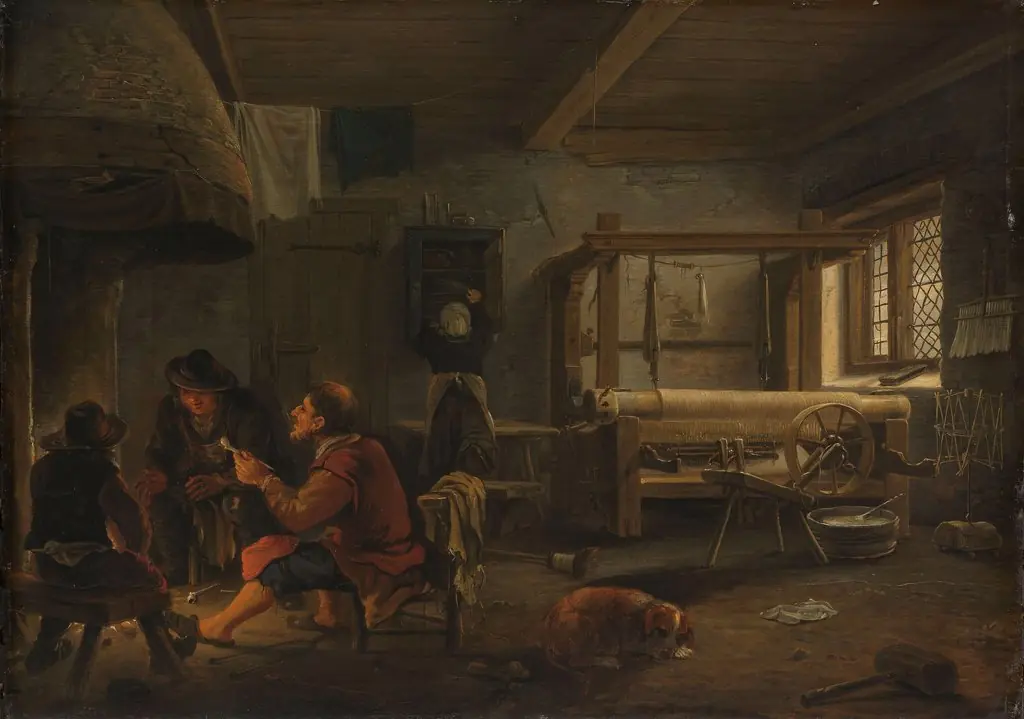
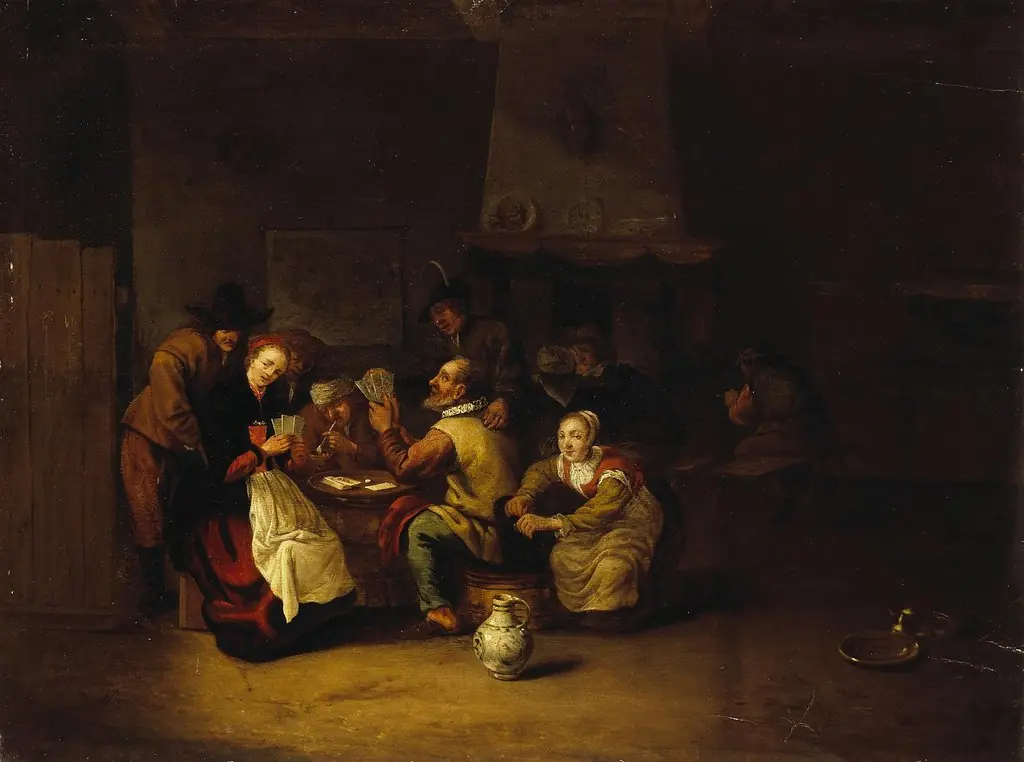
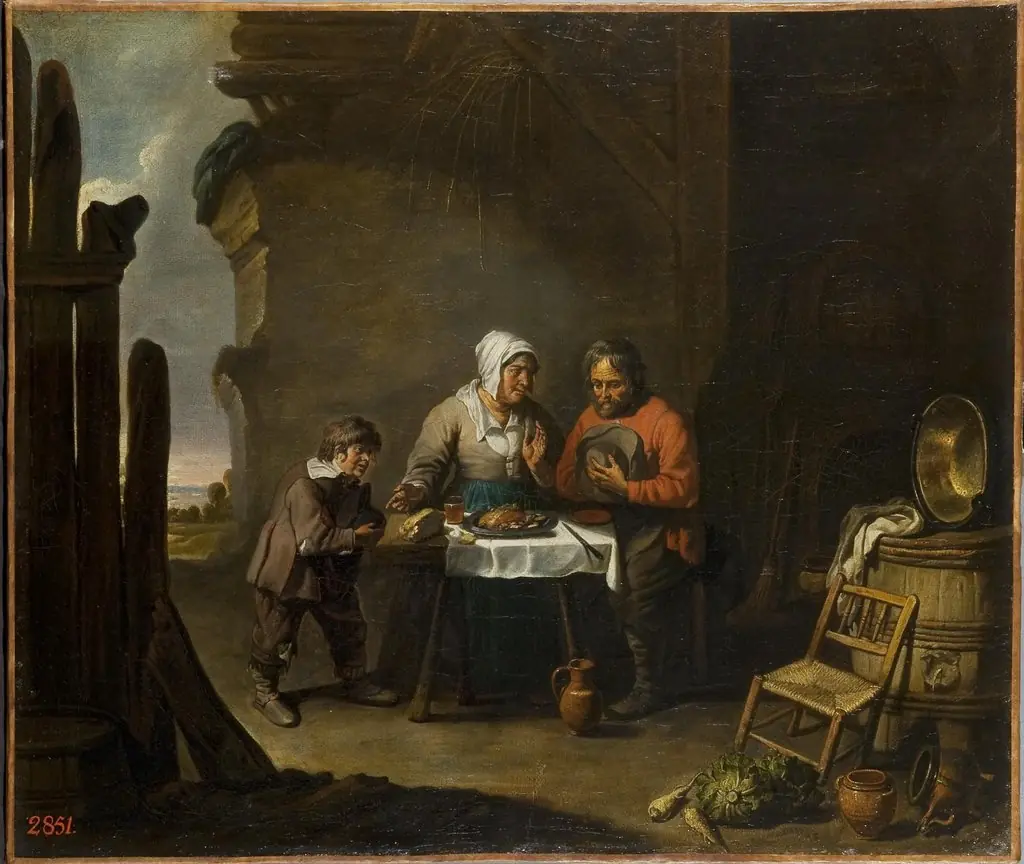
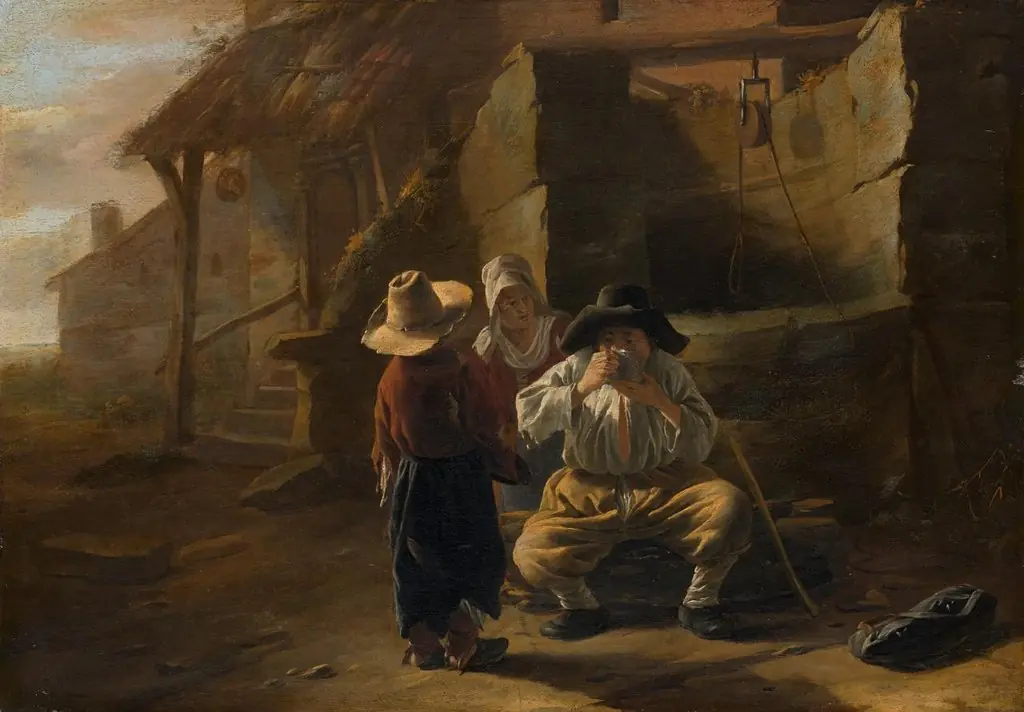
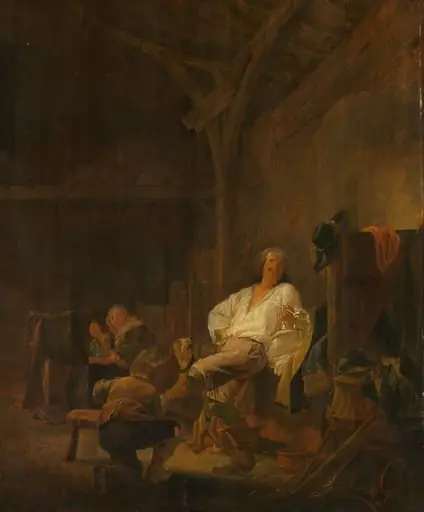
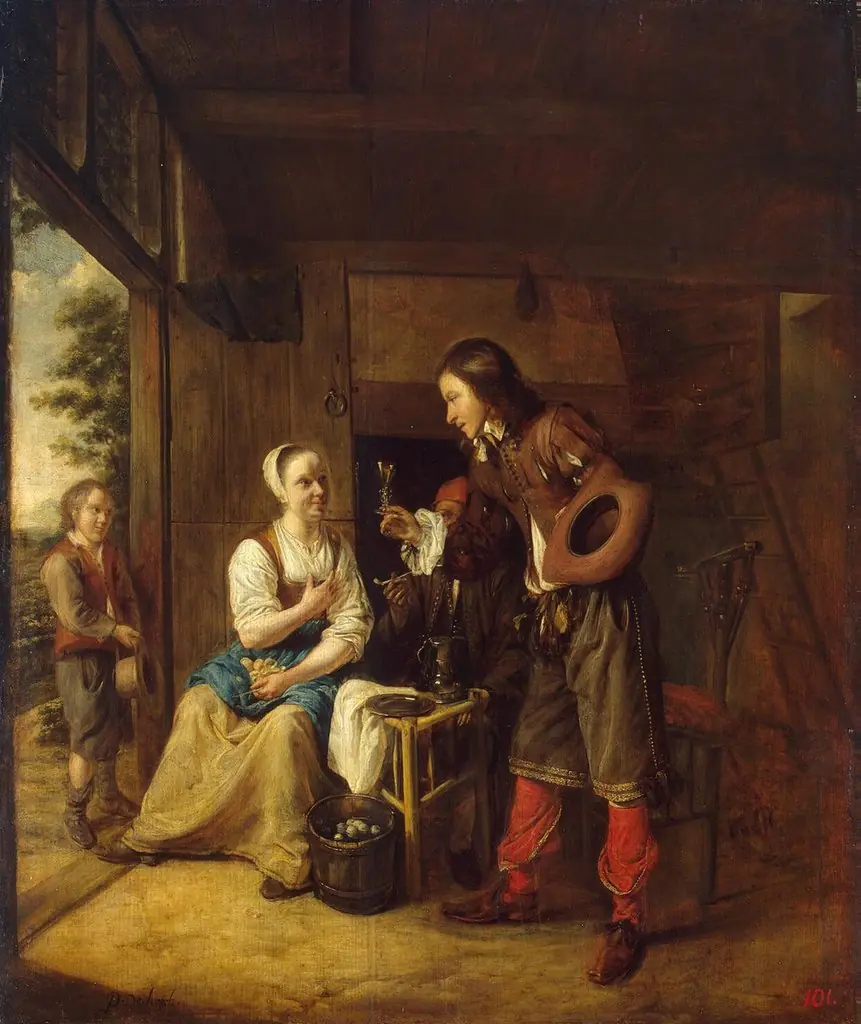
Soldiers with a Serving Maid in a Barn is an oil painting by the Dutch Golden Age artist Pieter de Hooch. It dates from 1652 and is held in the collection of the Philadelphia Museum of Art.
About this work
Overview
The composition features four figures—an arrangement typical of his genre studies—rendered with restrained emotion and careful spatial logic.
Painted in 1652 by Pieter de Hooch, this oil-on-canvas work captures a quiet moment in a rural barn. De Hooch, active in Delft during the Dutch Golden Age, specialized in interior scenes that subtly connect indoor life with natural light. The composition features four figures—an arrangement typical of his genre studies—rendered with restrained emotion and careful spatial logic. The painting now resides in the Philadelphia Museum of Art’s collection.
Subject & Meaning
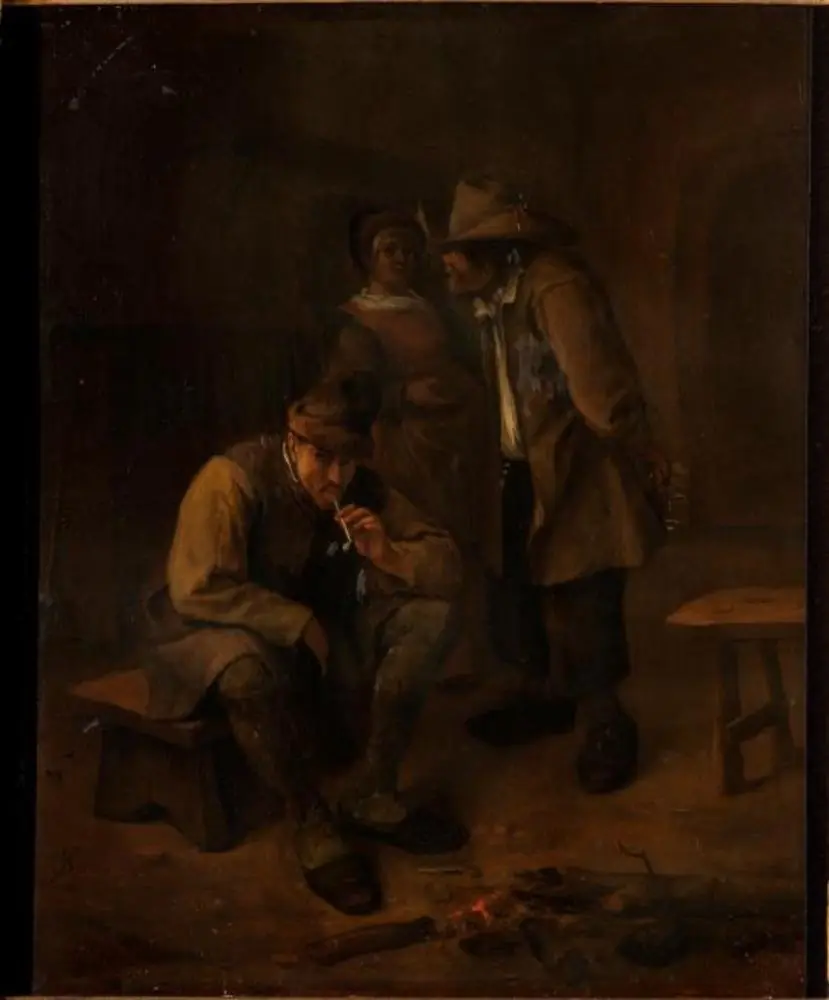
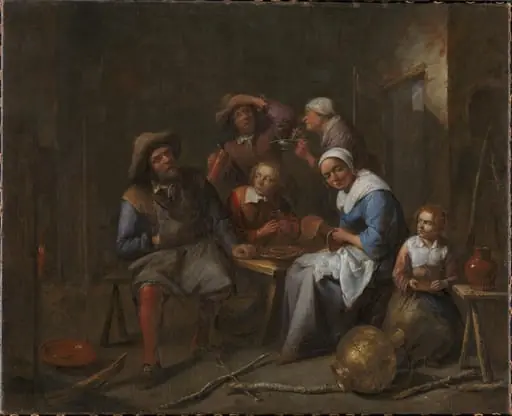
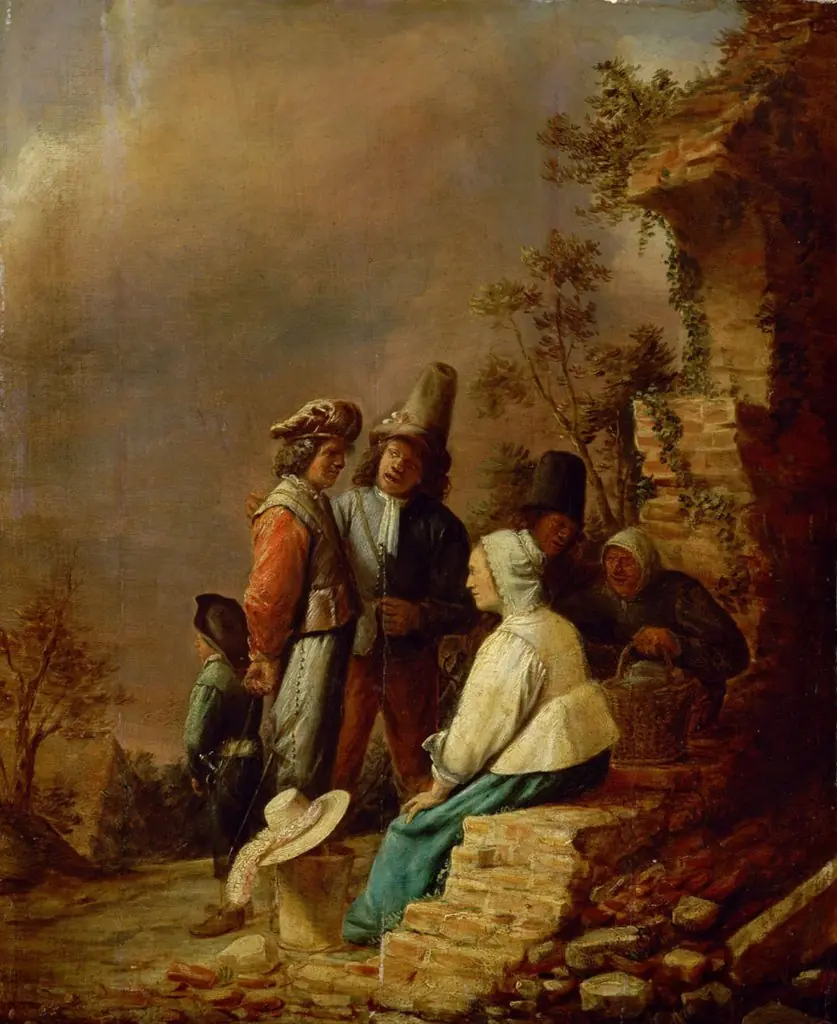
Three soldiers and a serving maid occupy the space, engaged in an unremarkable yet intimate exchange. The men, dressed in military attire, sit and stand in relaxed postures, suggesting a pause in their duties. The maid, holding a jug and cup, is positioned slightly apart, her role implied rather than emphasized. The scene avoids narrative drama, instead conveying a sense of ordinary human interaction, common in de Hooch’s exploration of daily life.
Technique & Style
De Hooch employs a muted palette of earth tones and soft, diffused light to model forms with quiet precision. The barn’s wooden beams and stone floor are rendered with attention to texture and spatial depth, while the figures are integrated naturally into the architecture. Light enters from an unseen doorway, casting gentle shadows that unify the composition. His brushwork is controlled, avoiding theatricality in favor of observational clarity.
History & Provenance
Created during de Hooch’s Delft period, the painting aligns with his mature phase, when he refined his use of light and spatial harmony. It entered the Philadelphia Museum of Art’s collection in the early 20th century, likely through a private acquisition. No significant alterations or documented restorations are recorded, and its condition reflects careful preservation since its creation.
Context
In mid-17th-century Holland, genre painting flourished as a reflection of civic pride and domestic values. De Hooch’s work, alongside that of Vermeer and others, elevated everyday moments into subjects worthy of artistic attention. Military figures in domestic settings were not uncommon, often symbolizing the intersection of public duty and private life in a society shaped by war and trade.
Legacy
Though less celebrated than some of his contemporaries, de Hooch’s influence on the depiction of interior space endured. His ability to balance composition, light, and human presence informed later genre painters and even 19th-century realists. This painting exemplifies his quiet contribution to the Dutch tradition of observing the dignity in ordinary moments, without embellishment or moralizing.
Own this work as a print
Artist & collection
Artist
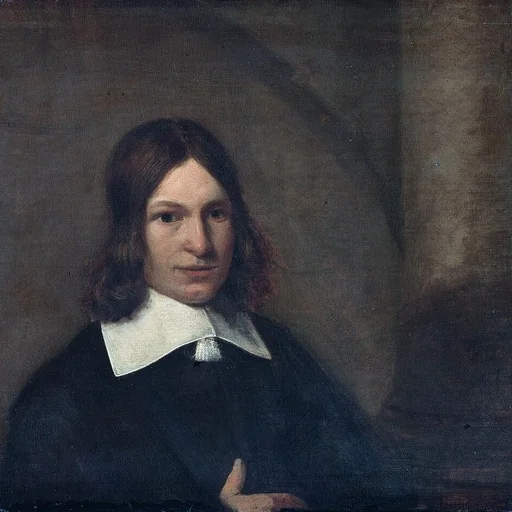
Pieter Hendricksz. de Hooch (Dutch: ; also spelled Hoogh or Hooghe; bapt. 20 December 1629 – after 1683), was a Dutch Golden Age painter famous for his genre works of quiet domestic scenes with an open doorway. He was a…