Artwork
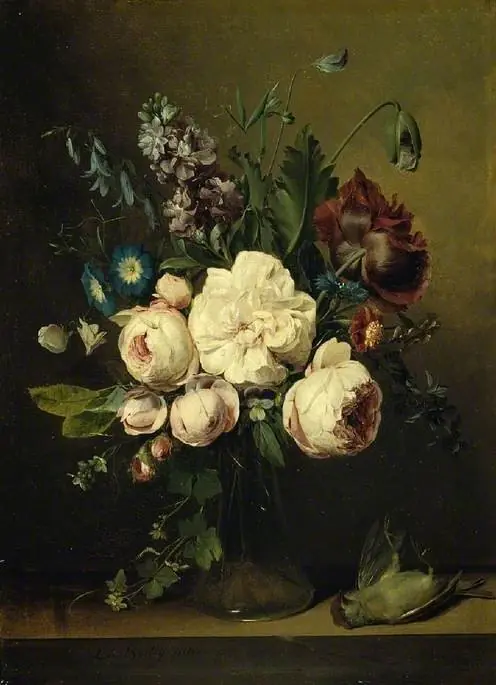
A vase of flowers
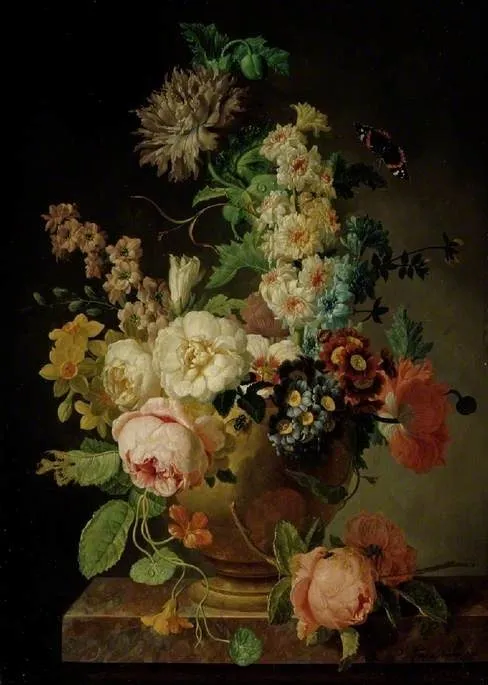
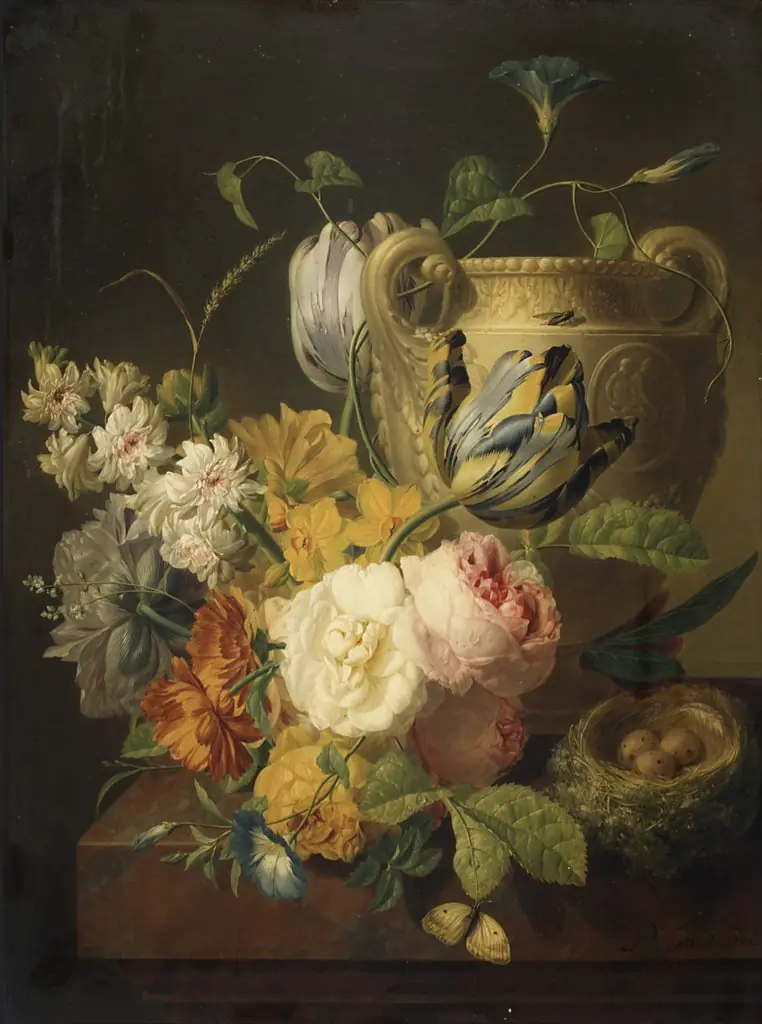
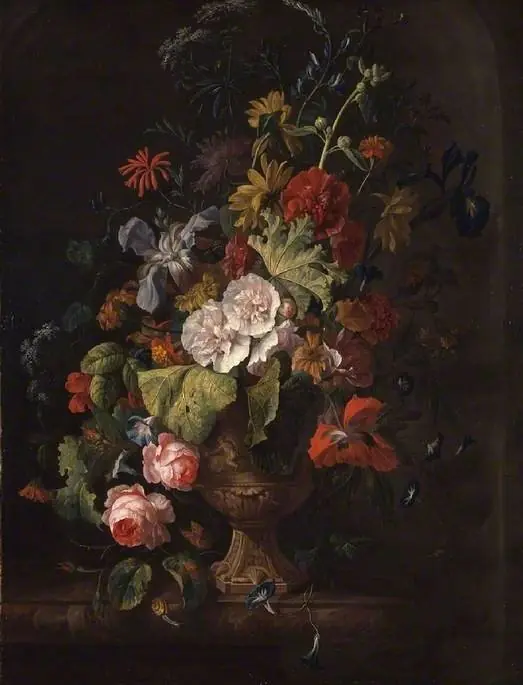
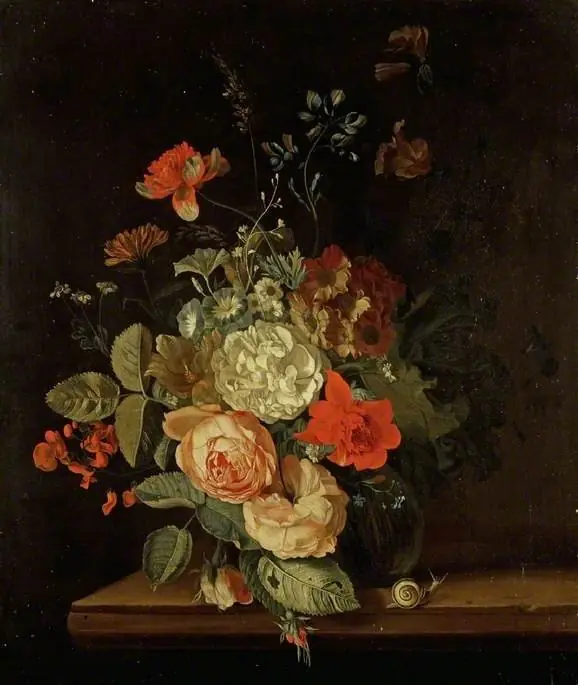
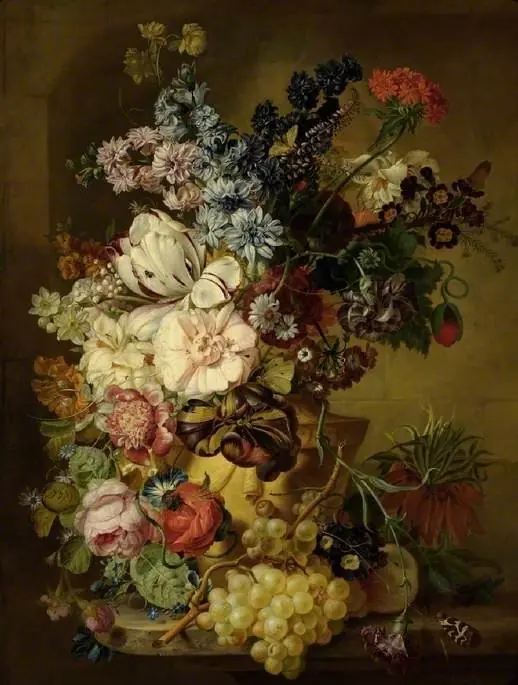
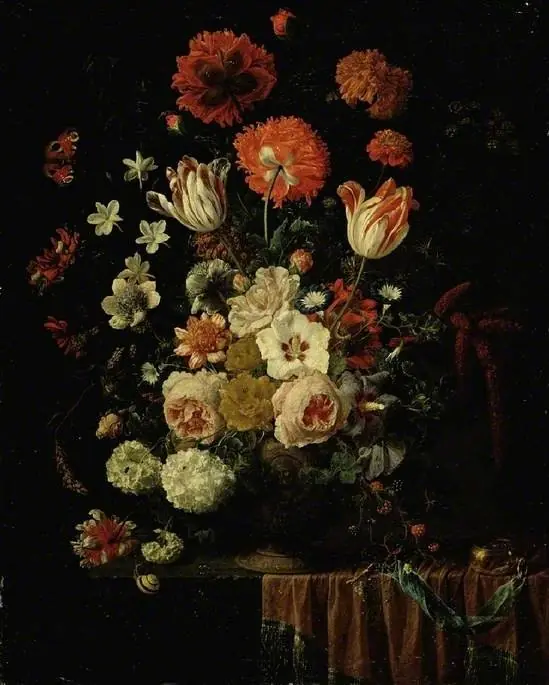
A vase of flowers is an oil painting by the Biedermeier artist Pieter Faes. It dates from 1796 and is held in the collection of the Fitzwilliam Museum.
About this work
Overview
The painting is part of the Fitzwilliam Museum’s collection, where it is preserved as a representative example of late 18th-century Flemish still life.
Painted in 1796 by the Flemish artist Pieter Faes, this oil-on-canvas still life depicts a modest arrangement of cut flowers in a ceramic vase. Faes specialized in floral compositions, and this work exemplifies his attention to botanical detail and quiet domestic harmony. The painting is part of the Fitzwilliam Museum’s collection, where it is preserved as a representative example of late 18th-century Flemish still life.
Subject & Meaning
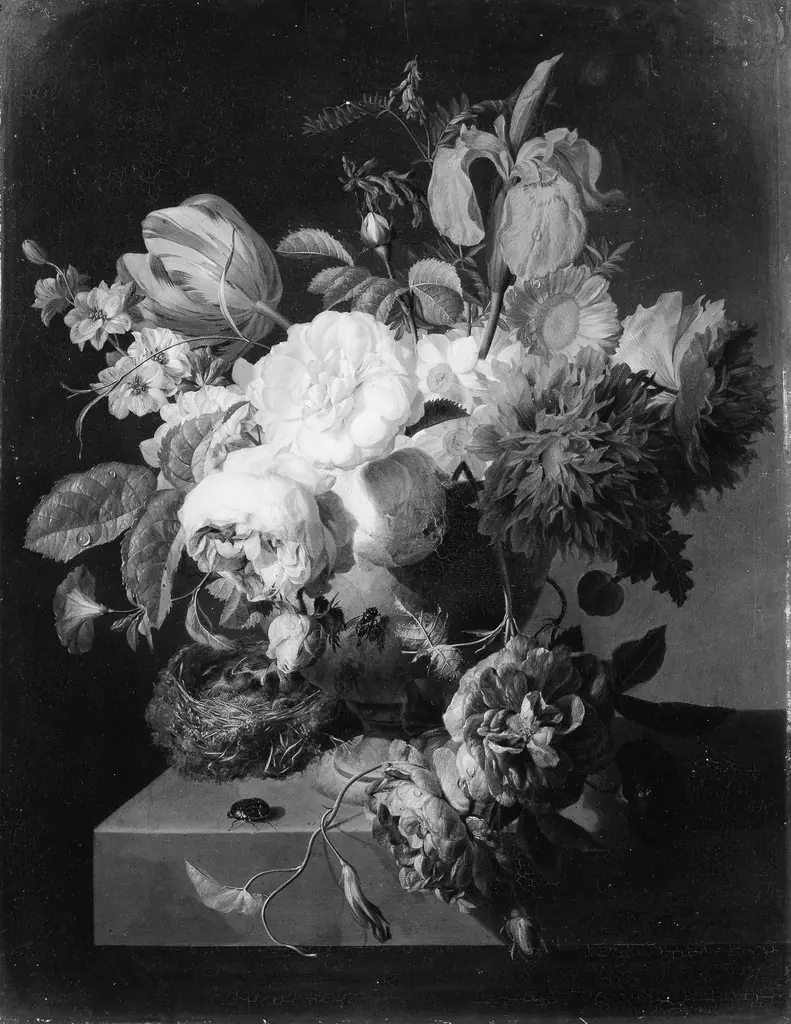
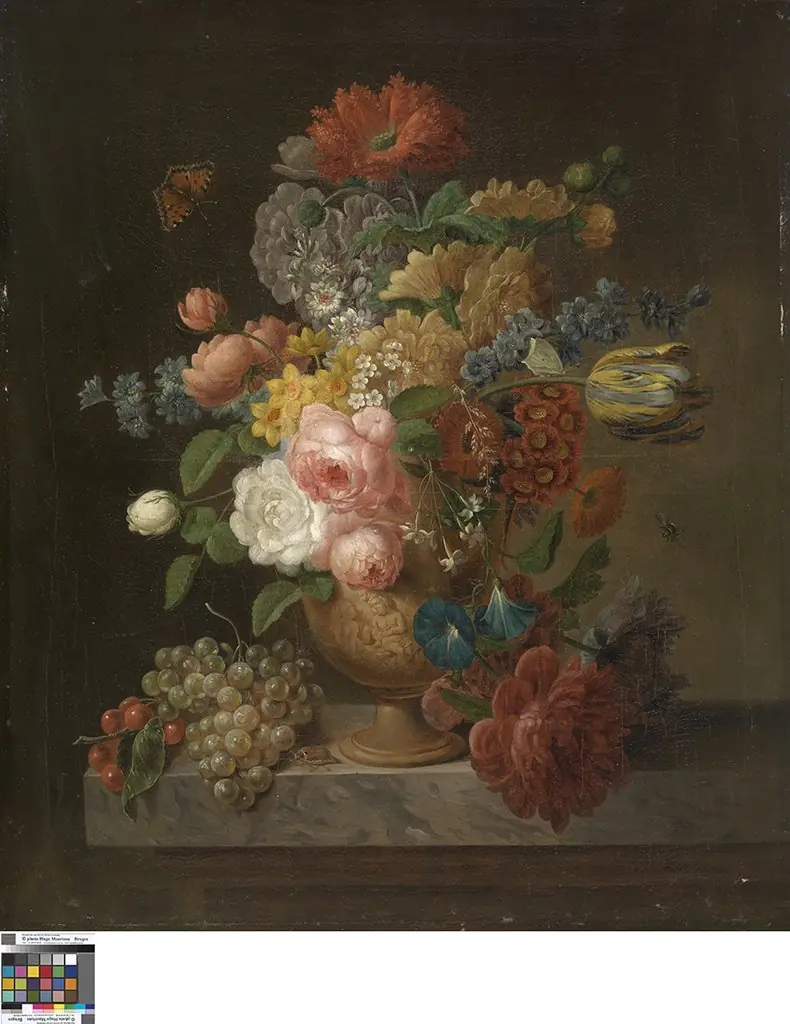
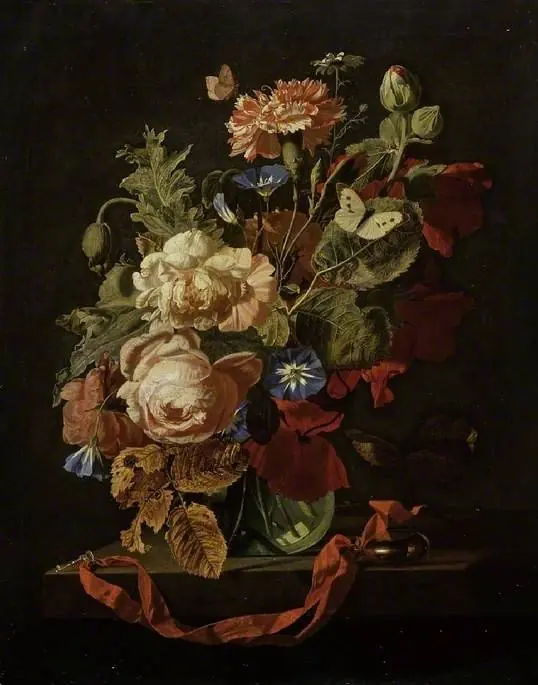
The arrangement includes blooms in soft pinks, whites, yellows, and oranges, interspersed with green foliage, arranged without rigid symmetry. The flowers, some open, others in bud or slightly drooping, suggest the passage of time and the fragility of natural beauty. There is no overt symbolism; instead, the work invites contemplation of everyday elegance and the quiet dignity of cultivated nature.
Technique & Style
Faes employed fine brushwork to capture the texture of petals, the sheen of leaves, and the matte surface of the vase. His approach reflects the influence of Jan van Huysum’s precision, though with a looser, more naturalistic composition. Light falls gently across the scene, modeling forms without dramatic contrast, reinforcing the subdued, intimate tone characteristic of Biedermeier aesthetics.
History & Provenance
The painting was completed in 1796 during Faes’s active period in the Southern Netherlands. It entered the Fitzwilliam Museum’s collection in the 19th century, likely through acquisition or bequest. Its provenance prior to museum ownership is not well documented, but its preservation suggests it was valued by private collectors for its craftsmanship and decorative appeal.
Context
Created near the end of the 18th century, the work aligns with the Biedermeier sensibility emerging in Central Europe: a preference for domestic tranquility, meticulous technique, and non-dramatic subjects. While rooted in Flemish still life traditions, Faes’s painting reflects a broader cultural shift toward understated beauty and the quiet celebration of household objects and natural forms.
Legacy
Faes’s floral paintings, including this one, contributed to the continuity of Flemish still life into the 19th century. Though not widely known today, his works remain studied for their technical restraint and sensitivity to botanical form. This painting stands as a quiet example of how everyday subjects were elevated through careful observation and refined execution.
Artist & collection
Artist
Pieter Faes or Peeter Faes (14 July 1750 – 22 December 1814) was a Flemish painter of still lifes of flowers and fruit. He worked in a decorative style close to that of Jan van Huysum.