Artwork
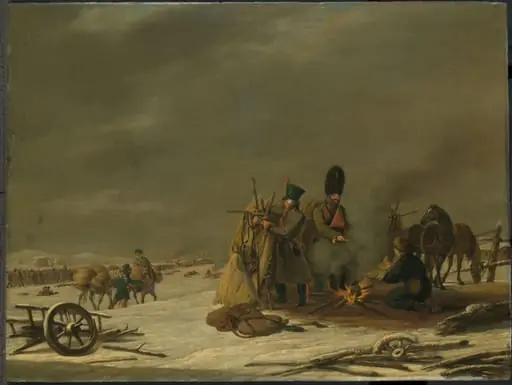
Cossack Outpost in 1813
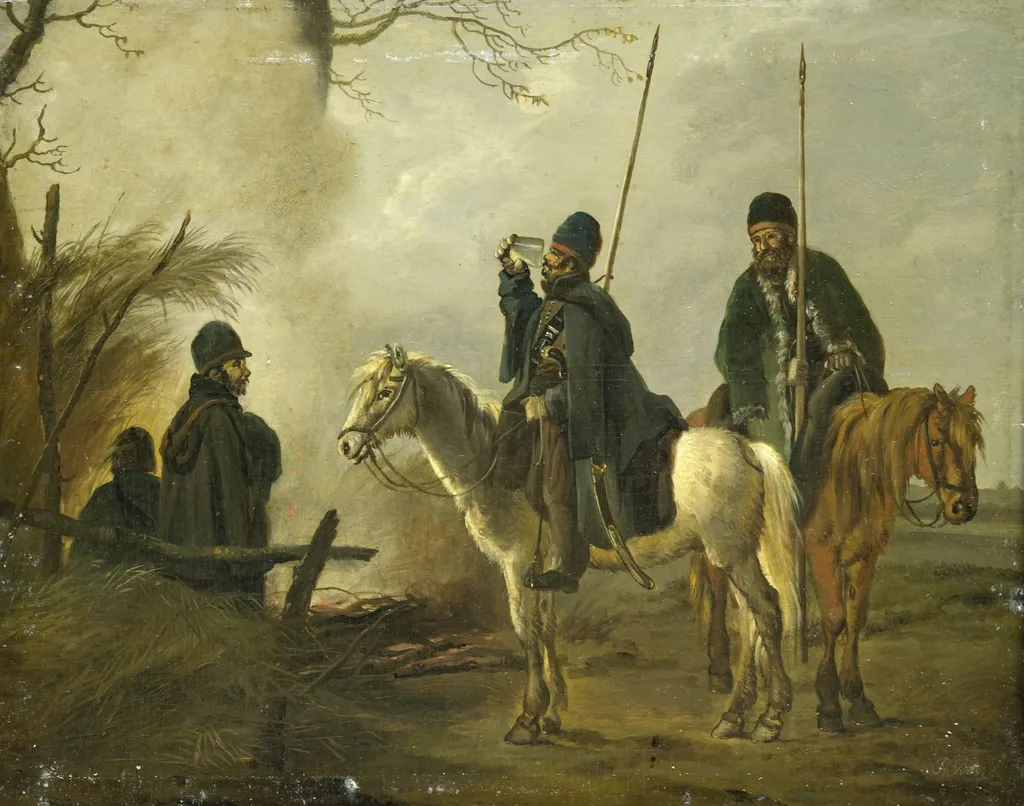
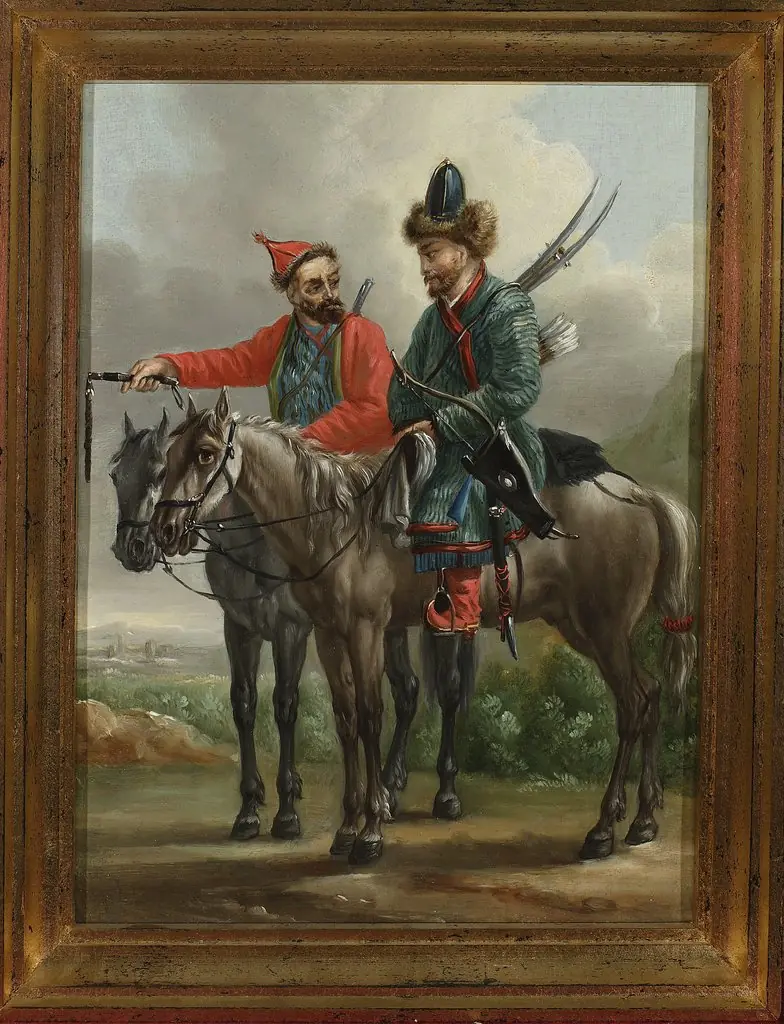
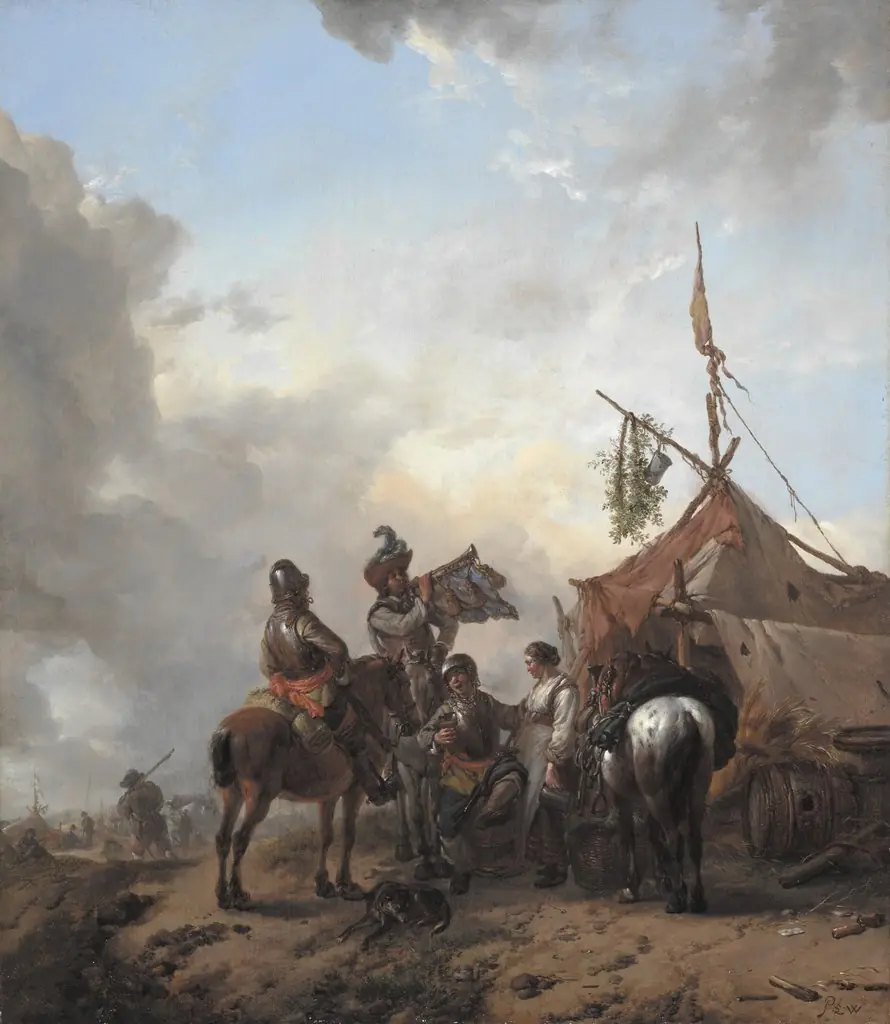
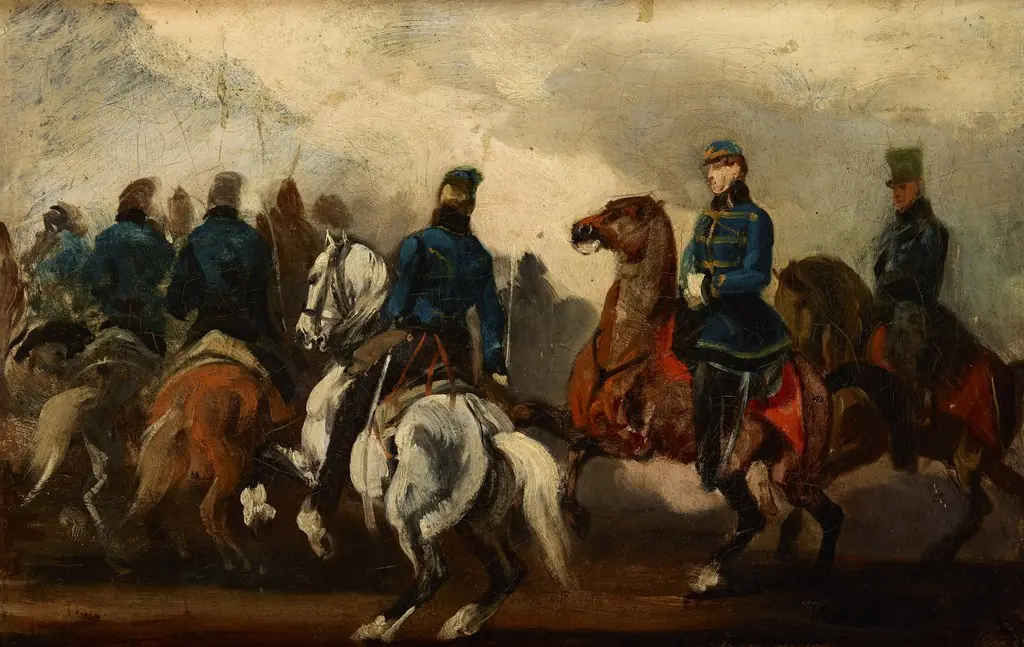
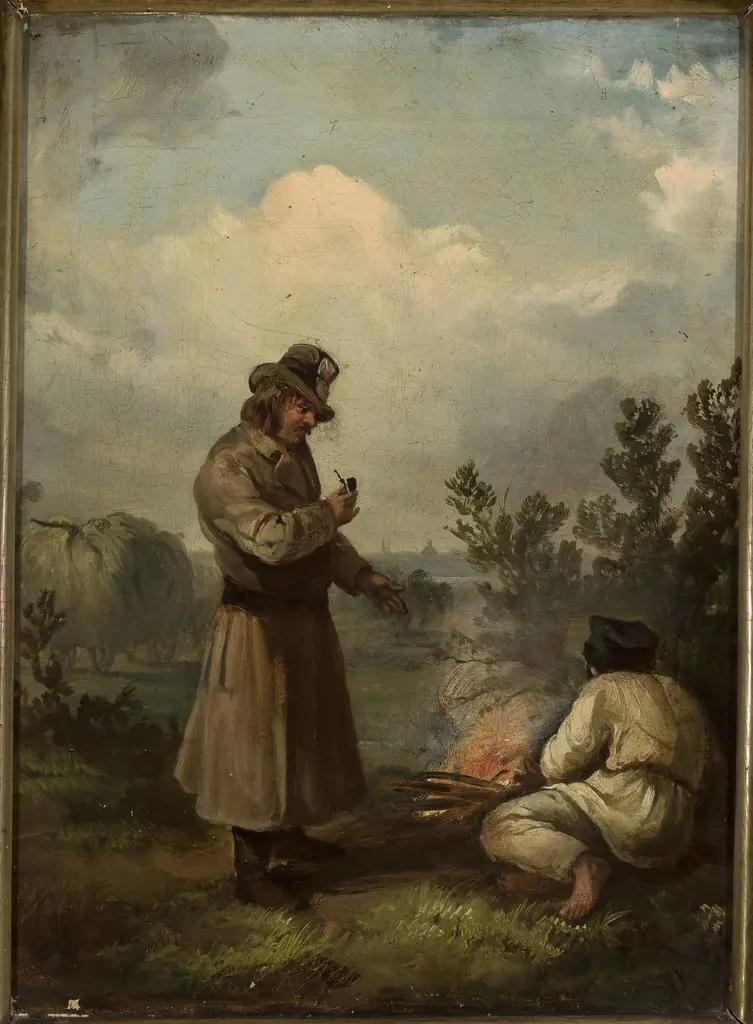
Cossack Outpost in 1813 is an oil painting by Pieter Gerardus van Os. It dates from 1813 and is held in the collection of the Rijksmuseum.
About this work
Overview
Pieter Gerardus van Os, a Dutch painter active in the early nineteenth century, executed the oil work *Cossack Outpost in 1813* in the year it depicts. The canvas, now part of the Rijksmuseum’s holdings, presents a winter encampment of mounted men beside a modest fire, set against a muted sky and a line of bare trees.
Subject & Meaning
The scene gathers several figures in dark uniforms, one standing beside a horse, another astride a mount with a long spear, while a third tends a low flame. The composition suggests a temporary military station, likely of Cossack cavalry, emphasizing the camaraderie and brief respite found amid a cold, bleak landscape.
Technique & Style
Van Os employs a restrained palette of earth tones, punctuated by the warm glow of the fire. Soft lighting and delicate brushwork render the figures and animals with a naturalistic clarity, reflecting his training in copying works by masters such as Paulus Potter and his lifelong interest in animal subjects.
History & Provenance
Born in The Hague in 1776 to the artist Jan van Os, Pieter Gerardus studied at the local Tekenakademie before establishing his own career. *Cossack Outpost* remained in Dutch collections and was eventually acquired by the Rijksmuseum, where it is displayed as part of the museum’s representation of early‑nineteenth‑century genre painting.
Own this work as a print
Artist & collection
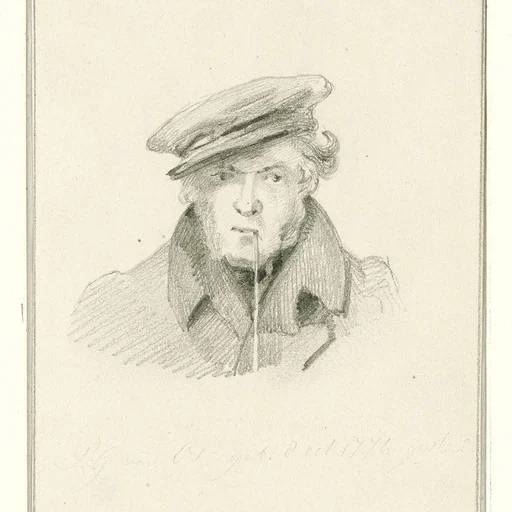
Artist
Pieter Gerardus van Os (8 October 1776 – 28 March 1839) was a Dutch painter and engraver and a member of the renowned Van Os family of artists.

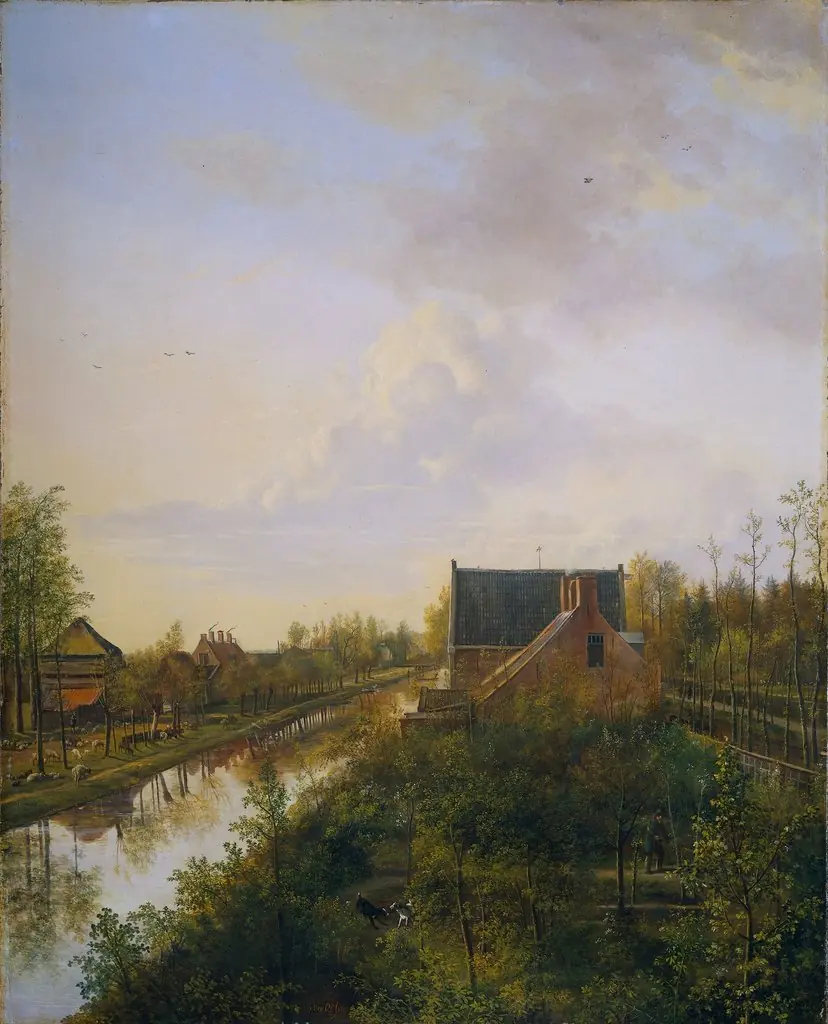 The canal at 's-Graveland
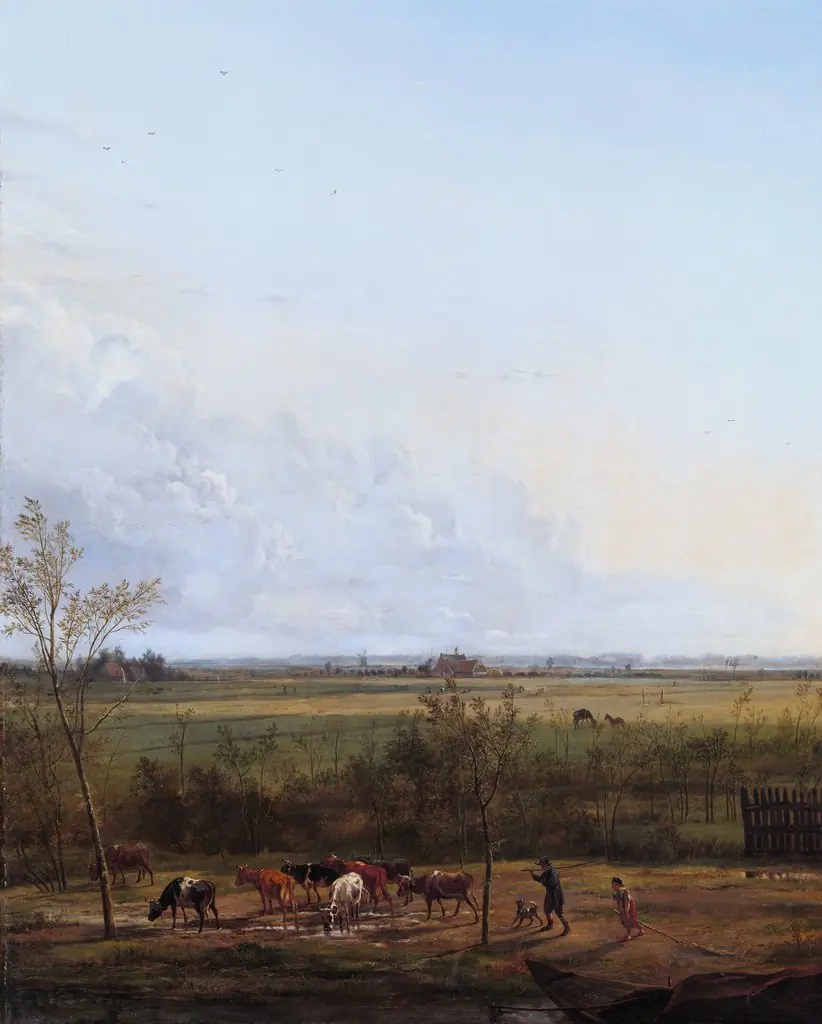 Distant View of the Meadows at ’s-Graveland
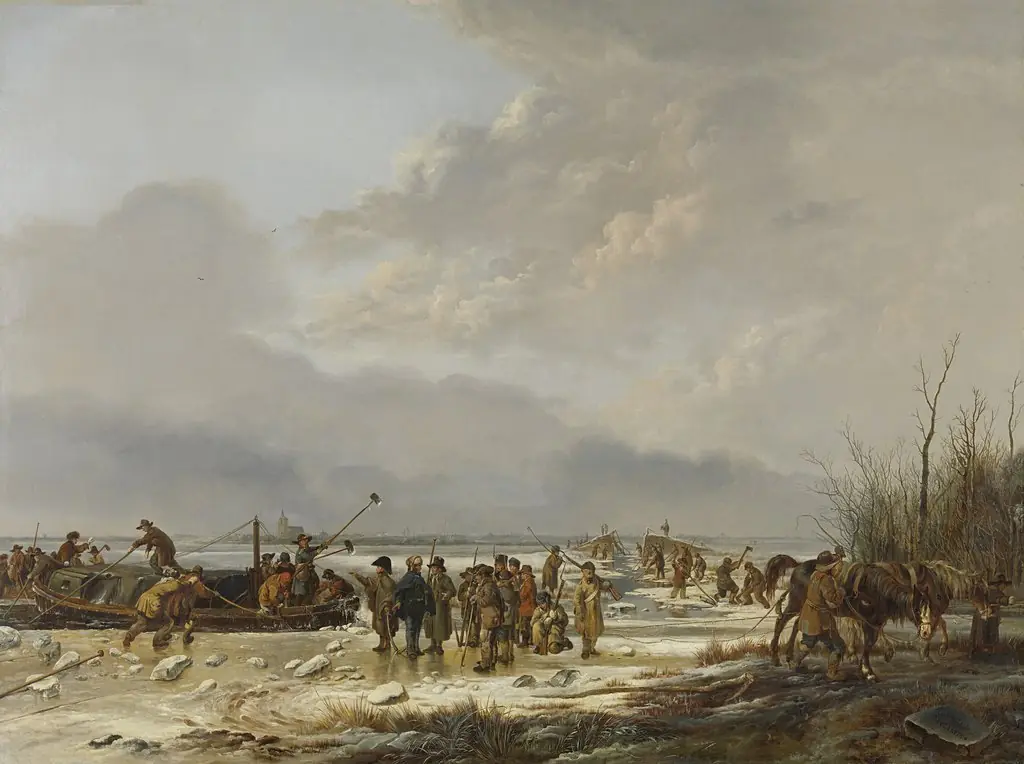 Breaking of the Ice on the Karnemelksloot near Naarden, January 1814
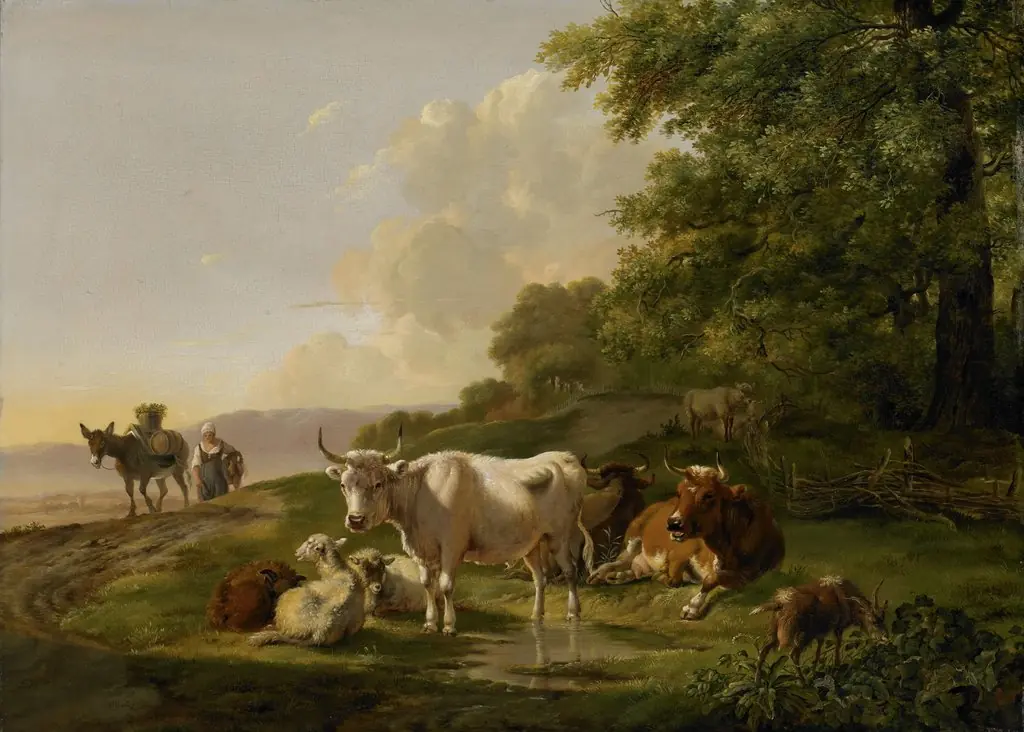 Landscape with Cattle
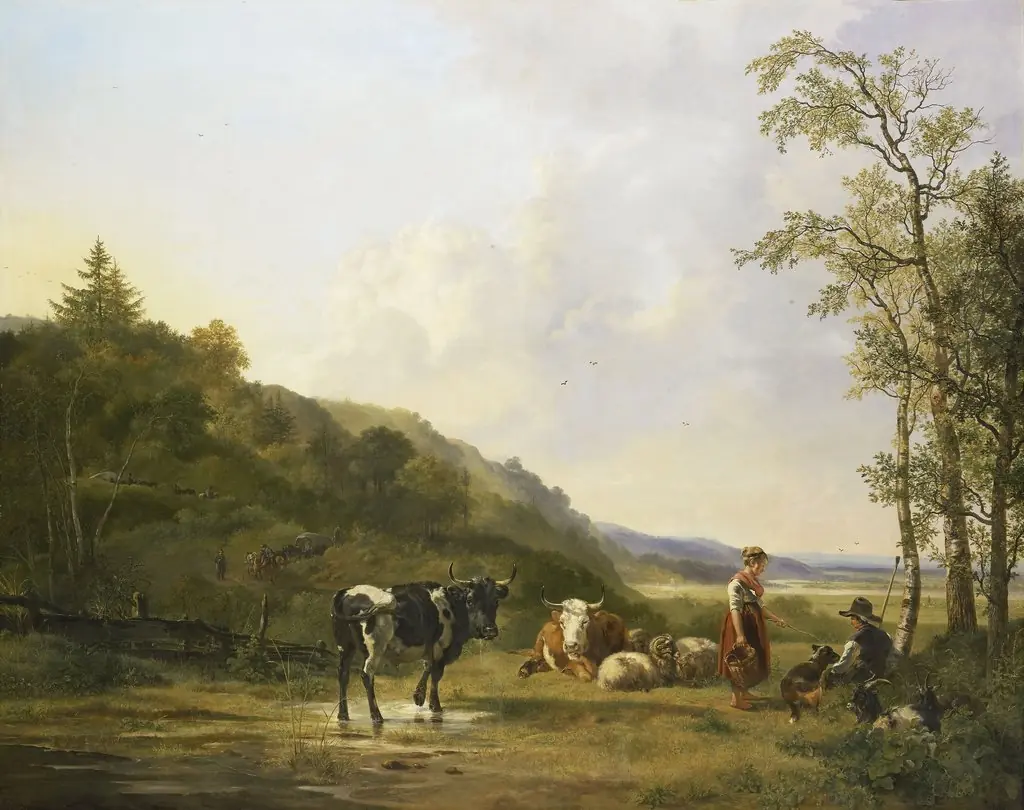 Landscape with Shepherd, Shepherdess and Cows
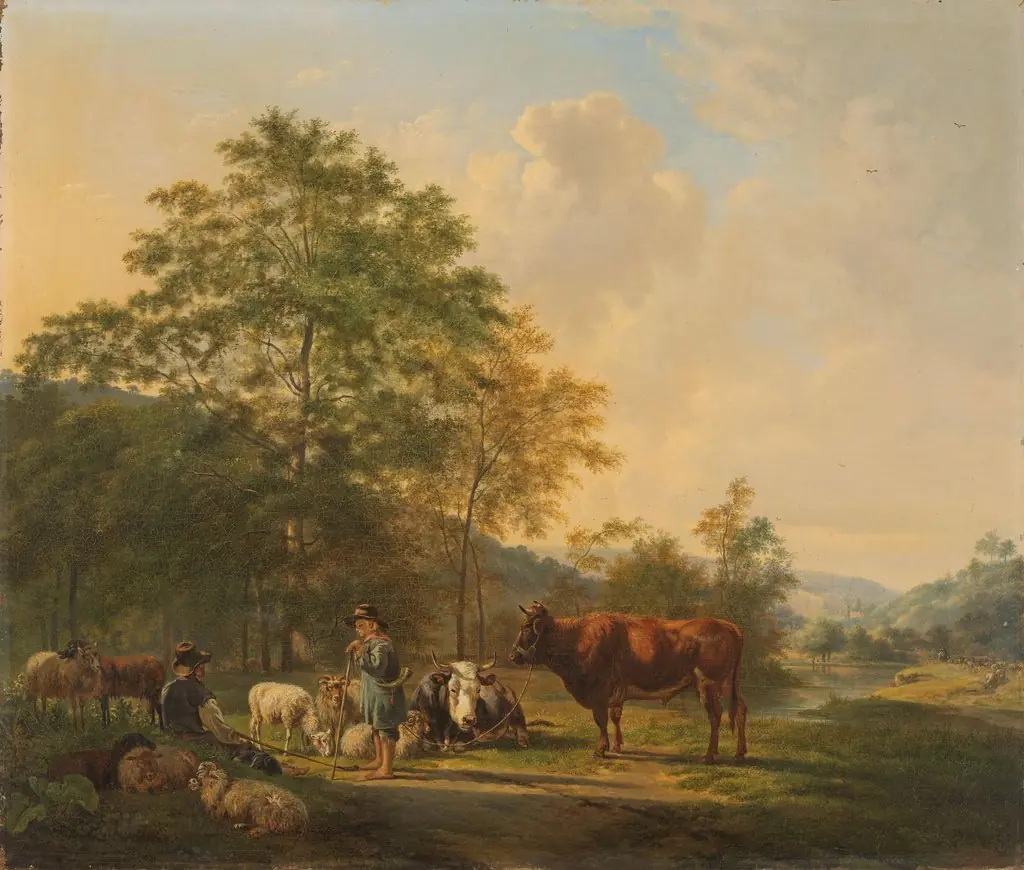 Hilly Landscape with Shepherd, Drover and Cattle
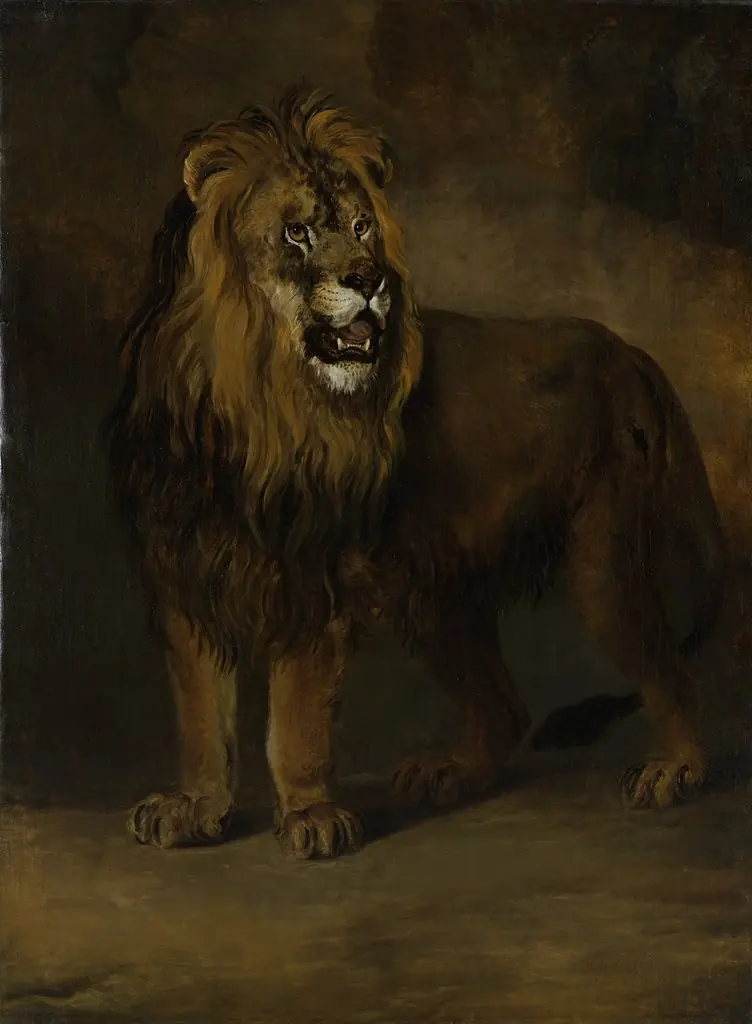 A lion from the Menagerie of King Louis Napoleon, 1808
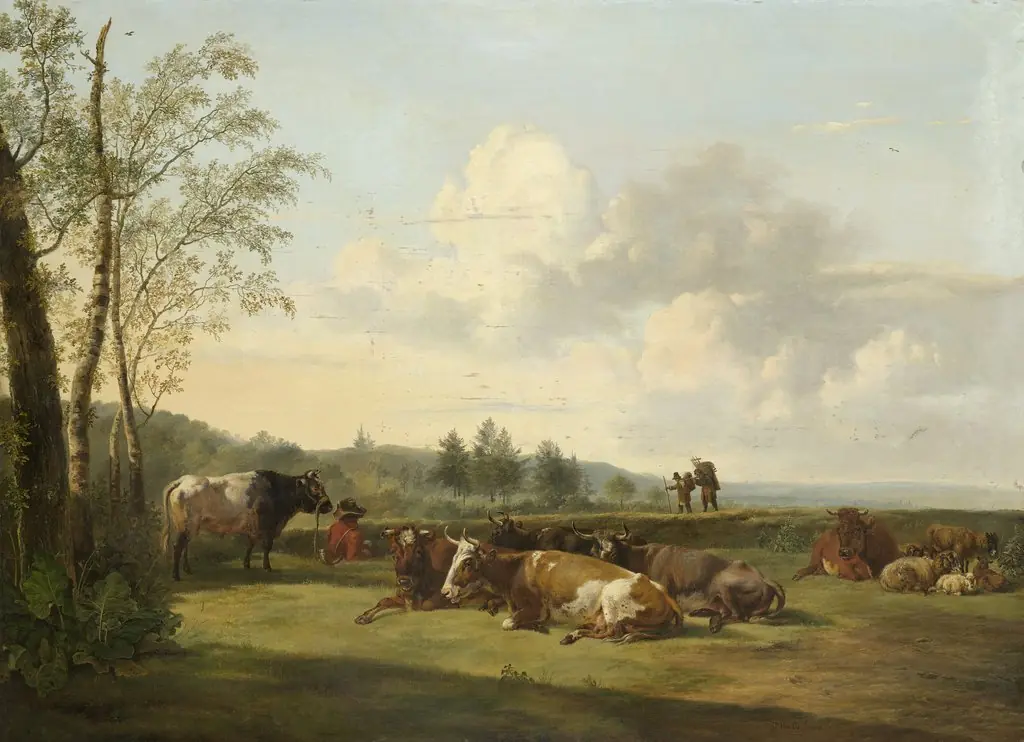 Landschap met vee