Artwork
The Last Judgment
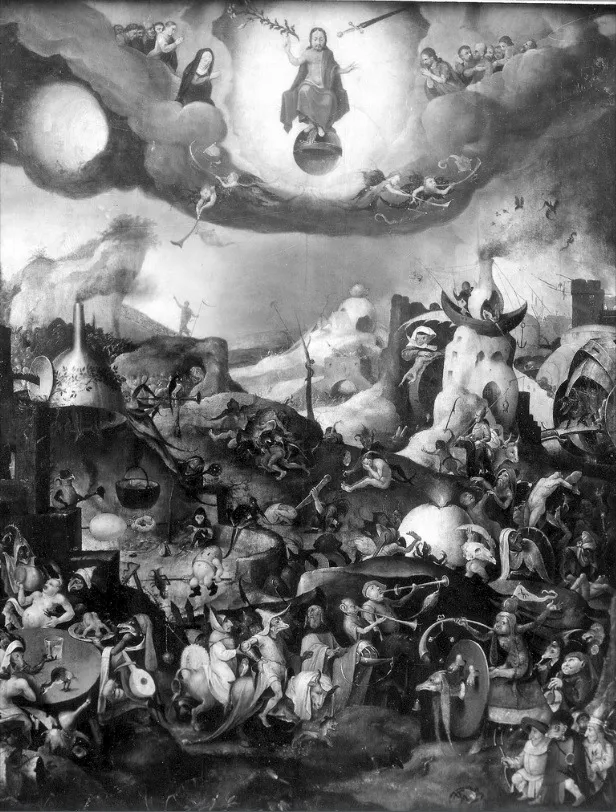
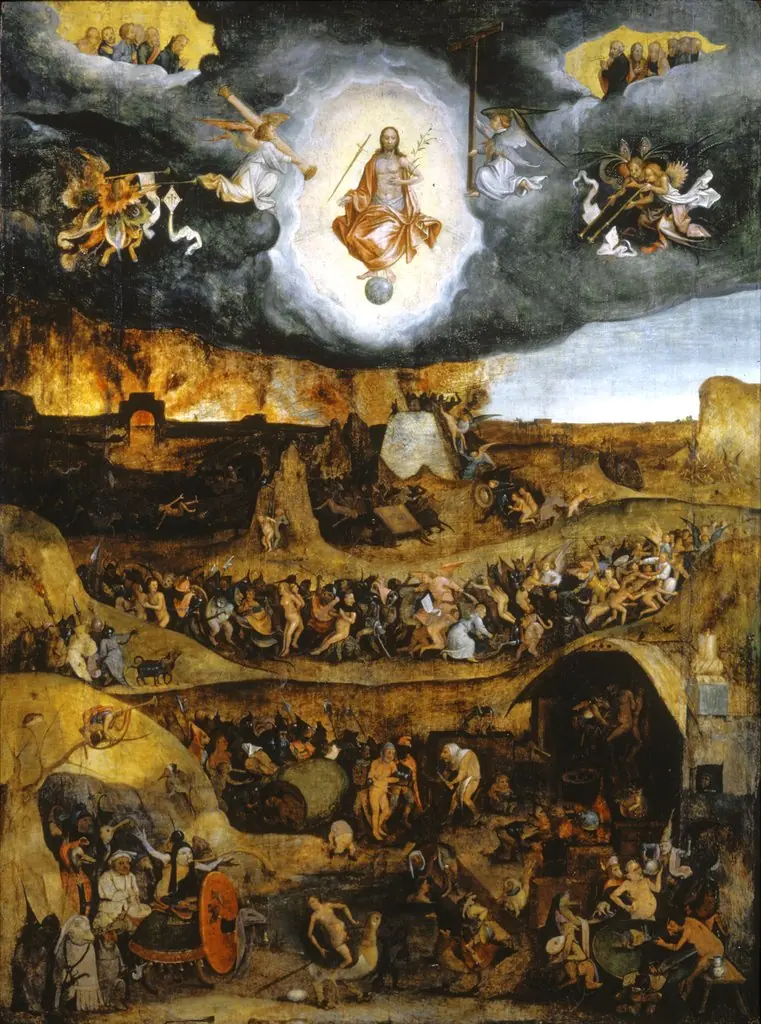
The Last Judgment is an oil painting by the Northern Renaissance artist Pieter Huys. It dates from 1554 and is held in the collection of the Royal Museums of Fine Arts of Belgium.
About this work
Overview
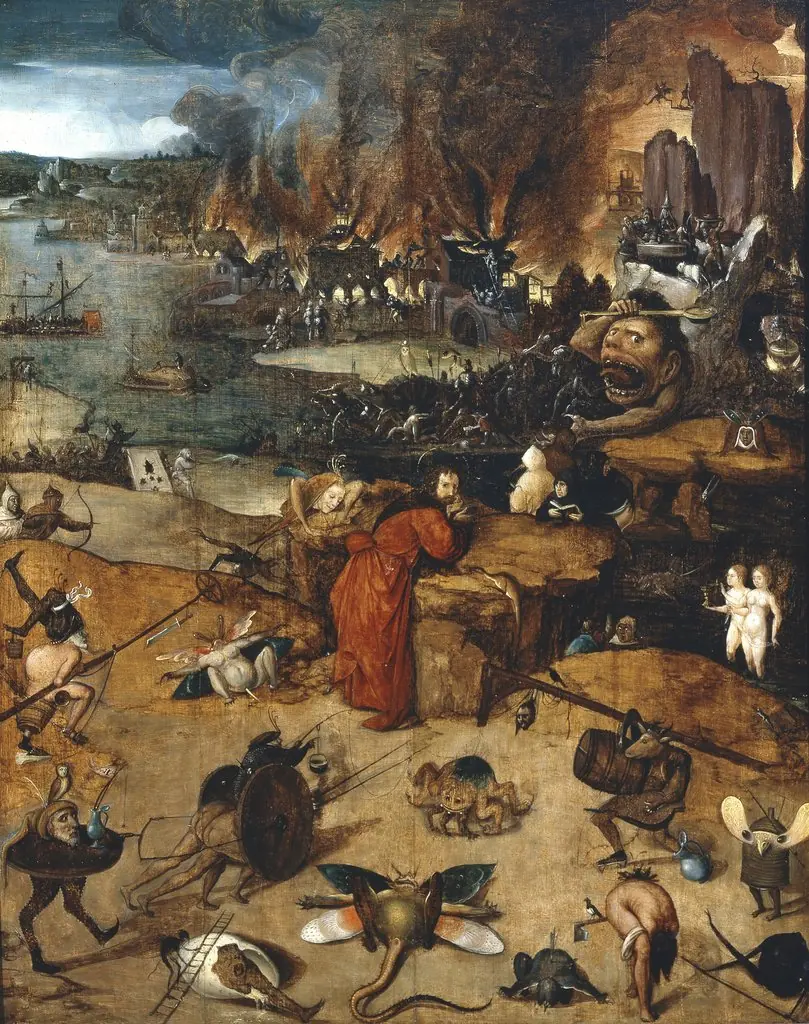
Created in 1554 by the Antwerp-based painter Pieter Huys, this oil on canvas presents a dense, tumultuous rendition of the biblical Last Judgment. The composition is crowded with intertwined figures, many of them unclothed, set against a muted landscape of hills and a distant urban silhouette. The overall atmosphere conveys chaos and divine reckoning.
Subject & Meaning
The work visualizes the Christian eschatological moment when souls are assessed before Christ, emphasizing human vulnerability and moral disorder. Central to the scene is the judged individual, surrounded by a throng of pleading and tormented bodies, suggesting the universal scope of salvation and condemnation.
Technique & Style
Huys employs the northern Renaissance tradition of detailed, narrative oil painting, using a restrained palette of browns and grays to heighten the somber tone. The brushwork renders intricate anatomy and expressive gestures, while the overlapping figures create a sense of depth and frantic movement characteristic of his Bosch-influenced approach.
History & Provenance
The painting entered the Royal Museums of Fine Arts of Belgium, where it remains in the permanent collection. Its attribution to Huys, a known follower of Jheronimus Bosch, has been affirmed through stylistic comparison and archival records linking the work to the artist’s Antwerp workshop.
Context
Produced during the mid‑sixteenth century, the piece reflects the period’s preoccupation with moral instruction through vivid, often unsettling religious imagery. In a time of Reformation tensions, such depictions of final judgment served both as cautionary visual sermons and as demonstrations of the artist’s technical mastery within the Flemish artistic milieu.
Artist & collection
Artist
Pieter Huys (c.1519 – c.1584) was a Flemish Renaissance painter. He is known of his early life, and though he was mostly active in Antwerp, his place of birth and death is not certain. He became a master in the Antwerp…

Museum
Royal Museums of Fine Arts of Belgium
Continue through works from the same source collection.