Artwork
The Temptation of St Anthony
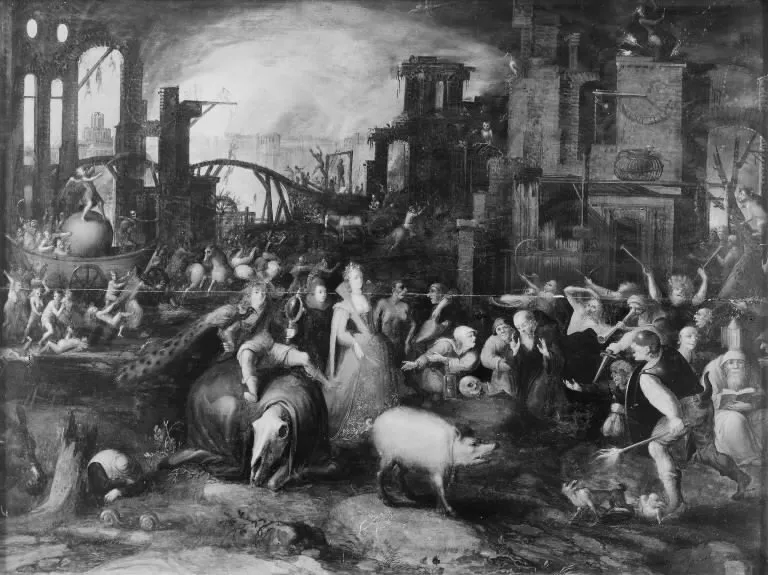
The Temptation of St Anthony is an unspecified painting by David Vinckboons. It is held in the collection of the Statens Museum for Kunst.
About this work
Overview
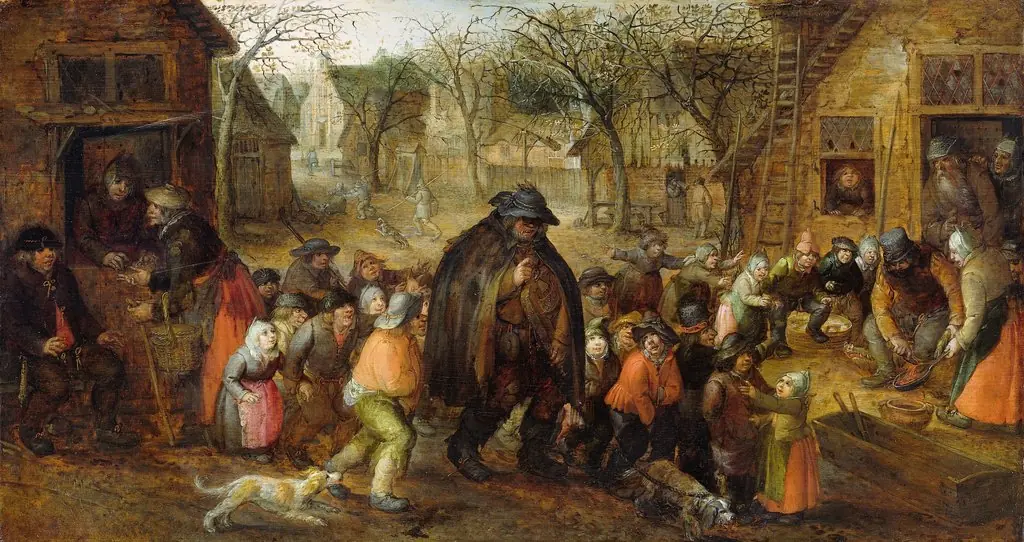
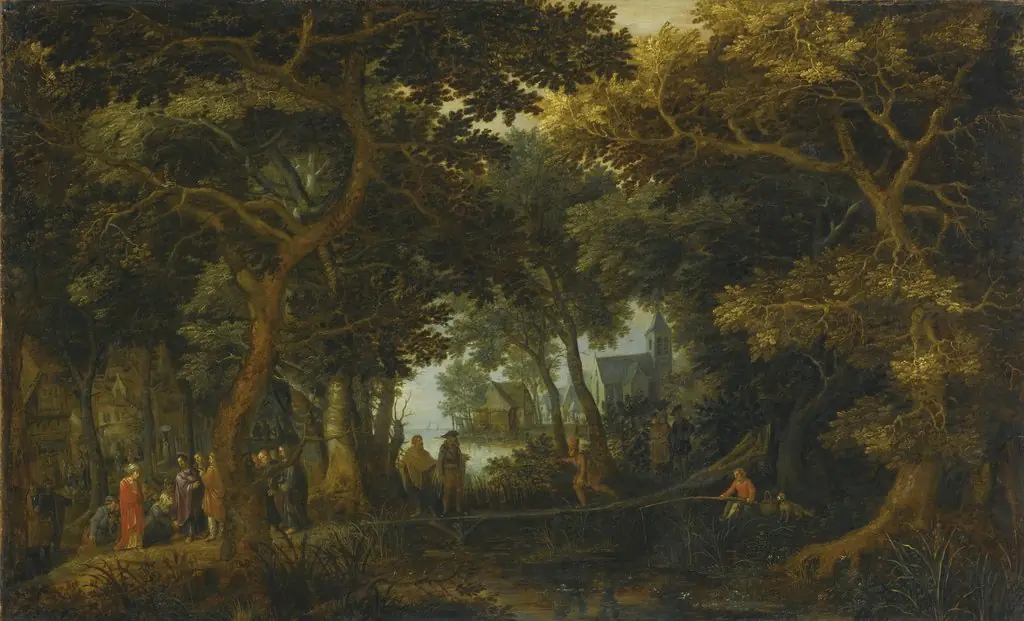
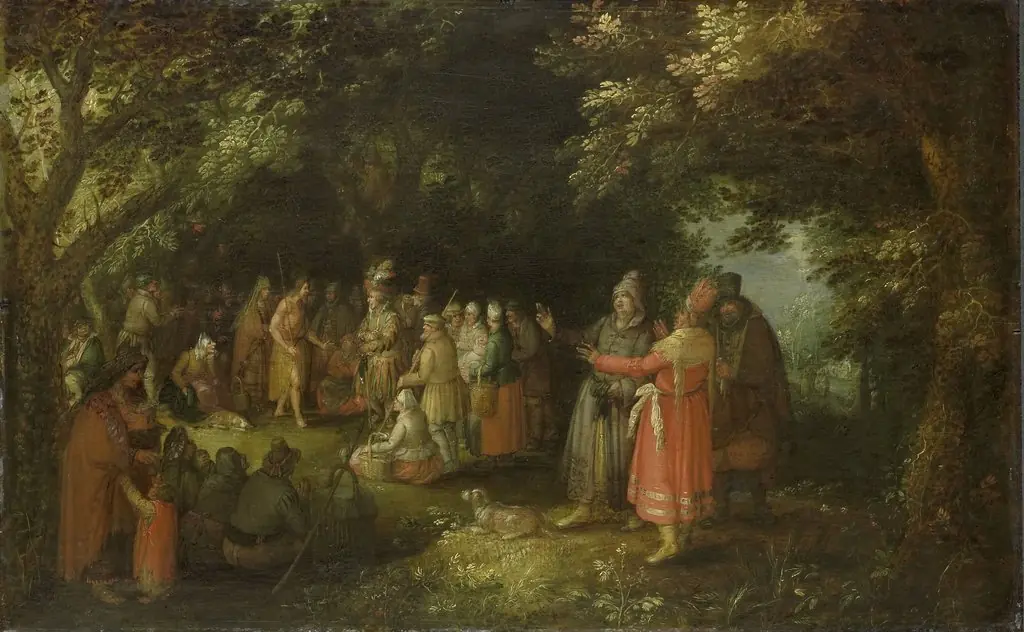
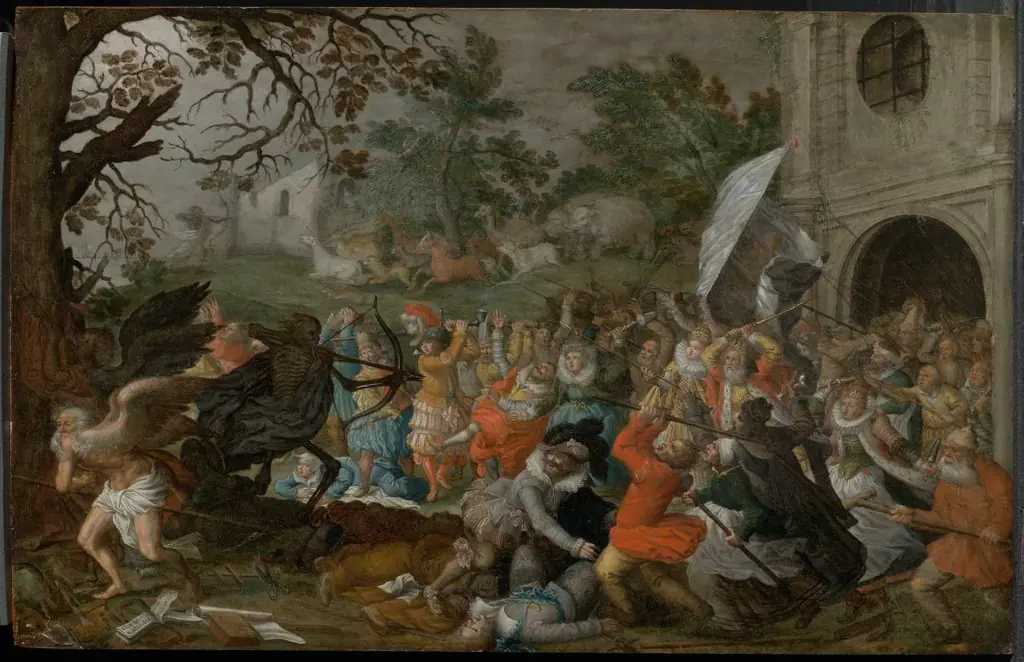
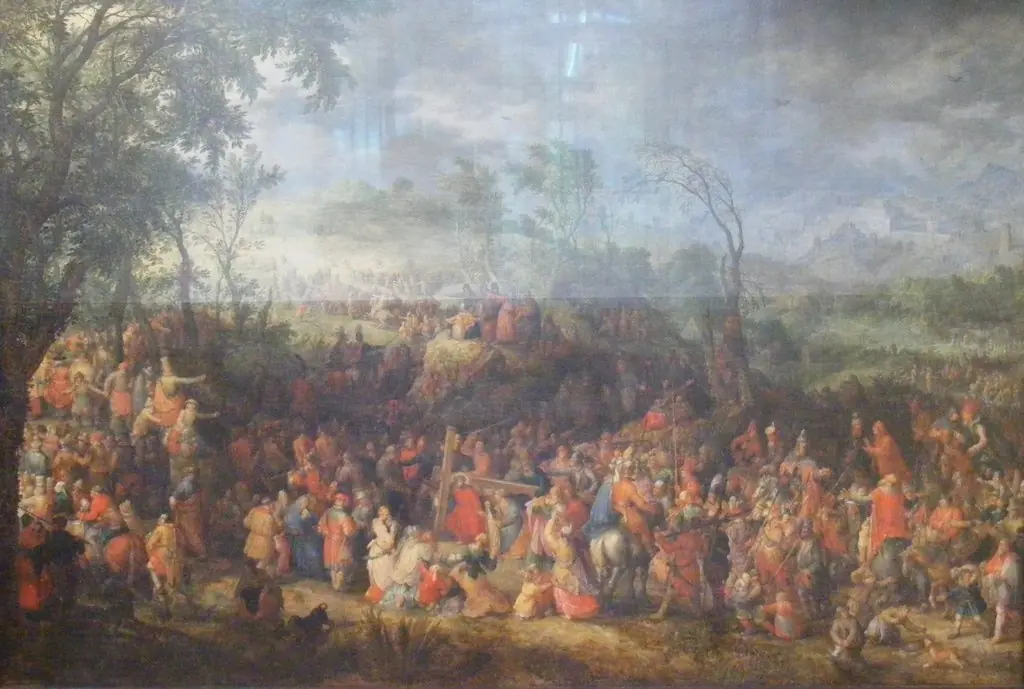
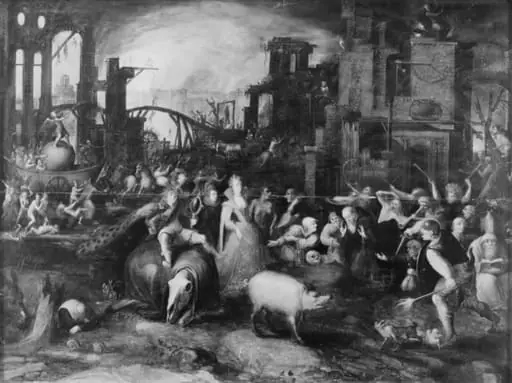
David Vinckboons, a Dutch painter active in the late 16th and early 17th centuries, completed *The Temptation of St Anthony* in 1698. The canvas presents a crowded, night‑time tableau in which the hermit saint is surrounded by a bewildering assortment of people, animals and fantastical beings, all set against a backdrop of ruined architecture and a distant, shadowy boat.
Subject & Meaning
The work visualises the legendary trials of Anthony the Great, whose ascetic life was said to be assailed by demonic visions. Vinckboons places the saint at the centre, cloaked in dark garments, while a pig, a horse and a throng of varied figures embody the chaotic temptations that beset him, suggesting the inner turmoil of spiritual struggle.
Technique & Style
Vinckboons employs a pronounced chiaroscuro, contrasting bright, illuminated forms with deep shadows to heighten drama. The composition is densely packed, with overlapping figures that blur the line between the natural and the grotesque. This blend of realistic human gestures and bizarre creatures creates a disquieting atmosphere typical of religious genre painting of the period.
History & Provenance
Born in Mechelen in 1576, Vinckboons spent much of his career in Amsterdam, where he was known for narrative scenes. *The Temptation of St Anthony* eventually entered the collection of Denmark’s Statens Museum for Kunst, where it remains on display as part of the museum’s holdings of Dutch Golden Age art.
Artist & collection
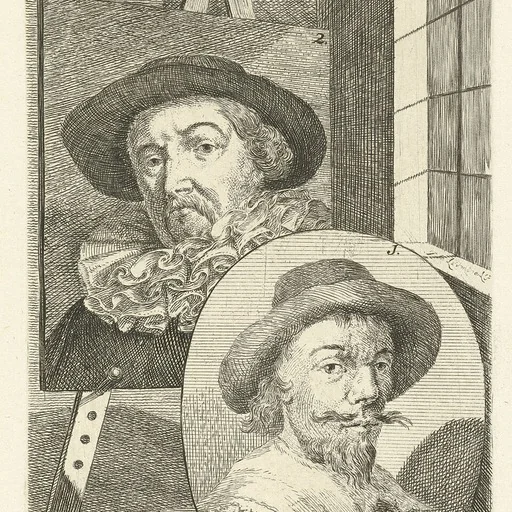
Artist
David Vinckboons (baptized 13 August 1576 – c. 1632) was a Dutch Golden Age painter born in Mechelen, Southern Netherlands. Vinckboons, whose name is often spelled as Vingboons, Vinghboons, Vinckebonis or Vinckboom, had…