Artwork
Detail of the vault of the Chapel of St Sebastian in St Peter’s, Rome,cartoon
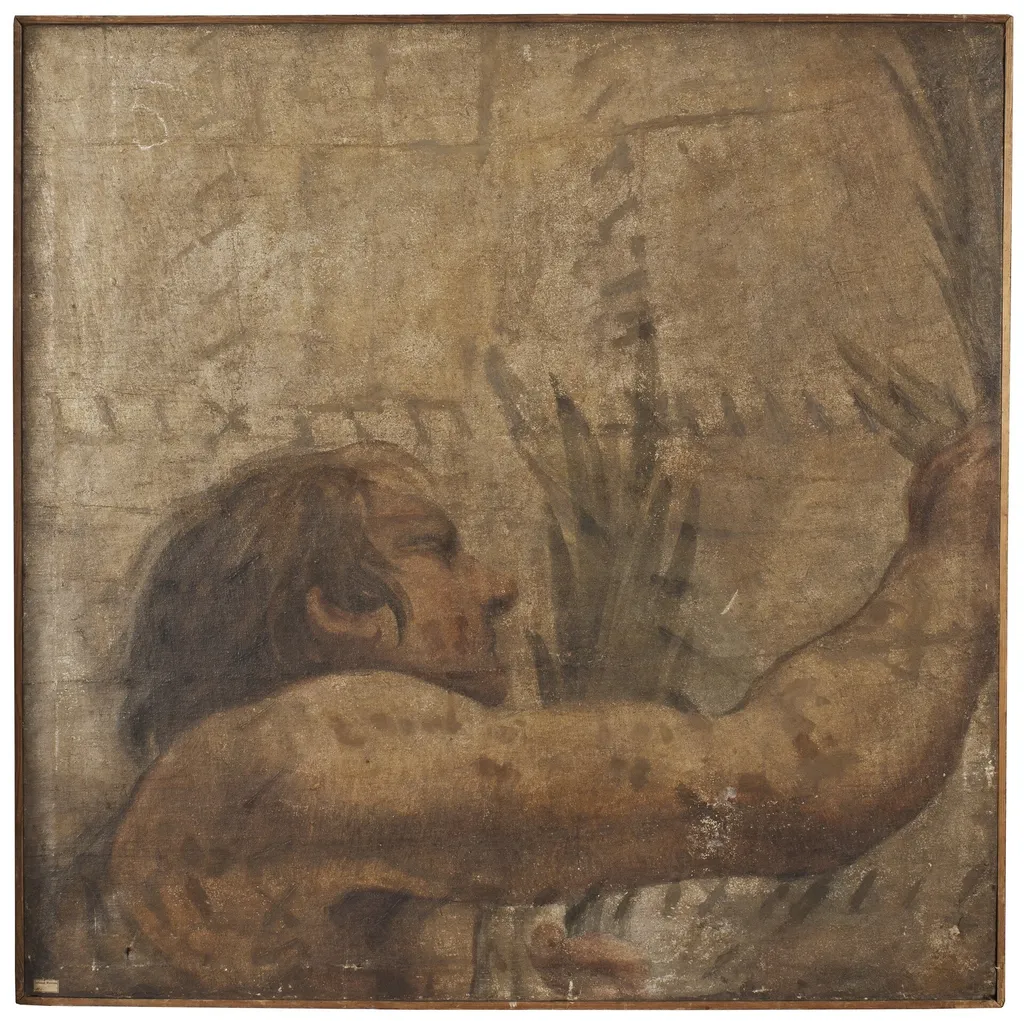
Detail of the vault of the Chapel of St Sebastian in St Peter’s, Rome,cartoon is an oil painting by the Early Baroque Italian artist Pietro da Cortona. It dates from 1642 and is held in the collection of the Nationalmuseum.
About this work
Overview
Though a fragment of a larger composition, it demonstrates the precision and dynamism required for monumental ceiling projects in the mid-seventeenth century.
This oil cartoon, dated around 1642, is a preparatory study by Pietro da Cortona for the ceiling decoration of the Chapel of St. Sebastian in St. Peter’s Basilica, Rome. Created as a full-scale model for fresco execution, it reflects the artist’s role in shaping Roman Baroque visual language. Though a fragment of a larger composition, it demonstrates the precision and dynamism required for monumental ceiling projects in the mid-seventeenth century.
Subject & Meaning
The figure depicted, with arms raised and head tilted upward, suggests a moment of divine revelation or spiritual ascent, consistent with the chapel’s dedication to St. Sebastian, a martyr associated with divine intercession. The gesture and posture evoke transcendence, aligning with Counter-Reformation ideals that emphasized emotional engagement with sacred narratives through visual drama.
Technique & Style
Cortona employed chiaroscuro to model the figure with strong contrasts between light and shadow, enhancing the sense of three-dimensionality and muscular tension. The flowing drapery is rendered with fluid brushwork, suggesting motion and weight. The muted background, subtly shaded, recedes to isolate the figure, focusing attention on the interplay of form and light, a hallmark of his preparatory method for ceiling frescoes.
History & Provenance
The cartoon was made for a specific architectural commission in St. Peter’s, likely under papal patronage during the height of Cortona’s career. It remained in Rome, associated with the chapel’s construction, and was preserved as a working document rather than a finished work. Its survival offers rare insight into the transition from sketch to monumental fresco in Baroque ecclesiastical decoration.
Context
Cortona worked alongside contemporaries like Bernini and Borromini during a period when Rome’s religious architecture sought to inspire awe through integrated art and space. This cartoon reflects the collaborative nature of such projects, where painters, architects, and sculptors coordinated to unify visual narratives across vast interior surfaces, reinforcing the Church’s authority through immersive imagery.
Legacy
As a surviving preparatory study, the cartoon illuminates the technical process behind Baroque ceiling frescoes, which often vanished with time or restoration. It underscores Cortona’s influence on later ceiling painting traditions, particularly in the use of illusionistic space and dynamic figures, setting precedents for artists across Europe who sought to merge architecture and painting into unified theatrical experiences.
Artist & collection
Artist
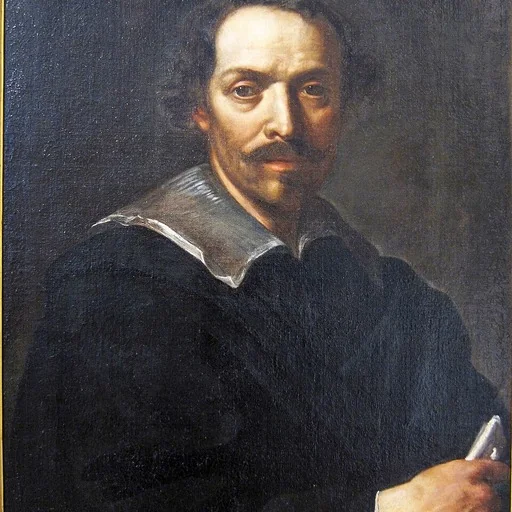
Pietro da Cortona (Italian: ; 1 November 1596 or 1597 – 16 May 1669) was an Italian Baroque painter and architect.

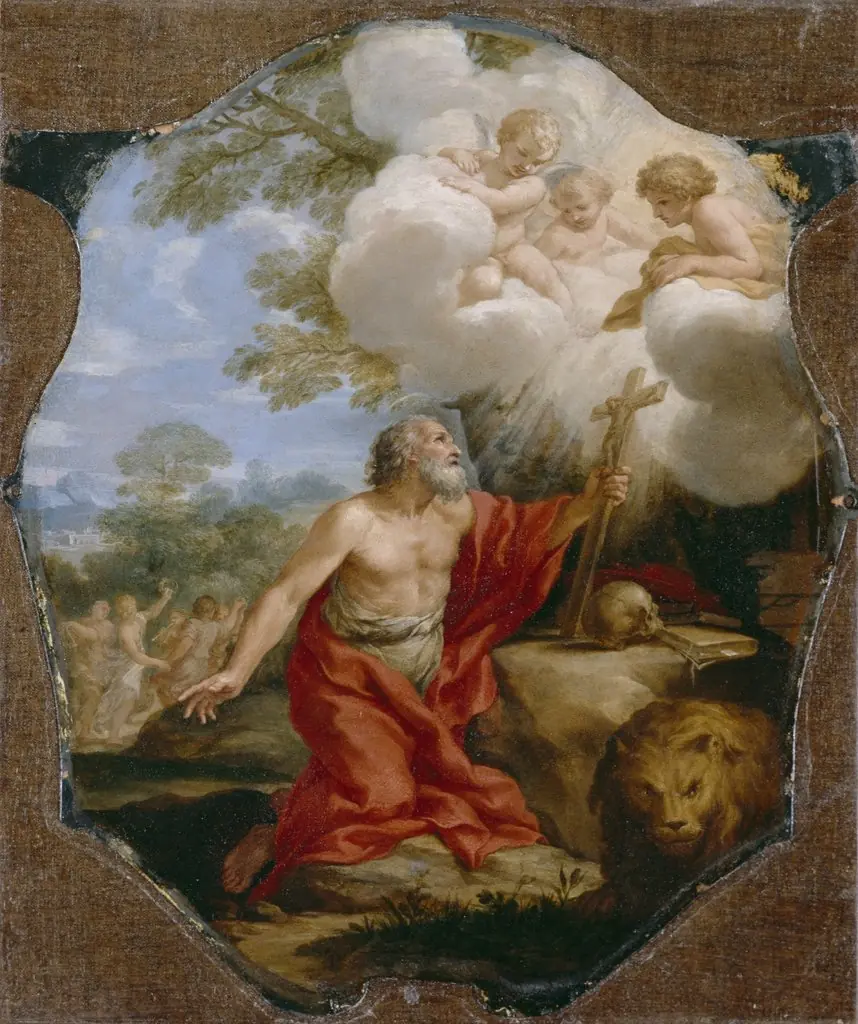
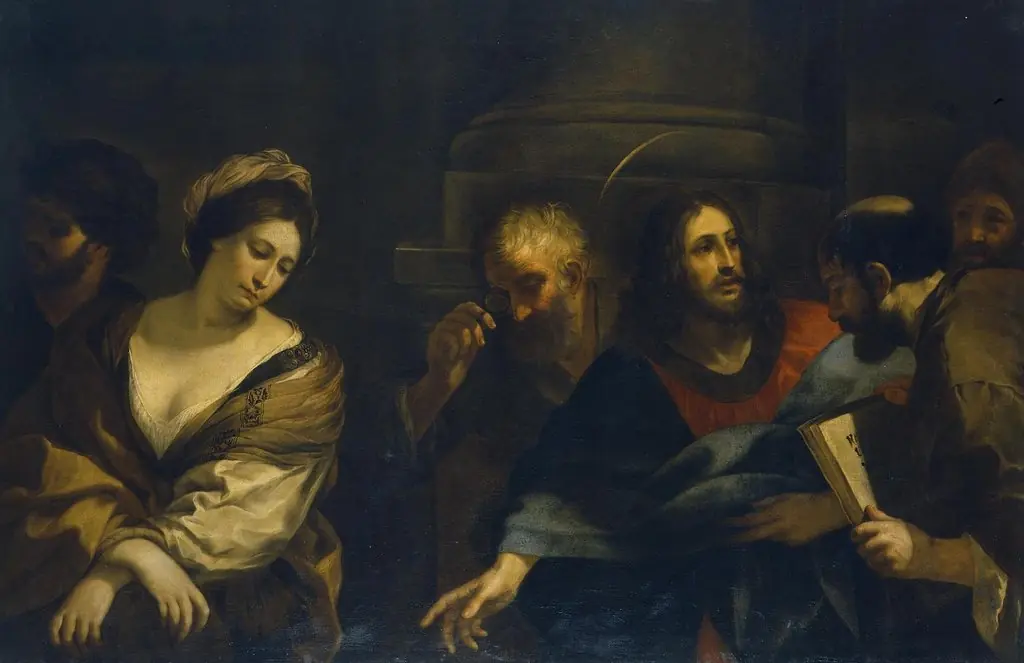
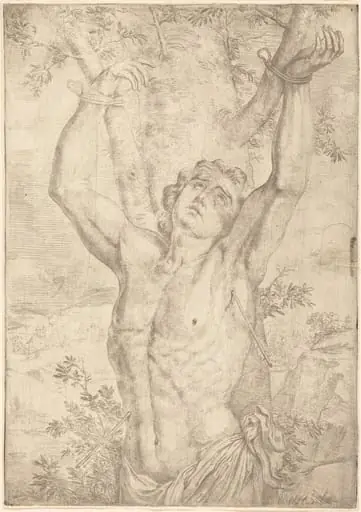 Saint Sebastian
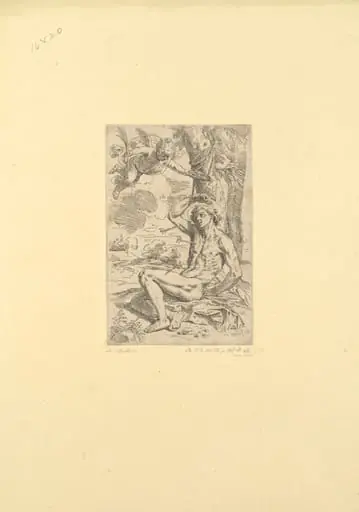 Saint Sebastian
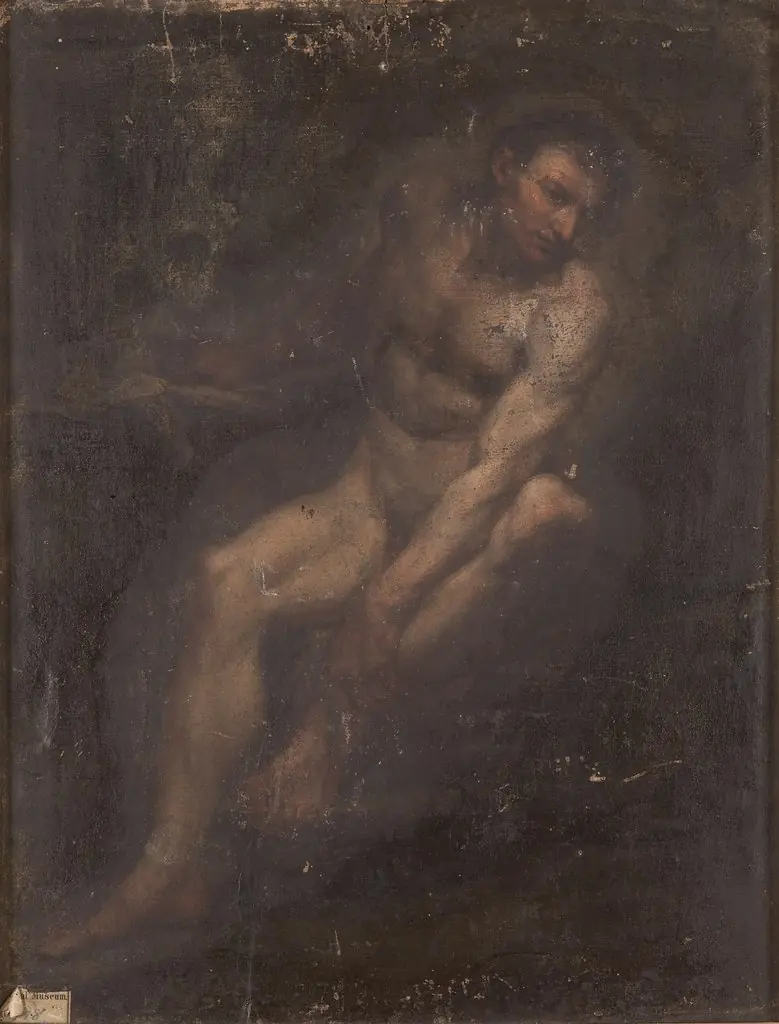 Figurstudie av sittande man
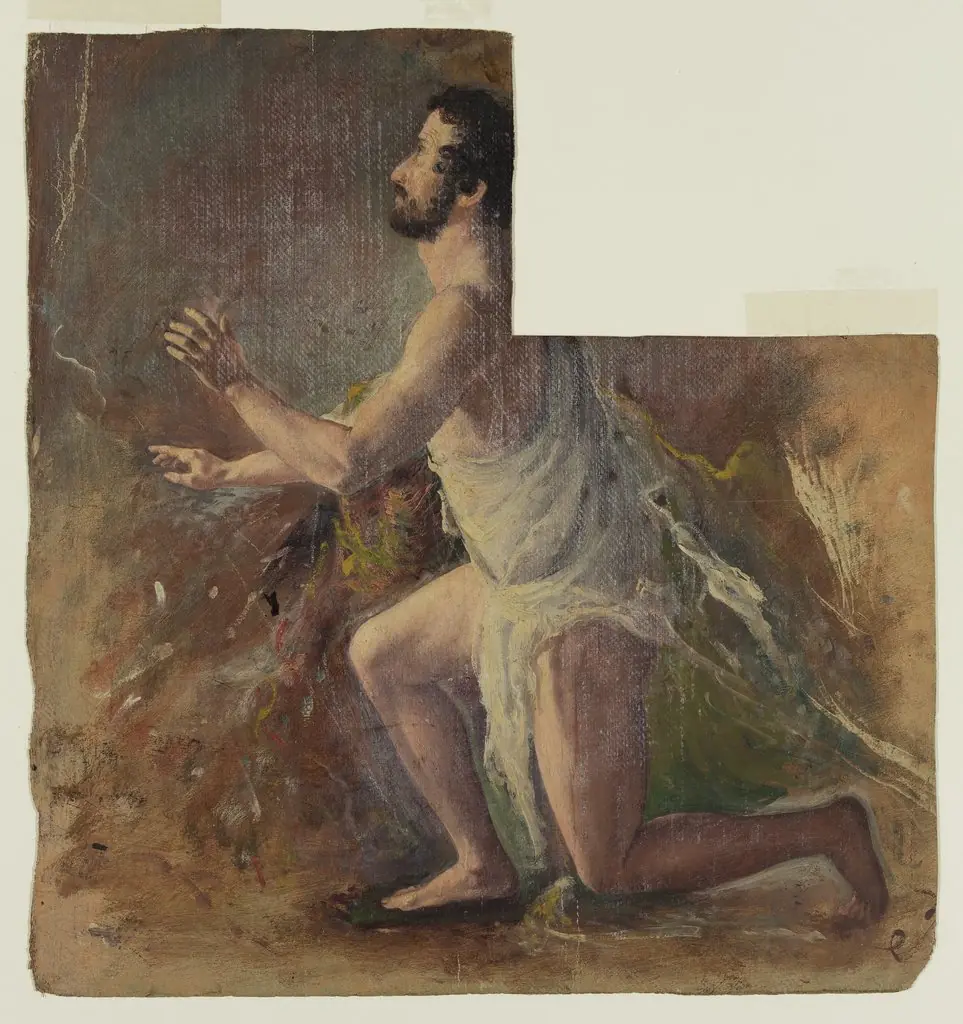 Kneeling Male Figure
![Man Reclining on the Ground and the Corner of a Bed [verso], by Jean-Baptiste Deshays](https://artifactworldgallery.com/img/jean-baptiste-deshays--man-reclining-on-the-ground-and-the-corner-of-a-bed-verso--3e054816ddd681bf-w320.webp) Man Reclining on the Ground and the Corner of a Bed [verso]
Man Reclining on the Ground and the Corner of a Bed [verso]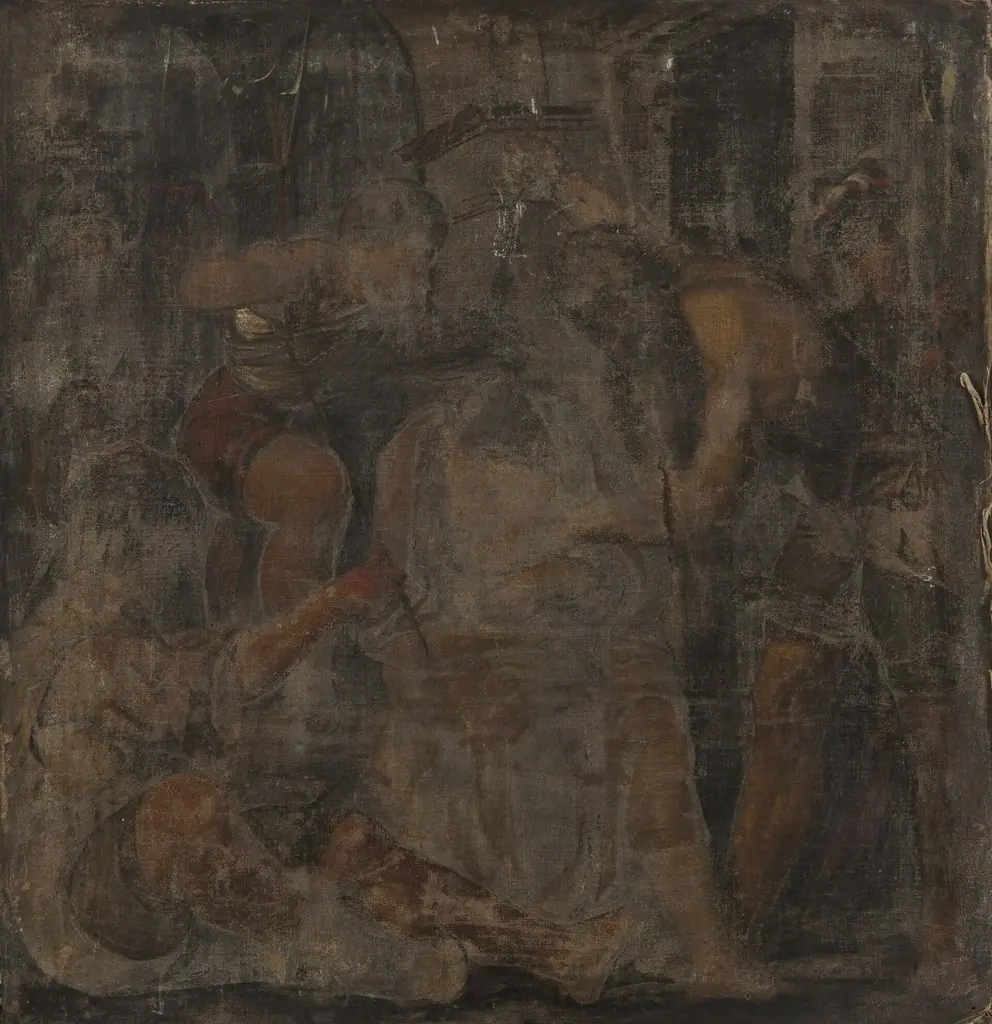 Christ with the crown of thorns
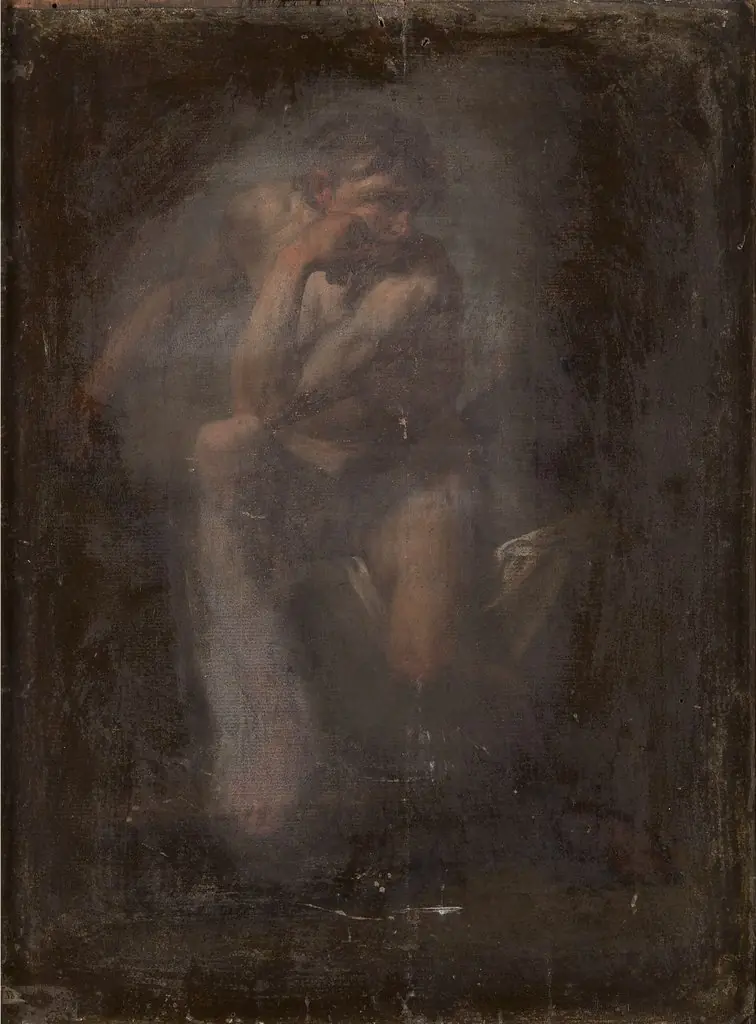 Figurstudie
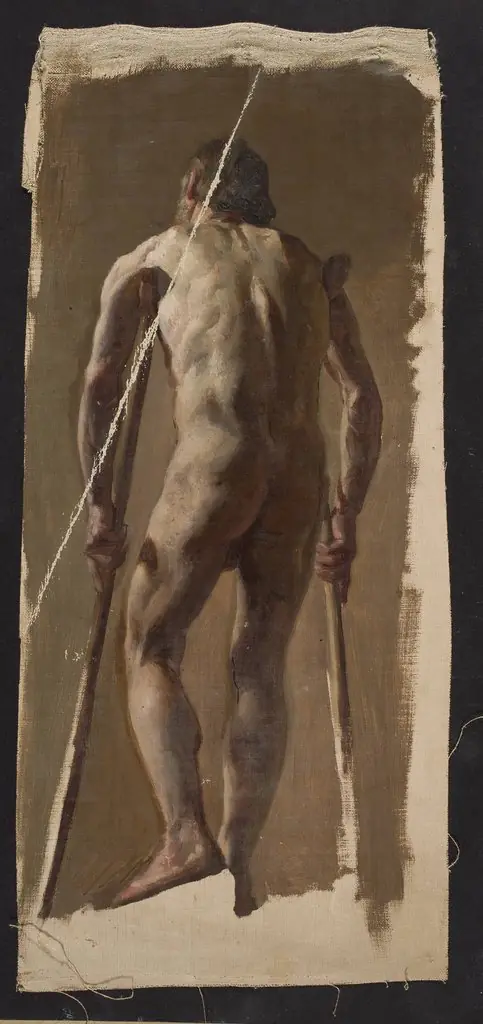 Nude of an old man leaning on crutches, back view
 Cherub on a Vase with Inscription: "SOLI DEO HONOR"
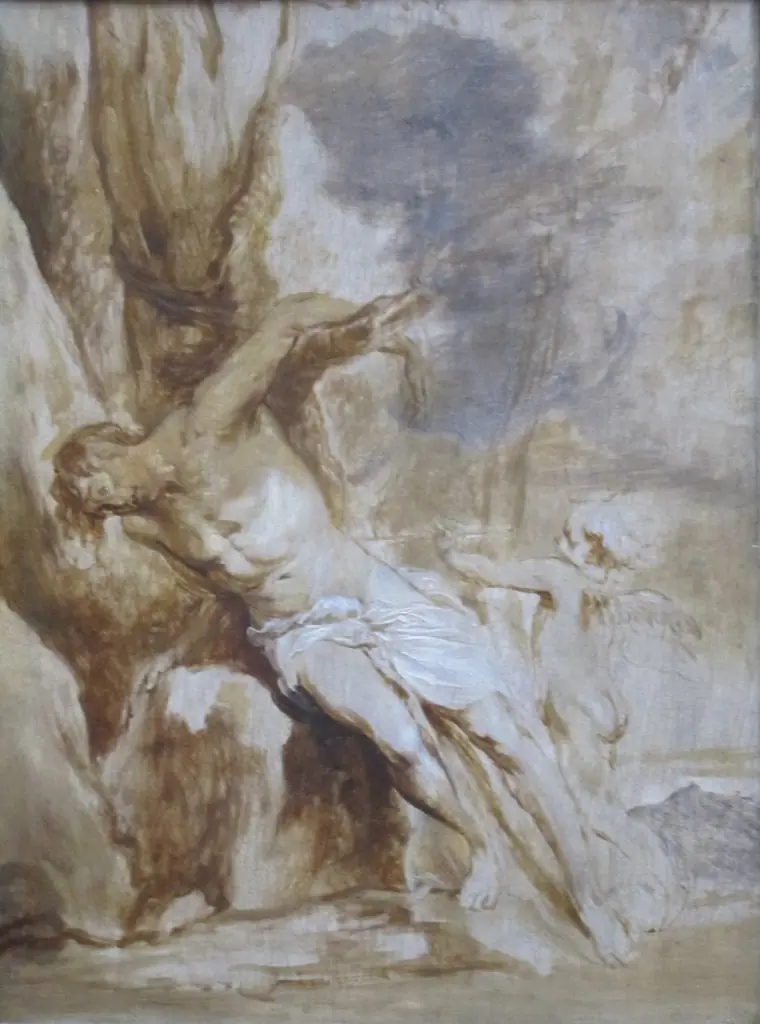 Saint Sebastian Tended by an Angel