Artwork
Christ with the crown of thorns
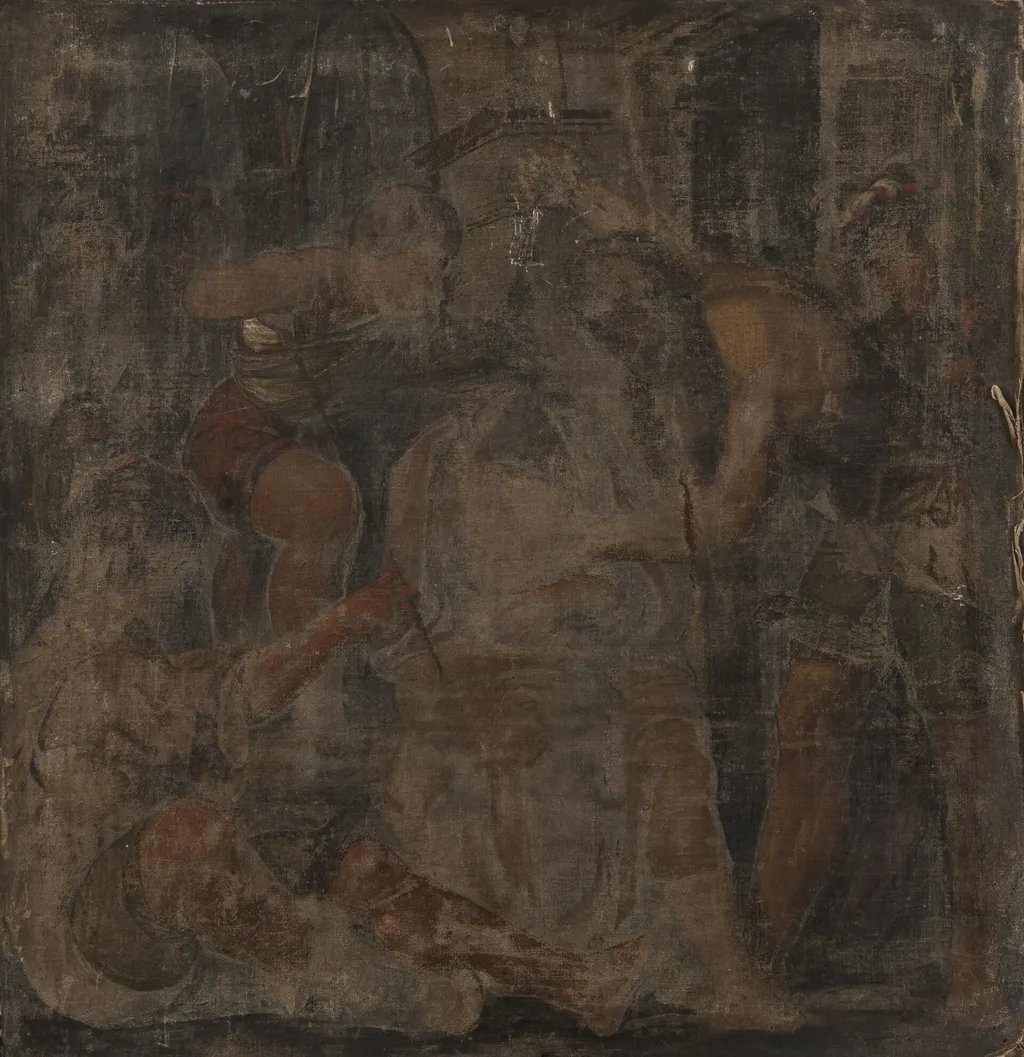
Christ with the crown of thorns is an oil painting by the Early Baroque Italian artist Callisto Piazza. It dates from 1540 and is held in the collection of the Nationalmuseum. Created around 1540, this oil on canvas portrays a figure of Christ seated, his head inclined backward beneath a crown of thorns.
About this work
Overview
Created around 1540, this oil on canvas portrays a figure of Christ seated, his head inclined backward beneath a crown of thorns. He is flanked by three attendants, one bearing a spear and another a cloth, all set against a deep, shadowy backdrop. The palette is restrained, emphasizing the solemn atmosphere of the scene.
Subject & Meaning
The central figure represents the suffering Christ, his expression subdued yet resolute, suggesting an acceptance of his fate. The surrounding men likely allude to the moments of the Passion, with the spear hinting at the impending crucifixion and the cloth evoking the burial shroud, together underscoring themes of sacrifice and redemption.
Technique & Style
The work employs chiaroscuro, contrasting illuminated forms with surrounding darkness to model volume and convey emotional intensity. Muted tonalities and careful modeling of flesh and fabric create a three‑dimensional presence, while the restrained color scheme focuses attention on the psychological weight of the central figure.
History & Provenance
Attributed to the Lombard painter Callisto Piazza, the piece entered the collection of Sweden’s Nationalmuseum, where it remains on display. Its dating to the early 1540s places it within Piazza’s mature period, reflecting his engagement with religious subjects common in mid‑sixteenth‑century Northern Italian art.
Artist & collection

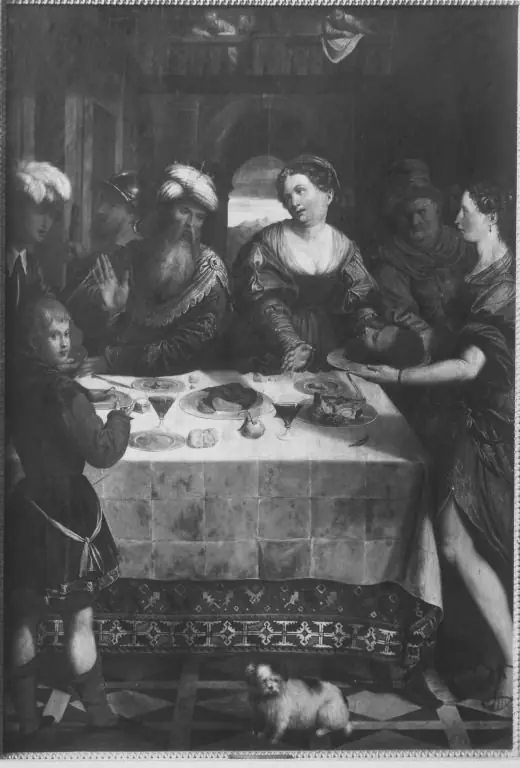
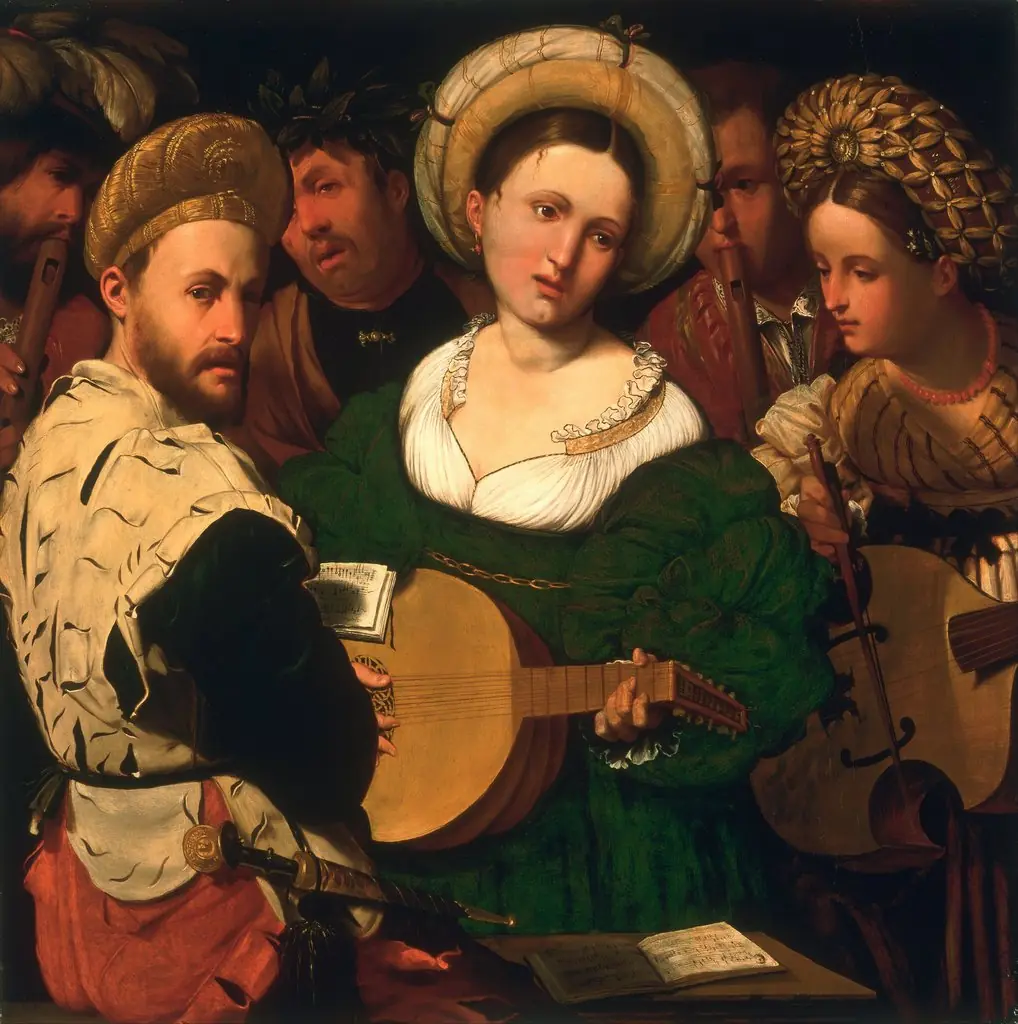
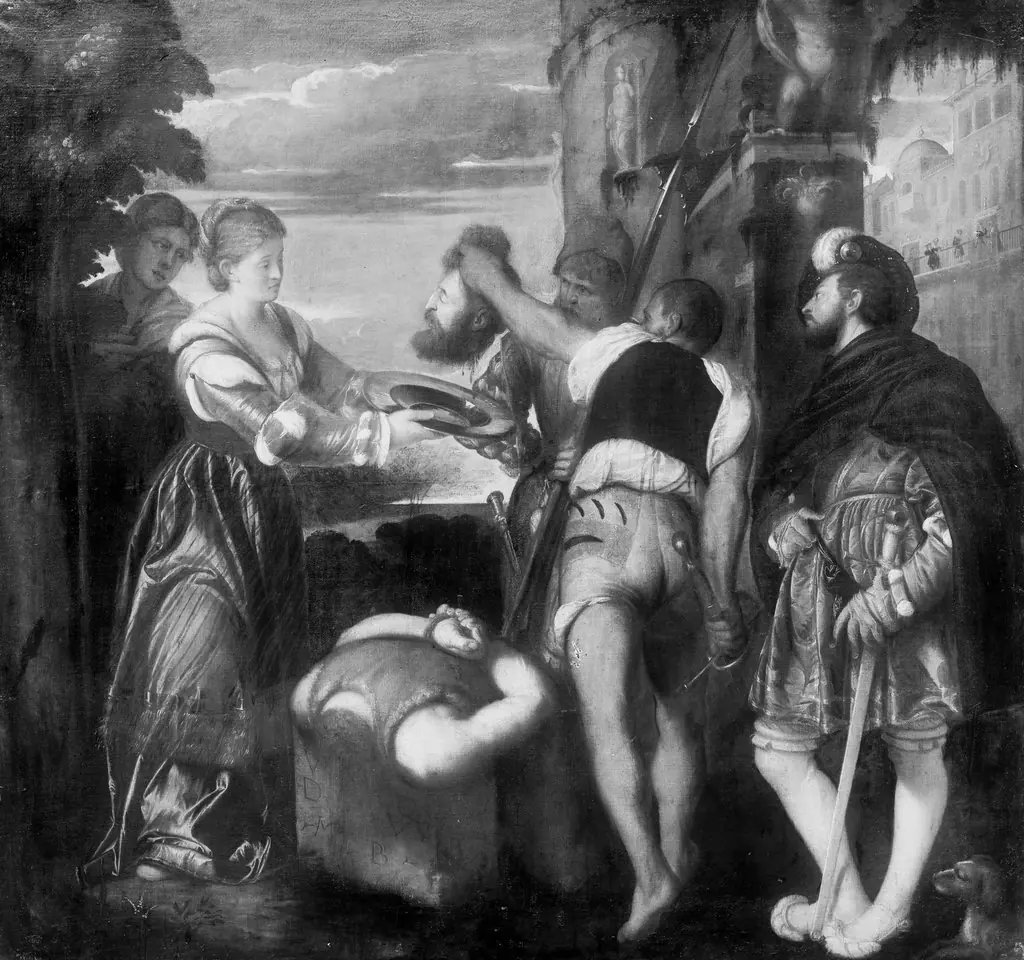
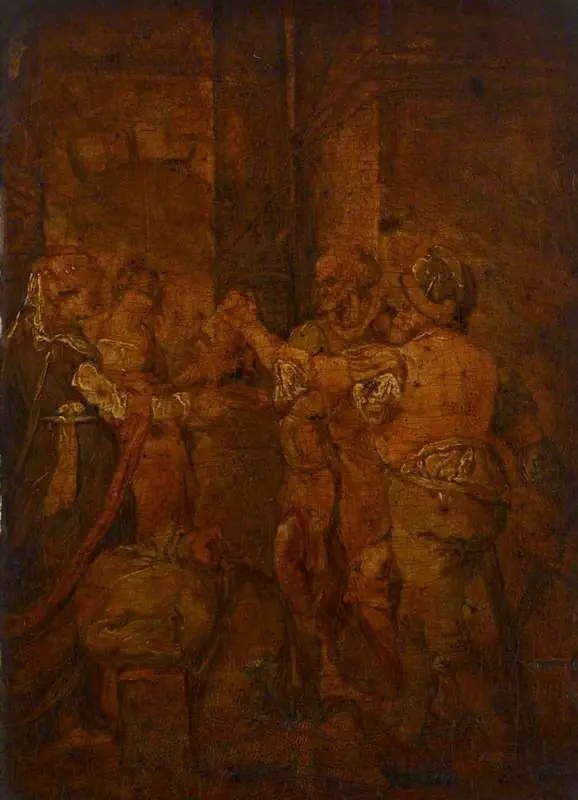 Salome Receiving the Saint John the Baptist's Head
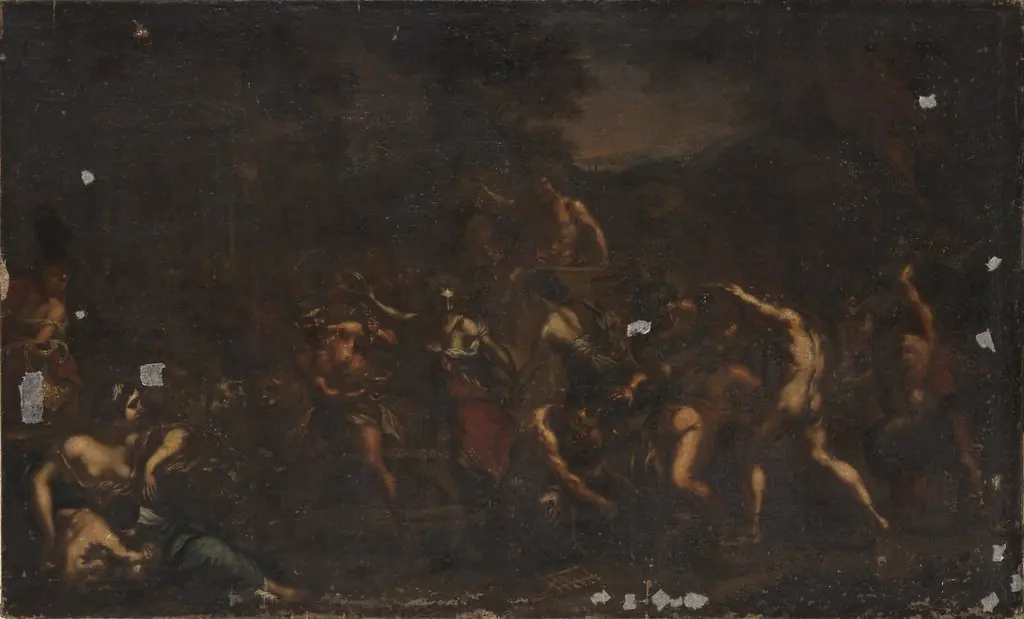 Company Celebrating Bacchus
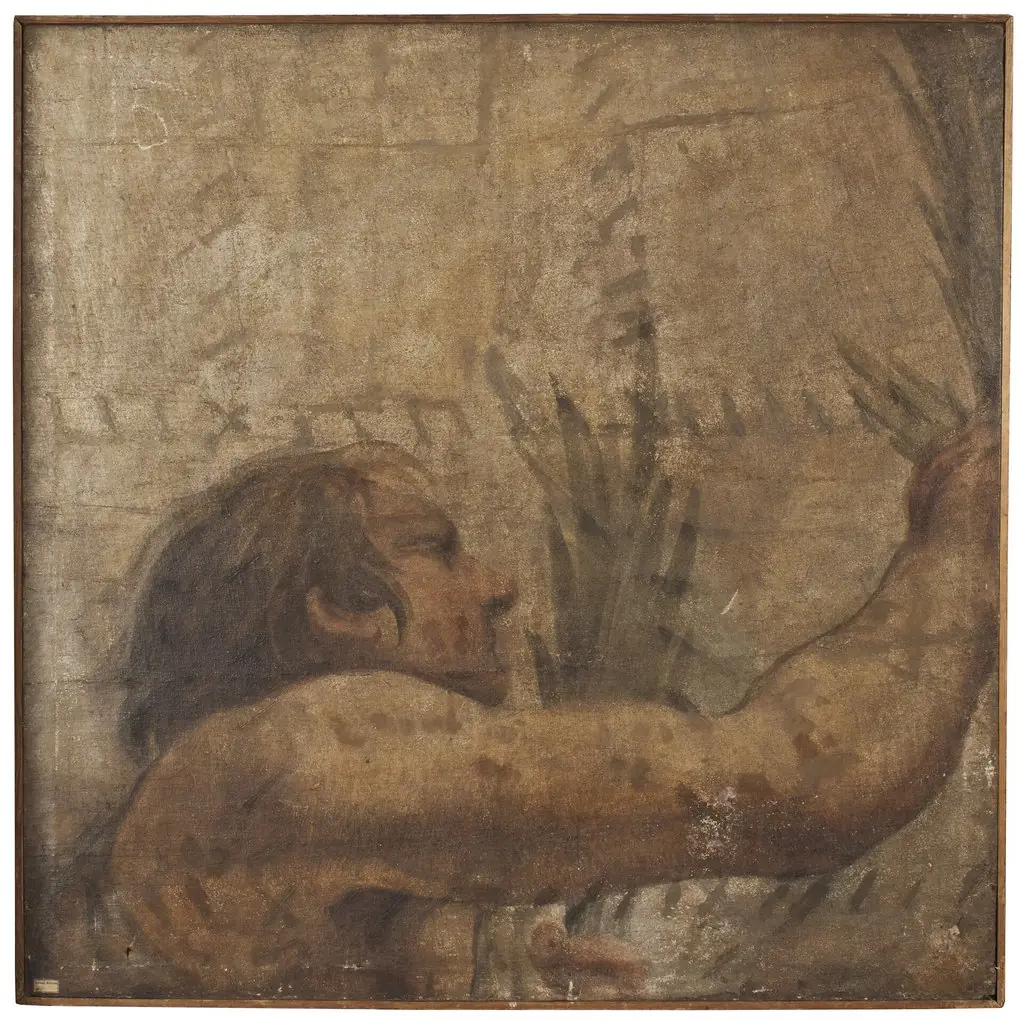 Detail of the vault of the Chapel of St Sebastian in St Peter’s, Rome,cartoon
 Descent from the Cross
 St Mary Magdalen
 Sophonisbe kneeling before Masinissa, King of Numidia
 The Healing of the Lame Man
 Christ Appears to St. Thomas
 Icoană -Fragment din Epitaful de la Zamfira din Epitaful de la Zamfira,,
 Kain und Abel (?)
 Vilan på flykten till Egypten
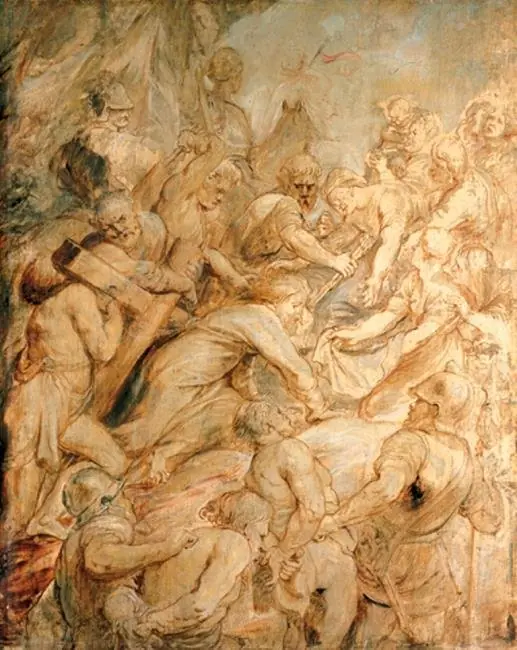 Christ carrying the cross, 1634-1637