Artwork
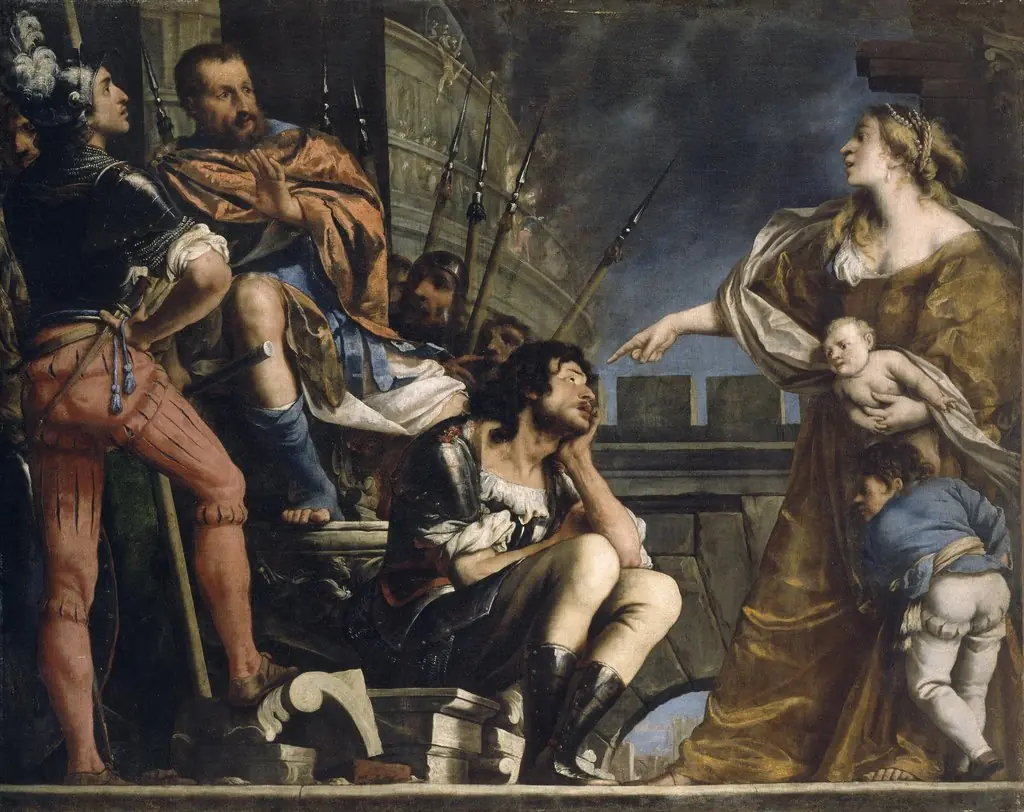
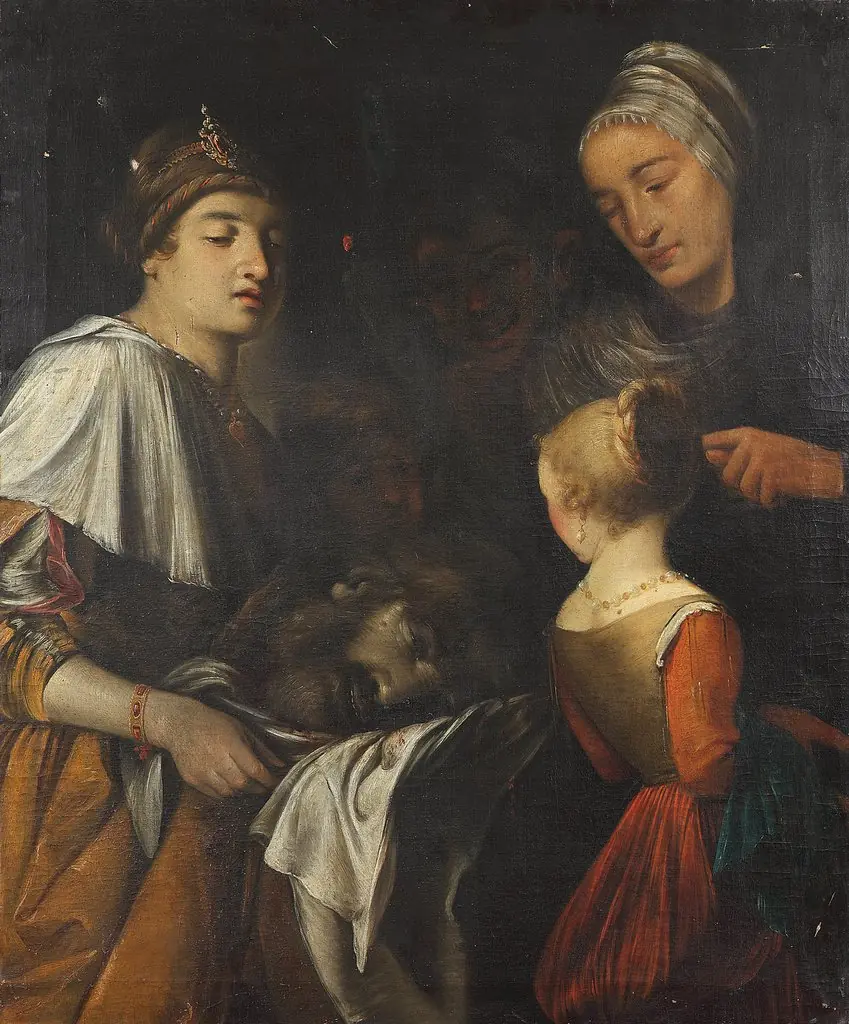
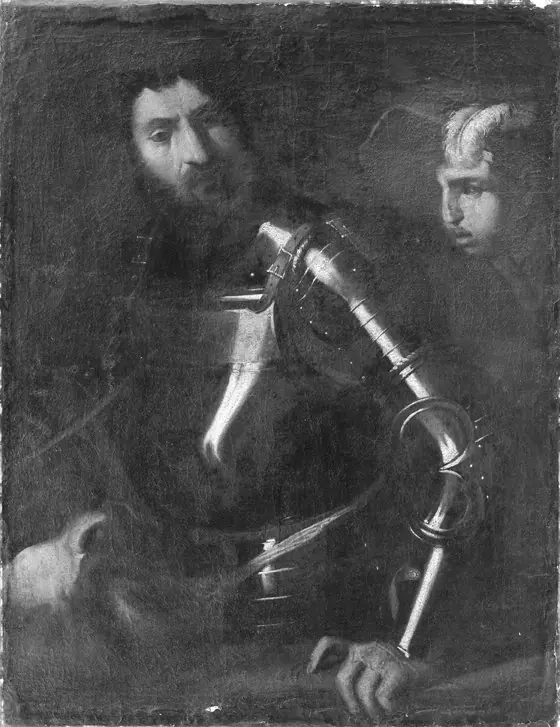
Saul und David mit dem Haupt des Goliath
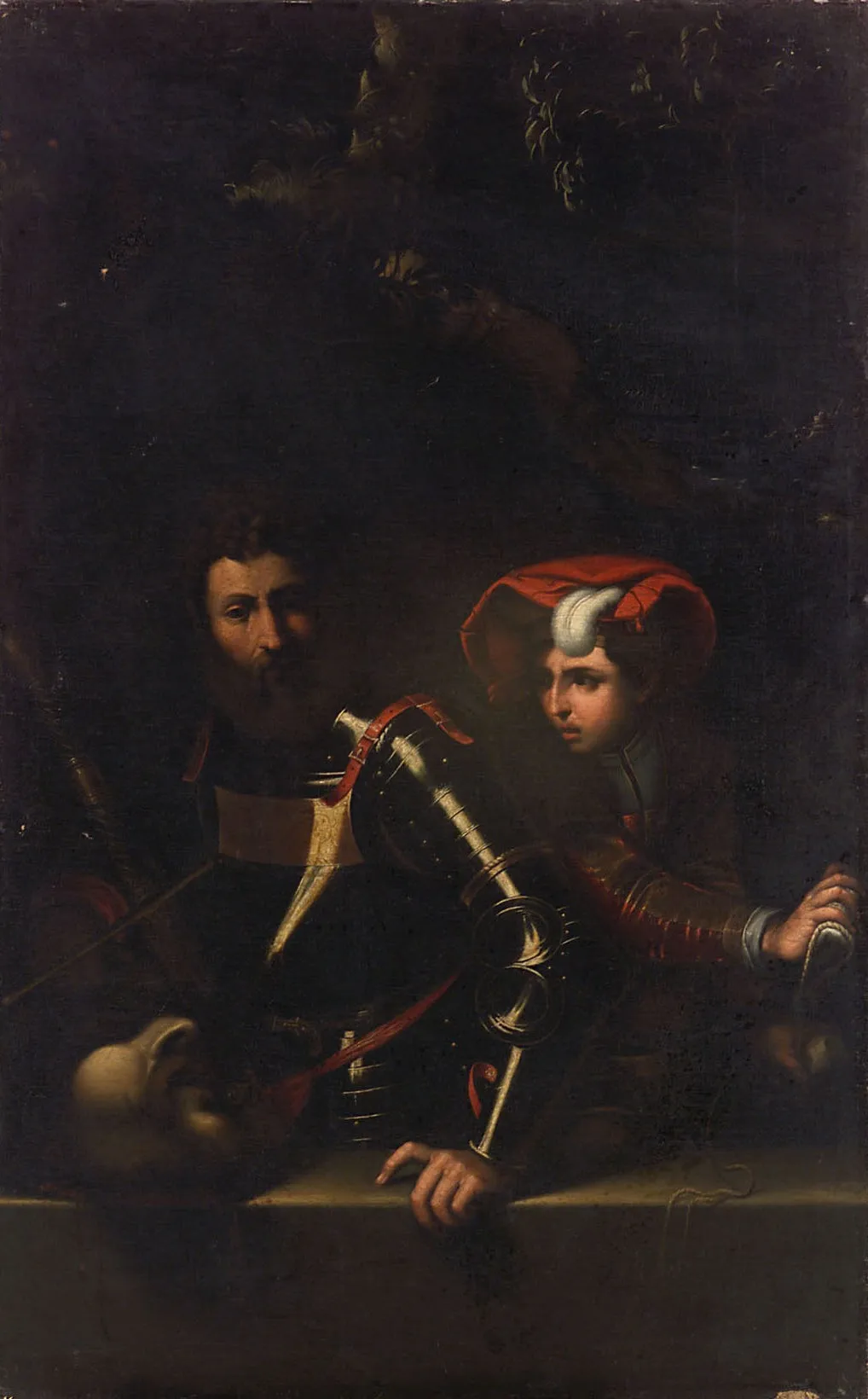
Saul und David mit dem Haupt des Goliath is an unspecified painting by the Early Baroque Italian artist Pietro della Vecchia. It dates from 1650 and is held in the collection of the Kunsthistorisches Museum.
About this work
Overview
This canvas, part of the Kunsthistorisches Museum’s holdings, portrays a biblical encounter marked by chiaroscuro and psychological tension.
Executed around 1650, *Saul und David mit dem Haupt des Goliath* is a religious painting by Pietro della Vecchia, a Venetian artist bridging late Mannerism and early Baroque. Active primarily in Venice, della Vecchia produced works spanning altarpieces, portraits, and decorative schemes. This canvas, part of the Kunsthistorisches Museum’s holdings, portrays a biblical encounter marked by chiaroscuro and psychological tension.
Subject & Meaning
The scene depicts King Saul and the youthful David following the latter’s triumph over Goliath. David, identifiable by his red cap and ceremonial sword, stands in quiet resolve, while Saul leans forward, his hand resting on David’s shoulder—a gesture that oscillates between paternal acknowledgment and uneasy recognition of a rising rival. The severed head of Goliath, though not centrally visible, underscores the narrative’s themes of victory, divine favor, and shifting power.
Technique & Style
Della Vecchia employs a restrained yet dramatic use of light, isolating the figures against a darkened background to heighten their emotional and physical presence. The younger man’s vivid red cap and the metallic sheen of his sword draw the eye, while Saul’s somber attire recedes, reinforcing his ambiguous role. The composition reflects early Baroque tendencies toward naturalism and psychological depth, though tempered by the artist’s familiarity with earlier Venetian models.
History & Provenance
Little is documented about the painting’s early history, though its creation aligns with della Vecchia’s mature period in mid-seventeenth-century Venice. The work entered the Kunsthistorisches Museum’s collection, where it remains, though the circumstances of its acquisition are not widely recorded. Its condition and provenance suggest it was likely intended for private devotion or a small ecclesiastical setting rather than public display.
Context
During the 1650s, Venice remained a center of artistic innovation, though its political and economic influence was waning. Della Vecchia’s ability to navigate multiple genres—including emulations of earlier masters—reflects both market demands and the city’s enduring reverence for its artistic heritage. This painting, with its intimate scale and moral weight, exemplifies the period’s shift toward personal and devotional imagery within a broader Baroque idiom.
Artist & collection
Artist
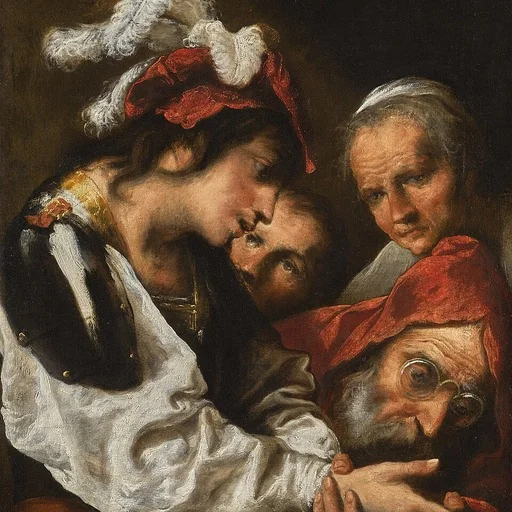
Pietro della Vecchia, Pietro della Vècchia or Pietro Vècchia, formerly incorrectly called Pietro Muttoni (1603 – 8 September 1678) was a versatile Venetian artist between late Mannerism and early Baroque, who worked in…