Artwork
Judith with the Head of Holofernes
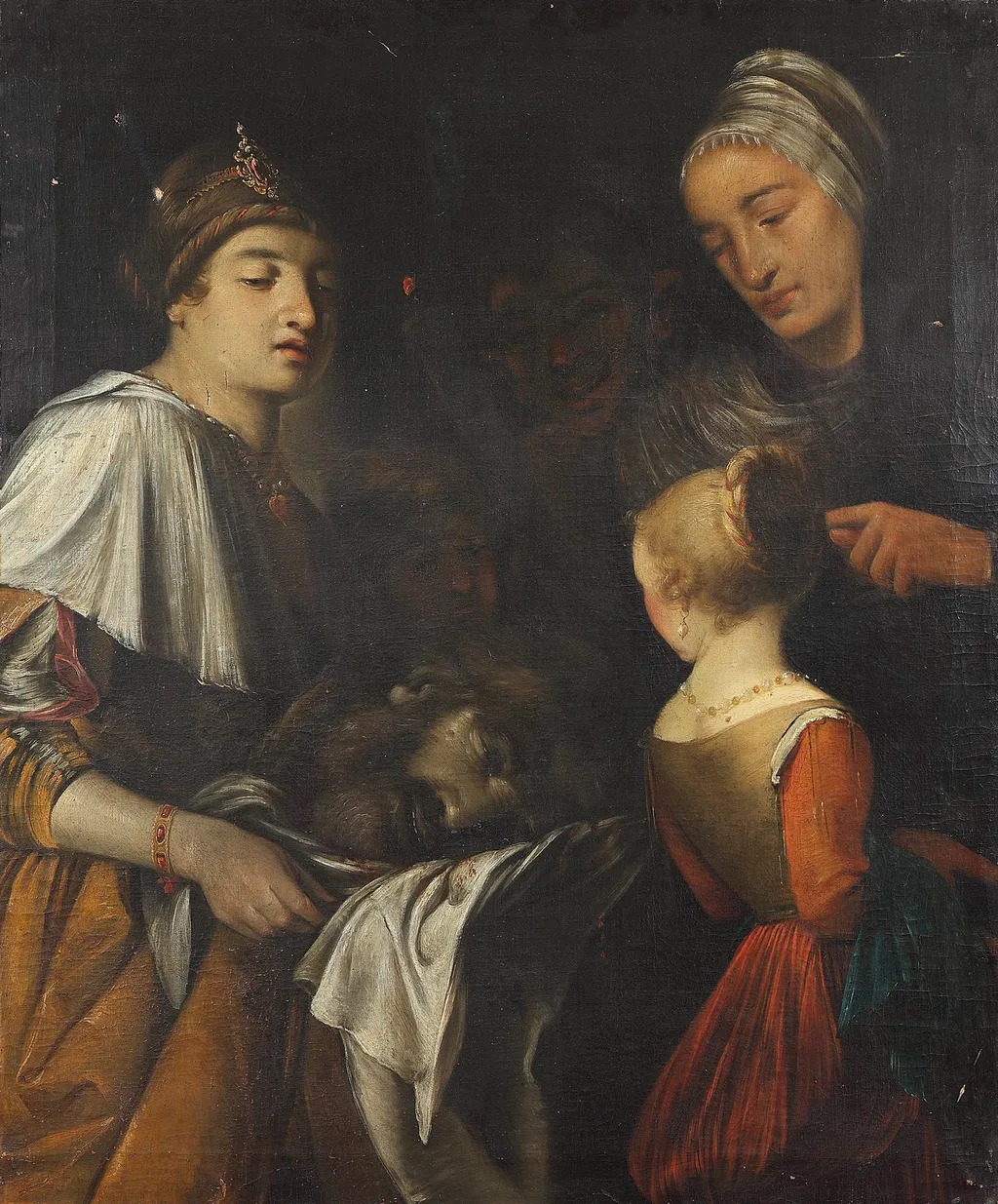
Judith with the Head of Holofernes is an unspecified painting by the Early Baroque Italian artist Unknown. It dates from 1650 and is held in the collection of the Gemäldegalerie Berlin. This painting depicts a moment from the biblical story of Judith, who beheaded the Assyrian general Holofernes to save her people.
About this work
Overview
The scene is rendered with intense focus on the act of decapitation, framed by a dark, undefined space that heightens the emotional gravity.
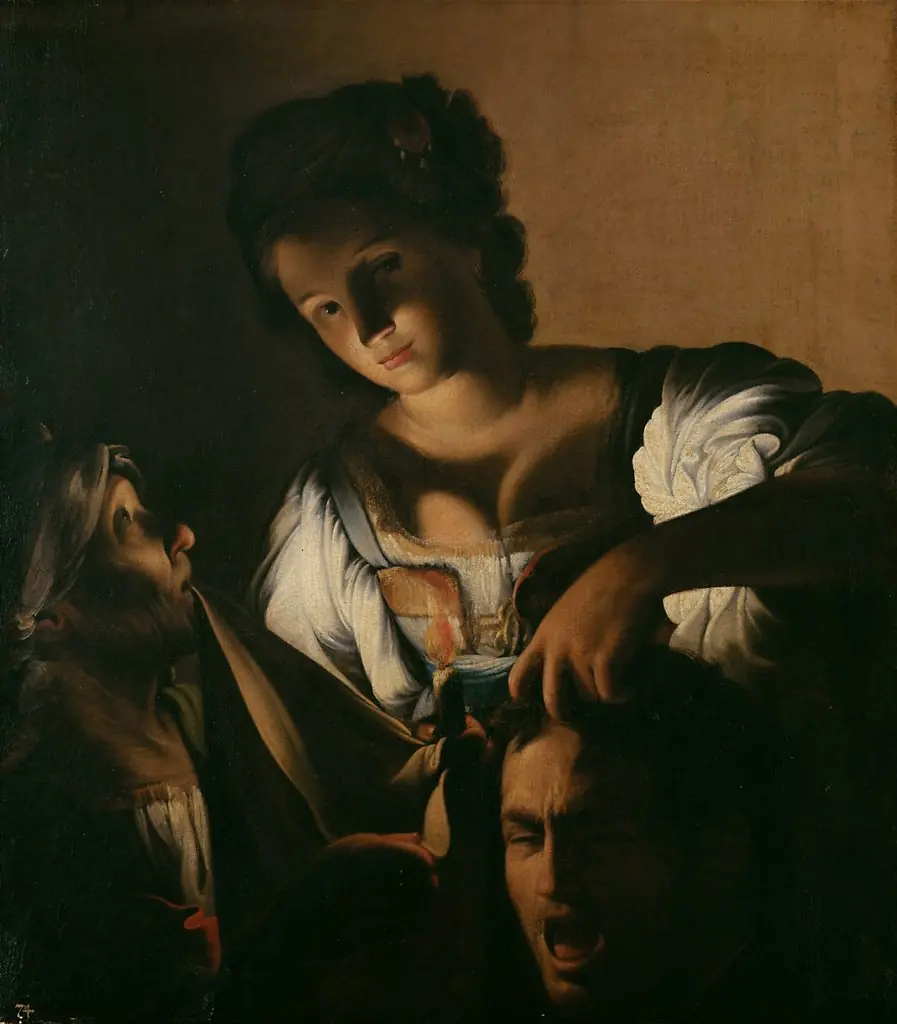
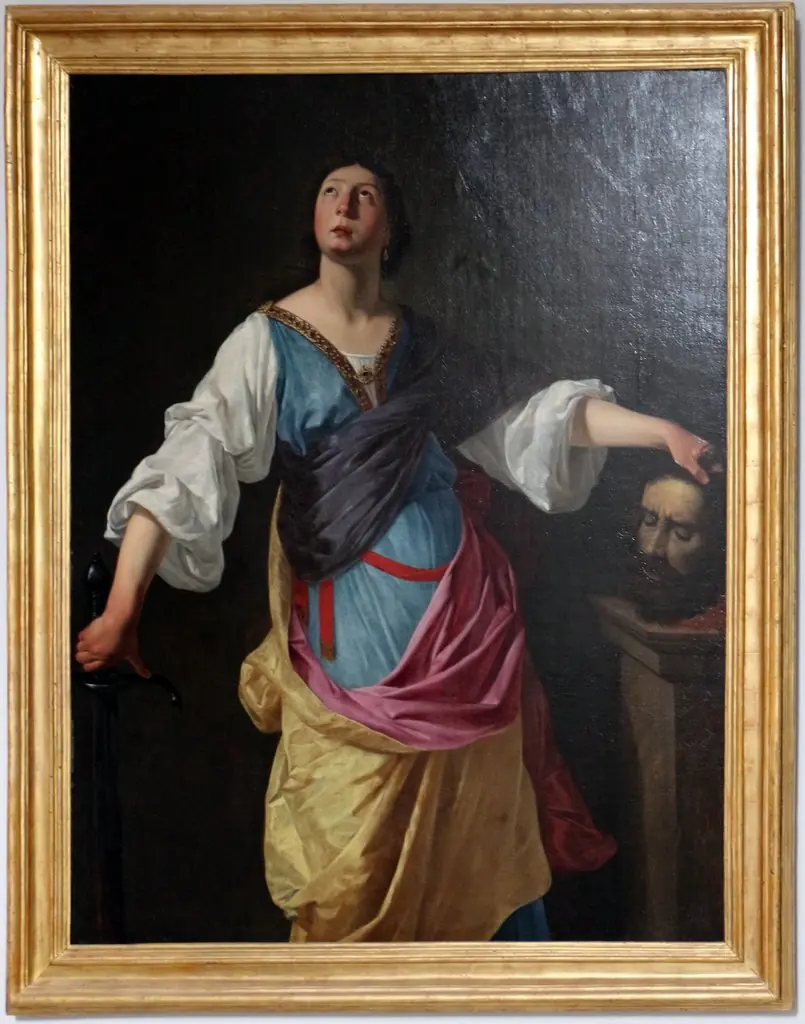
This painting depicts a moment from the biblical story of Judith, who beheaded the Assyrian general Holofernes to save her people. The scene is rendered with intense focus on the act of decapitation, framed by a dark, undefined space that heightens the emotional gravity. Three women are present, their expressions and postures conveying tension and quiet resolve. The composition centers on the severed head, drawn with unflinching realism.
Subject & Meaning
Judith, a biblical heroine, is shown after slaying Holofernes to deliver her people from siege. The act symbolizes courage, divine justice, and the triumph of the vulnerable over tyranny. The presence of her maid, holding a sack, suggests the planned concealment of the head, reinforcing the narrative’s strategic dimension. The third figure, though less defined, may represent witness or complicity, deepening the moral complexity of the scene.
Technique & Style
The painting employs chiaroscuro to isolate figures against a deep, shadowy background, directing focus to the central act. Textures of fabric, skin, and hair are rendered with meticulous detail, particularly in the contrast between Judith’s pale headscarf and the dark, glistening head. Brushwork is controlled yet expressive, with subtle gradations of light enhancing the psychological weight of the moment without overt theatricality.
History & Provenance
The painting is attributed to Rembrandt van Rijn, likely executed in the 1630s during his early Amsterdam period. It entered a private collection shortly after completion and passed through several European hands before being acquired by a public institution. Its attribution has been consistently supported by stylistic analysis and technical examination, though minor debates over workshop involvement persist.
Context
In early 17th-century Dutch art, biblical heroines like Judith were popular subjects, reflecting both religious devotion and emerging ideals of female agency. Rembrandt’s treatment diverged from earlier idealized versions, emphasizing psychological realism and moral ambiguity. The work aligns with a broader trend among Dutch painters to explore dramatic, intimate moments from sacred texts with unvarnished humanity.
Legacy
This painting contributed to the enduring visual language of Judith in Western art, influencing later interpretations through its unflinching realism and emotional restraint. It stands as an example of Rembrandt’s ability to transform a violent narrative into a contemplative study of resolve and consequence. Its quiet intensity continues to inform discussions of gender, power, and representation in early modern art.
Artist & collection

 Domestic Scene
 Giacomo and Cardinal Marco, investing Andrea, Abbot of San Zeno, with his Benefice
 The Nymph of Fontainebleau
 Portrait of a Woman
 Madonna and Child with Saints in the Enclosed Garden
 Venus and Minerva
 Family Group of Four on Sofa
 Wall painting from Room H of the Villa of P. Fannius Synistor at Boscoreale
 Judith with the Head of Holofernes
 Judith with the Head of Holofernes
 Judith with the Head of Holofernes
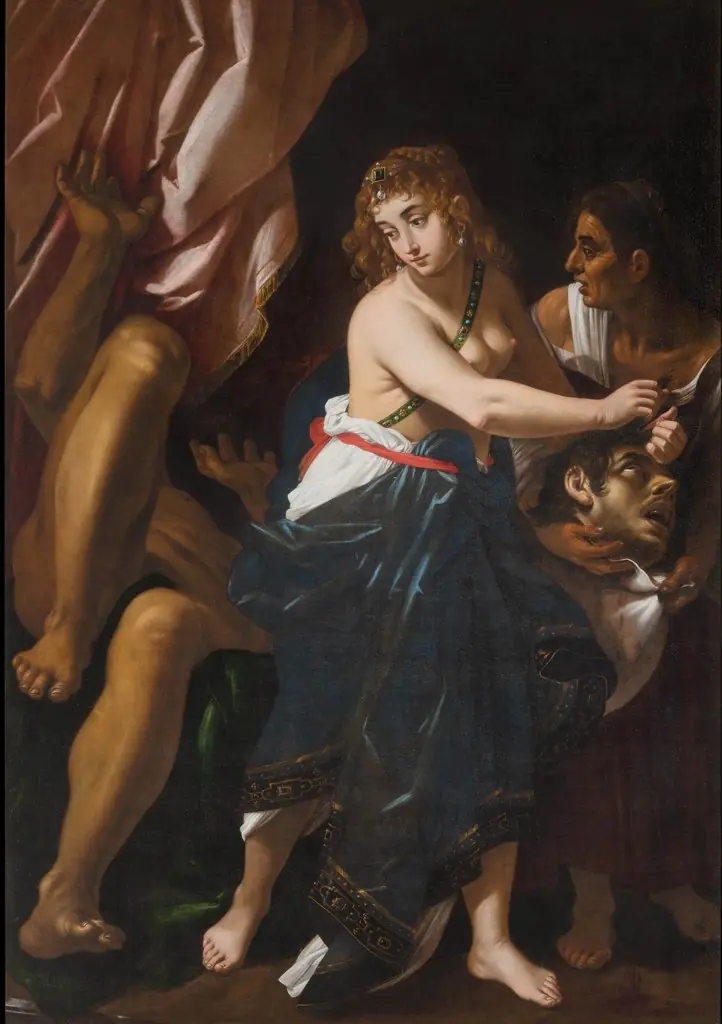 Judith and the Head of Holofernes
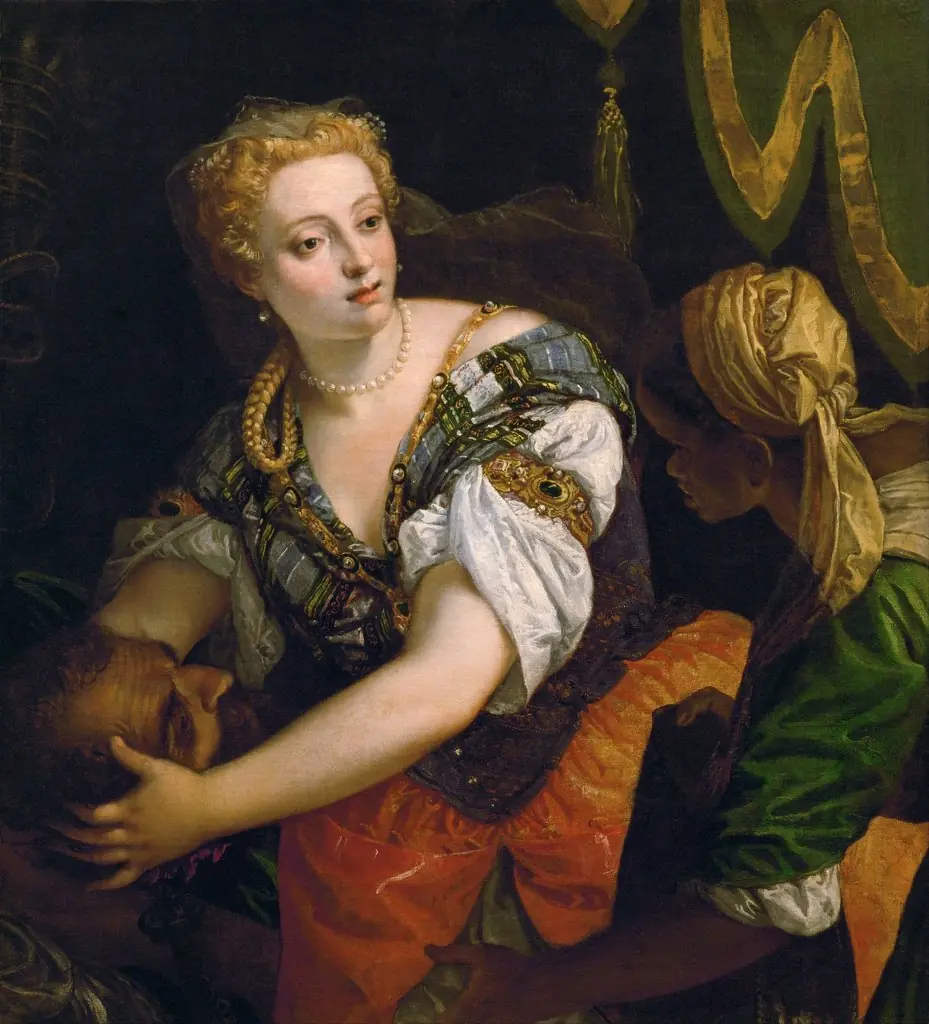 Judith with the Head of Holofernes
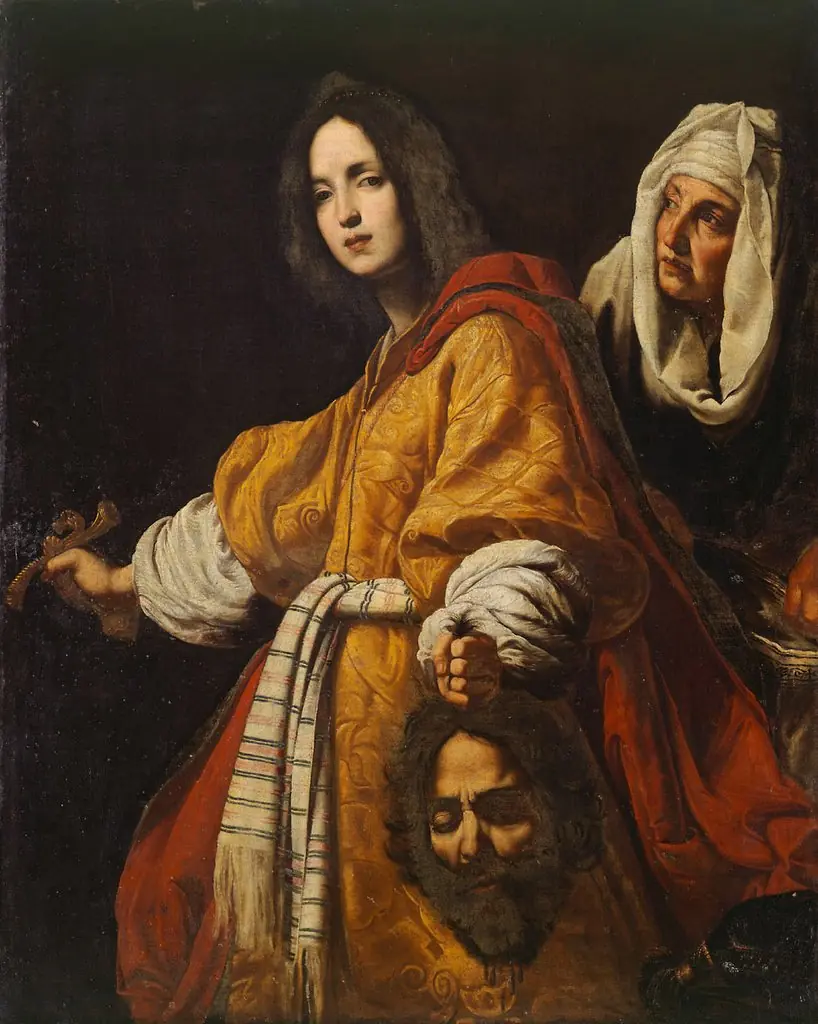 Judith with the head of Holofernes
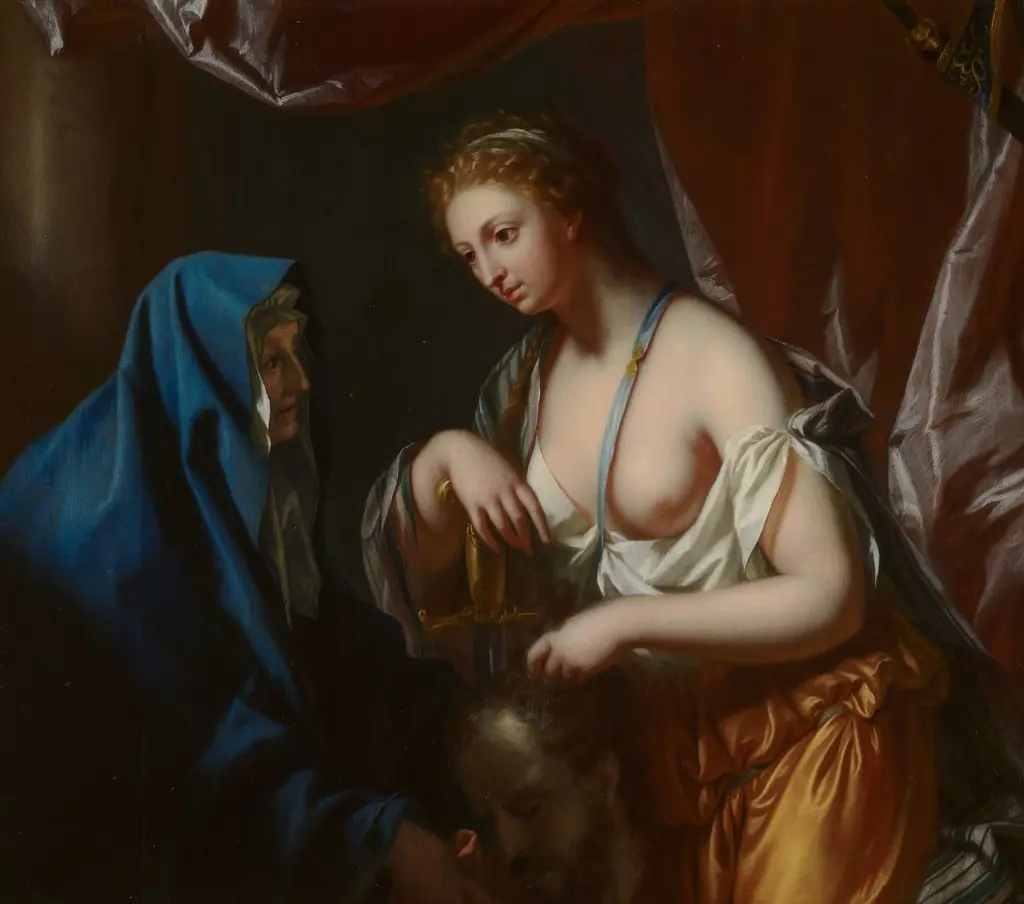 Judith with the Head of Holofernes
 Judith with the head of Holofernes
 Judith and the Head of Holofernes