Artwork
The Casino
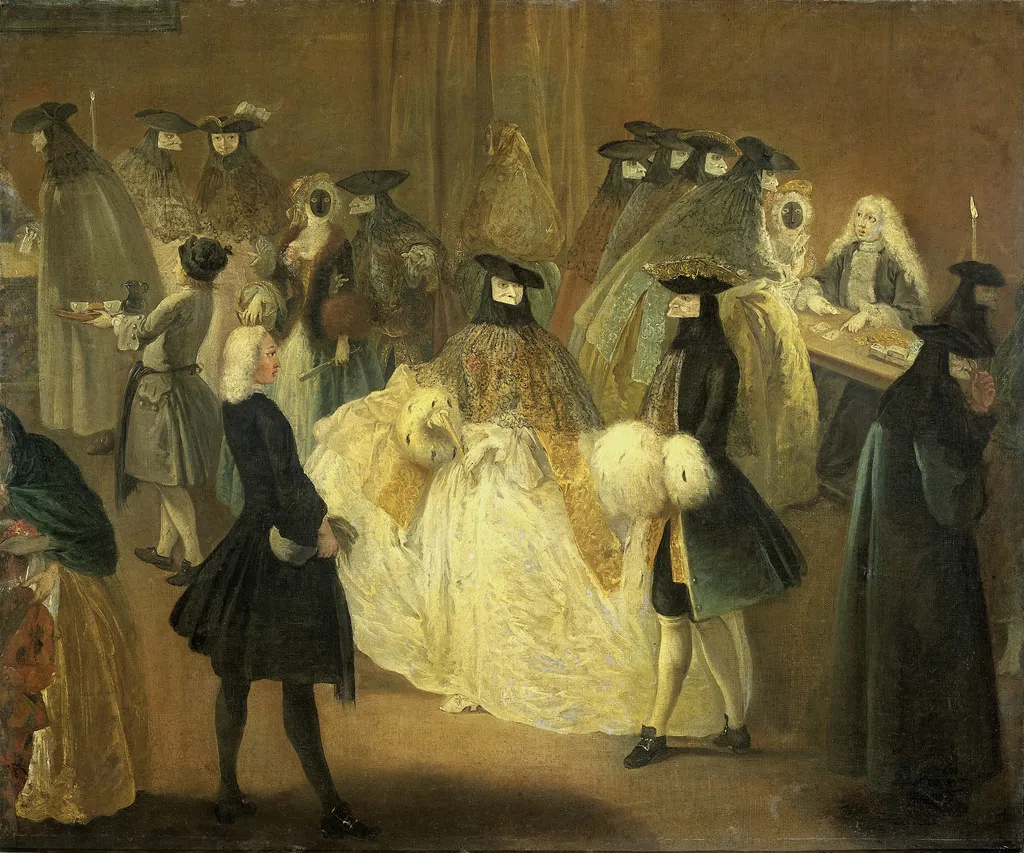
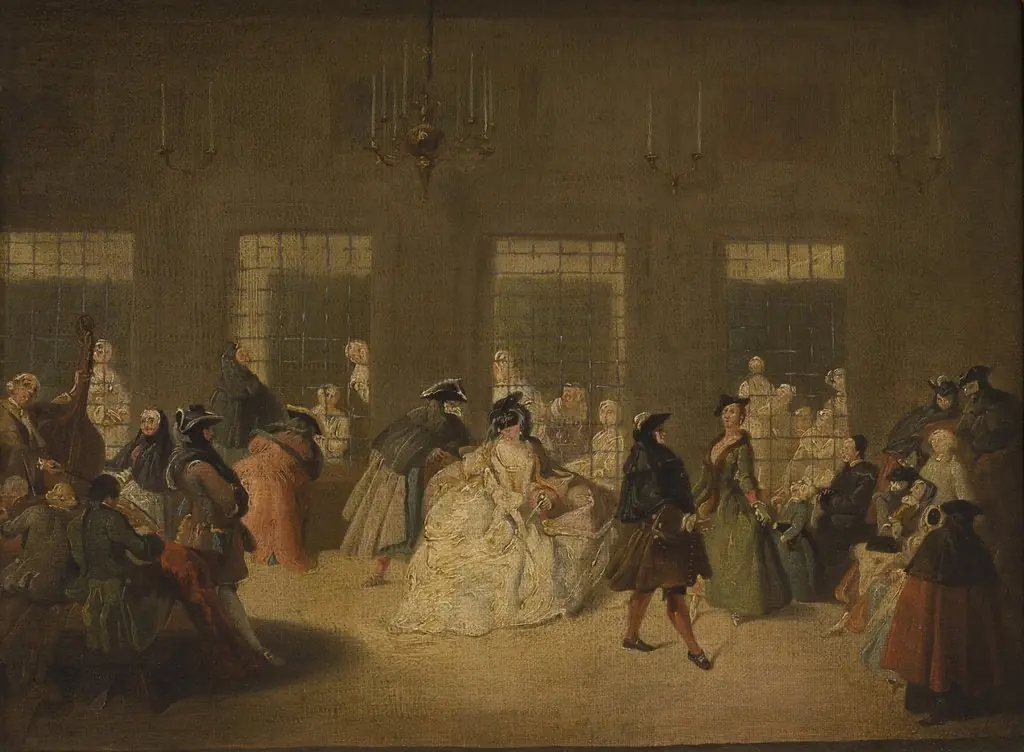
The Casino is an oil painting by the Rococo painting artist Pietro Longhi. It dates from 1750 and is held in the collection of the Rijksmuseum.
About this work
Overview
Pietro Longhi’s oil painting known as The Casino, executed around 1750, depicts an interior gathering typical of Venetian social life. The work is part of the Rijksmuseum’s collection, where it is displayed among other 18th‑century genre scenes. Its modest size and intimate composition invite viewers to observe the subtle interactions of the figures within the bustling room.
Subject & Meaning
The canvas presents a lively salon where men and women engage in card games and conversation. Attendees wear the elaborate attire of the period: men in dark coats and powdered wigs, women in voluminous gowns and ornate hats. A small dog rests near a lady in a pale dress, adding a domestic touch and emphasizing the informal conviviality of the gathering.
Technique & Style
Longhi employs a warm palette of muted reds, browns, and ochres, applying quick, fluid brushstrokes that convey movement and the play of light across surfaces.
Longhi employs a warm palette of muted reds, browns, and ochres, applying quick, fluid brushstrokes that convey movement and the play of light across surfaces. While facial features are rendered loosely, the details of clothing, accessories, and the dog are sharply defined, creating a contrast that highlights the social markers of the scene. The handling of light shows a restrained use of chiaroscuro, modeling forms without dramatic contrast.
History & Provenance
Created in the mid‑18th century, The Casino entered the Rijksmuseum’s holdings through acquisition in the early 20th century, though earlier ownership records remain sparse. Its presence in the museum’s collection reflects a broader interest in Venetian genre painting, offering insight into the everyday leisure activities of the city’s middle and upper classes during Longhi’s career.
Context
Longhi specialized in small‑scale genre scenes that captured the customs of contemporary Venice, often focusing on interior settings such as salons, taverns, and gambling rooms. The Casino aligns with this focus, illustrating the popularity of card playing as a social pastime. The work also mirrors the broader European fascination with depicting informal domestic moments, a trend that gained momentum in the Rococo period.
Own this work as a print
Artist & collection


 Theme from the Venetian Carnival – In the Parlatory of the Monastery
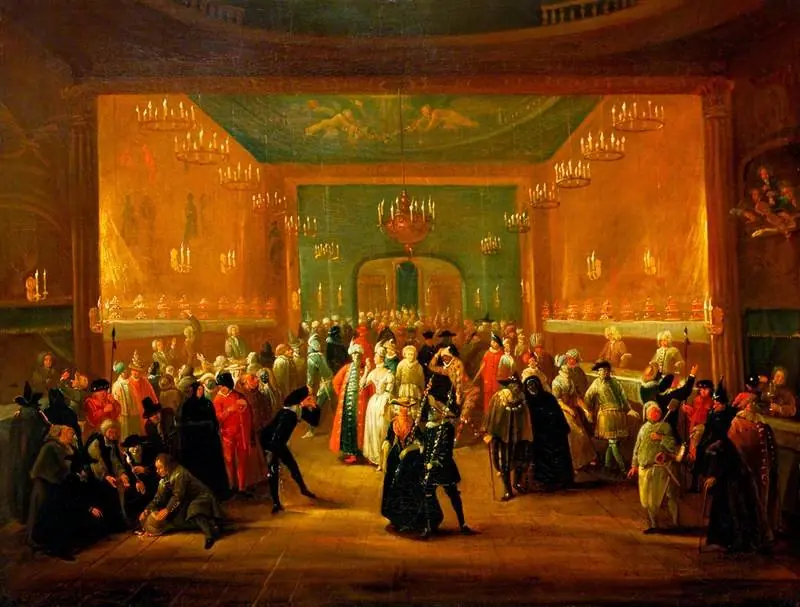
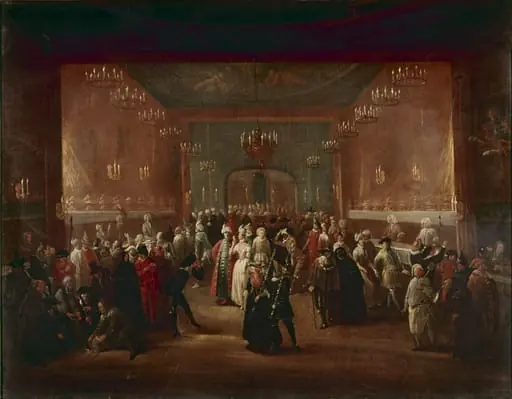 A Masquerade at the King's Theatre, Haymarket
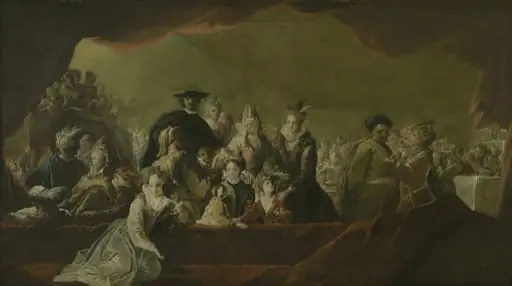 A Fancy-Dress Ball
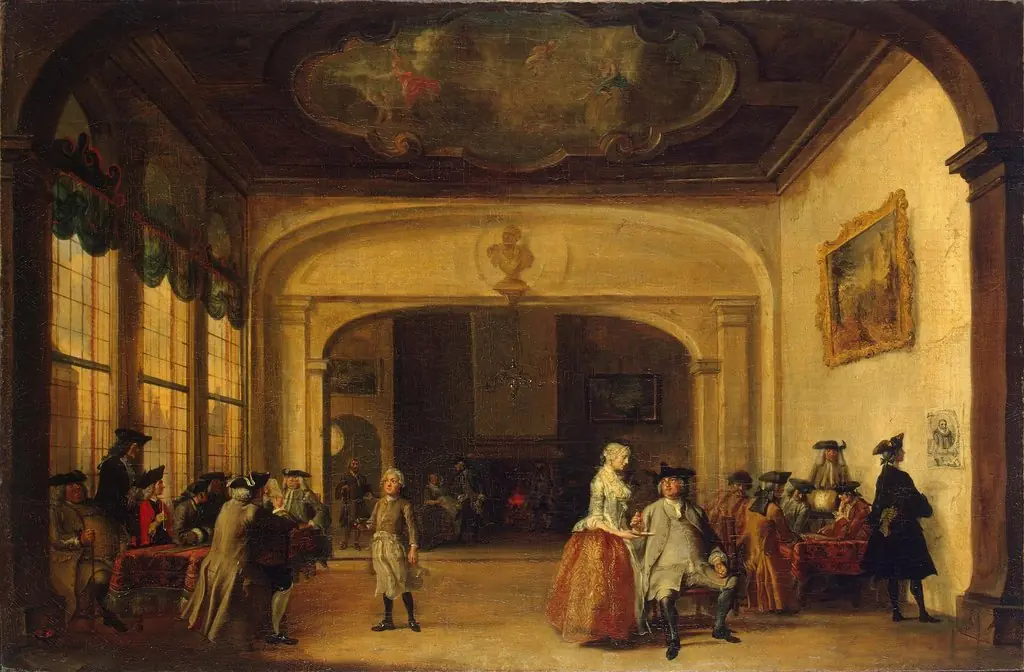 Scene in a Coffee Shop
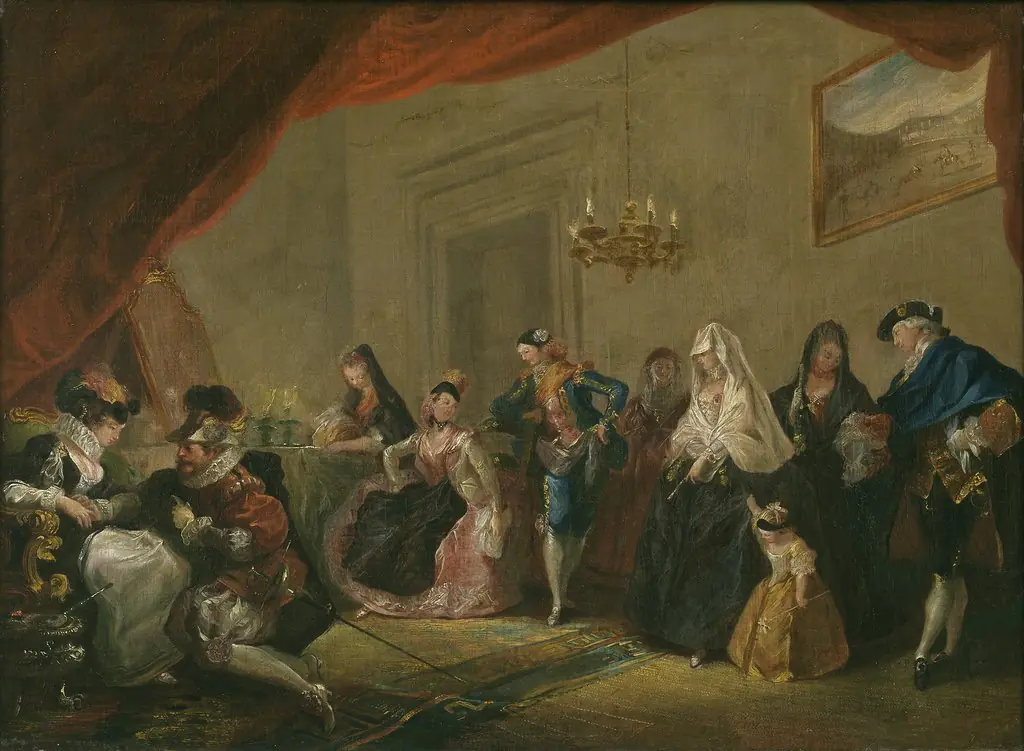 Rehearsal for a Play
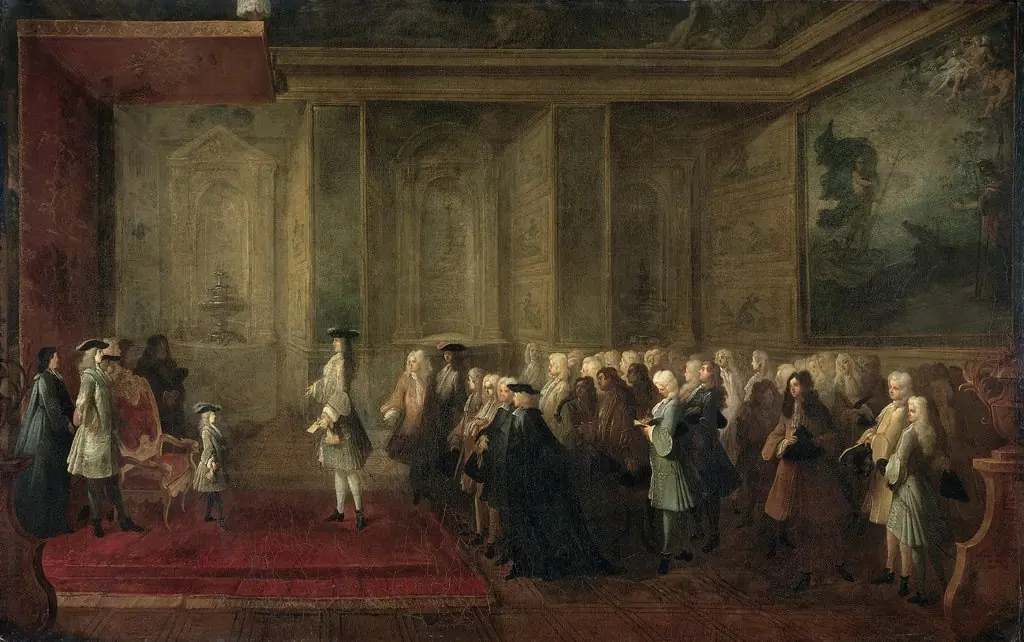 Reception of the Dutch ambassador Cornelis Hop by the French king Louis XV, 24 July 1724
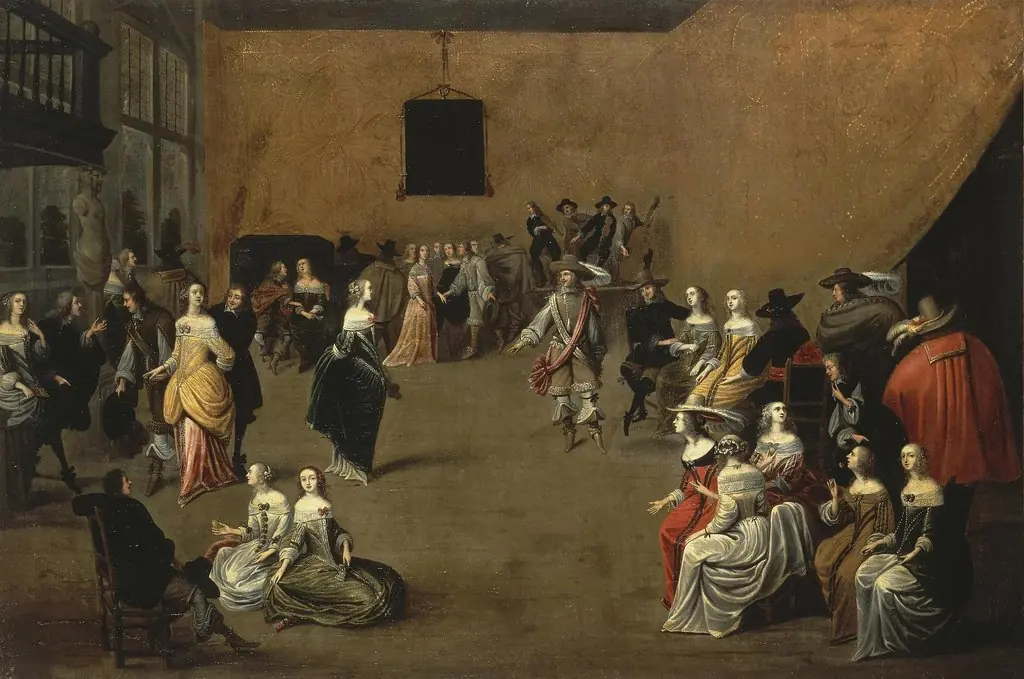 The Ball
 Untitled
 Festival in Piazza Navona
 A Masquerade at the King's Theatre, Haymarket
 Theme from the Venetian Carnival – Gambling House (Il Ridotto)