Artwork
Festival in Piazza Navona
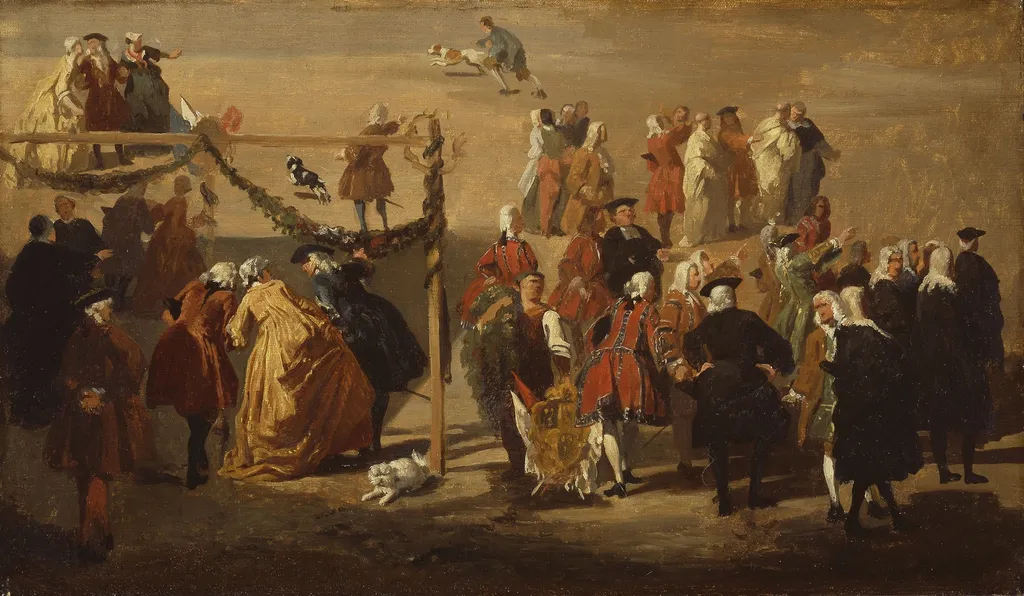
Festival in Piazza Navona is an oil painting by the Rococo painting artist Giovanni Paolo Panini. It dates from 1729 and is held in the collection of the Art Institute of Chicago.
About this work
Overview
Panini, known for his precise renderings of urban spaces, captured the energy of everyday life in the city.
Painted in 1729 by Giovanni Paolo Panini, *Festival in Piazza Navona* is an oil-on-canvas depiction of a public celebration in one of Rome’s most prominent squares. Panini, known for his precise renderings of urban spaces, captured the energy of everyday life in the city. The work reflects his role as a vedutista, or view painter, documenting Roman architecture and social activity with careful attention to detail and spatial coherence.
Subject & Meaning
The painting portrays a festive gathering in Piazza Navona, likely tied to a seasonal or religious event common in early 18th-century Rome. Figures in period dress—men in tricorn hats, women in flowing gowns—interact in a relaxed, communal setting. A decorated wooden structure in the foreground, adorned with foliage and accompanied by a dog, suggests a temporary installation for entertainment or ritual. The scene conveys civic pride and the vibrancy of public life rather than a specific historical moment.
Technique & Style
Panini employed oil paint to achieve fine detail and atmospheric depth, using chiaroscuro to model forms and guide the viewer’s eye through the composition. Architectural elements are rendered with architectural precision, while figures are loosely brushed yet clearly differentiated by posture and costume. The style aligns with Rococo sensibilities through its lively movement and decorative richness, though it retains the structural clarity characteristic of Baroque tradition.
History & Provenance
Created during Panini’s peak years in Rome, the painting was likely commissioned by a collector interested in Roman topography and contemporary life. It entered the Art Institute of Chicago’s collection in the 20th century, having passed through private hands in Europe. Its survival in good condition reflects its early recognition as a valuable record of Roman urban culture, though its exact early ownership remains partially undocumented.
Context
In the early 1700s, Rome was a hub of artistic patronage and public spectacle, with festivals drawing crowds to its piazzas. Panini’s work emerged alongside a growing demand among Grand Tour travelers for souvenirs depicting the city’s monuments and customs. This painting reflects both local traditions and the international fascination with Rome’s living landscape, bridging documentary observation with artistic interpretation.
Legacy
Panini’s *Festival in Piazza Navona* stands as a representative example of veduta painting, influencing later artists who sought to capture urban life with accuracy and charm. While not widely exhibited in his lifetime, its preservation in a major museum has ensured its role as a reference for studying 18th-century Roman society, architecture, and the evolving relationship between art and public space.
Artist & collection
Artist
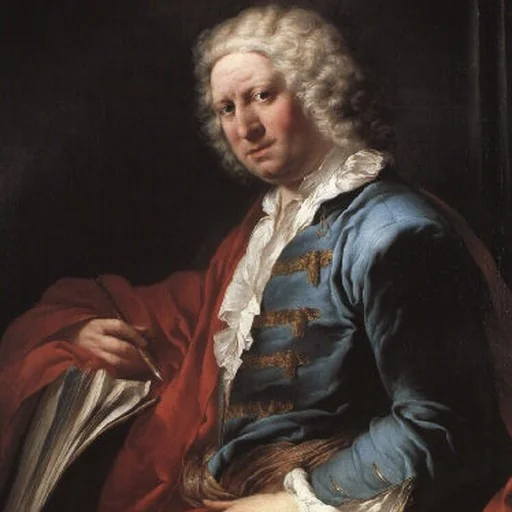
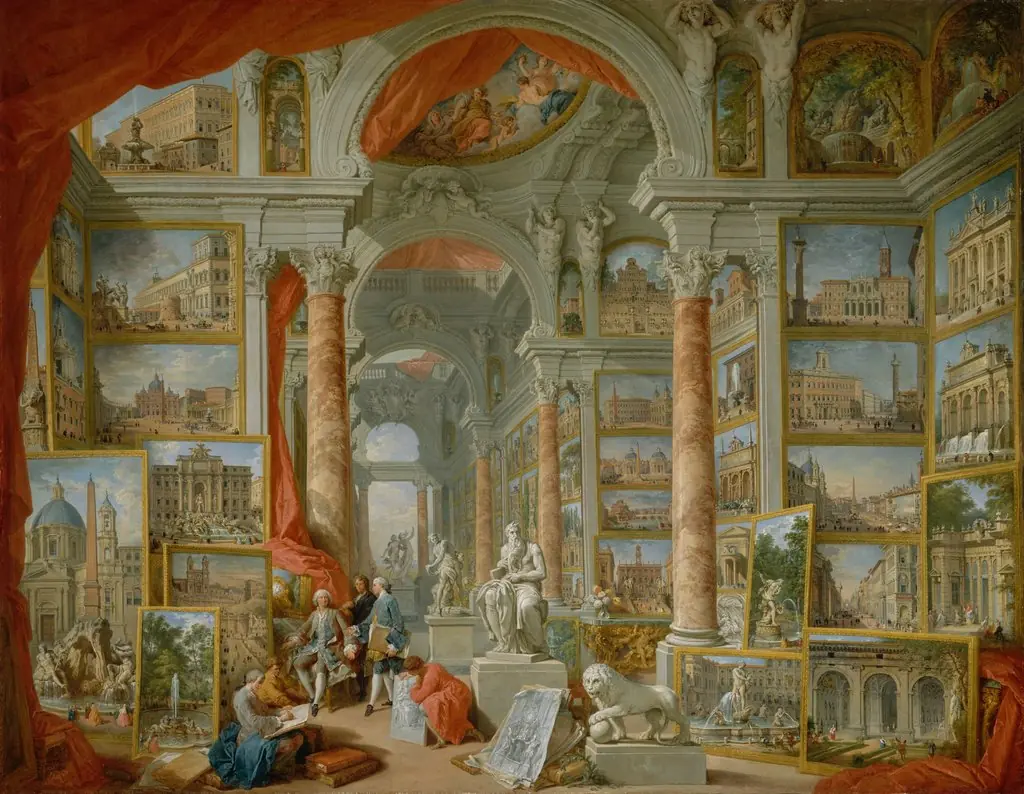
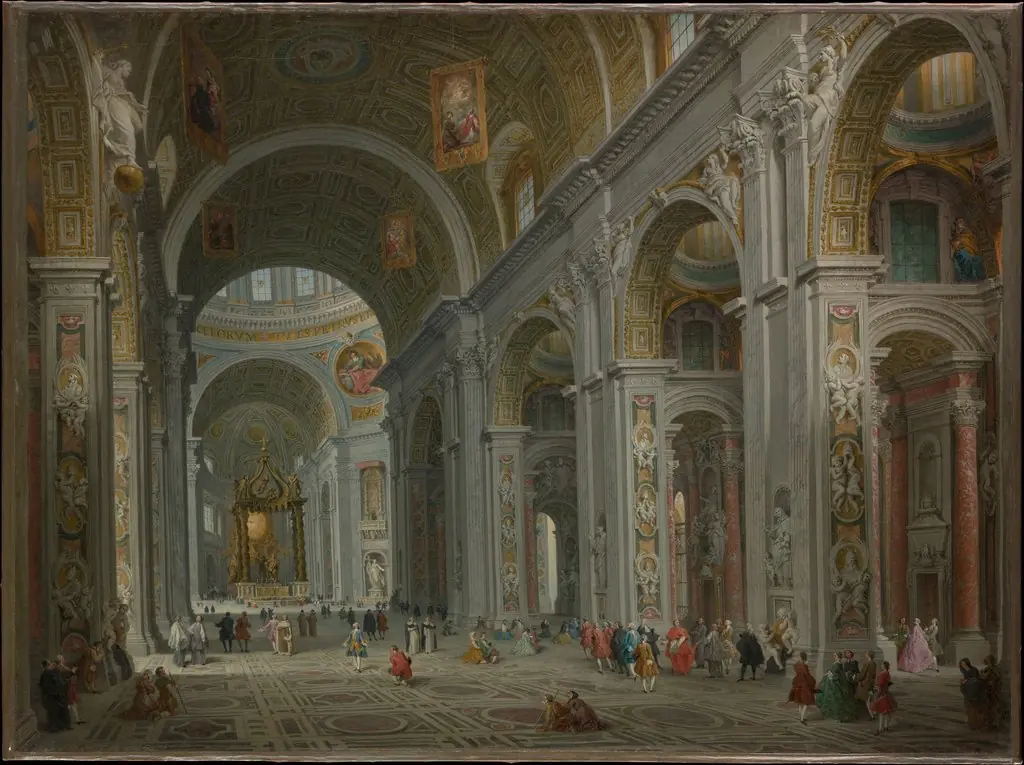
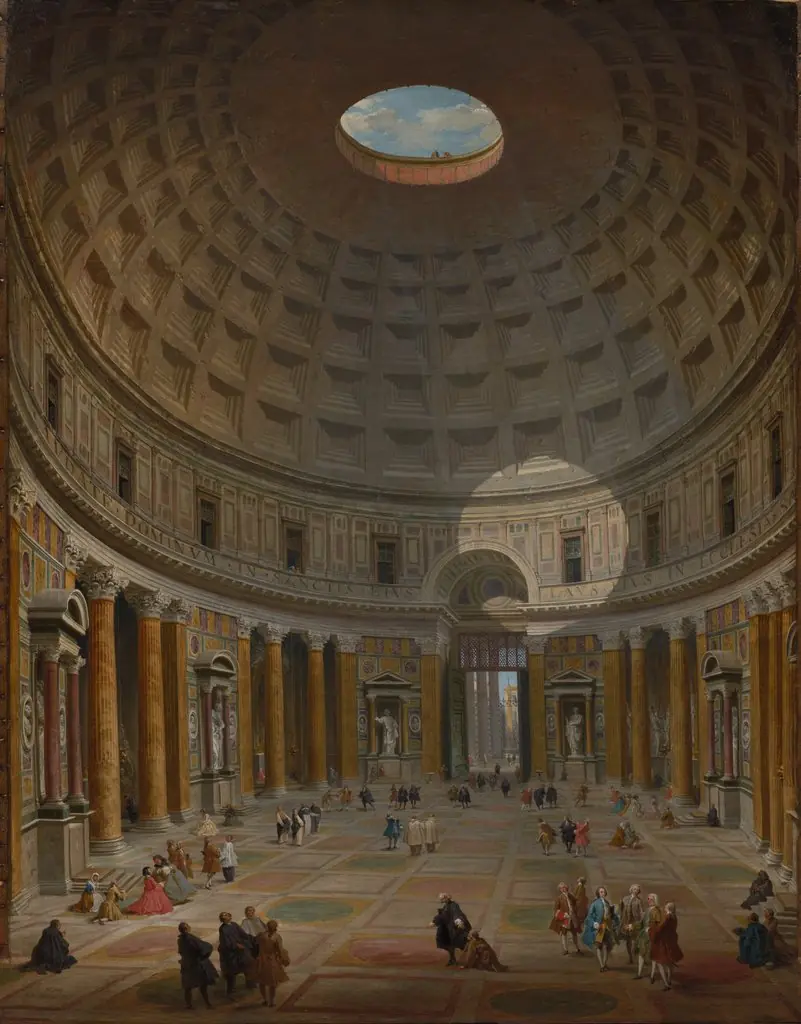
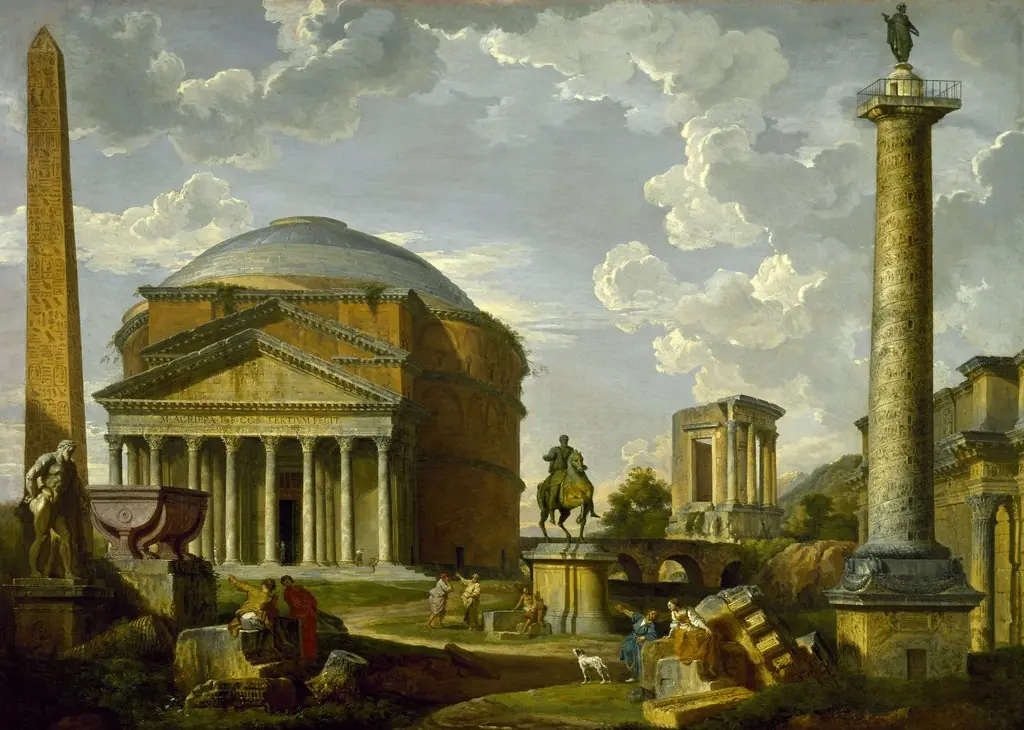
Giovanni Paolo, also known as Gian Paolo Panini or Pannini (17 June 1691 – 21 October 1765), was an Italian Baroque painter and architect who worked in Rome and is primarily known as one of the vedutisti ("view painters").

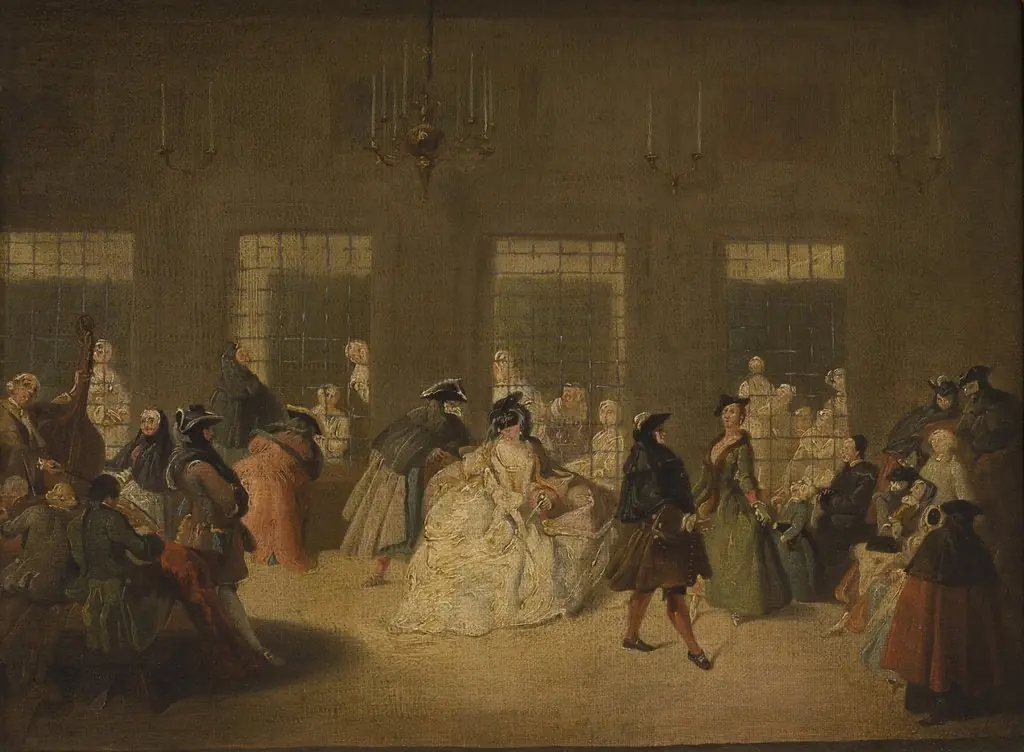 Theme from the Venetian Carnival – In the Parlatory of the Monastery
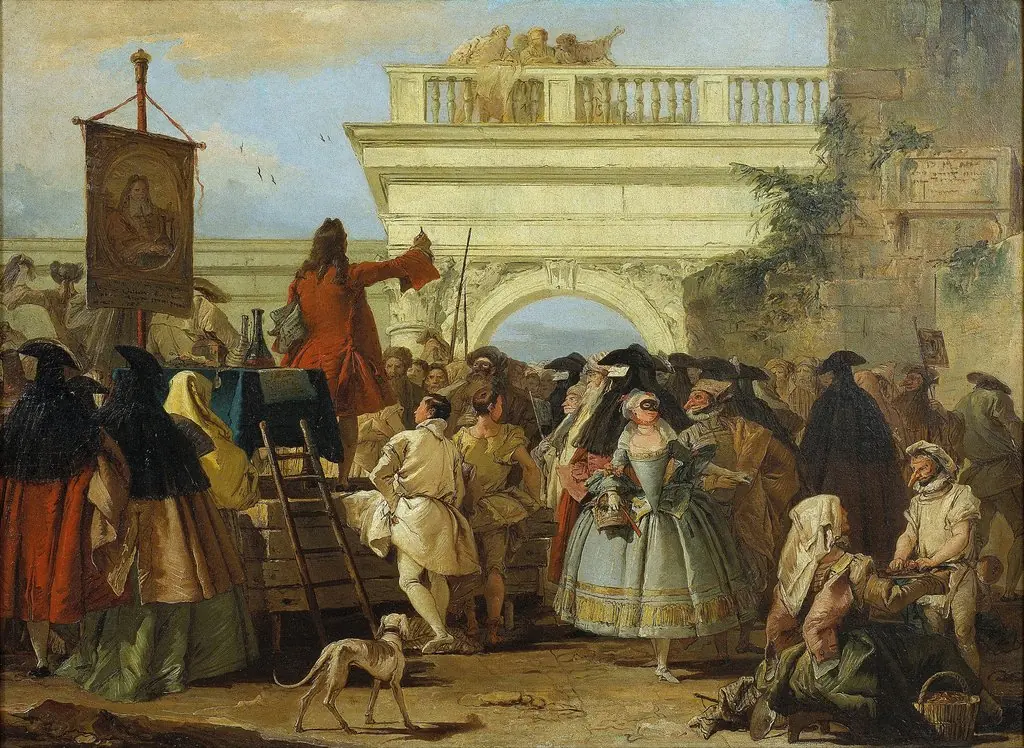 El xarlatà
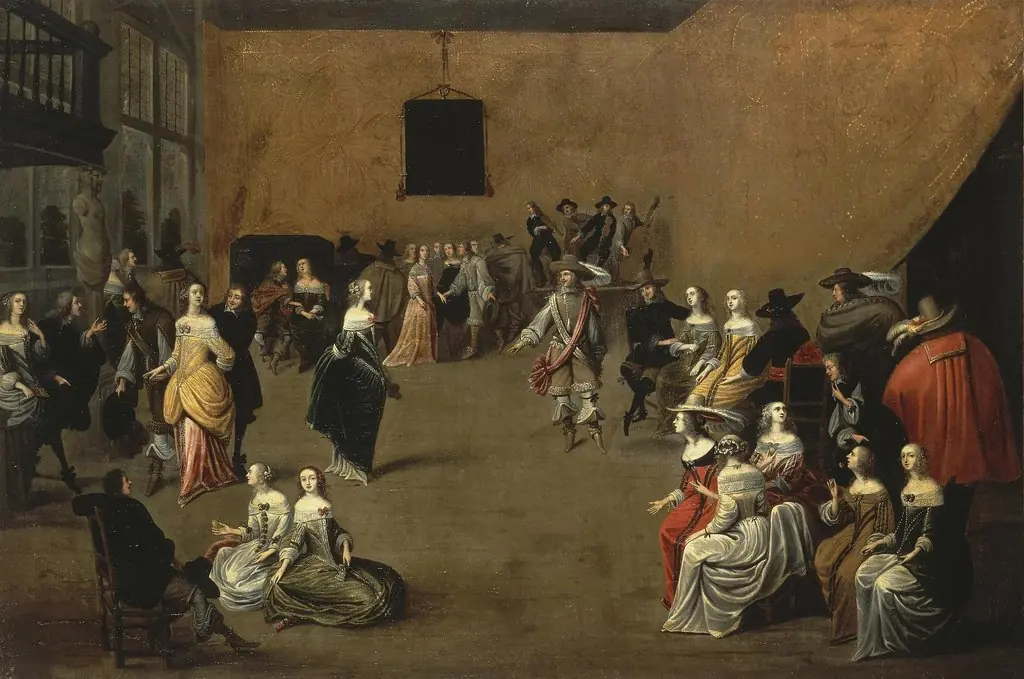 The Ball
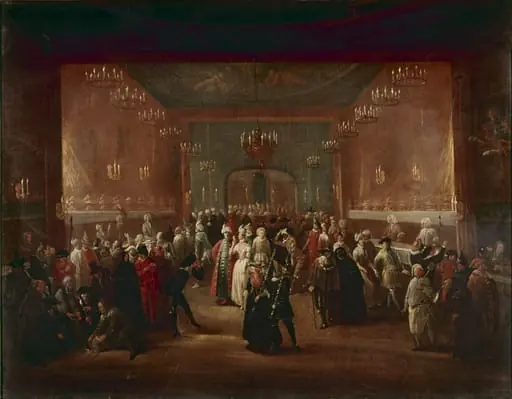 A Masquerade at the King's Theatre, Haymarket
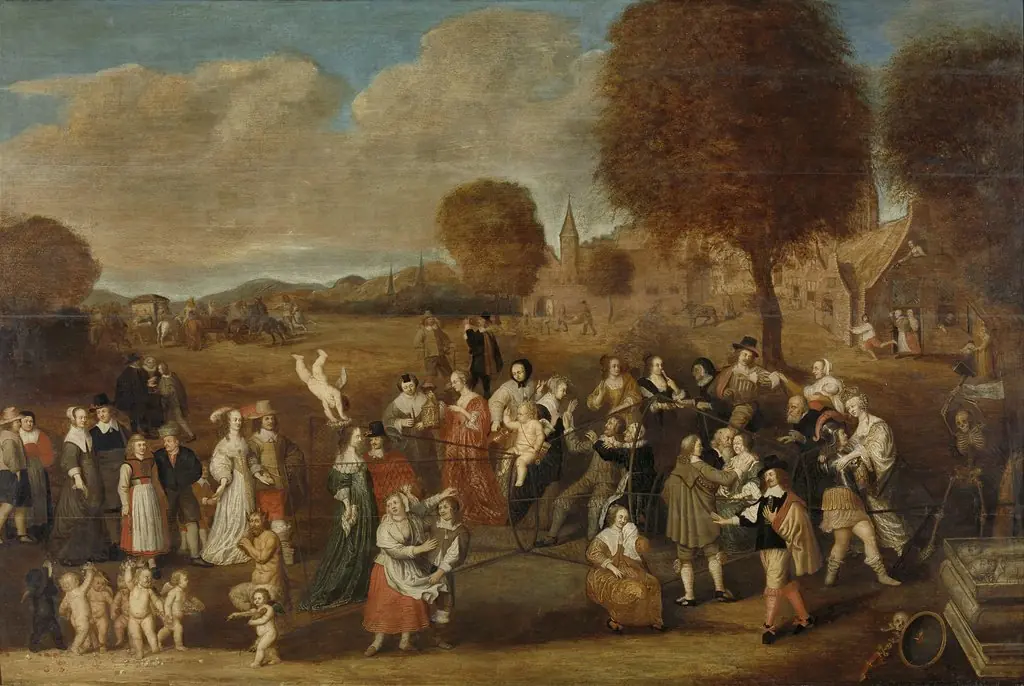 The marriage trap: an allegory of marriage
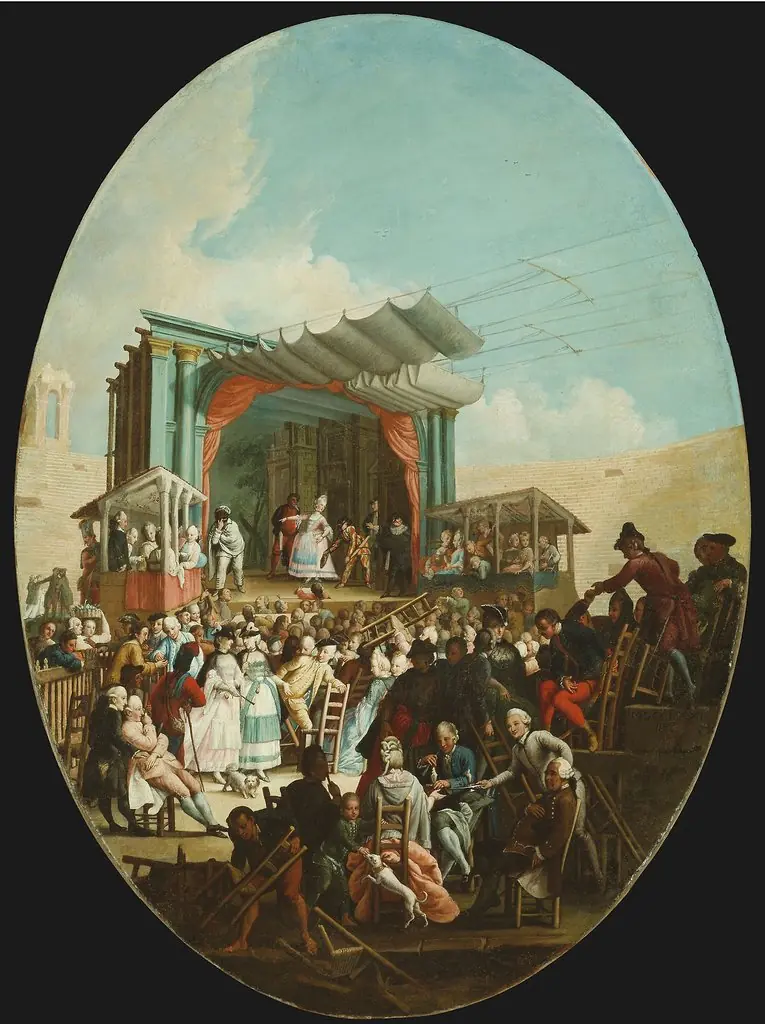 An Italian Comedy in Verona
 Theme from the Venetian Carnival – Gambling House (Il Ridotto)
 Rural Feast
 Peasants Dancing Outside the Crescent Tavern
 Petrecere