Artwork
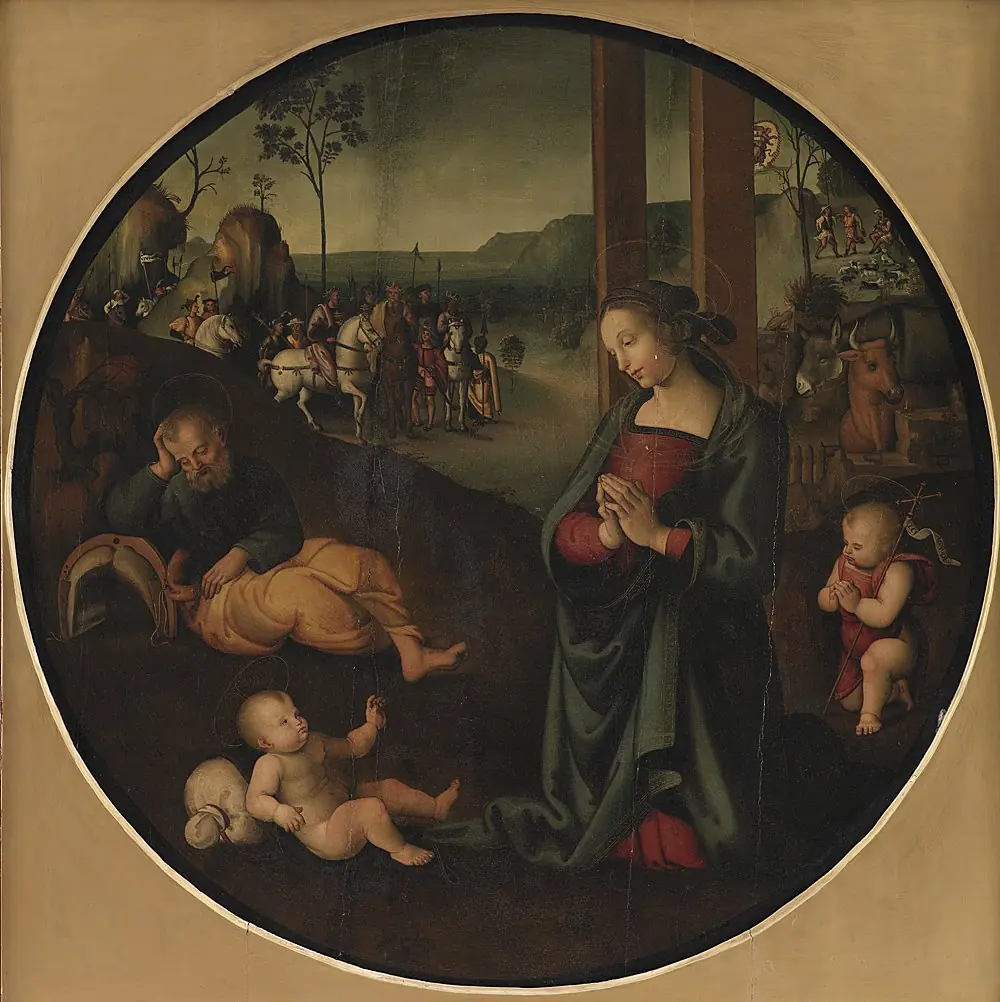
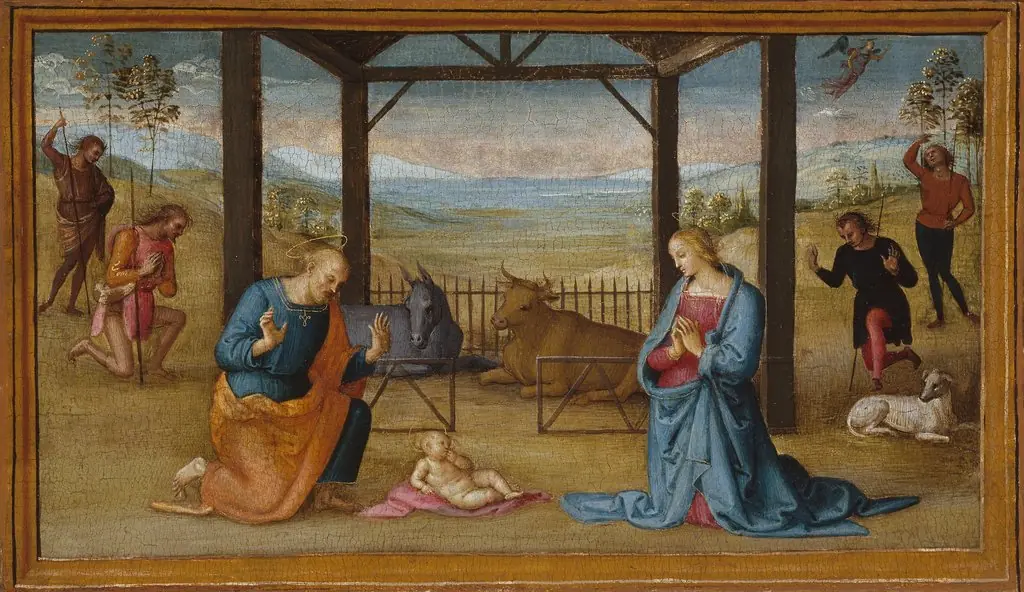
The Nativity: The Virgin, Saint Joseph and the Shepherds Adoring the Infant Christ
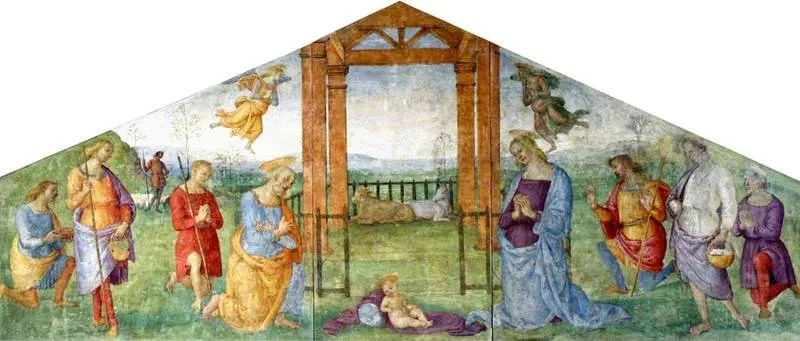
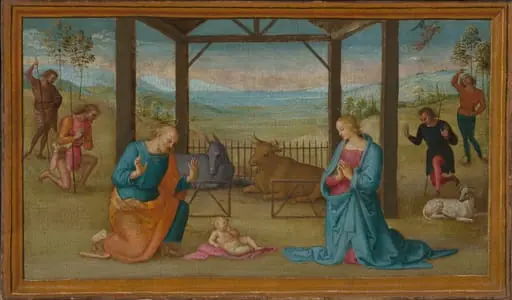
The Nativity: The Virgin, Saint Joseph and the Shepherds Adoring the Infant Christ is an unspecified painting by the Early Baroque Italian artist Pietro Perugino. It dates from 1522 and is held in the collection of the Victoria and Albert Museum.
About this work
Overview
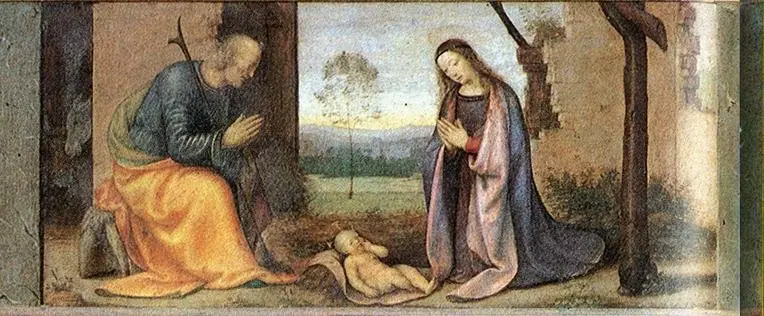
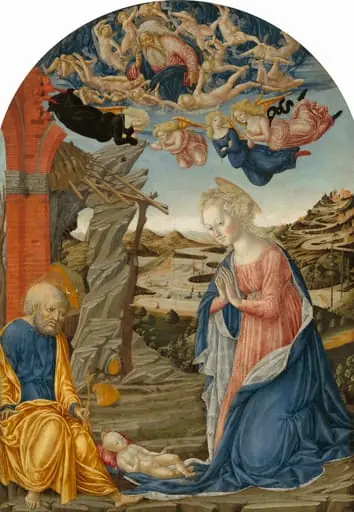
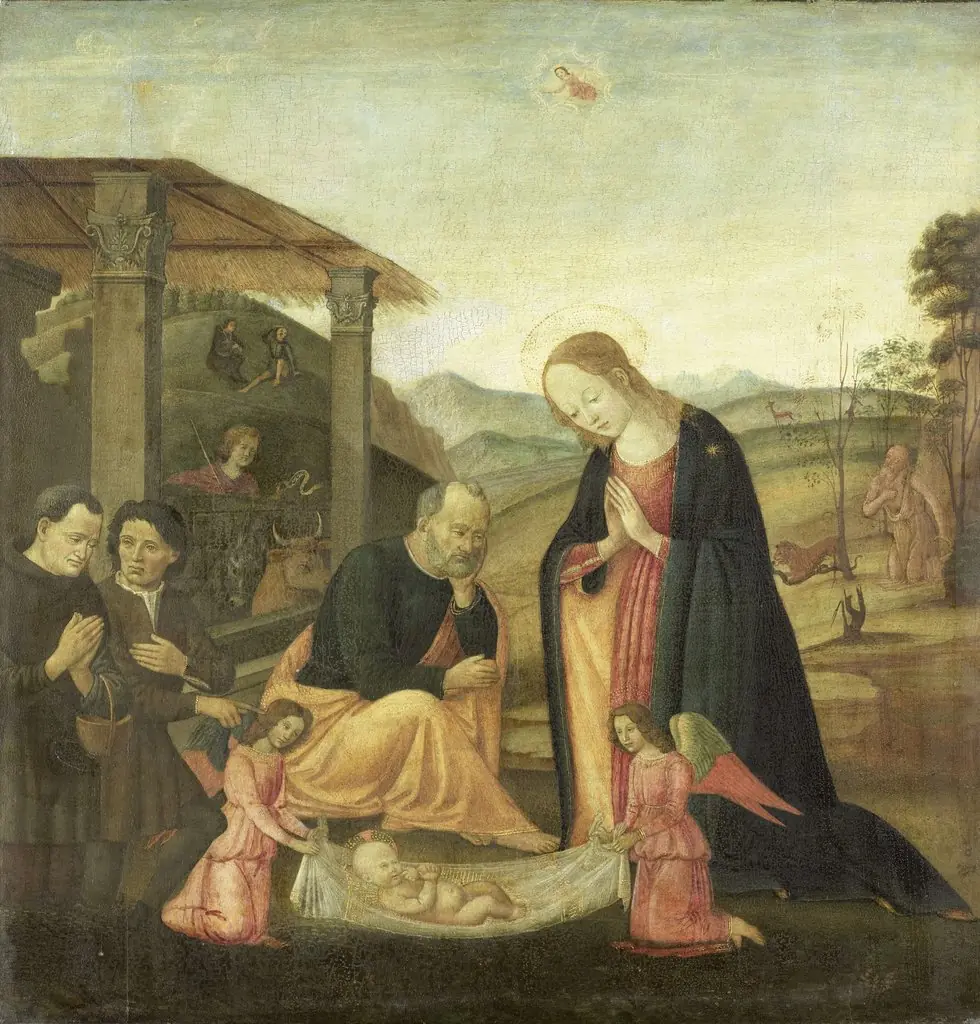
Created in 1522, this panel portrays the Nativity scene with the Virgin Mary, Saint Joseph and a group of shepherds gathered around the infant Jesus.
Created in 1522, this panel portrays the Nativity scene with the Virgin Mary, Saint Joseph and a group of shepherds gathered around the infant Jesus. The composition is balanced and tranquil, the figures arranged in a gentle arc that directs the eye toward the central child. Earthy hues dominate the background, while subtle touches of blue and green suggest a modest landscape beyond the immediate setting.
Subject & Meaning
The work illustrates the biblical episode of the adoration of the newborn Christ, emphasizing humility and reverence. Mary is shown seated, cradling the baby, while Joseph watches protectively. The shepherds, depicted in varied postures—some kneeling, others poised to rise—represent the first witnesses to the incarnation, underscoring themes of divine revelation to ordinary people.
Technique & Style
Executed in oil on panel, the painting displays the soft modeling and delicate coloration characteristic of the Umbrian school. Perugino’s handling of light creates a gentle glow around the infant, while the figures’ flowing garments are rendered with subtle gradations that convey volume without harsh contrast. The overall effect is one of calm clarity, bridging High Renaissance compositional order with emerging Baroque sensibilities.
History & Provenance
Attributed to Pietro Perugino, a prominent Umbrian painter and early mentor to Raphael, the piece dates to the final year of his life. It likely originated for a private devotional setting, though its exact early ownership remains undocumented. The work entered the public domain in the 19th century through acquisition by a regional museum, where it has been displayed as part of the collection of Renaissance religious art.
Context
Produced at a time when Italian art was transitioning from the balanced ideals of the Renaissance toward the more dynamic Baroque, the painting reflects both traditions. Perugino’s adherence to harmonious arrangement and serene expression aligns with his earlier output, while the slightly more emotive gestures of the shepherds hint at the evolving interest in narrative vigor that would dominate later in the century.
Legacy
The Nativity panel exemplifies Perugino’s influence on subsequent generations, particularly through his teaching of Raphael, who adopted similar compositional clarity. While not as widely reproduced as his larger altarpieces, the work offers insight into the artist’s late style and the broader shift in devotional imagery toward intimate, contemplative scenes that prefigure Baroque intimacy.
Artist & collection
Artist
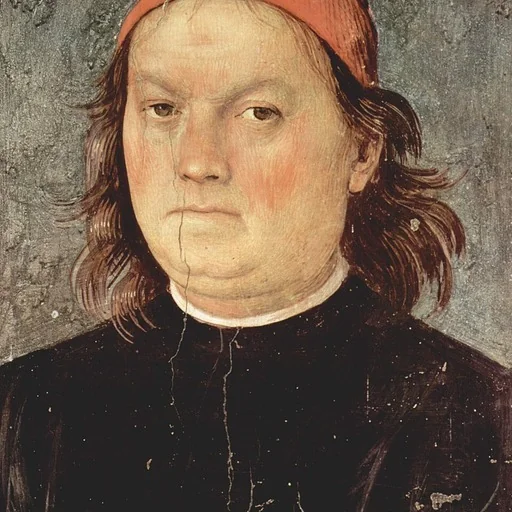
Pietro Perugino (US: PERR-ə-JEE-noh, -oo-; Italian: ; born Pietro Vannucci or Pietro Vanucci; c.