Artwork
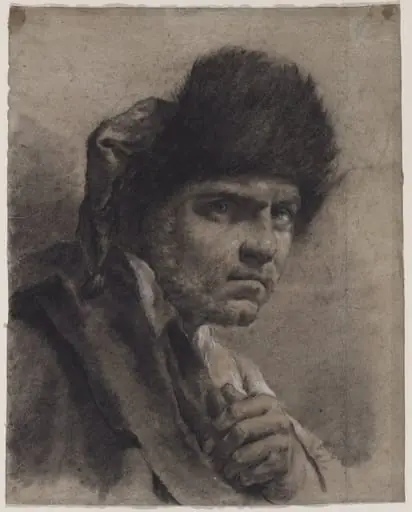
Man with fur cap
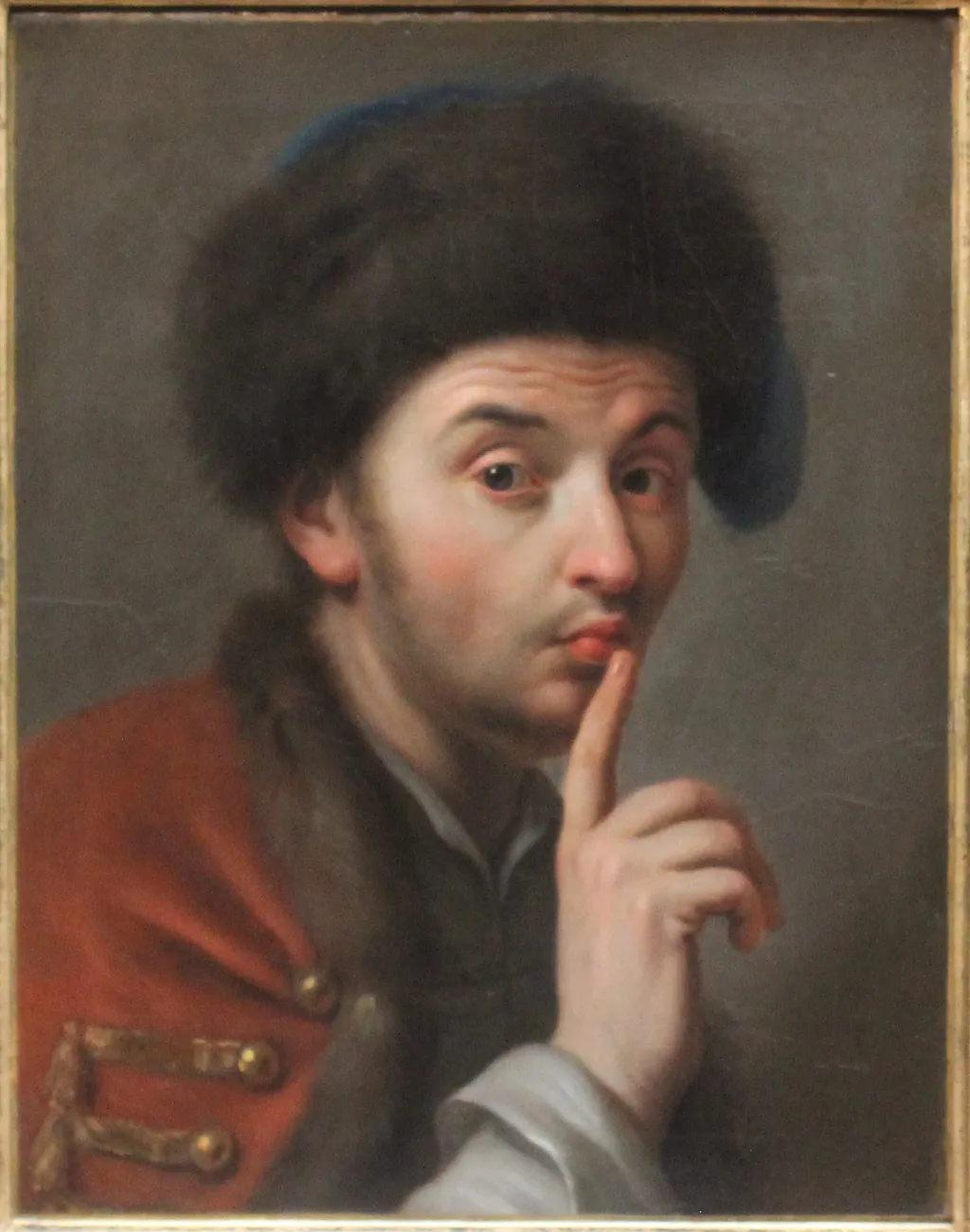
Man with fur cap is an oil painting by the Rococo painting artist Pietro Rotari. It dates from 1734 and is held in the collection of the Staatliche Kunstsammlungen Dresden.
About this work
Overview
Painted in 1734, this oil portrait by Pietro Rotari captures a man wearing a fur cap and a richly detailed red coat with gold buttons.
Painted in 1734, this oil portrait by Pietro Rotari captures a man wearing a fur cap and a richly detailed red coat with gold buttons. Set against a dark, undefined background, the figure is rendered with quiet intensity. Rotari, an Italian artist active across European courts, brought his refined technique to the Russian imperial circle, where such intimate portraits were valued for their psychological nuance and technical precision.
Subject & Meaning
The sitter, identified only by his attire and gesture, presses a finger to his lips in a gesture of restraint or secrecy. His direct gaze meets the viewer’s, creating a sense of silent exchange rather than formal presentation. The absence of identifying symbols or context suggests an emphasis on inner character over status, aligning with a growing interest in individual presence over aristocratic display during the early 18th century.
Technique & Style
Rotari employs chiaroscuro to model the face and hands with subtle gradations of light, lending volume and tactility to the figure. The fur cap and fabric textures are rendered with meticulous brushwork, while the dark background isolates the subject, enhancing focus. The palette is restrained—deep reds, muted whites, and browns—reinforcing the portrait’s somber, introspective tone without overt theatricality.
History & Provenance
Rotari painted this work during his early career, before his move to Saint Petersburg in the 1740s. Though the original commission or owner is unrecorded, the painting reflects the stylistic preferences of cosmopolitan courts where portraiture served both personal and diplomatic functions. Its survival suggests it remained in private or institutional collections, likely within Central or Eastern Europe.
Context
In the 1730s, portraiture across Europe was shifting from grand ceremonial depictions toward more personal, psychologically nuanced representations. Rotari’s work aligns with this trend, influenced by Dutch and French traditions of intimate portraiture. His training in Verona and exposure to Venetian colorism informed his approach, even as he adapted to the tastes of aristocratic patrons beyond Italy.
Legacy
Rotari’s portraits, including this one, contributed to the development of Russian imperial portraiture after his relocation to Saint Petersburg. Though less widely known than his contemporaries, his precise technique and sensitivity to expression influenced a generation of court painters. This painting stands as a quiet example of how regional Italian training merged with broader European sensibilities in the service of elite visual culture.
Artist & collection
Artist
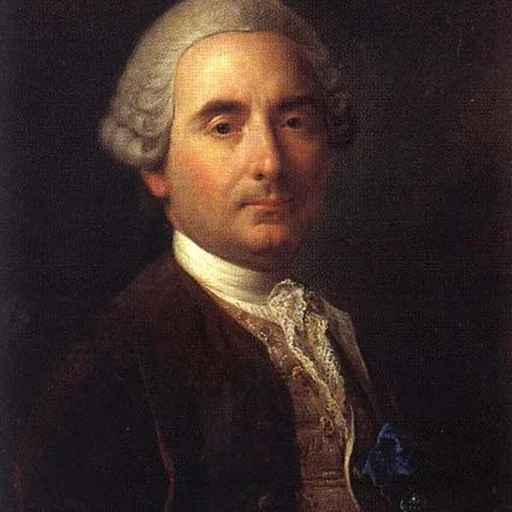
Pietro Antonio Rotari (30 September 1707 – 31 August 1762) was an Italian painter of the Baroque period.

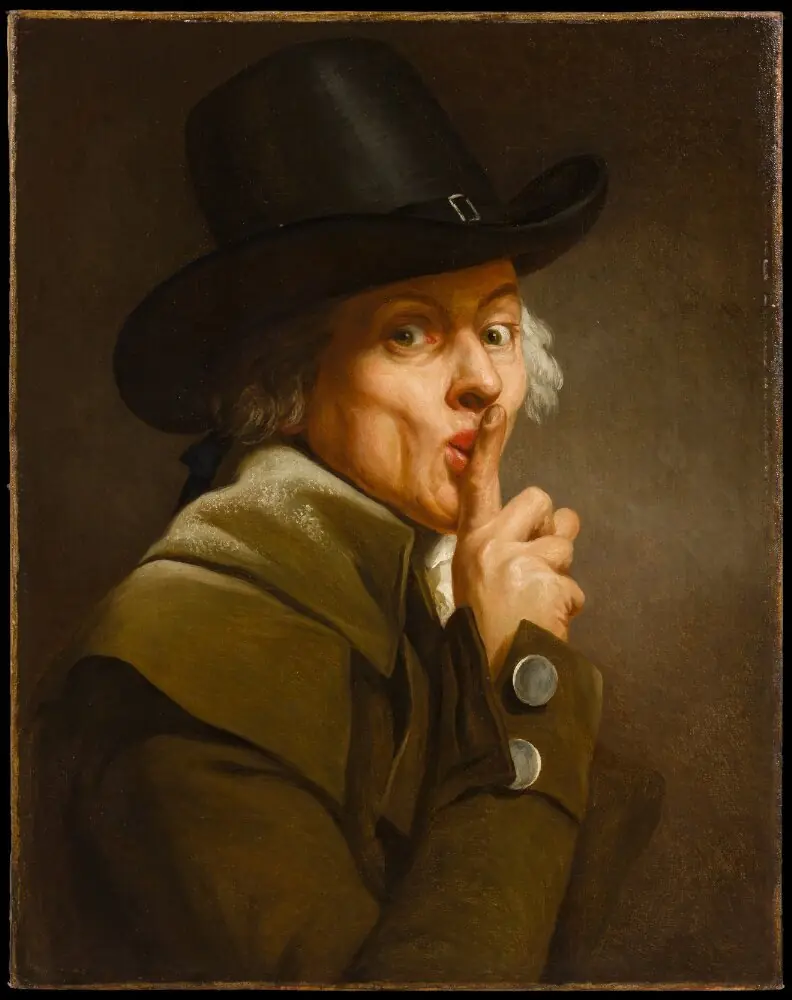 Selfportrait, called Le Silence (The Silence)
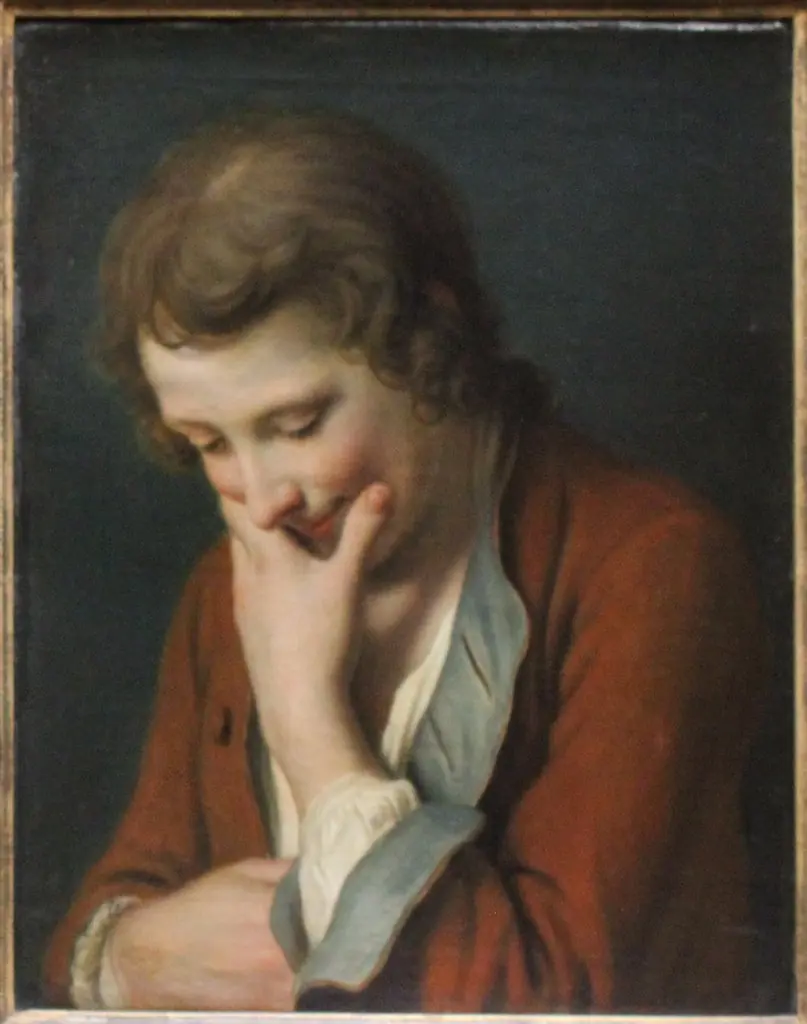 Young boy
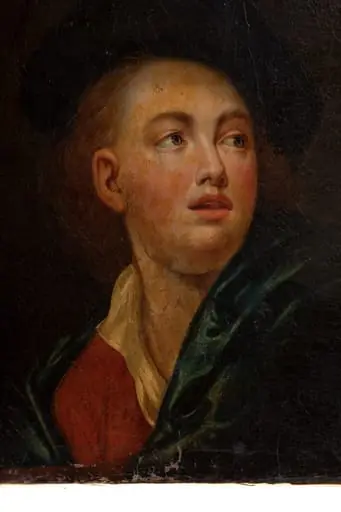 Un paj (copie după Rubens)
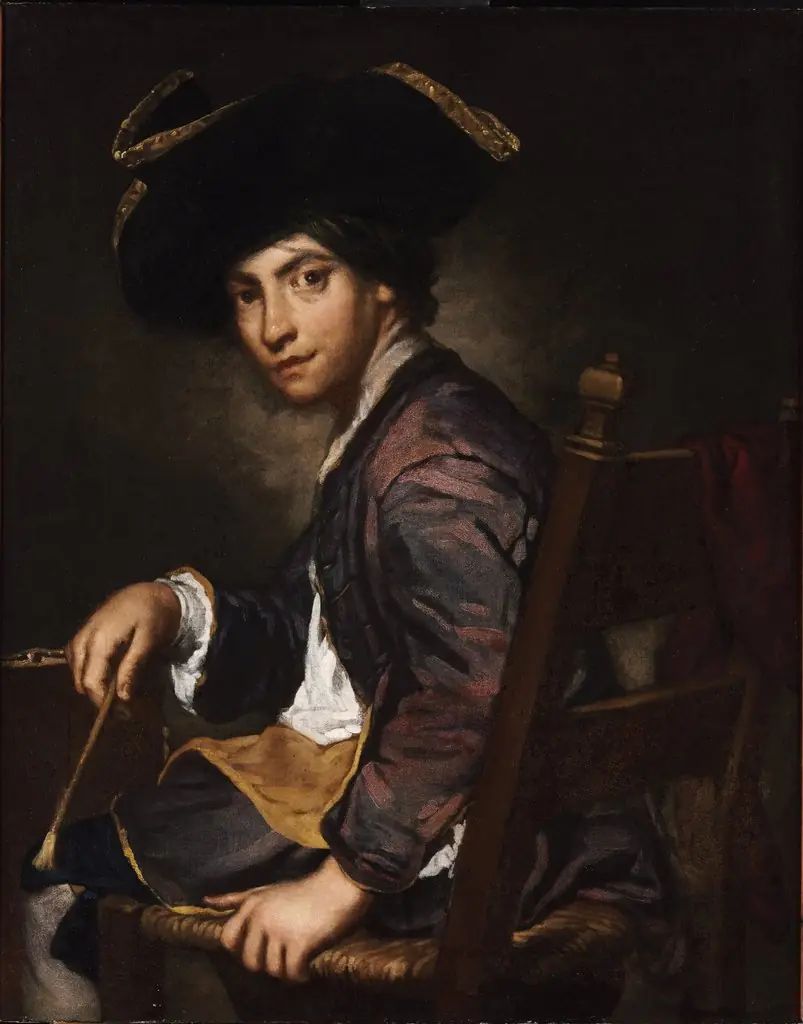 Young Painter in His Studio
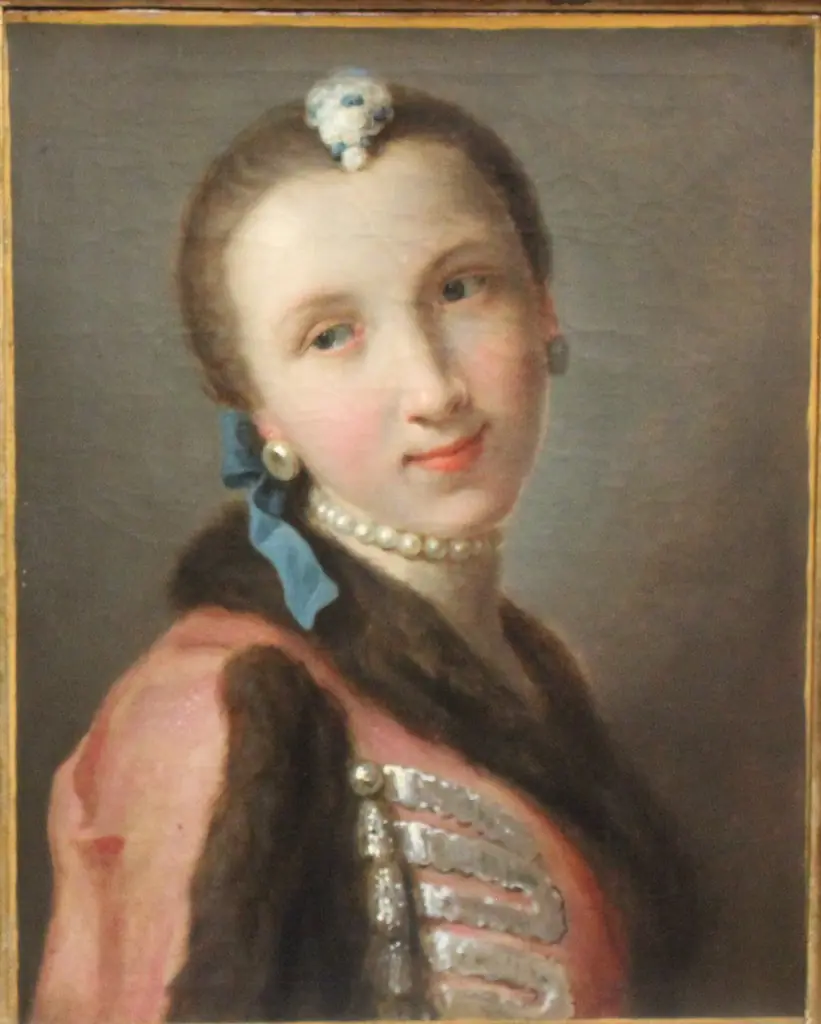 Smiling girl with pearl necklace
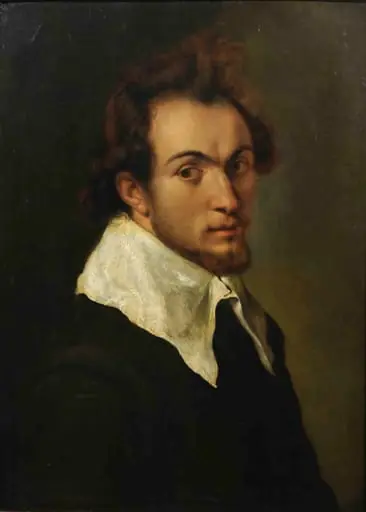 Portret de tânăr
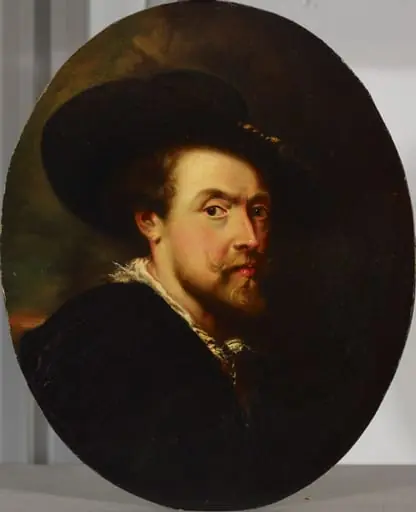 Peter Paul Rubensin omakuva, kopio
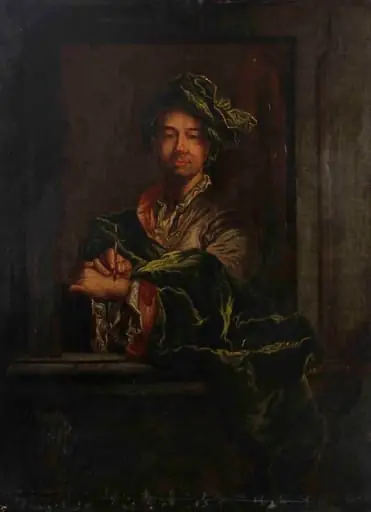 Autoportretul pictorului Hyacinthe Rigaud
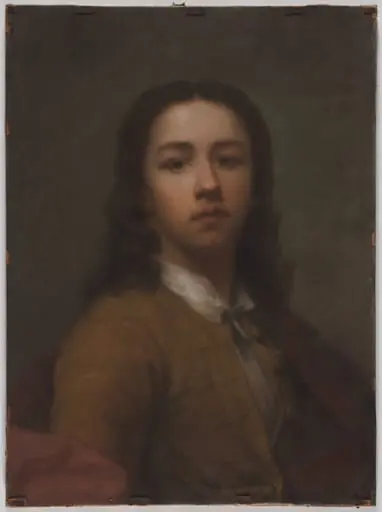 Self-Portrait
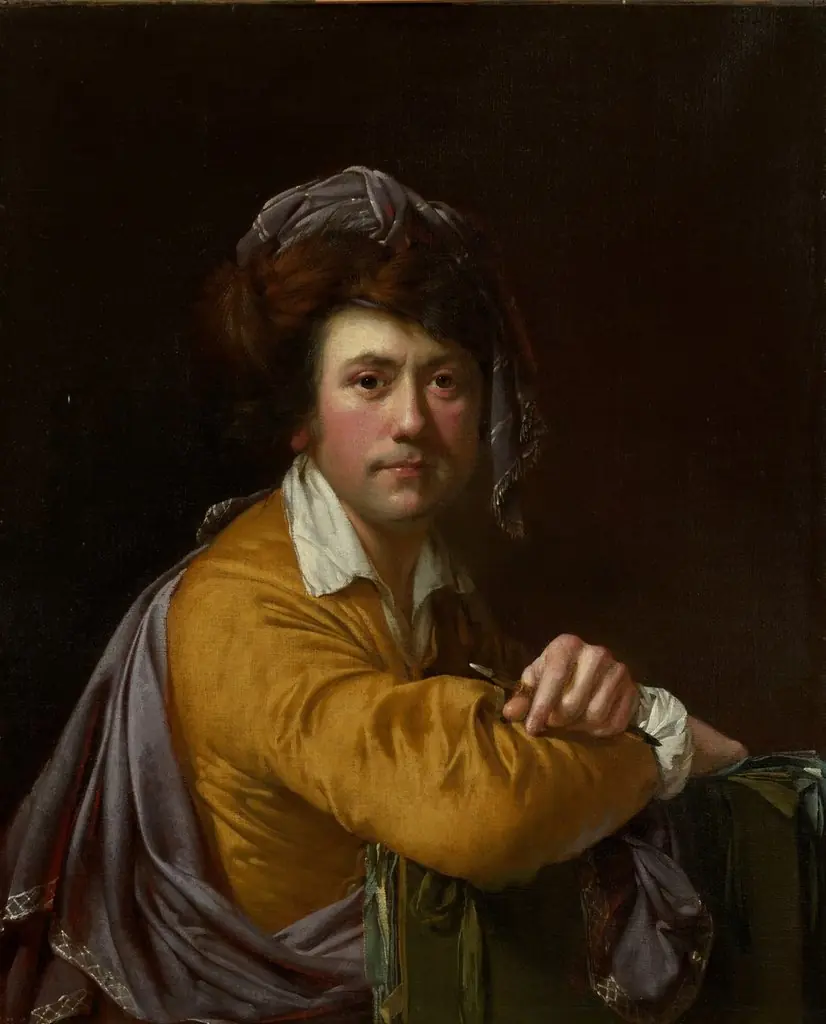 Self Portrait at the Age of about Forty; Verso: Study for 'An Experiment on a Bird in the Air Pump'
 Head of a Man in Profile
 Man with a Fur Cap