Artwork
H Beard Print Collection
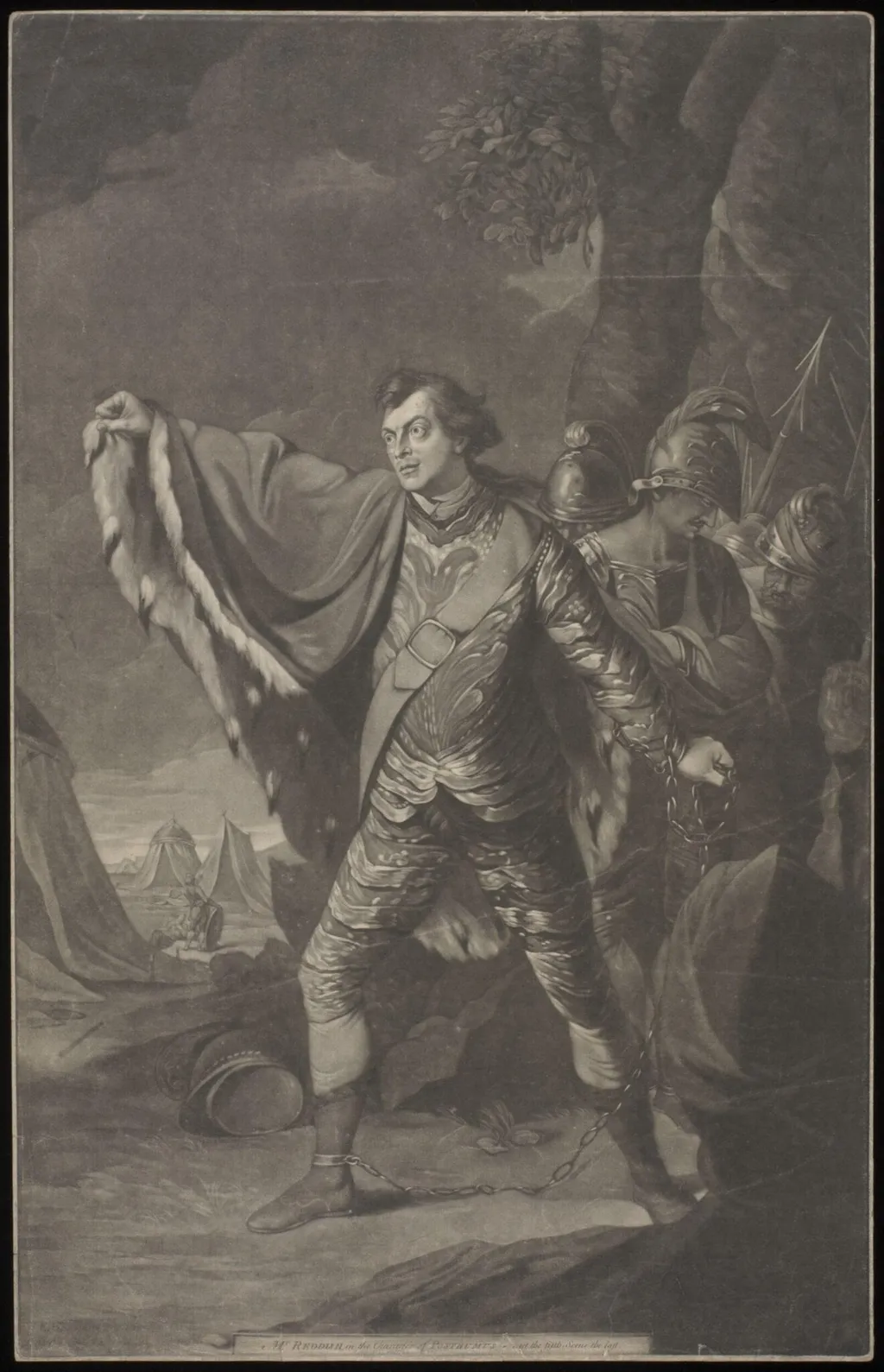
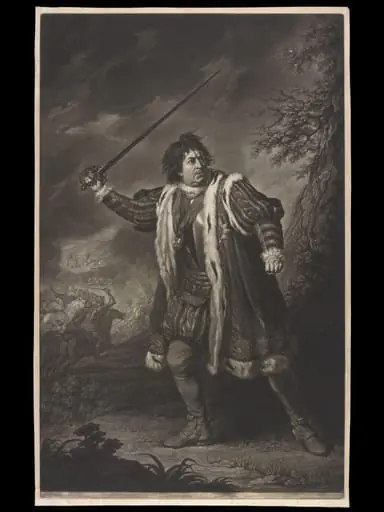
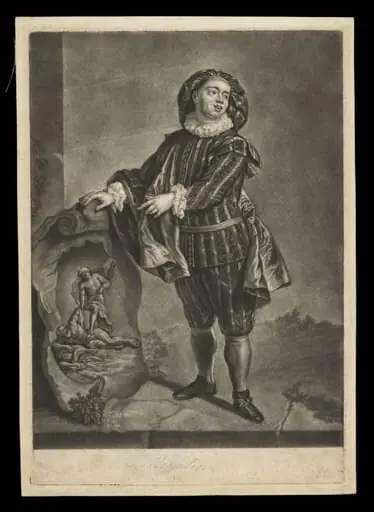
H Beard Print Collection is a print by the Romanticist artist R. E. Pine. It dates from 1771 and is held in the collection of the Victoria and Albert Museum. This print, created by R.
About this work
If you like Romantic prints, check out the Victoria and Albert Museum’s theater collection.
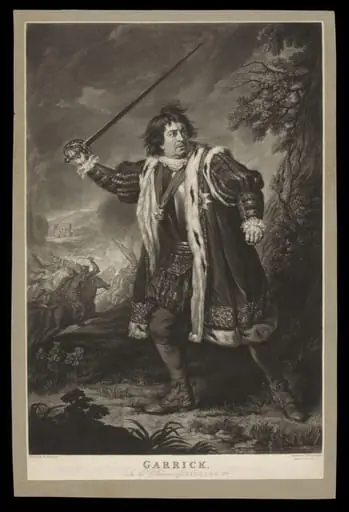
This print captures a stage scene from 1771. It shows an actor playing Posthumous, a character from Shakespeare’s Cymbeline. The work is by R. E. Pine and fits the Romantic style.
The image is part of a larger print collection held at the Victoria and Albert Museum. It’s a full-length portrait meant to look like a character stepping off the stage.
If you like Romantic prints, check out the Victoria and Albert Museum’s theater collection.
Overview
This print, created by R. E. Pine, depicts an actor portraying Posthumous from Shakespeare’s Cymbeline, captured in a full-length stage pose from the final scene of Act V. Produced in 1771, it belongs to the H. Beard Print Collection, now held at the Victoria and Albert Museum. The composition presents the character as if stepping from the theatrical space into the viewer’s presence, emphasizing dramatic presence over naturalism.
Subject & Meaning
Posthumous, a central figure in Cymbeline, is shown in a moment of emotional resolution after enduring betrayal and apparent loss. The print freezes his theatrical gesture at the climax of the play, reinforcing his redemption and restoration. The portrayal reflects 18th-century stage conventions, where actors embodied moral arcs through stylized posture and costume, aligning the character’s inner transformation with visible performance.
Technique & Style
Rendered in the Romantic tradition, the print employs flowing lines and heightened drama to elevate the actor’s presence. Details in costume and gesture are rendered with precision, while the background remains subdued to focus attention on the figure. The medium favors clarity and theatricality over atmospheric depth, typical of stage portraiture meant for public dissemination and commemoration.
History & Provenance
Created in 1771, the print was part of a broader effort to document and circulate images of popular theatrical performances. It entered the H. Beard Collection, assembled by a noted theater enthusiast, and was later acquired by the Victoria and Albert Museum. Its preservation reflects early institutional interest in capturing ephemeral stage art for historical record.
Context
In late 18th-century Britain, theatrical prints served as both souvenirs and cultural artifacts, bridging live performance and public memory. This image aligns with a trend of documenting Shakespearean roles as they were interpreted on stage, particularly in London’s major theaters. Such prints helped shape public perception of characters beyond the confines of the auditorium.
Legacy
As part of the V&A’s theater collection, the print contributes to the study of performance history and visual culture. It offers insight into how actors embodied literary characters and how audiences engaged with Shakespeare through imagery. Its survival underscores the value placed on preserving transient theatrical moments for future scholarship.
Artist & collection
Artist
This 18th-century printmaker made two engravings in the H Beard Print Collection—one from 1765, the other from 1771—showing scenes of British life and customs.

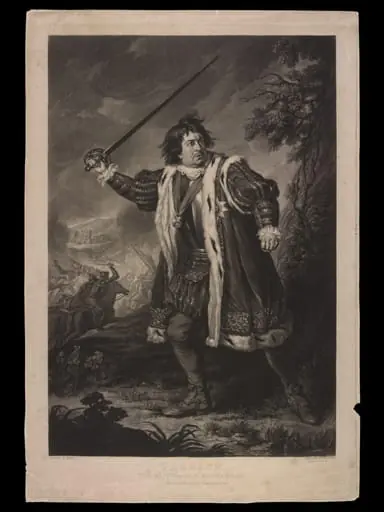 H Beard Print Collection
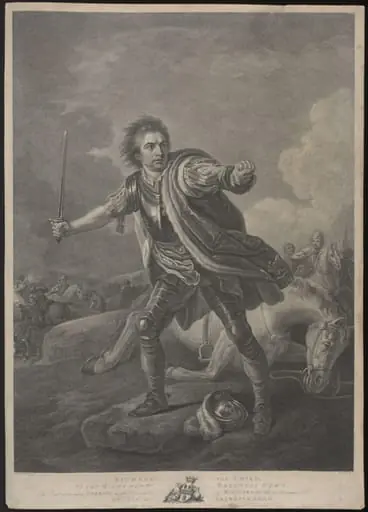 H Beard Print Collection
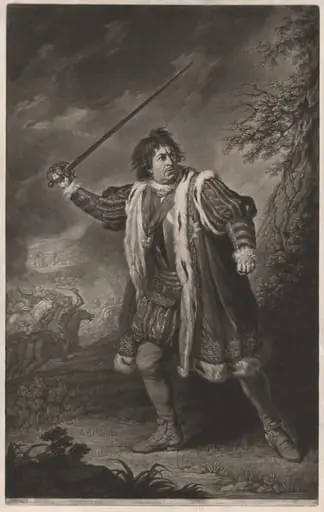 David Garrick in the Role of Richard III
 H Beard Print Collection
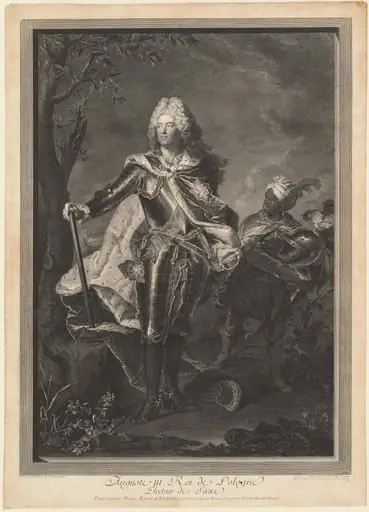 Auguste III. Roi de Pologne
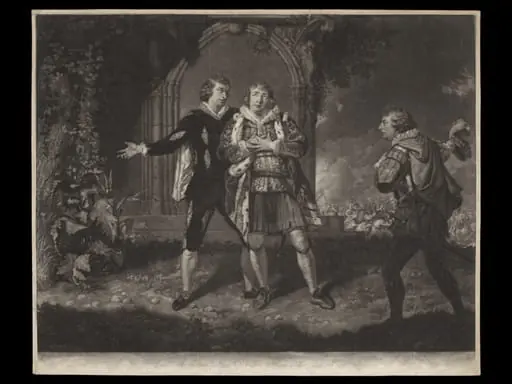 H Beard Print Collection
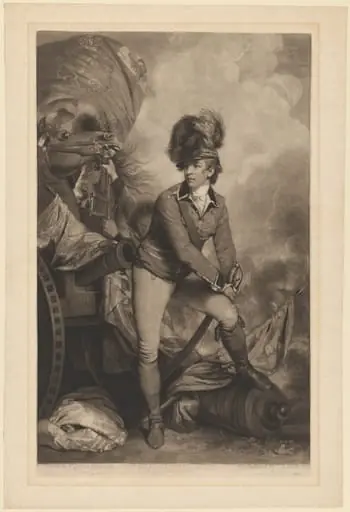 Lieutenant Colonel Sir Banastre Tarleton
 H Beard Print Collection
 James Lockhart
 H Beard Print Collection
 Lt. Colonel Tarleton
 H Beard Print Collection