Artwork
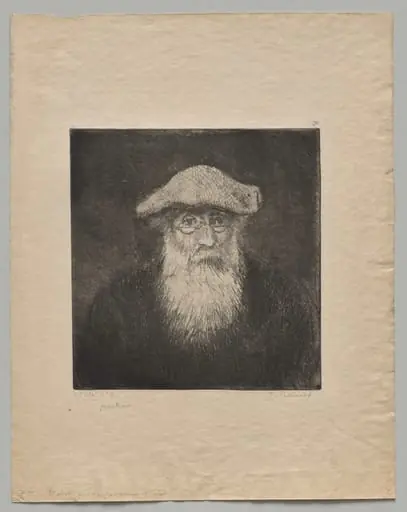
Self-Portrait (Camille Pissarro, par lui-meme)
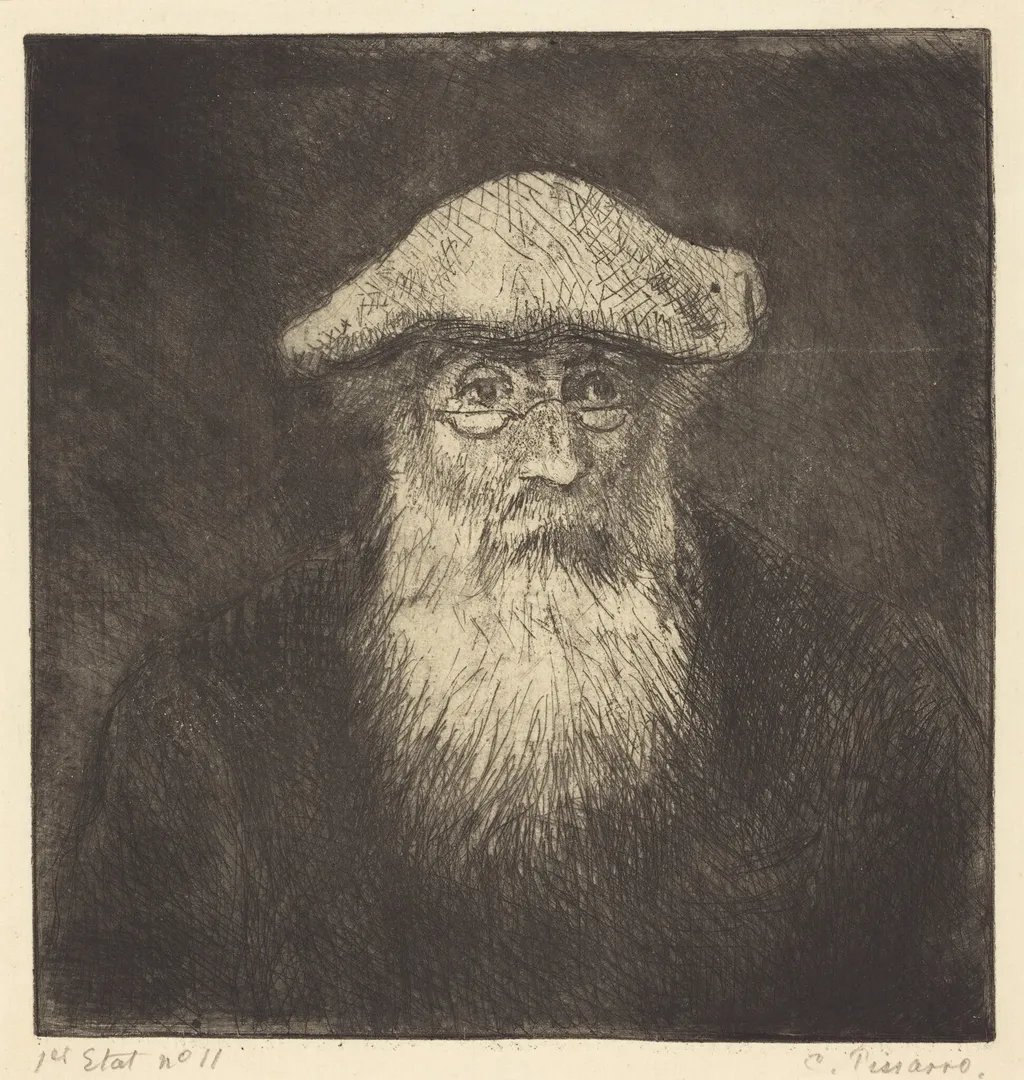
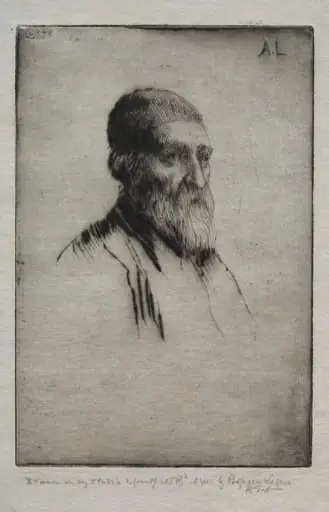
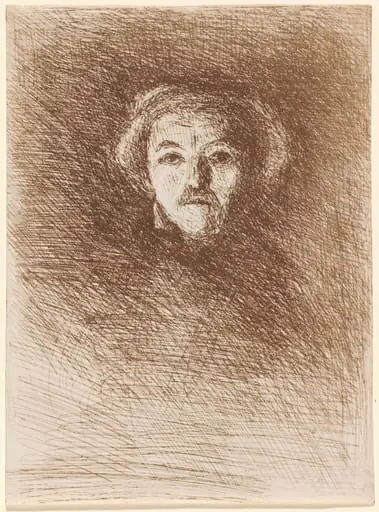
Self-Portrait (Camille Pissarro, par lui-meme) is an ink print by the Impressionist artist Camille Pissarro. It dates from 1890 and is held in the collection of the National Gallery of Art.
About this work
Overview
Executed on zinc using a burin, the work belongs to a small body of printed self-portraits he produced later in life.
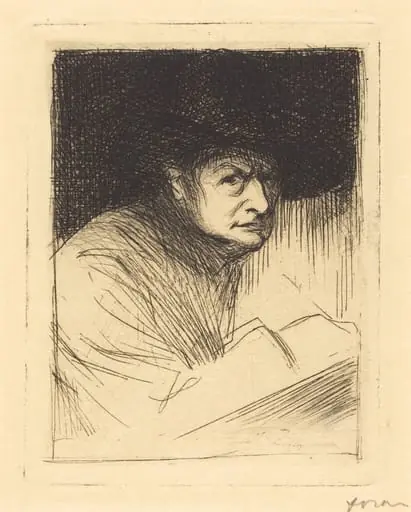
Created around 1890, this etching by Camille Pissarro presents a direct, unadorned depiction of the artist himself. Executed on zinc using a burin, the work belongs to a small body of printed self-portraits he produced later in life. The image captures Pissarro in profile, rendered with deliberate, tactile lines that emphasize texture over polish, reflecting his interest in honest representation over idealized form.
Subject & Meaning
The portrait shows Pissarro wearing a broad-brimmed hat and spectacles, his beard rendered in dense, angular strokes that suggest both physical presence and introspection. The absence of contextual detail focuses attention on the face and head, turning the image into a quiet meditation on identity and aging. His gaze, directed slightly away, conveys a sense of detachment, aligning with his lifelong preference for humility over public spectacle.
Technique & Style
Pissarro employed etching to carve fine lines directly into a zinc plate, using a sharp tool to create incisions that held ink. The resulting print reveals a controlled yet energetic hand: the beard and hat texture emerge from overlapping, irregular strokes, while the background remains void of detail. The precision of the lines, preserved in the printed impression, demonstrates his mastery of the medium and his commitment to expressive line over tonal gradation.
History & Provenance
This etching was made during a period when Pissarro was actively exploring printmaking alongside his painting. It was likely produced for private circulation among fellow artists and collectors rather than public exhibition. No definitive record of its first owner exists, but it appears in several early 20th-century collections of French graphic art, suggesting it was valued within artistic circles for its sincerity and technical clarity.
Context
In the 1890s, Pissarro turned increasingly to printmaking as a means of artistic experimentation, influenced by contemporaries like Degas and his own sons, who were also printmakers. Unlike the polished etchings of earlier generations, his approach embraced spontaneity and rawness. This self-portrait reflects his alignment with the broader Impressionist ethos—valuing process and perception over formal finish.
Legacy
Though not widely reproduced during his lifetime, this etching has become a key example of Pissarro’s graphic work. It illustrates his commitment to portraying the self without embellishment, a stance consistent with his political and artistic ideals. Later artists and scholars have cited it as evidence of his quiet, persistent integrity, positioning it as a significant, if understated, contribution to modern printmaking.
Artist & collection