Artwork
Thomas Carlyle
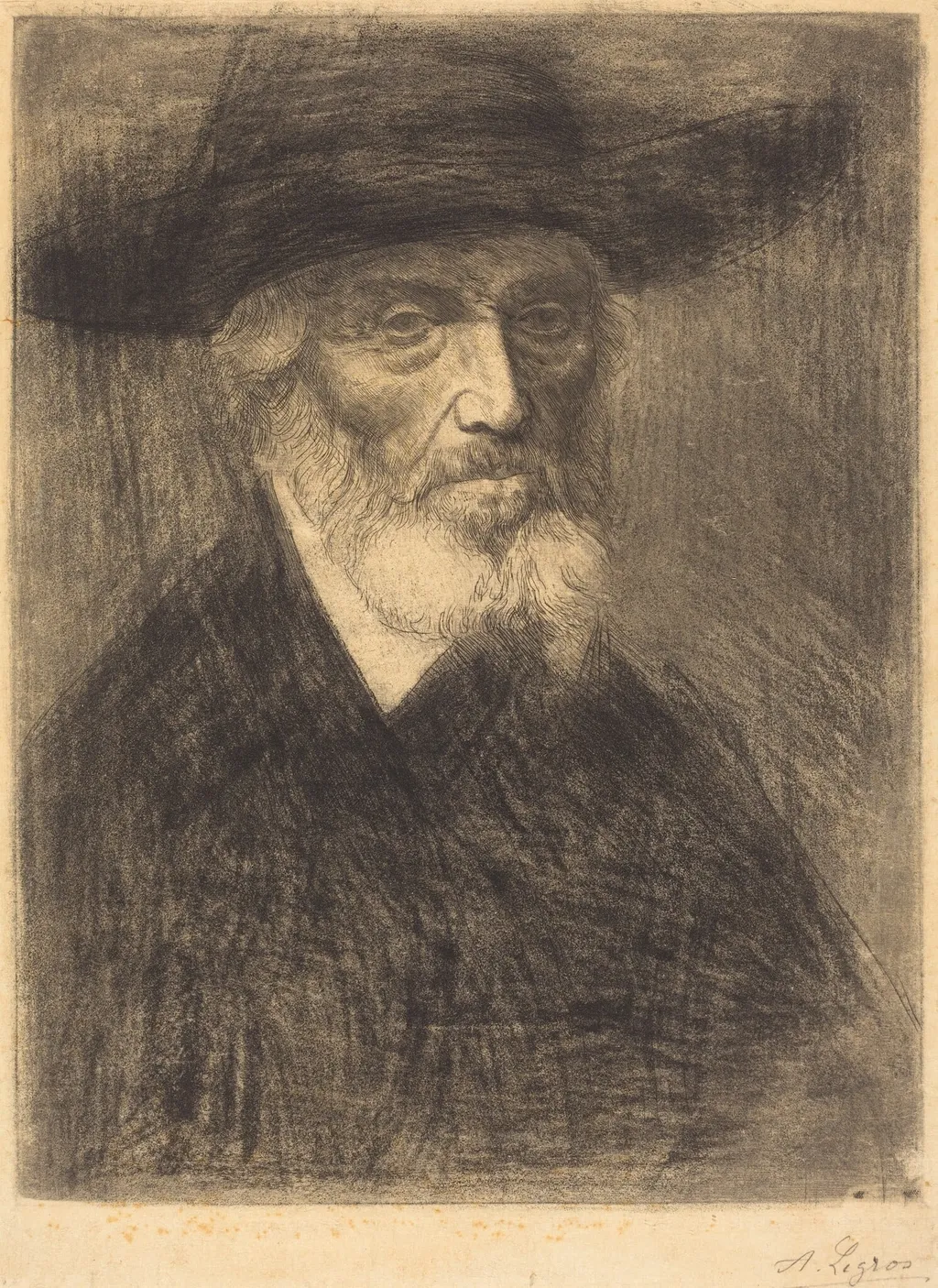
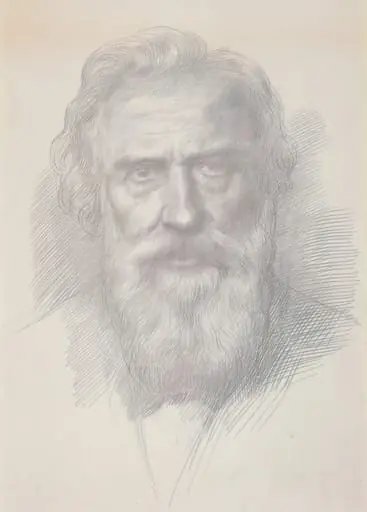
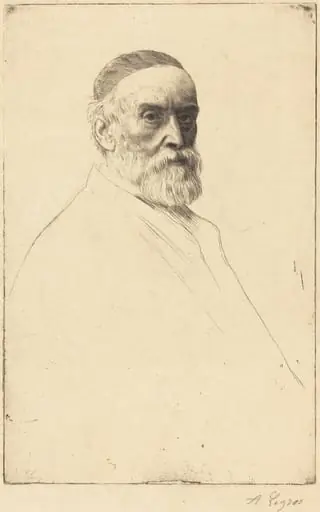
Thomas Carlyle is an ink print by the Romanticist artist Alphonse Legros. It dates from 1874 and is held in the collection of the National Gallery of Art.
About this work
Overview
Created in 1874, this black-and-white print by Alphonse Legros depicts the Scottish historian and essayist Thomas Carlyle.
Created in 1874, this black-and-white print by Alphonse Legros depicts the Scottish historian and essayist Thomas Carlyle. Executed in etching and aquatint, the work reflects Legros’s mastery of tonal gradation and textured line work. As a French-born artist who settled in England, Legros played a key role in revitalizing printmaking in Victorian Britain, and this portrait exemplifies his commitment to capturing psychological depth through subtle ink effects.
Subject & Meaning
Thomas Carlyle, a leading intellectual of his time, is portrayed with solemn intensity. His weathered face, marked by deep creases and a full beard, conveys a sense of gravitas and introspection. The wide-brimmed hat and shadowed background emphasize his isolation as a thinker, reinforcing his public image as a stern moralist. Legros avoids idealization, instead presenting Carlyle as a man shaped by years of contemplation and intellectual labor.
Technique & Style
Legros combined etching with aquatint to achieve rich tonal variations, avoiding flat areas of black or white. The texture of Carlyle’s clothing and skin emerges through fine, controlled lines and soft washes of ink, mimicking the roughness of wool and aged flesh. The dark, unmodeled background isolates the figure, heightening the focus on facial expression and gesture. This approach aligns with the British etching revival’s emphasis on directness and atmospheric nuance.
History & Provenance
The print was made during Legros’s tenure at the Slade School of Fine Art in London, where he taught drawing and printmaking. It was likely produced for a private or academic audience, given Carlyle’s stature among intellectuals. No record suggests it was part of a larger series, but it circulated among collectors of fine prints and was later acquired by institutions dedicated to 19th-century British art.
Context
In the 1870s, portraiture in printmaking was undergoing a revival, with artists turning away from mass-produced lithographs toward hand-pulled etchings valued for their intimacy and craftsmanship. Carlyle, though past his peak public influence, remained a symbol of moral seriousness in an age of industrial change. Legros’s portrait reflects this cultural moment—valuing intellectual authority through restrained, tactile representation.
Legacy
Legros’s portrait of Carlyle endures as a representative example of late 19th-century British printmaking. It influenced subsequent generations of etchers who sought to convey character through tonal subtlety rather than dramatic lighting. The work remains in museum collections as a testament to the quiet power of the printed portrait and the enduring resonance of Carlyle’s persona in visual culture.
Artist & collection

Artist
Alphonse Legros (French pronunciation: ; 8 May 1837 – 8 December 1911) was a French, later British, painter, etcher, sculptor, and medallist.

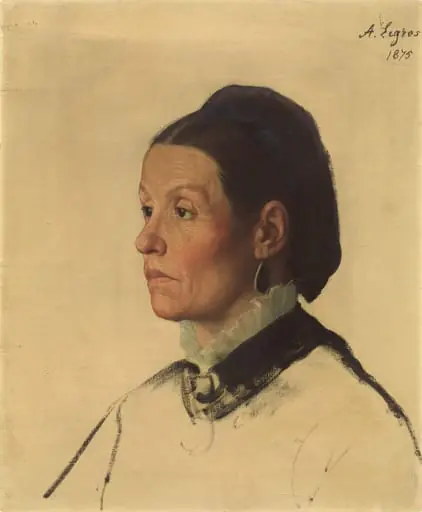
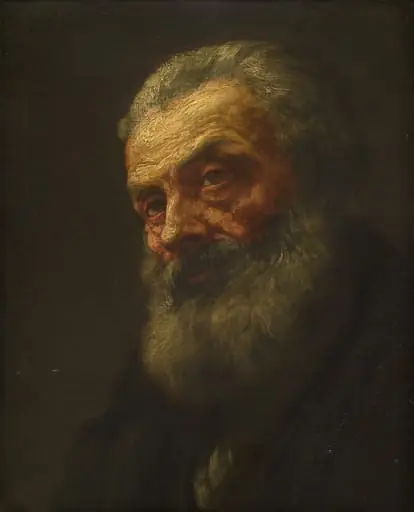
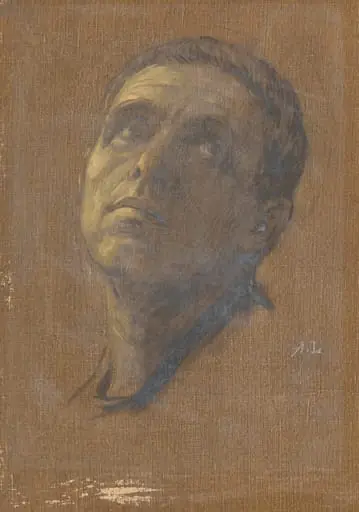
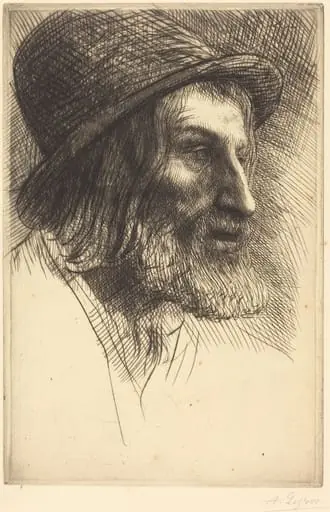 Head of an English Laborer (Tete d'ouvrier anglais (Le berger))
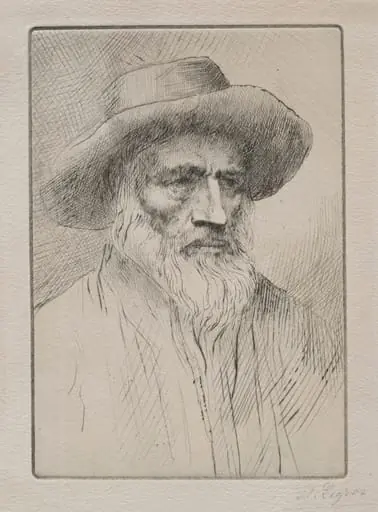 Paysan des Vosges
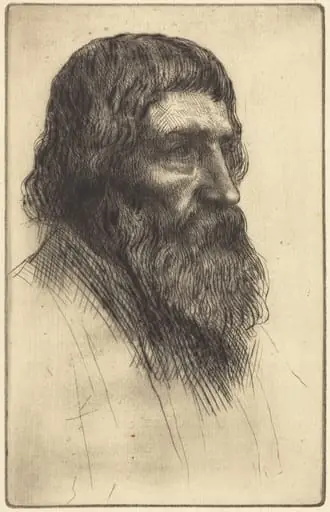 English Peasant (Paysan anglais)
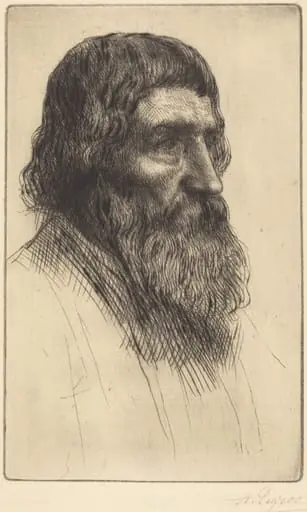 English Peasant (Paysan anglais)
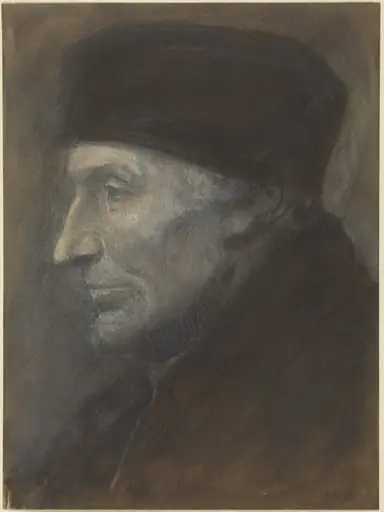 Head of a Man with a Skullcap
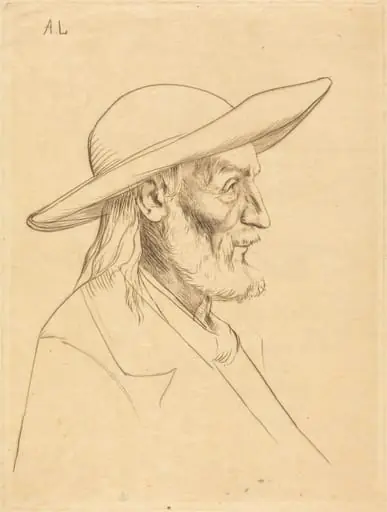 Breton Peasant (Paysan breton)
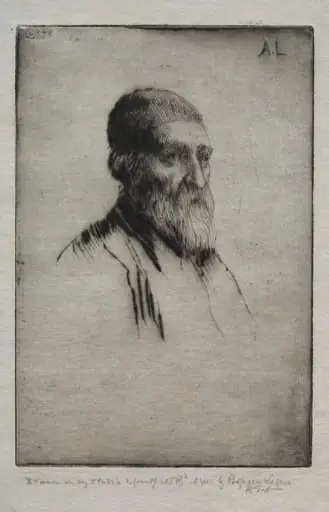 Head of a Man
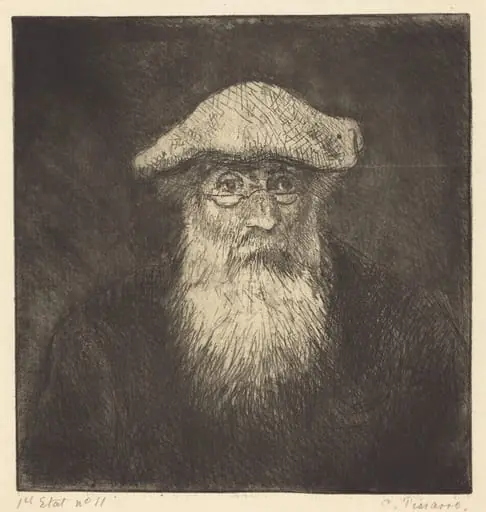 Self-Portrait (Camille Pissarro, par lui-meme)
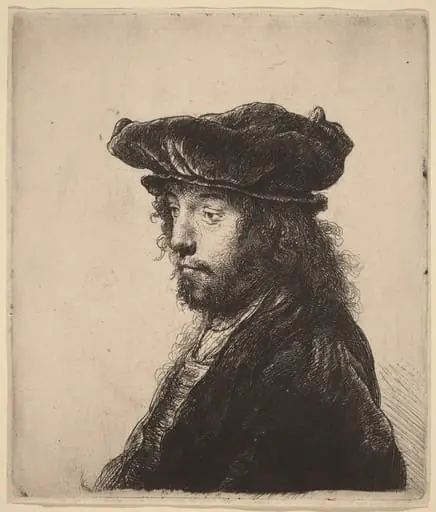 The Fourth Oriental Head
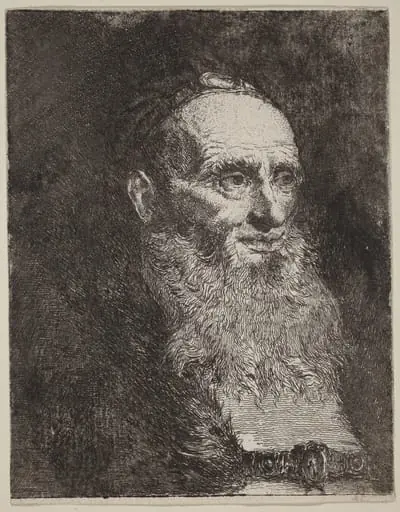 Old Man with a Beard
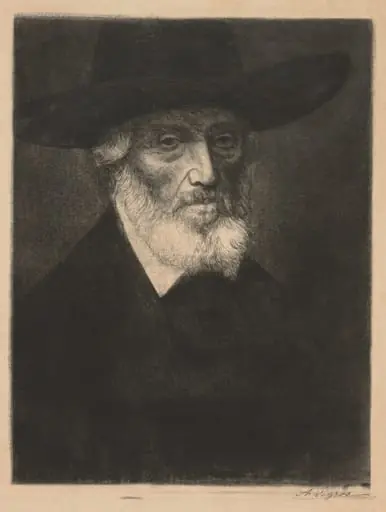 Large Portrait of Thomas Carlyle
 G.F. Watts, R.A.