Artwork
St Catherine of Siena with the Crucifix and the Lily
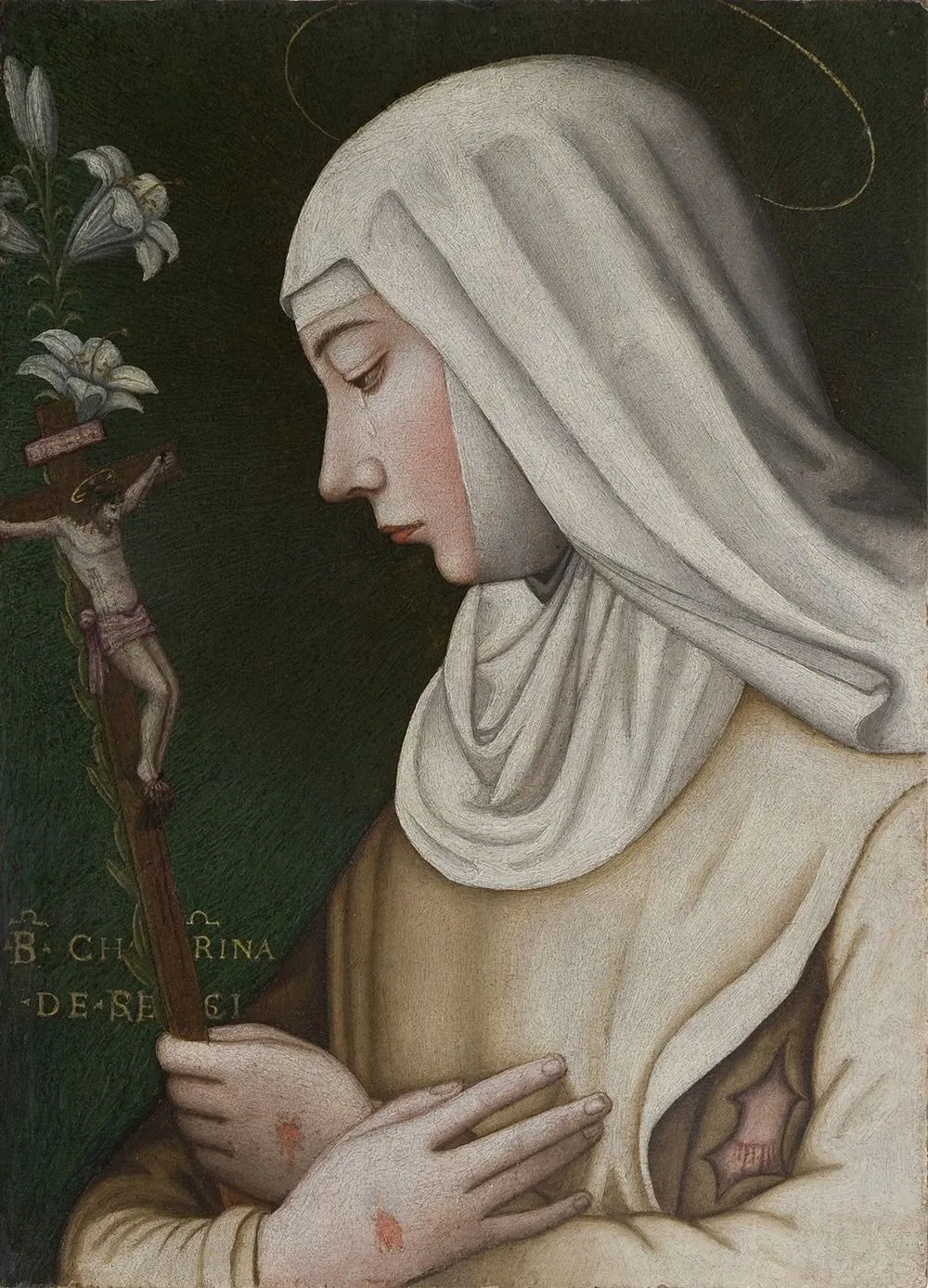
St Catherine of Siena with the Crucifix and the Lily is an oil painting by the Early Baroque Italian artist Plautilla Nelli. It dates from 1550 and is held in the collection of the Uffizi Gallery.
About this work
Overview
As one of the earliest known female artists in Renaissance Italy, she worked within her convent, producing devotional images without formal training.
Plautilla Nelli, a Dominican nun in 16th-century Florence, painted this oil work around 1550. As one of the earliest known female artists in Renaissance Italy, she worked within her convent, producing devotional images without formal training. The painting portrays Saint Catherine of Siena, a revered Dominican mystic, and reflects the spiritual priorities of her community. It is now part of the Uffizi Gallery’s collection.
Subject & Meaning
The painting depicts Saint Catherine of Siena, shown in her white Dominican habit, holding a crucifix in her right hand and a lily in her left. The crucifix symbolizes her devotion to Christ’s sacrifice, while the lily represents purity and divine grace. Her downward gaze suggests introspection and spiritual communion, aligning with her historical reputation as a contemplative mystic and reformer within the Church.
Technique & Style
Nelli employed oil paint to achieve subtle modeling of form, using chiaroscuro to define the saint’s face and robe against a dark, undefined background. The composition is frontal and intimate, emphasizing the figure’s stillness. Her style draws from Fra Bartolomeo’s clarity of form and the restrained expressiveness of Florentine Renaissance traditions, adapted for private devotion rather than public display.
History & Provenance
Created within the convent of Santa Caterina da Siena in Florence, the painting likely served as a devotional aid for the nuns. It remained in the convent’s possession until the 19th century, when it entered the Uffizi’s collection. Nelli’s works were largely overlooked in art history until recent scholarship revived interest in female artists of the period, particularly those working in religious communities.
Context
Nelli worked during a time when women were excluded from formal art academies and public commissions. Her production was confined to the convent, where she led a community of nuns in painting religious subjects. Influenced by the reformist sermons of Savonarola, her art reflects a piety centered on humility, suffering, and personal connection to Christ, consistent with Dominican spiritual ideals.
Legacy
Plautilla Nelli’s body of work, including this painting, challenges assumptions about women’s roles in Renaissance art. Her paintings, once considered merely devotional, are now recognized as significant contributions to Florentine religious art. Recent exhibitions and scholarly attention have repositioned her as a pioneering female artist whose work offers insight into the spiritual and creative life of convent communities.
Artist & collection
Artist
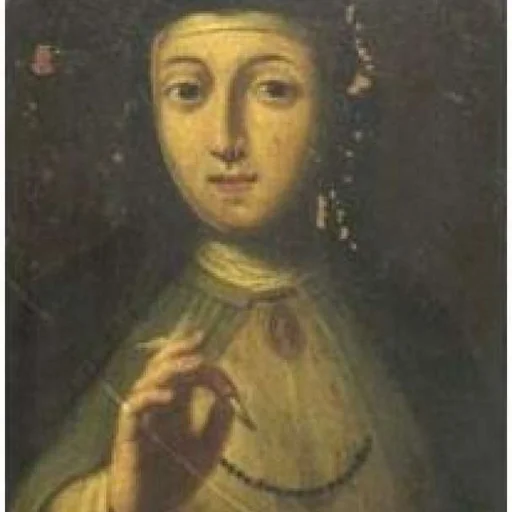
Sister Plautilla Nelli (1524–1588) was a self-taught nun-artist and the first ever known female Renaissance painter of Florence.

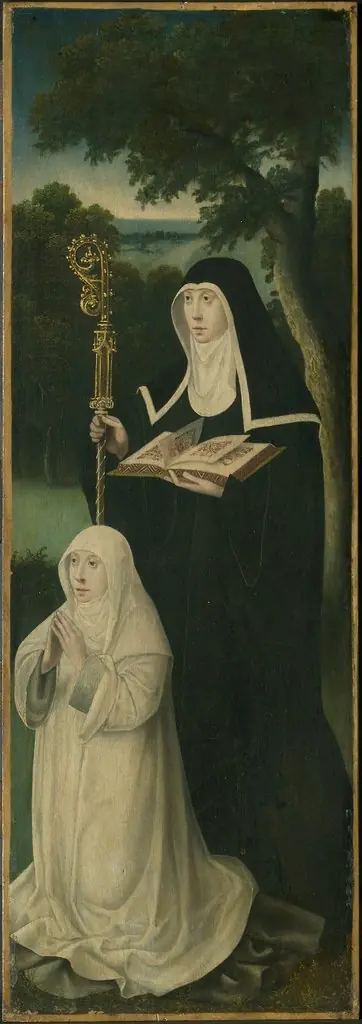 Saint Gertrude of Nivelles and an Augustinian Canoness
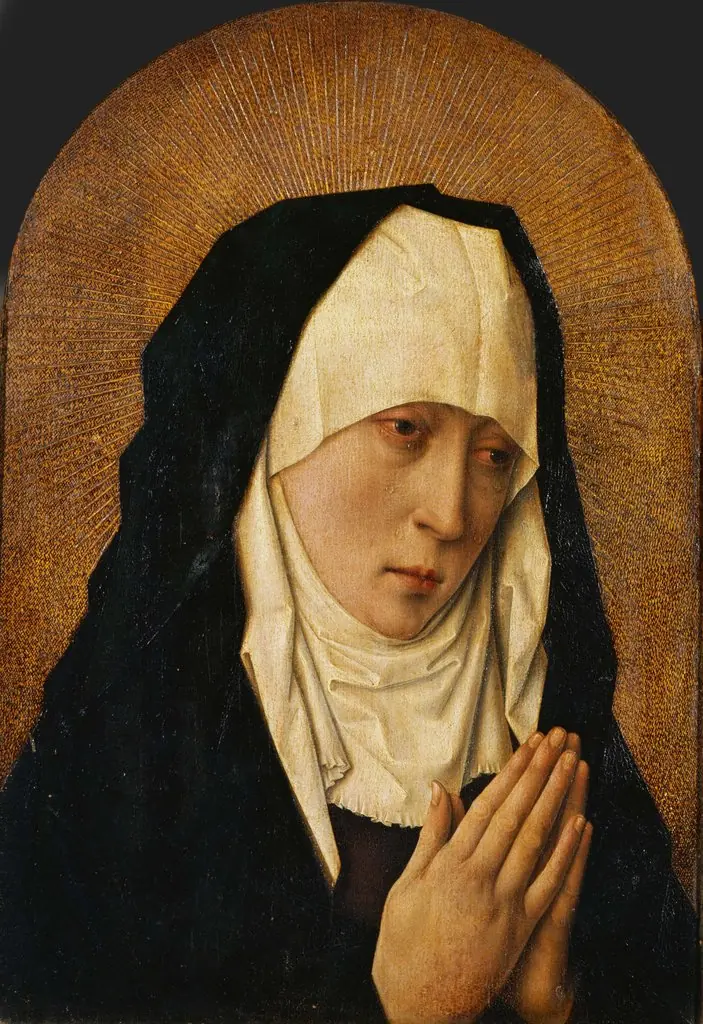 Mater Dolorosa
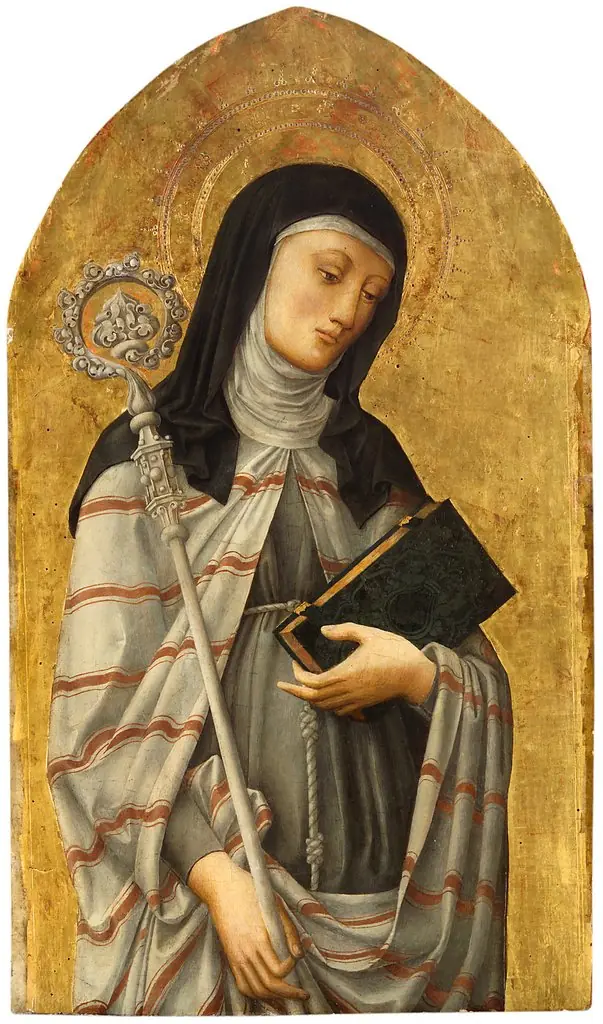 Saint Clare
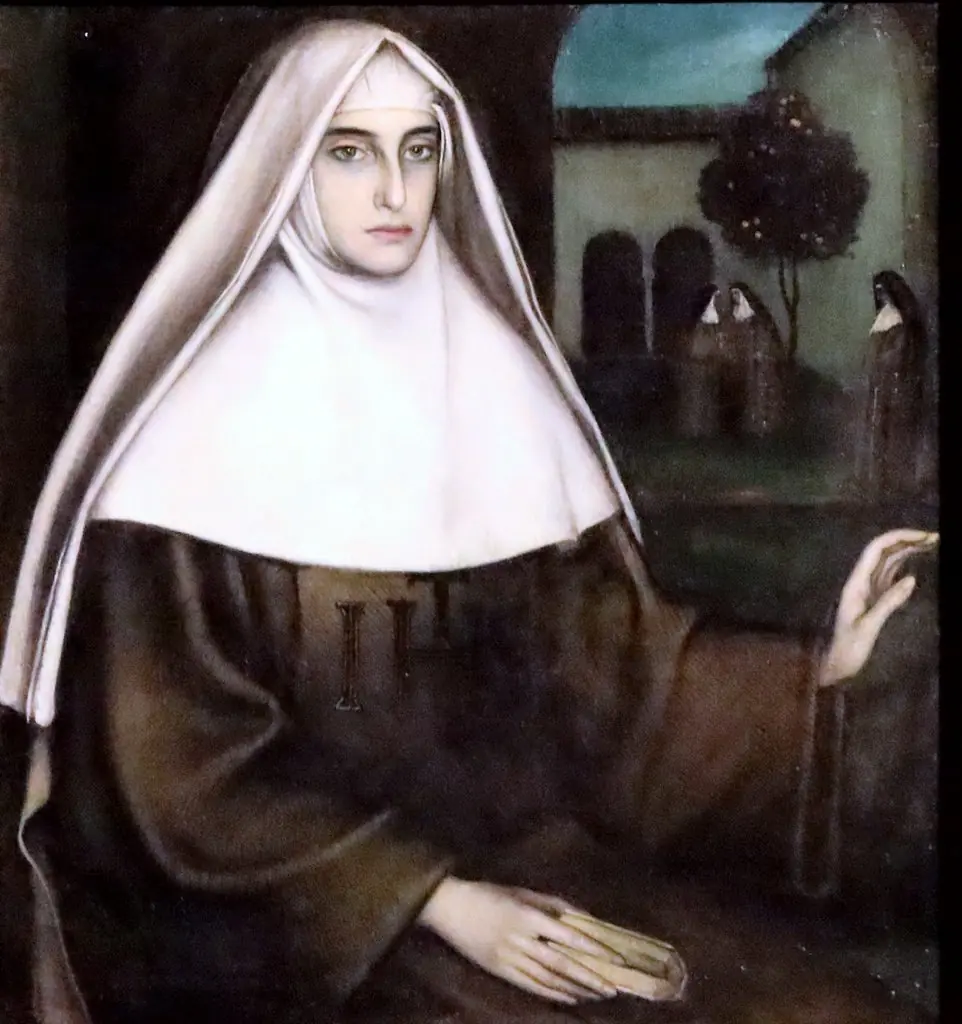 La novícia (Museu Nacional d'Art de Catalunya, inv 024157-004)
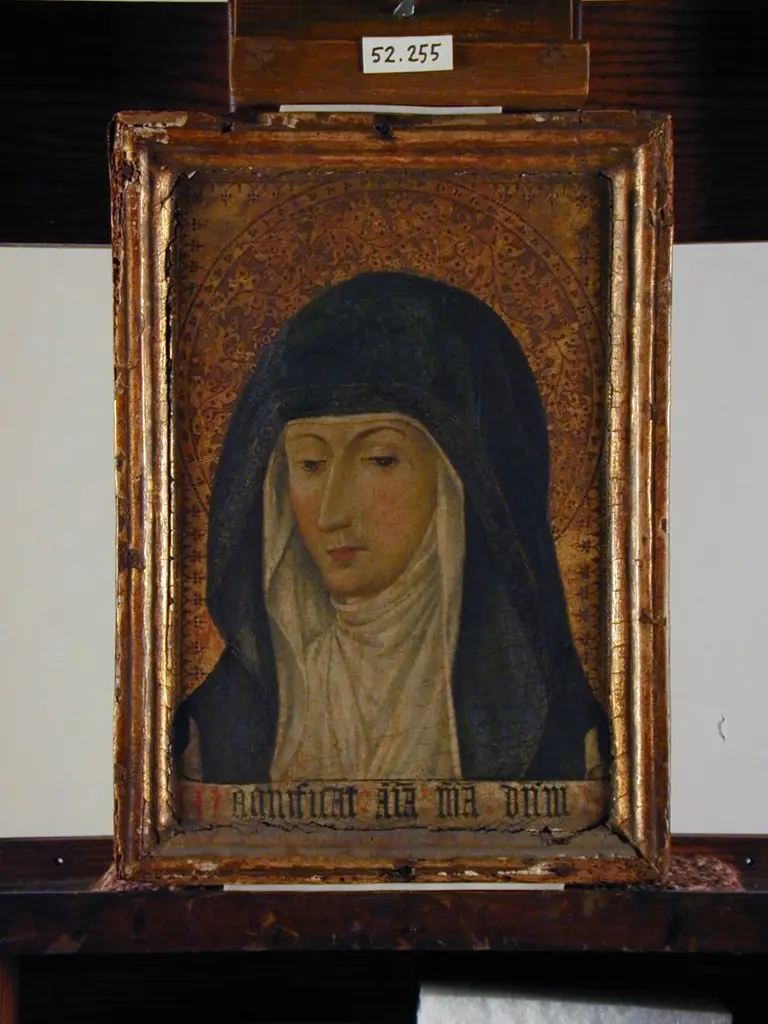 Head of the Virgin
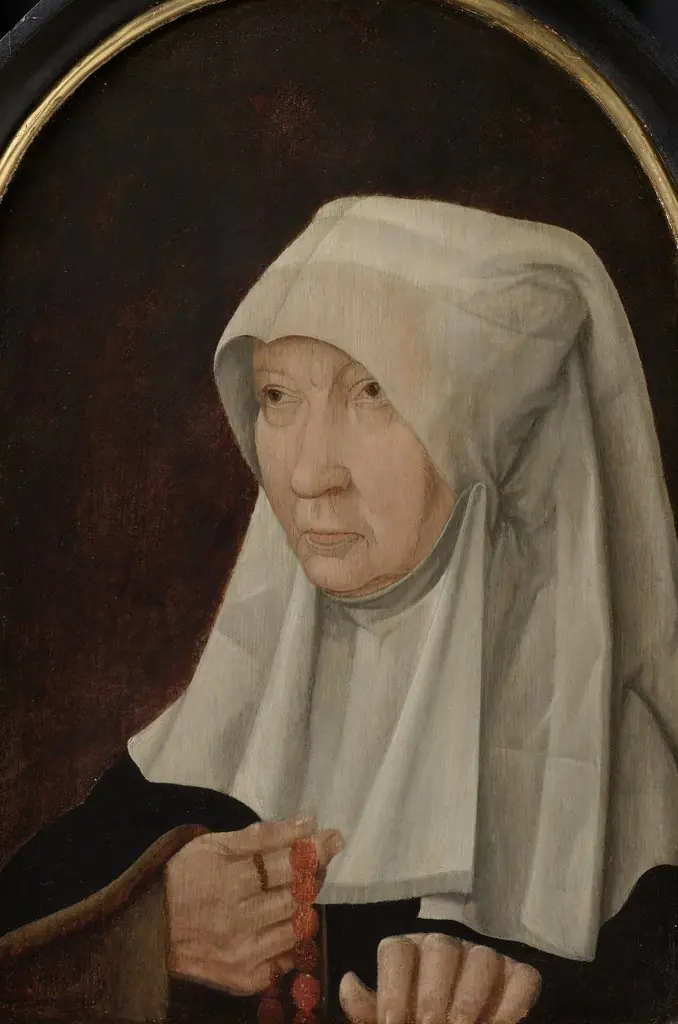 Portrait of Jacomina Claesdr van Ruyven (?-1509)
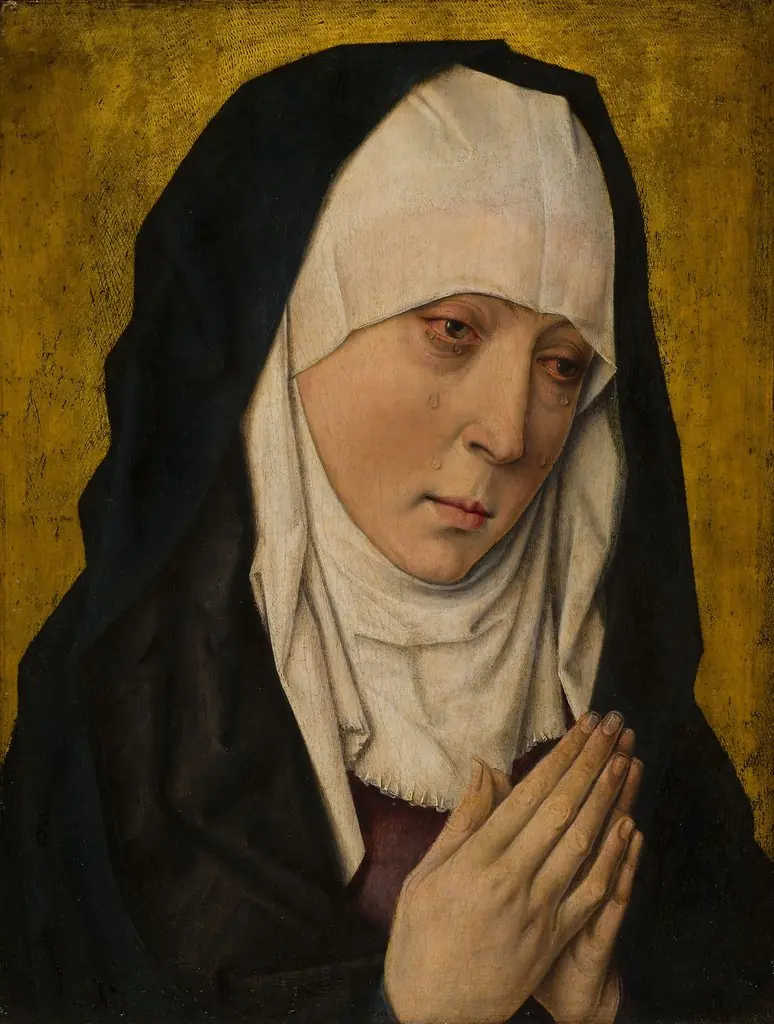 Mater Dolorosa (Sorrowing Virgin)
 Santa Mónica
 Portrait of Elżbieta Sieniawska née Gostomska (1573–1624)