Artwork
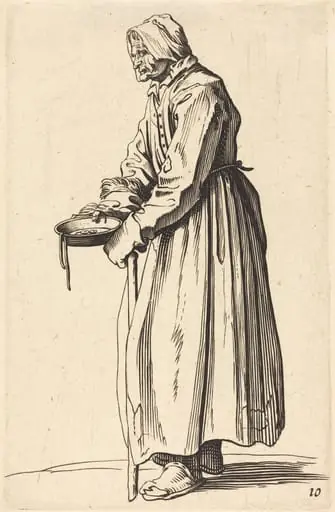
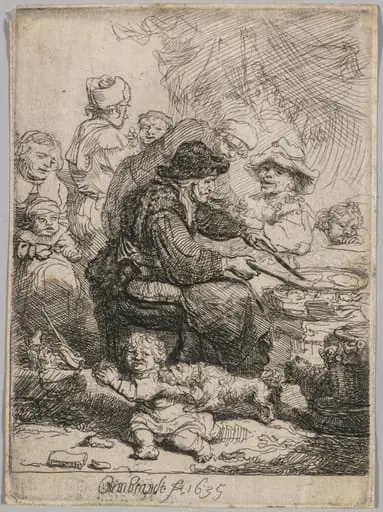
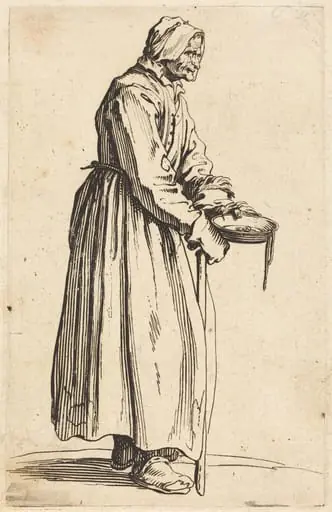
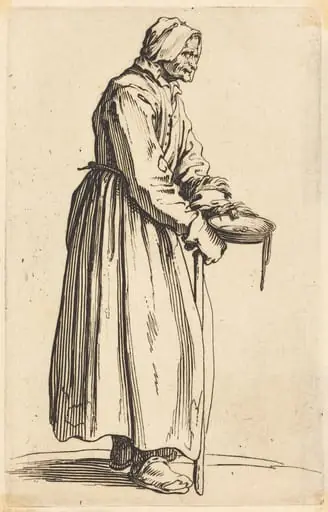
Pancake Woman
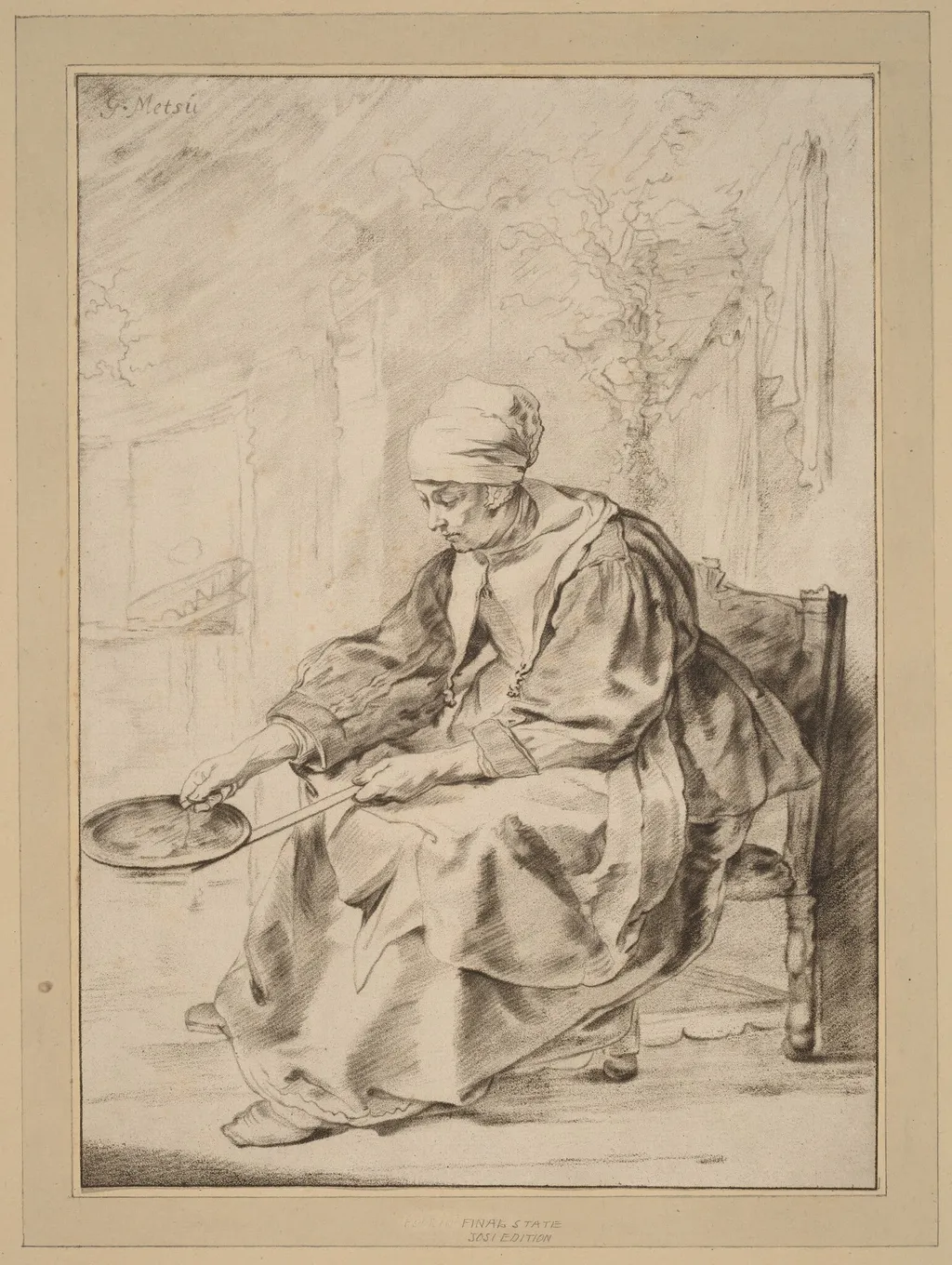
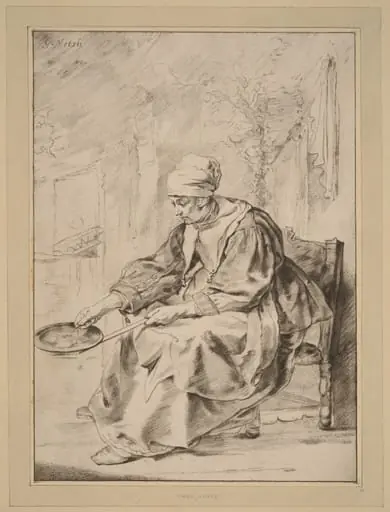
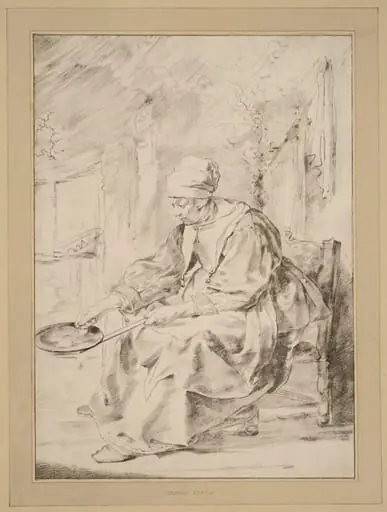
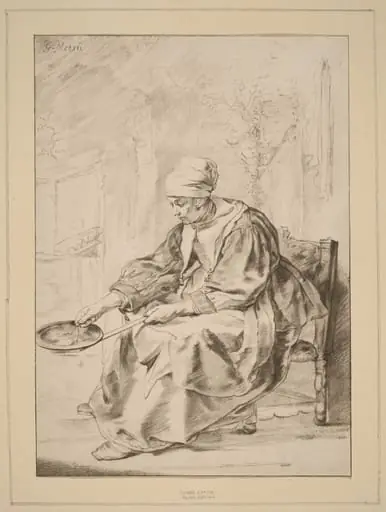
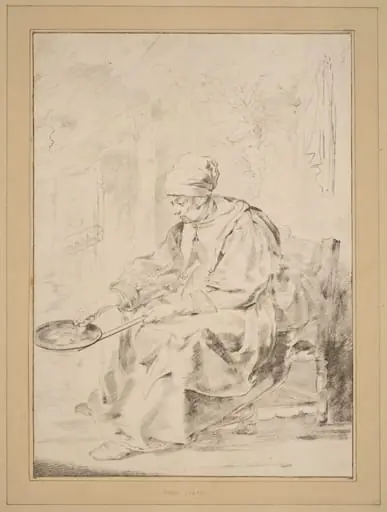
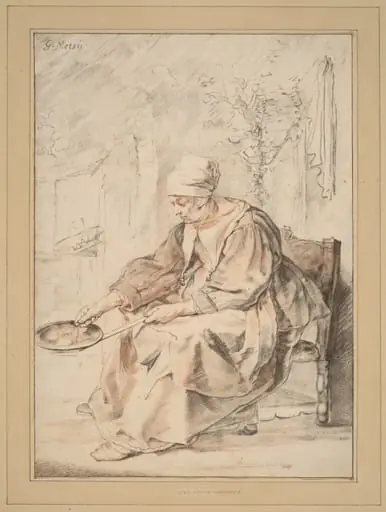
Pancake Woman is a chalk print by the Romanticist artist Jacobus Buys. It dates from 1768 and is held in the collection of the National Gallery of Art. Created in 1768 by Cornelis Ploos van Amstel, this print depicts a domestic scene rendered in chalk manner with black ink on laid paper.
About this work
Overview
Created in 1768 by Cornelis Ploos van Amstel, this print depicts a domestic scene rendered in chalk manner with black ink on laid paper.
Created in 1768 by Cornelis Ploos van Amstel, this print depicts a domestic scene rendered in chalk manner with black ink on laid paper. The composition centers on a woman engaged in the act of cooking, captured with delicate linear detail. The technique emphasizes texture and shadow through fine, intersecting strokes, characteristic of 18th-century Dutch printmaking traditions rather than later Romantic styles.
Subject & Meaning
The figure is a woman seated in a modest interior, holding a frying pan and a long utensil, likely a spatula, as if mid-flip. Her attire—a long dress and head covering—suggests everyday rural or lower-middle-class life. The scene conveys quiet labor, not theatricality; the focus is on routine domesticity, reflecting the value placed on household duties in 18th-century Dutch society.
Technique & Style
The artist employed chalk manner, a printmaking technique using drypoint and cross-hatching to simulate the soft tonal gradations of chalk drawings. Lines are carefully layered to model form and suggest depth without color. The background is softly blurred, drawing attention to the figure’s posture and gesture. This method was favored in the Netherlands for its ability to capture subtle light and texture in intimate scenes.
History & Provenance
The print was produced in 1768 during Ploos van Amstel’s active period as a Dutch engraver and draftsman. It was likely made for private circulation or as part of a series documenting daily life. No major public collection records its early ownership, but its survival suggests it was preserved within artistic or bourgeois circles interested in genre scenes of domestic labor.
Context
In mid-18th-century Holland, prints of domestic interiors and working women were common, reflecting Enlightenment-era interest in ordinary life. Unlike grand historical or mythological subjects, such images celebrated the dignity of routine tasks. Ploos van Amstel’s work aligns with this trend, offering a quiet, unidealized view of female labor within the home.
Legacy
The print remains a modest example of Dutch genre printmaking, valued today for its technical precision and unembellished portrayal of daily life. It contributes to the broader understanding of how 18th-century artists documented social norms through subtle, observational imagery rather than dramatic narrative. It is not widely reproduced but holds scholarly interest in studies of gender and domesticity in print culture.
Artist & collection
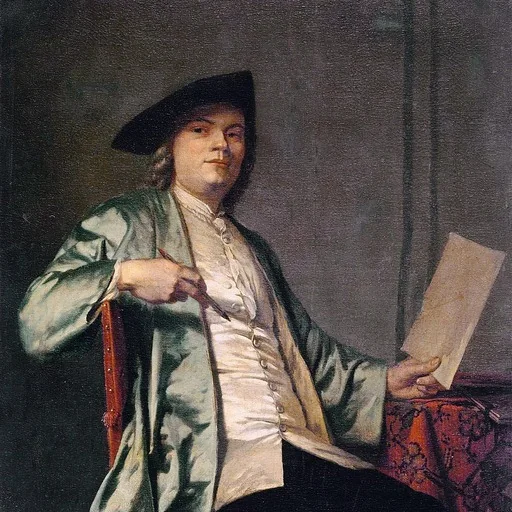

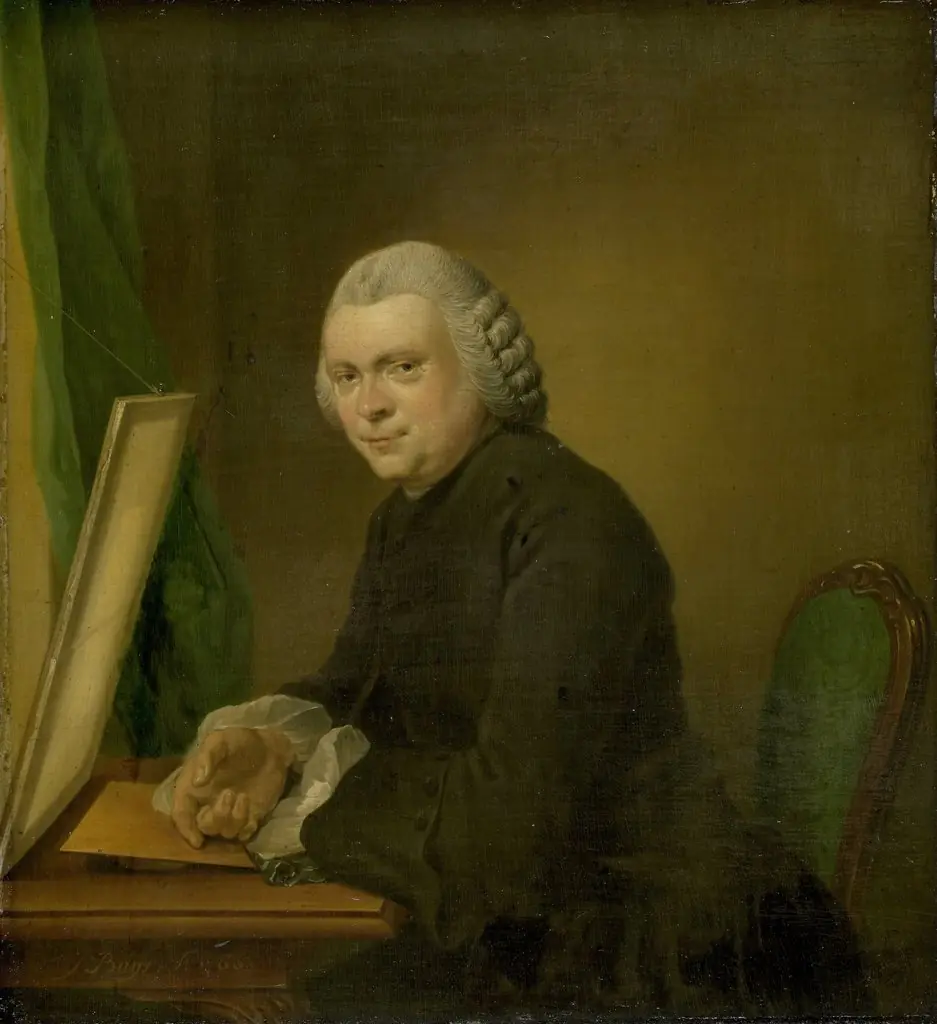 Portrait of Cornelis Ploos van Amstel
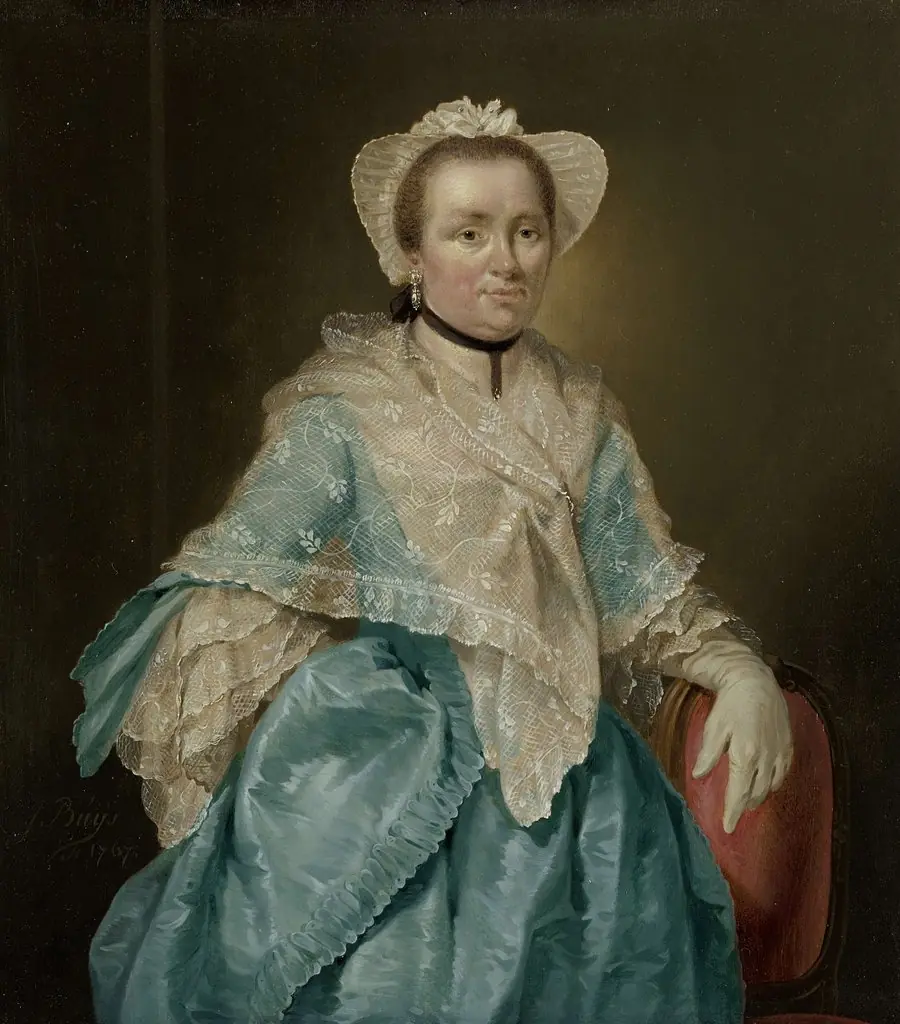 Portrait of Elisabeth Troost (1730-1790)
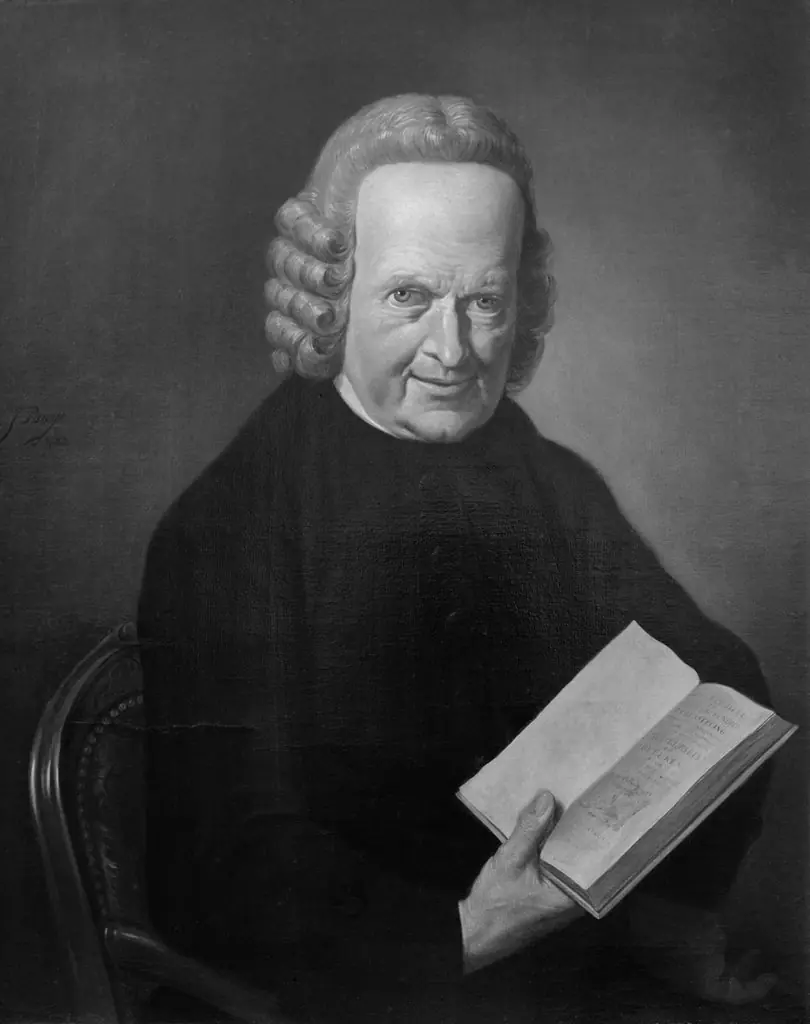 Johannes Monnikhoff (1707-1787)
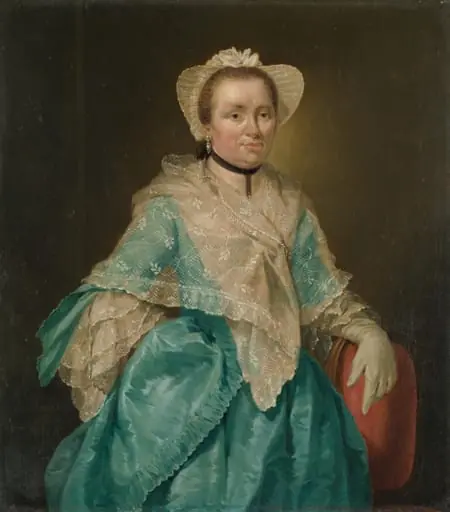 Portrait of Elisabeth Troost (1730-1790)
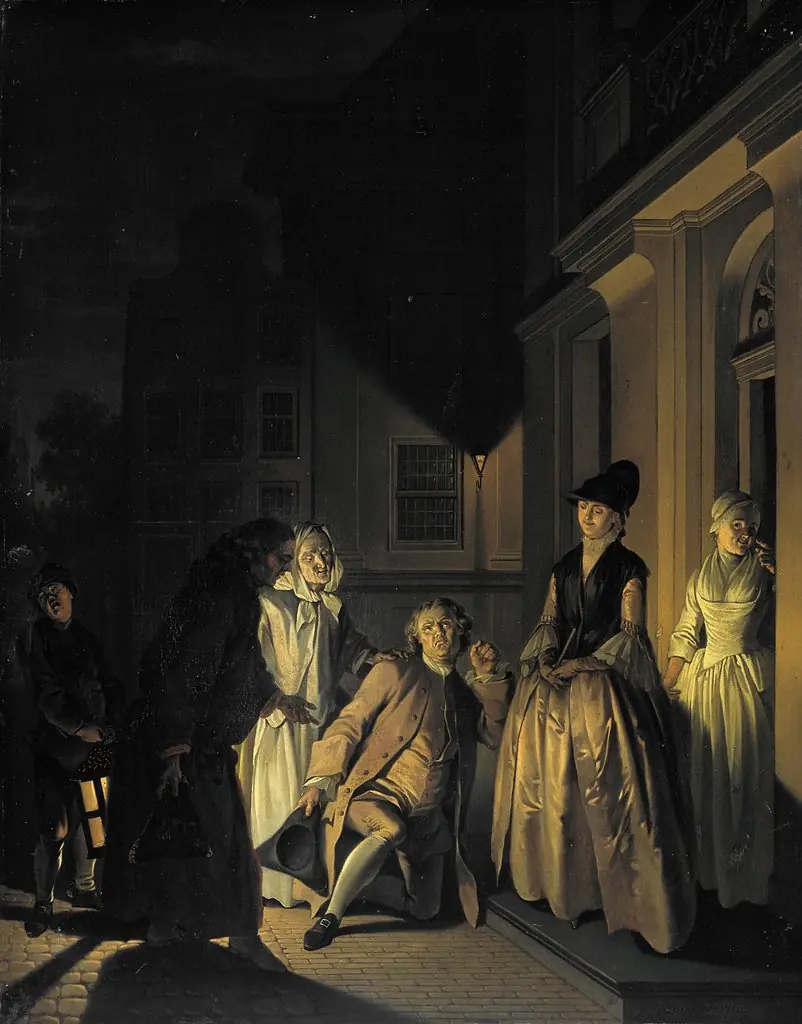 Scene from the Play 'Lubbert Lubbertse of de geadelde boer' by M. van Breda
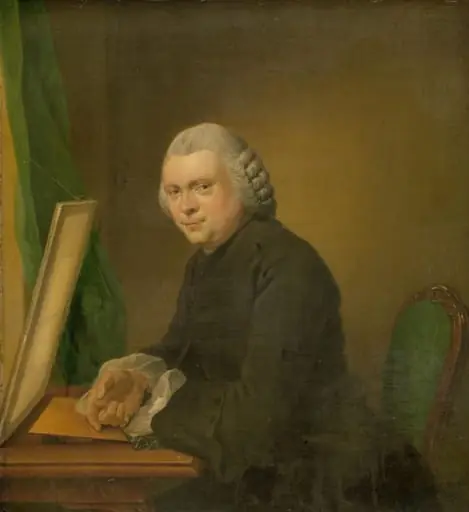 Portrait of Cornelis Ploos van Amstel
 Cavalier and Lady with a Page
 Pancake Woman