Artwork
Young Girl at the Keyboard
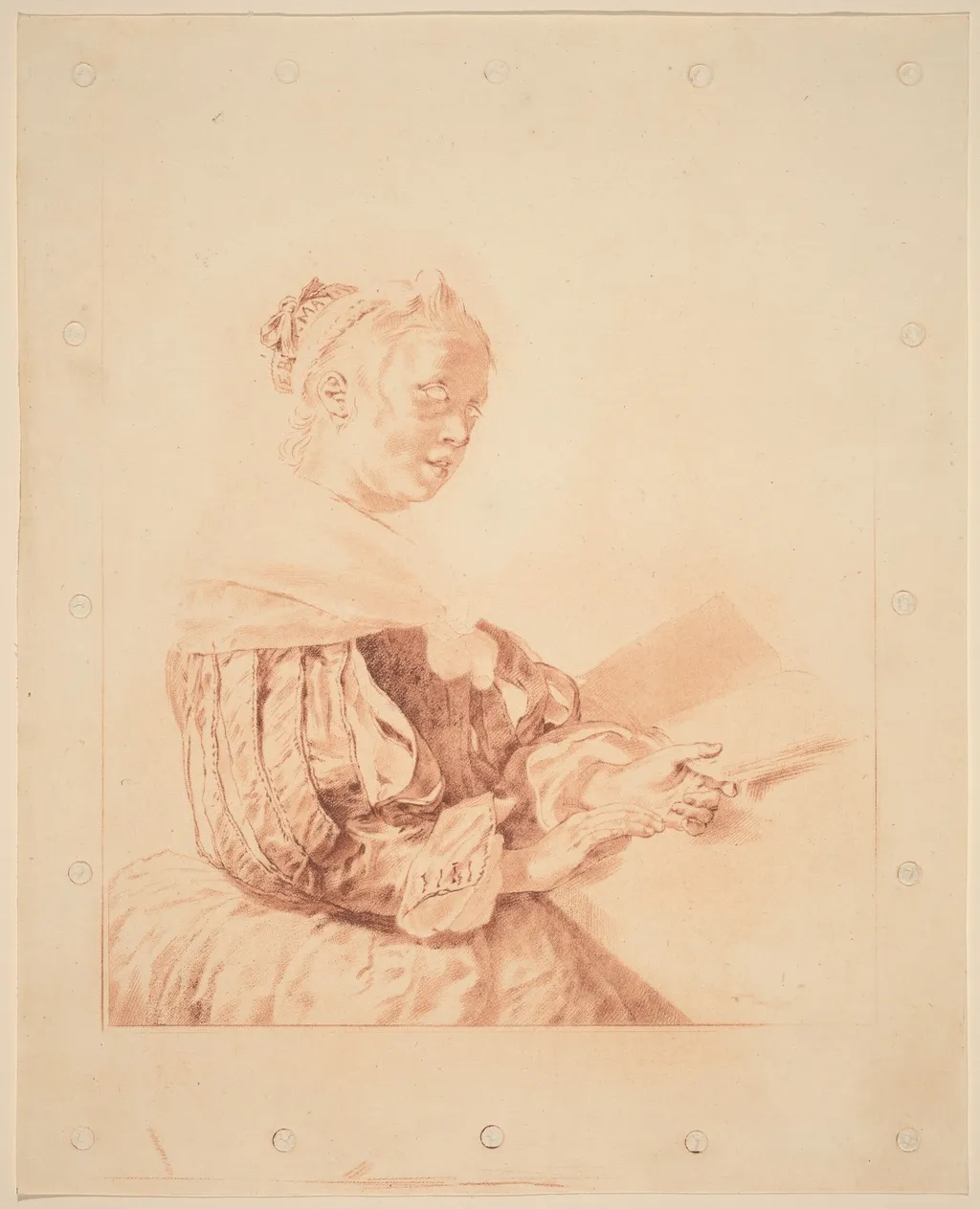
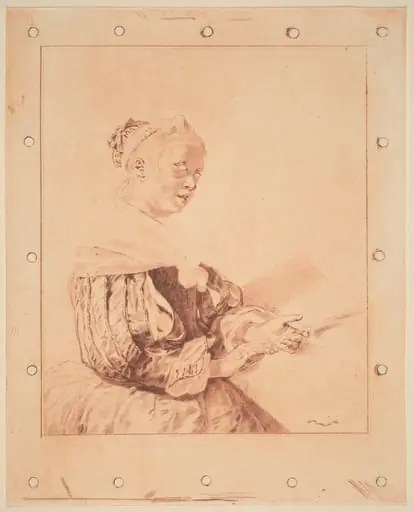
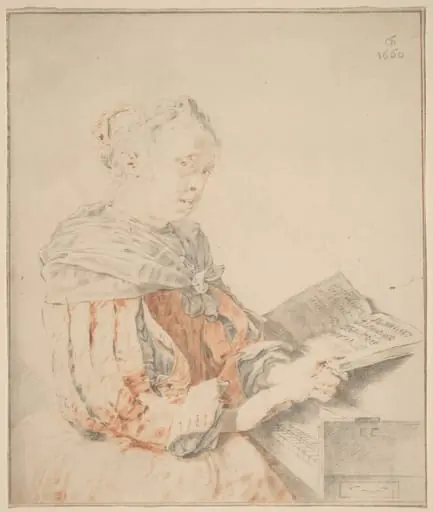
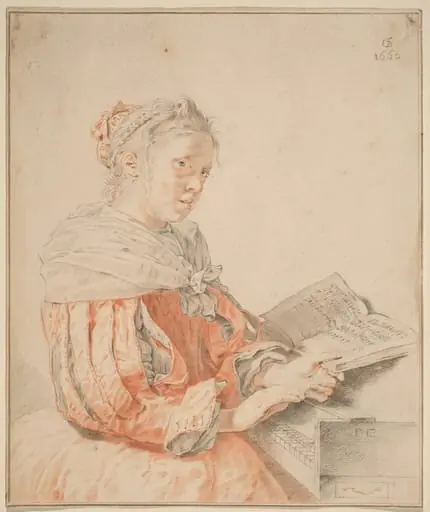
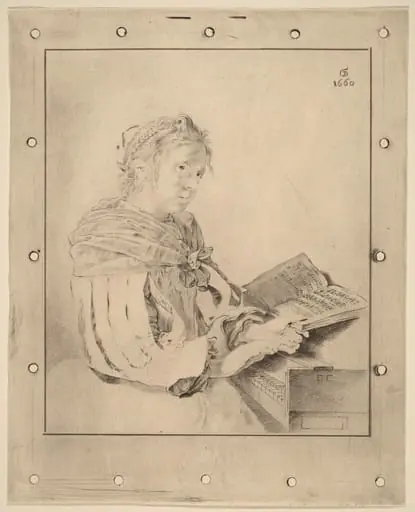
Young Girl at the Keyboard is a chalk print by the Romanticist artist Jacobus Buys. It dates from 1767 and is held in the collection of the National Gallery of Art.
About this work
Overview
Cornelis Ploos van Amstel’s 1767 print, titled Young Girl at the Keyboard, is executed as a chalk‑manner work enhanced with roulette and burnishing techniques. The image was printed in red ink on wove paper and exists as a proof, illustrating the artist’s interest in experimental print processes of the late eighteenth century.
Subject & Meaning
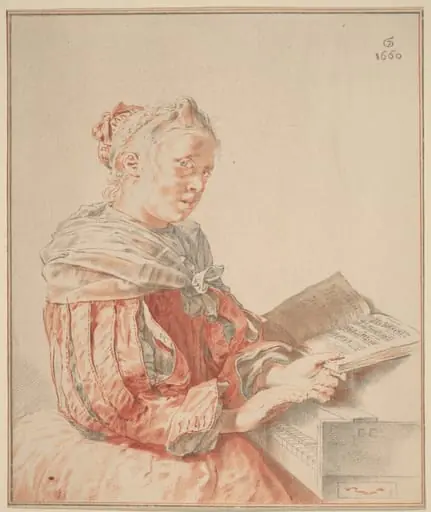
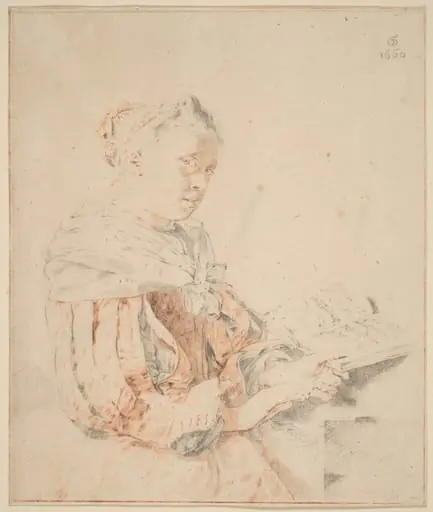
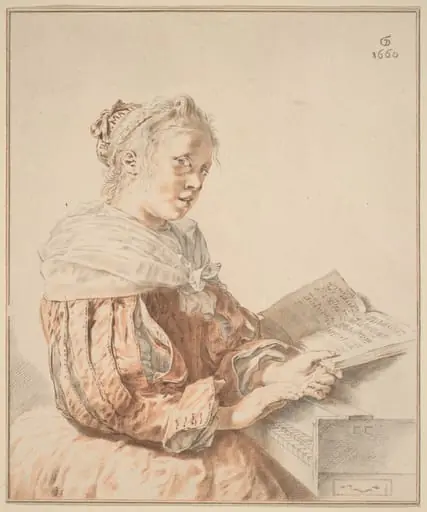
The composition presents a young girl seated before a keyboard instrument. She wears a long‑sleeved dress with a high neckline and a bow tied in her hair. Her gaze is directed downward, and her hands hover over the keys, suggesting a moment of focused concentration and quiet introspection while she prepares to play.
Technique & Style
Ploos van Amstel combines chalk‑manner drawing with printmaking, employing roulette to create fine tonal textures and burnishing to smooth and deepen areas of ink. The delicate folds of the dress and the intricate detailing of the keyboard are rendered through careful cross‑hatching, giving the work a sense of depth and tactile quality despite its monochrome palette.
History & Provenance
Created as a proof in 1767, the print reflects the artist’s involvement with the Amsterdam drawing academy, where he explored the reproduction of drawings through print. The work remains in a museum collection, documented as part of the artist’s broader output of instructional and genre images.
Context
During the mid‑1700s, Dutch artists increasingly experimented with print techniques that could emulate the softness of chalk drawings. Ploos van Amstel’s use of red ink on wove paper aligns with contemporary interests in color variations within printmaking, while the subject—a young musician—echoes the period’s fascination with domestic virtue and education.
Artist & collection
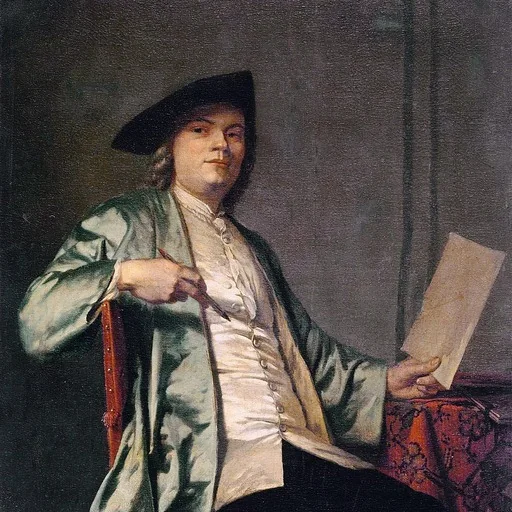

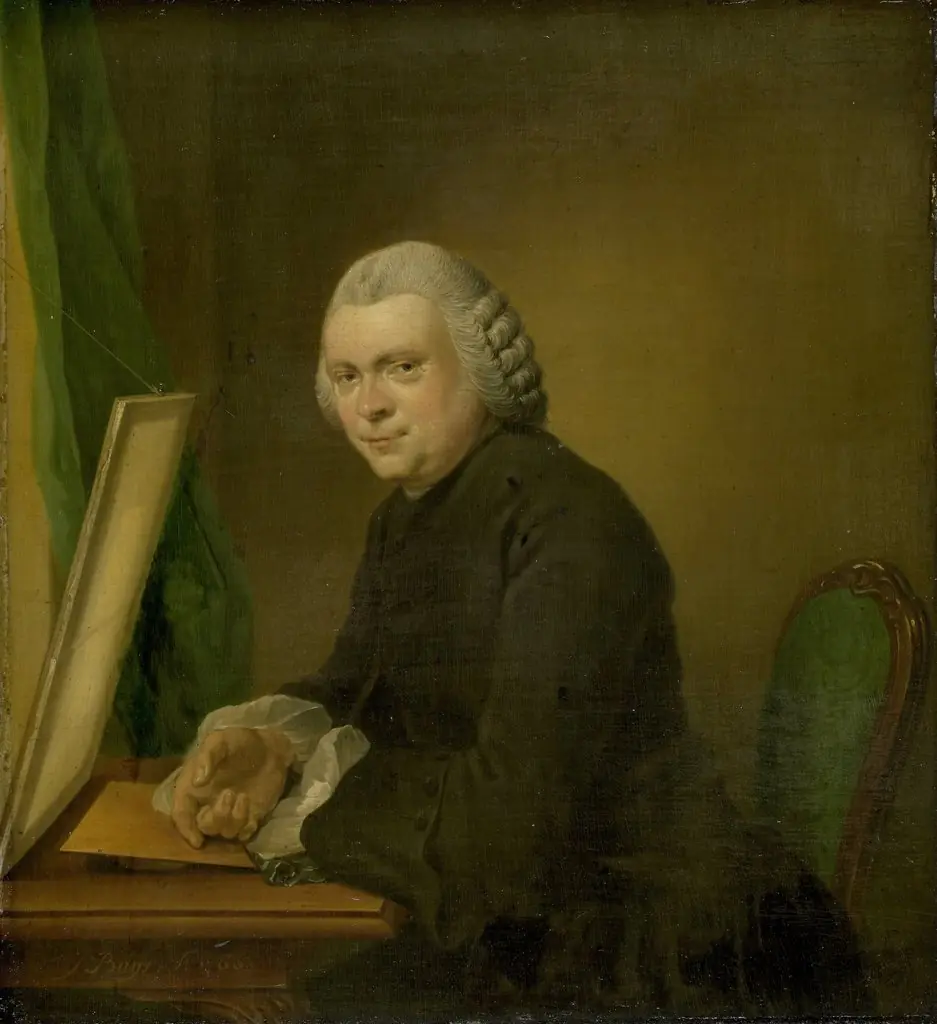 Portrait of Cornelis Ploos van Amstel
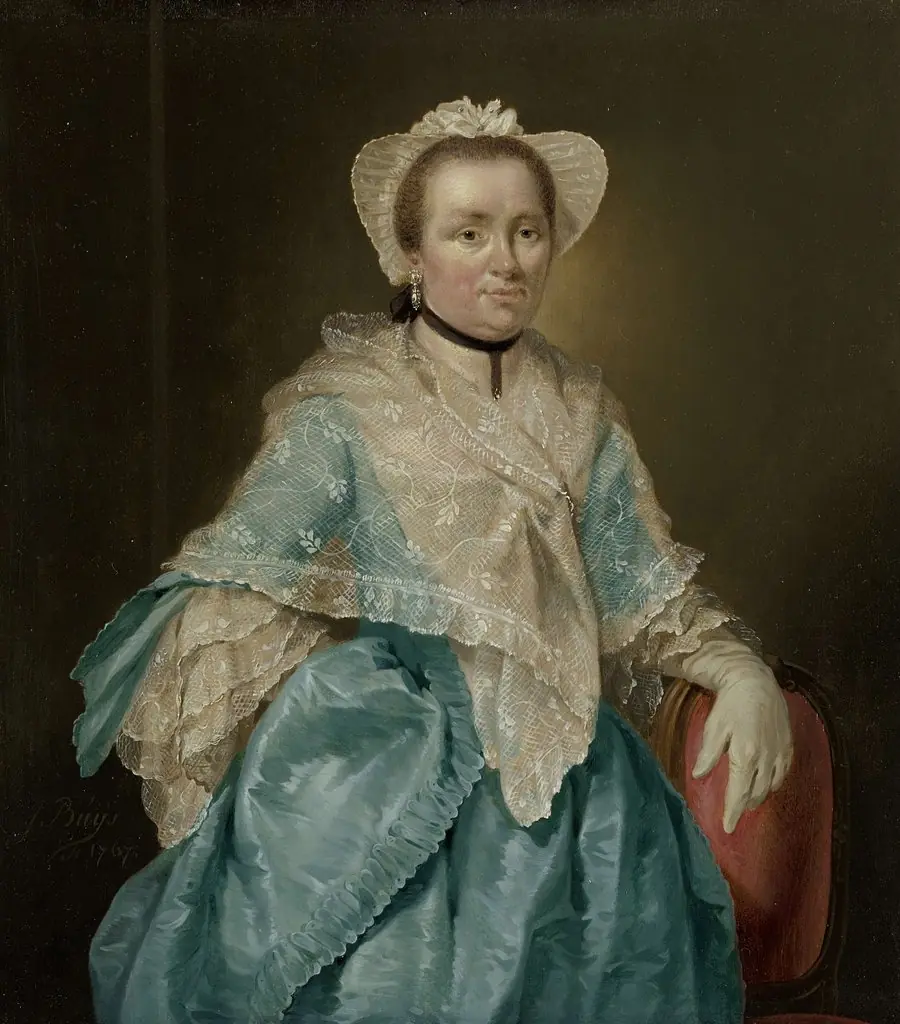 Portrait of Elisabeth Troost (1730-1790)
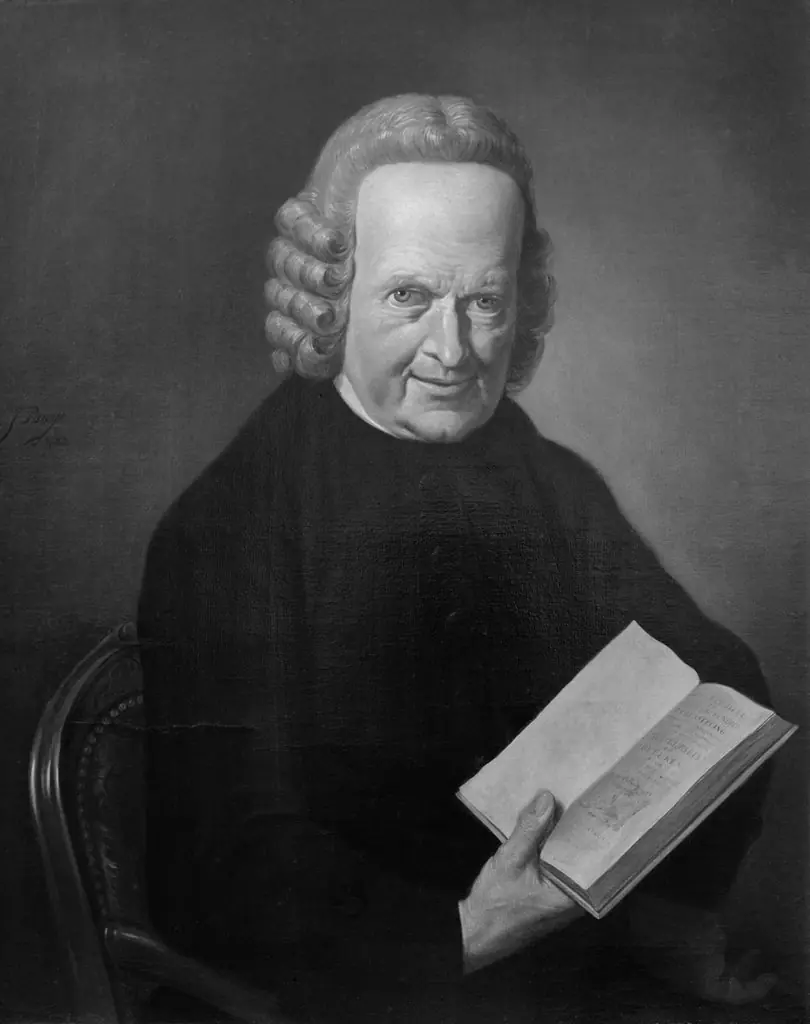 Johannes Monnikhoff (1707-1787)
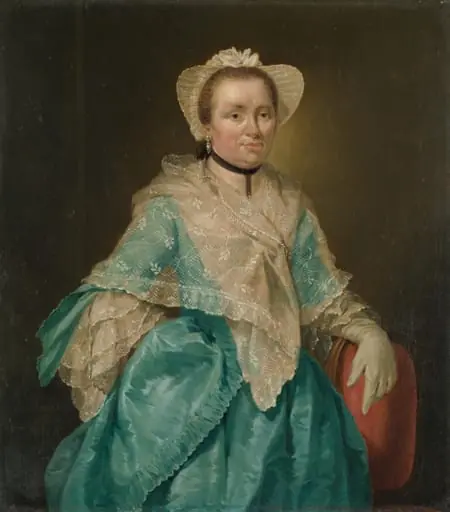 Portrait of Elisabeth Troost (1730-1790)
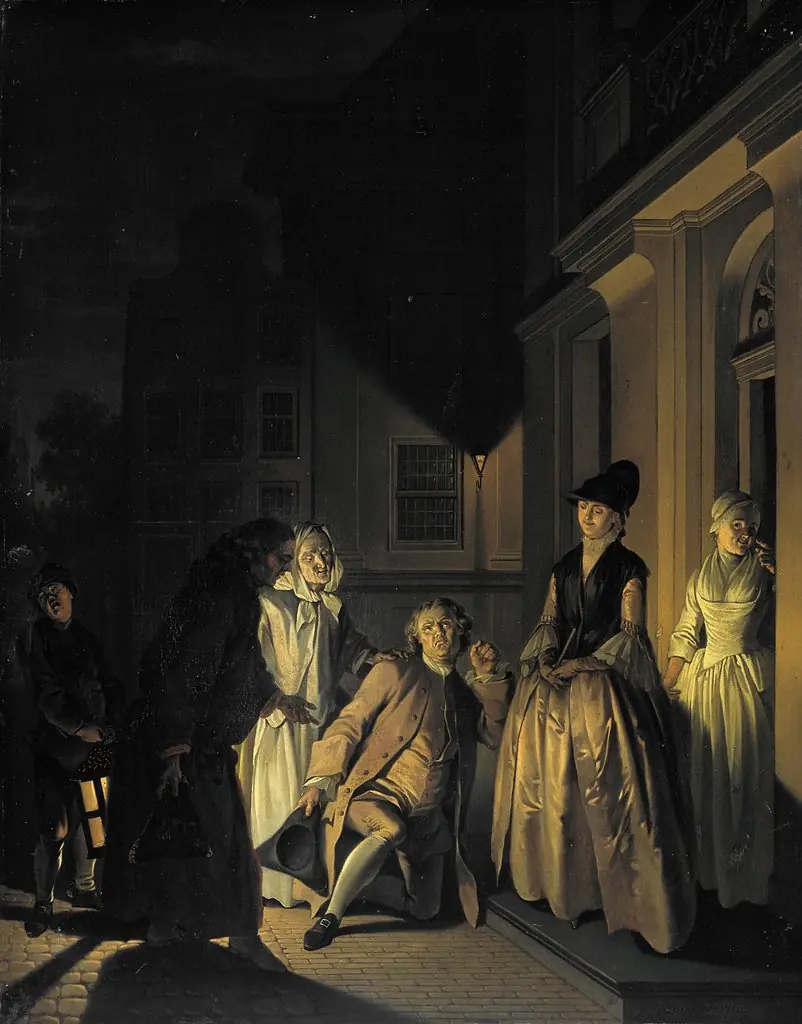 Scene from the Play 'Lubbert Lubbertse of de geadelde boer' by M. van Breda
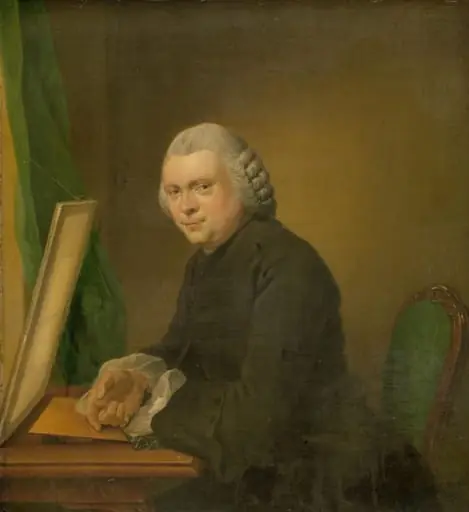 Portrait of Cornelis Ploos van Amstel
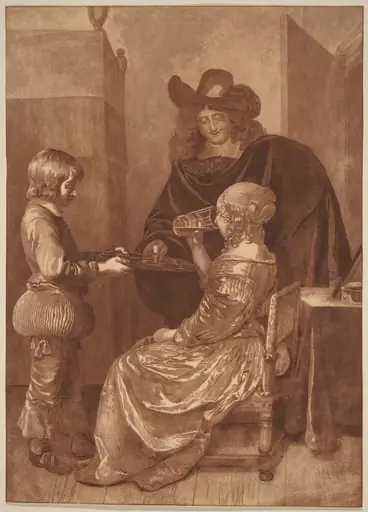 Cavalier and Lady with a Page
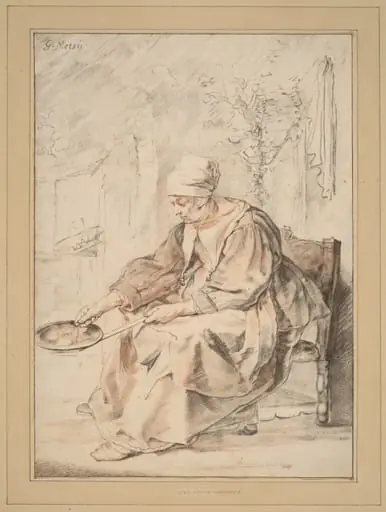 Pancake Woman