Artwork
Young Girl at the Keyboard
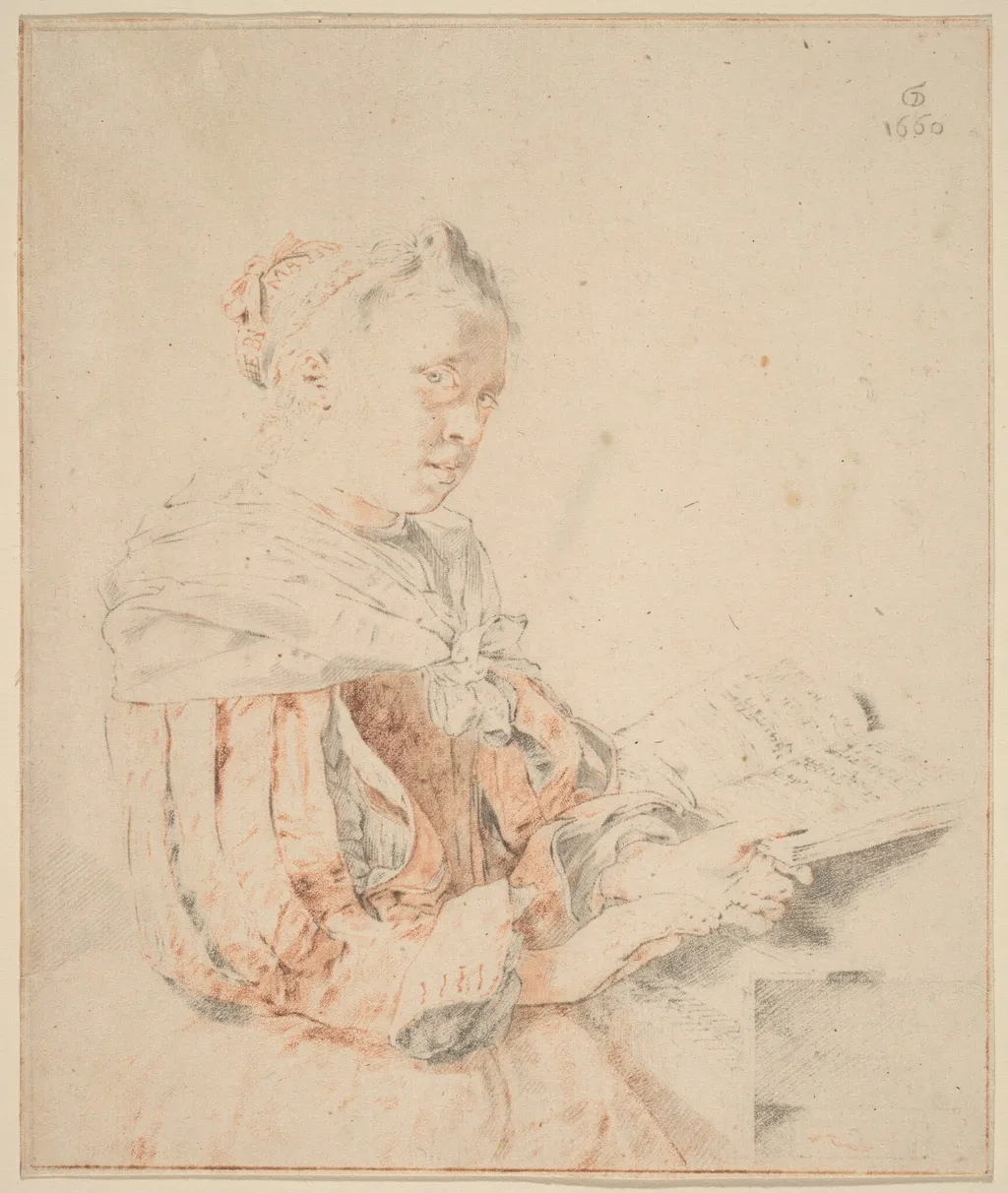
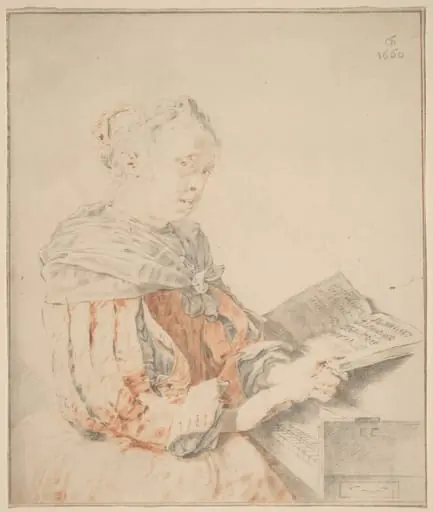
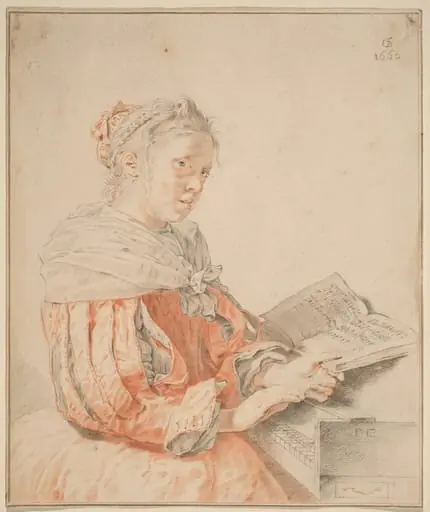
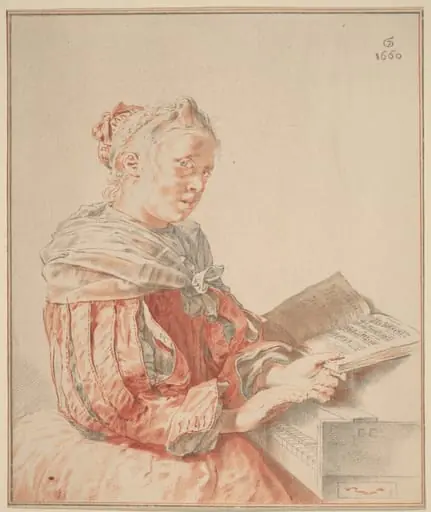
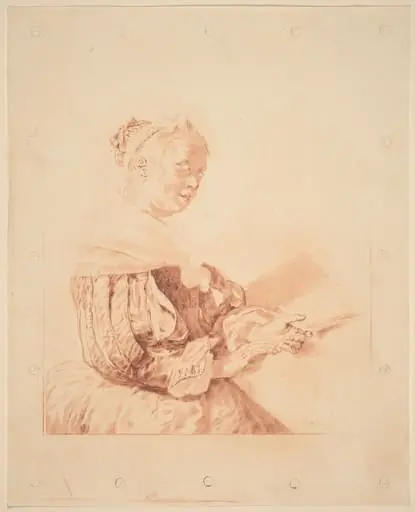
Young Girl at the Keyboard is a chalk print by the Romanticist artist Jacobus Buys. It dates from 1767 and is held in the collection of the National Gallery of Art.
About this work
The paper has a grid of tiny lines, and the artist used red ink in some spots, giving it a rough, sketchy feel.
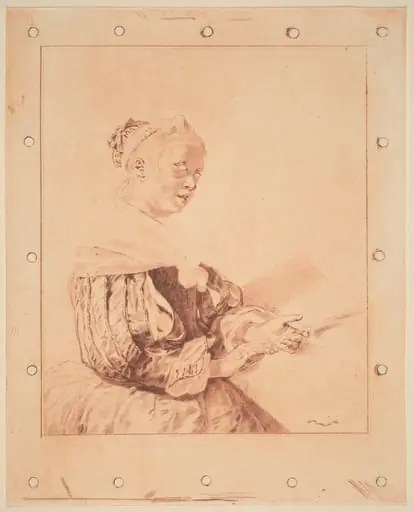
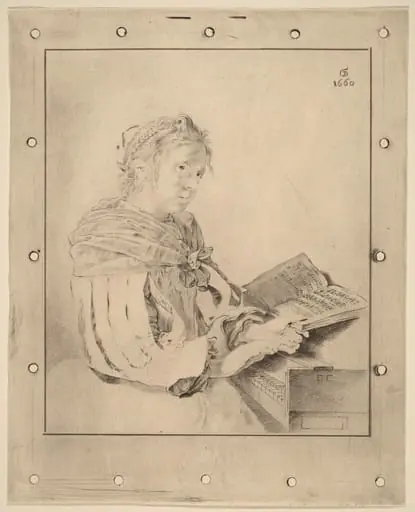
This sketch shows a girl sitting sideways, playing something small and flat—maybe a keyboard or harp. Her dress has a big bow at the neckline, and her hair is pulled back neatly. The lines are loose and quick, like she was drawn fast, with only a few colors (mostly gray and pinkish red).
The paper has a grid of tiny lines, and the artist used red ink in some spots, giving it a rough, sketchy feel. The date "1767" is written in the corner, but the drawing looks unfinished, like a practice piece.
Want to see more sketches like this? Check out cross-hatching.
Overview
Cornelis Ploos van Amstel’s 1767 print titled Young Girl at the Keyboard presents a brief, informal study of a young female figure engaged with a small, flat instrument. Executed in a chalk manner with roulette printing from two plates, the work combines gray and reddish pigments on laid paper, yielding a sketch‑like appearance that suggests a preparatory drawing rather than a finished composition.
Subject & Meaning
The image captures a girl seated in profile, her hair neatly gathered and her attire accented by a prominent bow at the neckline. She appears to be playing a compact keyboard or harp, an activity that hints at domestic music education and the cultural value placed on feminine accomplishment in the eighteenth‑century Dutch milieu.
Technique & Style
Ploos van Amstel employed a roulette tool to create a fine grid of lines across the paper, then applied ink from two separate plates—one delivering gray tones, the other a pinkish‑red. The resulting marks are swift and loosely rendered, emphasizing gesture over detail and giving the piece a spontaneous, unfinished quality characteristic of study sketches.
History & Provenance
The print bears the date 1767 in the lower corner, situating it within the artist’s early career when he was actively exploring printmaking methods. As a work likely intended for personal or instructional use, it has remained within collections that focus on Ploos van Amstel’s graphic output, illustrating his experimental approach to tonal variation and line work.
Artist & collection
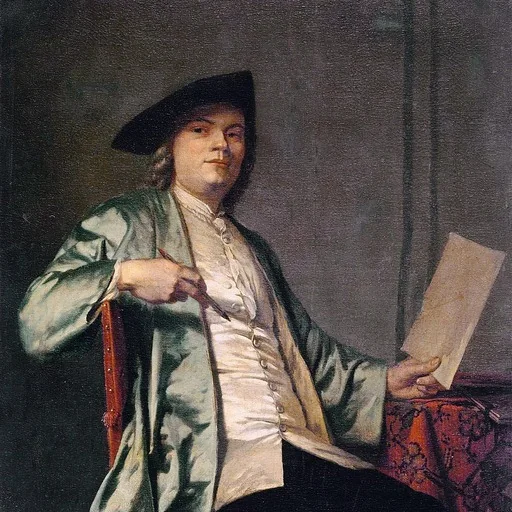

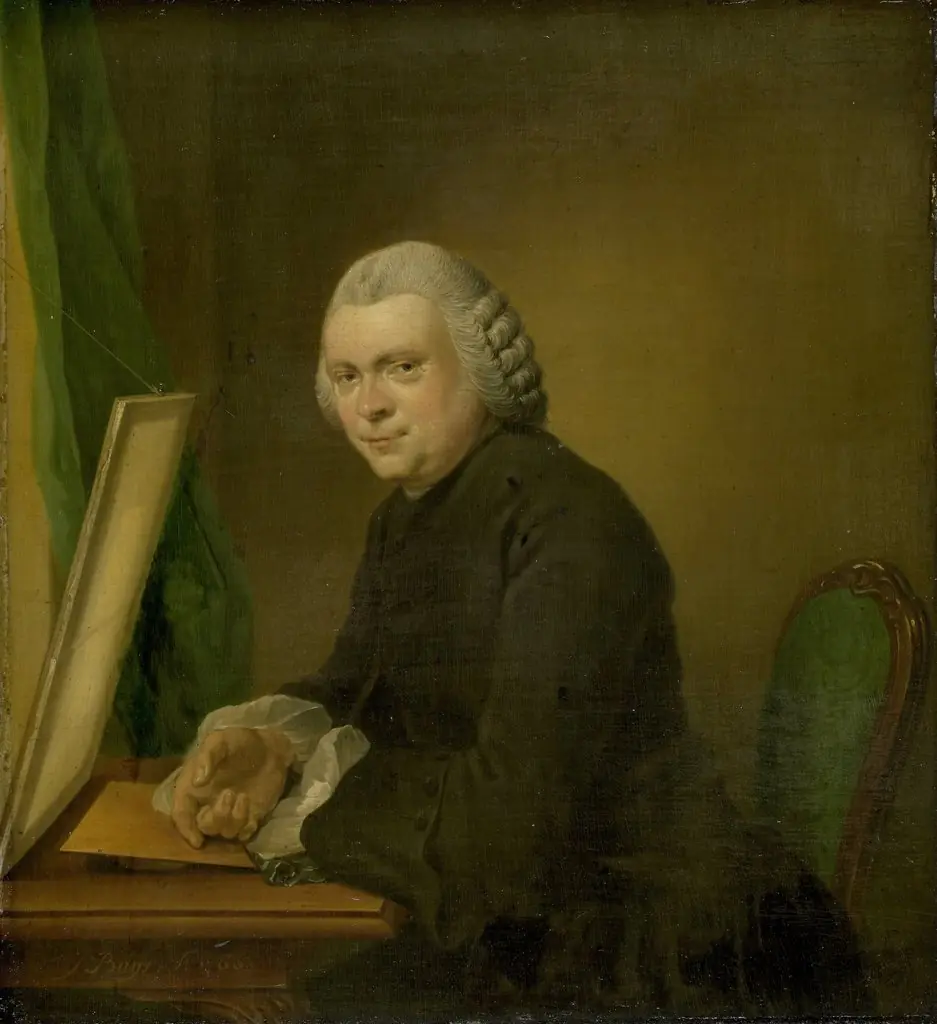 Portrait of Cornelis Ploos van Amstel
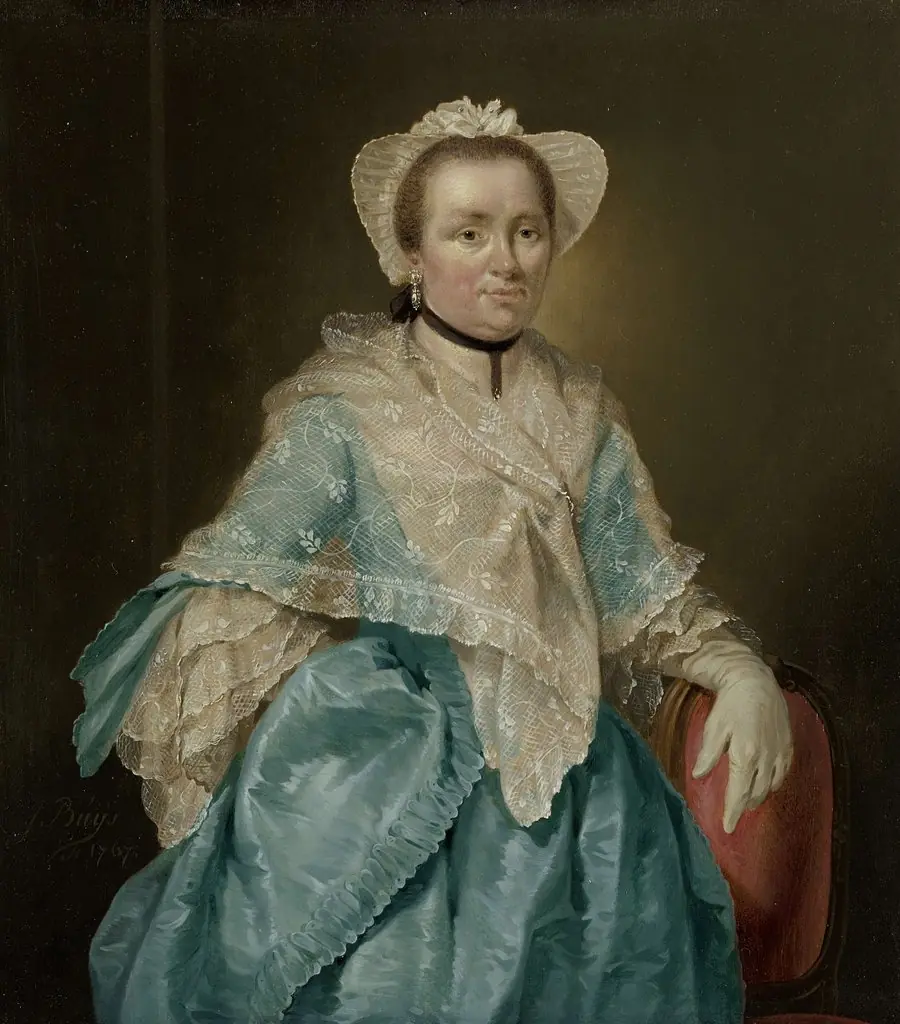 Portrait of Elisabeth Troost (1730-1790)
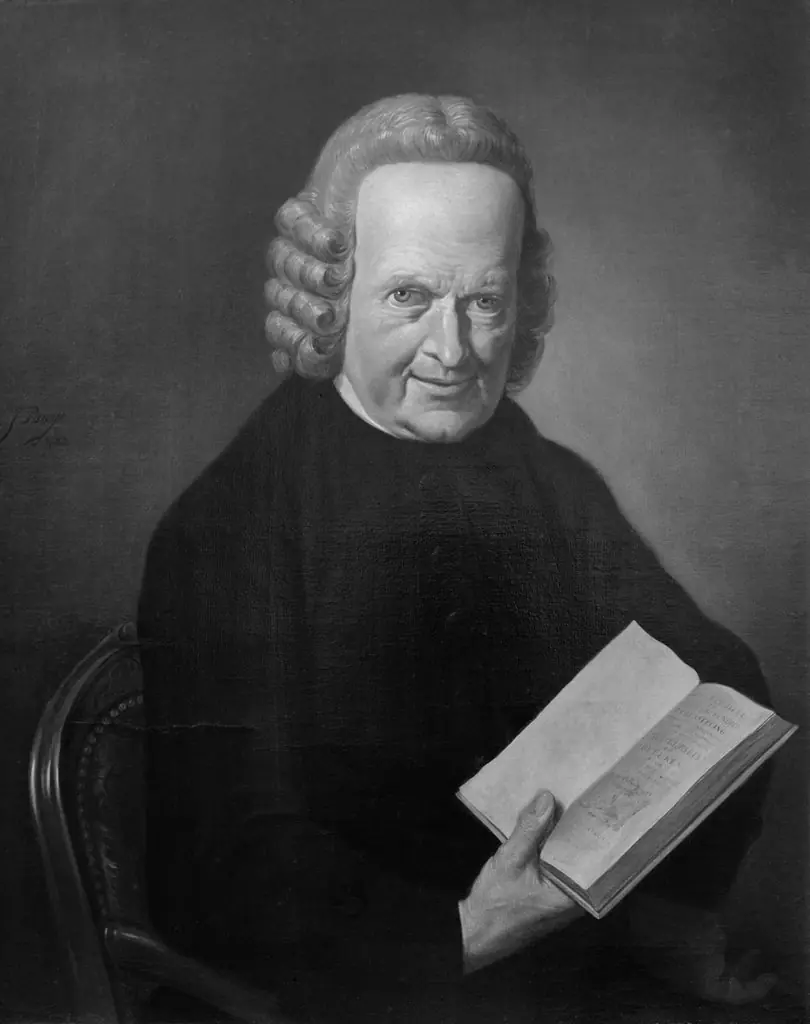 Johannes Monnikhoff (1707-1787)
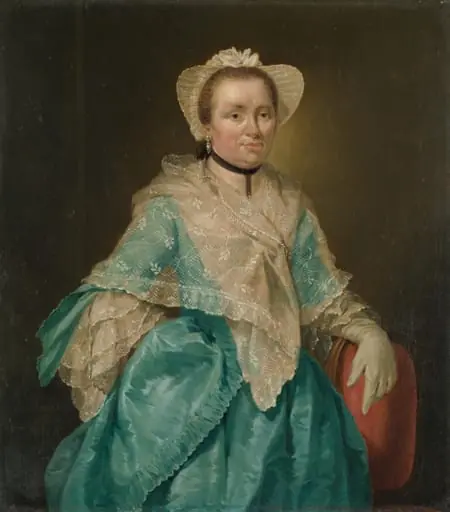 Portrait of Elisabeth Troost (1730-1790)
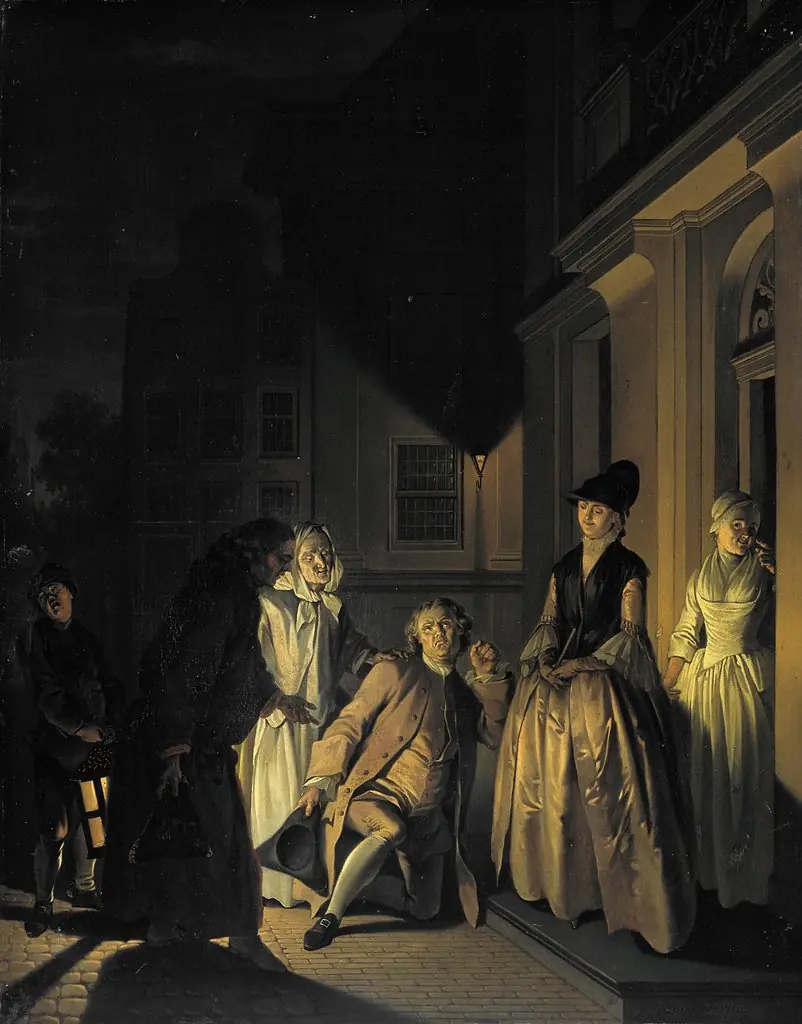 Scene from the Play 'Lubbert Lubbertse of de geadelde boer' by M. van Breda
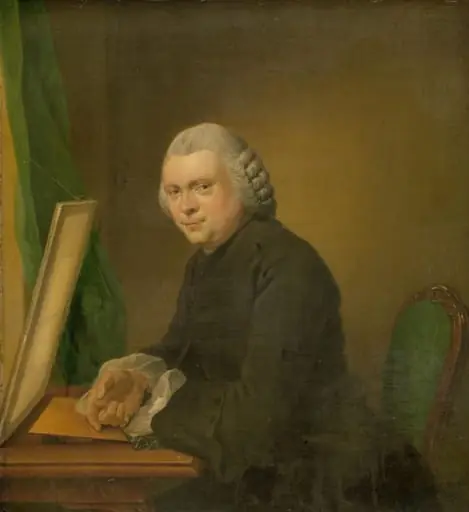 Portrait of Cornelis Ploos van Amstel
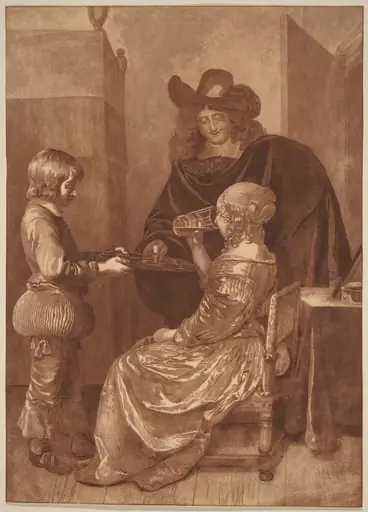 Cavalier and Lady with a Page
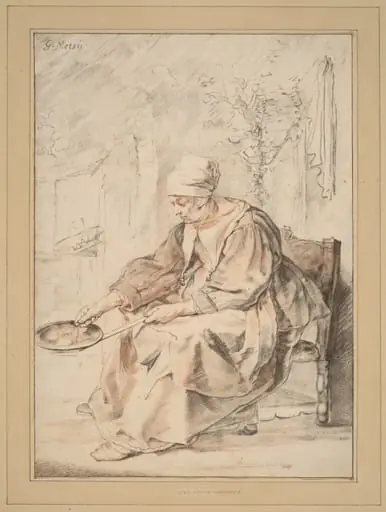 Pancake Woman