Artwork
Triumful bisericii
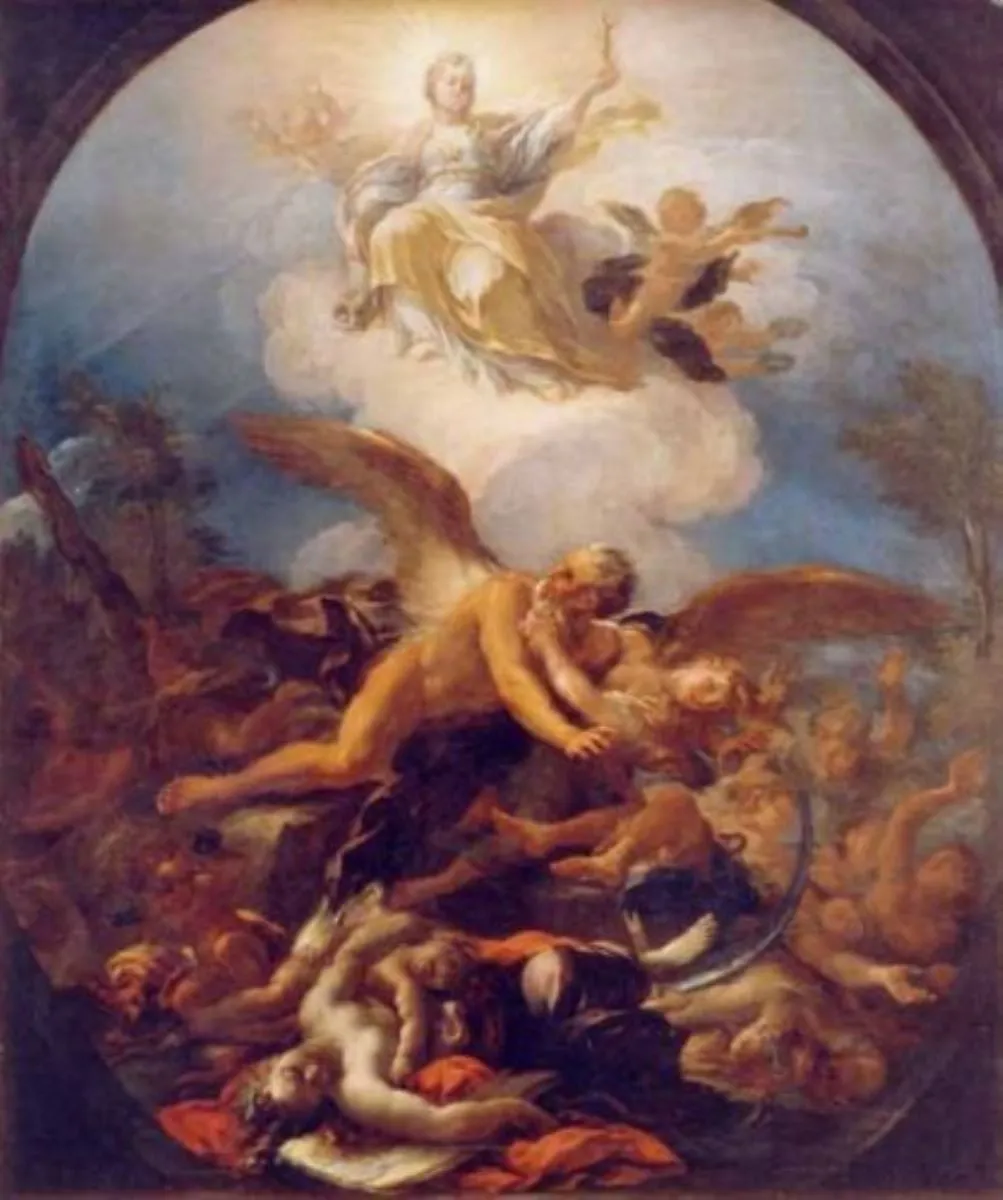
Triumful bisericii is an unspecified painting by Giacomo del Pò. It is held in the collection of the Brukenthal National Museum. Created around 1750 by Giacomo del Po, this work depicts a celestial moment rendered in soft golds, blues, and whites.
About this work
Overview
A serene winged figure hovers above a group of earthly figures entangled in fabric, while fluttering putti surround the central form.
Created around 1750 by Giacomo del Po, this work depicts a celestial moment rendered in soft golds, blues, and whites. A serene winged figure hovers above a group of earthly figures entangled in fabric, while fluttering putti surround the central form. The composition balances stillness and motion, with light and shadow defining volume and emotional tone. The scene suggests divine intervention amid human disorder.
Subject & Meaning
The central winged figure, holding a child, likely represents an angelic presence, possibly the Archangel Gabriel or a symbol of divine grace. Below, the disarrayed figures convey human vulnerability or spiritual awakening. The putti, traditional symbols of heavenly joy, amplify the sense of sacred movement. The upward reach of one figure implies aspiration or supplication, framing the scene as a moment of spiritual transition.
Technique & Style
Del Po employs chiaroscuro to model forms with subtle gradations of light and shadow, enhancing the three-dimensionality of the figures. The palette is restrained yet luminous, with pale tones dominating to evoke an ethereal atmosphere. Brushwork is smooth, avoiding sharp edges, which contributes to the dreamlike quality. The swirling putti introduce dynamic rhythm, contrasting the calm posture of the central angel.
History & Provenance
The painting is attributed to Giacomo del Po, an 18th-century Neapolitan artist active in religious and decorative commissions. It likely originated as part of a church interior or private devotional setting in southern Italy. No documented ownership history is widely recorded, but its style aligns with regional Baroque traditions of the period, particularly those influenced by Neapolitan academic painting.
Context
Produced during the late Baroque era in Naples, the work reflects the period’s emphasis on emotional intensity and divine spectacle in religious art. While less theatrical than Roman or Venetian equivalents, it shares the regional preference for tender, luminous compositions. The use of putti and celestial themes was common in Counter-Reformation art, designed to inspire awe and devotion among viewers.
Legacy
Though not widely reproduced or studied today, the painting exemplifies the quiet, lyrical strand of 18th-century Neapolitan religious art. It preserves the stylistic transition from high Baroque drama toward a more intimate, contemplative mode. Its preservation offers insight into local devotional aesthetics, where grace was conveyed through subtlety rather than grandeur.
Artist & collection

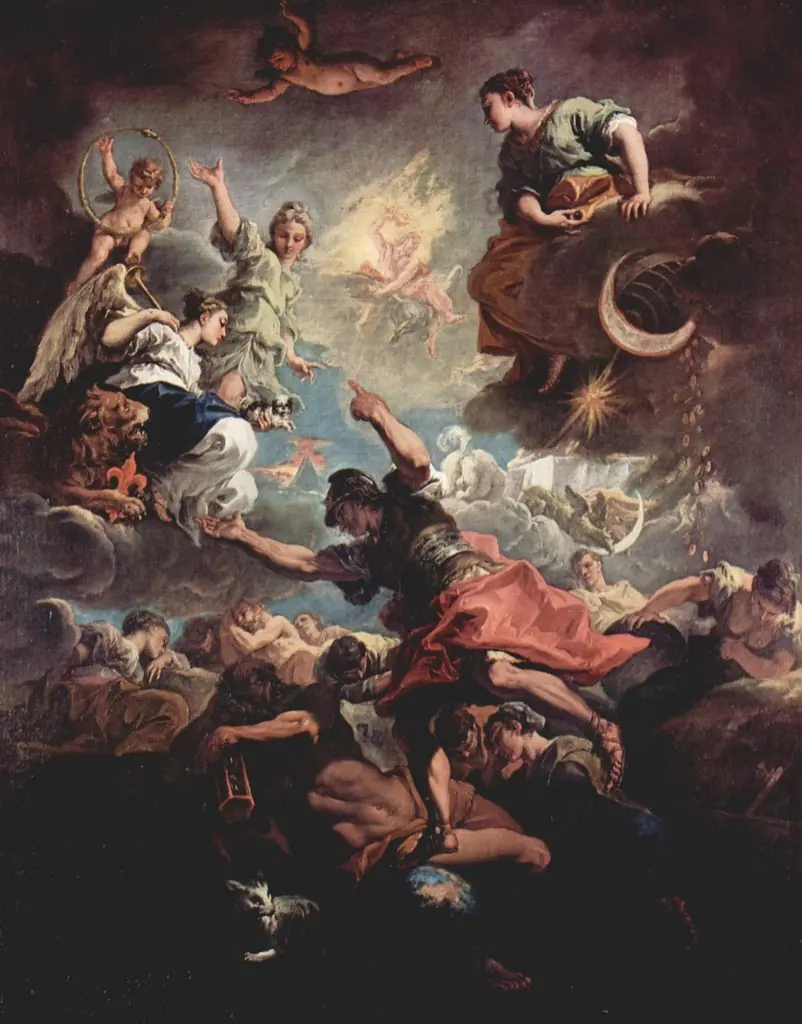 Allegory of Tuscany
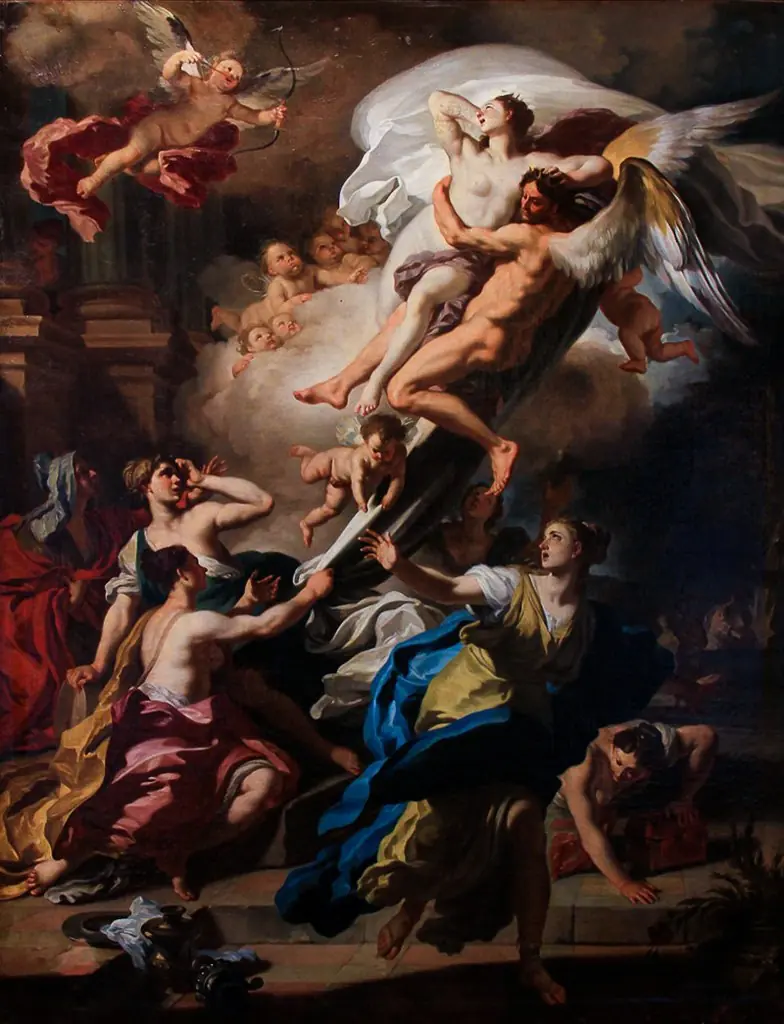 Boreas Abducting Oreithyia, Daughter of Erechteus
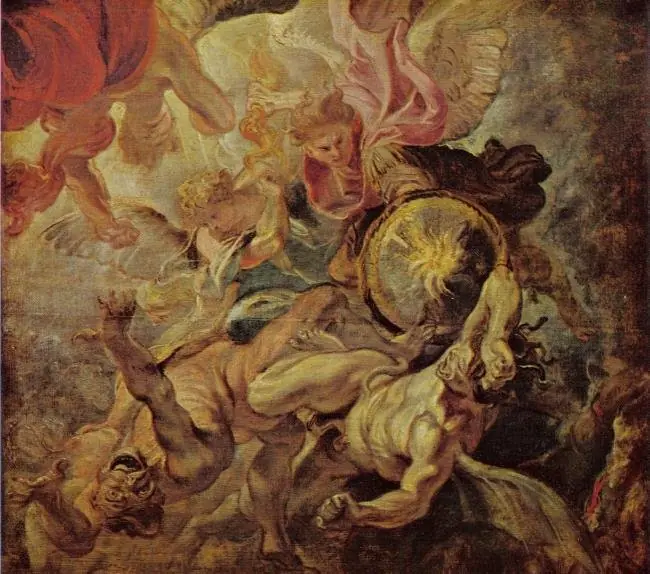 The archangel Michael defeats Satan and the rebellious angels (Revelations 12:7-9), 1620
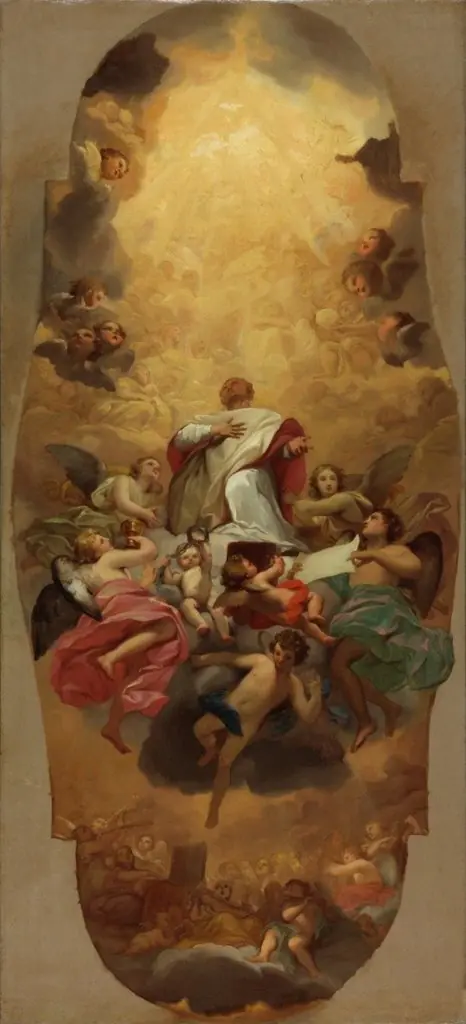 The Glory of St. Eusebius of Rome
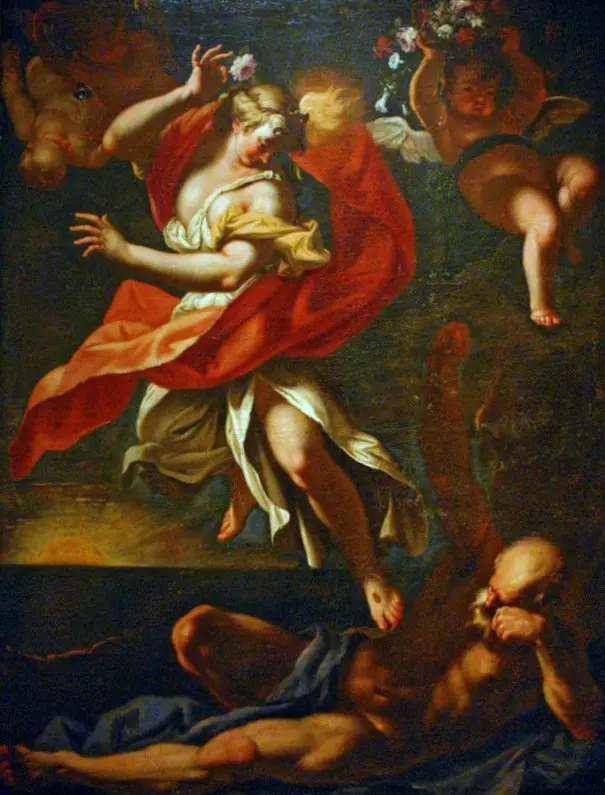 Aurora y Thyton
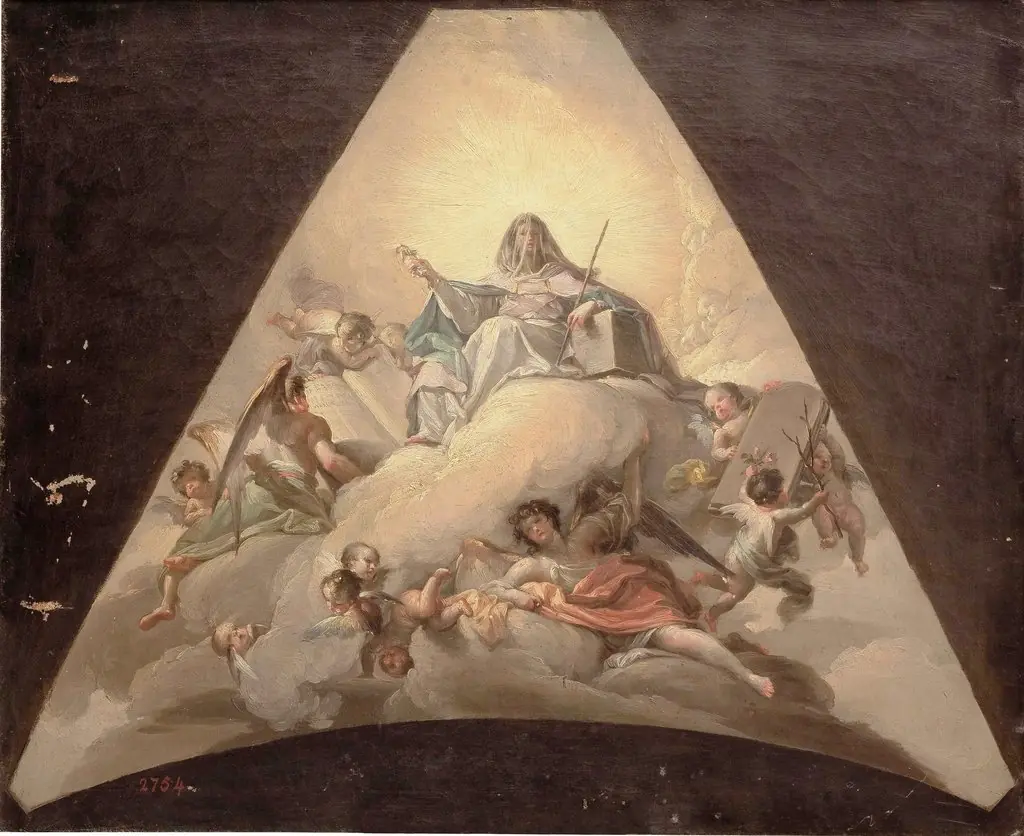 Alegoría de la Iglesia
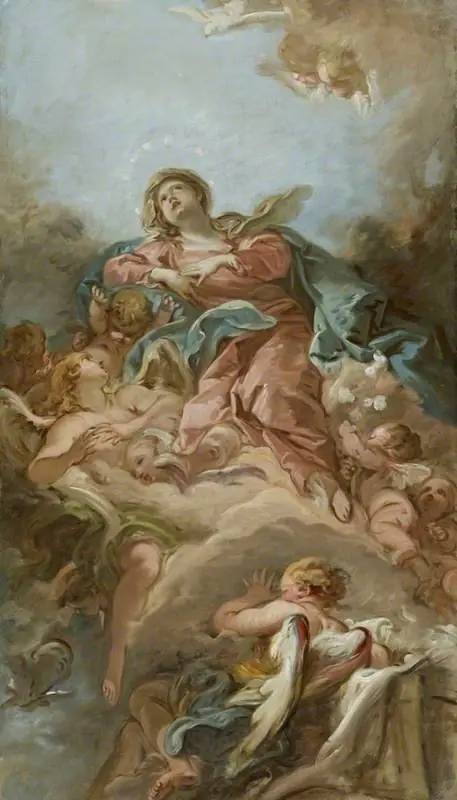 The Assumption of the Virgin
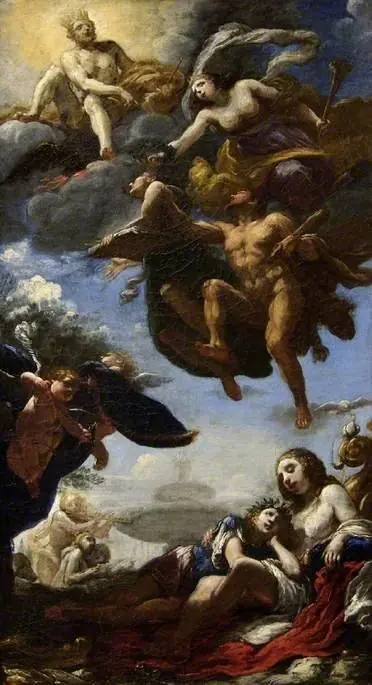 A poet, presented to Jupiter by Hercules, is crowned by Glory, below Venus, Cupid and the poet
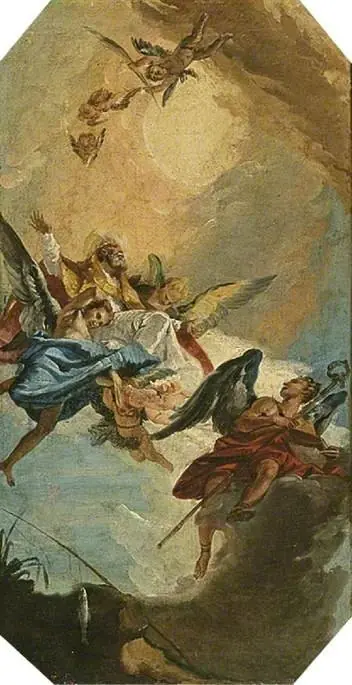 The Apotheosis of St Zeno
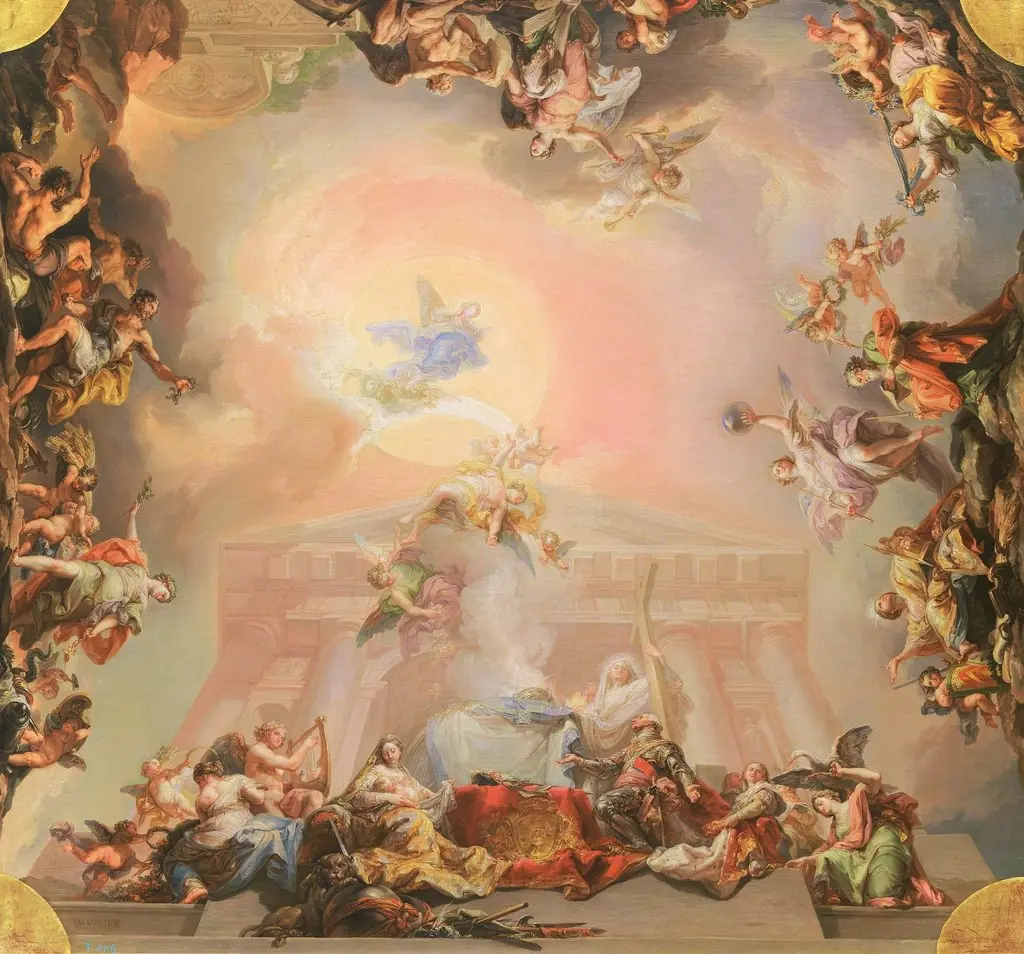 Sketch for Allegory of the Institution of the Order of Charles III
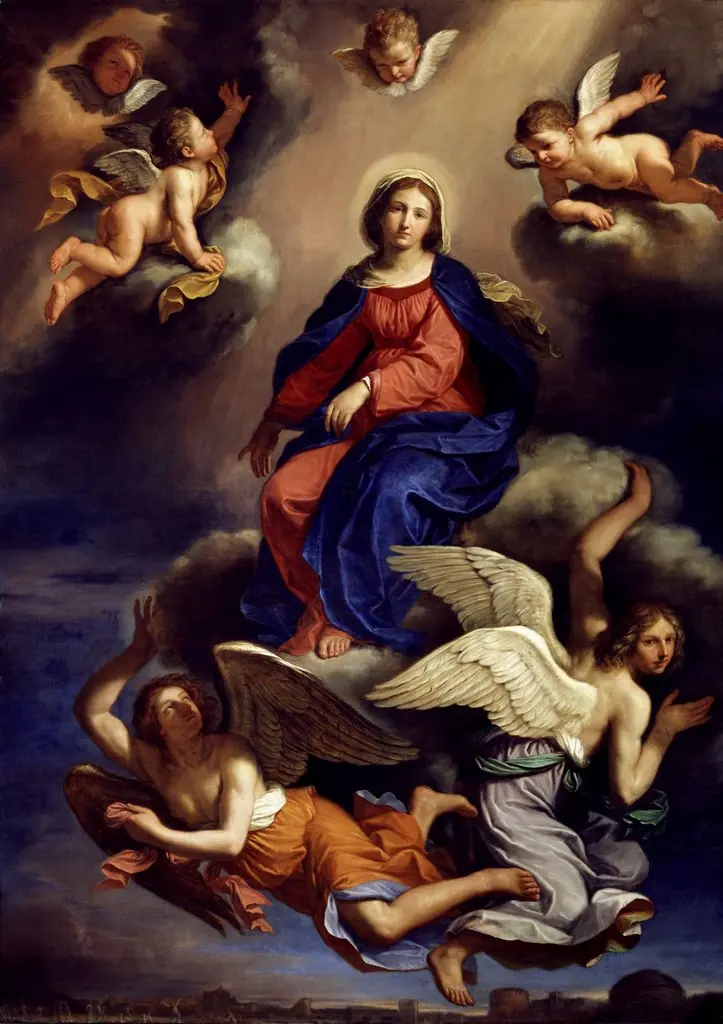 Assumption of the Virgin
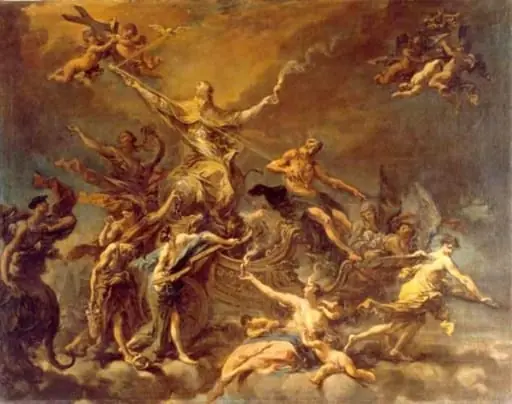 Triumful credinței