Artwork
Assumption of the Virgin
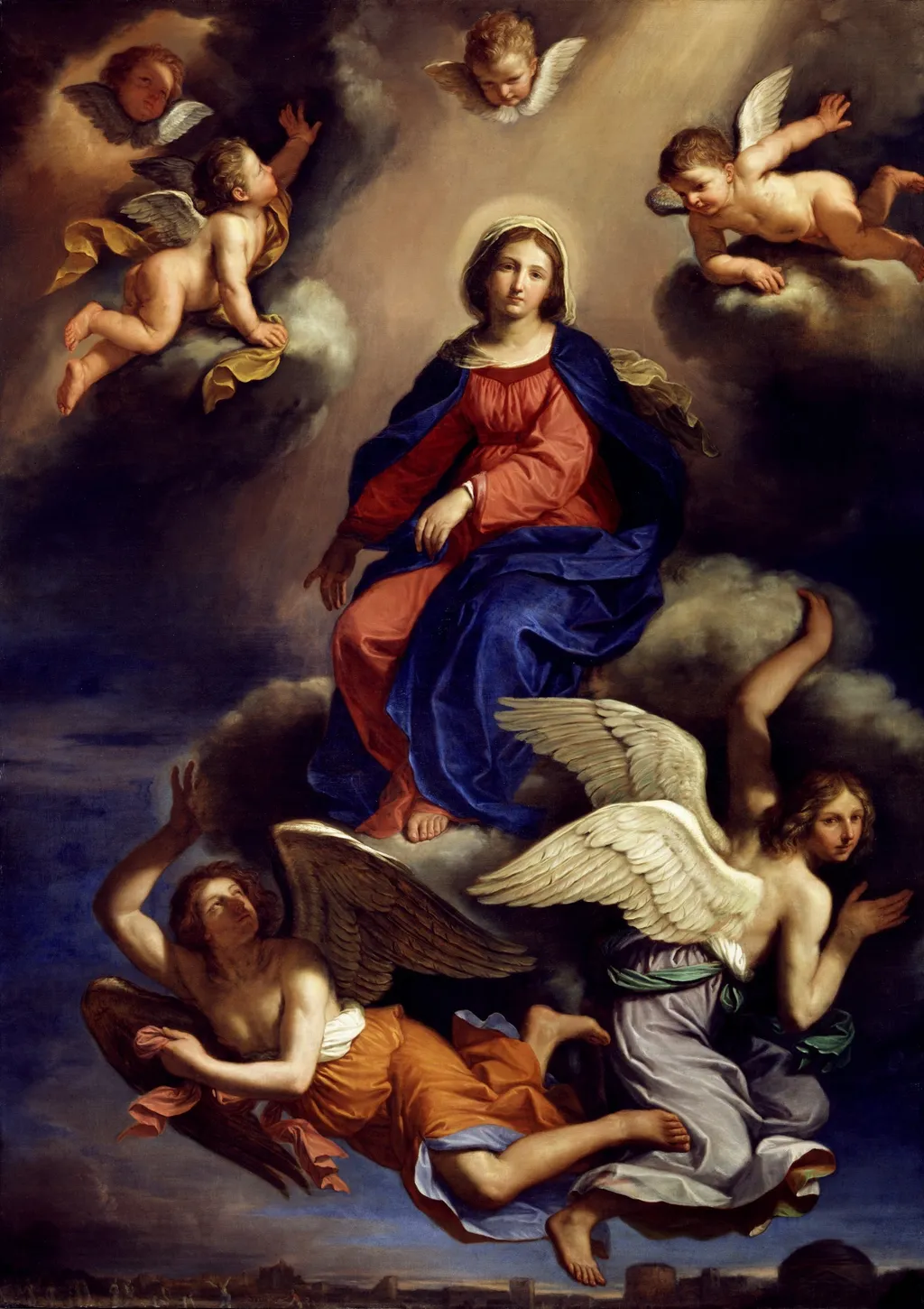
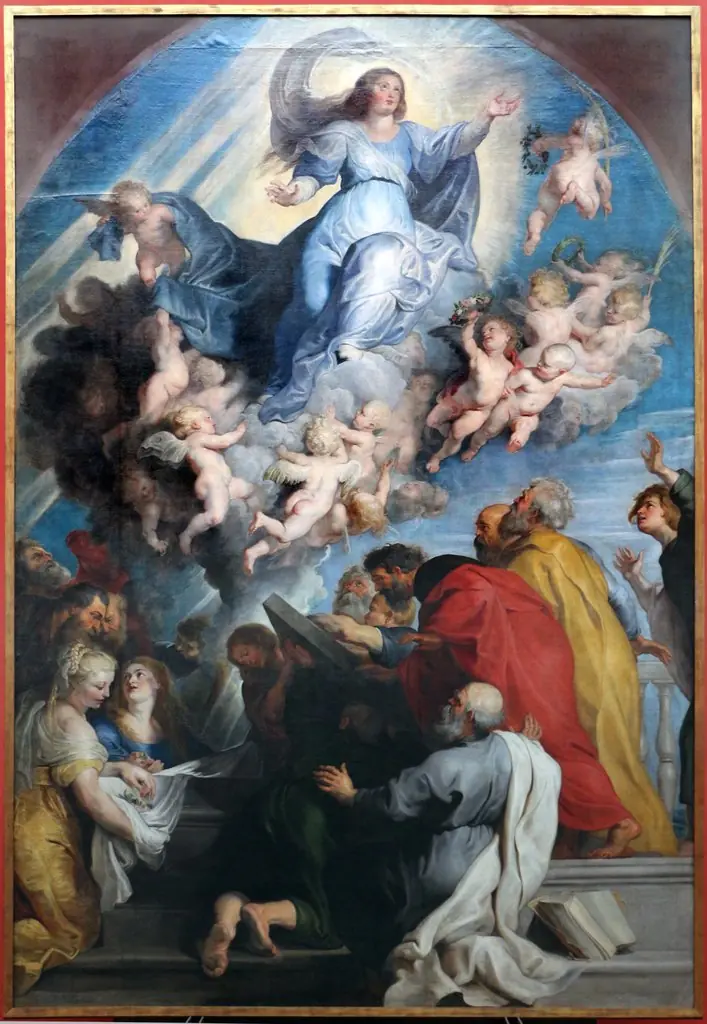
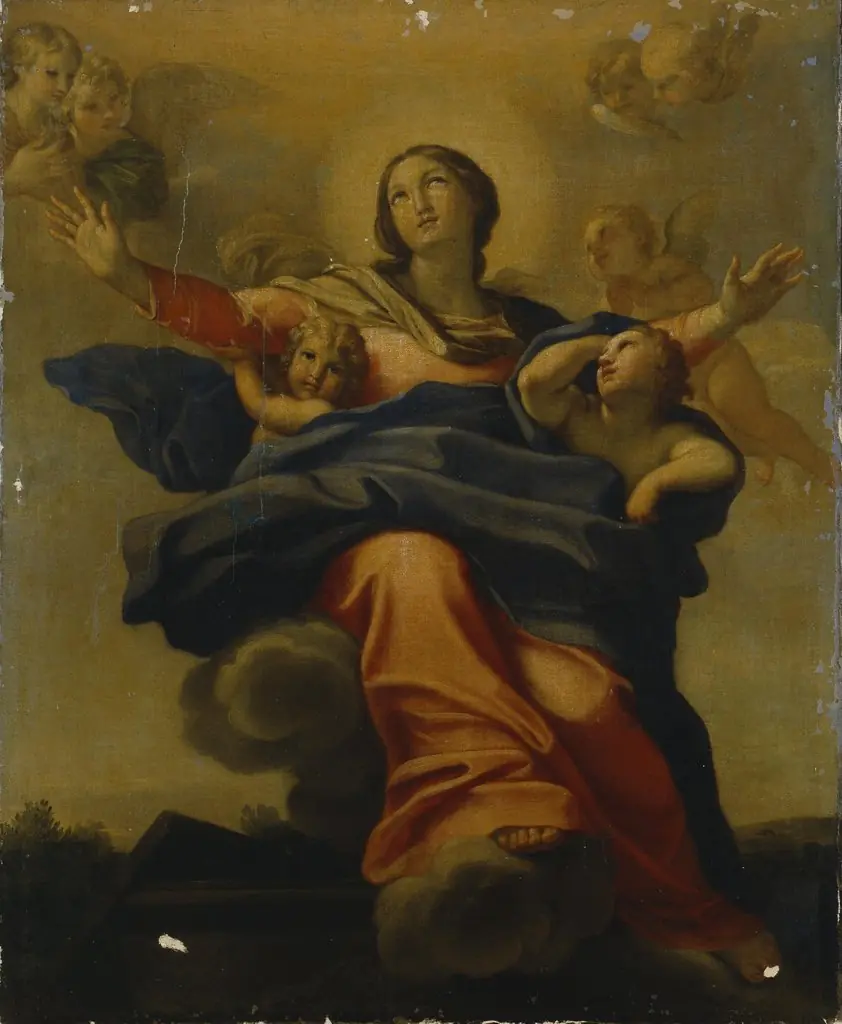
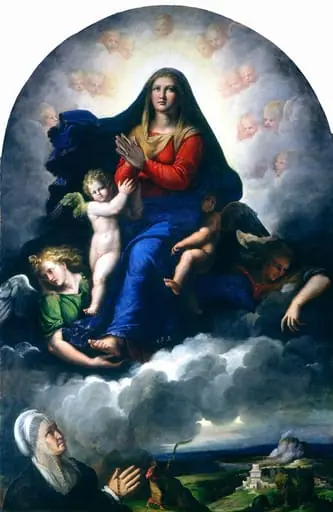
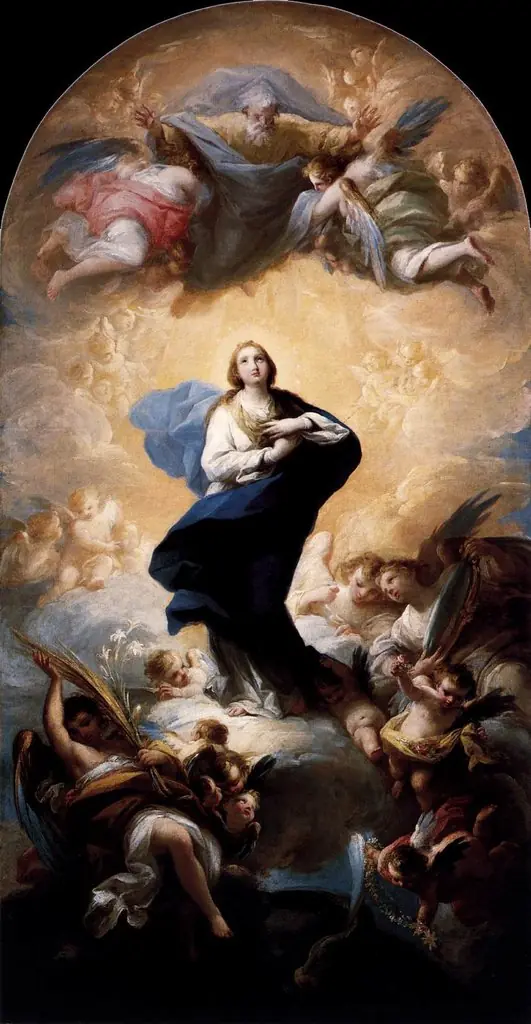
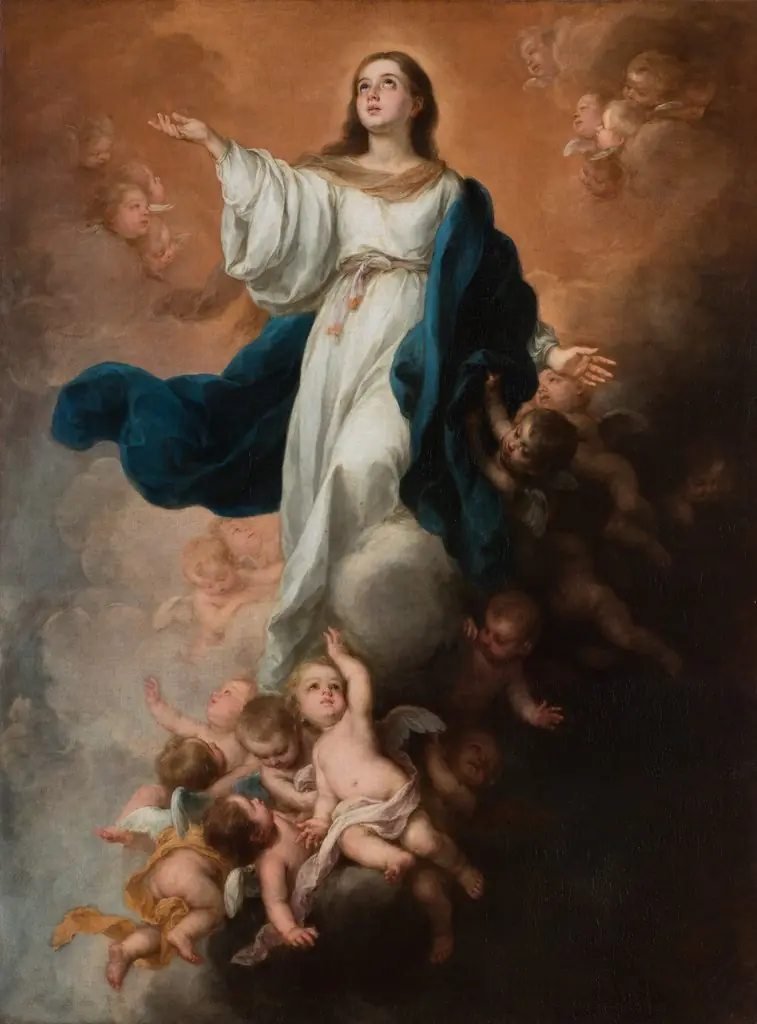
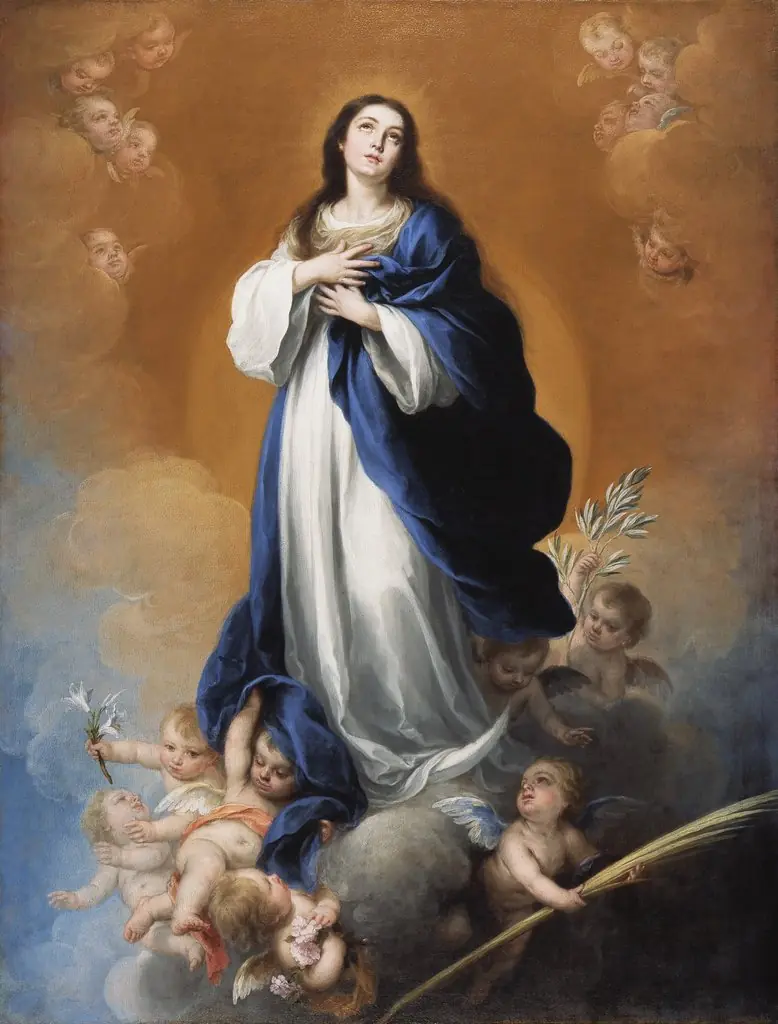
Assumption of the Virgin is an oil painting by Guercino. It dates from 1650 and is held in the collection of the Detroit Institute of Arts.
About this work
Overview
Giovanni Francesco Barbieri (Guercino) created *Assumption of the Virgin* circa 1650, a Baroque-style oil painting depicting the Virgin Mary's ascension into heaven. Characterized by rich, vibrant colors and chiaroscuro, the work showcases Guercino's later classical balance.
Subject & Meaning
The painting illustrates the Christian doctrine of the Assumption, where the Virgin Mary is elevated to heaven by a multitude of angels. The scene conveys serenity and joy, emphasizing the divine event's tranquility.
Technique & Style
Guercino employed oil paint to achieve deep, luminous hues. The composition utilizes chiaroscuro, contrasting light and dark to create depth and dimensionality, hallmark of the Baroque period and the artist's skill.
History & Provenance
*Assumption of the Virgin* is part of the Detroit Institute of Arts' collection. Created during Guercino's later period, it reflects his transition from naturalism to classical balance, characteristic of his mature works.
Context
As a Baroque religious painting, *Assumption of the Virgin* fits within the broader tradition of depicting this pivotal Christian event. Guercino's interpretation, with its harmonious composition and emotional restraint, aligns with the artistic values of his time.
Legacy
While not singularly renowned among Guercino's works, *Assumption of the Virgin* contributes to the artist's legacy of mastering Baroque techniques and themes, influencing subsequent generations of artists in capturing religious subjects with elegance and depth.
Own this work as a print
Artist & collection
Artist
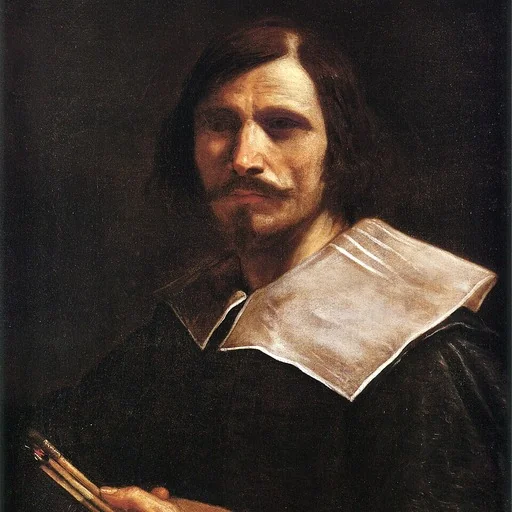
Giovanni Francesco Barbieri (8 February 1591 – 22 December 1666), better known as (il) Guercino (Italian pronunciation: ), was an Italian Baroque painter and draftsman from Cento in the Emilia region, who was active in Rome and Bologna.