Artwork
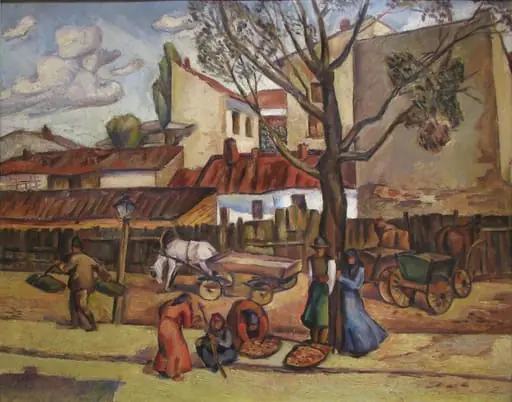
Hanul/Pasajul Bazaca, din ciclul „Bucureștiul pitoresc”
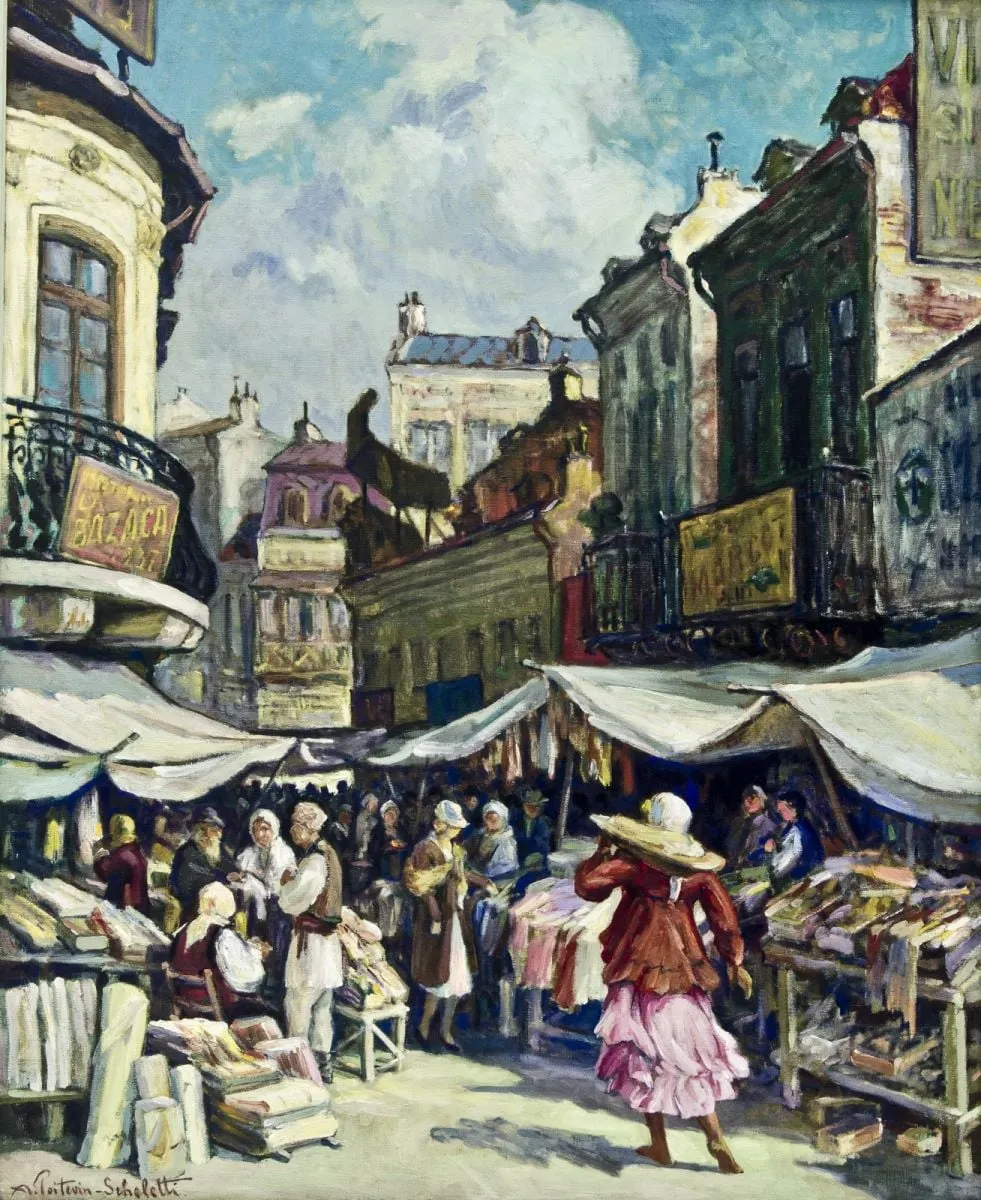
Hanul/Pasajul Bazaca, din ciclul „Bucureștiul pitoresc” is a print by Alexandru Poitevin-Skeletti. It dates from 1943 and is held in the collection of the National Museum of Art of Romania. Alexandru Poitevin‑Skeletti’s 1943 canvas, titled Hanul/Pasajul Bazaca, belongs to his series “Bucureștiul pitoresc.
About this work
Overview
Alexandru Poitevin‑Skeletti’s 1943 canvas, titled Hanul/Pasajul Bazaca, belongs to his series “Bucureștiul pitoresc.” The work records a bustling street market in Bucharest, rendered in a compact format that emphasizes the everyday vitality of the city’s commercial life during the early 1940s.
Subject & Meaning
The scene depicts a crowded outdoor bazaar where vendors display books, textiles, and assorted merchandise beneath narrow, multistory façades. Figures in period attire—among them a woman in a pink dress and wide‑brimmed hat—navigate the stalls, suggesting a snapshot of communal interaction and the social rhythms of wartime urban Romania.
Technique & Style
Poitevin‑Skeletti employs brisk, loosely applied brushstrokes that convey movement and immediacy. Light and shadow are modulated through a subtle chiaroscuro, allowing forms to emerge with depth while retaining a painterly surface that avoids excessive detail, thereby foregrounding atmosphere over precise representation.
History & Provenance
Created in 1943 as part of the “Bucureștiul pitoresc” cycle, the painting reflects the artist’s interest in documenting Romanian cityscapes during a turbulent era. Its provenance remains linked to the artist’s estate and subsequent museum collections that focus on 20th‑century Romanian visual culture.
Artist & collection
Artist
Alexandru Poitevin-Skeletti spent his life slipping between two cities: Bucharest’s teeming alleys and Paris’s quiet studios.

 The Old Market, Cleveland
 Veneția
 Fair on a Sunny Afternoon, Dieppe
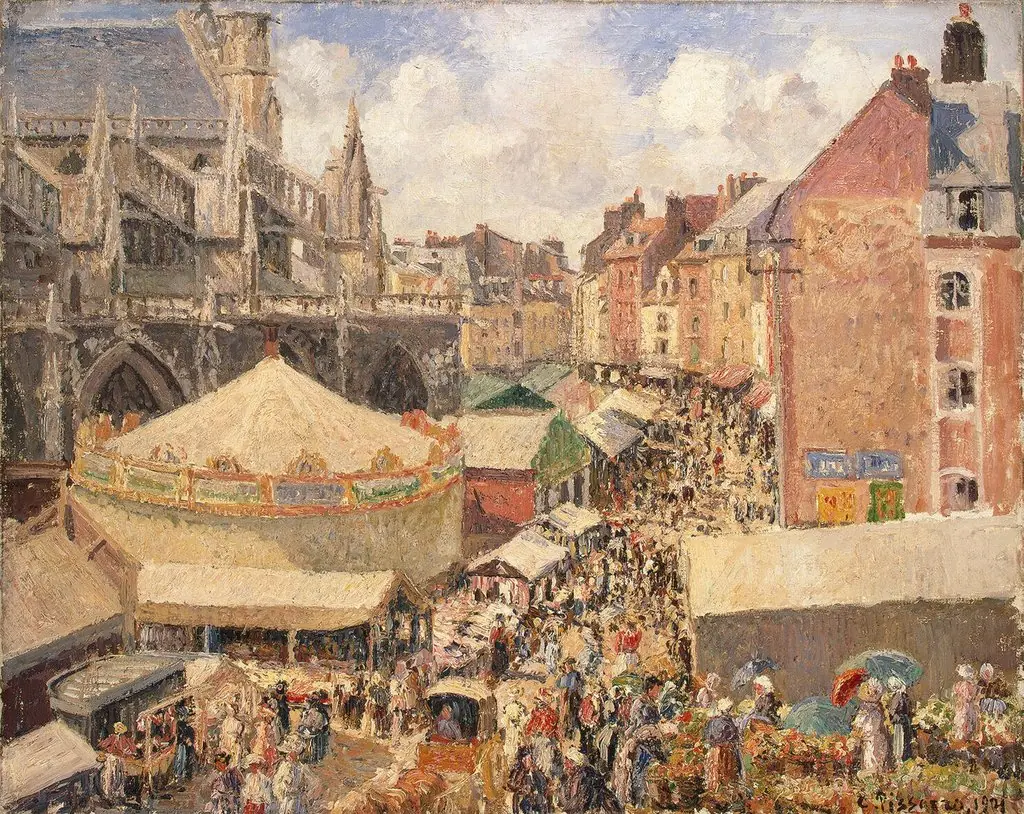 The Town Fair by the Church of Saint-Jacques in Dieppe, Morning, Sunlight
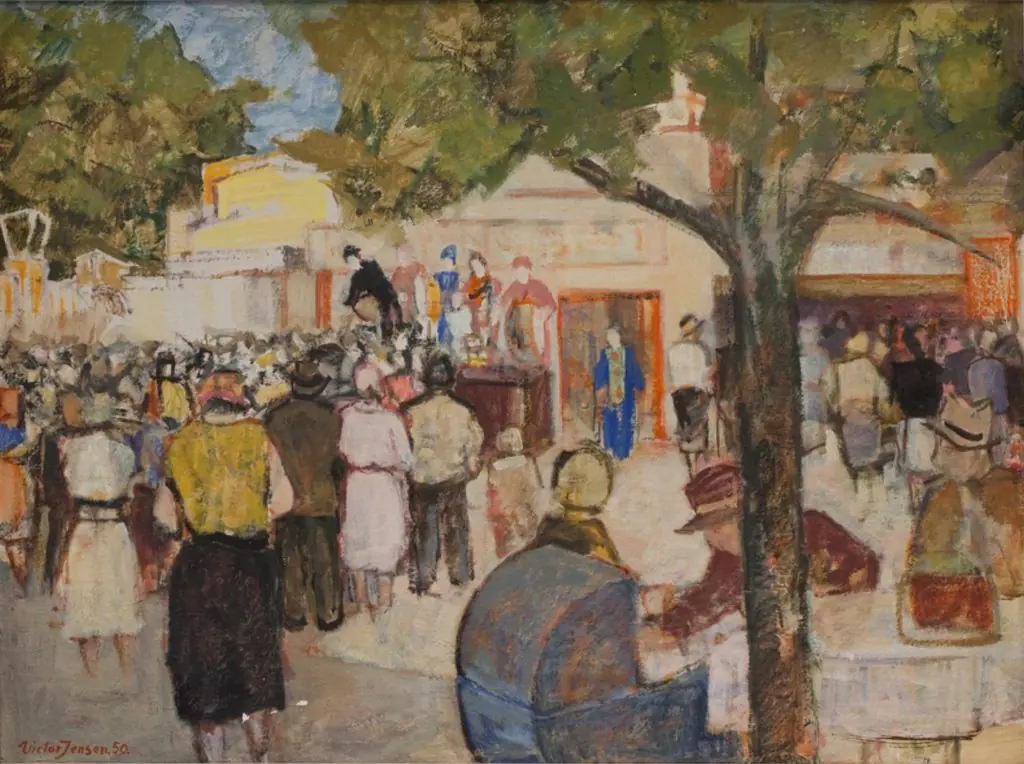 Resort in the Deerpark
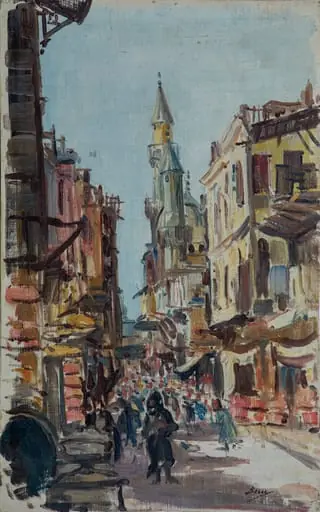 Peisaj urban
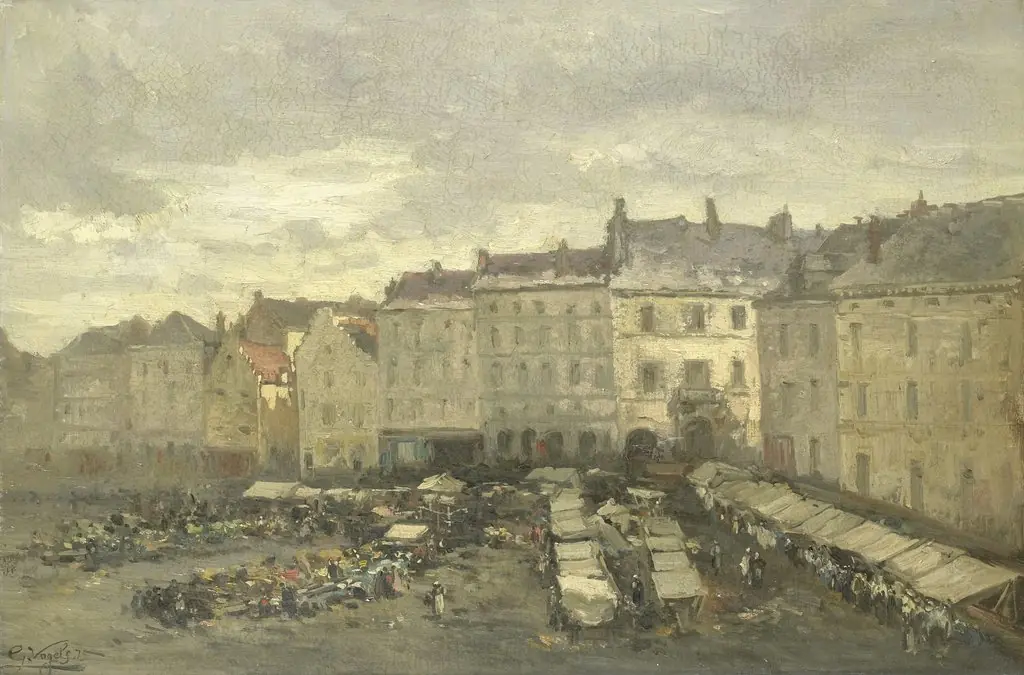 The Grote Zavel (Grand Sablon), Brussels
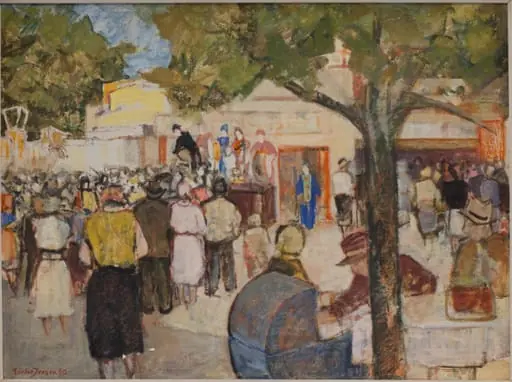 Resort in the Deerpark
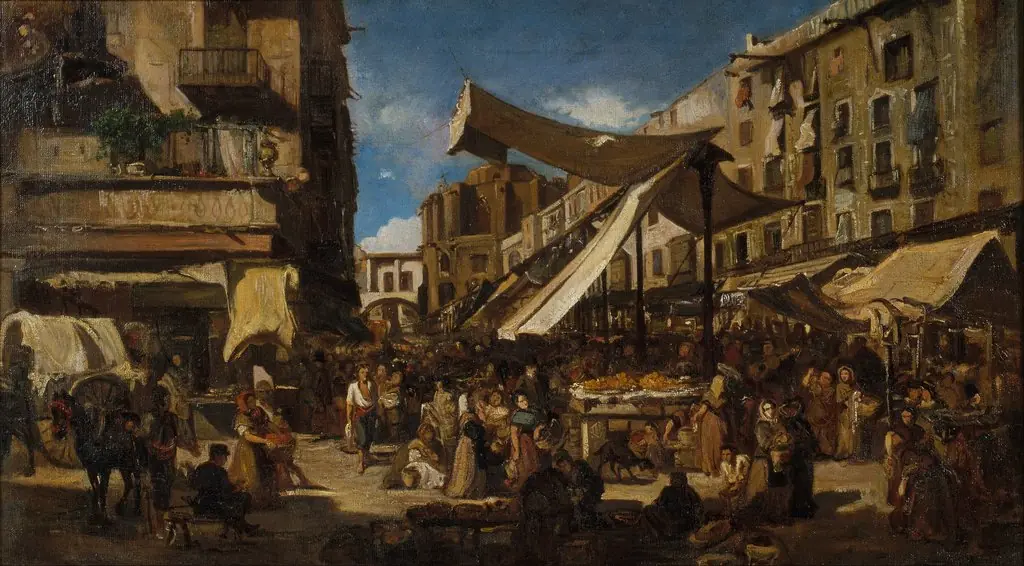 Born Vell
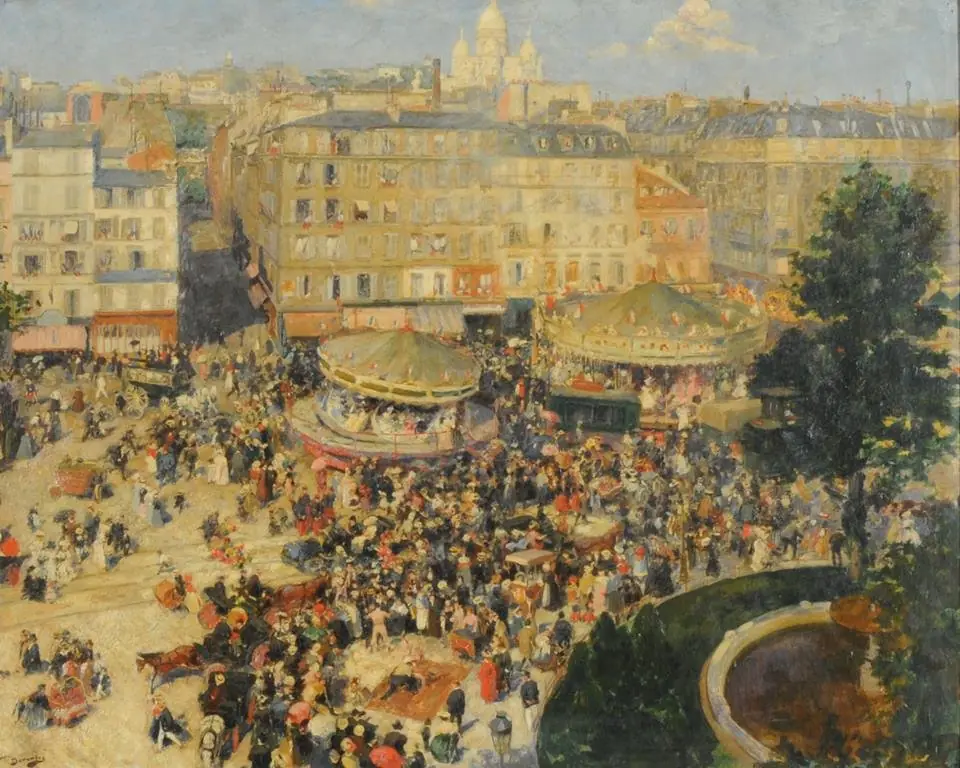 La Place Pigalle
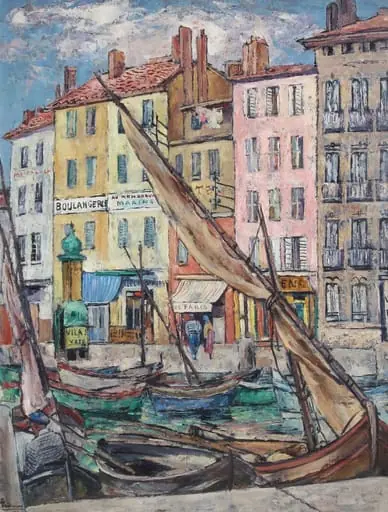 Peisaj din Marsilia
 Piață din Bucureștii Vechi