Artwork
Mary Taylour, Viscountess of Headfort, later Countess of Bective and Marchioness of Headfort (1776–1795)
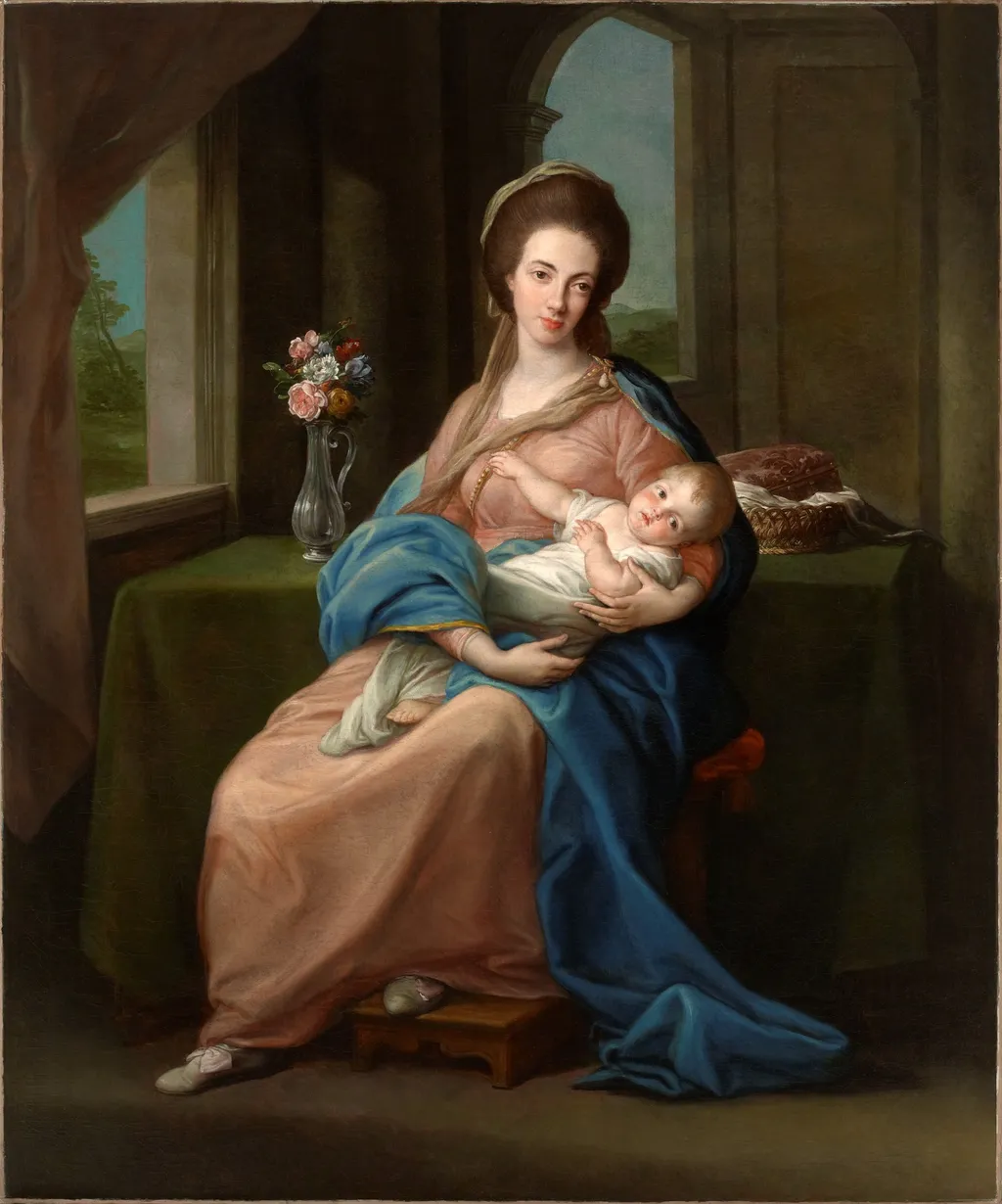
Mary Taylour, Viscountess of Headfort, later Countess of Bective and Marchioness of Headfort (1776–1795) is an oil painting by the Rococo painting artist Pompeo Batoni. It is held in the collection of the Museum of Fine Arts, Houston.
About this work
Overview
Batoni, an Italian artist renowned for his refined portraiture, was frequently commissioned by British and Anglo-Irish elites visiting Italy.
Painted in 1792 by Pompeo Batoni, this oil portrait captures Mary Taylour during her time as Viscountess of Headfort. Batoni, an Italian artist renowned for his refined portraiture, was frequently commissioned by British and Anglo-Irish elites visiting Italy. The work reflects his mastery in rendering texture and poise, blending aristocratic dignity with domestic tenderness. It is now part of the Museum of Fine Arts, Houston’s collection.
Subject & Meaning
The portrait presents Mary Taylour in a private, maternal moment, breastfeeding her infant while seated beside a table. Her composed gaze and restrained posture convey quiet authority, while the act of nursing underscores her role as a mother within aristocratic life. The inclusion of the child, rather than symbols of status, shifts focus from lineage to personal virtue, reflecting evolving ideals of femininity in late 18th-century elite circles.
Technique & Style
Batoni employs soft chiaroscuro to model the figure against a dark, atmospheric background, drawing attention to the luminous skin and fabric textures. The blue drape over her shoulder and the white swaddling cloth are rendered with delicate brushwork, emphasizing tactility. A vase of flowers beside the table, illuminated by light from a window, introduces a subtle naturalism. The composition avoids theatricality, favoring intimacy over grandeur.
History & Provenance
Commissioned during Mary Taylour’s time in Italy, likely while accompanying her husband on a Grand Tour, the portrait was completed in Rome. After her marriage to the Earl of Bective and later elevation to Marchioness of Headfort, the painting remained within the family. It entered the Museum of Fine Arts, Houston’s collection in the 20th century, preserving its connection to Anglo-Irish aristocratic culture.
Context
Batoni’s portraits of British and Irish patrons often merged classical elegance with contemporary domestic themes. This work aligns with a broader trend among European elites to depict maternal roles as morally significant, influenced by Enlightenment ideals. Unlike earlier portraits emphasizing wealth or titles, this image privileges quiet virtue, reflecting shifting cultural values in the late 1700s.
Legacy
The portrait stands as a quiet example of Batoni’s ability to humanize aristocratic subjects without sacrificing refinement. It contributes to the understanding of how portraiture evolved to accommodate personal and emotional narratives within formal conventions. Its preservation in a major American museum ensures continued scholarly and public engagement with 18th-century gender and class representation.
Own this work as a print
Artist & collection
Artist
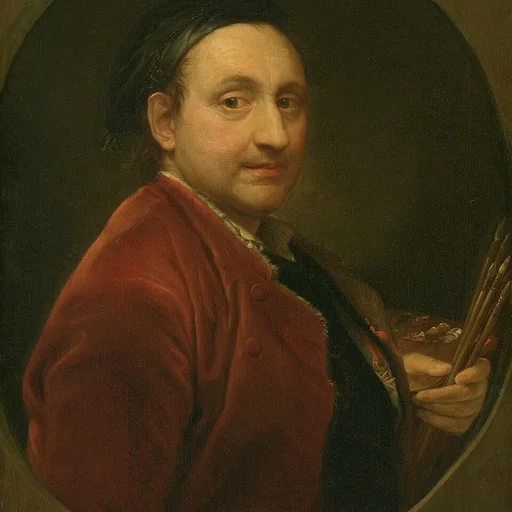
Pompeo Girolamo Batoni (25 January 1708 – 4 February 1787) was an Italian painter who displayed a solid technical knowledge in his portrait work and in his numerous allegorical and mythological pictures.

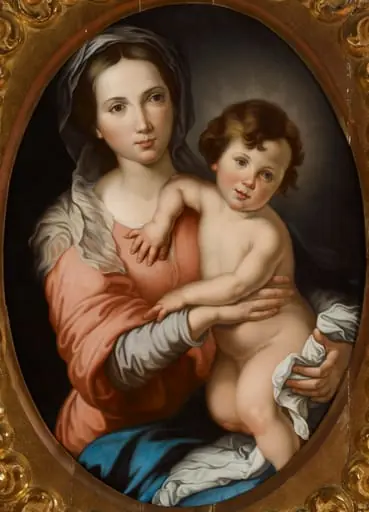 Neitsyt Maria ja lapsi
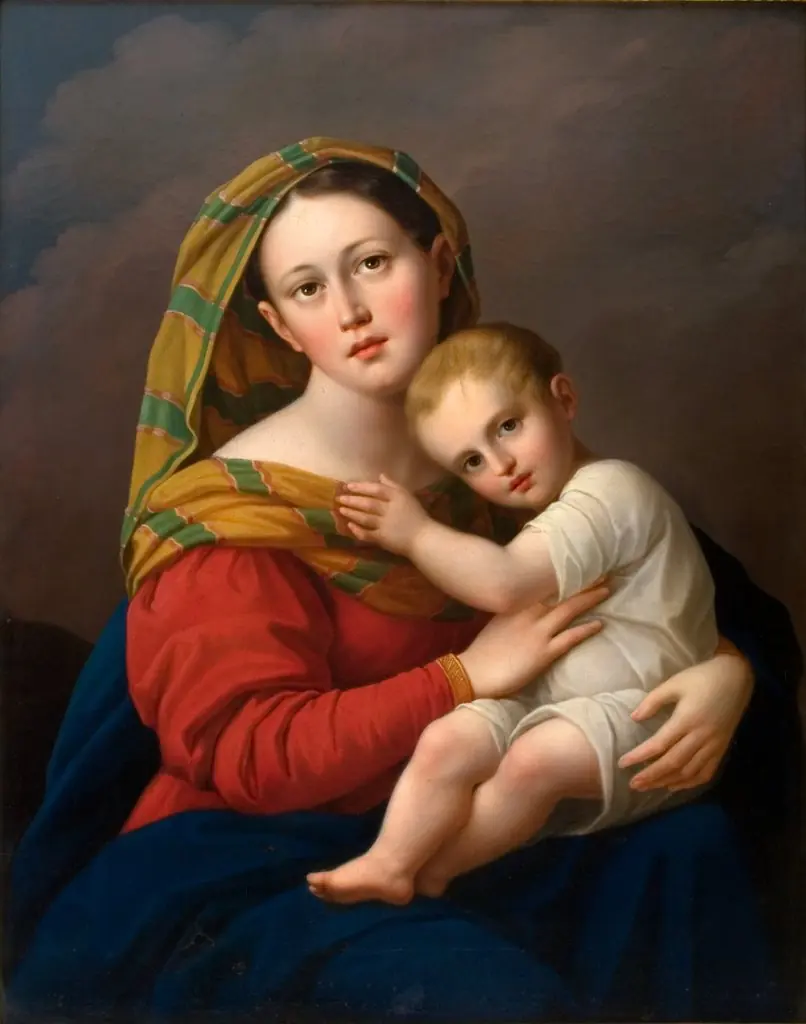 Madonna with Child
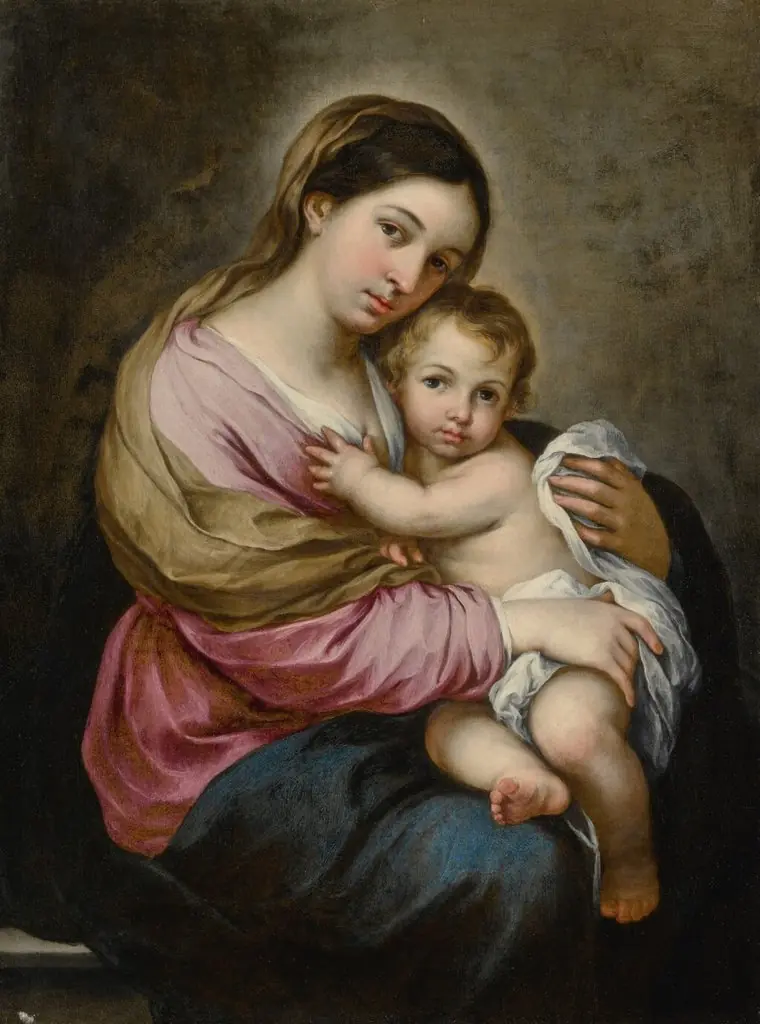 The Virgin and Child
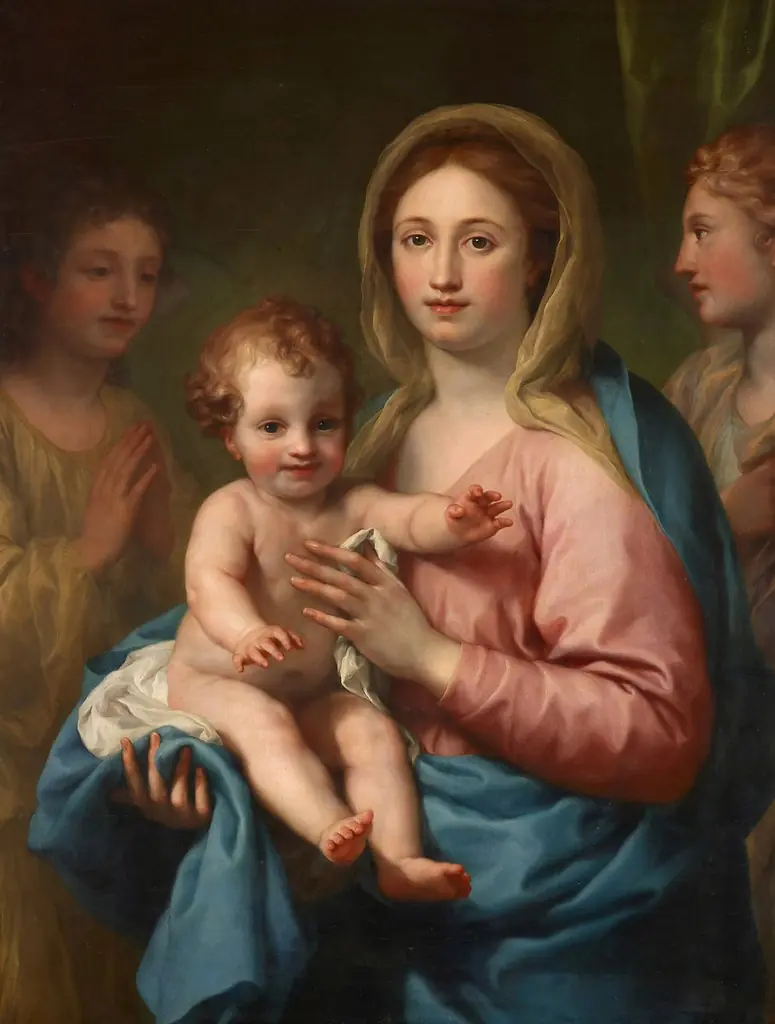 Madonna with Child and Two Angels
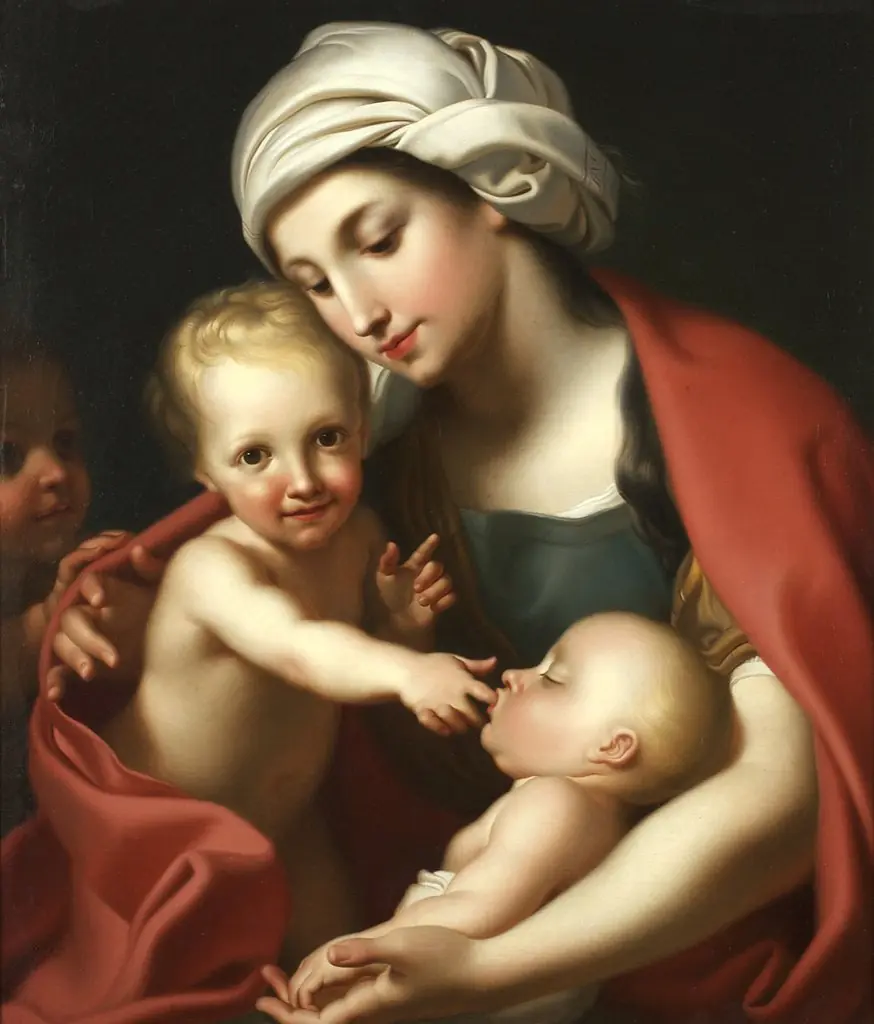 Charity withThree Children
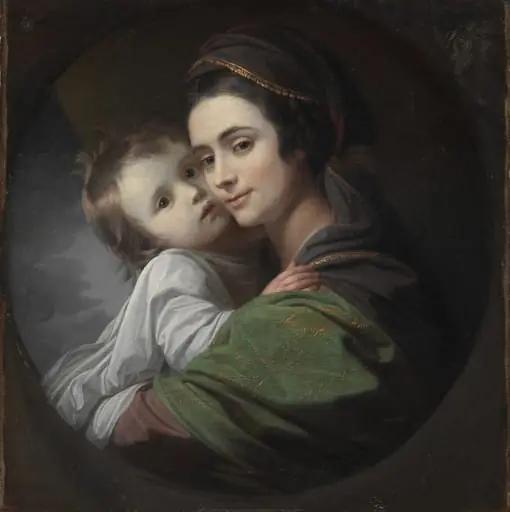 Elizabeth Shewell West and Her Son, Raphael
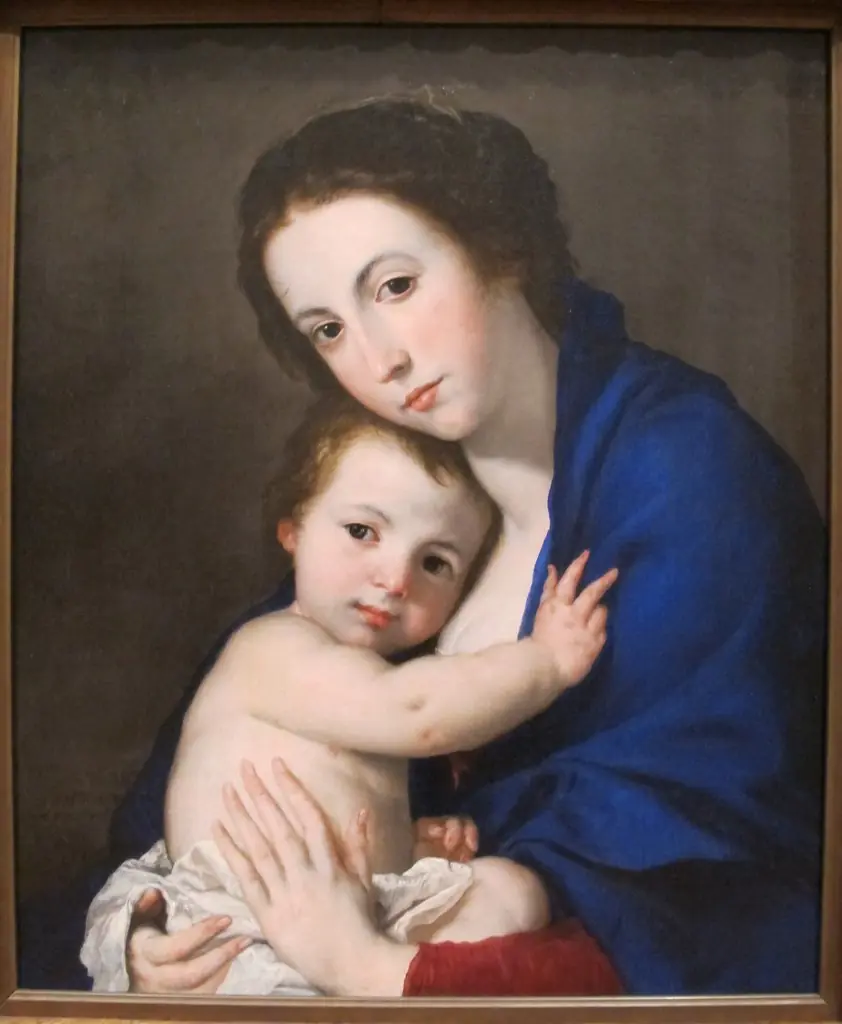 Virgin and Child
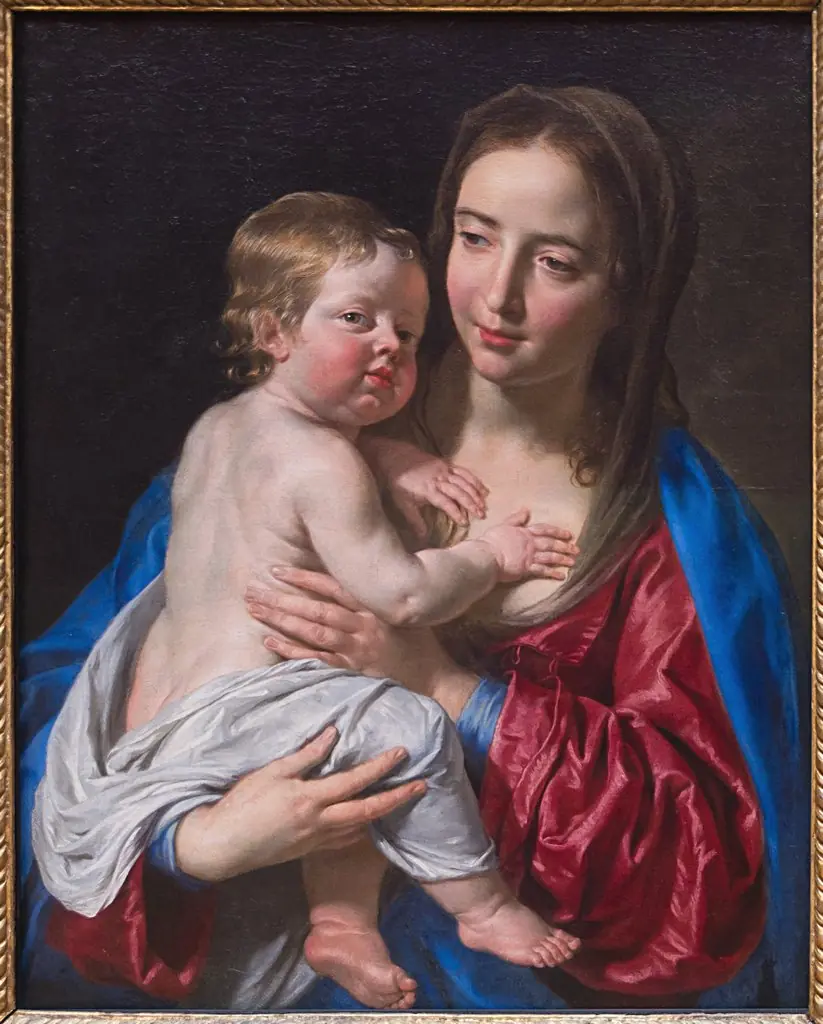 Madonna and Child
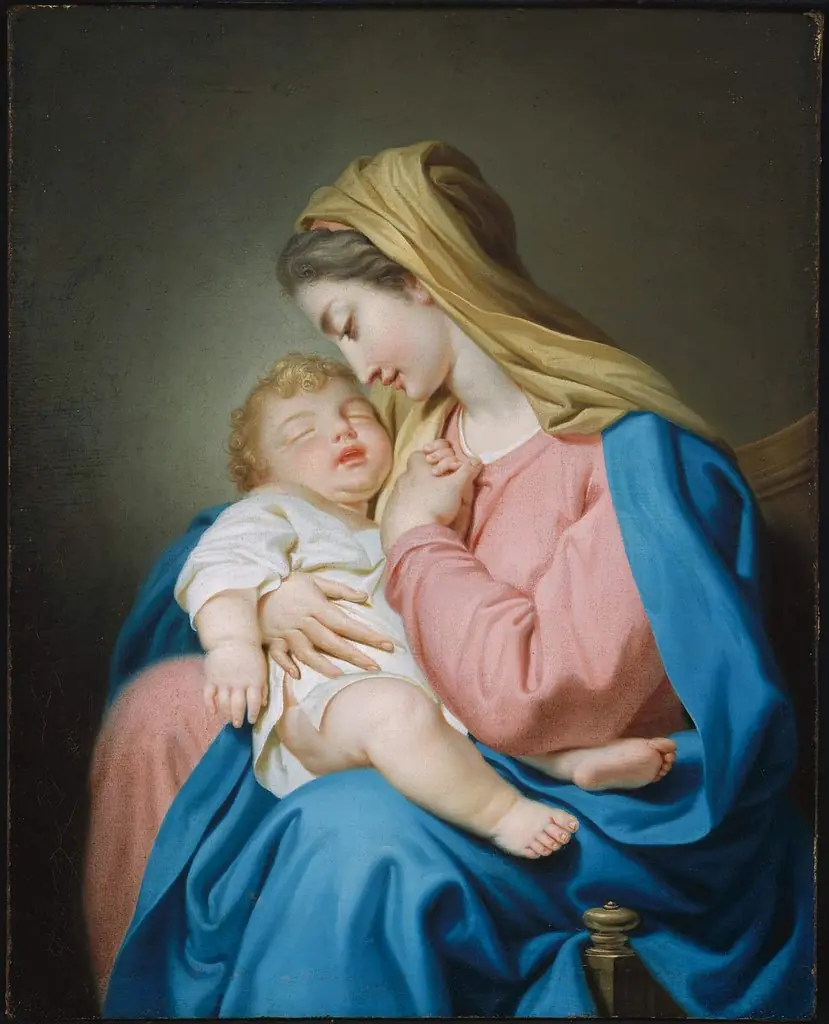 Virgin and Child
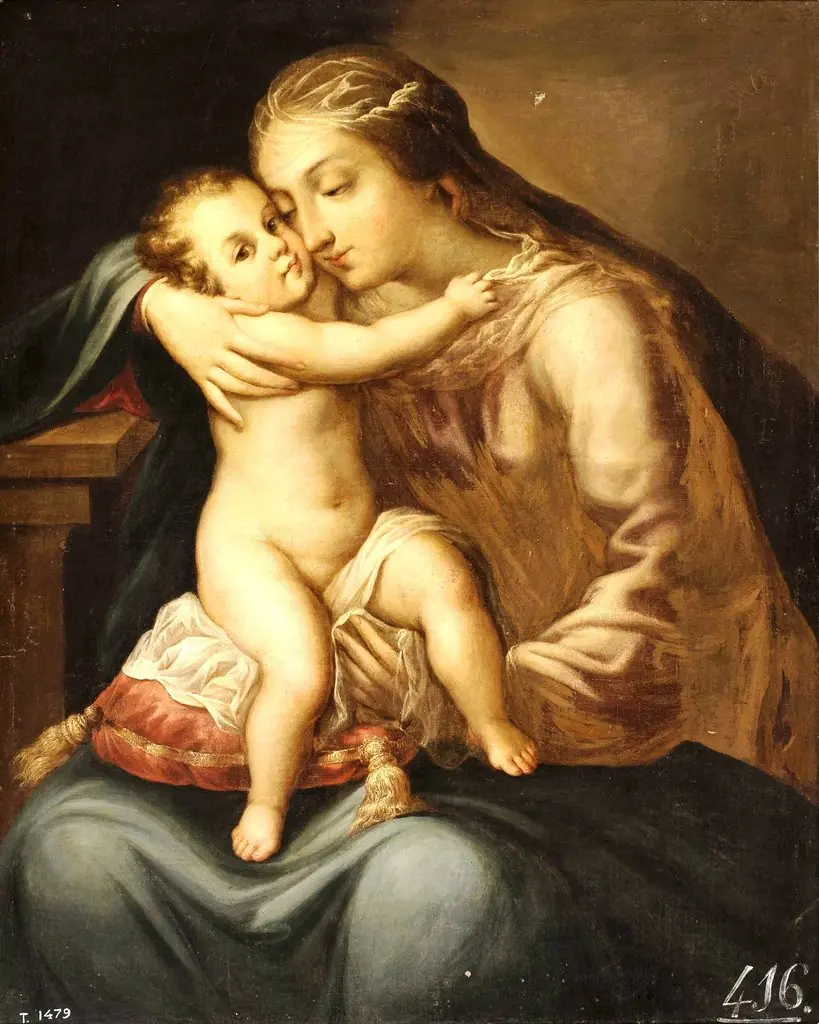 La Virgen con el Niño
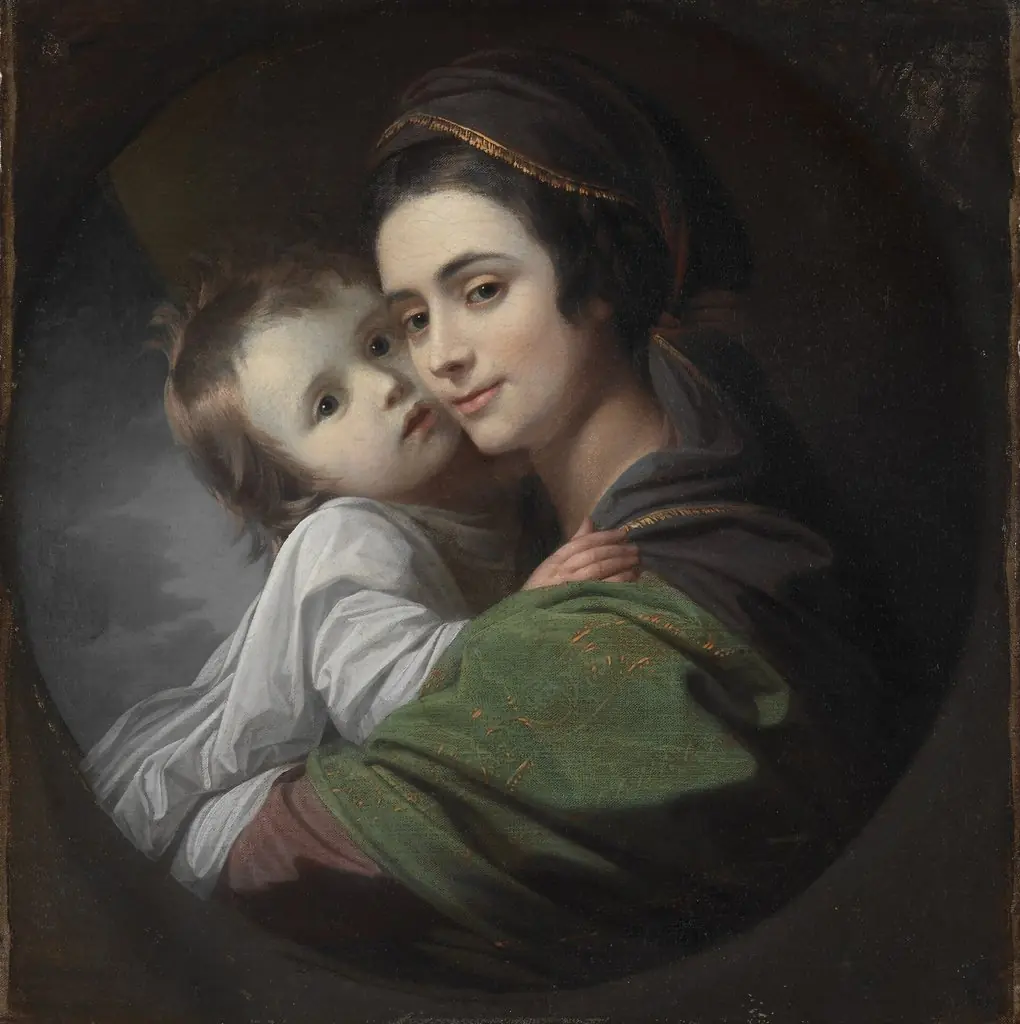 Elizabeth Shewell West and Her Son, Raphael
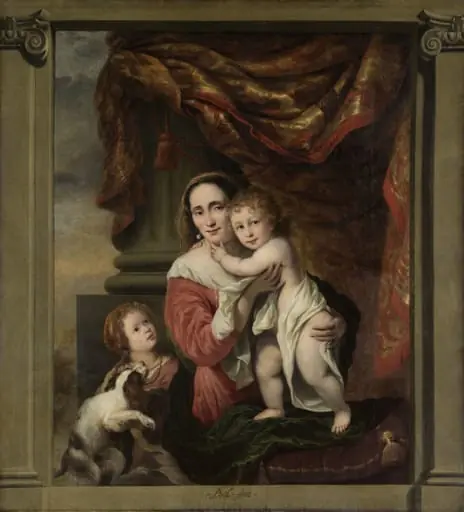 Caritas: Joanna de Geer (1629-1691) with her Children Cecilia Trip (1660-1728) and Laurens Trip (b. 1662)