Artwork
Portrait of John Talbot, later 1st Earl Talbot
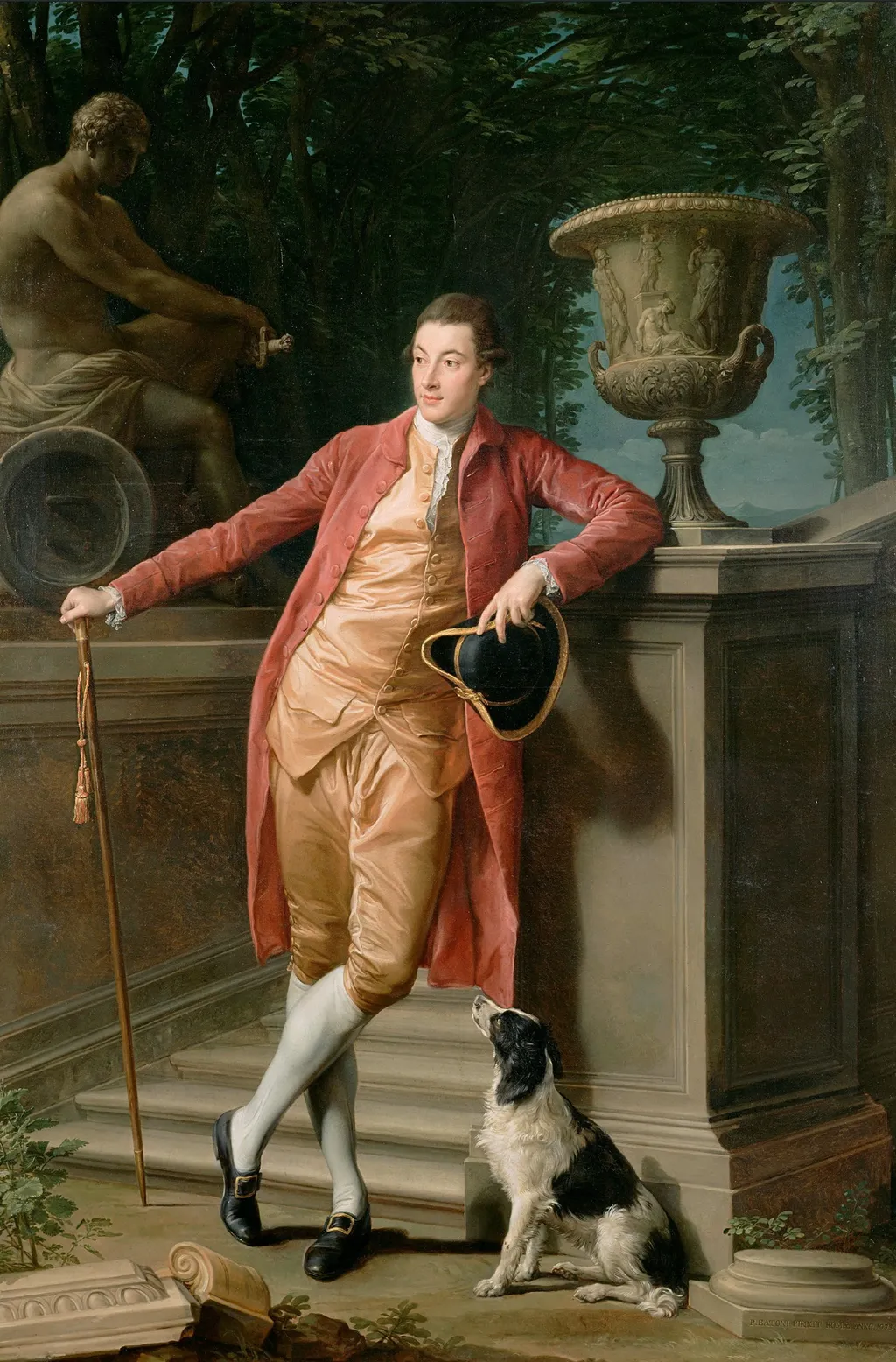
Portrait of John Talbot, later 1st Earl Talbot is an oil painting by the Rococo painting artist Pompeo Batoni. It dates from 1773 and is held in the collection of the J. Paul Getty Museum.
About this work
Overview
Painted in 1773 by Pompeo Batoni, this oil portrait captures John Chetwynd-Talbot, who would later become the 1st Earl Talbot.
Painted in 1773 by Pompeo Batoni, this oil portrait captures John Chetwynd-Talbot, who would later become the 1st Earl Talbot. The work belongs to a distinctive category of portraiture developed by Batoni for British aristocrats on the Grand Tour. It presents its subject in a carefully composed outdoor setting, blending elements of classical antiquity with contemporary fashion to convey both status and cultural refinement.
Subject & Meaning
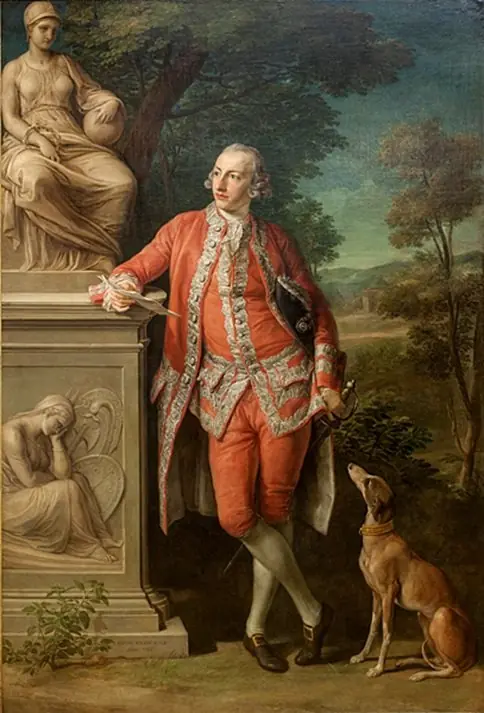
John Talbot is depicted mid-stride on stone steps, dressed in a pink coat and tan breeches, embodying the refined traveler of the era. His posture—leaning on a pillar, holding a cane and a hat—suggests contemplative authority. The presence of a dog, a classical statue, and a monumental vase reinforces themes of lineage, education, and the cultivated taste expected of elite British gentlemen returning from Italy.
Technique & Style
Batoni employed precise brushwork and subtle gradations of light to model the textures of fabric, stone, and fur. The pink coat contrasts with the muted tones of the architecture and landscape, drawing focus to the figure. The composition balances naturalism with idealized classical elements, using atmospheric perspective to deepen the spatial illusion. Lighting is soft yet directional, enhancing the three-dimensionality of the scene without theatricality.
History & Provenance
Commissioned during Talbot’s Grand Tour, the portrait was likely created in Rome, where Batoni was the preferred artist for British nobility. It remained in the Talbot family for generations before entering a public collection. Its survival in near-original condition reflects its enduring significance as a personal and cultural artifact of 18th-century elite travel and identity formation.
Context
Batoni’s portraits of British travelers were more than likenesses—they served as visual certificates of cultural attainment. By placing sitters amid Roman ruins and classical sculptures, he linked them to the intellectual heritage of antiquity. This portrait reflects a broader trend among the British elite to assert their sophistication through association with Italian art and architecture during the Grand Tour.
Legacy
The portrait exemplifies Batoni’s role in shaping the visual language of aristocratic identity in the 18th century. While his mythological works are less widely known today, his Grand Tour portraits remain key documents of transnational cultural exchange. This image continues to inform understandings of how British elites used art to construct and display their social and intellectual aspirations abroad.
Own this work as a print
Artist & collection
Artist
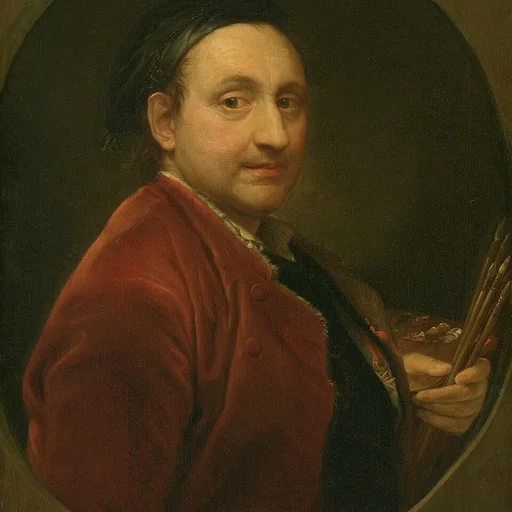
Pompeo Girolamo Batoni (25 January 1708 – 4 February 1787) was an Italian painter who displayed a solid technical knowledge in his portrait work and in his numerous allegorical and mythological pictures.

 Portrait of Sir Wyndham Knatchbull-Wyndham
 Portrait of an Envoy to the French and English Courts
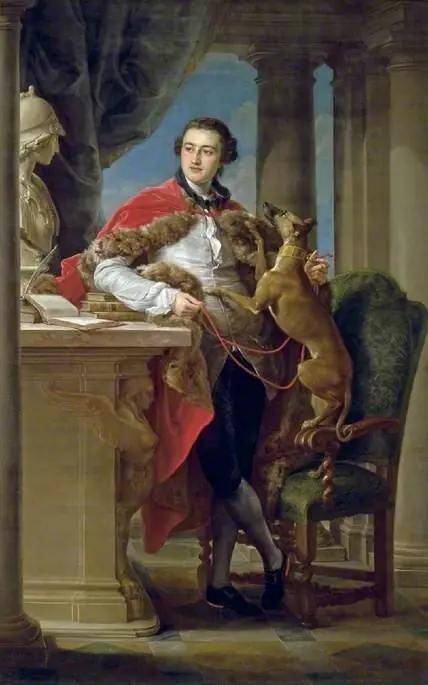 The 7th Earl of Northampton
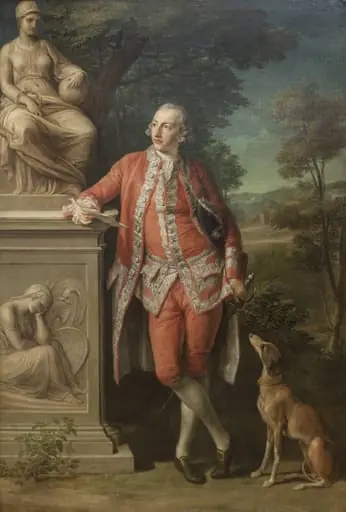 Peter Beckford (1740-1811), godsejer, Dorset.
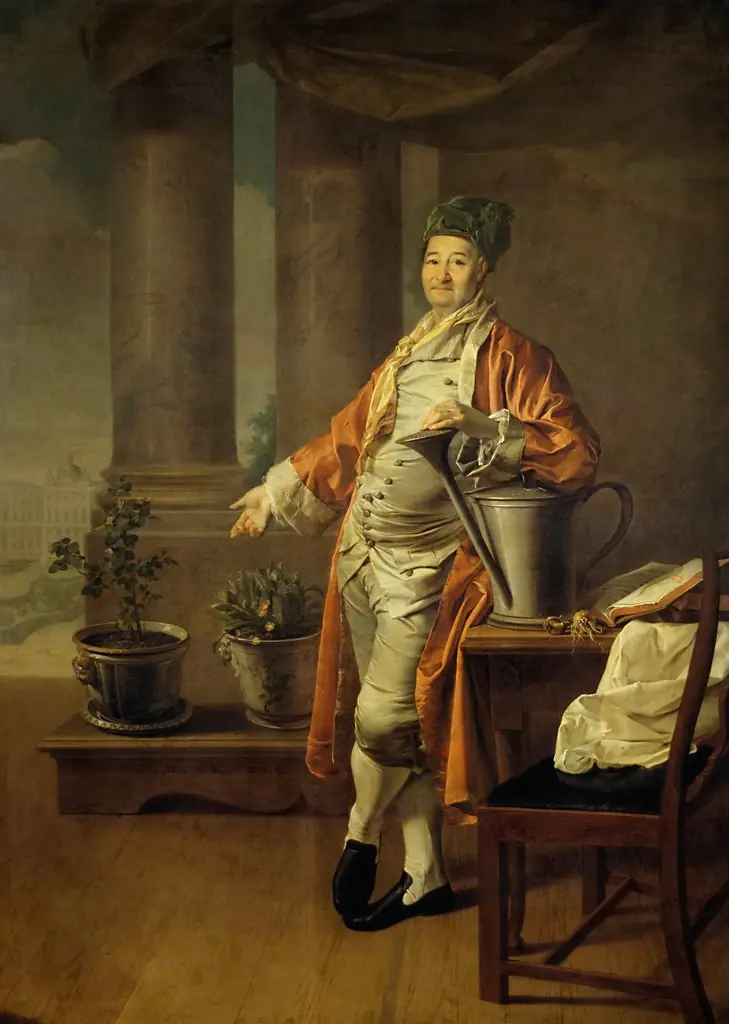 Portrait of Procope Demidov
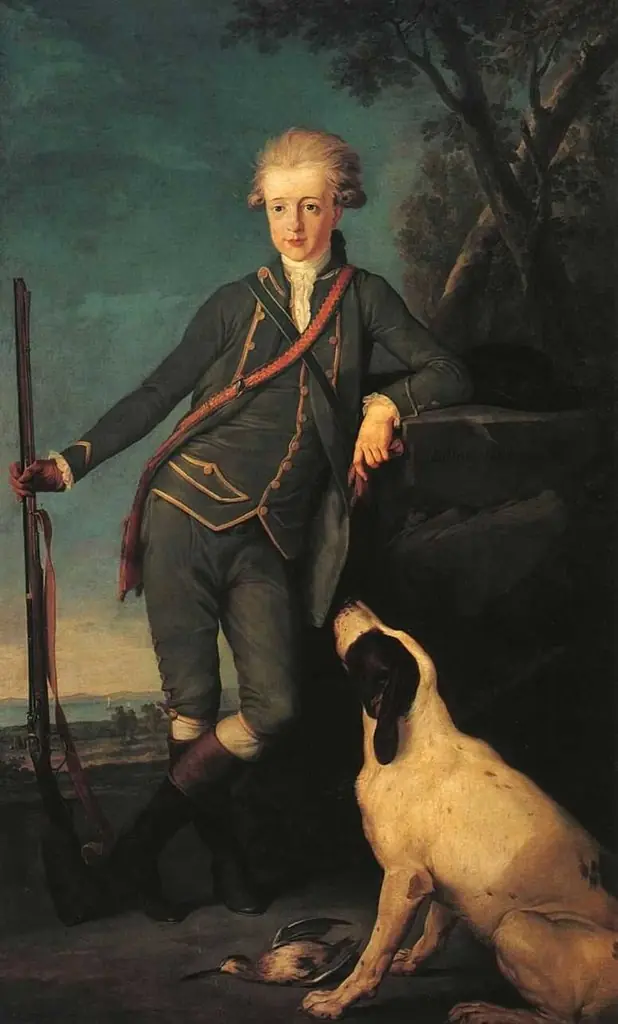 Portrait of Nikita Petrovich Panin (1770-1837)
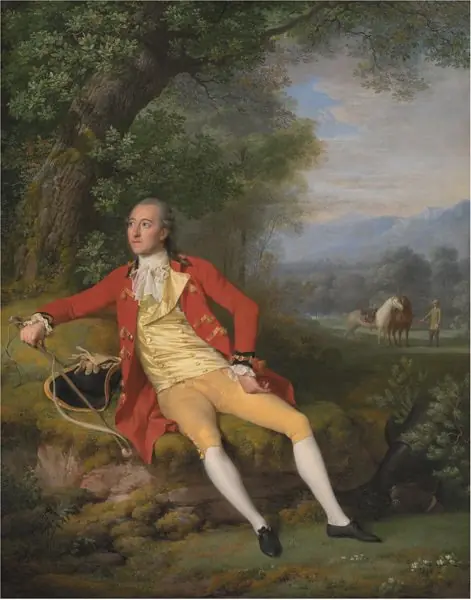 Jean-Armand Tronchin, udsending ved det franske og engelske hof. Schweiz
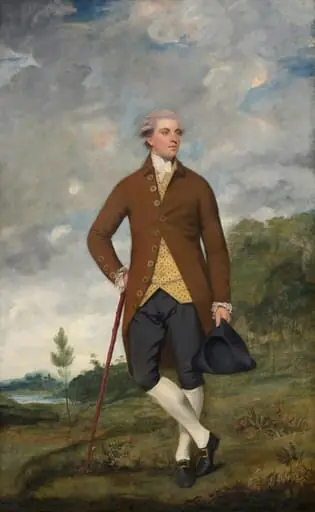 John Musters
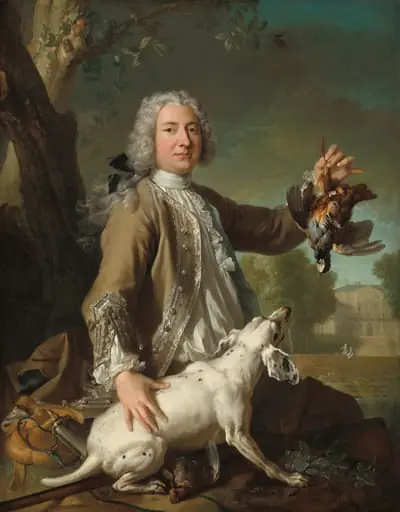 Henri Camille, Chevalier de Beringhen
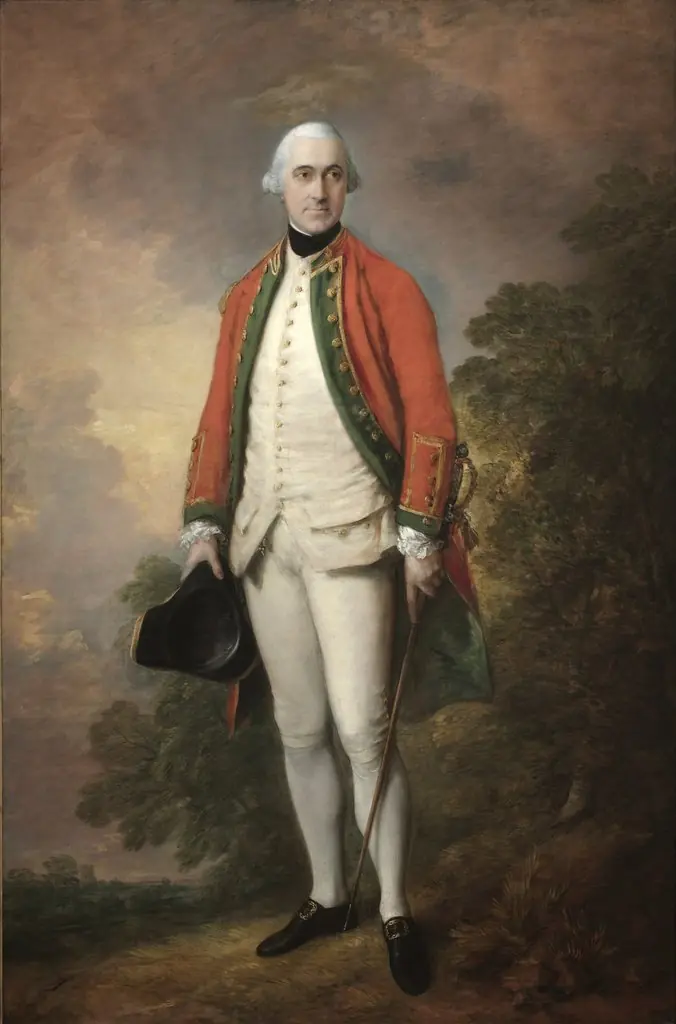 Portrait of George Pitt, First Baron Rivers