Artwork
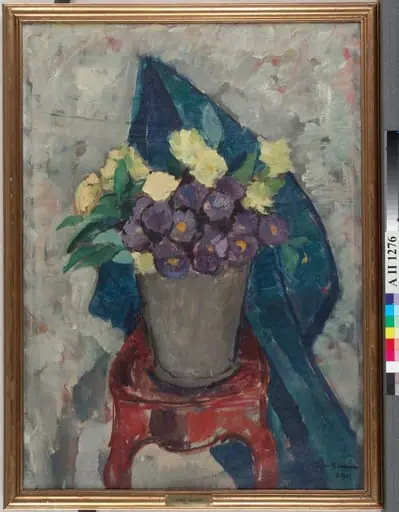
Natură moartă cu flori violete
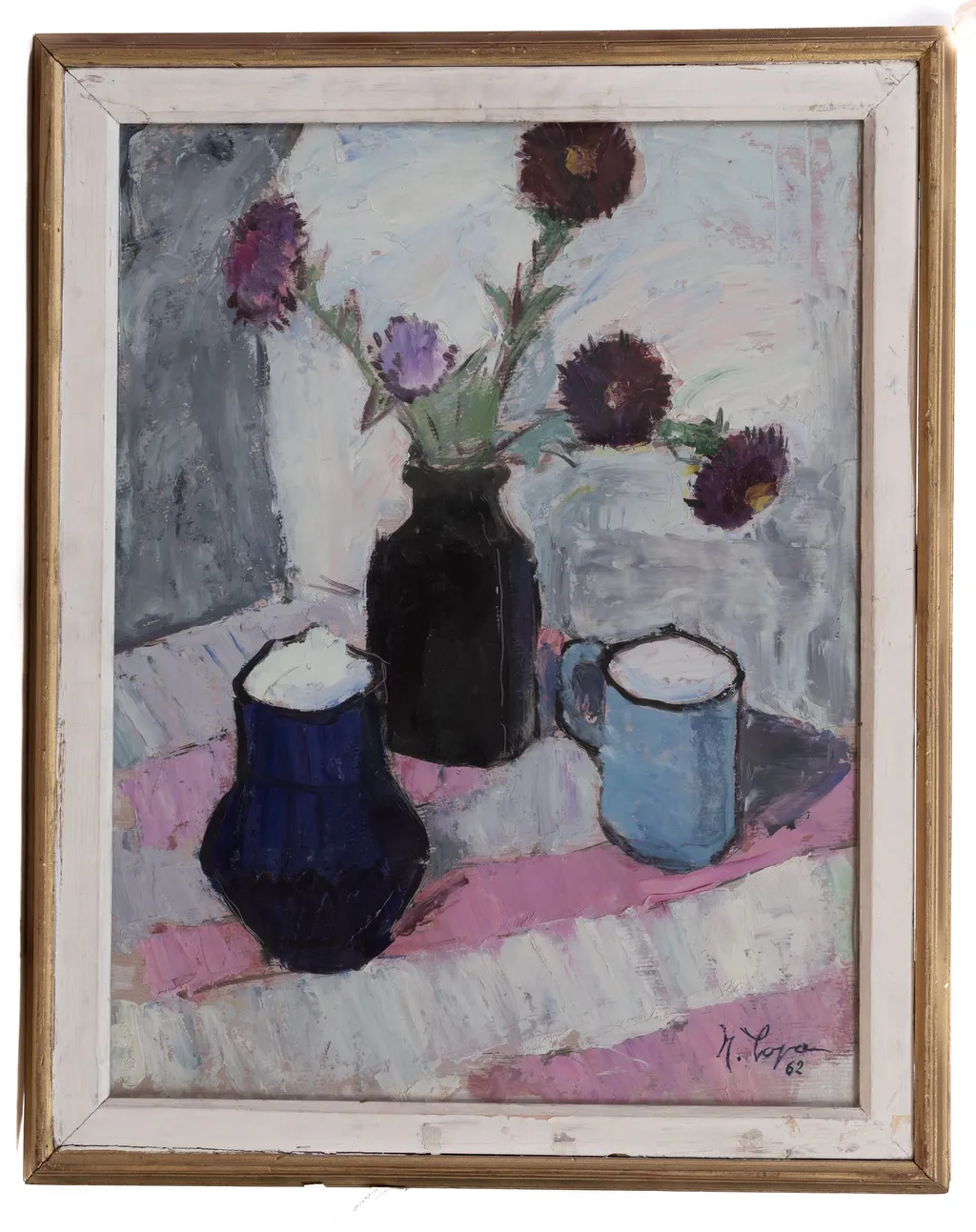
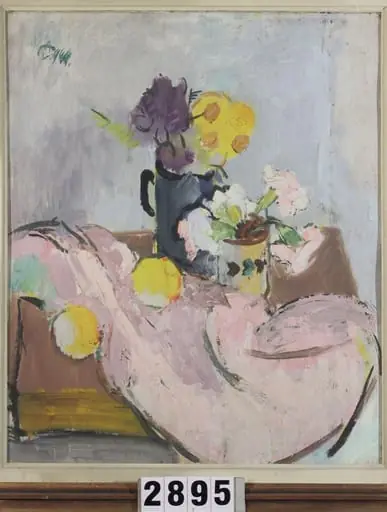
Natură moartă cu flori violete is a print by Popa Nicolae. It dates from 1931 and is held in the collection of the Moldova National Museum Complex.
About this work
Overview
Painted around 1931 by Popa Nicolae, this still life presents a quiet arrangement of a vase of purple flowers and two ceramic jugs, one dark blue and one light blue. Set against a softly blended background of pink, white, and gray, the composition avoids rigid symmetry, favoring an informal, intimate grouping that suggests a domestic moment captured in passing.
Subject & Meaning
The subject—common household objects arranged without ceremony—reflects a quiet celebration of everyday life. The purple flowers, neither exotic nor ornate, and the utilitarian jugs imply a personal, unpretentious setting. The absence of narrative or symbolism points toward an emphasis on presence and atmosphere rather than allegory, inviting contemplation of simple, transient beauty.
Technique & Style
Brushwork is loose and tactile, with visible strokes that build form through color variation rather than precise outline.
Brushwork is loose and tactile, with visible strokes that build form through color variation rather than precise outline. The artist employs subtle chiaroscuro to model volumes, lending depth without dramatic contrast. Colors are muted but harmonized through tonal relationships, creating a sense of warmth. Texture emerges from layered paint, enhancing the material presence of the ceramics and petals.
History & Provenance
The painting’s early 20th-century origin places it within a period of Romanian art exploring modernist tendencies while retaining ties to realism. Though specific ownership history is not widely documented, its survival and recognition suggest it was held in private or institutional collections within Romania, reflecting local appreciation for intimate, non-monumental painting.
Context
Created during a time when Romanian artists were engaging with European modernism, Popa’s work diverges from overt avant-garde experimentation. Instead, it aligns with a quieter, regional trend—emphasizing domestic scenes and sensory atmosphere over radical form. This places the painting within a broader current of interwar Eastern European art that valued emotional resonance over stylistic disruption.
Legacy
While not widely exhibited internationally, the work remains a representative example of Popa Nicolae’s approach to still life. Its restrained palette and tactile brushwork influenced later Romanian painters interested in conveying quietude through material presence. The painting endures as a quiet testament to the dignity of ordinary objects in early 20th-century Romanian visual culture.
Artist & collection
Artist
Romanian printmaker and painter Nicolae Popa filled small canvases and sheets with quiet, precise scenes.
 Natură statică cu flori
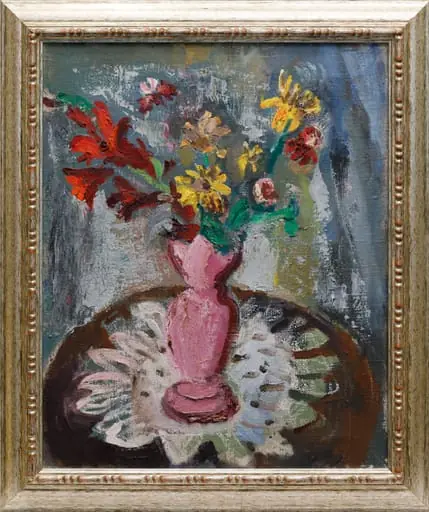 Vază cu flori
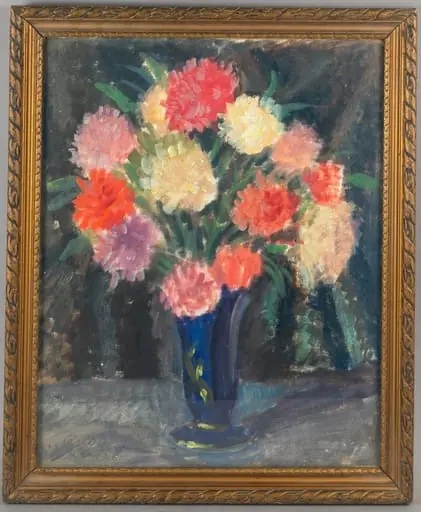 Pictură în ulei pe pânză, reprezentând un vas mare cu flori galbene, roșii, mov, semnat de pcitorul Gheorghe Ceglokoff (1904-1964, pictor și grafician, născut la Chișinău, închis pentru simpatii comunite) realizat în lagărul din Târgu Jiu, 1941, dăruită lui Liță Anghel
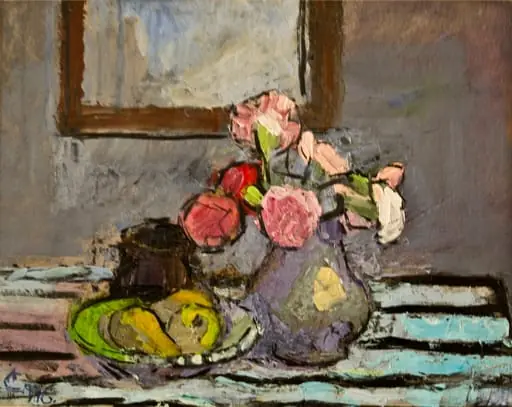 Garoafe și pere
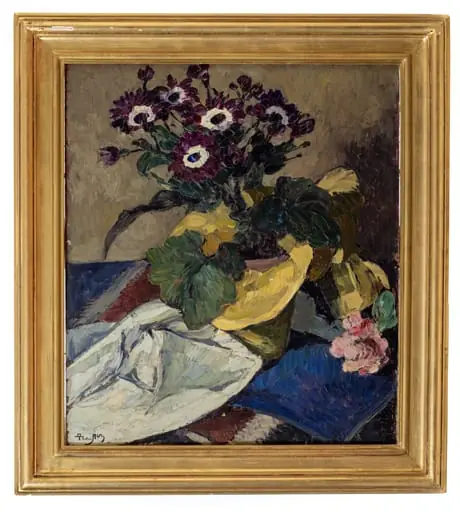 Flori
Flori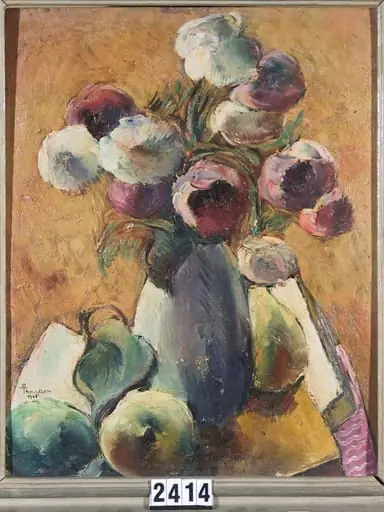 Vas cu flori
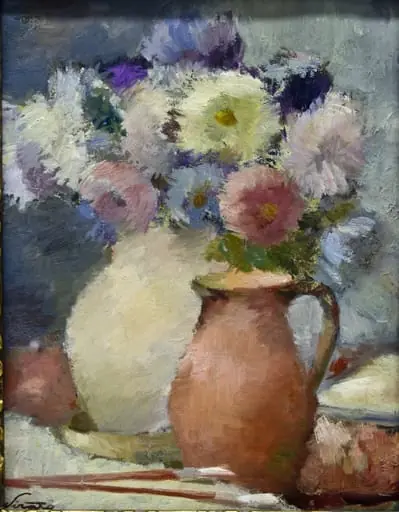 Ulcele cu flori
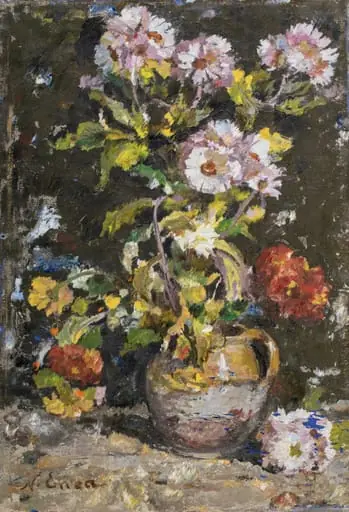 Flori - dumitrițe
 Kukka-asetelma
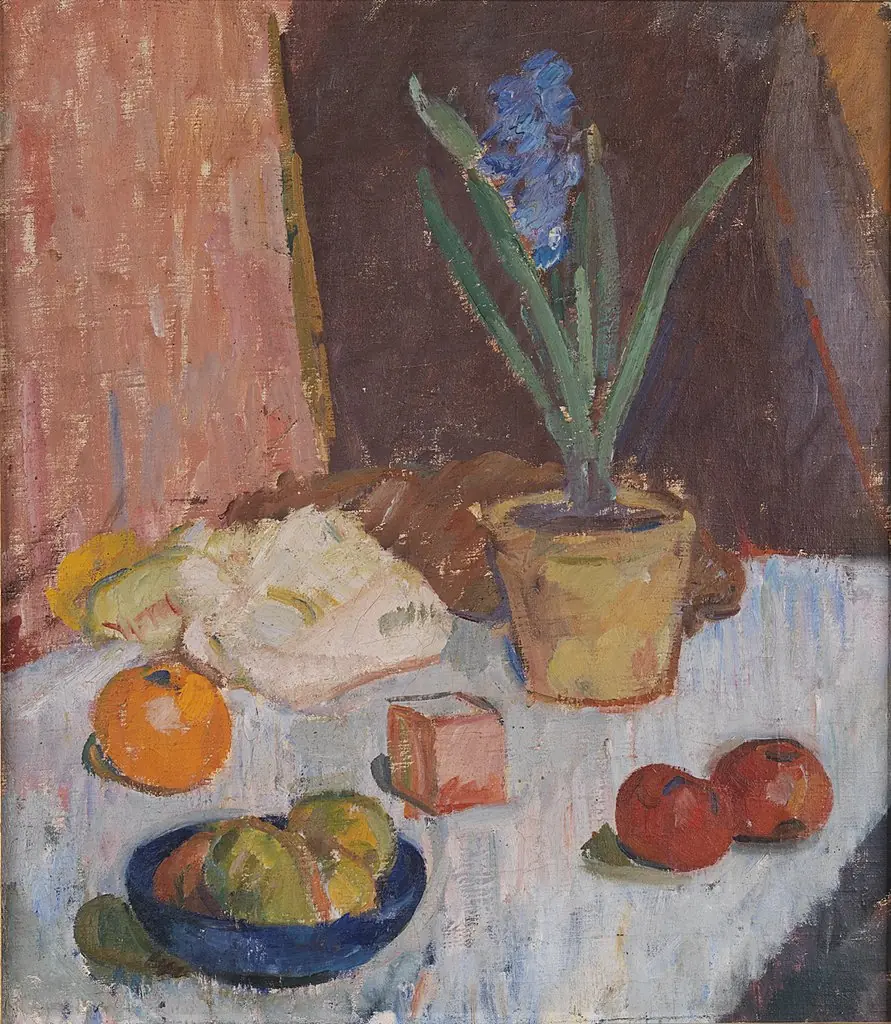 Composition with Hyacinth, Fruits and Blue Bowl