Artwork
Soborul Arhanghelilor
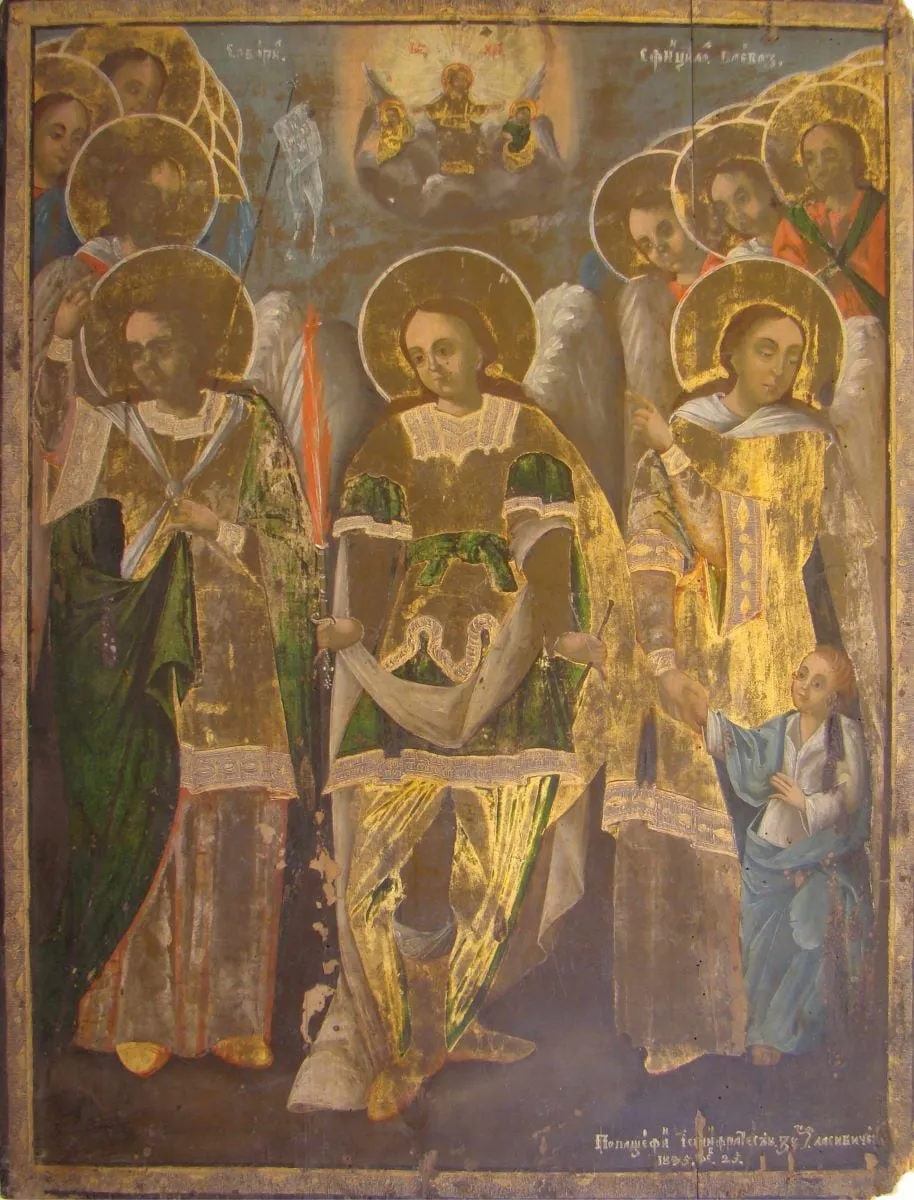
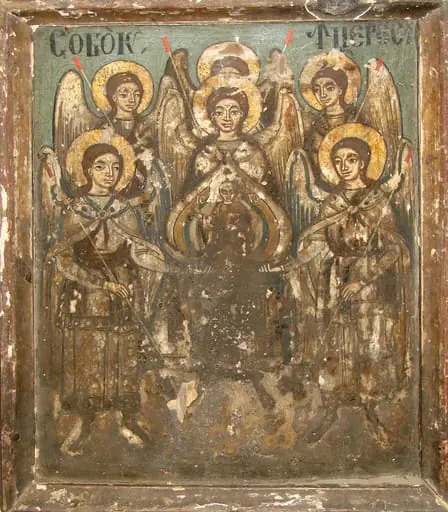
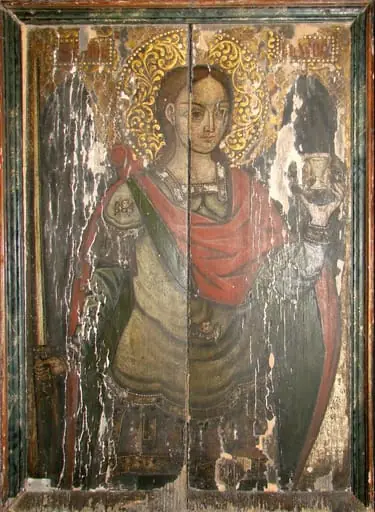
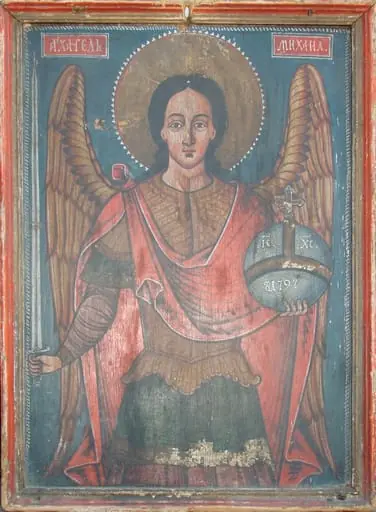
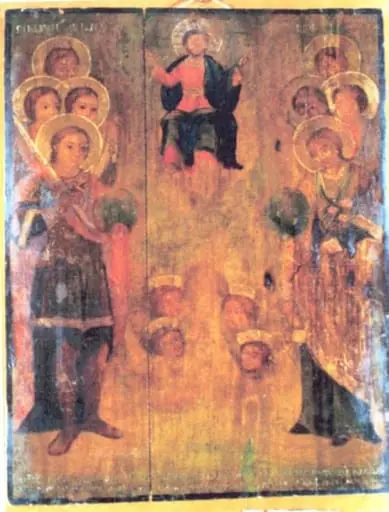
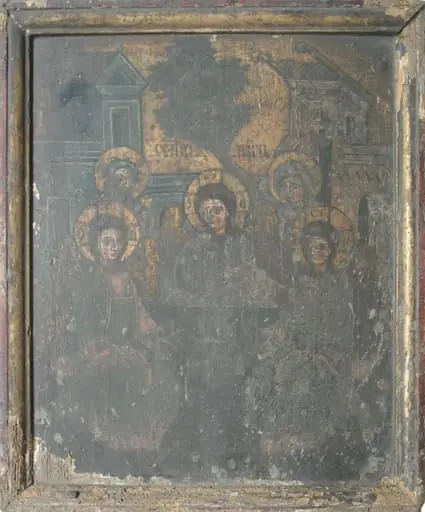
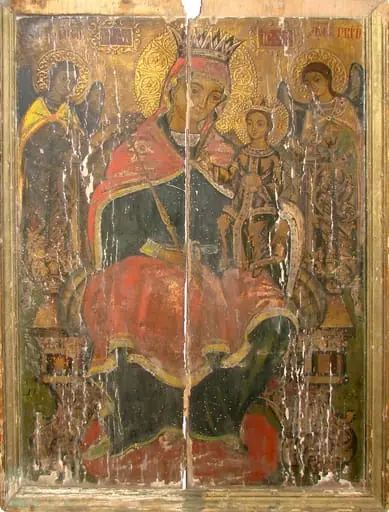
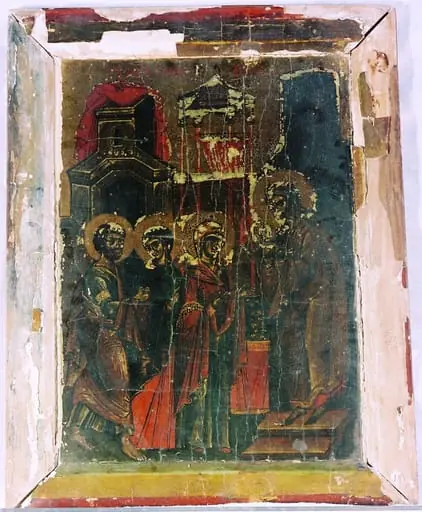
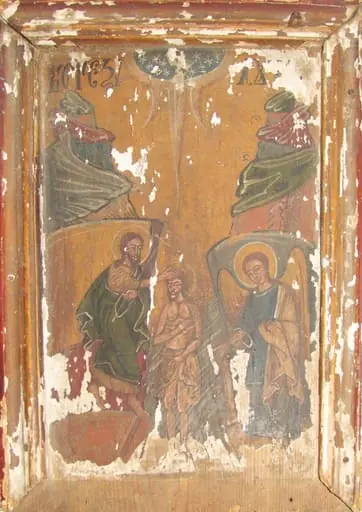
Soborul Arhanghelilor is a drawing by the Romanticist artist Popa Ștefan și fratele său Ioan. It dates from 1835 and is held in the collection of the Alba Iulia Orthodox Archdiocese.
About this work
Overview
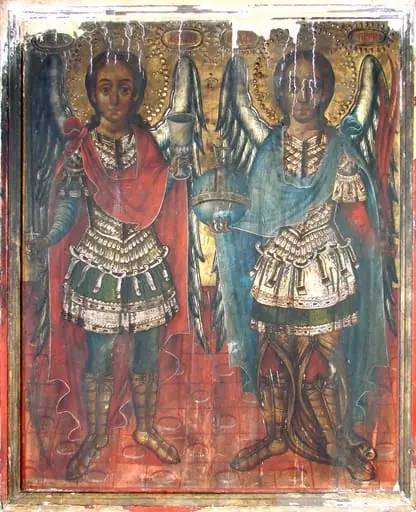
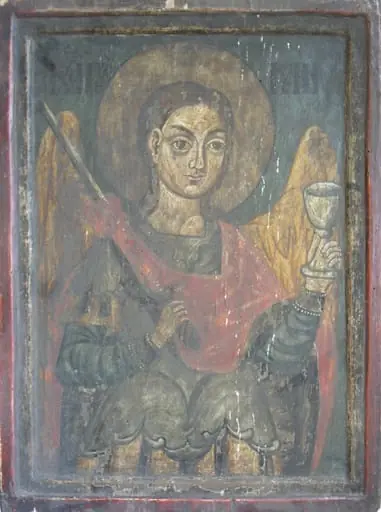
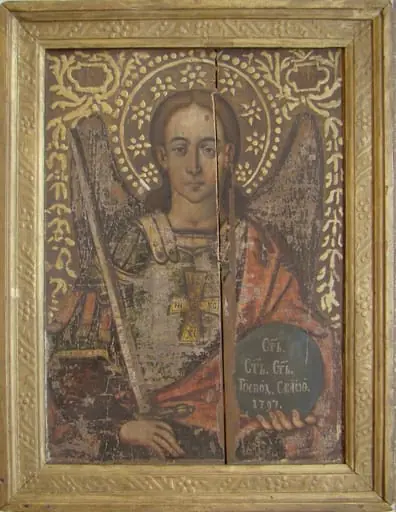
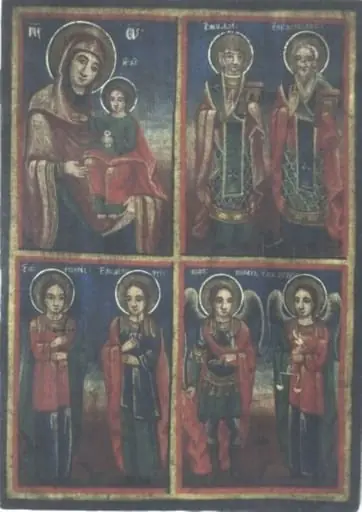
Soborul Arhanghelilor, painted in 1835 by Popa Ștefan and his brother Ioan, is a religious panel depicting a gathering of archangels.
Soborul Arhanghelilor, painted in 1835 by Popa Ștefan and his brother Ioan, is a religious panel depicting a gathering of archangels. Executed in tempera or oil on wood, it resides in the Museum of Ethnography. The composition centers on a hierarchical arrangement of celestial beings, rendered with symbolic precision rather than naturalistic detail, reflecting devotional conventions of 19th-century Romanian ecclesiastical art.
Subject & Meaning
The painting portrays a council of archangels, likely representing divine authority and celestial order. The central figure, distinguished by green and gold robes, may symbolize Michael or another leading archangel. The varied gazes and postures suggest active engagement in divine tasks, while halos affirm their sacred status. The scene functions as a visual prayer, intended to inspire contemplation and reverence in a liturgical context.
Technique & Style
The work employs flat, stylized forms with minimal shading, typical of regional religious iconography. Gold leaf highlights the halos and garment edges, enhancing luminosity without illusionistic depth. The muted blue background creates a quiet, otherworldly space. While some elements echo Romantic-era emotional intensity, the overall approach remains rooted in traditional Byzantine-derived methods, prioritizing spiritual symbolism over naturalism.
History & Provenance
Commissioned for a local church or monastery, the painting was likely transferred to the Museum of Ethnography in the 20th century as part of efforts to preserve folk and religious artifacts. Its attribution to the brothers Popa Ștefan and Ioan reflects a common practice of familial workshops in rural Moldavian religious art. No documentation of its original location survives, but its style aligns with mid-19th-century ecclesiastical production in northeastern Romania.
Context
Created during a period of cultural revival under Ottoman suzerainty, the painting reflects the persistence of Orthodox traditions amid political change. Local artisans maintained Byzantine-inspired iconography even as Western European styles influenced urban centers. Soborul Arhanghelilor exemplifies how rural communities sustained devotional art through inherited techniques, blending regional aesthetics with enduring theological themes.
Legacy
The painting remains a key example of 19th-century Romanian religious art, illustrating the continuity of iconographic traditions beyond urban academies. It contributes to scholarly understanding of how spiritual imagery was adapted in provincial settings. Today, it serves as a cultural artifact that bridges folk craftsmanship and ecclesiastical devotion, preserved not for aesthetic novelty but for its historical and devotional significance.
Artist & collection
Artist
Popa Ștefan și fratele său Ioan
These two brothers from 19th-century Wallachia turned Bible scenes into everyday street scenes: imagine angels in long robes acting like neighbors chatting by the town well.